Comparing objects Extra Challenge Worksheets for Ages 3-8
3 filtered results
-
From - To
Welcome to our "Comparing Objects Extra Challenge Worksheets" designed for children ages 3-8! These engaging worksheets promote critical thinking and help young learners explore the concept of comparison through fun, interactive activities. Students will enhance their observational skills as they identify similarities and differences among various objects. Our extra challenges are tailored to be age-appropriate while pushing their cognitive abilities further. With vibrant illustrations and engaging exercises, children will stay motivated and curious as they learn. Download our printable worksheets today and support your child's development in comparing objects, a foundational skill for mathematics and reasoning!
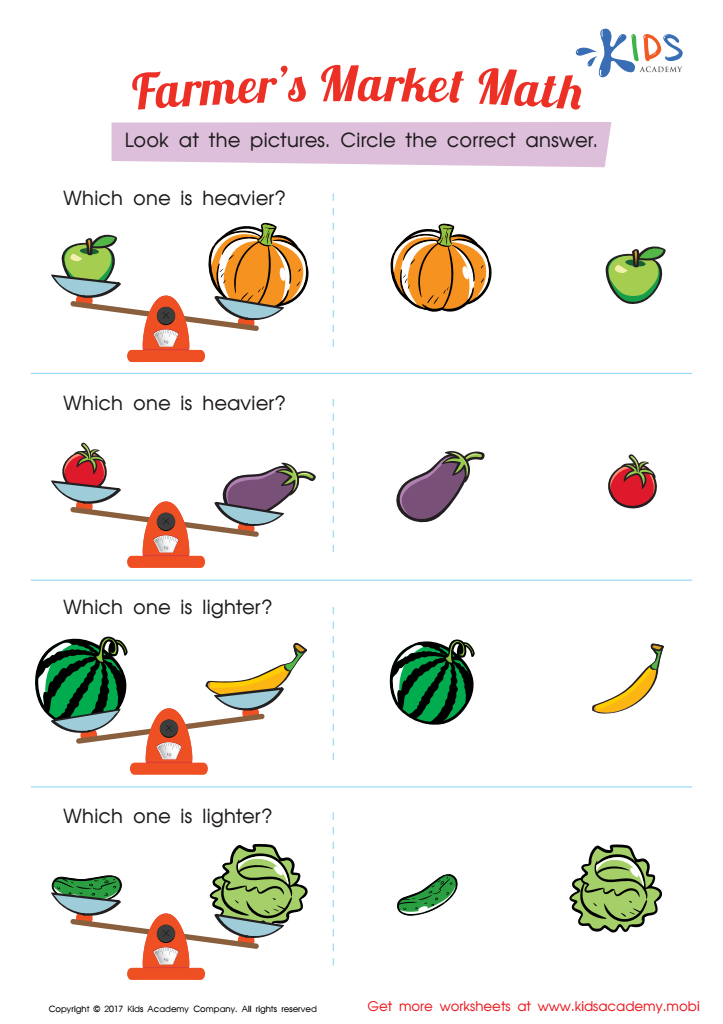
Which One Is Heavier Worksheet
 Assign to My Students
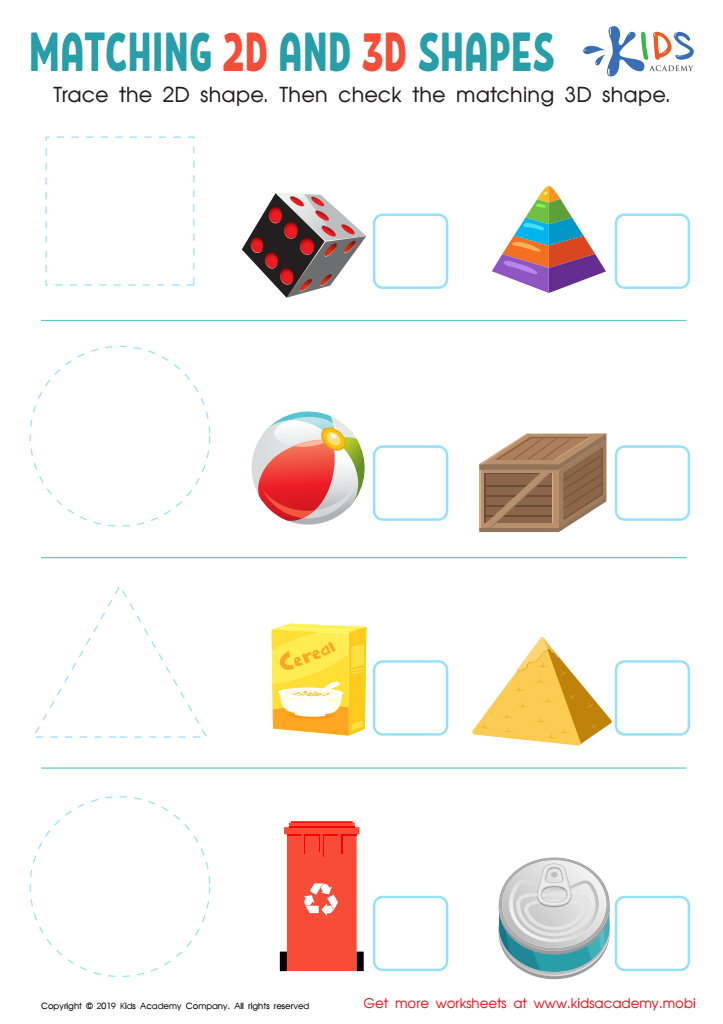
Matching 2D and 3D Shapes Worksheet
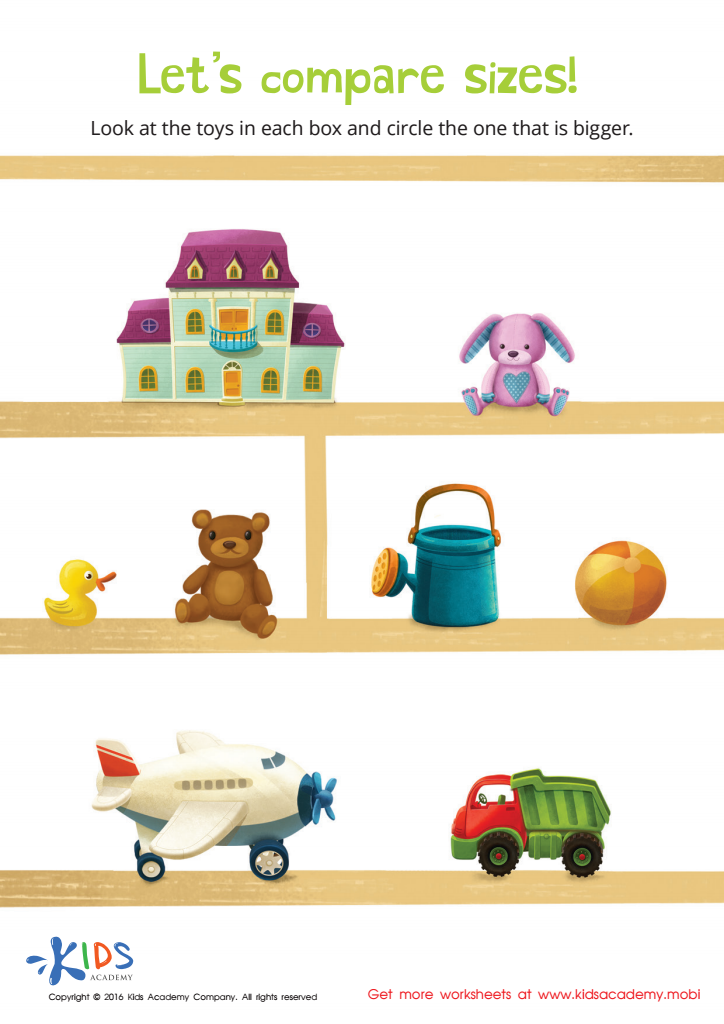
Classifying by Size Sorting Worksheet


.jpg)

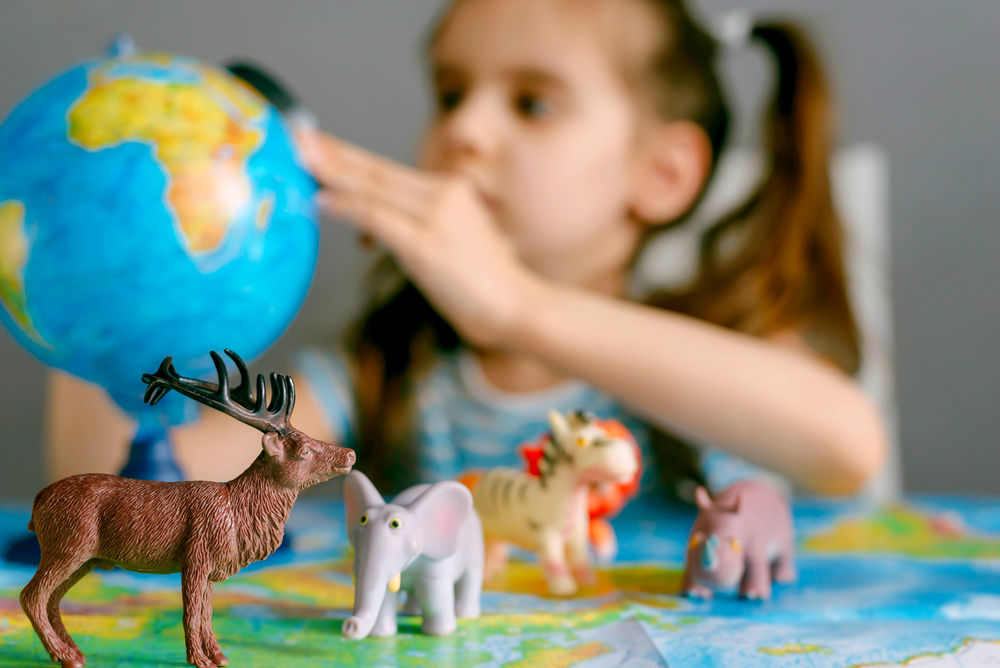
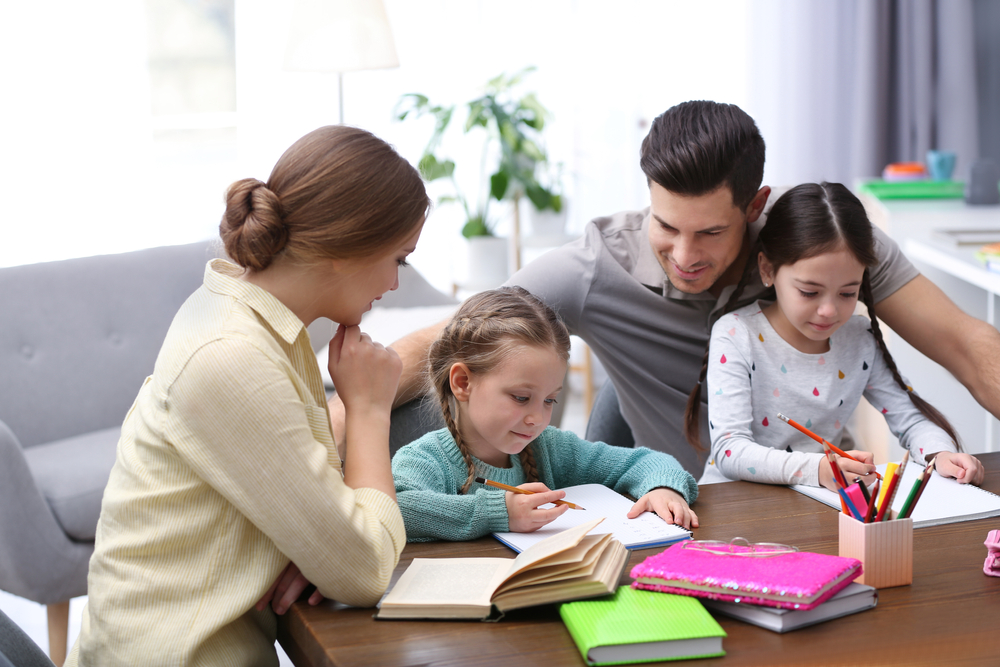
Comparing objects is a fundamental skill that greatly enhances early childhood development for children aged 3-8. Parents and teachers should care about this concept because it lays the groundwork for critical thinking, problem-solving, and math skills. When children compare objects, they begin to recognize differences and similarities, which fosters cognitive processing. This skill helps them understand quantities, sizes, and attributes, forming a basis for concepts like measurement and mathematics.
Moreover, comparing objects encourages observational skills and increases vocabulary as children learn to articulate their differences, such as height, color, shape, and weight. These activities promote engagement and curiosity, making learning more dynamic and interactive. Additionally, comparing objects in various contexts—such as playtime, cooking, or nature walks—integrates learning with real-life experiences, making it relevant and enjoyable.
Furthermore, such activities support social skills as children often compare items collaboratively, fostering teamwork and communication. By emphasizing the importance of comparison, parents and teachers can cultivate an enriching environment that supports not only educational growth but also boosts confidence, enabling children to explore and make sense of the world around them effectively. In essence, comparison is a vital tool that equips children for lifelong learning.








