Fine Motor Skills Extra Challenge Worksheets for Ages 3-8 - Page 2
47 filtered results
-
From - To
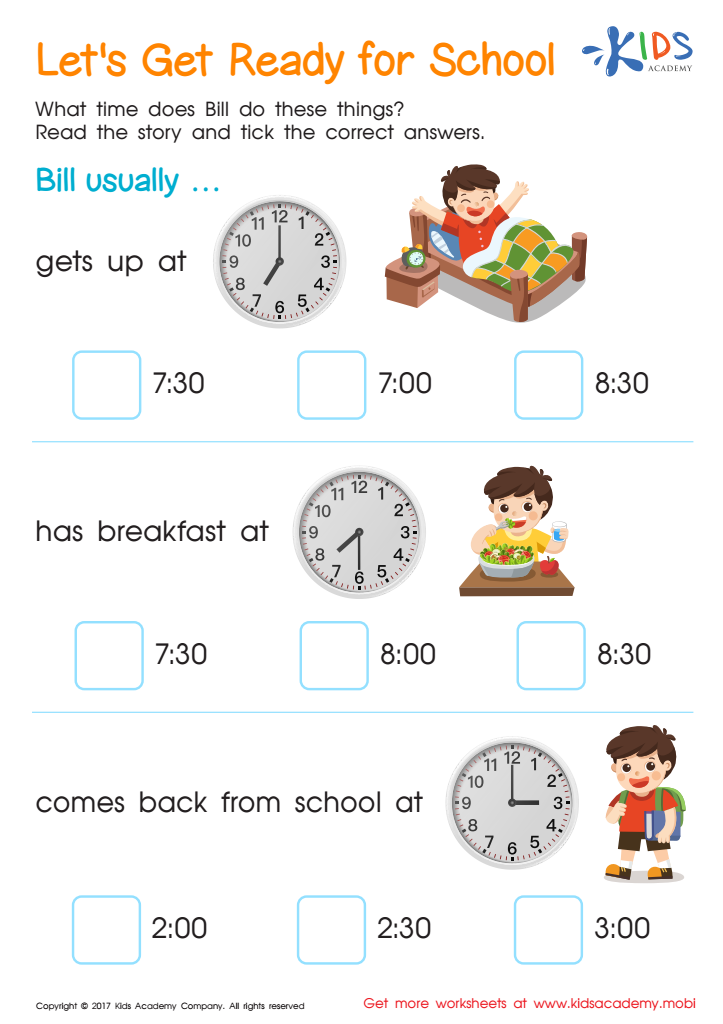
Lets Get Ready For School Time Printable
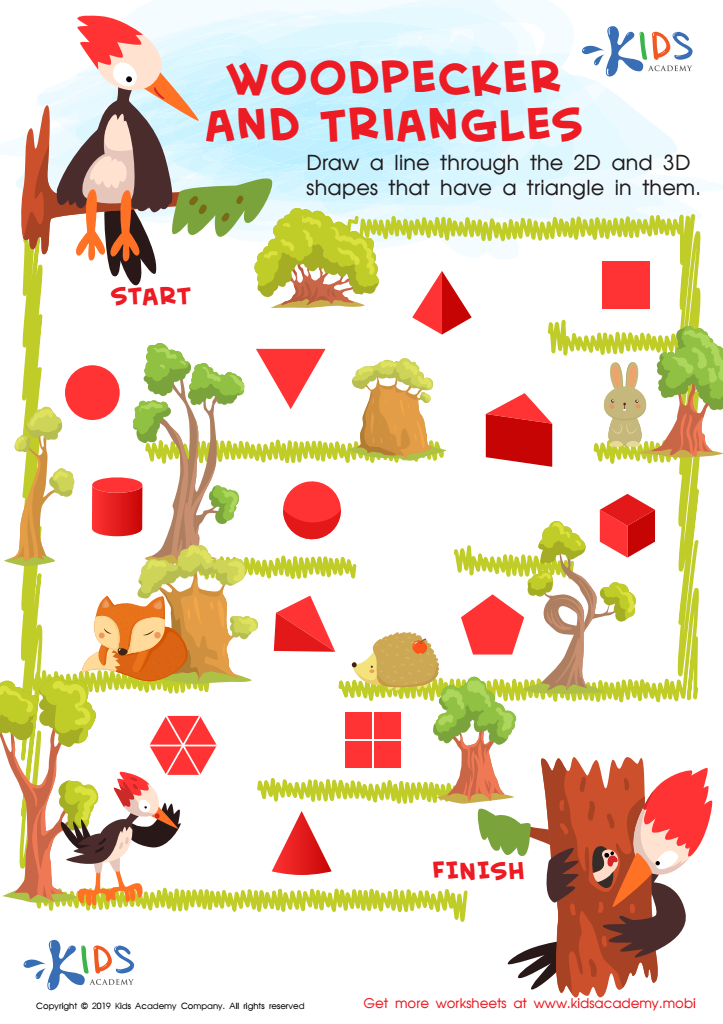
Woodpecker and Triangles Worksheet
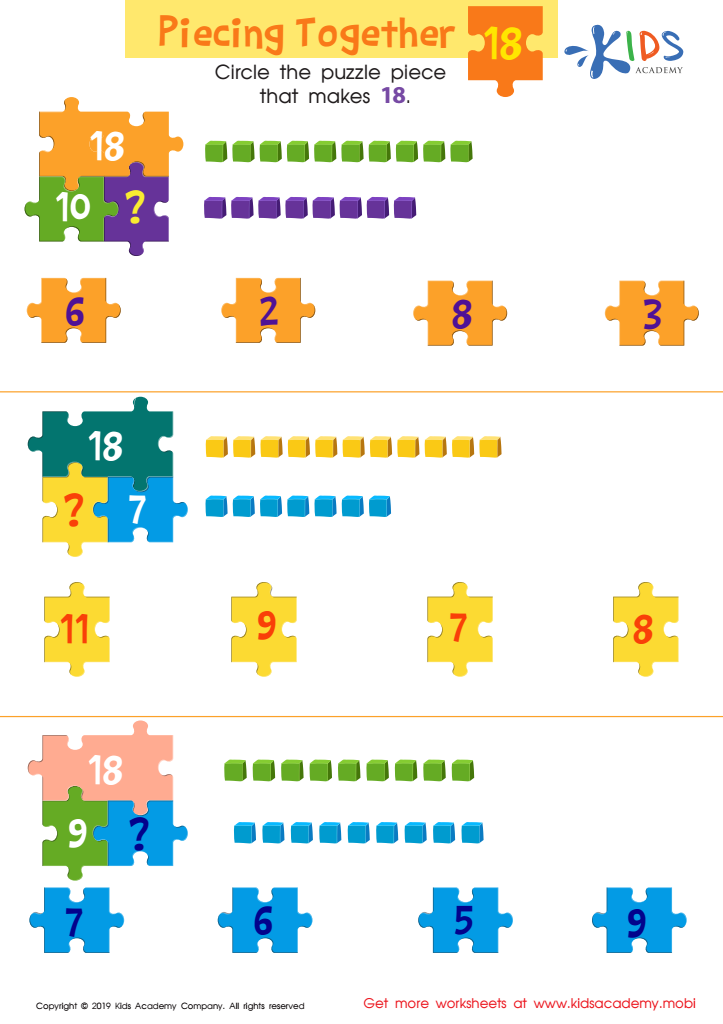
Piecing Together 18 Worksheet
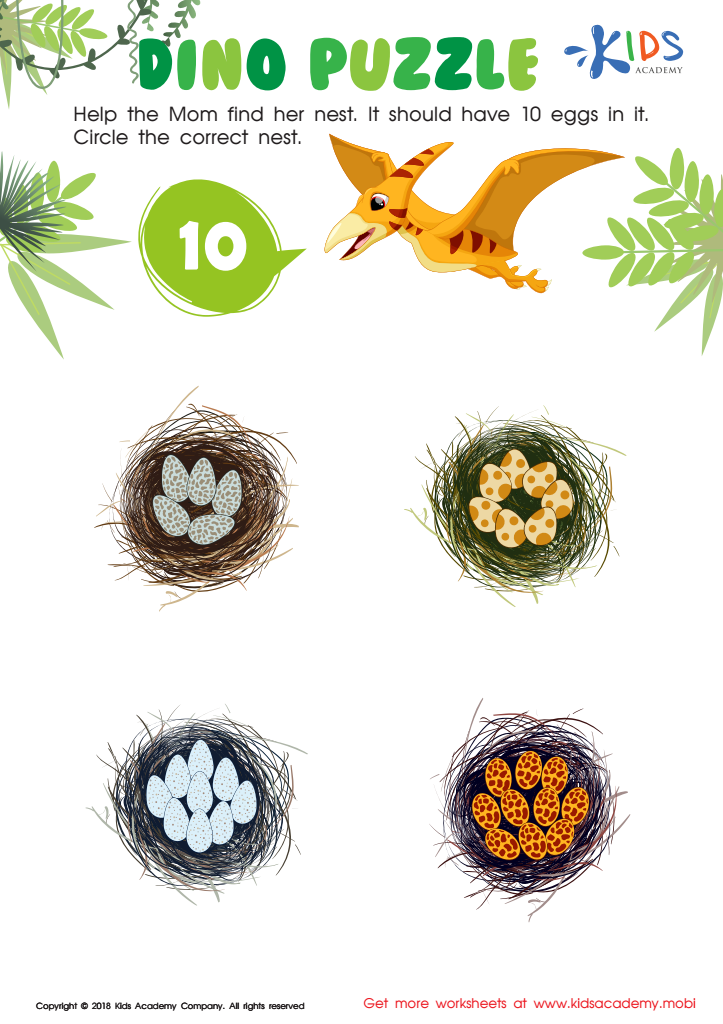
Learn Number For Kindergarten Worksheet
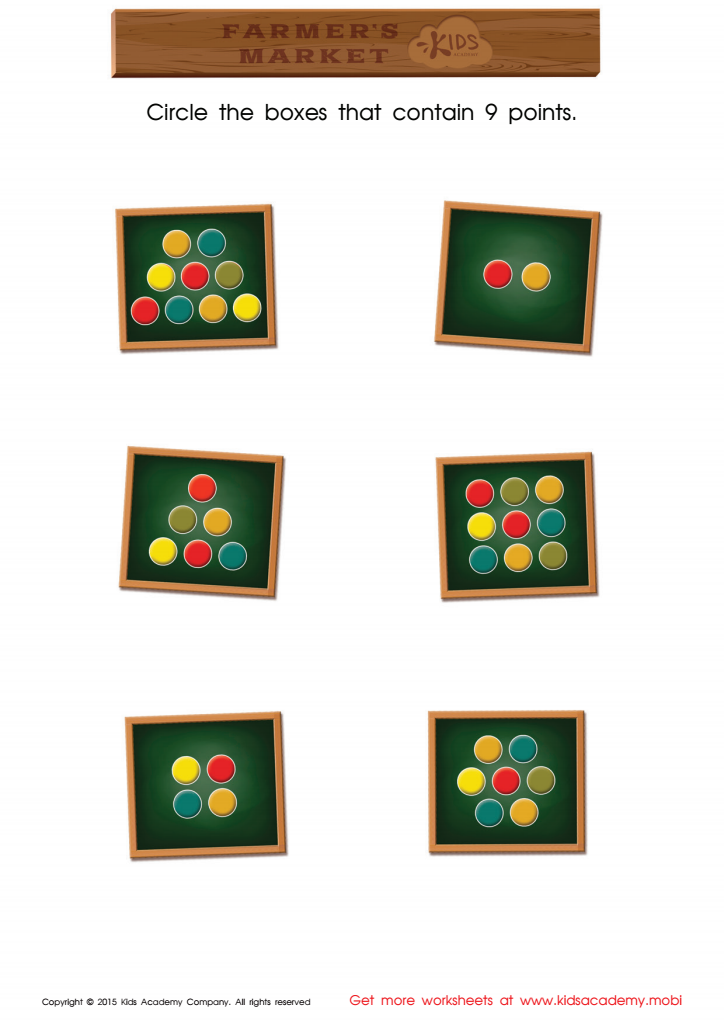
Count and Match Points 9 Math Worksheet
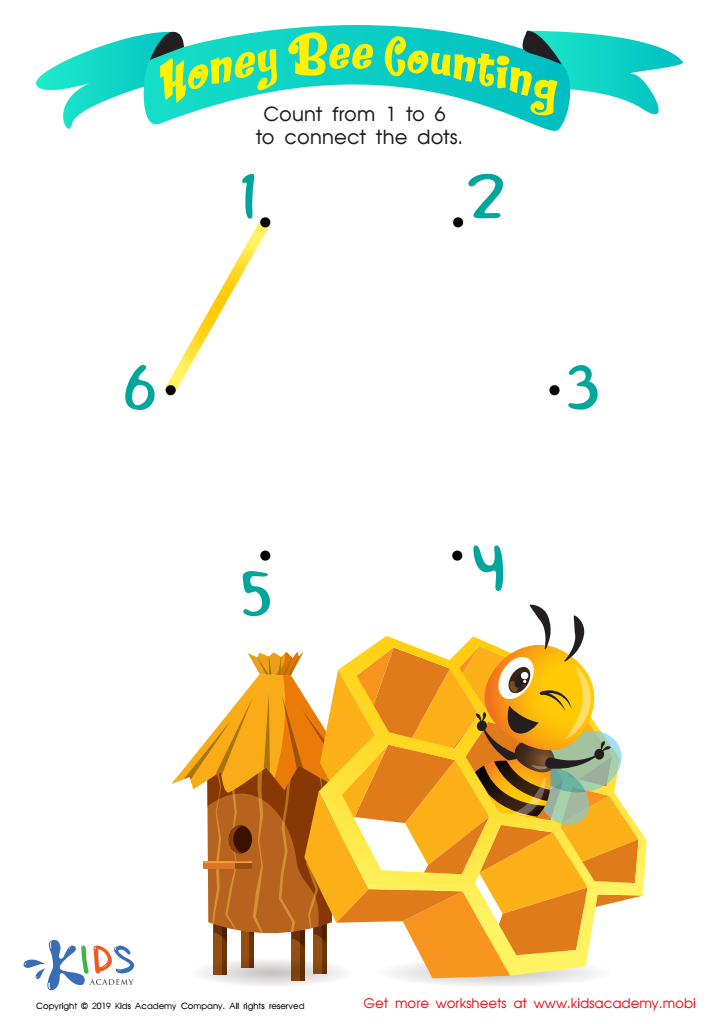
Honey Bee Counting Worksheet
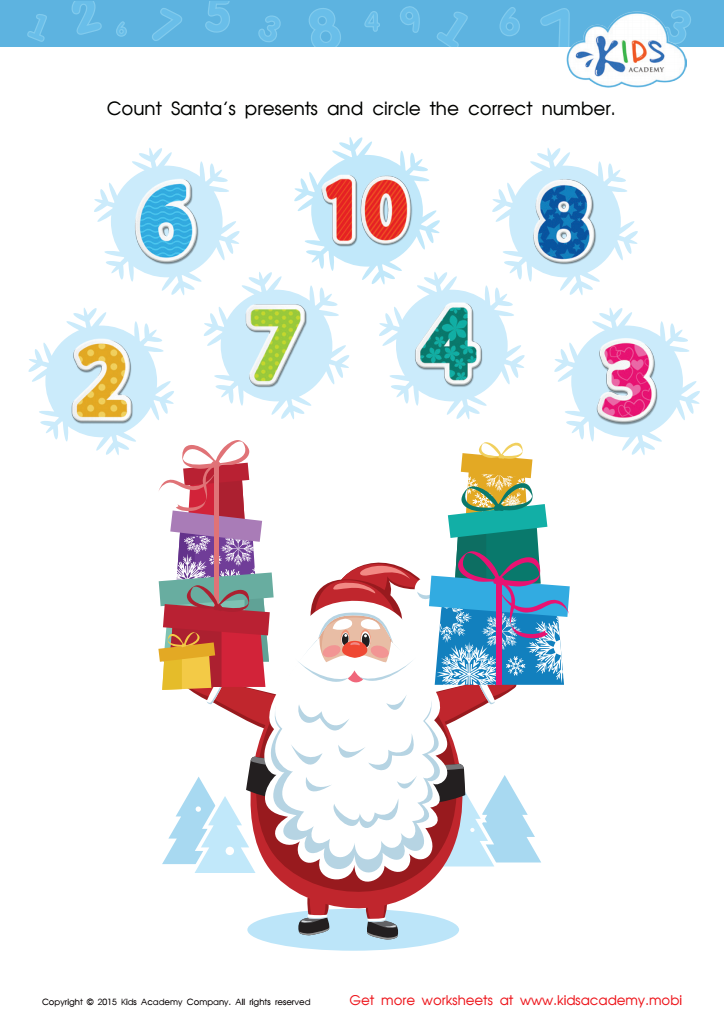
Count Santa's Presents Worksheet
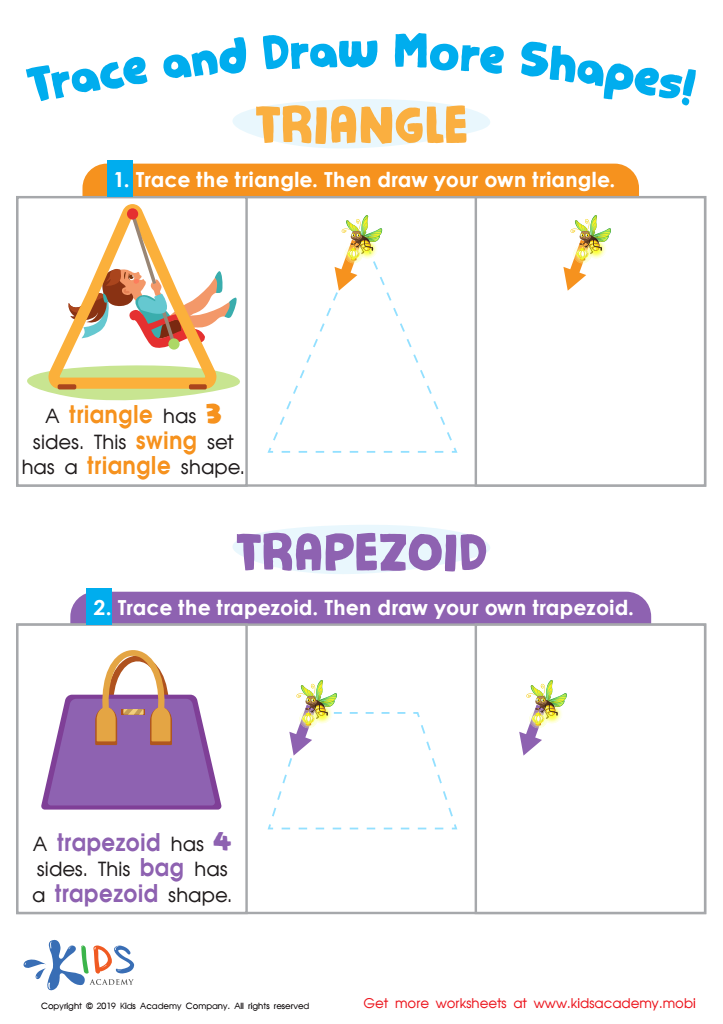
Trace and Draw More Shapes Worksheet
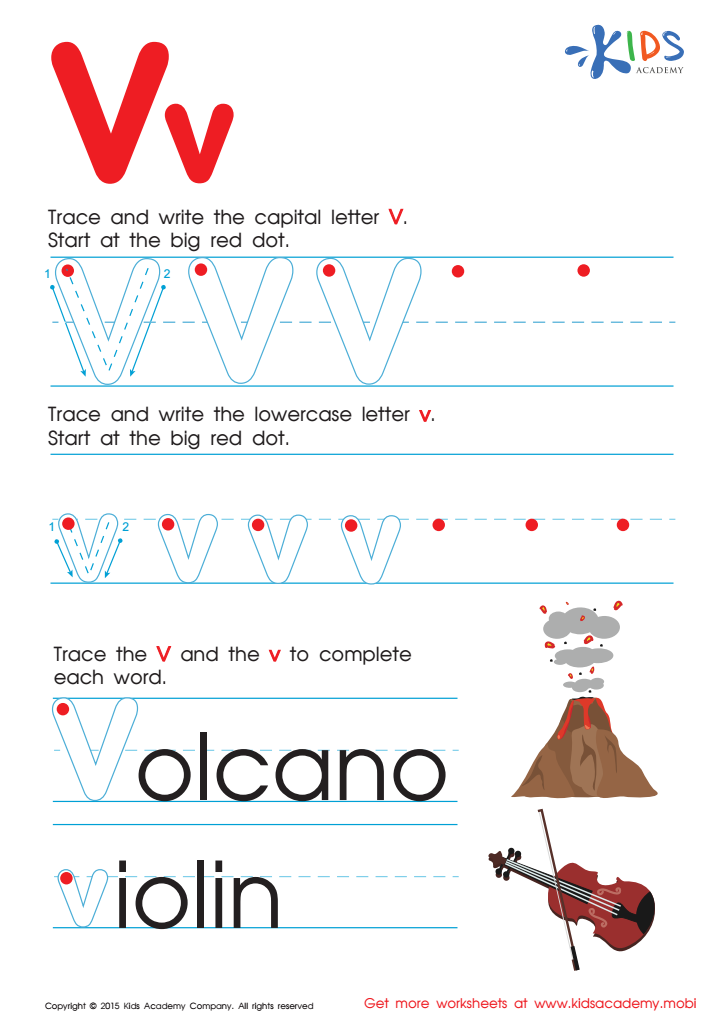
Letter V Tracing Page
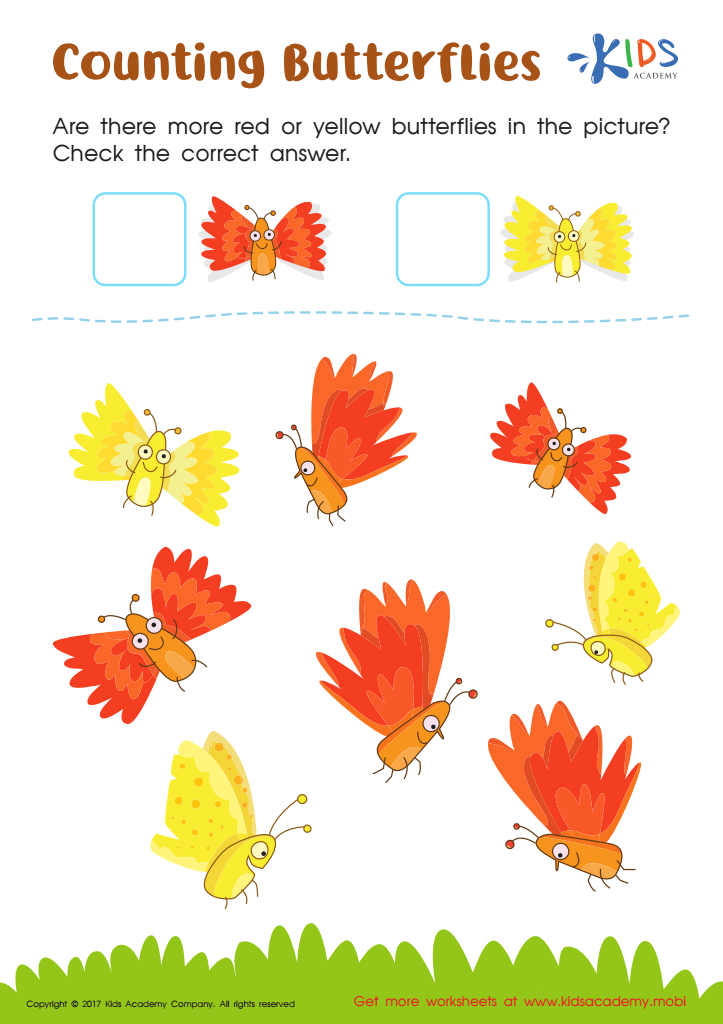
Counting Butterflies Worksheet
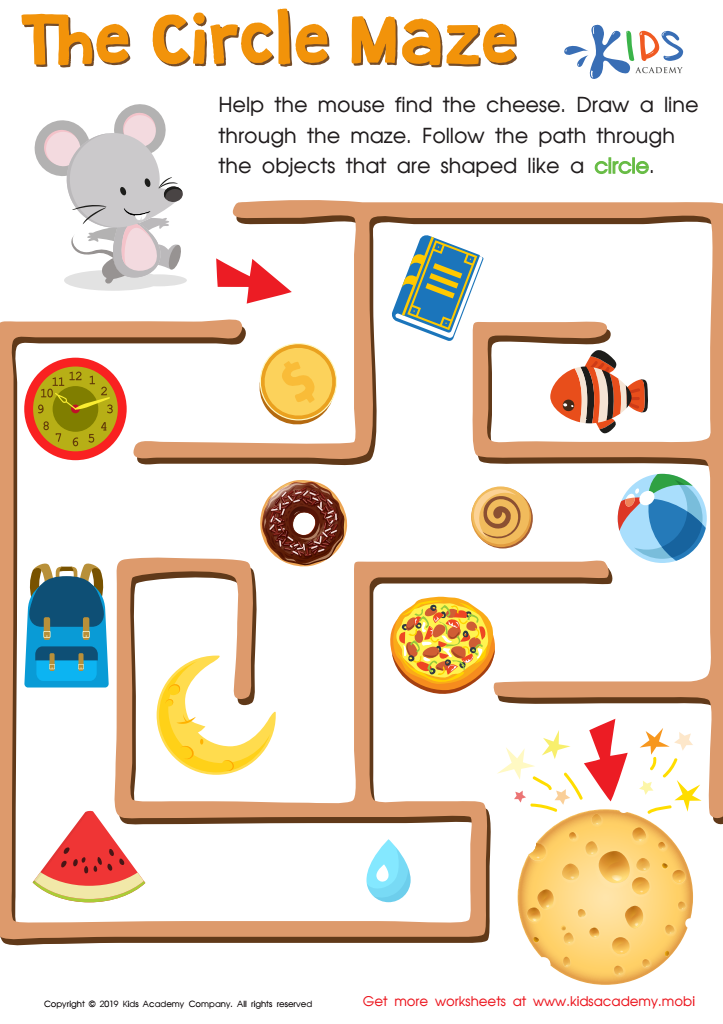
The Circle Maze Worksheet

Santa Claus Tracing Winter Words Worksheet
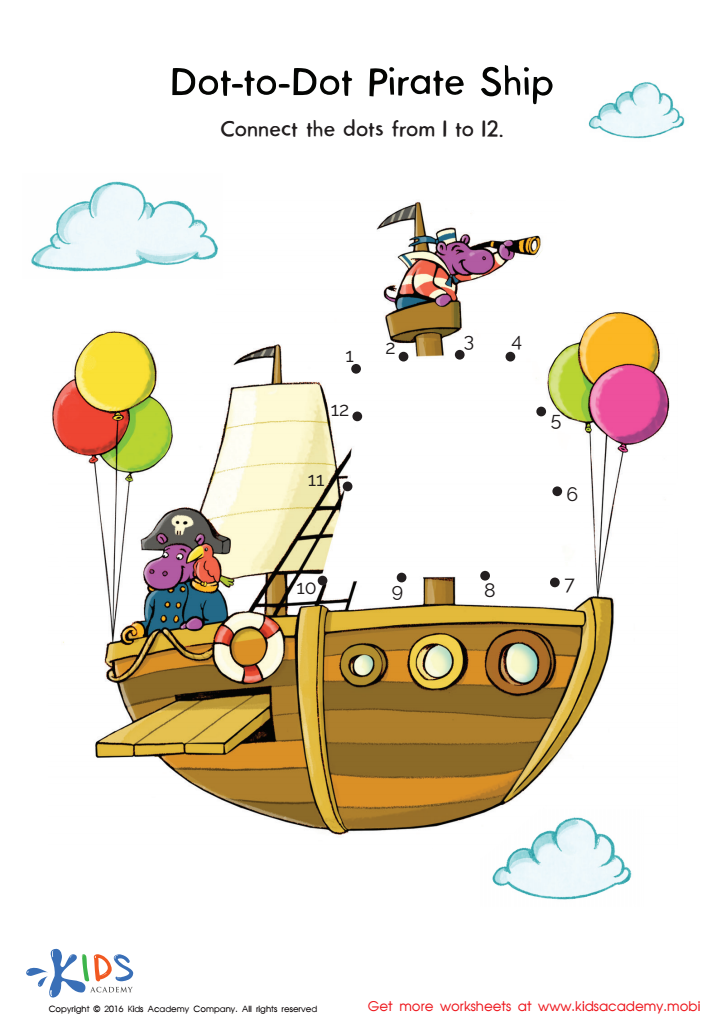
Pirate Ship Connect Dots Worksheet
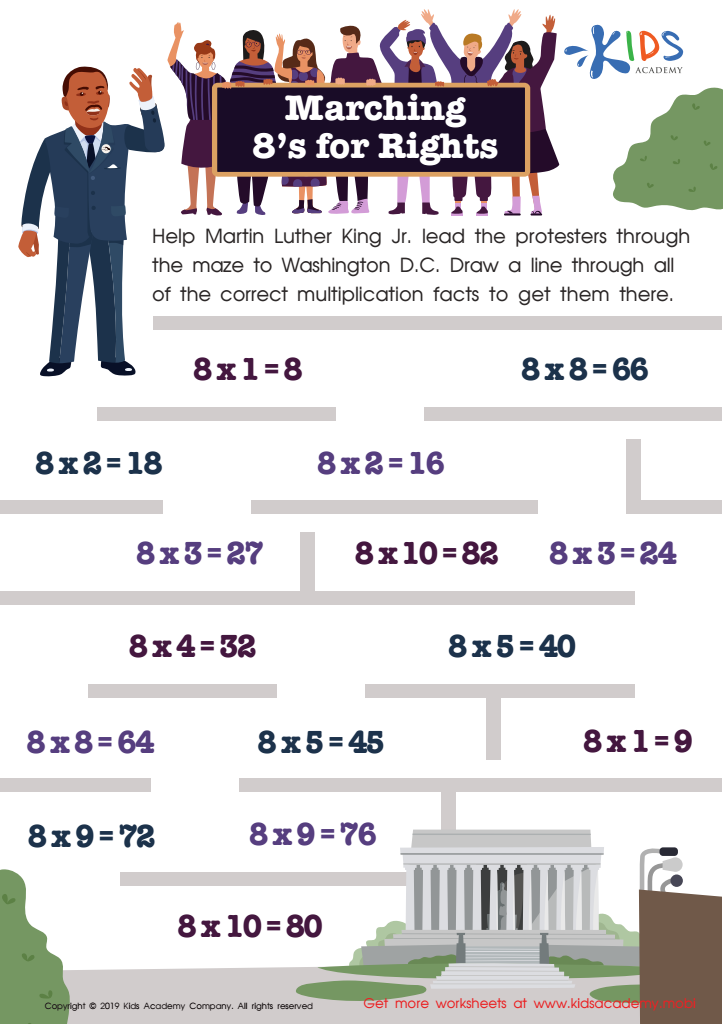
Marching 8’s for Rights Worksheet
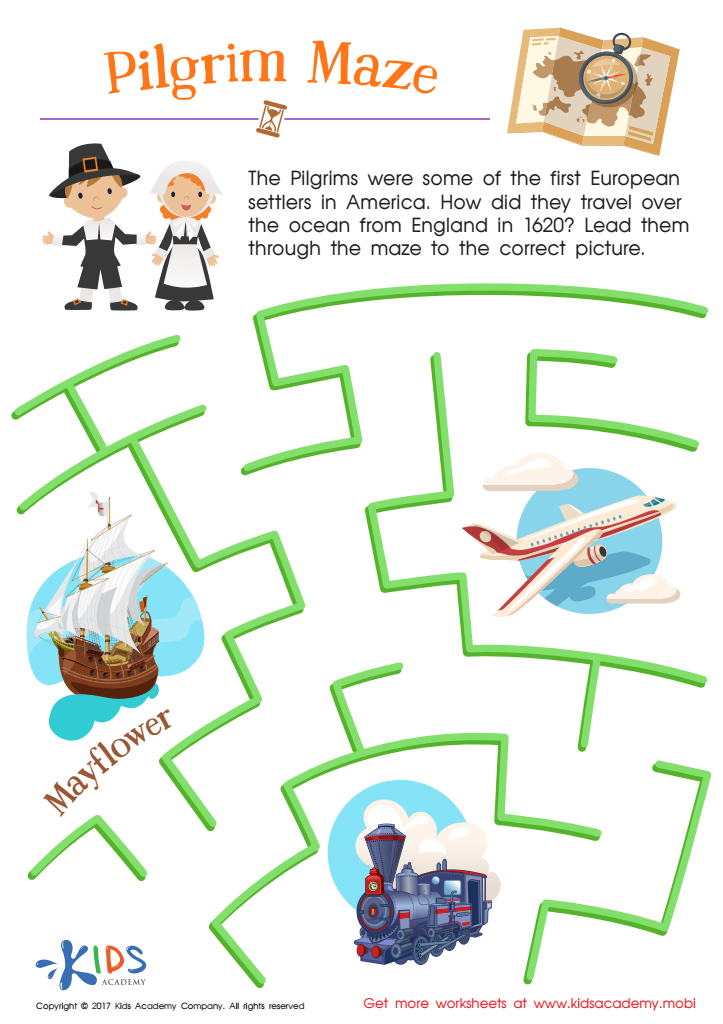
Pilgrim Maze Worksheet
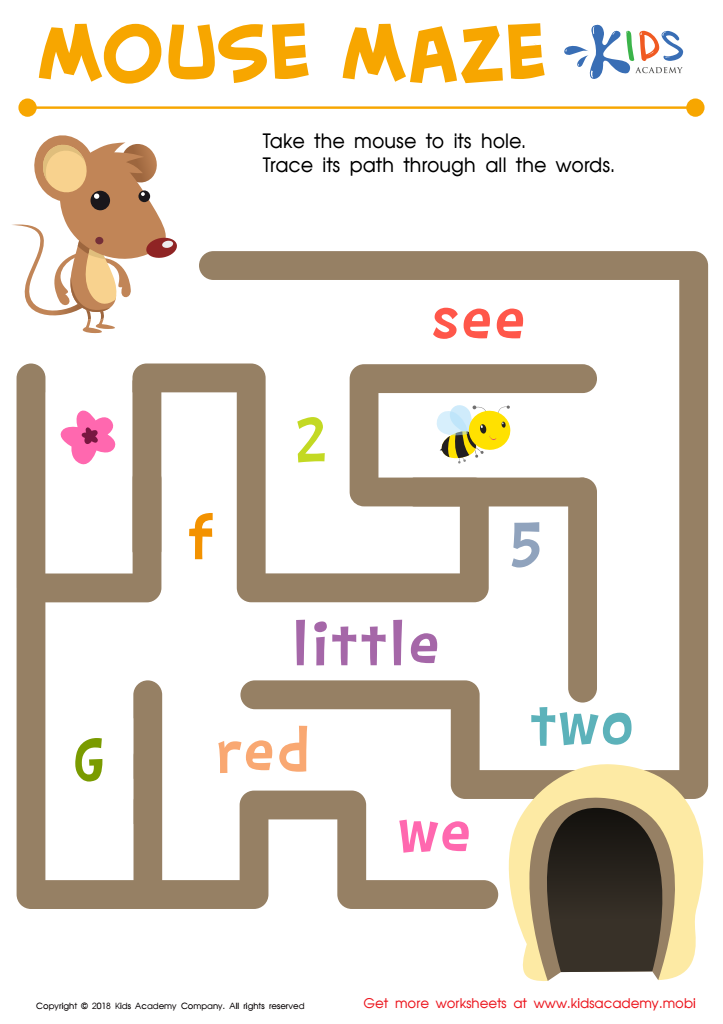
Find Words Mouse Maze Worksheet
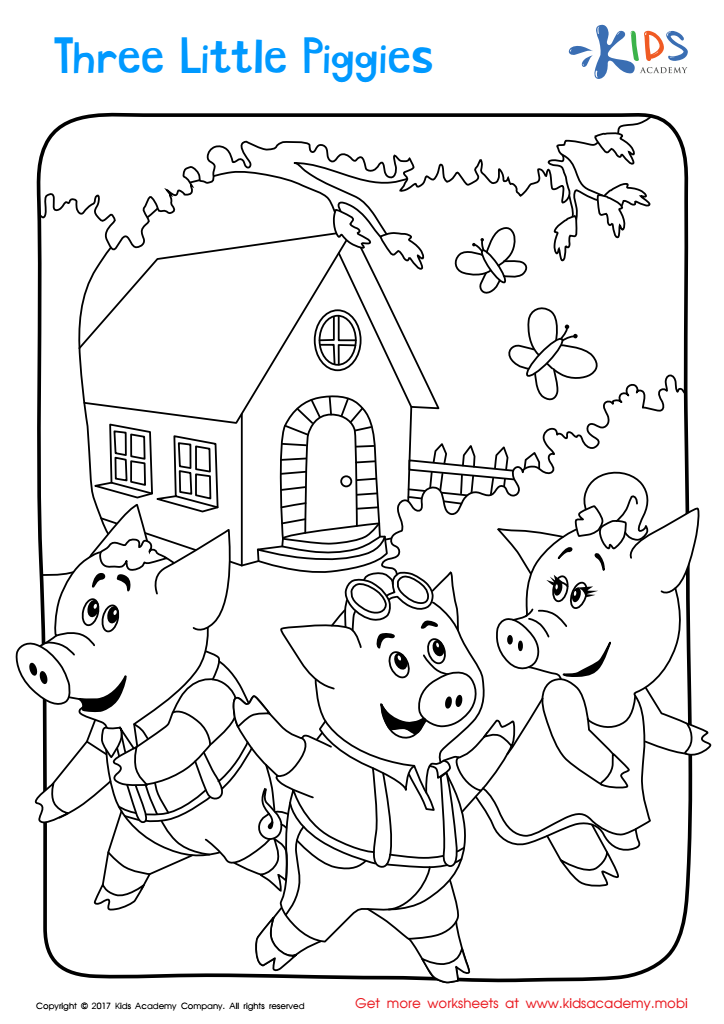
Three Little Piggies Printable Coloring Page
 Assign to My Students
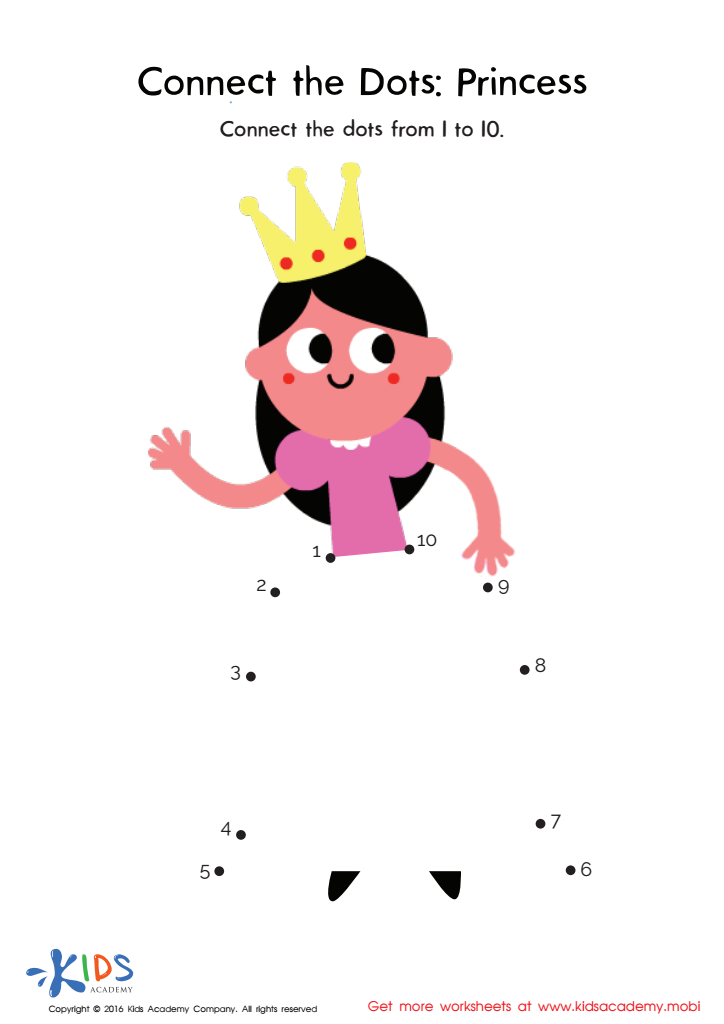
Princess Connect Dots Worksheet
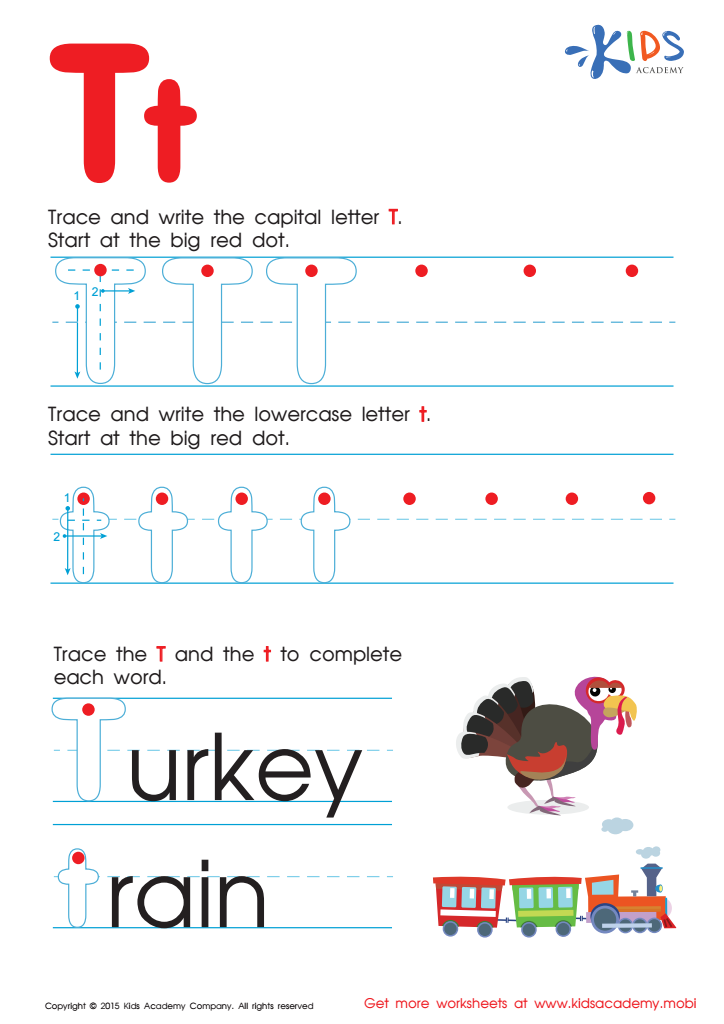
Letter T Tracing Page
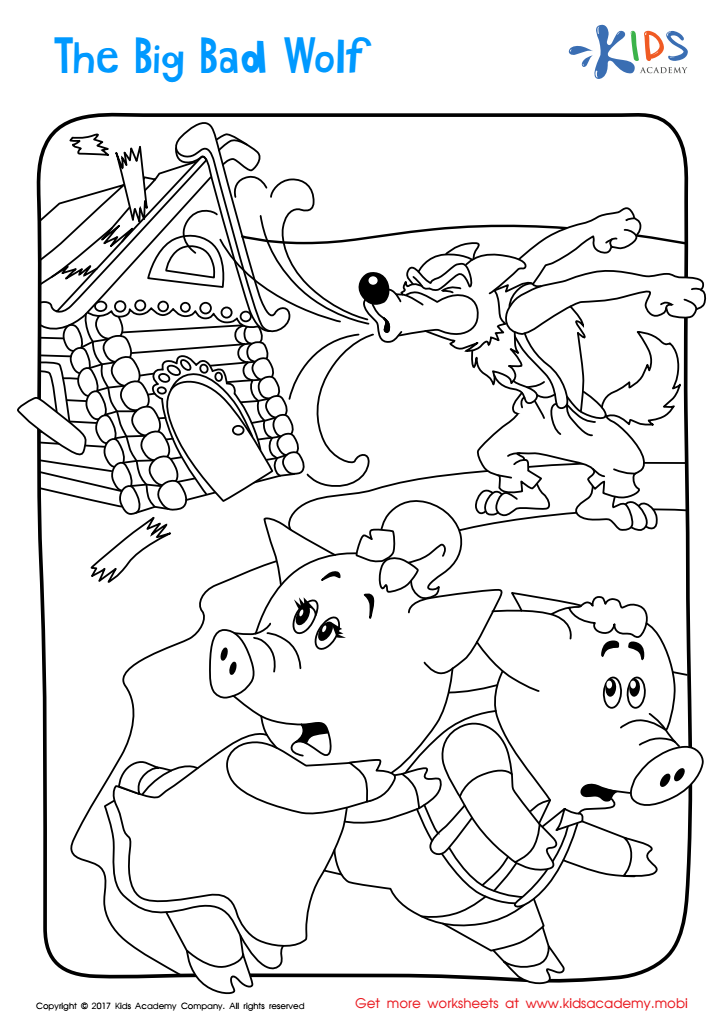
Big Bad Wolf Printable Coloring Page
Assign to My Students
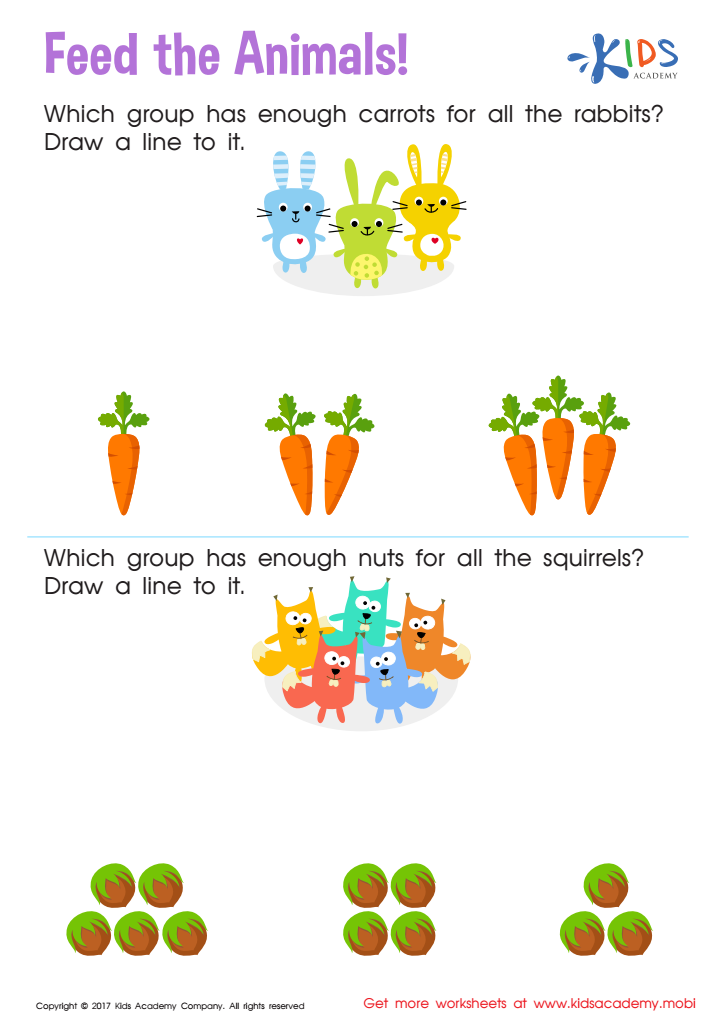
Count and Match: Feed the Animals Worksheet







Fine motor skills are essential for children aged 3-8 as they lay the foundation for their ability to perform everyday tasks and engage in academic activities. These skills involve the precise movements of small muscles, particularly in the hands and fingers. As children develop fine motor skills, they gain the ability to hold a pencil properly, cut with scissors, and manipulate small objects—all critical tasks for writing, art projects, and self-care.
Parents and teachers should care about providing fine motor skills extra challenges because these activities not only enhance children's dexterity but also boost their confidence and independence. Engaging in activities such as threading beads, playing with clay, or solving puzzles promotes focus and concentration, which are transferable skills beneficial in other learning environments.
Moreover, strengthening fine motor skills prepares children for classroom tasks, reduces frustration, and encourages positive experiences with learning. Investing time and resources into fine motor skill development can significantly set the stage for future academic success, making it a crucial focus for parents and educators alike. By creating fun and challenging opportunities, they can foster essential skills that will aid children throughout their educational journey and beyond.








