Fine Motor Skills Extra Challenge Math Worksheets for Ages 3-8
32 filtered results
-
From - To
Introducing our Fine Motor Skills Extra Challenge Math Worksheets for Ages 3-8! Designed to captivate young learners, these engaging worksheets combine fun math activities with exercises that enhance fine motor skills. Each page offers a variety of challenges perfect for preschoolers and early elementary students, reinforcing hand-eye coordination and dexterity. Tailored to keep little hands busy and minds sharp, our worksheets ensure an excellent balance of learning and play. Ideal for teachers, parents, and homeschoolers seeking effective resources, our printables support the development of foundational math skills while promoting fine motor agility and confidence. Get started today and watch your child's skills soar!
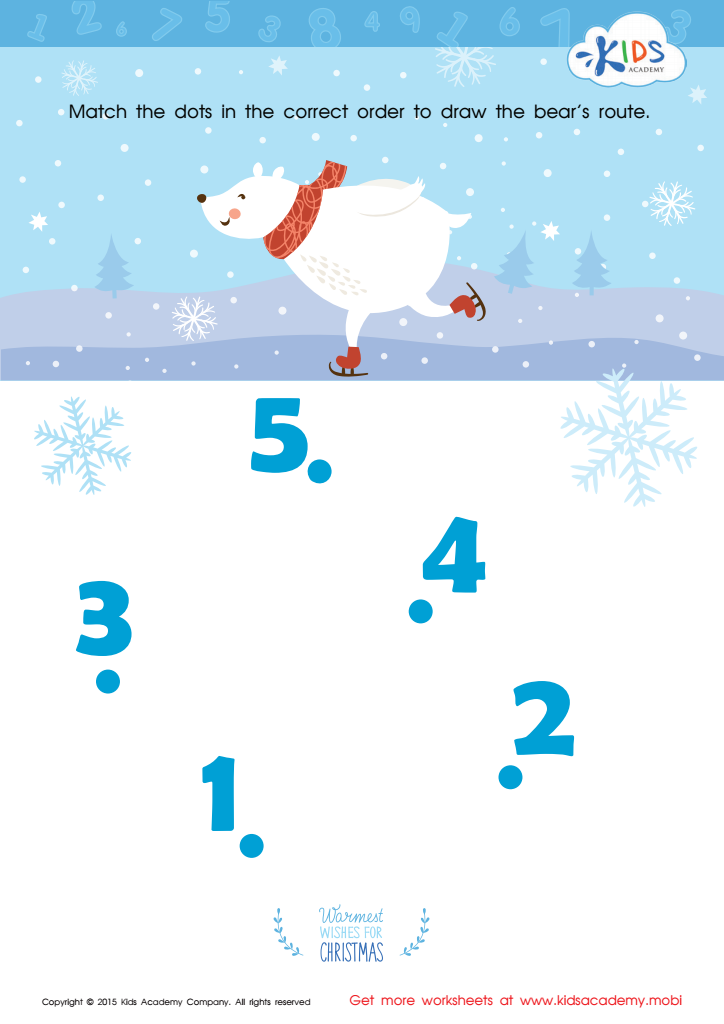
Drawing the Bear's Route by Number Worksheet
 Assign to My Students
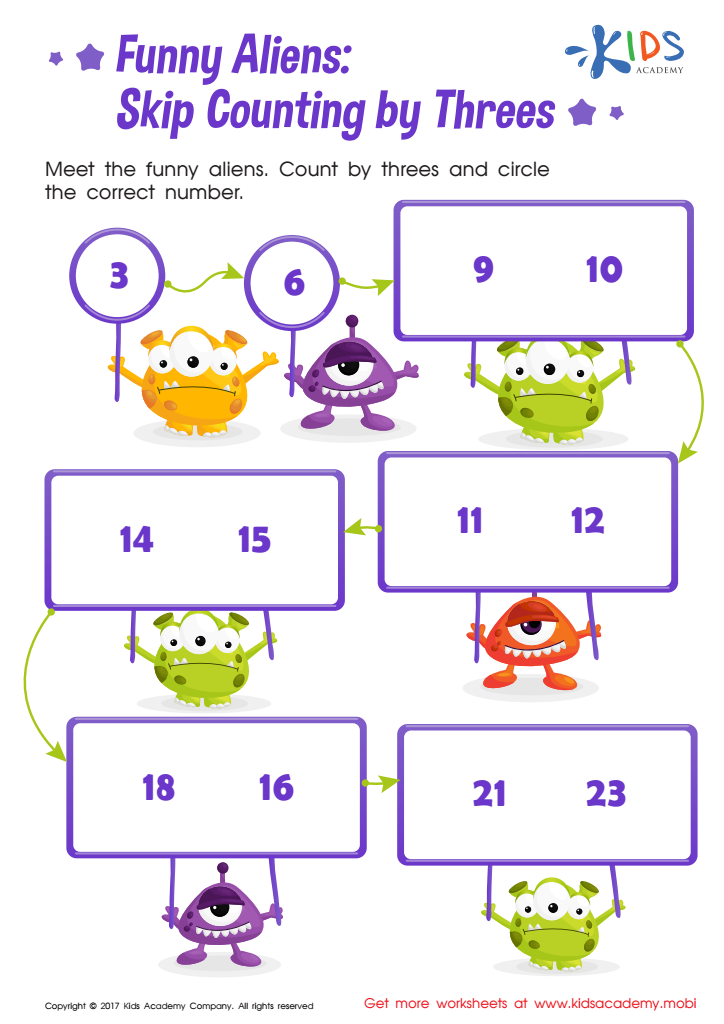
Skip Counting by 3s: Funny Aliens Printable
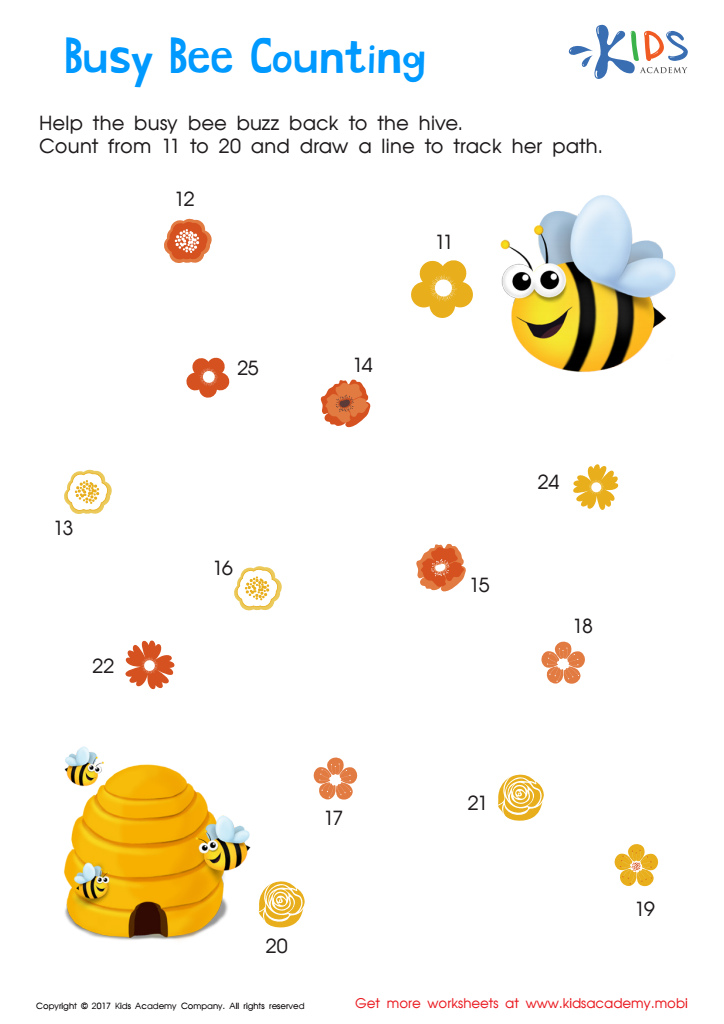
Ordering 11–20: Busy Bee Counting Worksheet
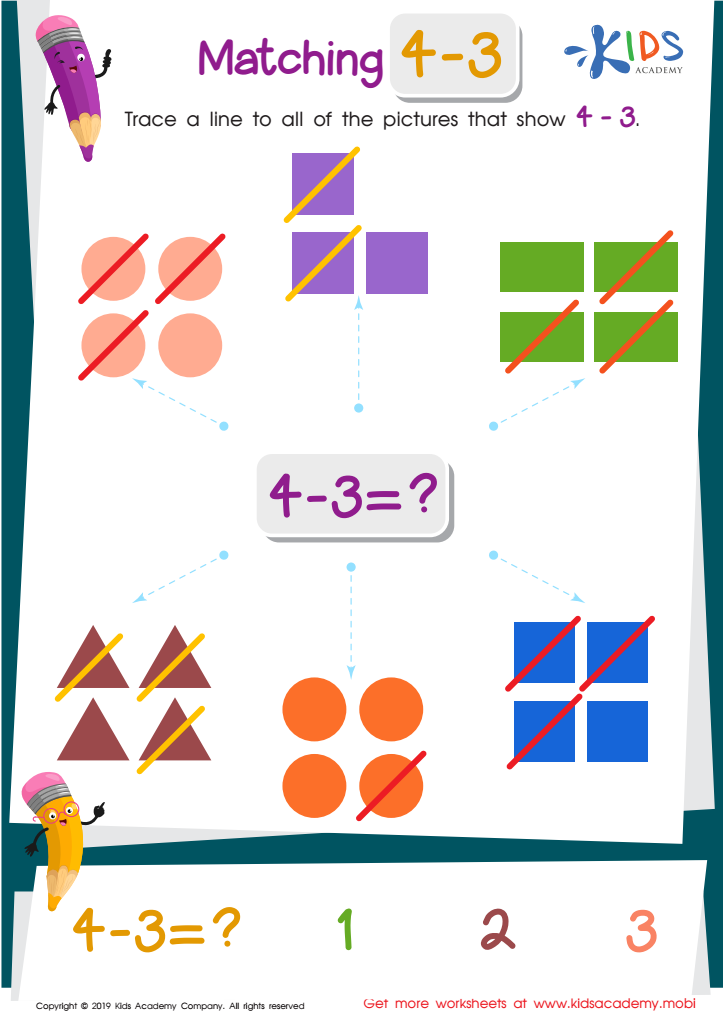
Matching 4 – 3 Worksheet
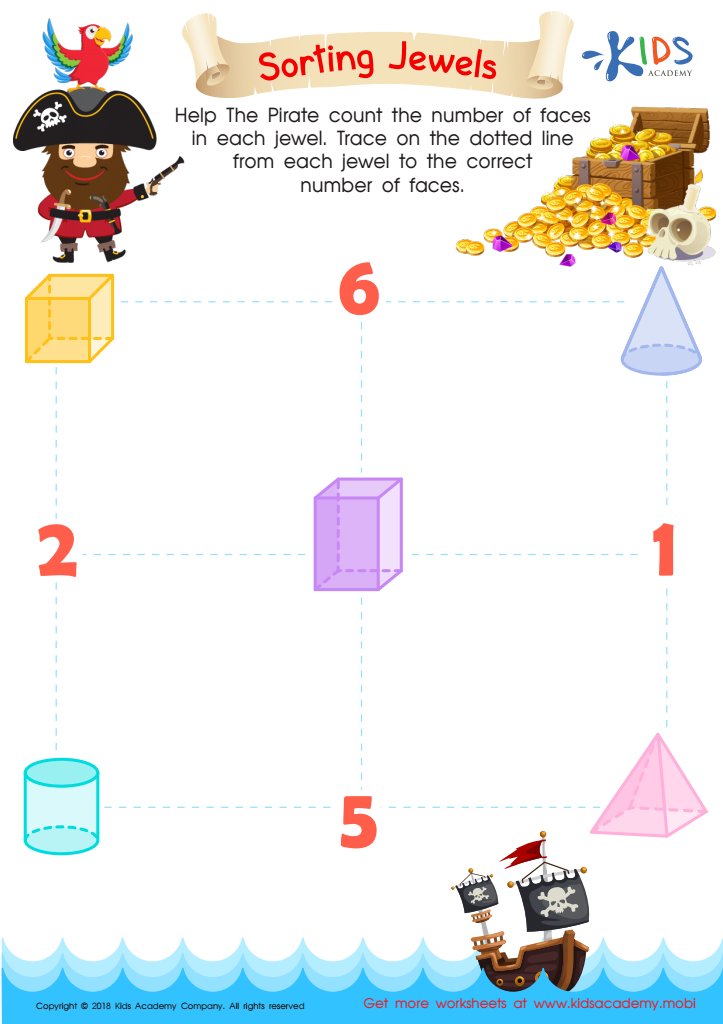
Sorting Jewels Worksheet
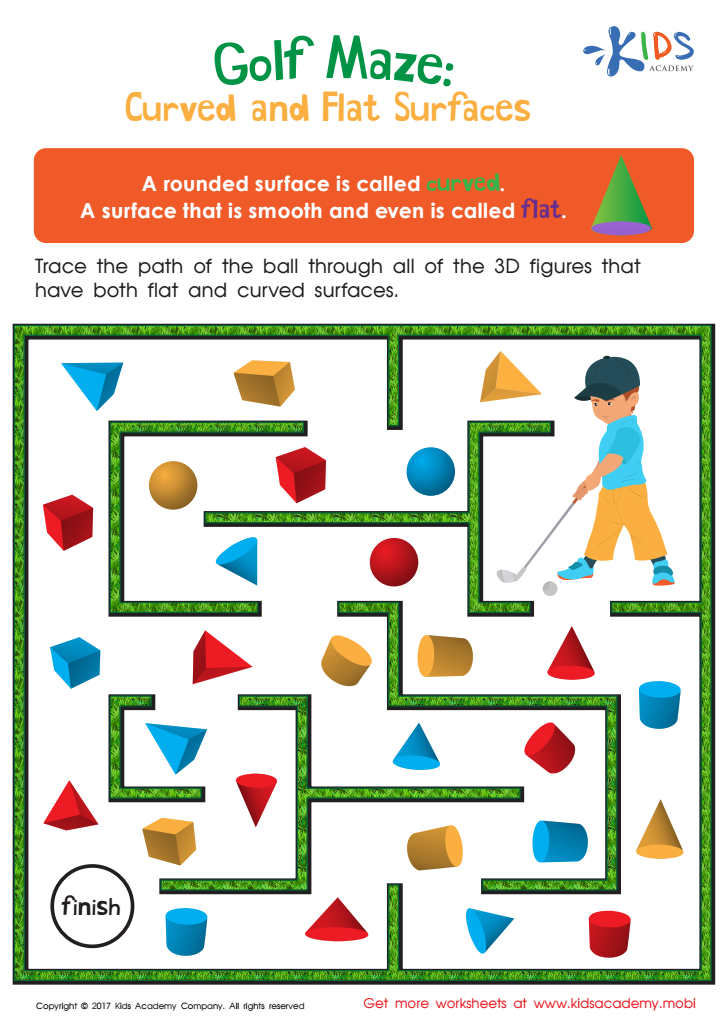
Golf Maze: Curved and Flat Surfaces Worksheet
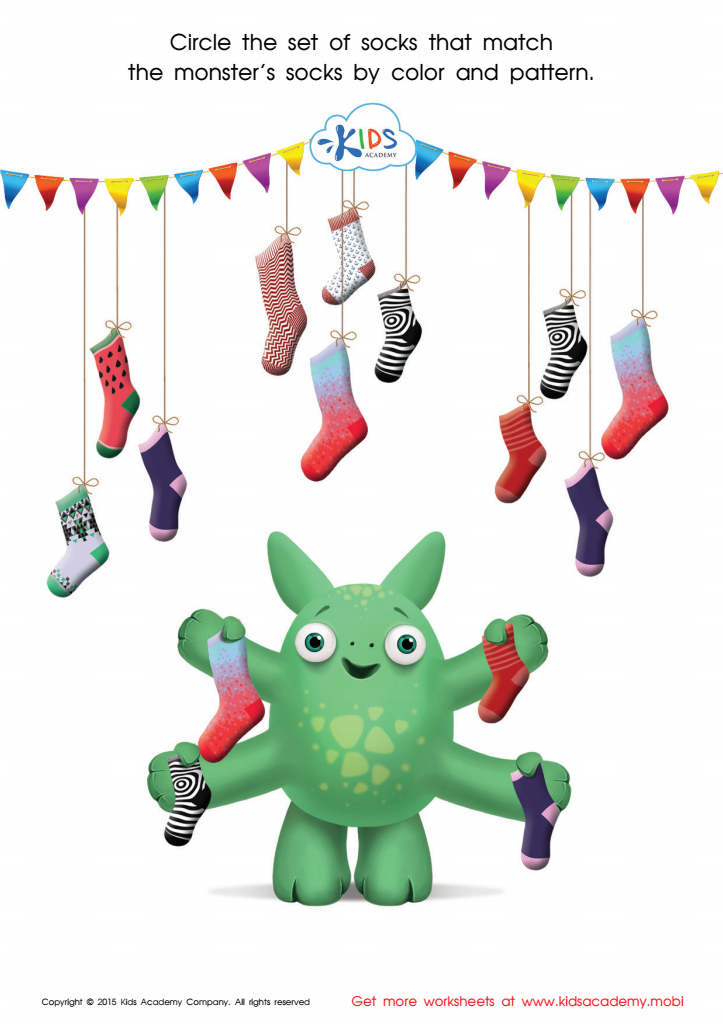
Sort the Monster's Socks Worksheet
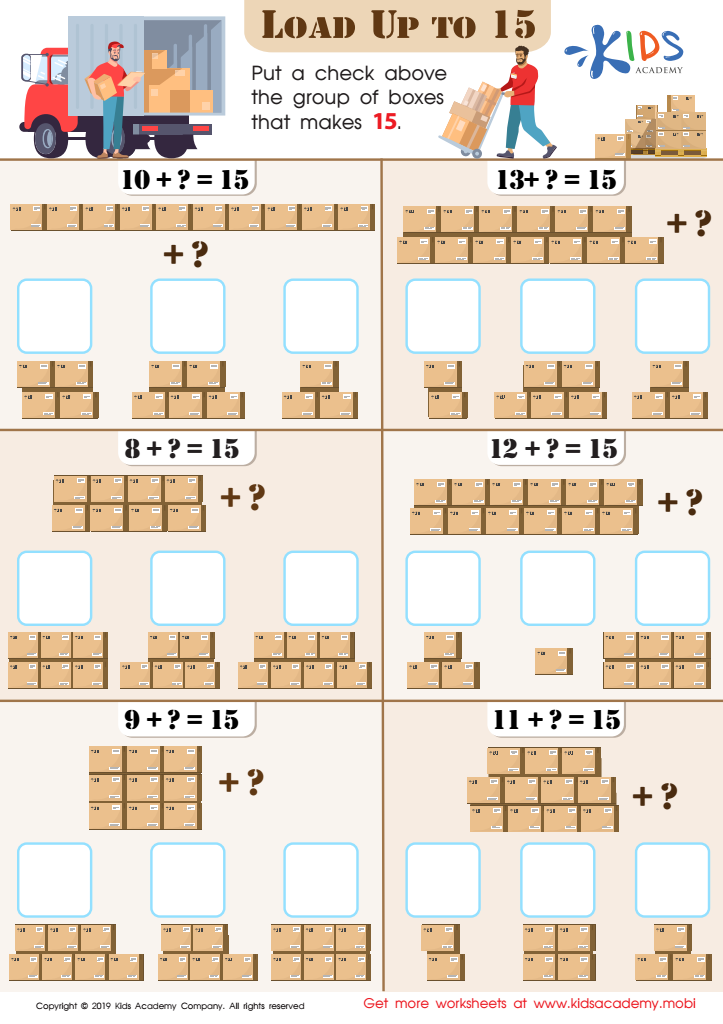
Load up to 15 Worksheet
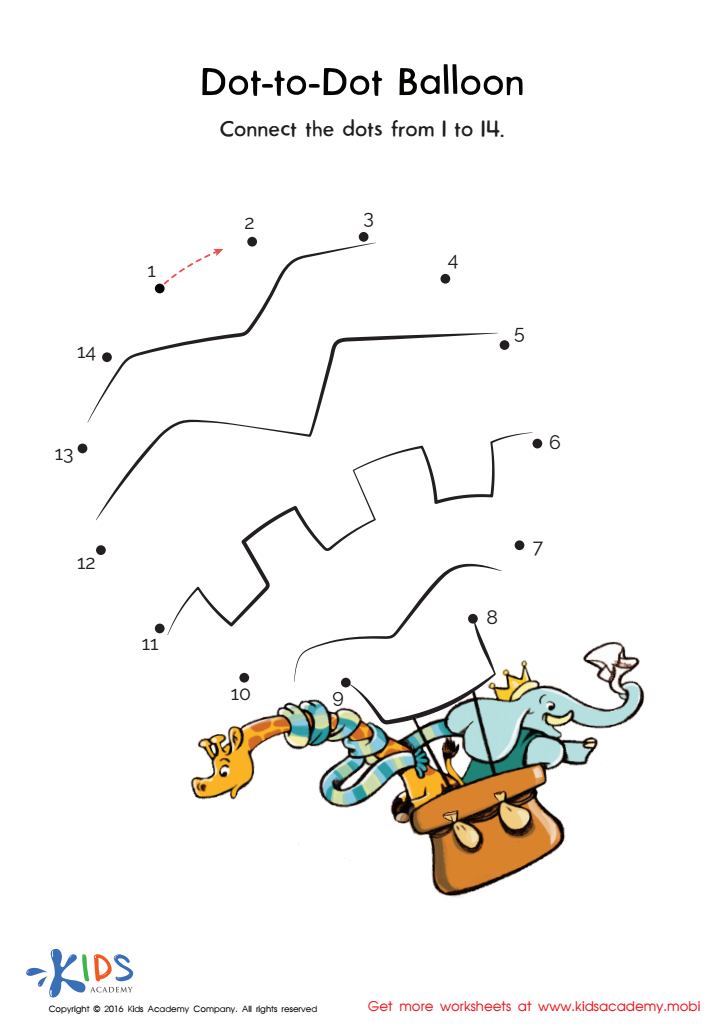
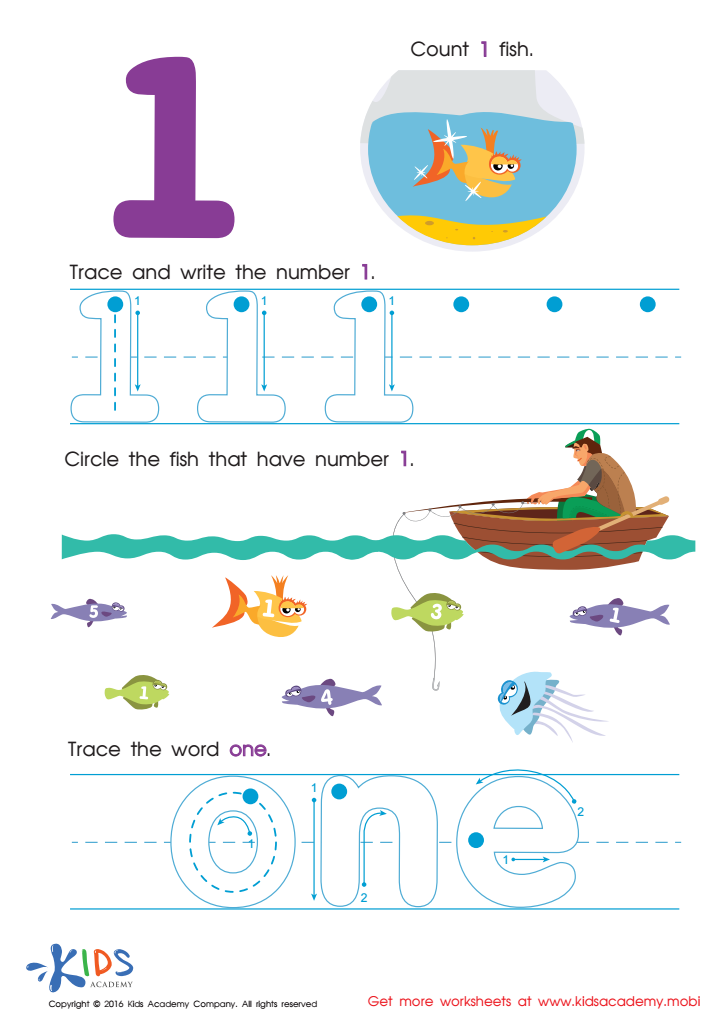
Learning to Write 1 Worksheet
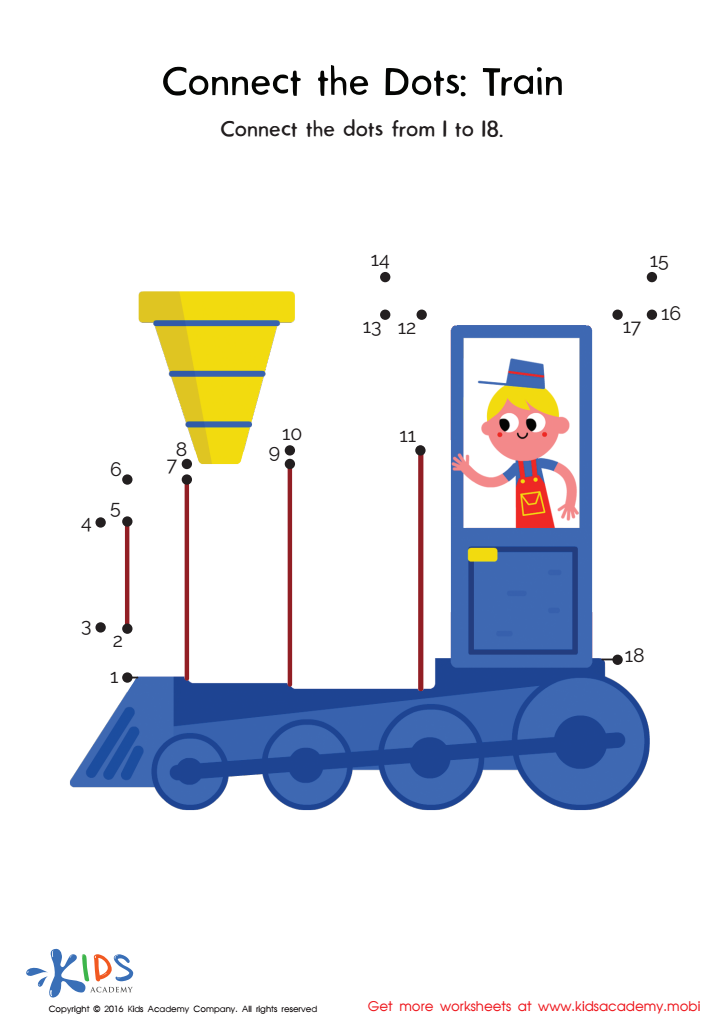
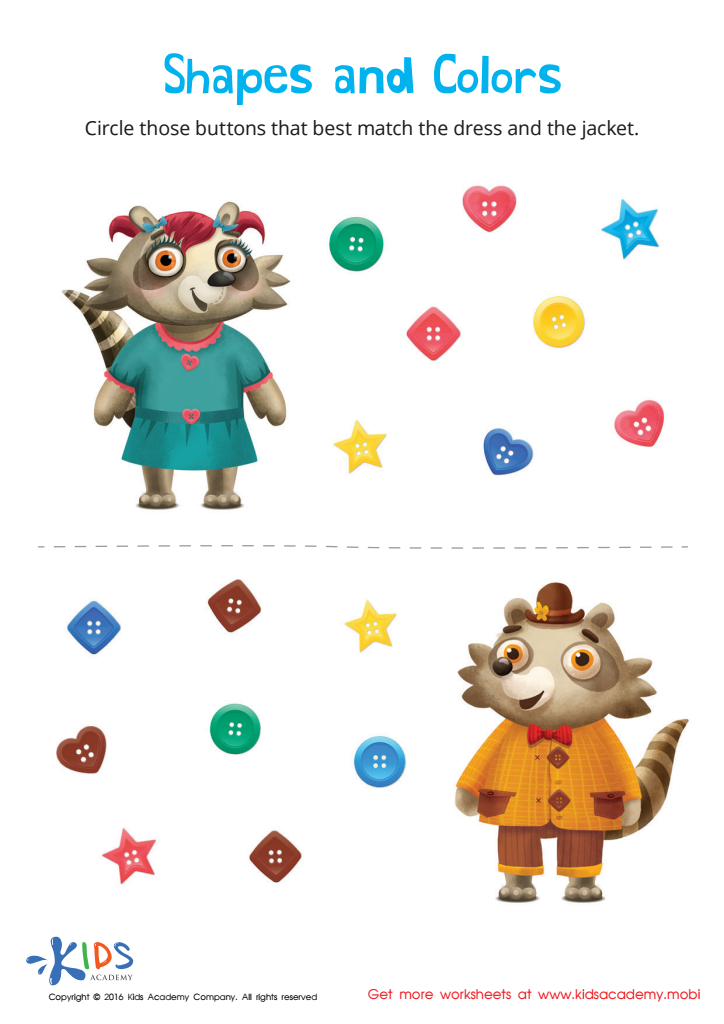
Matching: Shapes and Colors Worksheet
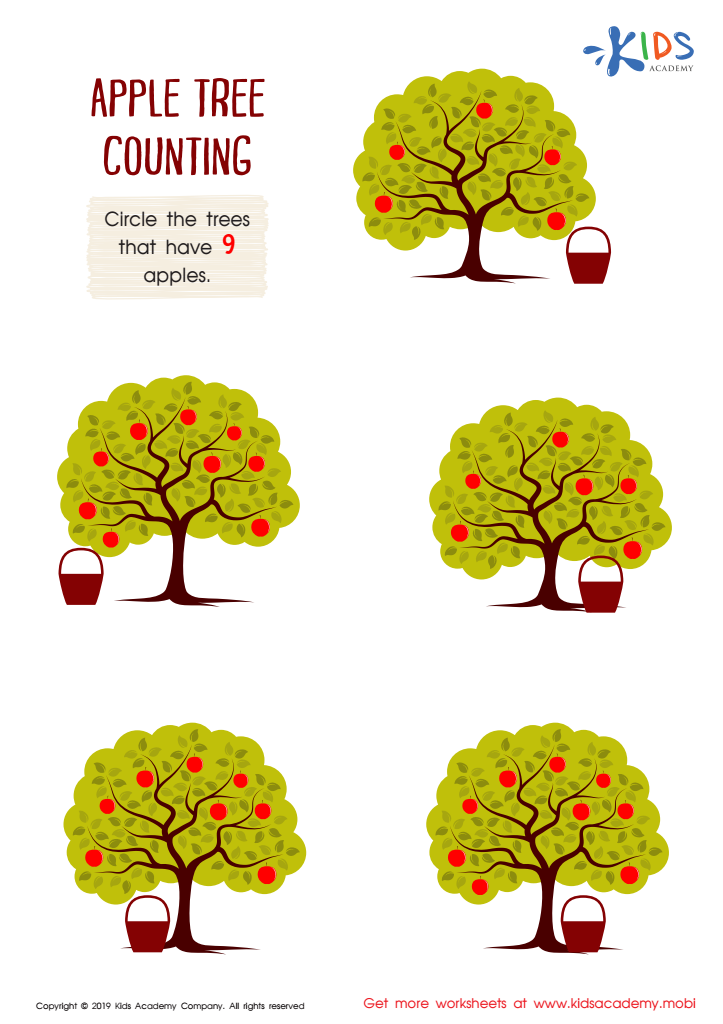
Apple Tree Counting Worksheet
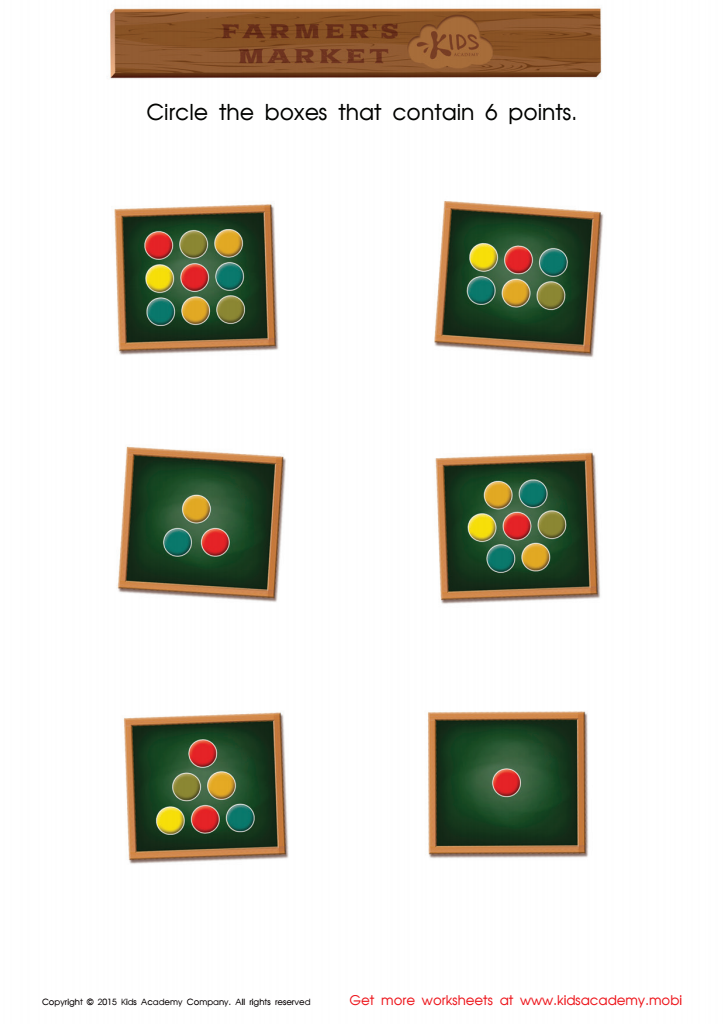
Count and Match Points 6 Math Worksheet
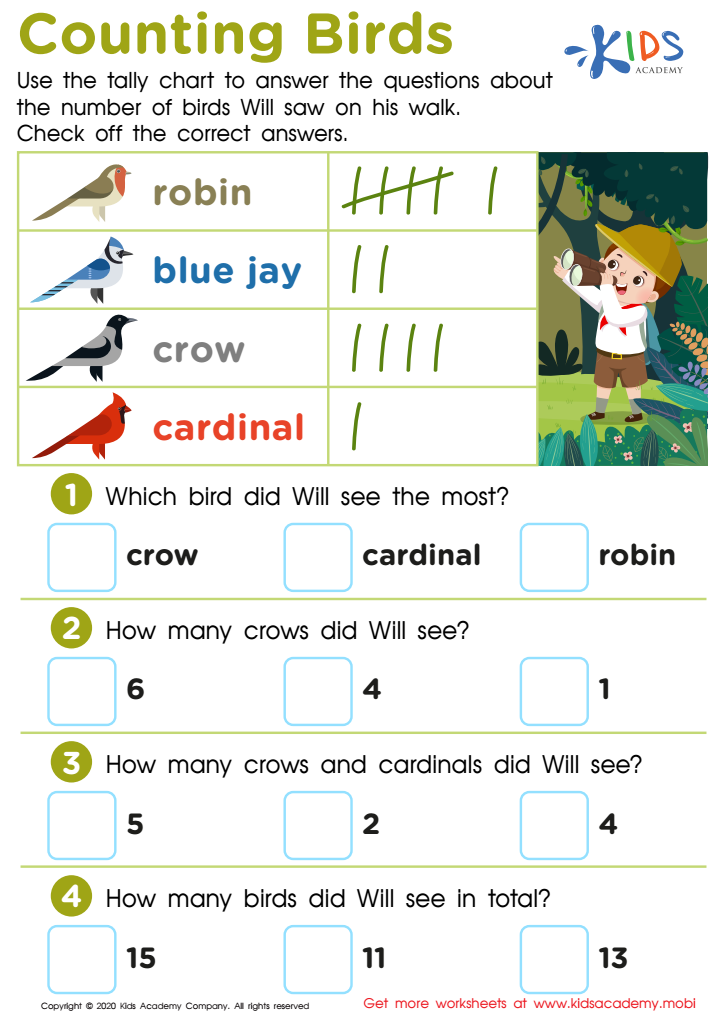
Counting Birds Worksheet
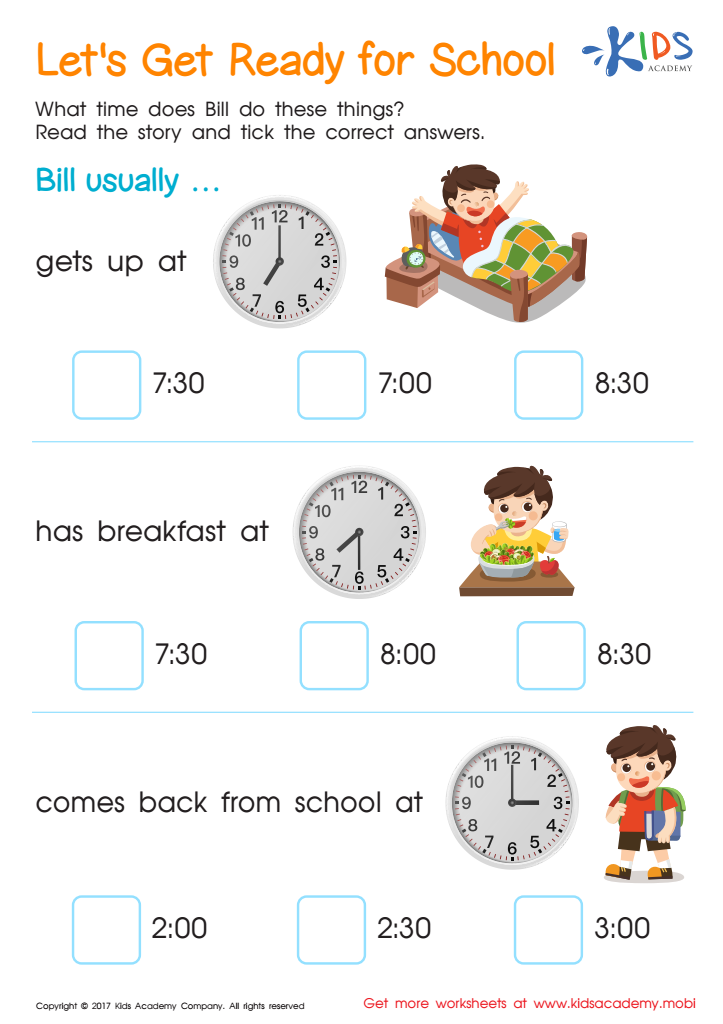
Lets Get Ready For School Time Printable
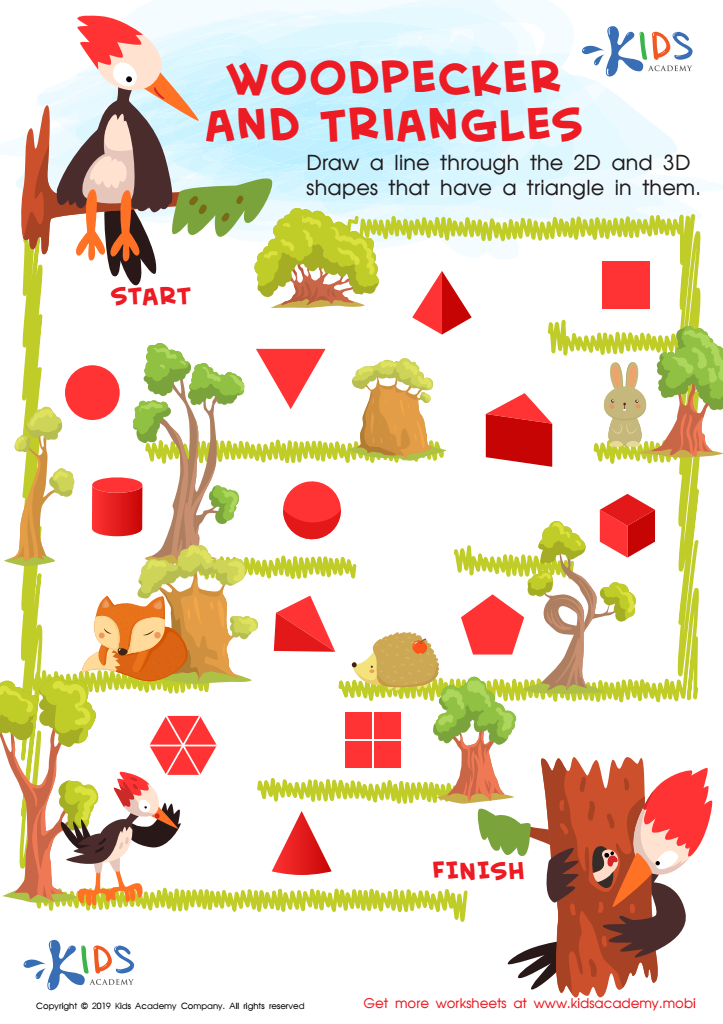
Woodpecker and Triangles Worksheet
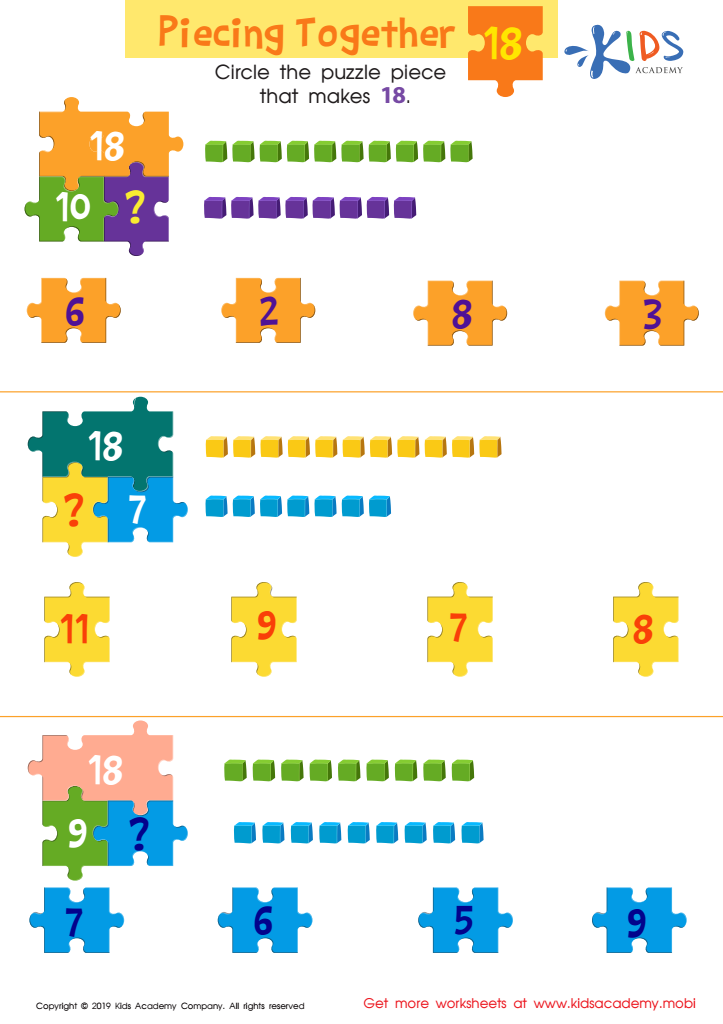
Piecing Together 18 Worksheet

Learn Number For Kindergarten Worksheet
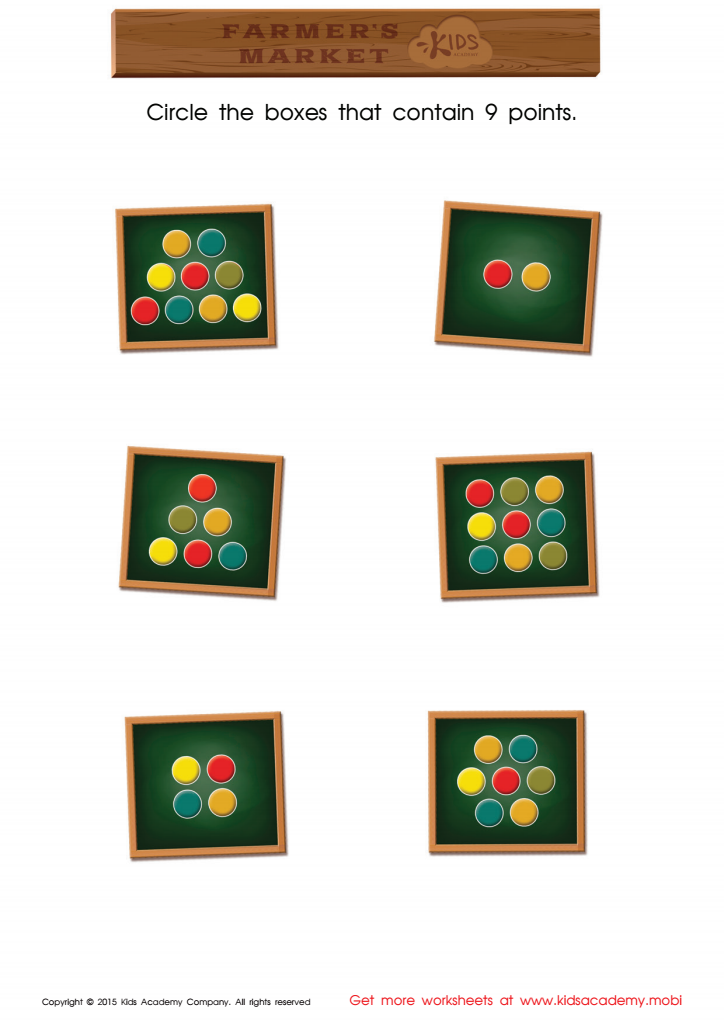
Count and Match Points 9 Math Worksheet
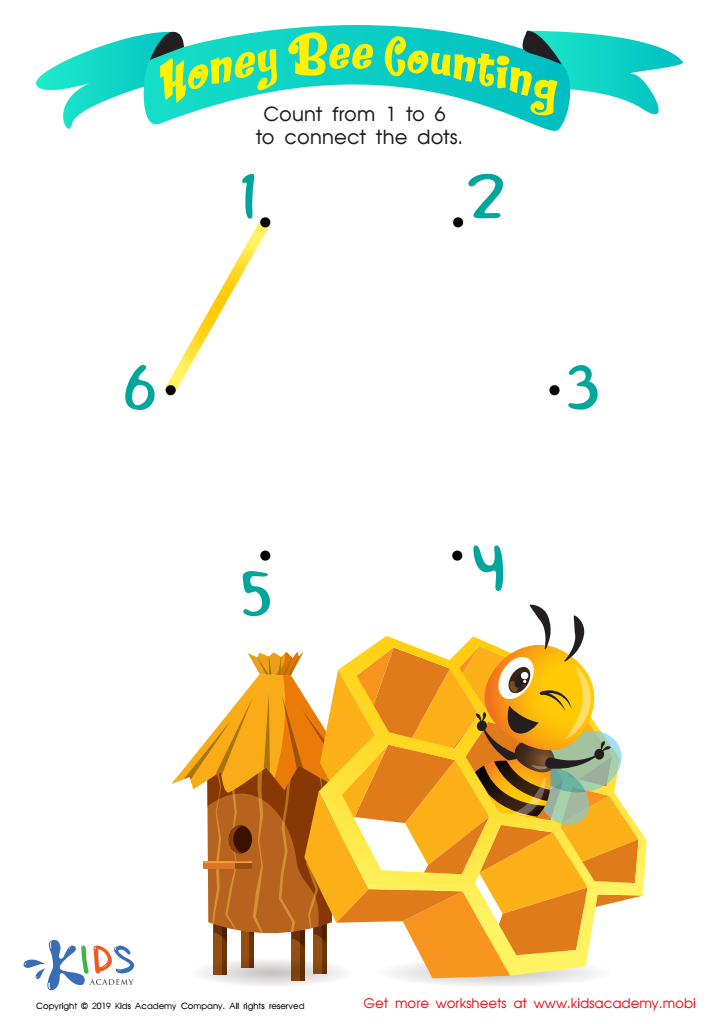
Honey Bee Counting Worksheet
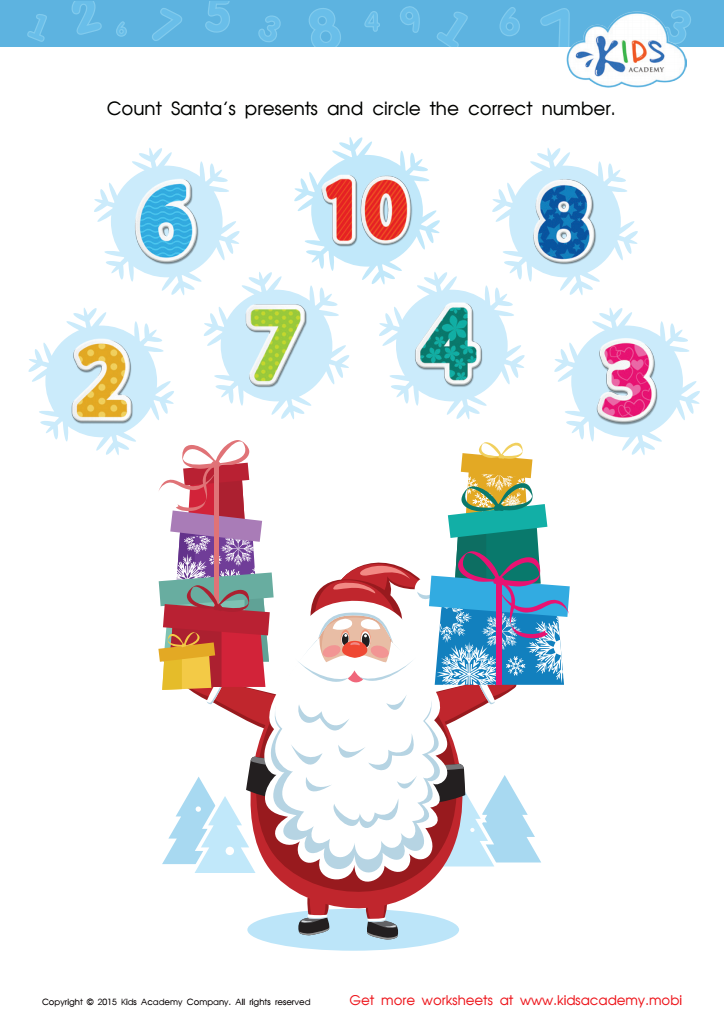
Count Santa's Presents Worksheet
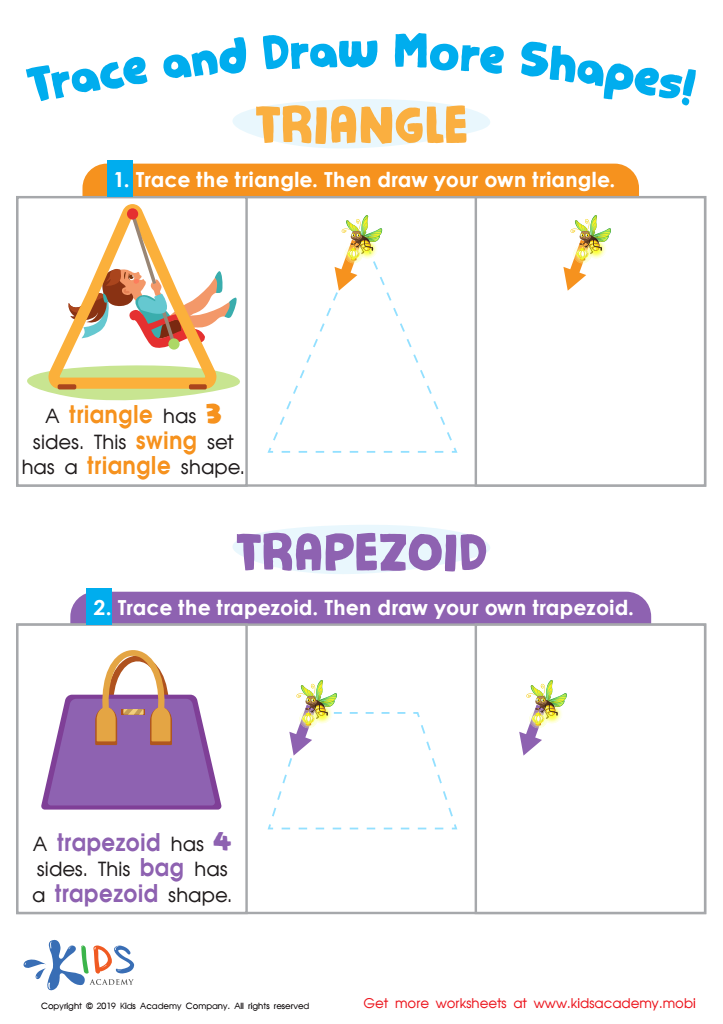
Trace and Draw More Shapes Worksheet








Fine motor skills are crucial for young children because they lay the foundation for essential life activities, including writing, buttoning clothes, and tying shoelaces. Encouraging fine motor skills development with extra challenge math activities greatly benefits children aged 3-8. Here are some compelling reasons why parents and teachers should prioritize these activities:
-
Enhanced Learning: Combining fine motor skill development with math challenges helps reinforce cognitive connections. It accelerates learning of numbers, shapes, and patterns, creating a foundation for more complex mathematical concepts later.
-
Improved Hand-Eye Coordination: Math activities that demand the use of fine motor skills—like counting objects, maneuvering small items, or drawing shapes—enhance hand-eye coordination. This ensures precision in more advanced academic tasks.
-
Boosts Concentration and Patience: Fine motor activities often require attention to detail. Engaging children in such tasks promotes longer concentration spans and determination, key qualities for academic success.
-
Enhanced Creativity: Fine motor skill challenges paired with math encourage creative problem-solving. Children learn to manipulate objects in different ways, fostering an innovative mindset.
-
Prepare for School Skills: Developing these skills early prepares children for classroom tasks such as writing, cutting with scissors, and cursor control for computer use, supporting an easier transition to formal schooling.
In essence, integrating fine motor skills with math activities provides a multidimensional learning experience that is both engaging and foundational for future educational success.








