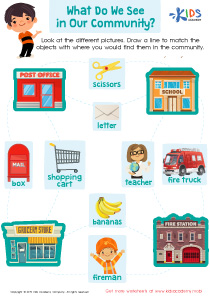
Shape Recognition Extra Challenge Math Worksheets for Ages 3-8
14 filtered results
-
From - To
Discover our Shape Recognition Extra Challenge Math Worksheets designed for children ages 3 to 8! These engaging worksheets help young learners enhance their shape identification skills through fun and interactive activities. Featuring a variety of challenging exercises, children will explore shapes through games, puzzles, and creative drawing tasks that promote critical thinking and problem-solving. Perfect for enriching classroom learning or at-home practice, our worksheets provide valuable opportunities for kids to recognize, name, and categorize shapes in imaginative ways. Set the foundation for a strong mathematical understanding while your child learns and plays with our expertly crafted worksheets! Whether at home or in school, watch their confidence grow!
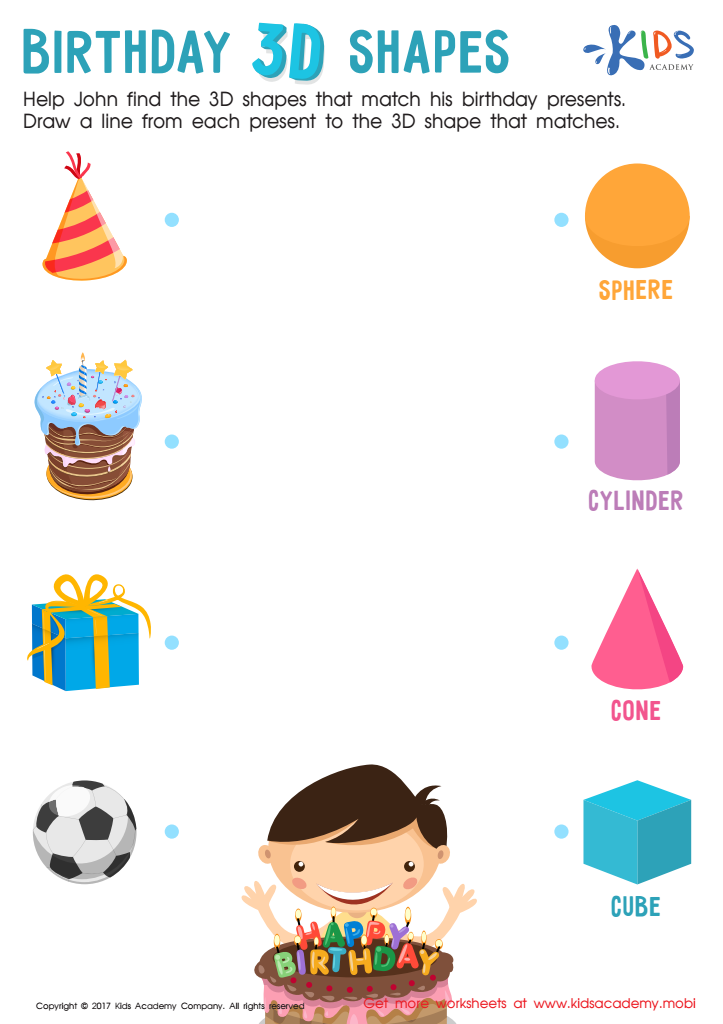
Birthday 3D Shapes Worksheet
 Assign to My Students
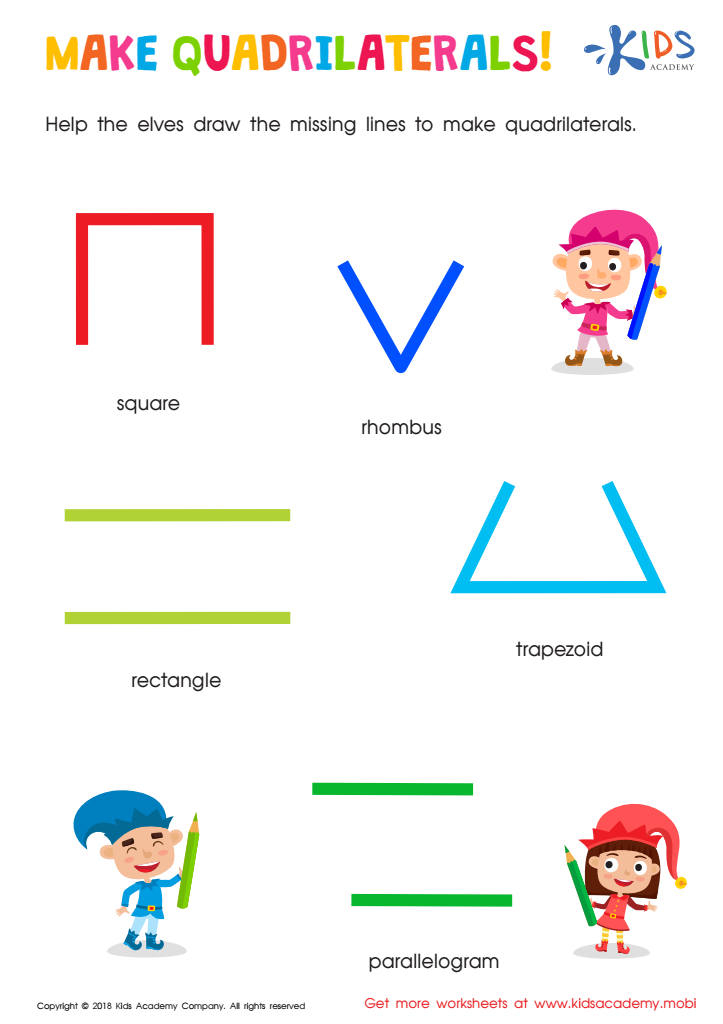
Make Quadrilaterals Worksheet
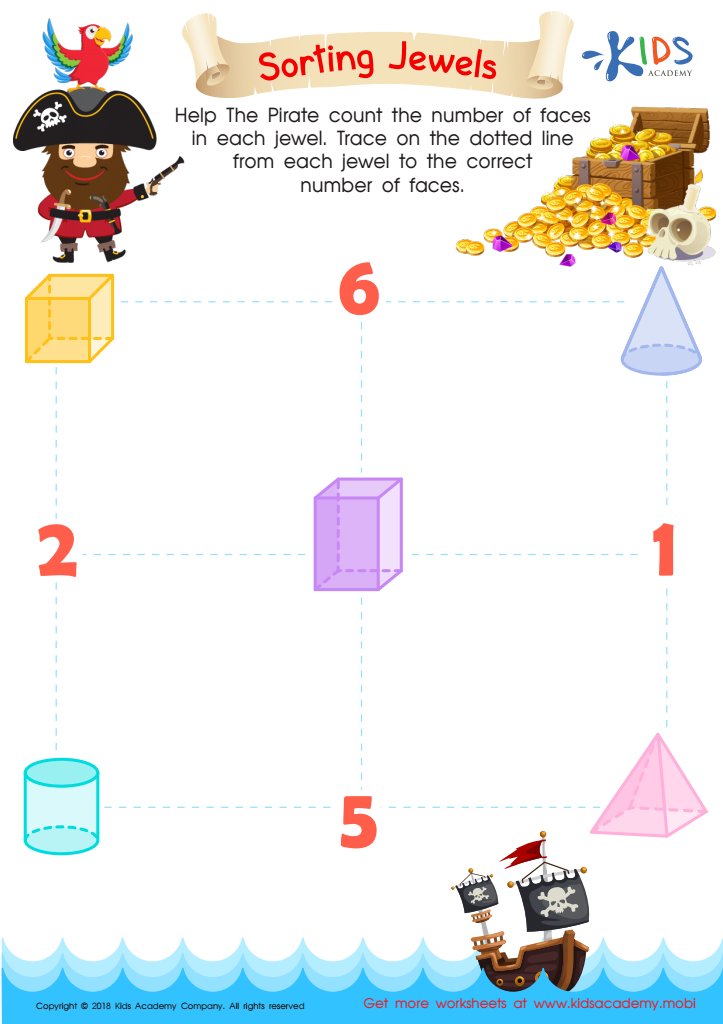
Sorting Jewels Worksheet
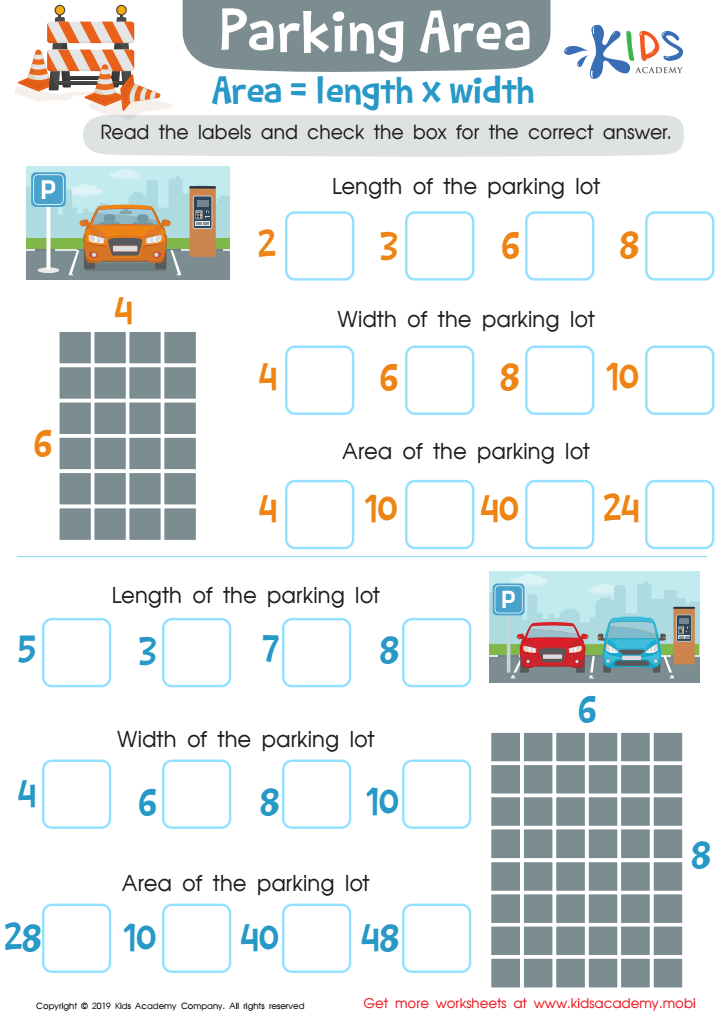
Parking Area Worksheet
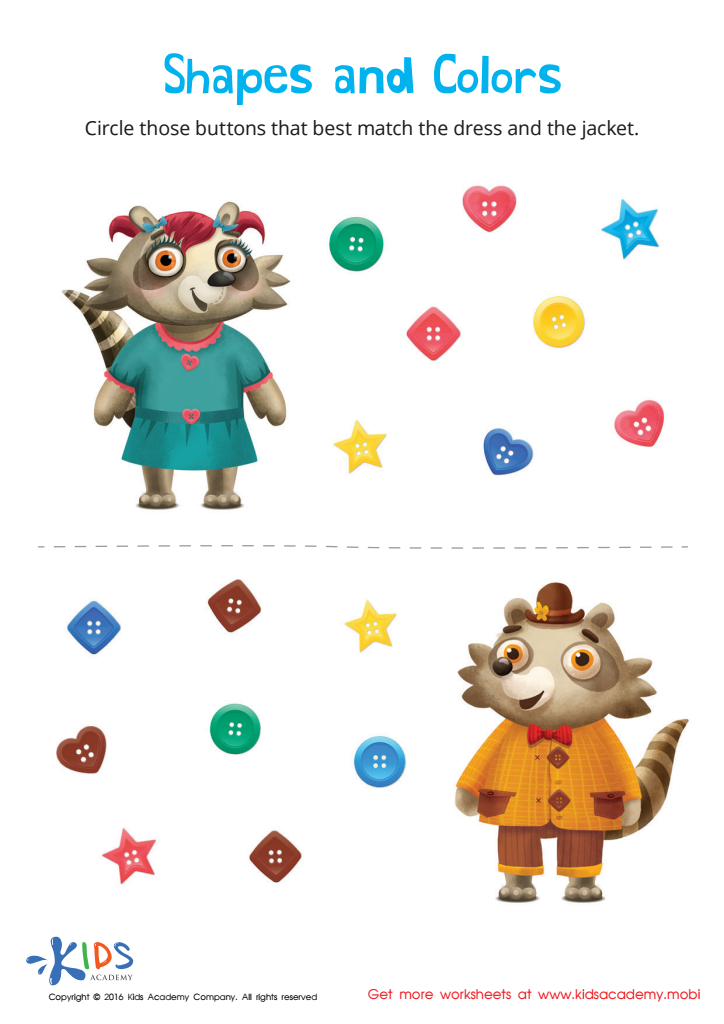
Matching: Shapes and Colors Worksheet
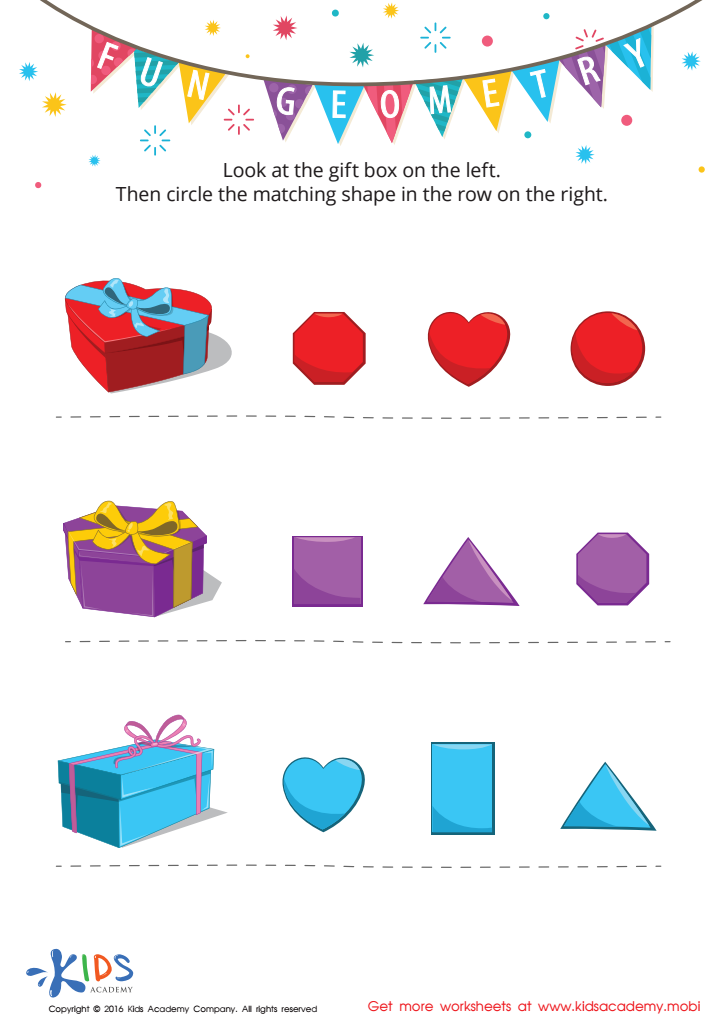
Fun Geometry Worksheet
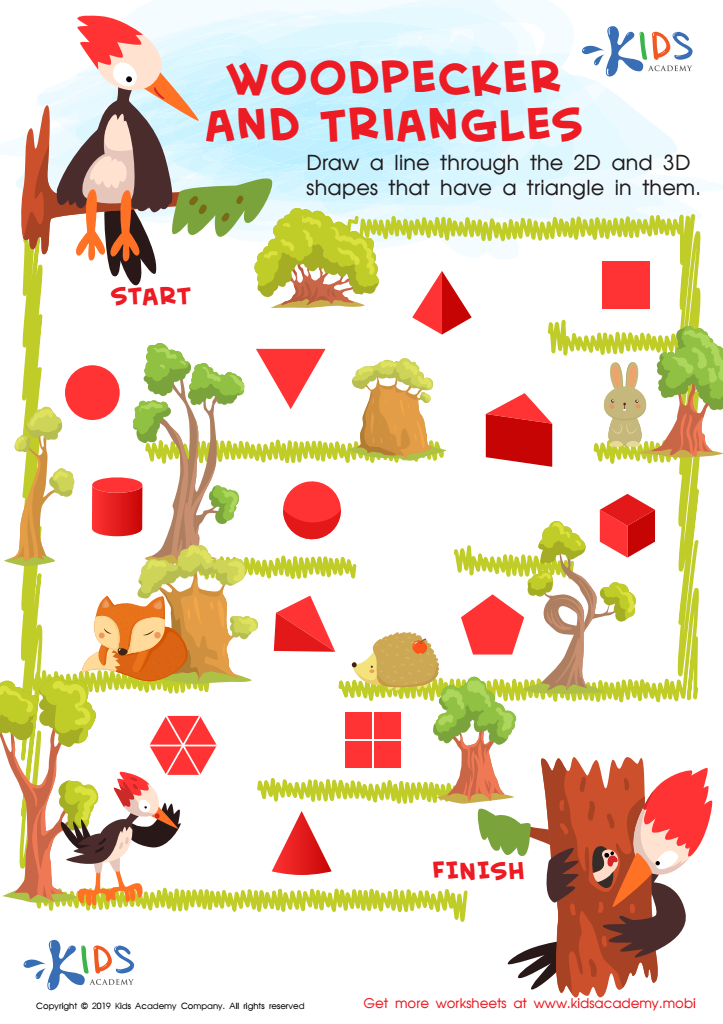
Woodpecker and Triangles Worksheet
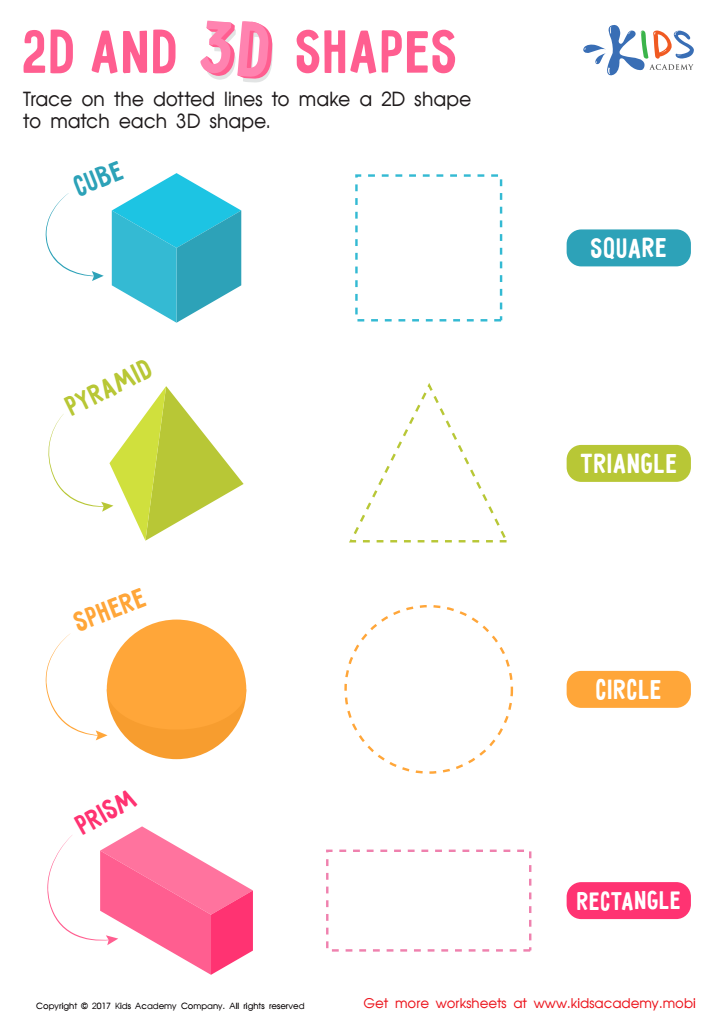
2D and 3D Shapes Worksheet
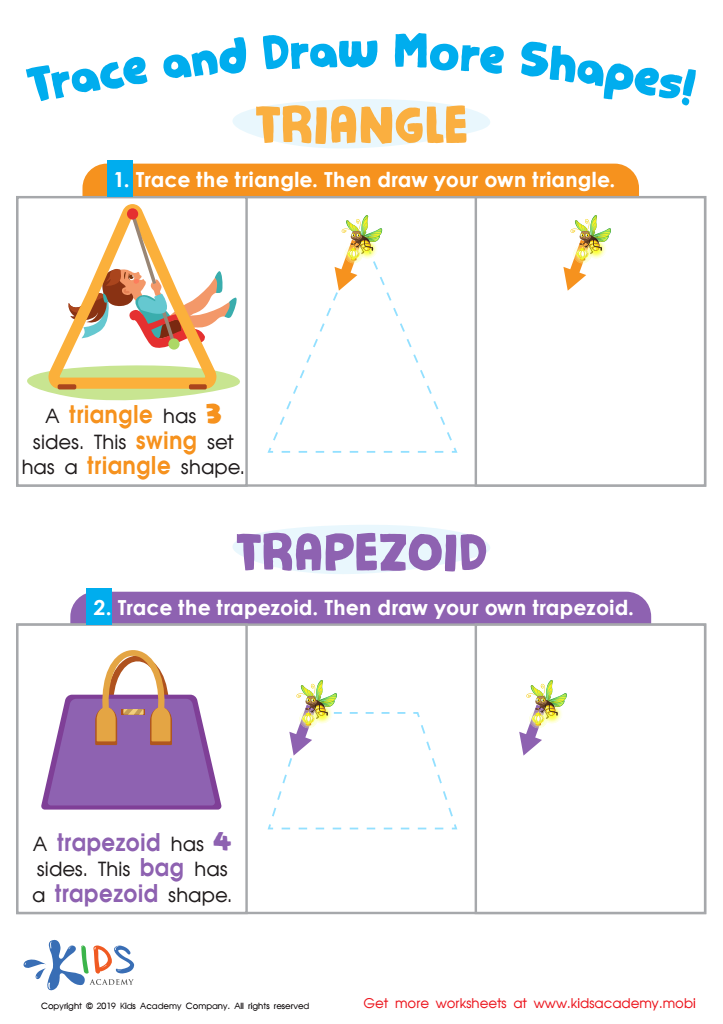
Trace and Draw More Shapes Worksheet
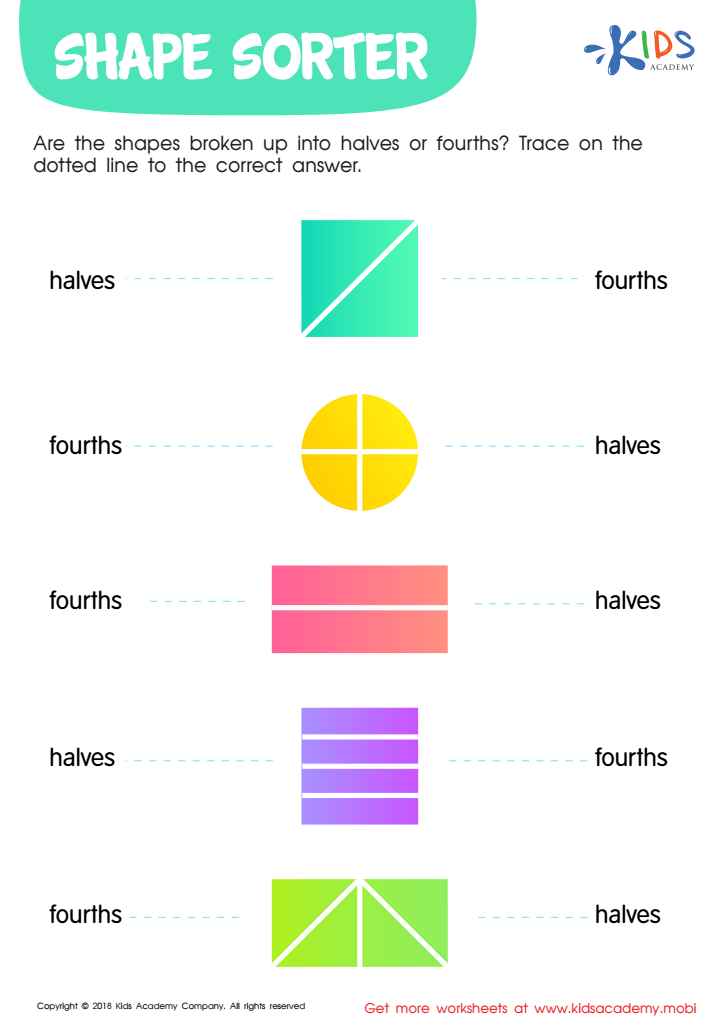
Shape Sorter Worksheet
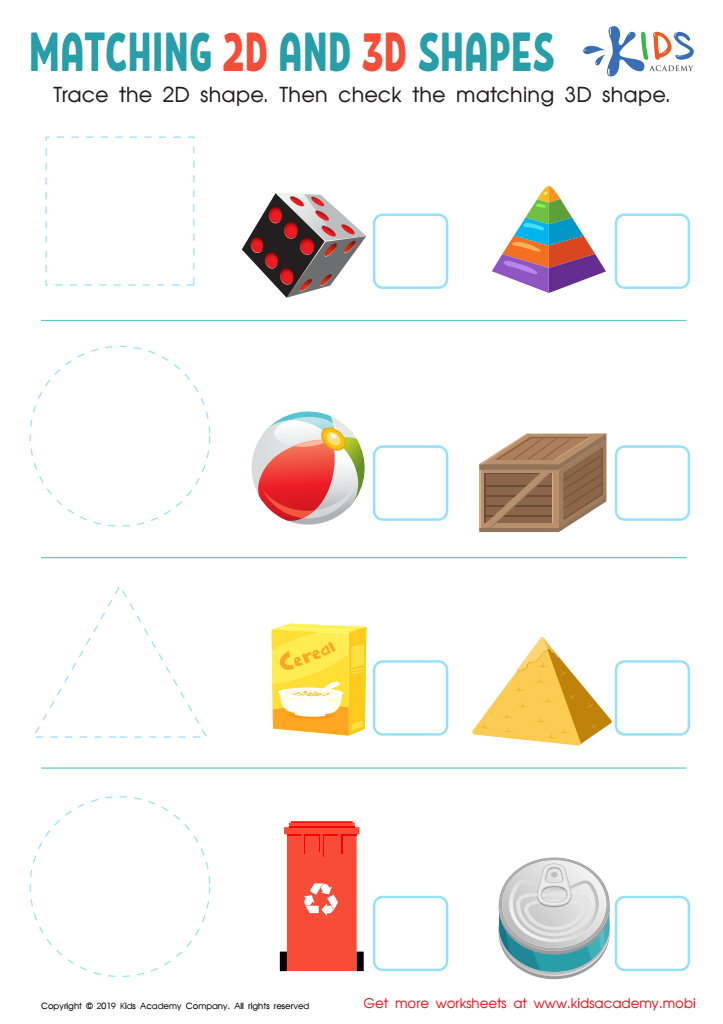
Matching 2D and 3D Shapes Worksheet
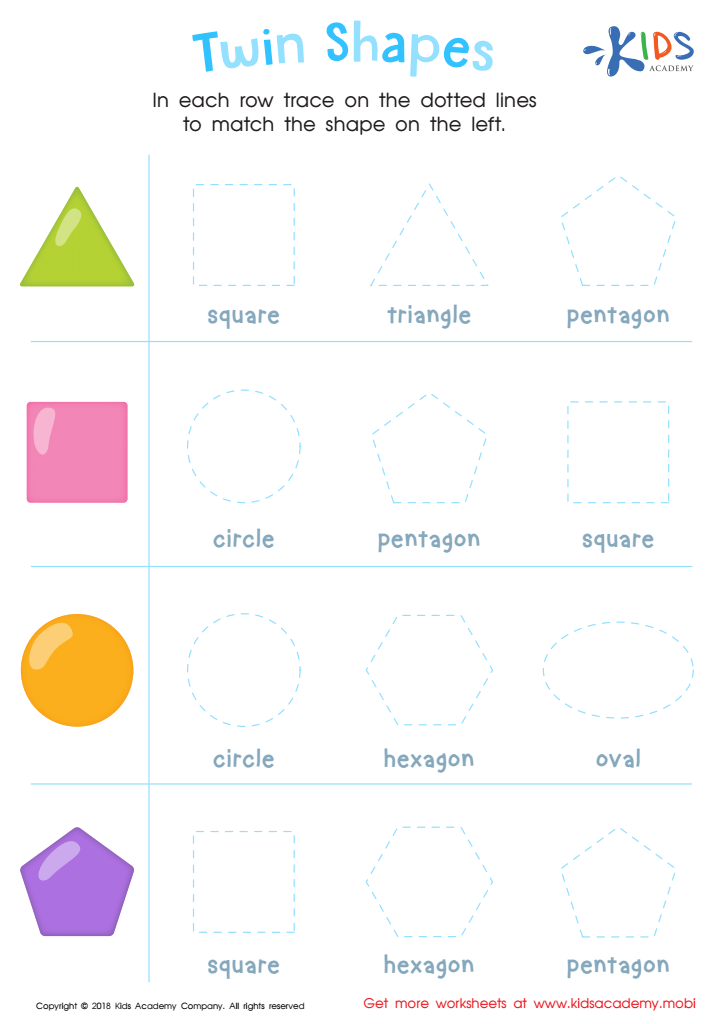
Twin Shapes Dot-to-Dot Worksheet
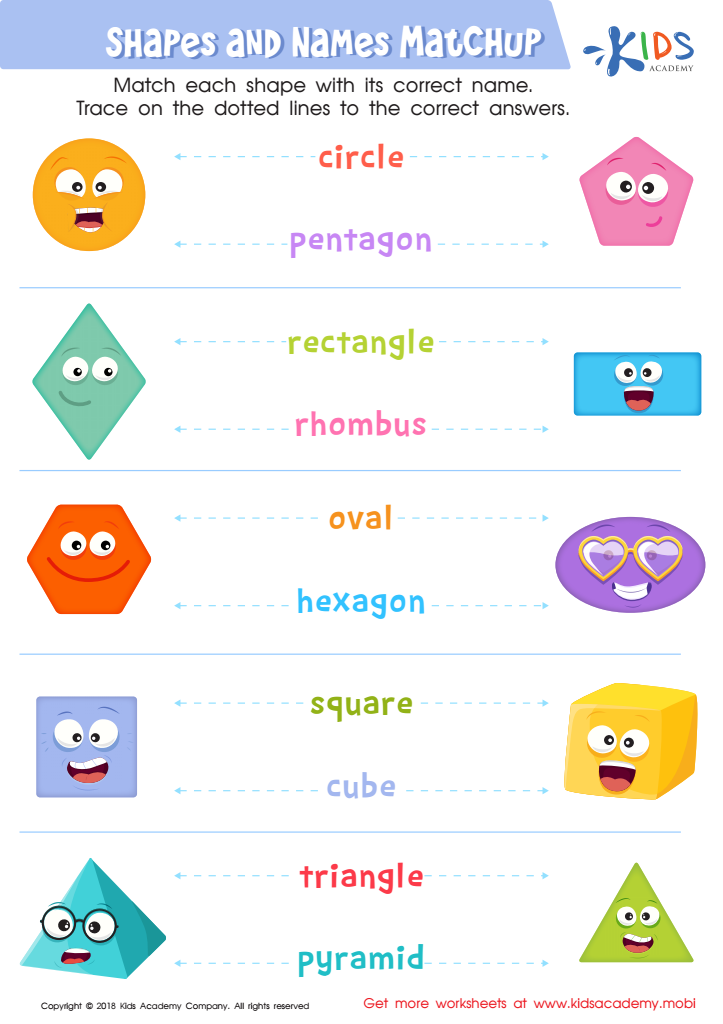
Shapes and Names Matchup Worksheet
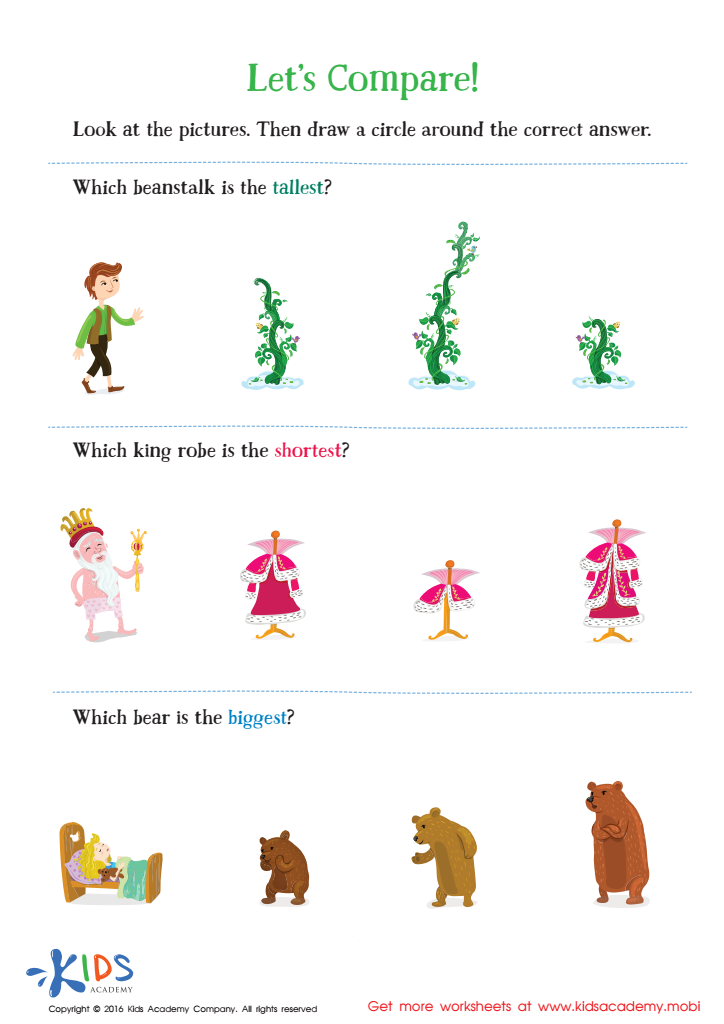
Fairy Tale Worksheet: Let's Compare








Shape recognition is a foundational skill for young learners, setting the stage for future math and cognitive development. The Shape Recognition Extra Challenge Math program for Ages 3-8 not only nurtures this essential skill but also provides an engaging way for children to explore geometry and spatial awareness. Parents and teachers should care about this program because it promotes critical thinking and problem-solving abilities that are vital for academic success.
Through fun and interactive activities, children discover geometric shapes, their properties, and how they relate to the world around them. This program encourages hands-on learning, fostering a love for mathematics at an early age. By introducing challenges, it also stimulates perseverance and resilience in students, teaching them the importance of effort and practice when faced with tougher concepts.
Moreover, embracing this early shape recognition can significantly enhance children’s ability to interpret visual information, a crucial skill in math, reading, and daily activities. The collaborative nature of the program allows for parent-teacher cooperation, making learning a shared journey. Ultimately, investing in shape recognition equips children with the tools they will need for more complex problem-solving, setting them up for long-term academic success and lifelong learning.