Letter recognition Extra Challenge Reading Worksheets for Ages 3-8
3 filtered results
-
From - To
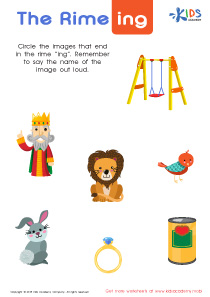
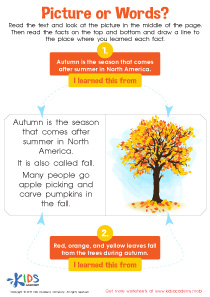
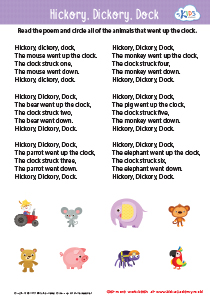
Discover our "Letter Recognition Extra Challenge Reading Worksheets" designed for children ages 3-8! These engaging worksheets provide an advanced approach to letter recognition, helping young learners strengthen their foundational reading skills. With diverse activities, including tracing, matching, and identifying letters in various contexts, our resources encourage children to explore letters creatively and independently. Perfect for classrooms or at-home learning, these worksheets cater to different learning styles and levels, ensuring each child can thrive. Enhance your child's literacy journey with our vibrant and fun worksheets, making early education enjoyable and effective. Check them out and watch your little ones excel in reading!
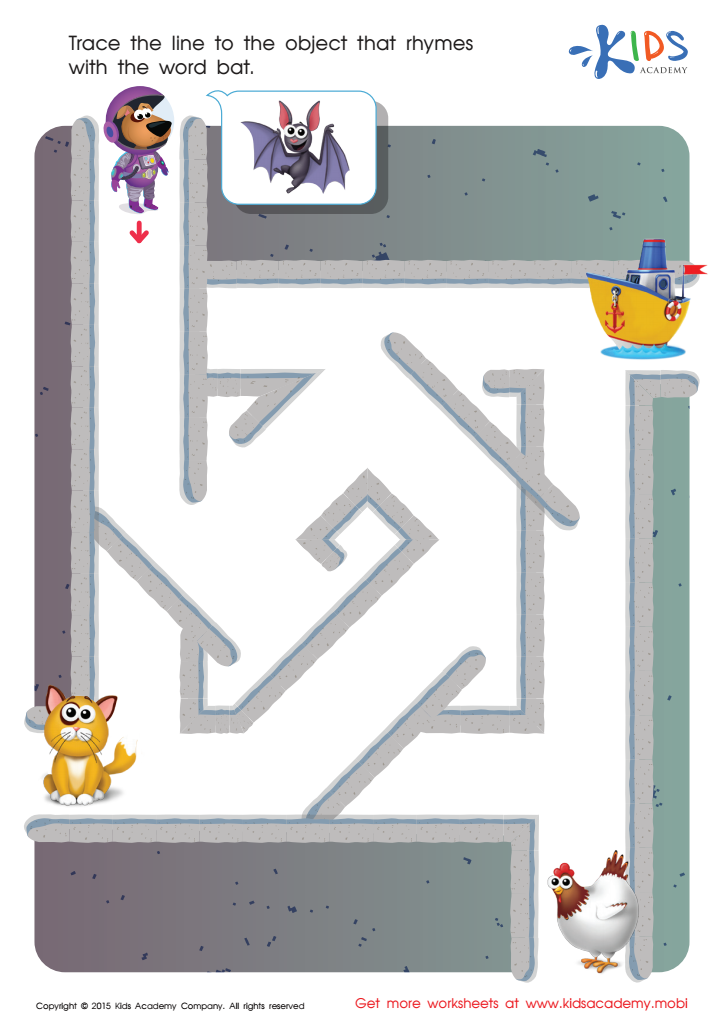
Bat Rhyming Words Worksheet
 Assign to My Students
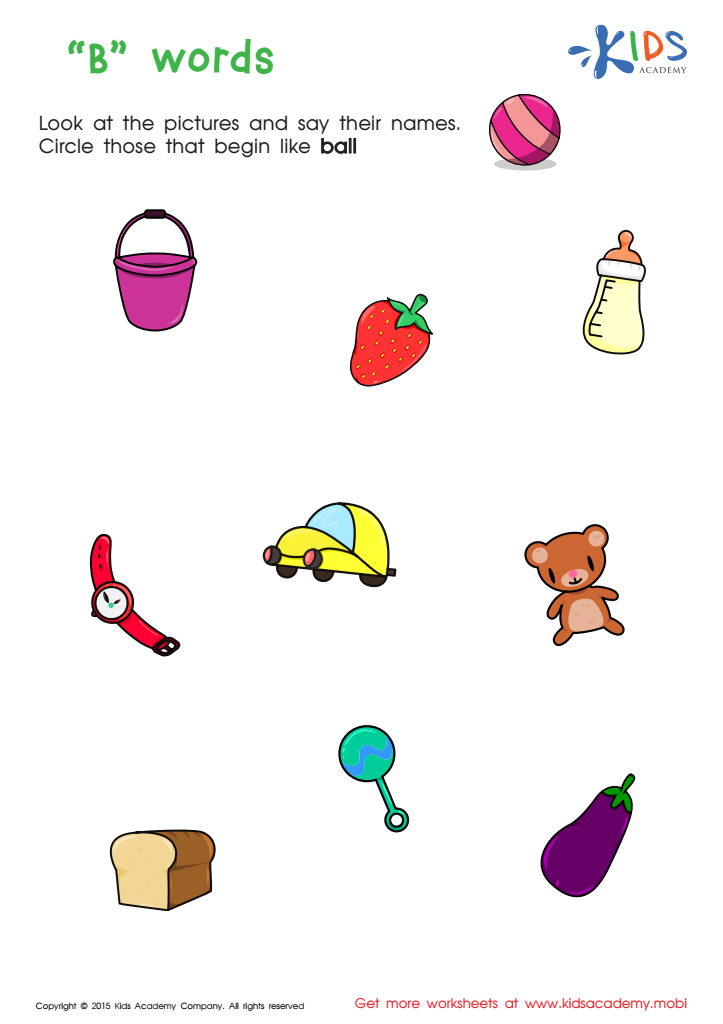
First Words Worksheet
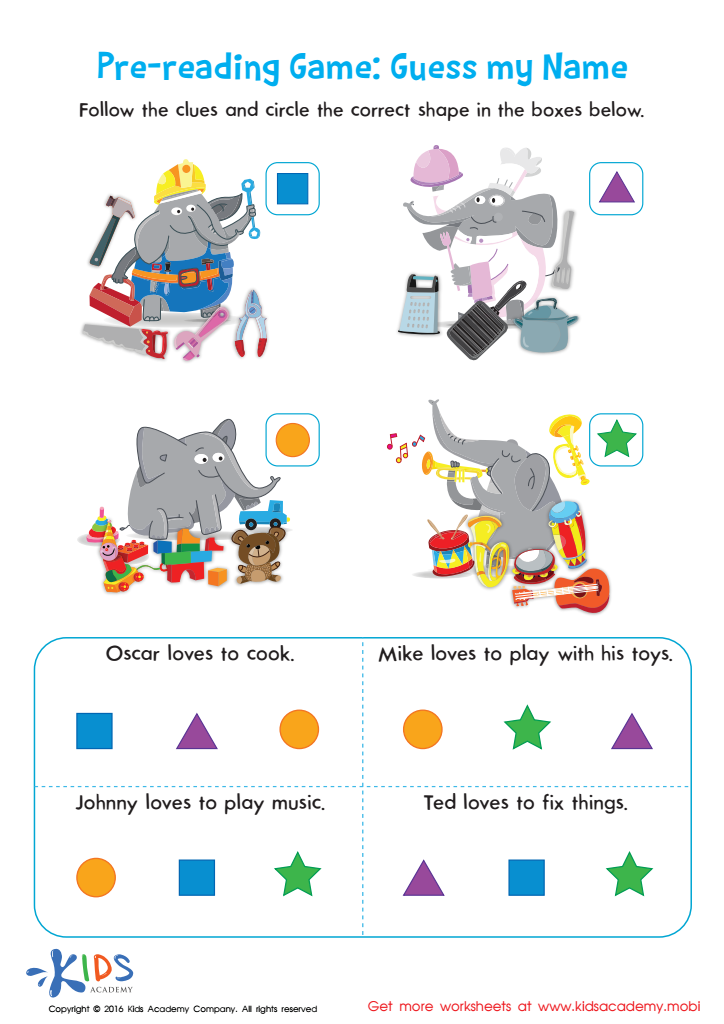
Pre Reading Worksheet Guess My Name







Letter recognition is a crucial foundational skill for young children, particularly in the ages of 3-8, as it sets the stage for reading and literacy development. Parents and teachers should prioritize this skill because it plays a vital role in a child’s future academic success. Early letter recognition helps children understand that letters represent sounds, laying the groundwork for phonemic awareness—an essential component of reading proficiency.
Engaging with letter recognition activities can foster a child’s confidence and curiosity about words and language. This engagement often translates into a love for reading, making it more likely for children to become avid readers later in life. Furthermore, strong literacy skills correlate with improved academic performance across various subjects, leading to better opportunities in the long run.
Extra Challenge Reading programs can provide innovative and interactive strategies to reinforce letter recognition, keeping children motivated and excited about learning. When parents and teachers collaborate to incorporate these activities into daily routines, they create a supportive learning environment that nurtures a child’s reading journey. Investing in letter recognition today ultimately promotes a lifelong appreciation for reading and equips children with essential skills for their educational futures.