Cognitive Development Extra Challenge Geometry Worksheets for Ages 3-9
8 filtered results
-
From - To
Enhance your child's cognitive development with our engaging Geometry Worksheets designed specifically for ages 3-9. These extra challenge sheets provide an excellent opportunity for young learners to explore shapes, patterns, and spatial relationships, fostering critical thinking skills through fun, interactive exercises. Tailored to meet diverse learning needs, these worksheets encourage children to practice fundamental geometric concepts while building confidence in their abilities. Ideal for parents and educators, our carefully crafted resources stimulate curiosity and promote problem-solving skills essential for lifelong learning. Access these comprehensive, printable worksheets today and watch your child’s understanding of geometry flourish!
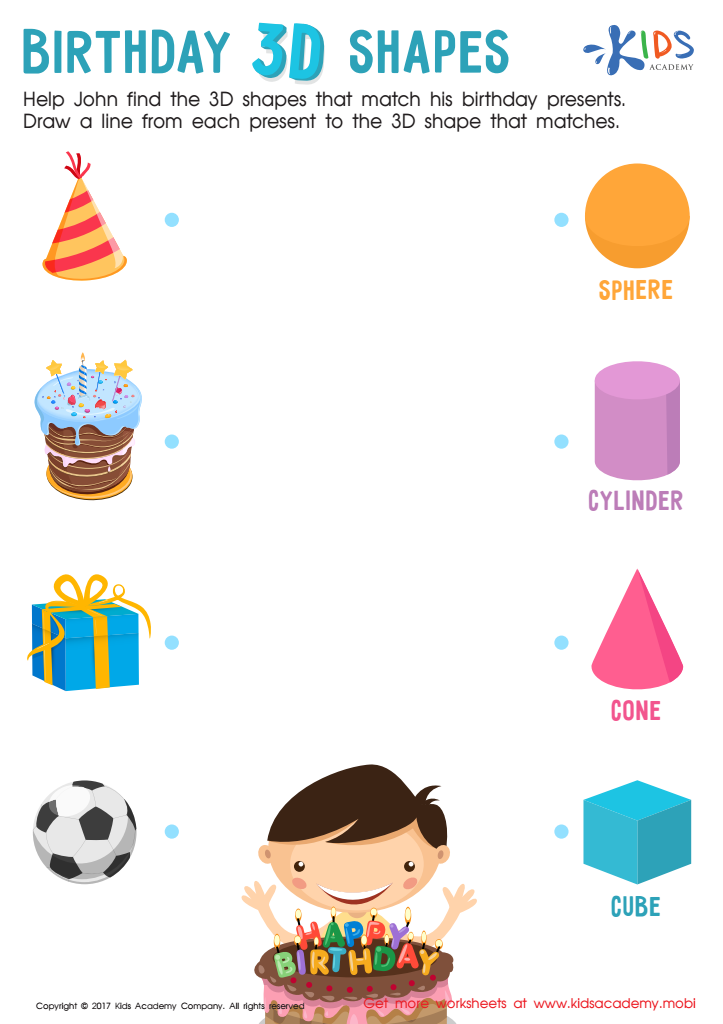
Birthday 3D Shapes Worksheet
 Assign to My Students











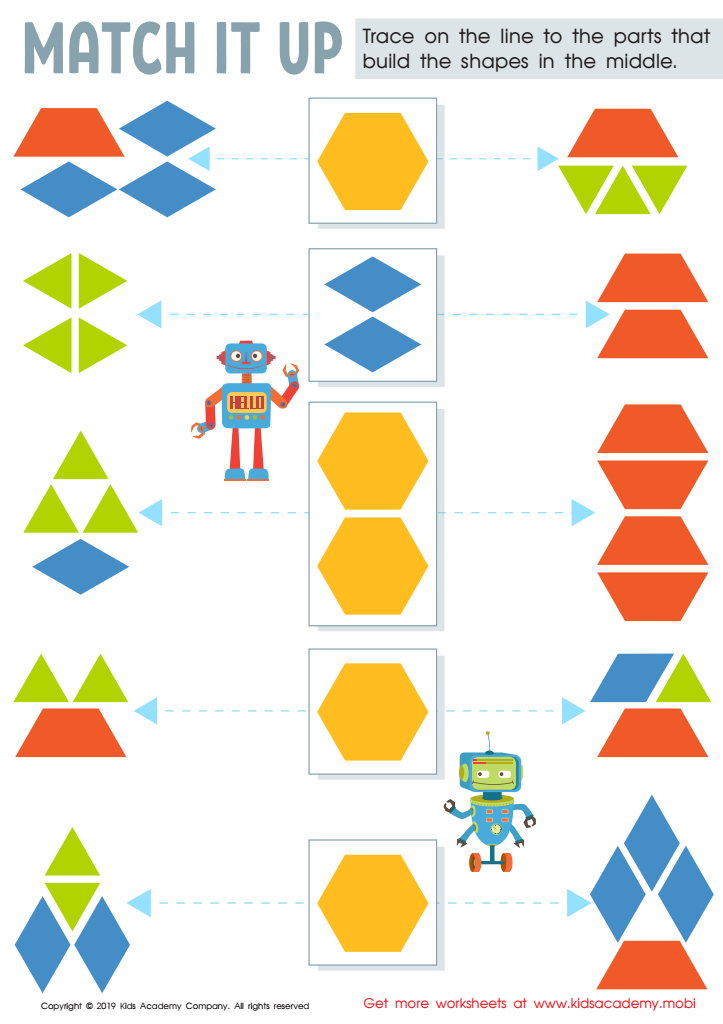
Match It up Worksheet
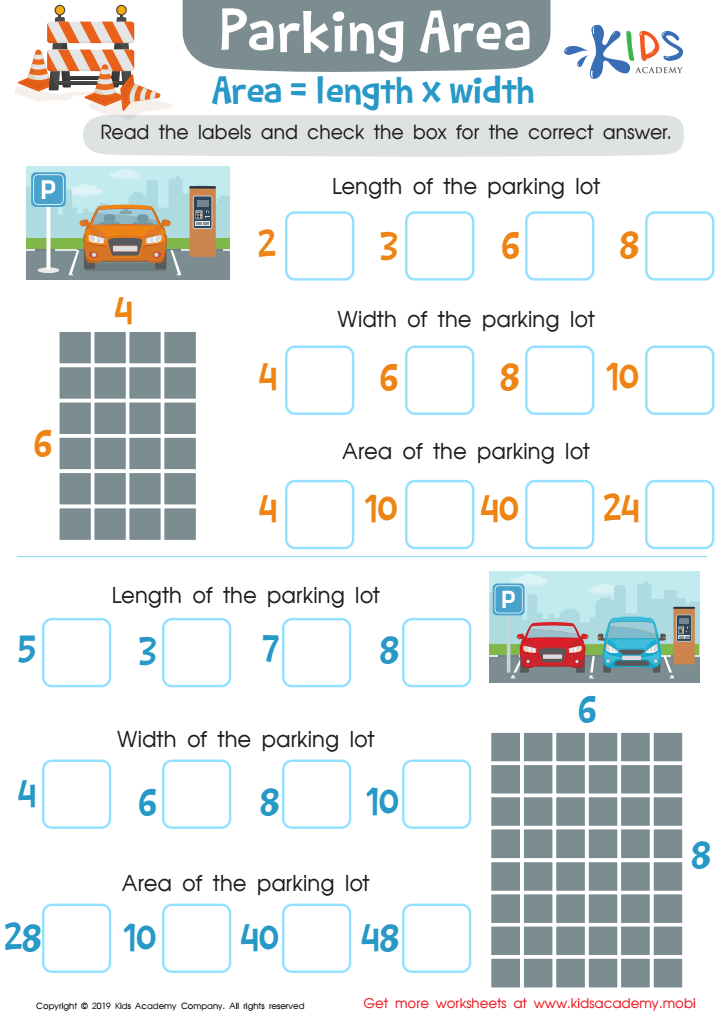
Parking Area Worksheet
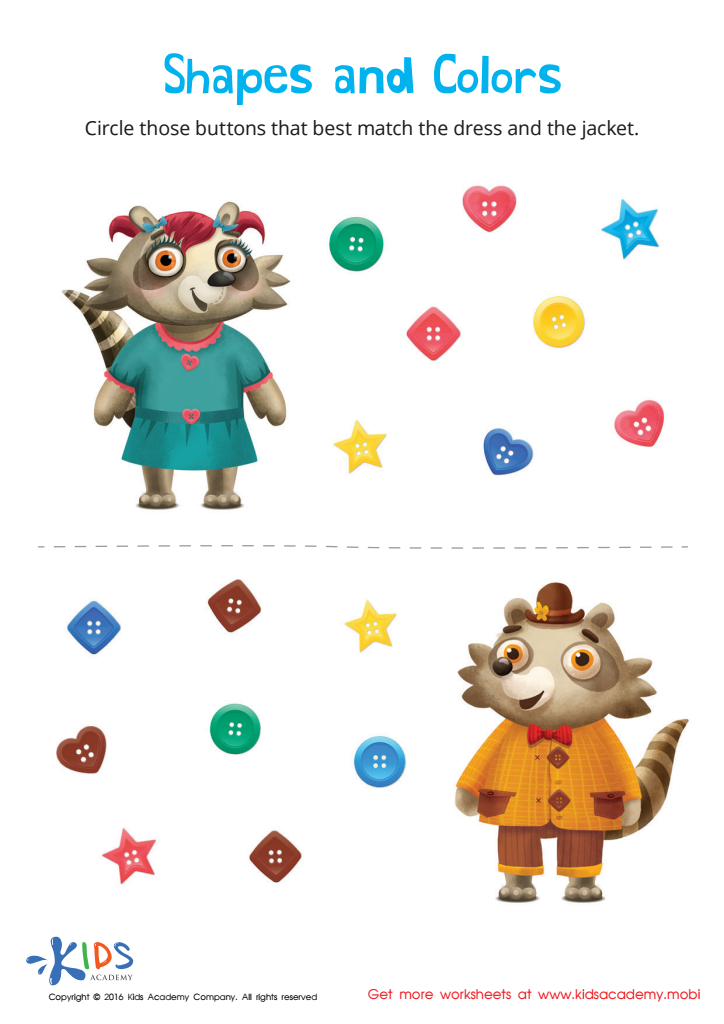
Matching: Shapes and Colors Worksheet
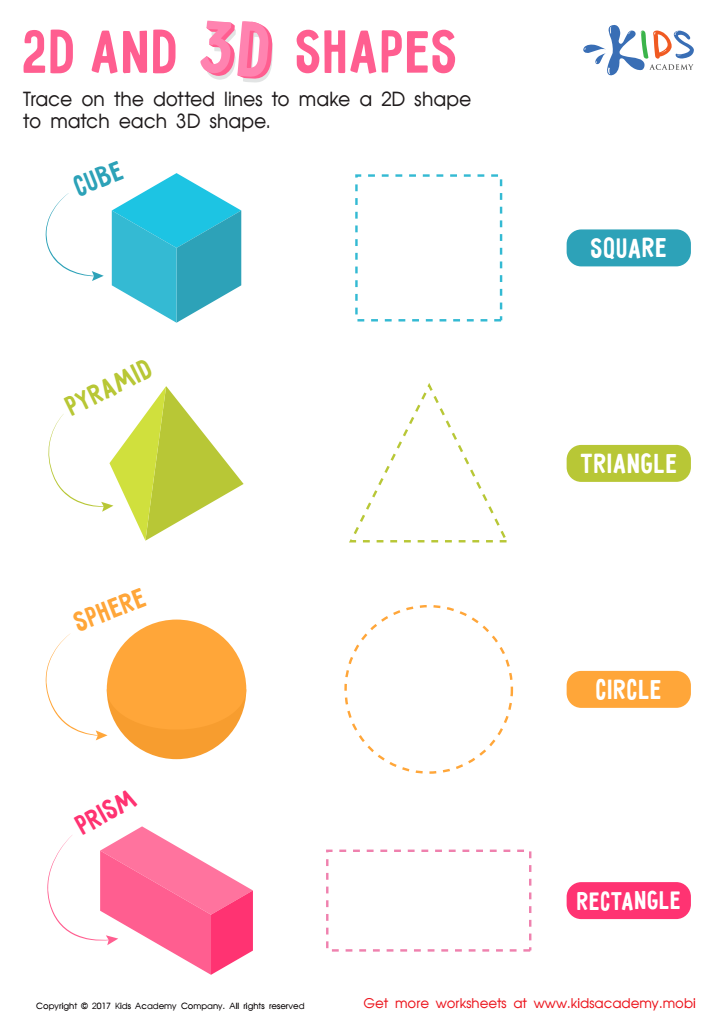
2D and 3D Shapes Worksheet
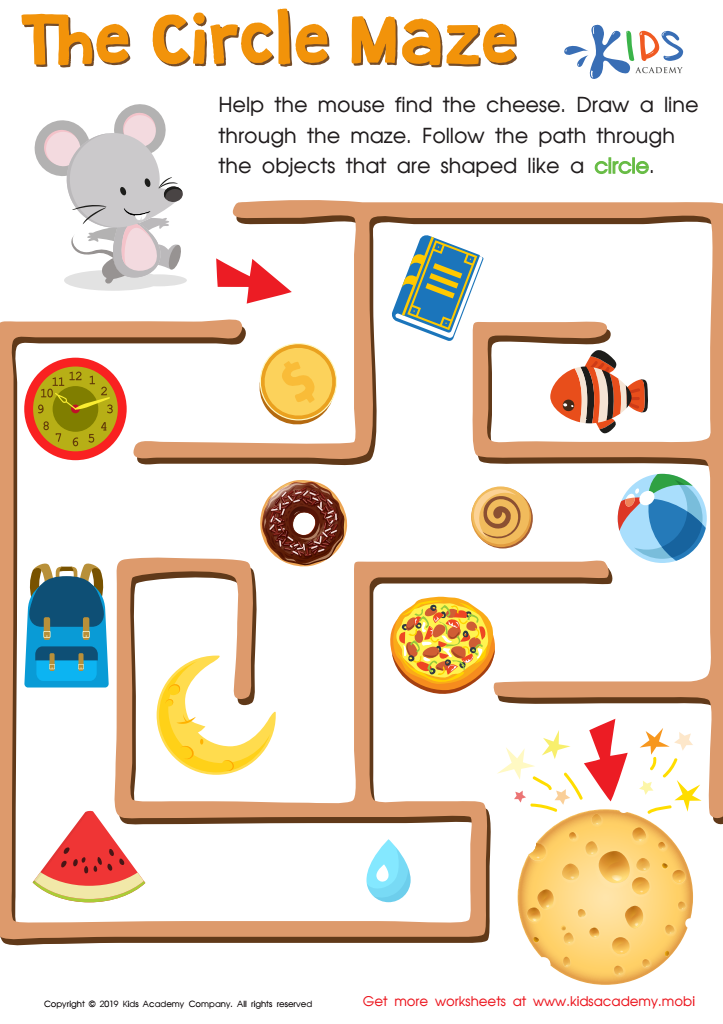
The Circle Maze Worksheet
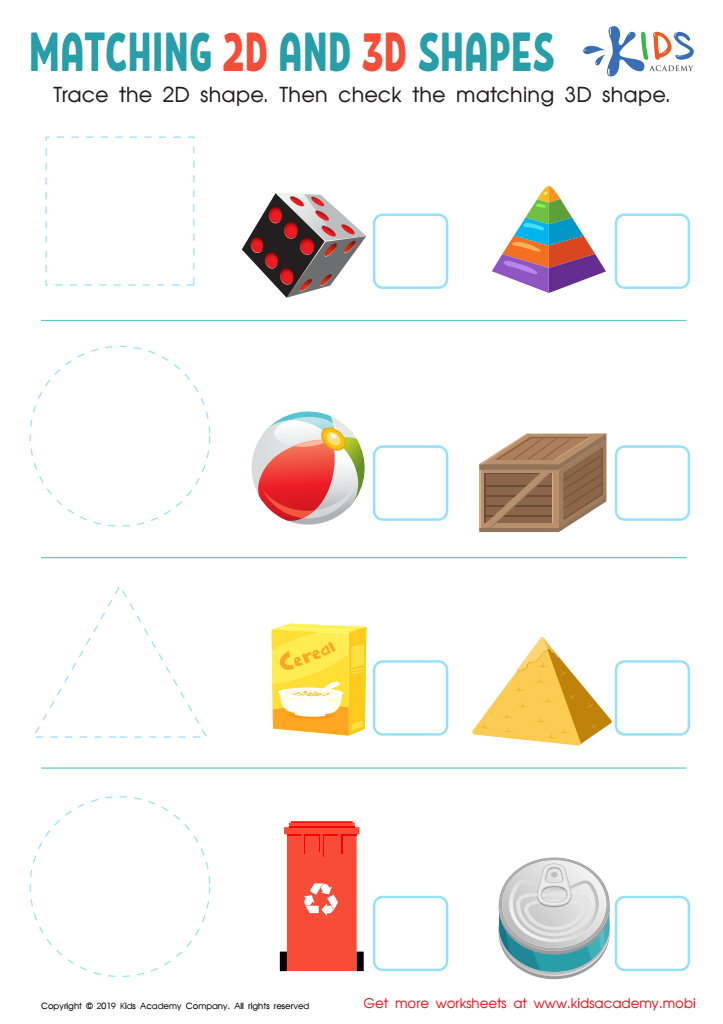
Matching 2D and 3D Shapes Worksheet
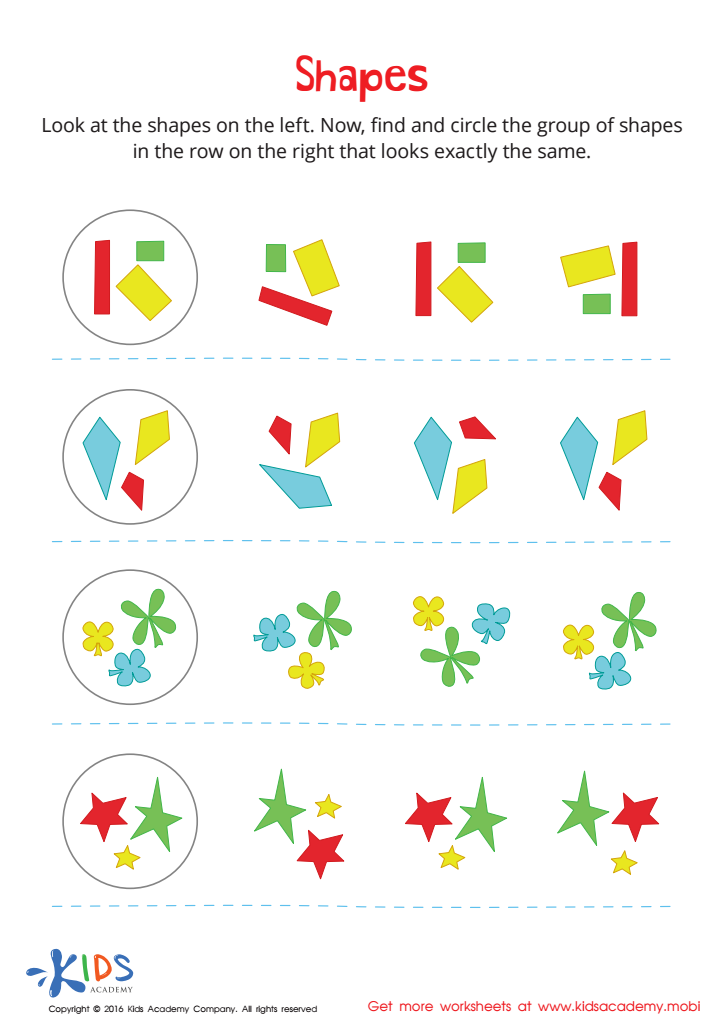
Shapes Worksheet








Cognitive Development Extra Challenge Geometry for ages 3-9 is vital for nurturing foundational skills in mathematics and critical thinking which are essential for children's overall academic success. Engaging with geometry at a young age helps children develop spatial reasoning, problem-solving abilities, and logical thinking. These skills not only lay the groundwork for advanced mathematical concepts later on but also enhance cognitive flexibility—how they approach and adapt to various tasks.
Parents and teachers should care about this because it promotes analytical thinking, allowing children to visualize and manipulate objects in their minds, which is pertinent in both math and real-world applications. Introduced through fun and challenging activities, this program keeps children motivated and connected to learning, promoting a lifelong affinity for mathematics.
Additionally, the activities included in such programs encourage collaboration and communication, enhancing social skills as children often work in pairs or groups. By fostering an environment where geometry challenges are embraced, parents and teachers can cultivate resilient learners who are ready to tackle both academic and daily life challenges creatively and confidently. Investing time in cognitive geometry activities builds not only number sense but a well-rounded mindset that benefits children in all areas of development.








