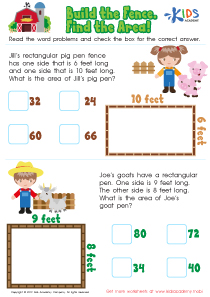
Fine Motor Skills Extra Challenge Numbers Worksheets for 3-Year-Olds
12 filtered results
-
From - To
Enhance your child's fine motor skills with our engaging Extra Challenge Numbers Worksheets designed specifically for 3-year-olds! These worksheets combine fun and learning, helping little ones develop their dexterity while exploring numbers. Each activity encourages the use of pens, crayons, or finger painting, promoting hand-eye coordination and grip strength. Fun illustrations and captivating themes make the learning experience enjoyable and effective. These worksheets serve as an excellent supplement to early math education, allowing children to practice tracing, coloring, and counting. Perfect for parents and educators looking to provide a creative and challenging approach to nurturing vital motor skills in young learners!
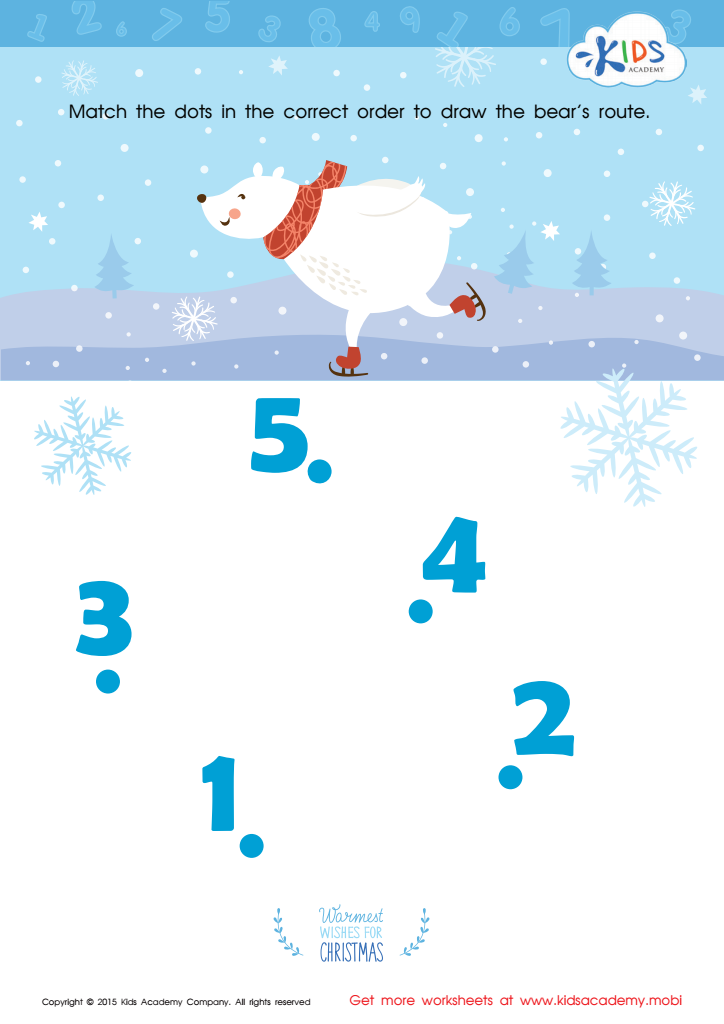
Drawing the Bear's Route by Number Worksheet
 Assign to My Students
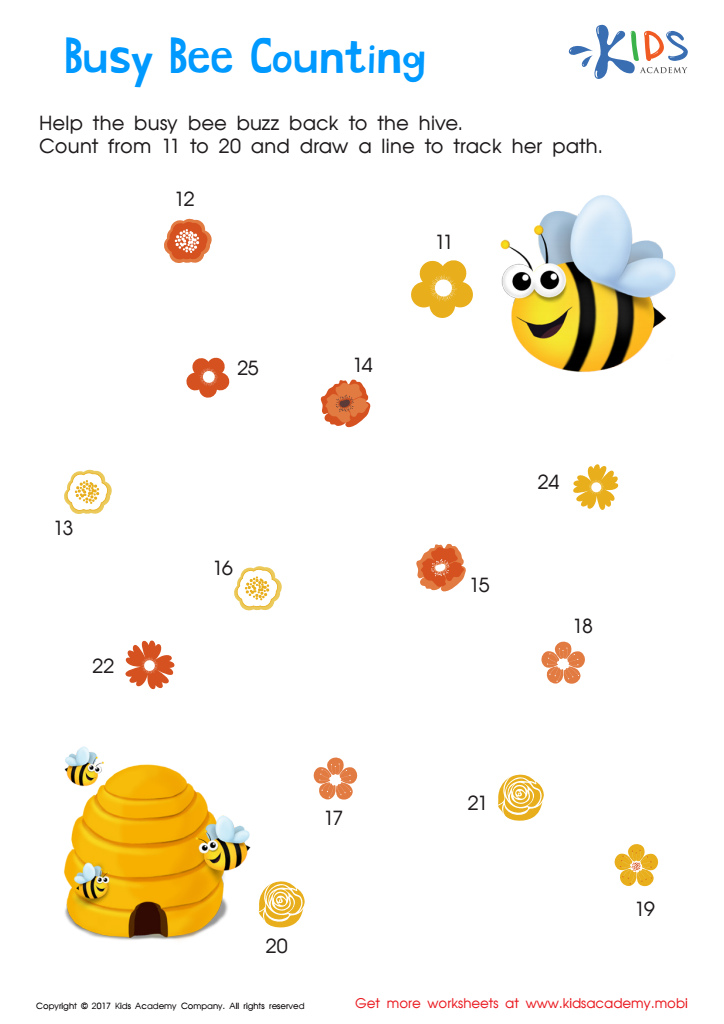
Ordering 11–20: Busy Bee Counting Worksheet
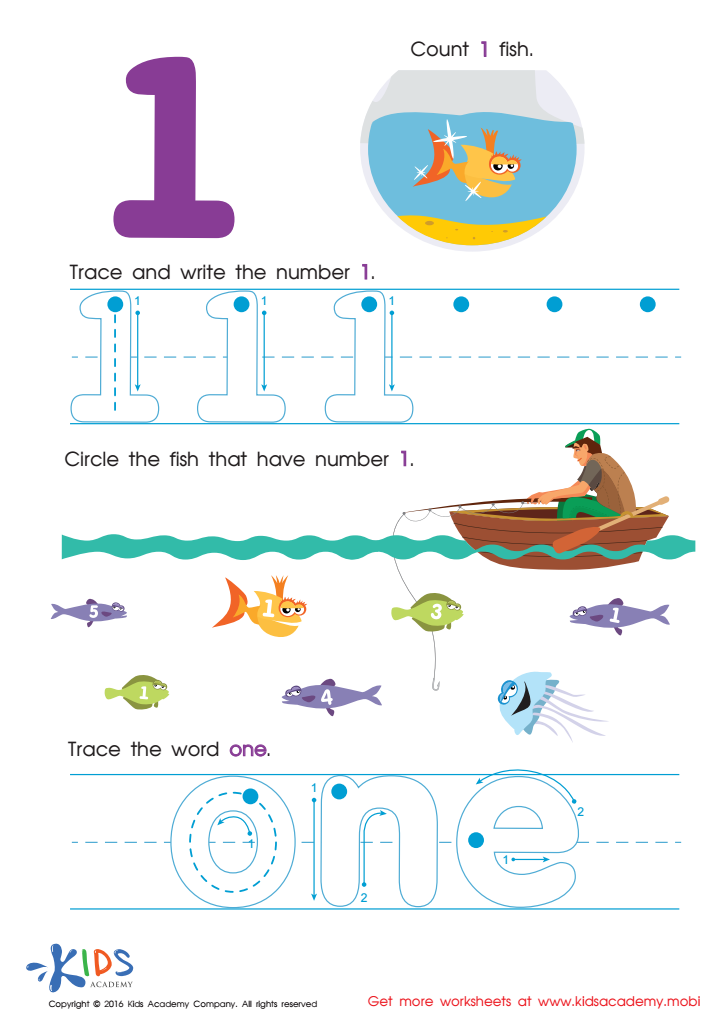
Learning to Write 1 Worksheet
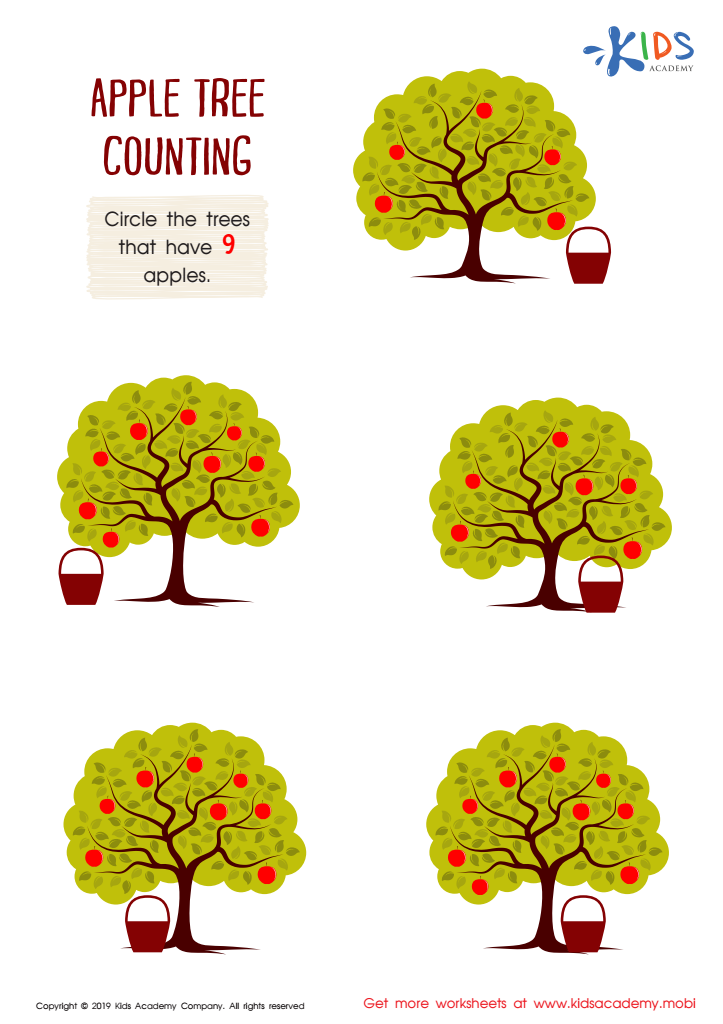
Apple Tree Counting Worksheet
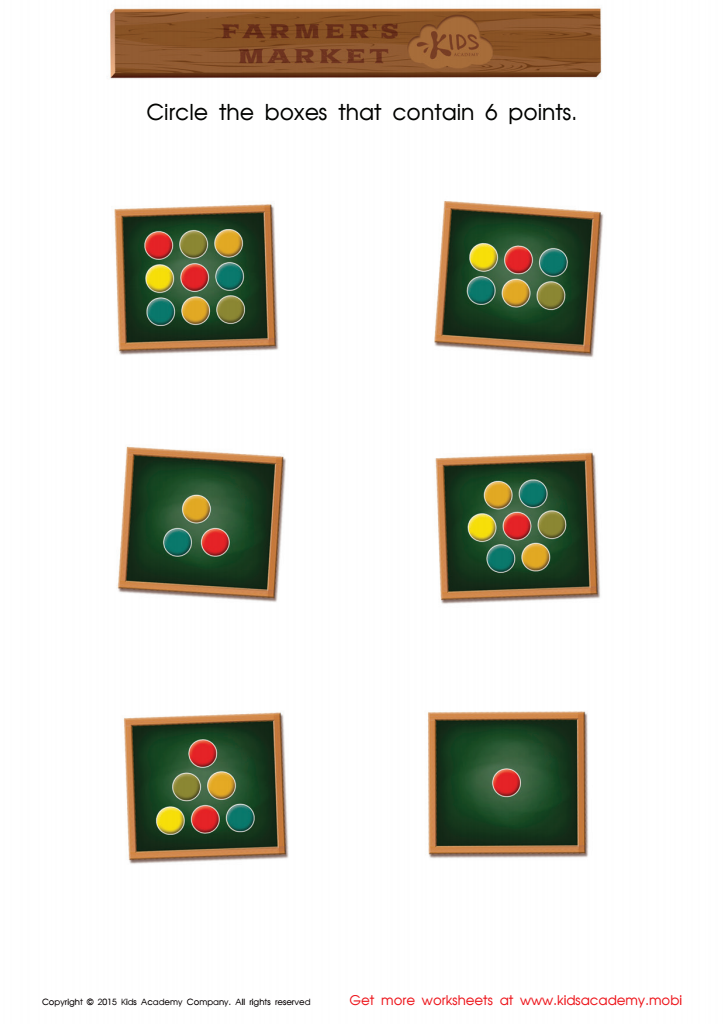
Count and Match Points 6 Math Worksheet
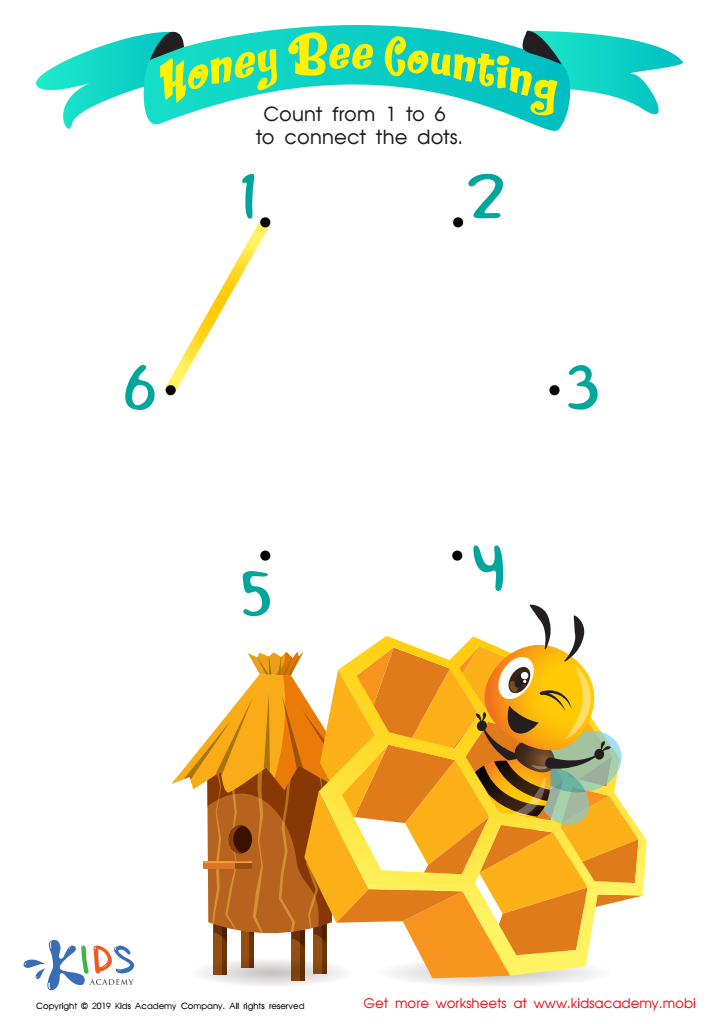
Honey Bee Counting Worksheet

Count Santa's Presents Worksheet
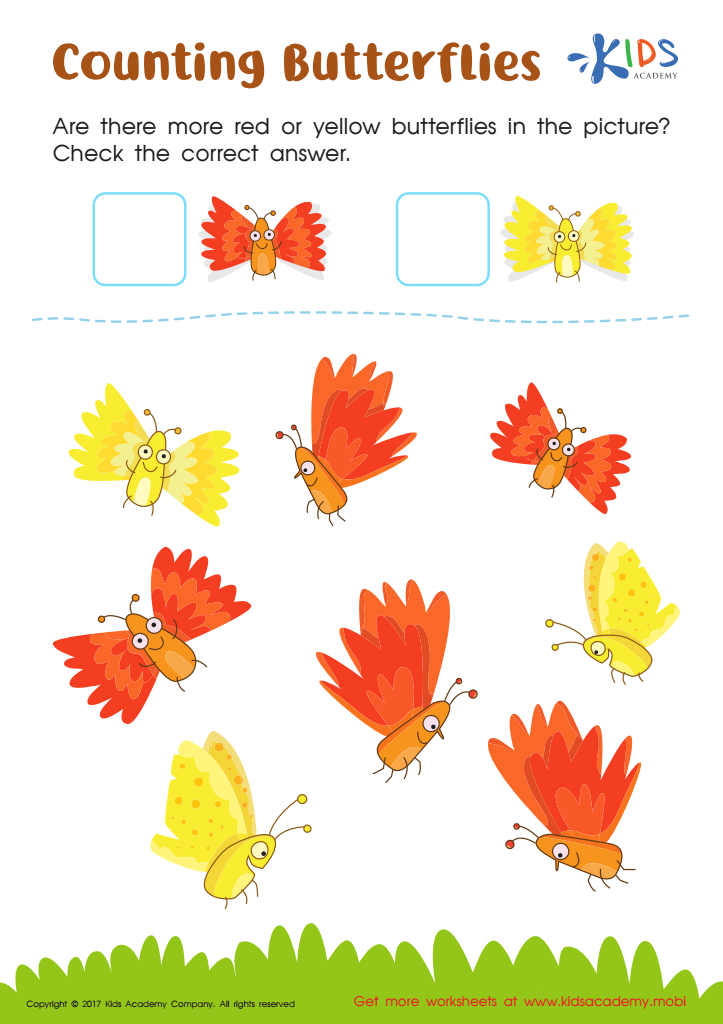
Counting Butterflies Worksheet

Pirate Ship Connect Dots Worksheet
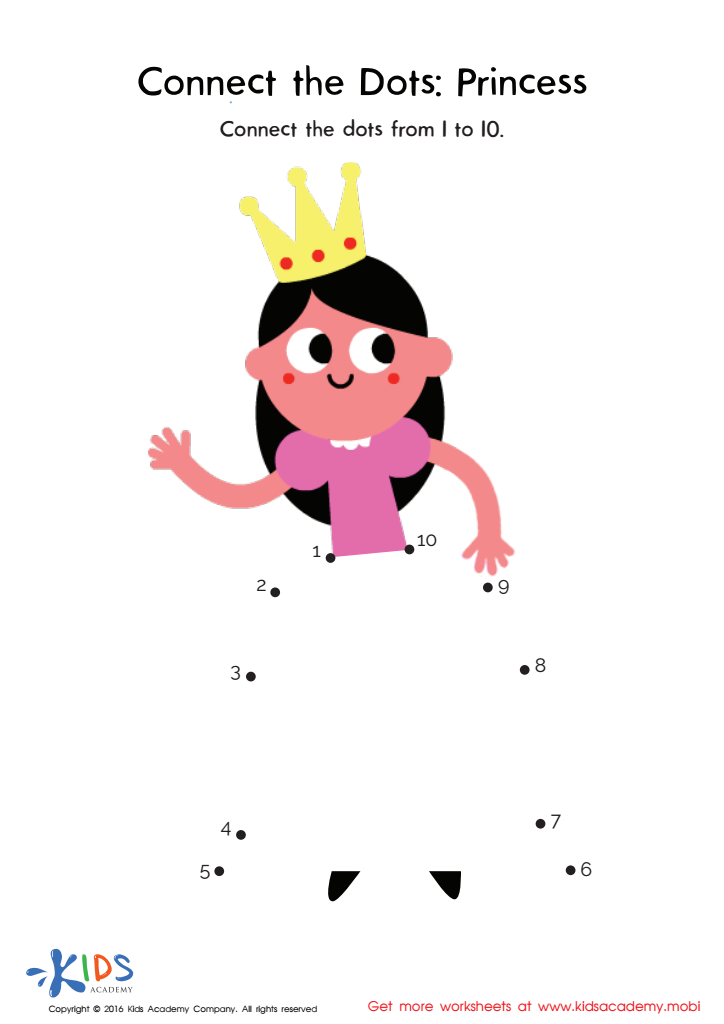
Princess Connect Dots Worksheet
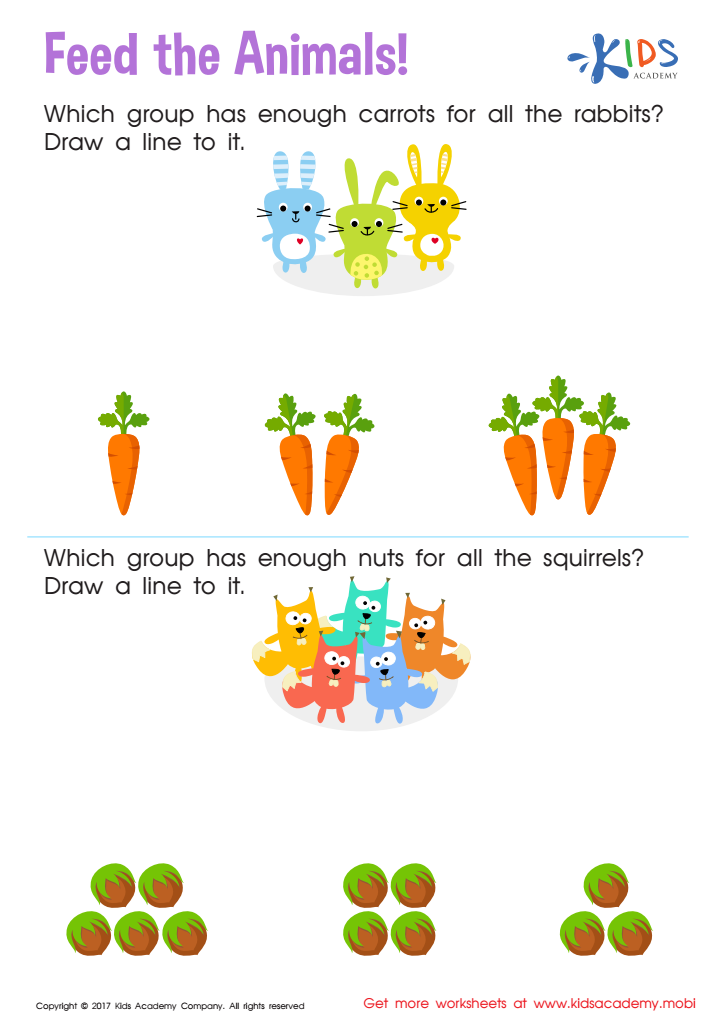
Count and Match: Feed the Animals Worksheet








Fine motor skills are crucial for young children's overall development, especially for three-year-olds who are rapidly learning to navigate their environment. These skills involve the coordination of small muscles, particularly in the hands and fingers, allowing children to perform tasks like grasping objects, manipulating toys, and eventually writing. Introducing extra challenges focused on fine motor skills can significantly enhance their hand-eye coordination, dexterity, and concentration.
Parents and teachers should care about providing these challenges because developing fine motor skills sets the foundation for future learning. Mastery of these skills helps children gain independence in self-help tasks, such as dressing or feeding themselves. It also leads to greater success in academic settings, particularly in early writing and drawing activities.
Additionally, engaging in fine motor challenges fosters problem-solving skills and creativity, as children experiment with different ways to use their hands and manipulate objects. This not only aids in cognitive development but also builds confidence and self-esteem as they achieve new milestones. Ultimately, investing time in fine motor skill activities contributes to healthier developmental trajectories, preparing children for school readiness and lifelong learning. Thus, prioritizing these extra challenges is vital for holistic child development.