Problem-Solving Skills Extra Challenge Math Worksheets for 3-Year-Olds
16 filtered results
-
From - To
Unlock your child's potential with our Problem-Solving Skills Extra Challenge Math Worksheets for 3-Year-Olds! Designed to engage young minds, these interactive worksheets promote critical thinking and development of essential math skills. Your little learners will enjoy tackling fun problems that enhance their ability to observe, analyze, and think creatively. Each worksheet is tailored to suit the cognitive abilities of 3-year-olds, making math accessible and enjoyable. Encourage curiosity and boost confidence as children discover logical solutions to various challenges. Set the foundation for future math success with these exciting, extra-challenging worksheets that turn learning into an adventurous game!
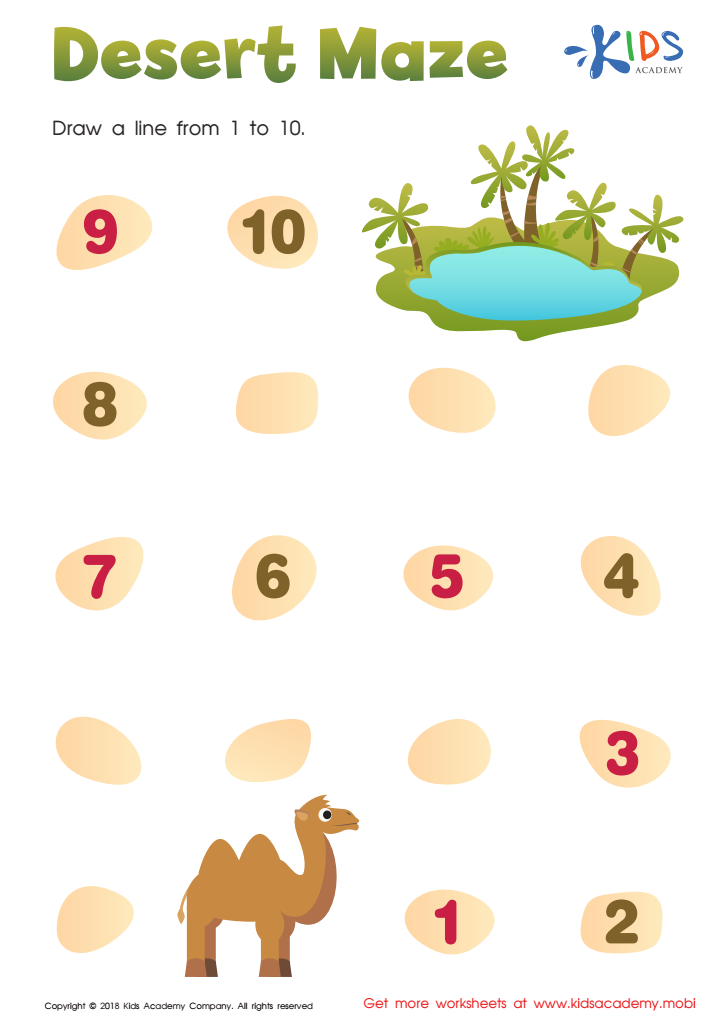
Desert Maze Worksheet
 Assign to My Students
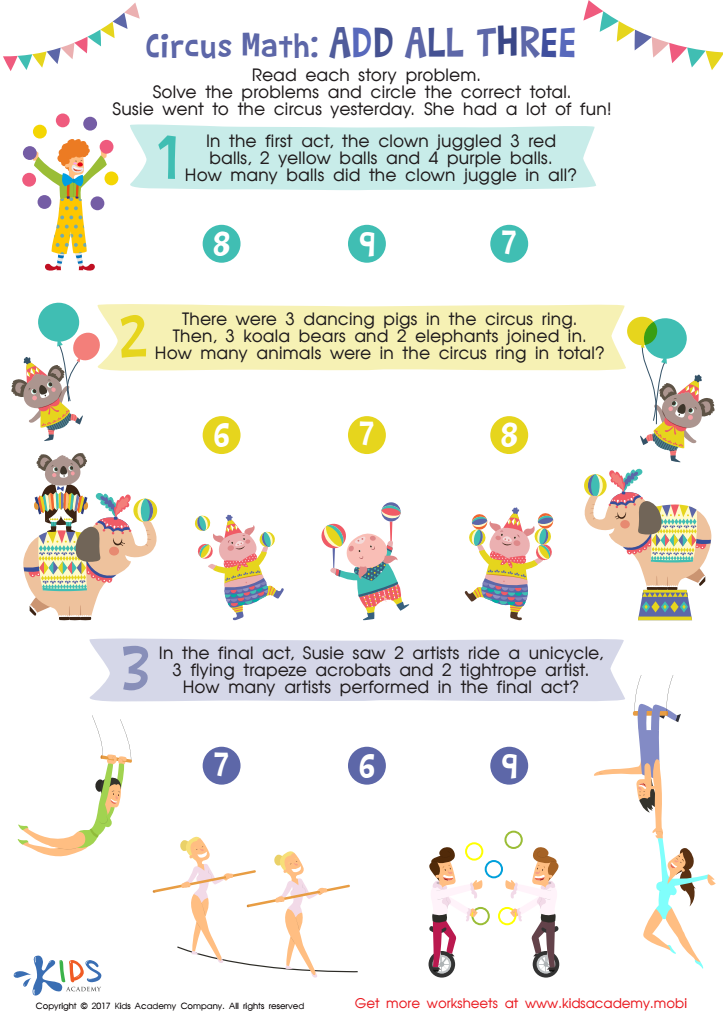
Circus Math Printable
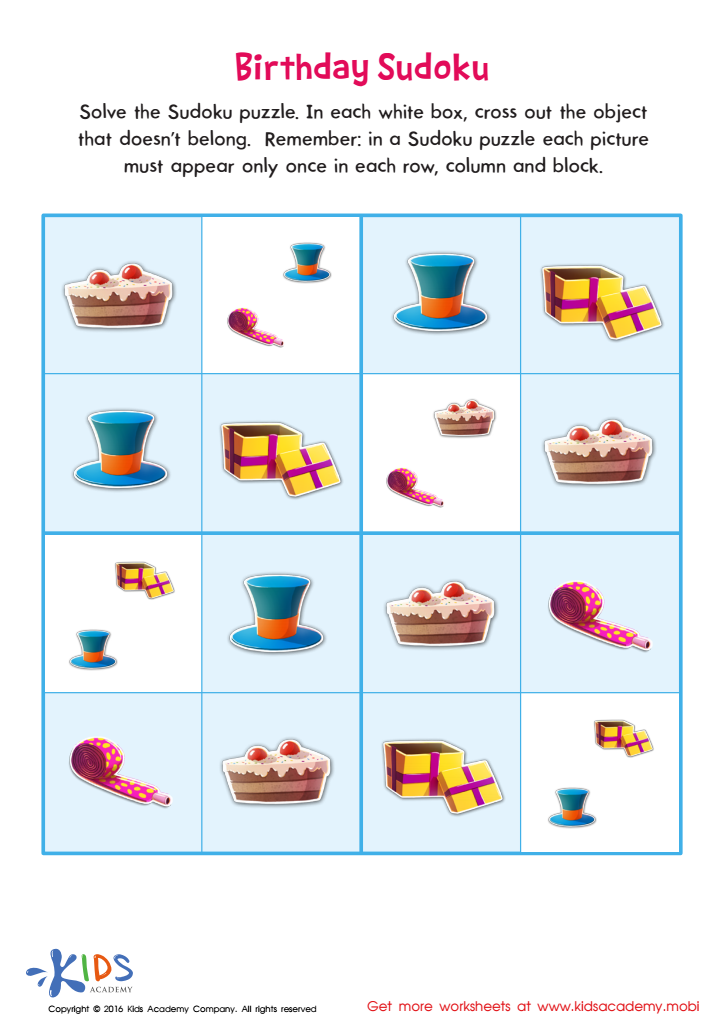
Birthday Sudoku Sorting Worksheet
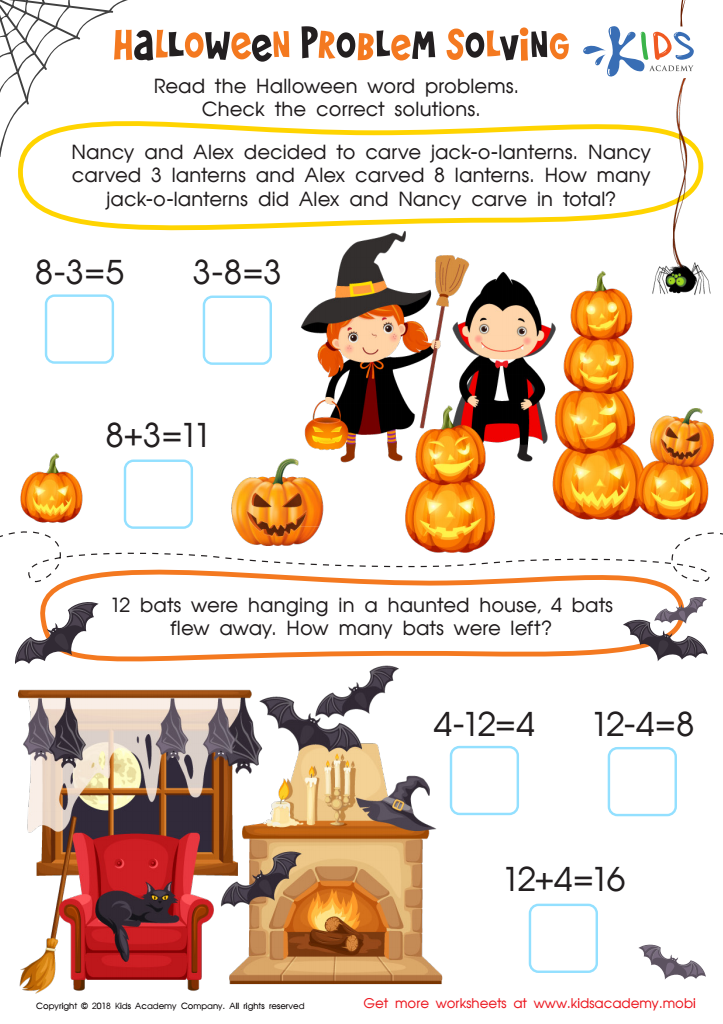
Halloween Problem Solving Worksheet
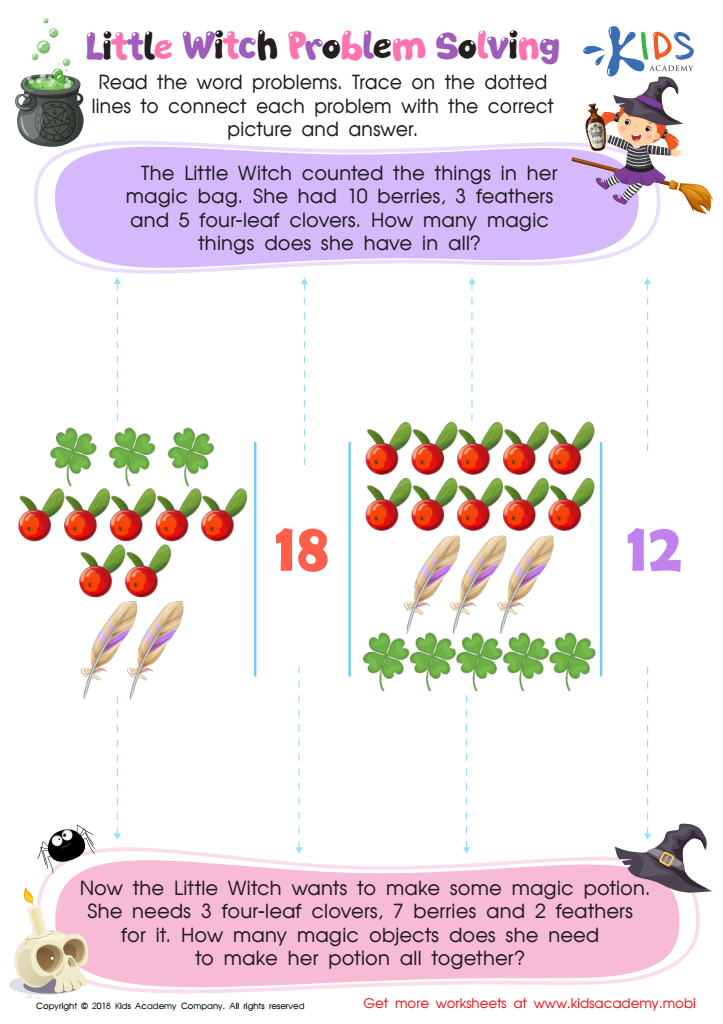
Little Witch Problem Solving Worksheet
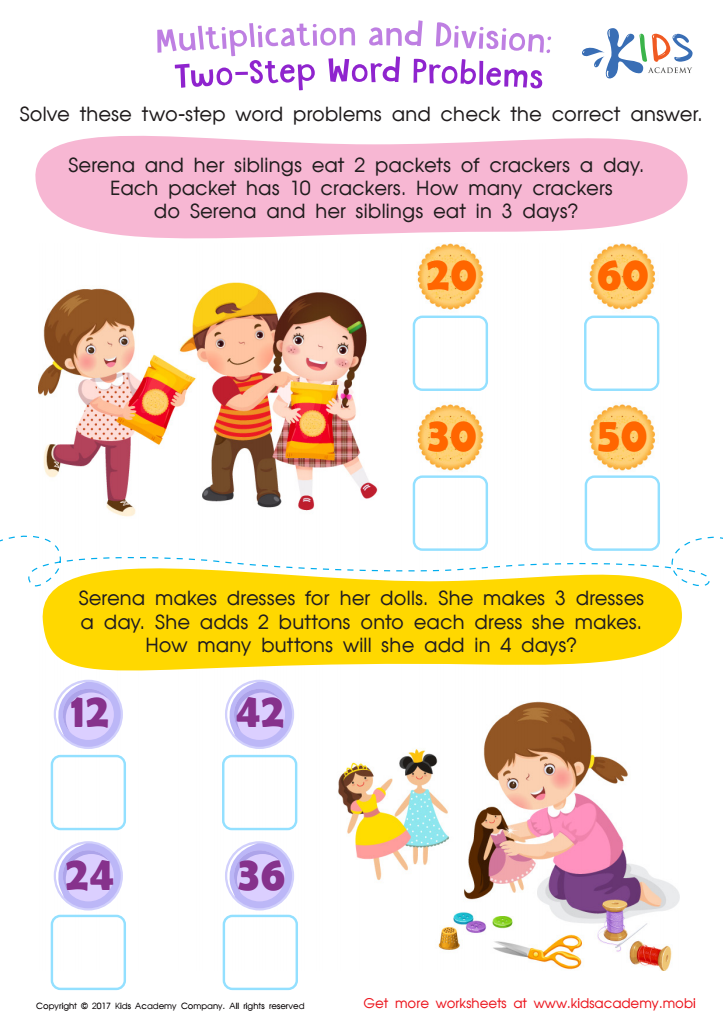
Two Step Word Problems Worksheet
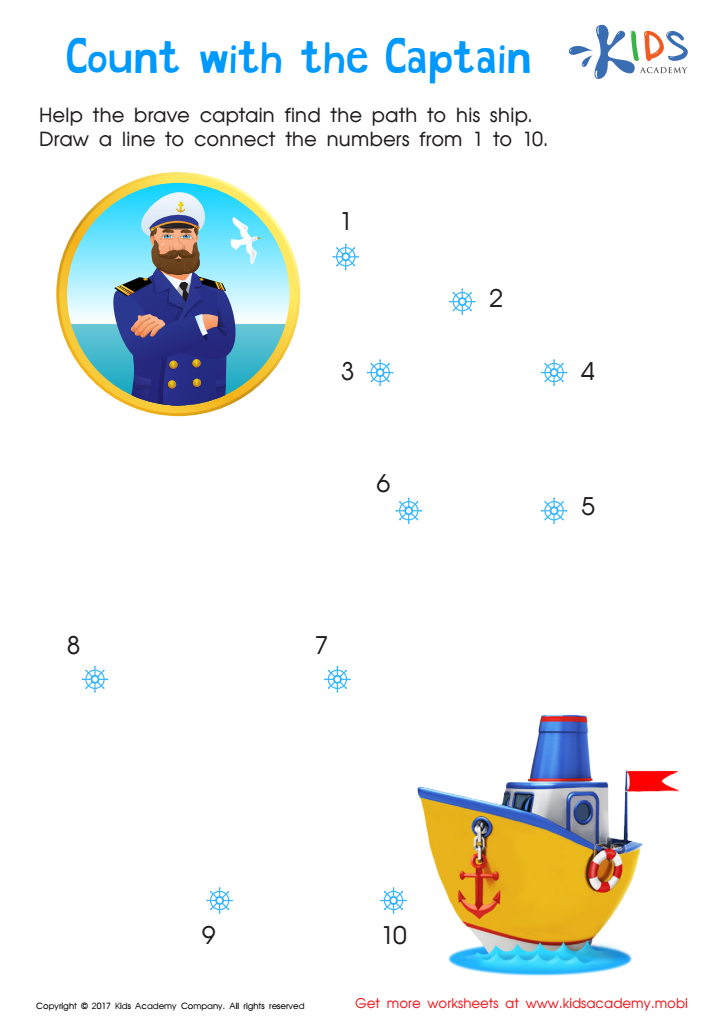
Count with the Captain Connect Dots Worksheet
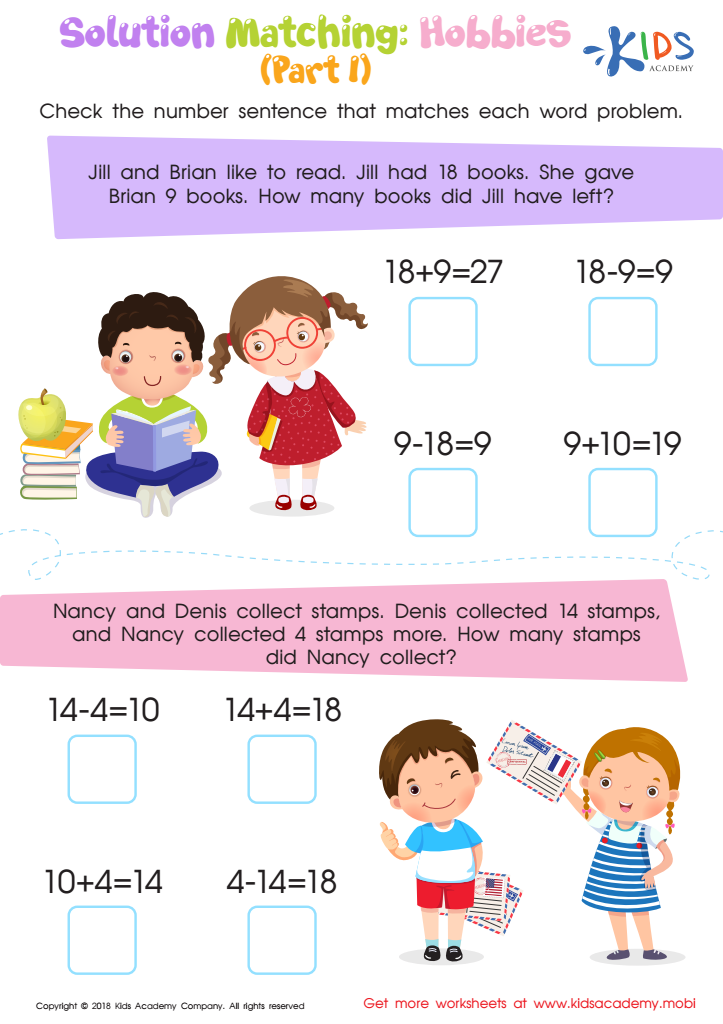
Solution Matching: Hobbies. Part 1 Worksheet
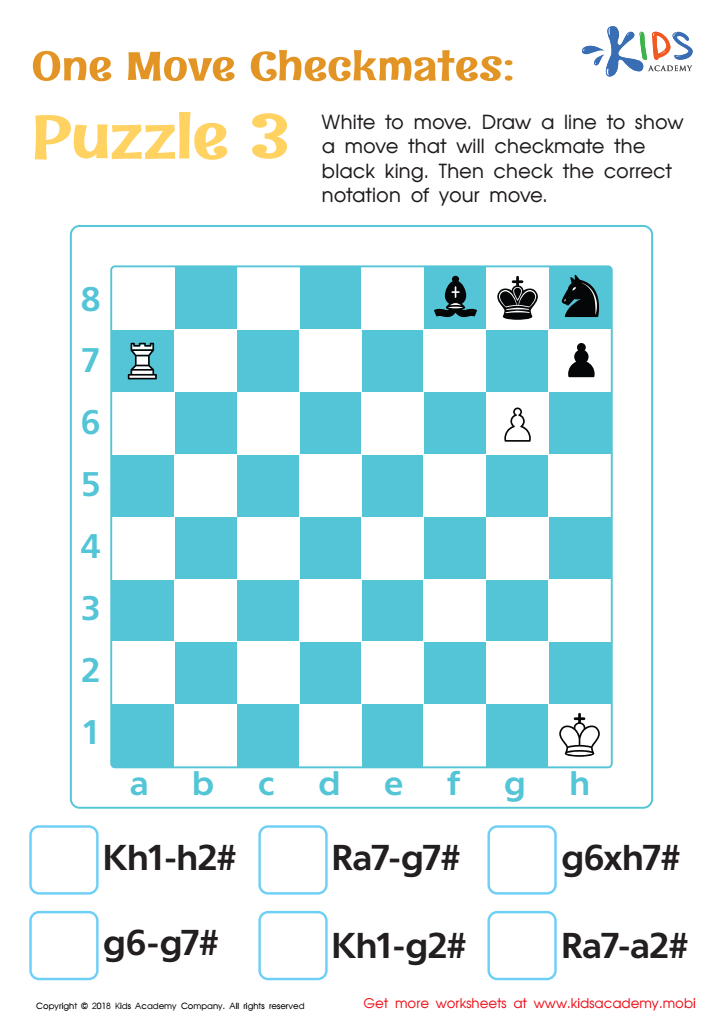
One Move Checkmates: Puzzle 3 Worksheet
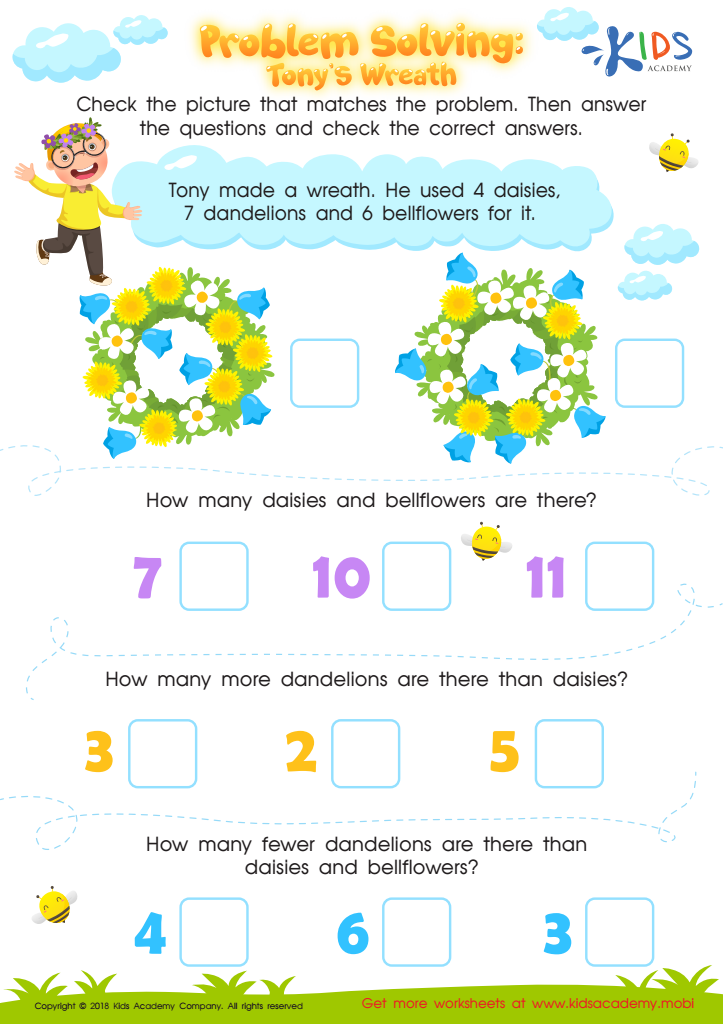
Problem Solving: Tony's Wreath Worksheet
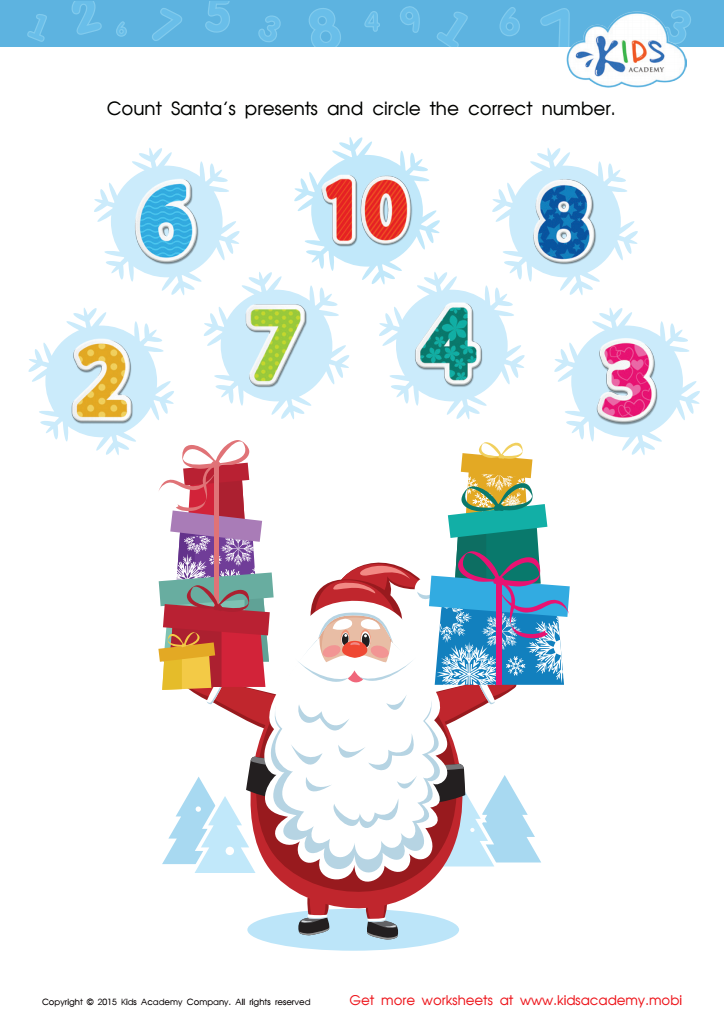
Count Santa's Presents Worksheet
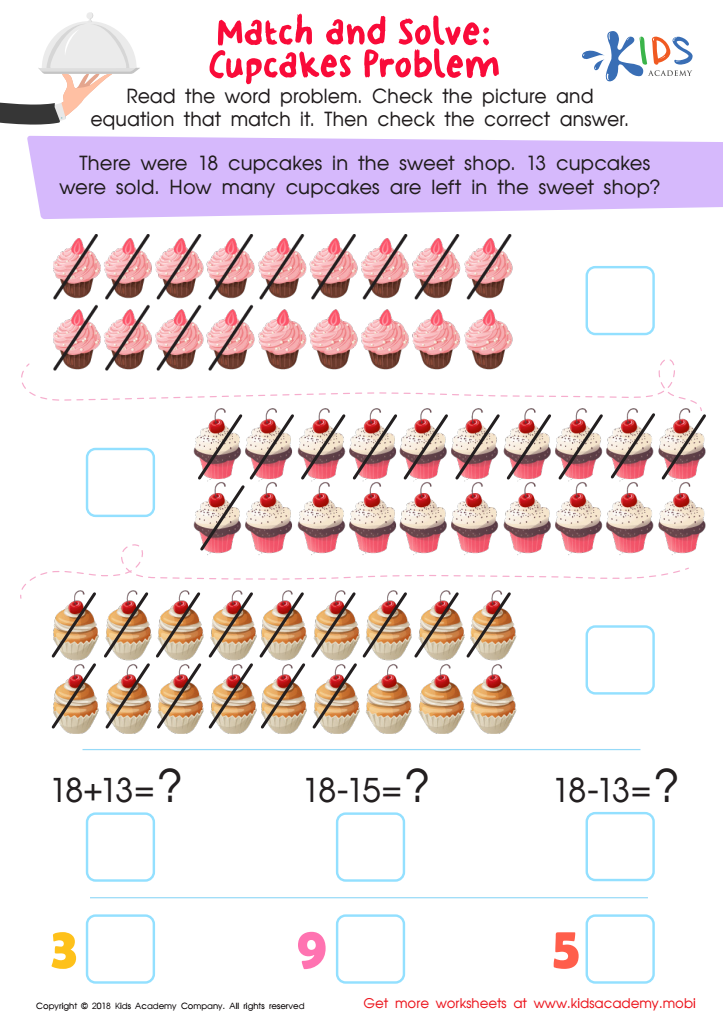
Match and Solve: Cupcakes Problem Worksheet
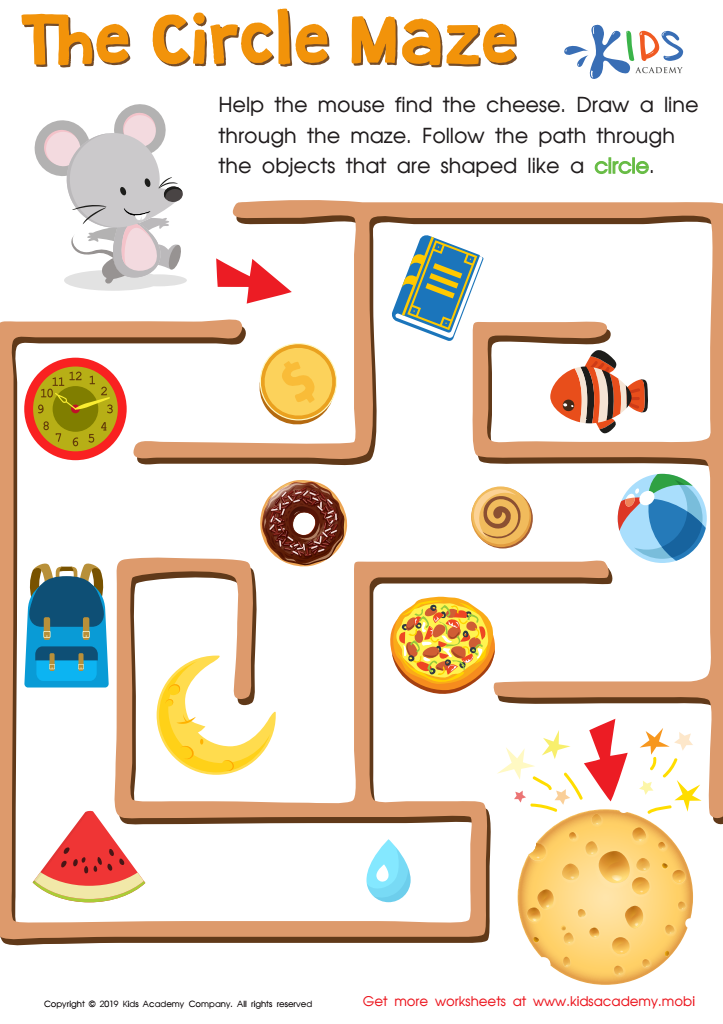
The Circle Maze Worksheet
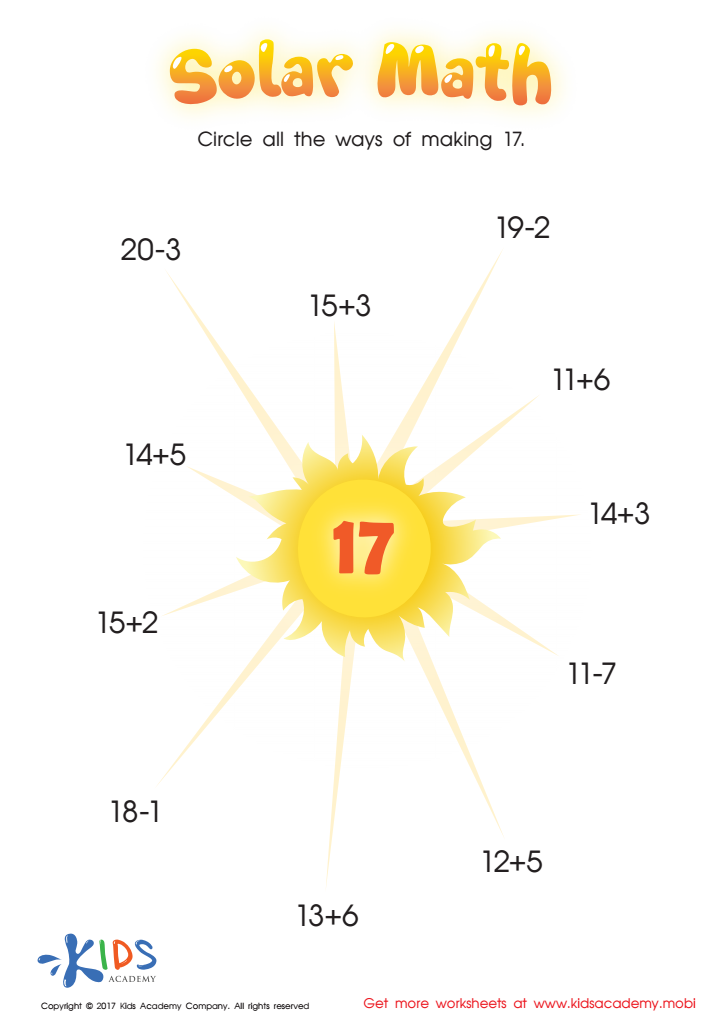
Solar Math Substraction Worksheet
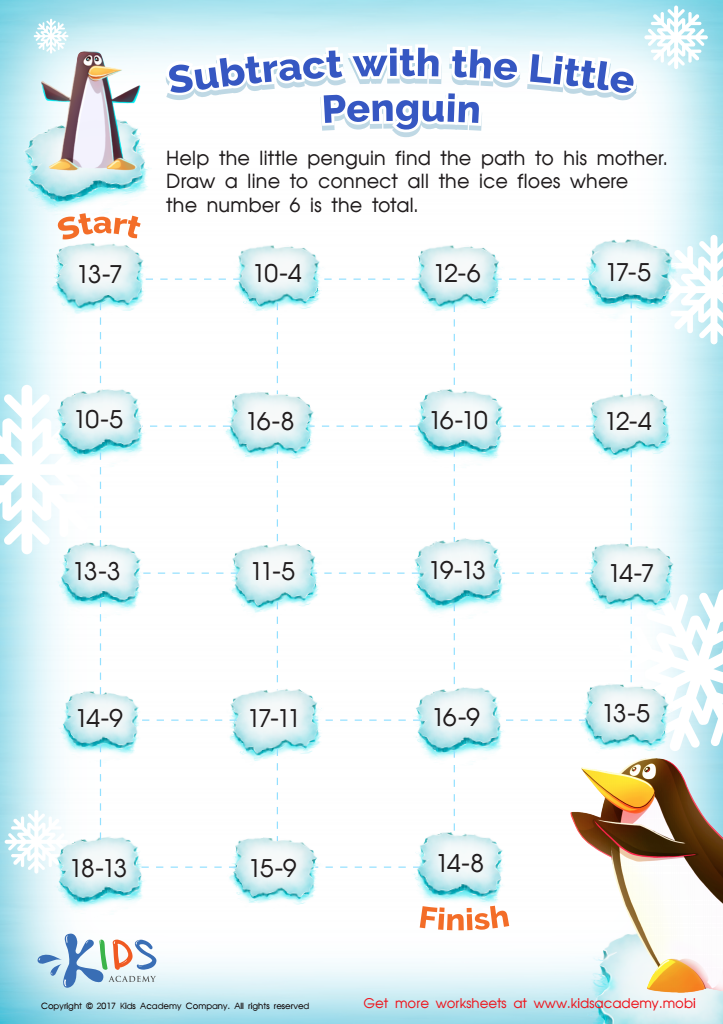
Subtract With The Little Penguin Substraction Worksheet
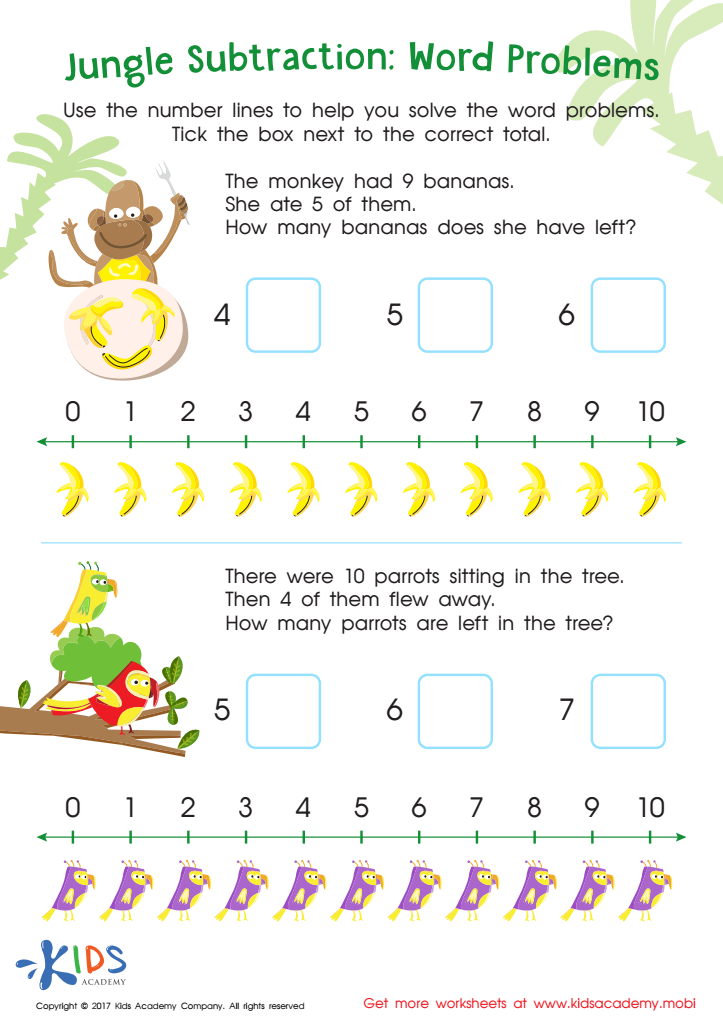
Jungle Subtraction Word Problems Substraction Worksheet








Problem-solving skills are fundamental for young children's cognitive, social, and emotional development. Engaging in activities like Problem-Solving Skills Extra Challenge Math for 3-Year-Olds helps build analytical thinking, encourages creativity, and enhances perseverance—qualities essential for successful learning. Unlike traditional rote memorization, these math challenges promote critical thinking by presenting scenarios where children must strategize, reason through options, and arrive at innovative solutions.
For parents and teachers, early engagement in problem-solving reinforces foundational math concepts, which tend to influence higher-level math skills later on. Classes or activities designed for this age group typically use games, puzzles, and hands-on experiences that make learning enjoyable and stress-free. This playful approach not only keeps children interested but also fosters a love for learning in general.
Furthermore, strong problem-solving skills contribute to better decision-making as children encounter new situations; this is particularly important in today’s fast-paced world. By prioritizing problem-solving in early childhood education, we equip children with the skills they need to navigate both classroom challenges and real-world situations independently, ensuring they are ready for future academic and life challenges. Emphasizing these methods prepares them not just for math but for a lifetime of successful problem-solving.