Problem-Solving Skills Extra Challenge Worksheets for Ages 4-5 - Page 2
39 filtered results
-
From - To
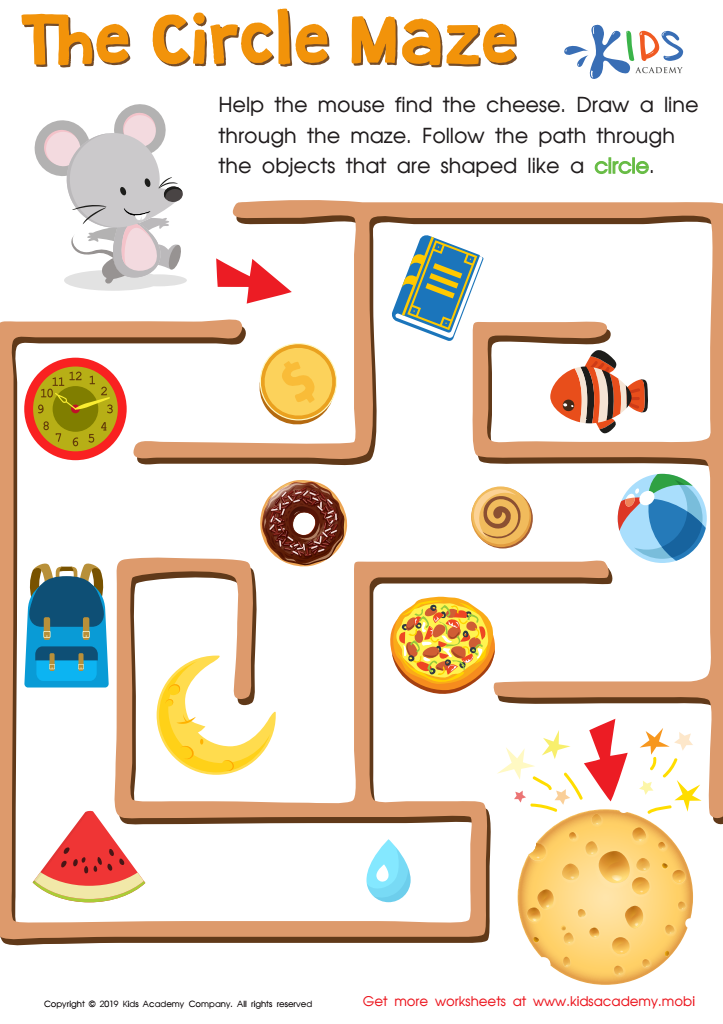
The Circle Maze Worksheet
 Assign to My Students
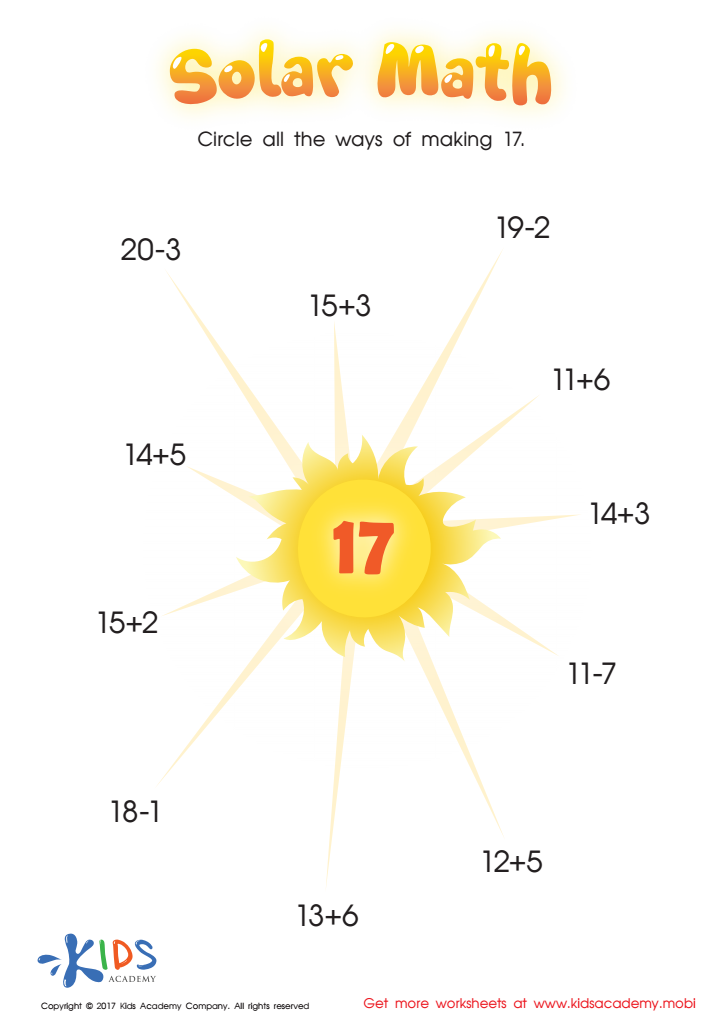
Solar Math Substraction Worksheet

Check. Checkmate or Stalemate? Worksheet
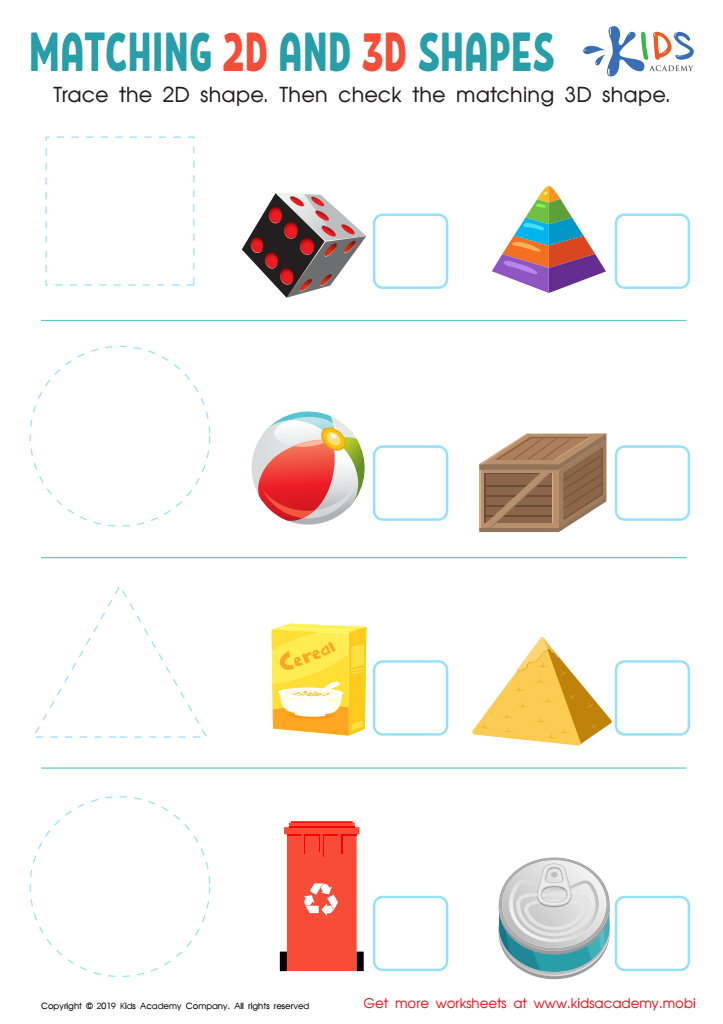
Matching 2D and 3D Shapes Worksheet
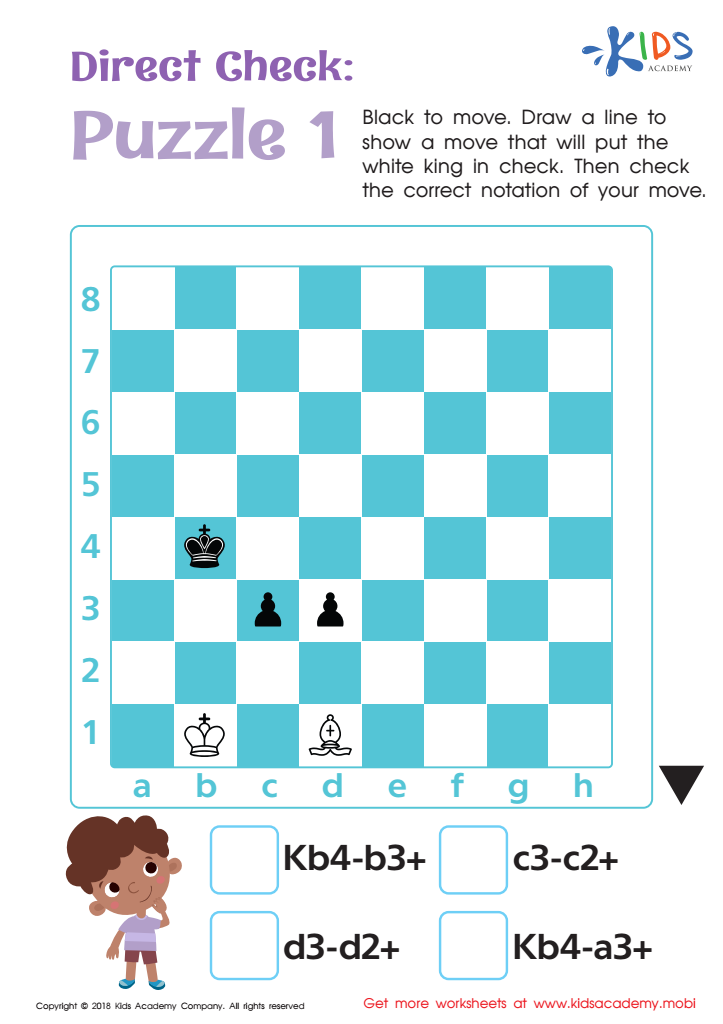
Direct Check: Puzzle 1 Worksheet
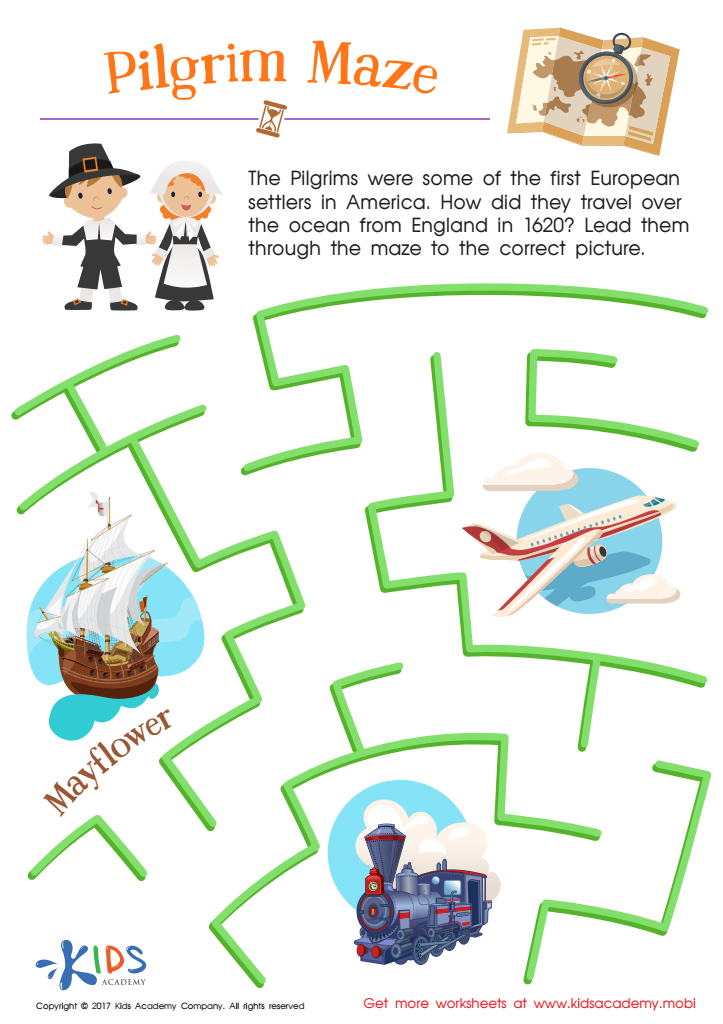
Pilgrim Maze Worksheet
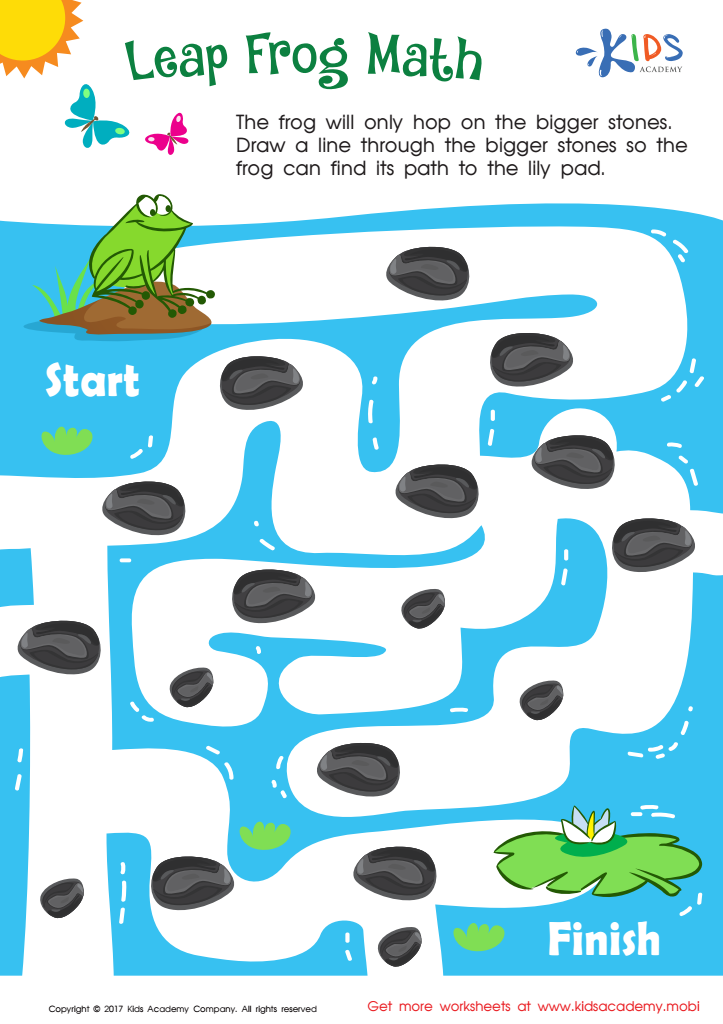
Math Puzzle Worksheet
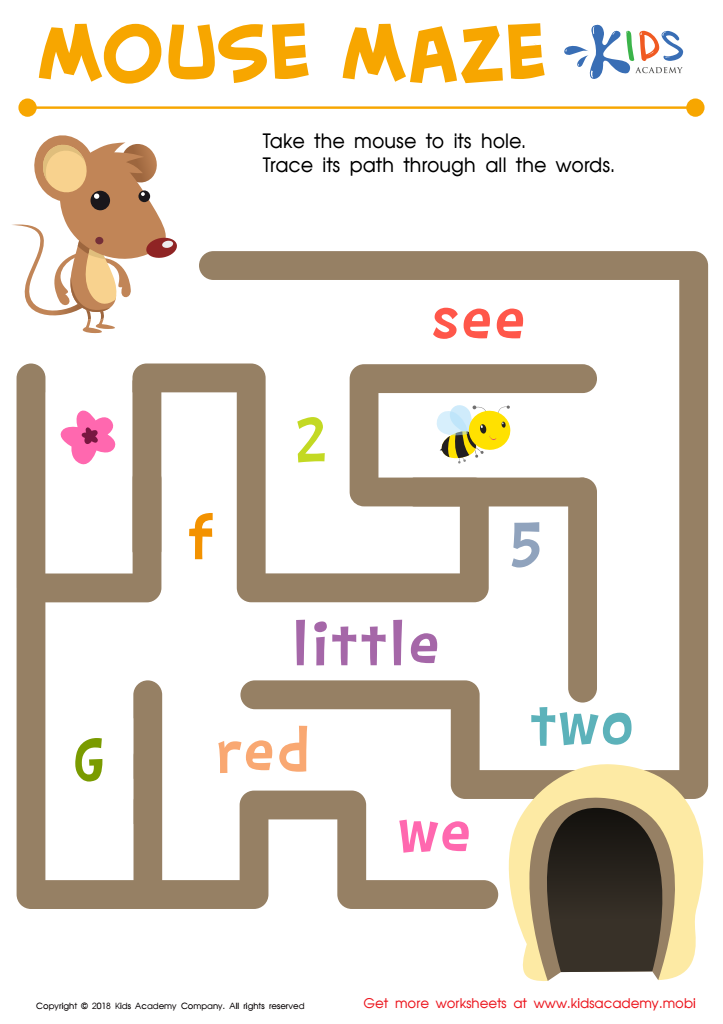
Find Words Mouse Maze Worksheet
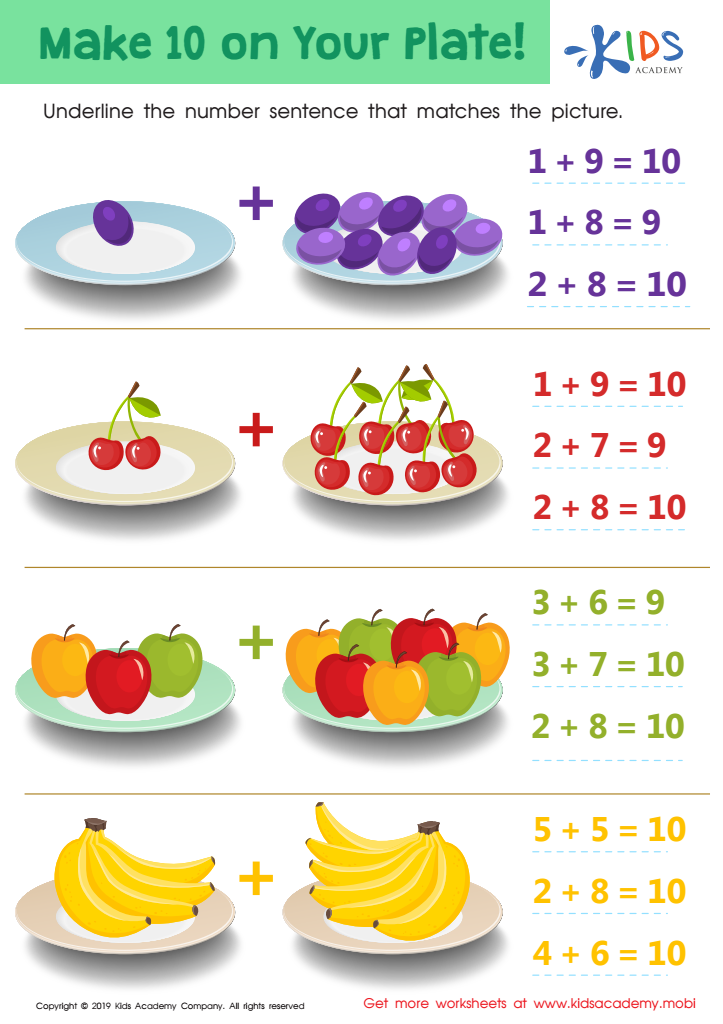
Make 10 on Your Plate! Worksheet
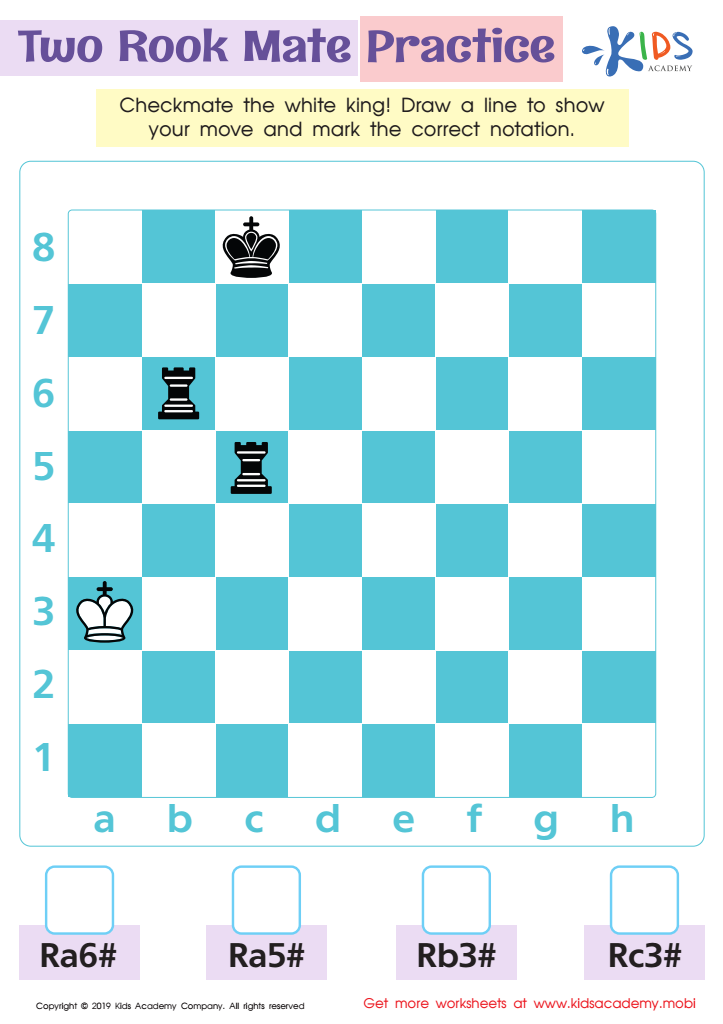
Two Rook Mate Practice Worksheet
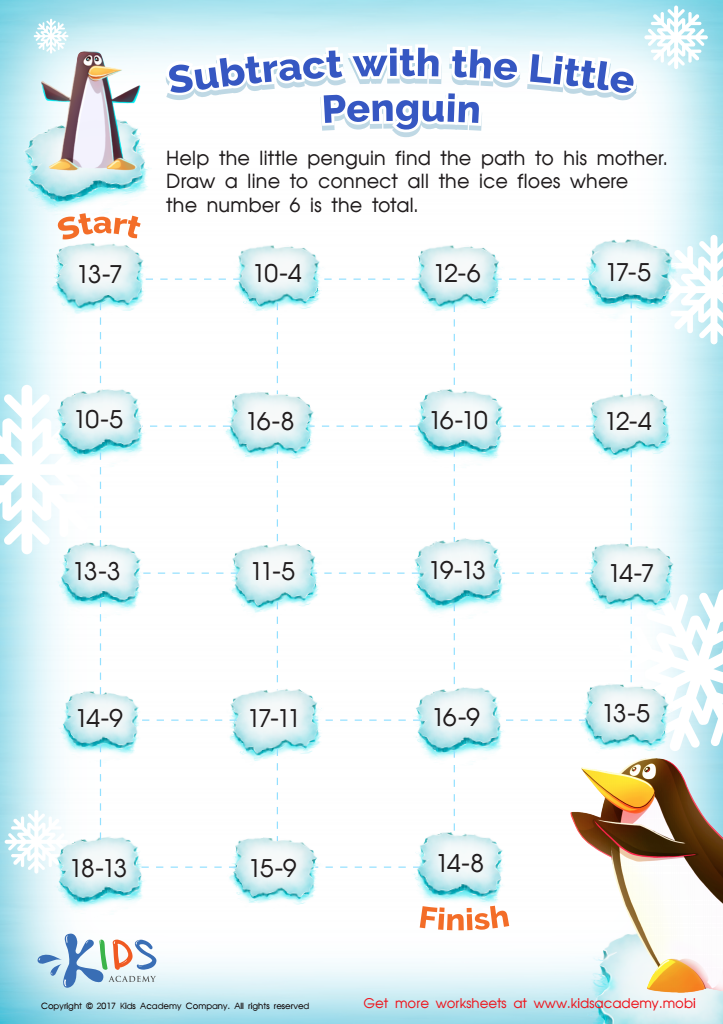
Subtract With The Little Penguin Substraction Worksheet
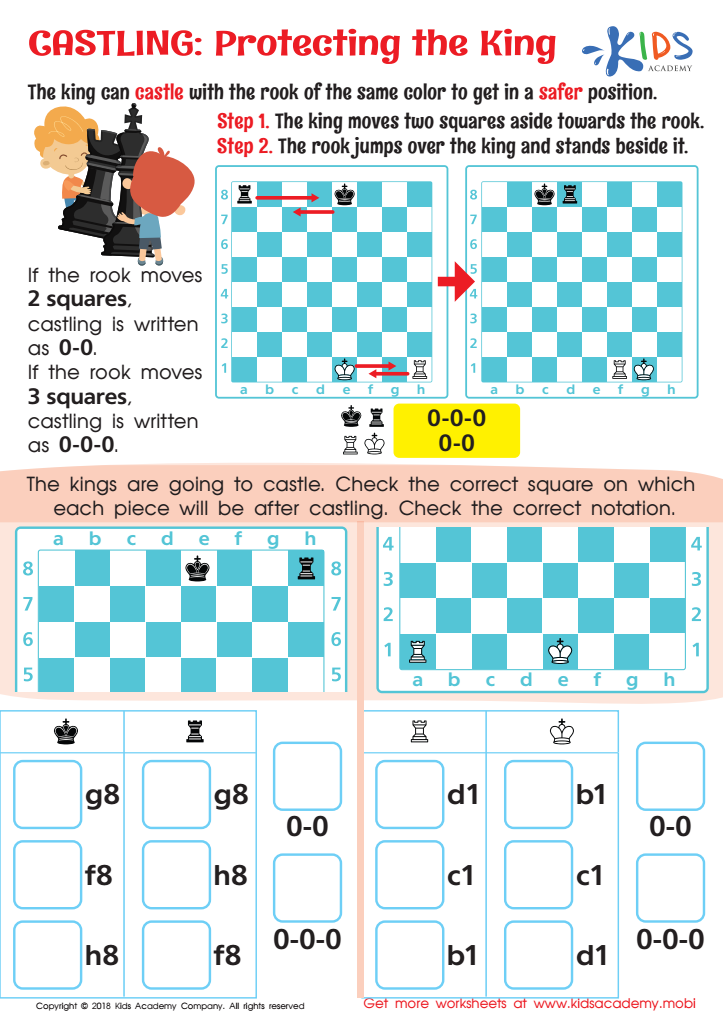
Castling: Protecting the King Worksheet
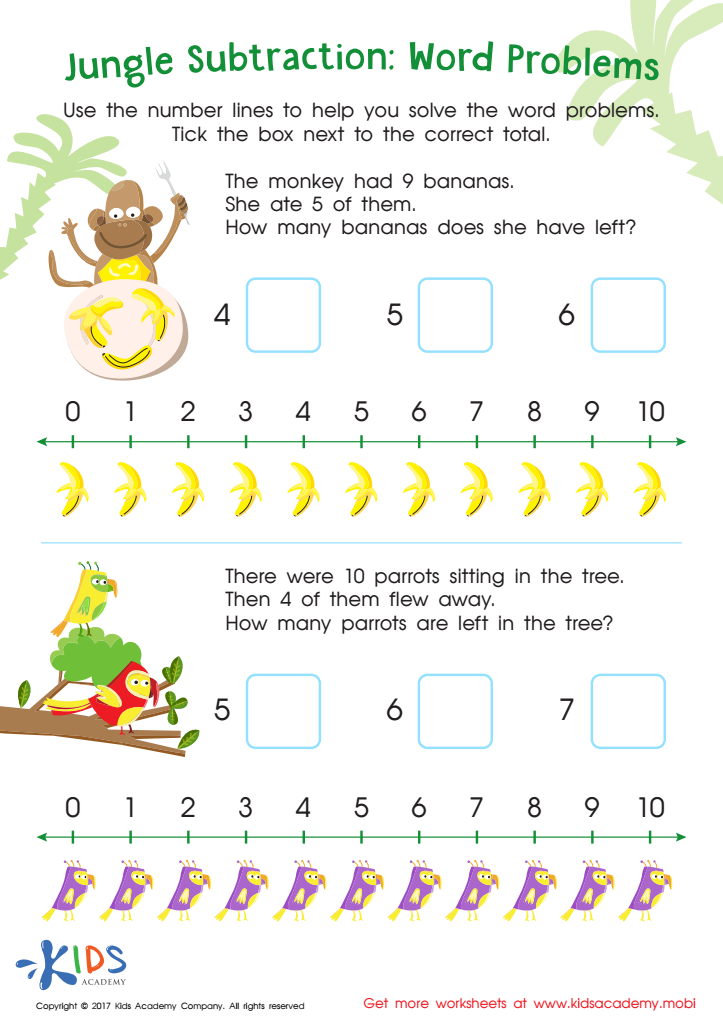
Jungle Subtraction Word Problems Substraction Worksheet
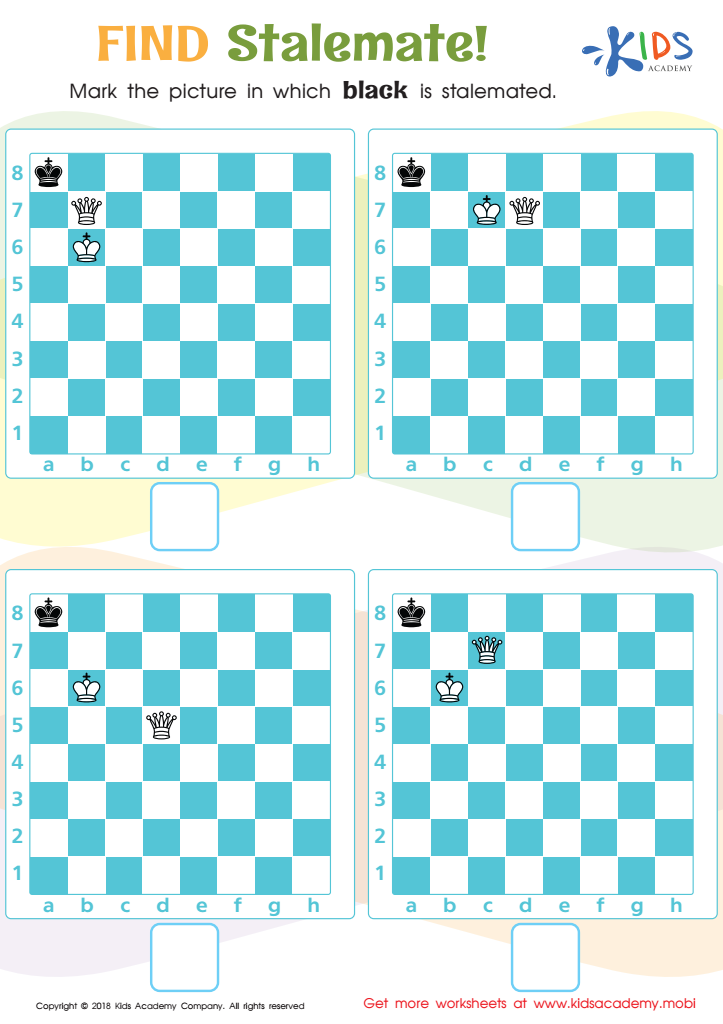
Find Stalemate! Worksheet
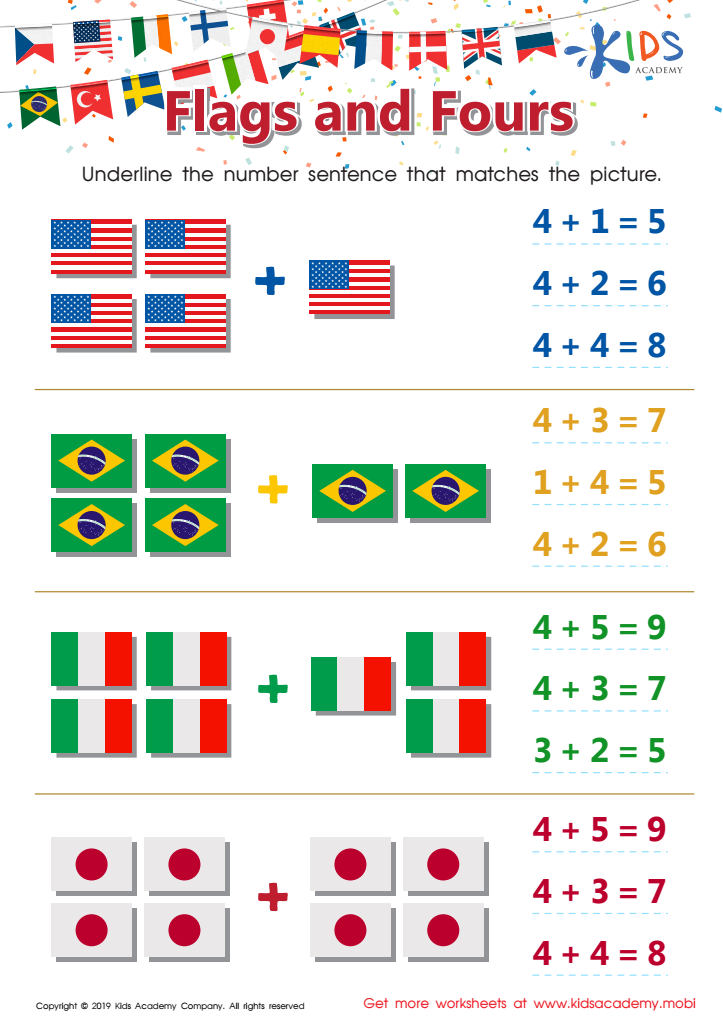
Flags and Fours Worksheet








Problem-solving skills are fundamental cognitive abilities that help children navigate through life's various challenges. For children ages 4-5, incorporating extra problem-solving challenges can yield significant benefits that justify the attention of parents and teachers.
First, engaging in problem-solving activities fosters critical thinking, enabling children to think independently and logically. At this impressionable age, children are naturally curious and ready to develop their cognitive faculties. Structured challenges boost their ability to analyze situations, predict outcomes, and make decisions based on evidence, laying a solid foundation for academic success.
Second, problem-solving tasks cultivate patience and persistence. Children learn that not all problems have immediate or easy solutions, encouraging them to develop resilience and a growth mindset. This understanding is valuable for many aspects of life beyond academics, including social interactions and emotional regulation.
Moreover, problem-solving exercises encourage creativity. Children must often think outside the box to find solutions, promoting innovative thinking and flexibility. This creative aspect integrates fun into learning, making education enjoyable and engaging.
Lastly, these challenges enhance communication and collaboration skills. Working through problems often requires verbalizing thoughts and listening to others, improving language and social skills essential for overall development.
In summary, problem-solving challenges provide comprehensive developmental benefits, nurturing essential life skills and setting the stage for future achievements. Parents and teachers should prioritize these activities to give children a well-rounded upbringing.








