Number Sequencing Extra Challenge Numbers Worksheets for Ages 4-5
5 filtered results
-
From - To
Enhance your child's mathematical skills with our "Number Sequencing Extra Challenge Numbers Worksheets for Ages 4-5"! Crafted by educators, these engaging worksheets help young learners master number sequences, counting, and number recognition. Perfect for preschoolers and kindergarteners, each activity blends fun with learning, ensuring an enjoyable experience. Tailored for early math development, these challenges support cognitive growth and fine motor skills. Prepare your little ones for future math success with these expertly designed, age-appropriate sequencing exercises. Download today for endless learning adventures!
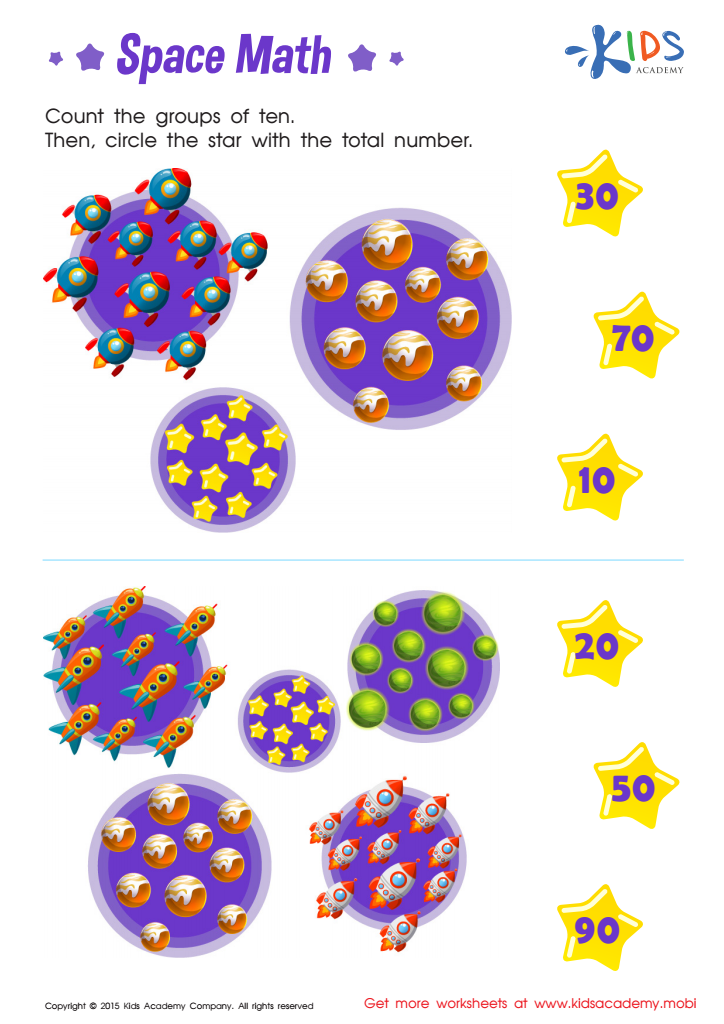
Learn dozens: Space math Worksheet
 Assign to My Students
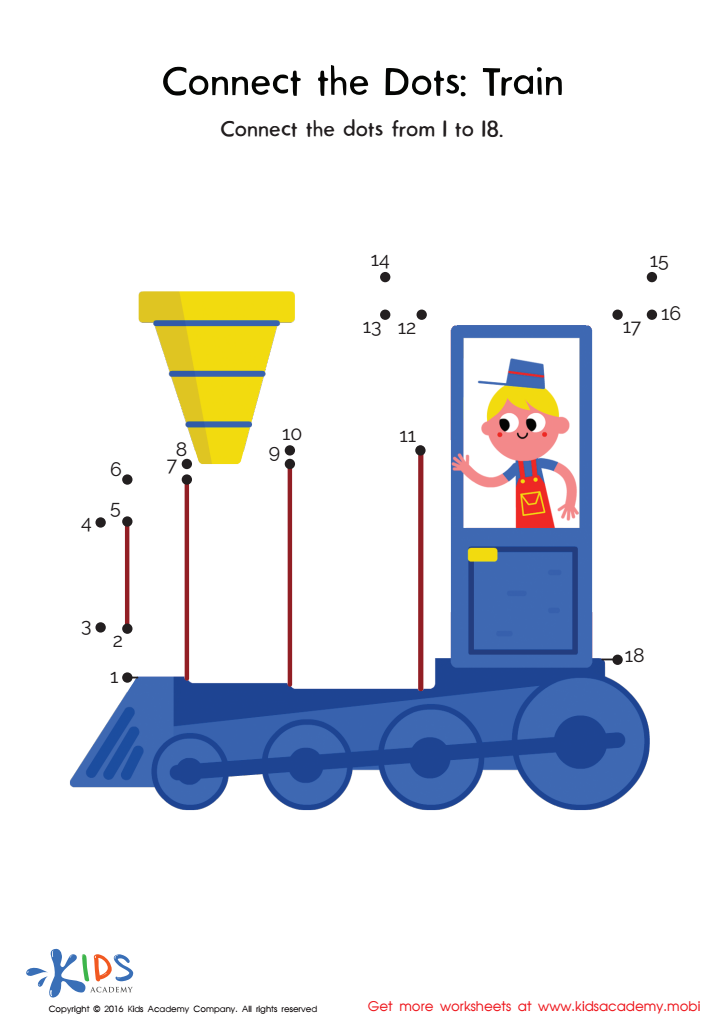

Pirate Ship Connect Dots Worksheet
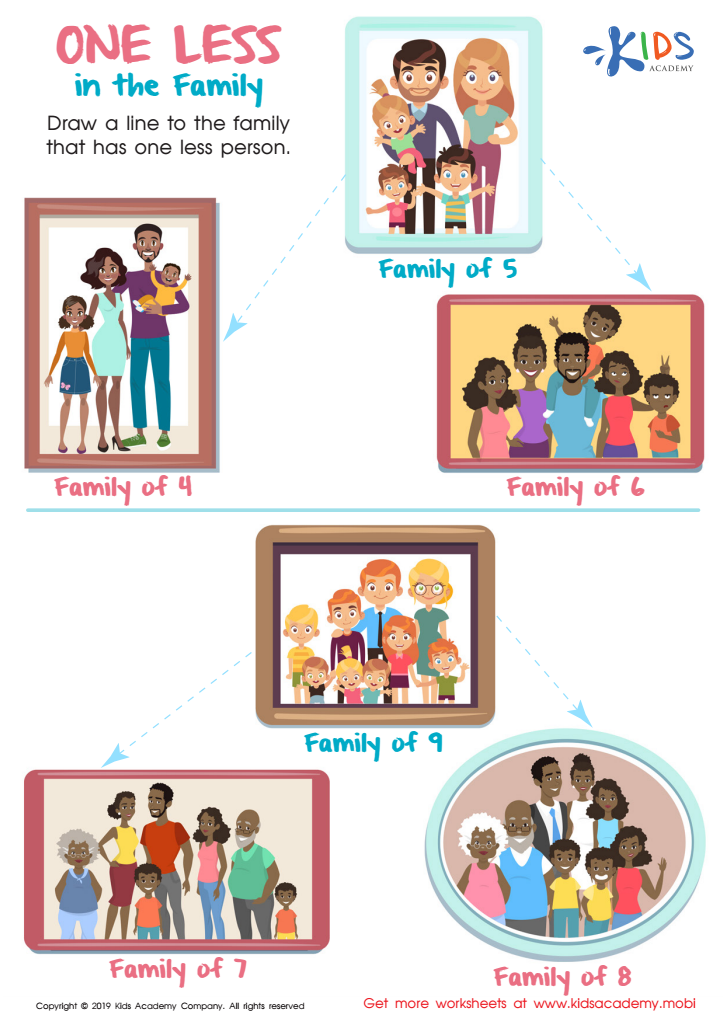
One Less in the Family Worksheet
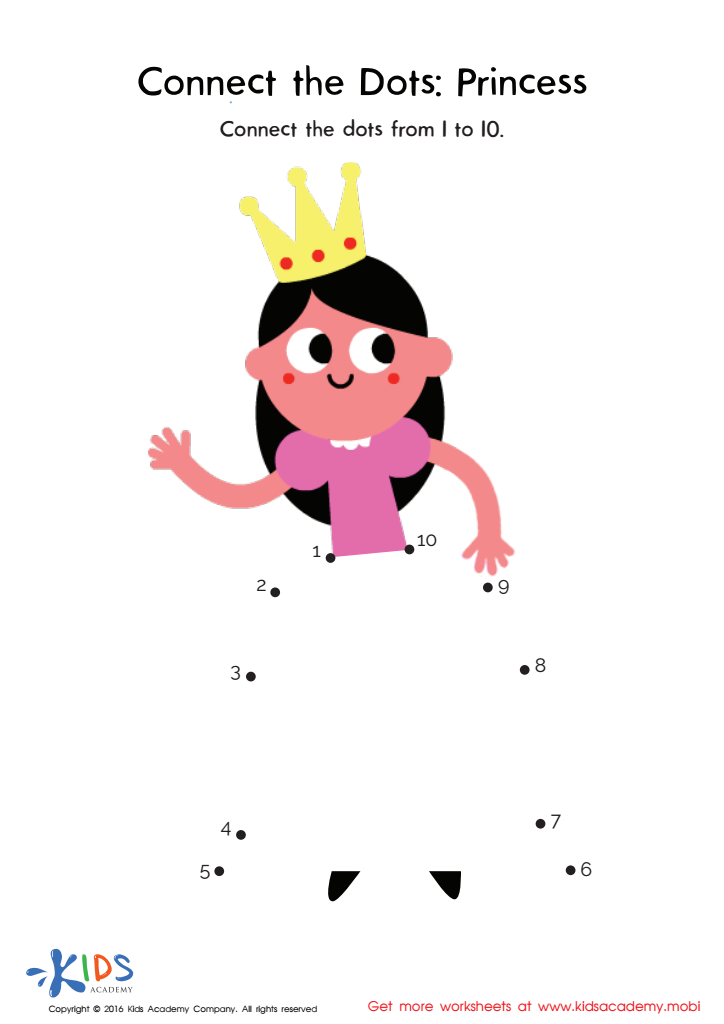
Princess Connect Dots Worksheet








Number Sequencing Extra Challenge Numbers are crucial for children aged 4-5 because they lay a strong foundation for math skills, which are essential as they advance in education. During these early years, children's brains are highly receptive to learning, and fostering number sequencing helps improve their numerical recognition, counting skills, and understanding of mathematical relationships.
Parents and teachers should prioritize these challenges as they help young learners develop logical thinking and problem-solving abilities. For instance, recognizing patterns in number sequences aids in understanding more complex math concepts in the future, such as addition, subtraction, and even algebra. Furthermore, number sequencing activities encourage sustained attention and focus, which are valuable for overall academic success.
Incorporating extra challenges also keeps learning engaging and fun. Children often enjoy the sense of accomplishment that comes with successfully completing a tricky sequence, which boosts their confidence and motivation. Additionally, these exercises provide opportunities for hands-on, interactive learning that can be customized to each child’s pace and level, making the educational experience both inclusive and effective.
In summary, early grade educators and parents should recognize the importance of Number Sequencing Extra Challenge Numbers for enhancing cognitive development, establishing a strong math foundation, and fostering a positive, engaging learning environment for young children.