Vowel Recognition Extra Challenge Worksheets for Ages 4-8
9 filtered results
-
From - To
Enhance your child's reading skills with our Vowel Recognition Extra Challenge Worksheets designed for ages 4-8! These engaging, printable resources provide a fun and interactive way for young learners to master vowel sounds and recognition through a variety of activities. With colorful illustrations and diverse exercises, kids will strengthen their phonetic skills while staying entertained. Perfect for both classroom and home use, these worksheets cater to different learning styles and abilities, ensuring every child can succeed. Start boosting literacy foundation with our comprehensive collection and watch your child flourish in their reading journey! Access the worksheets today and foster a love for learning!
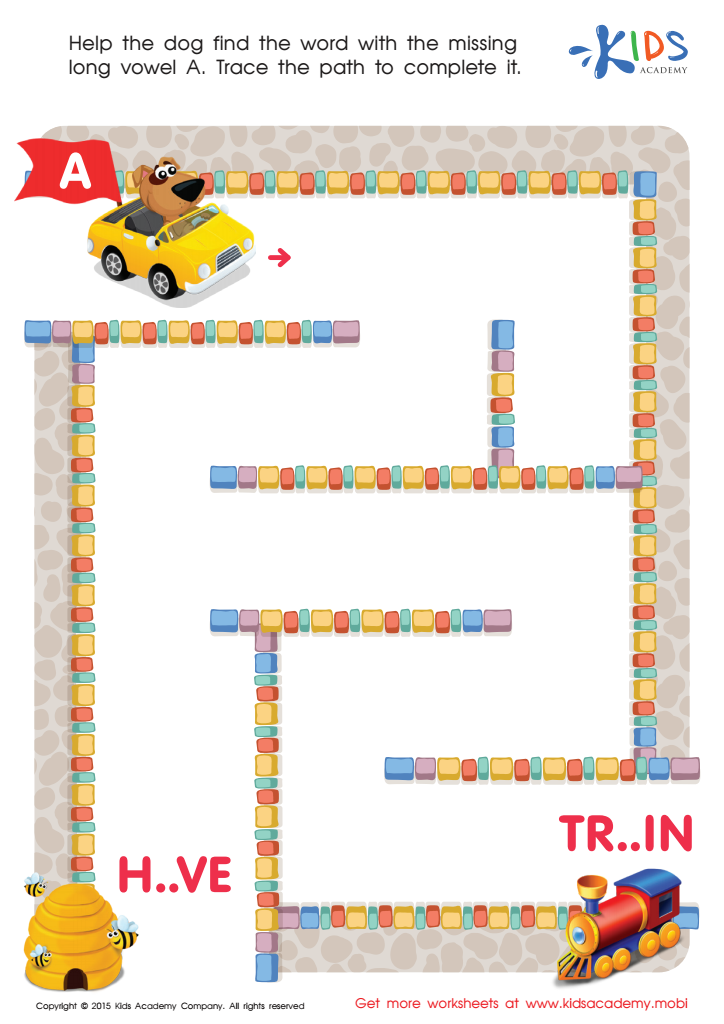
Long Vowel Sound A Worksheet
 Assign to My Students
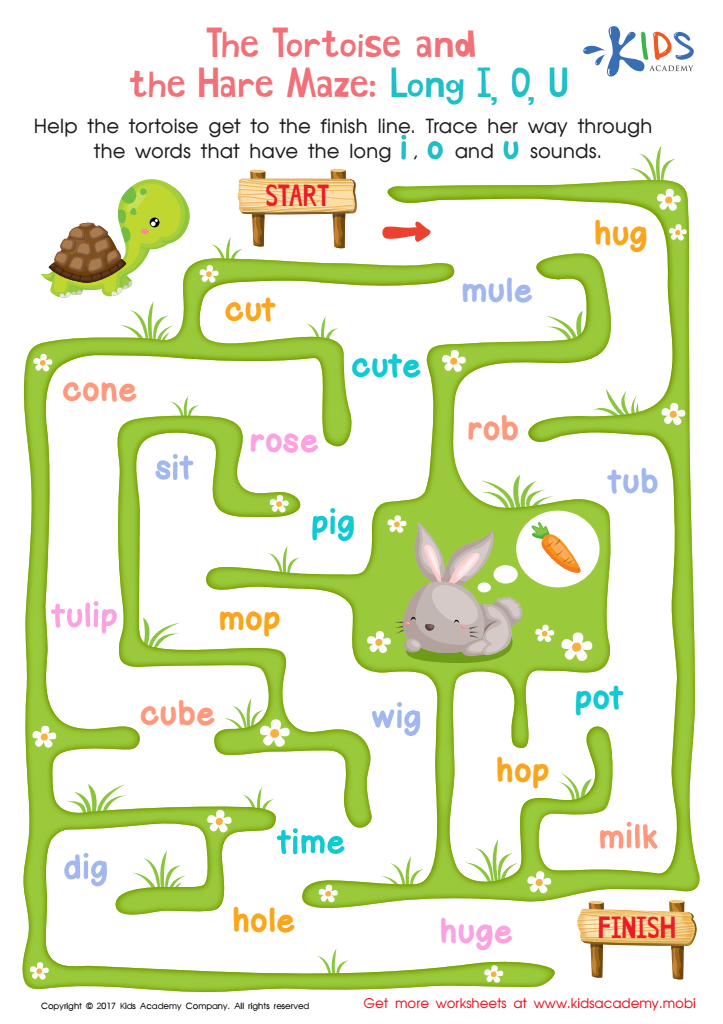
Long I, O, U Words Worksheet
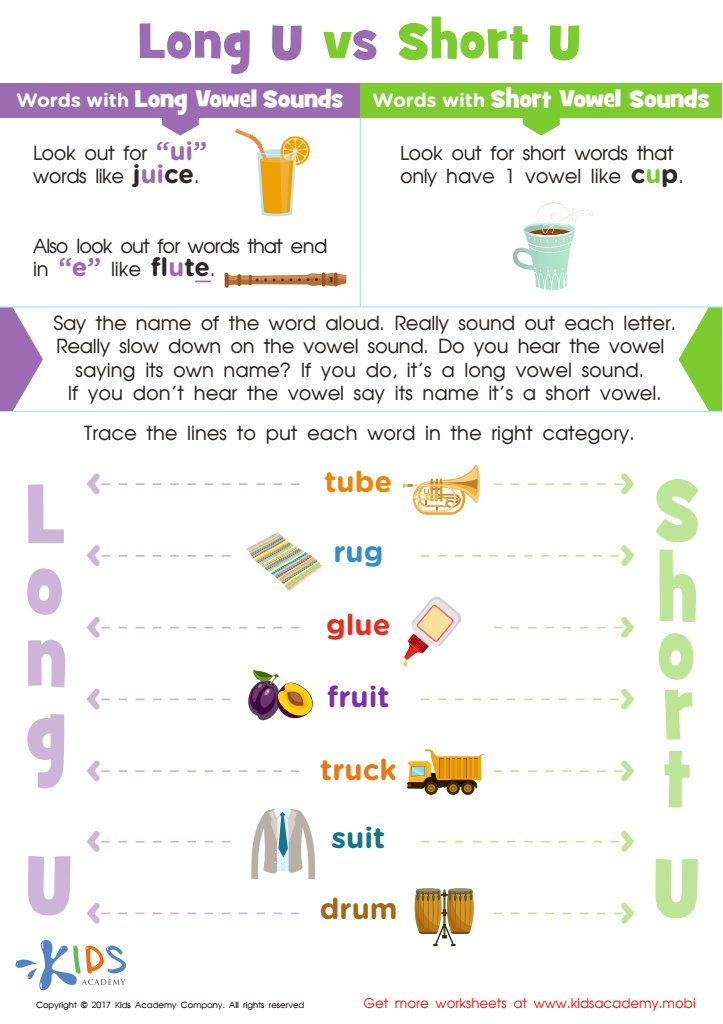
Long and Short Vowel U Spelling Worksheet
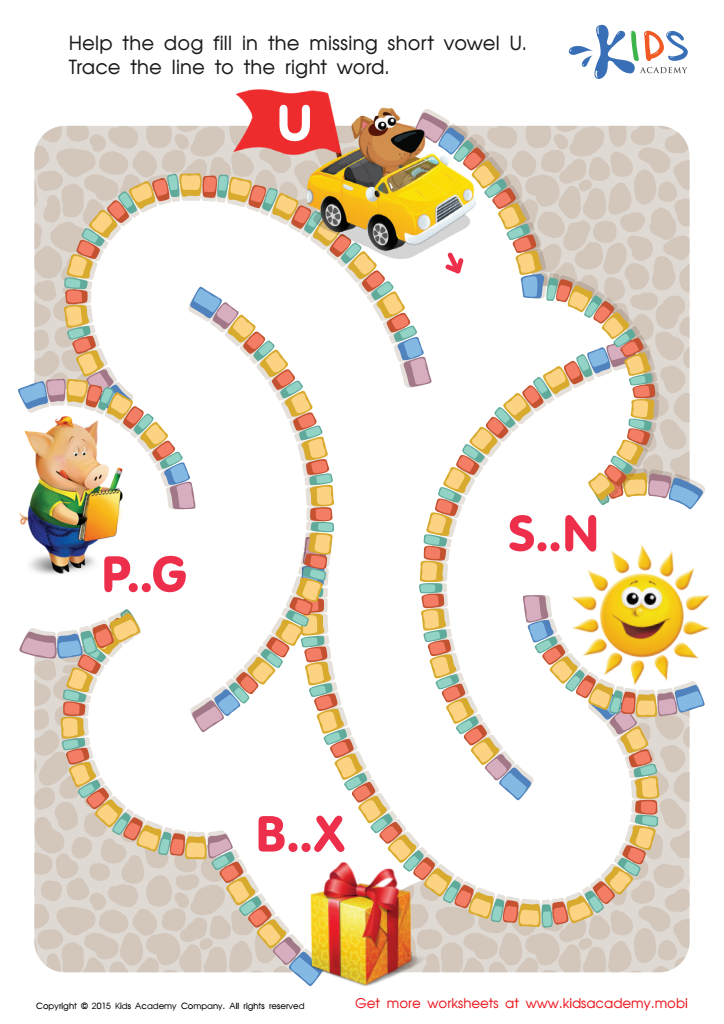
Short Vowel Sound U Worksheet
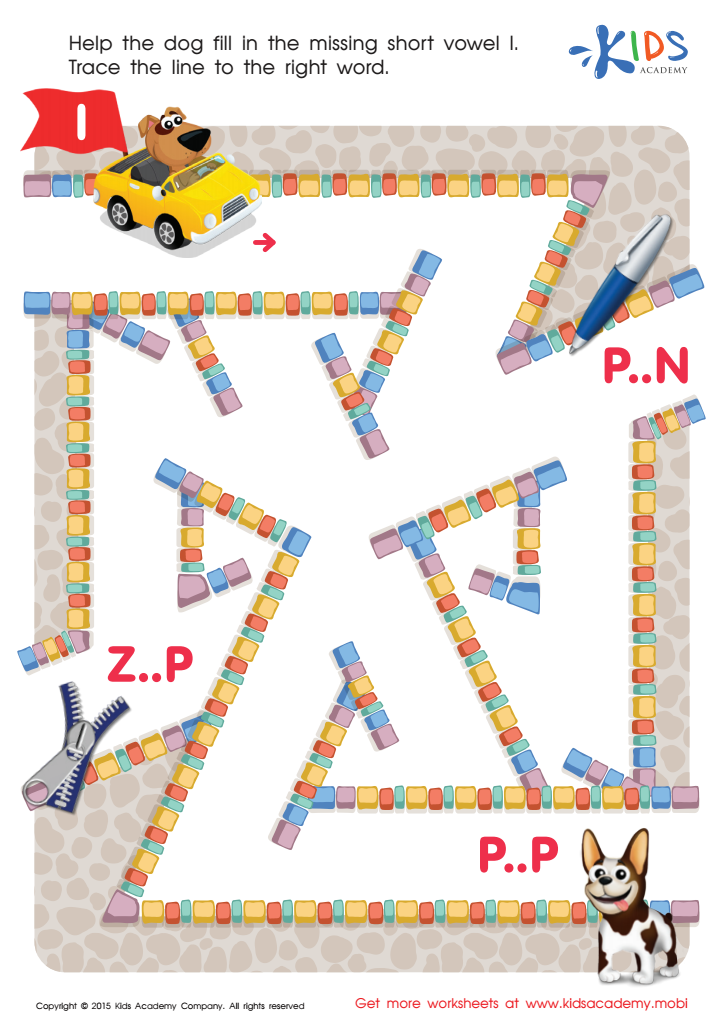
Short Vowel Sound I Worksheet
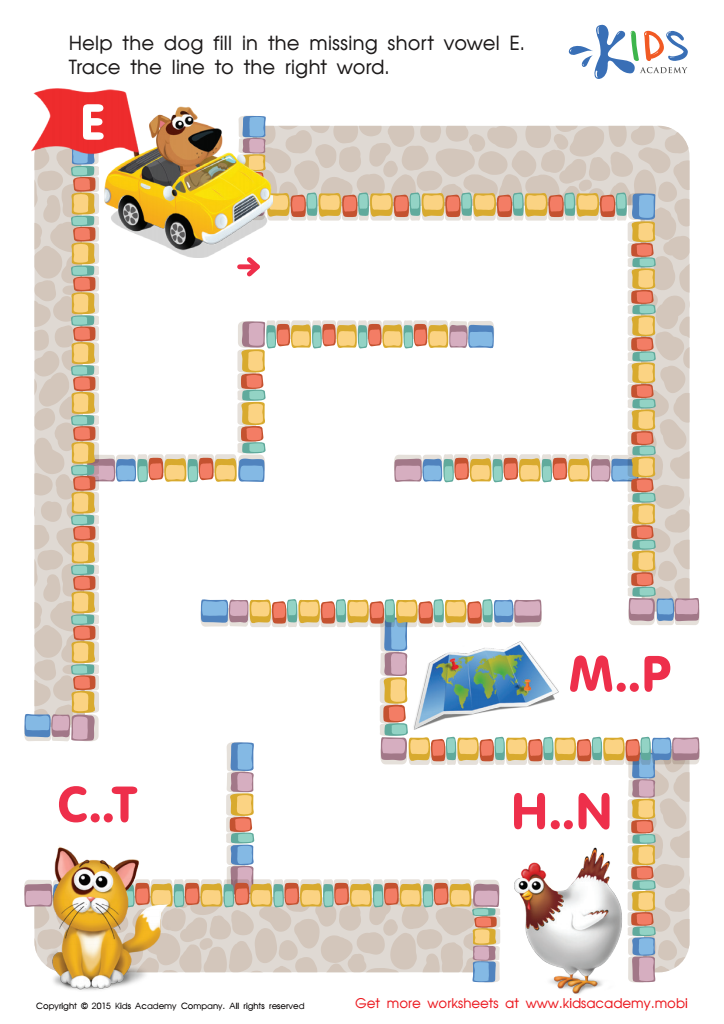
Short Vowel Sound E Worksheet
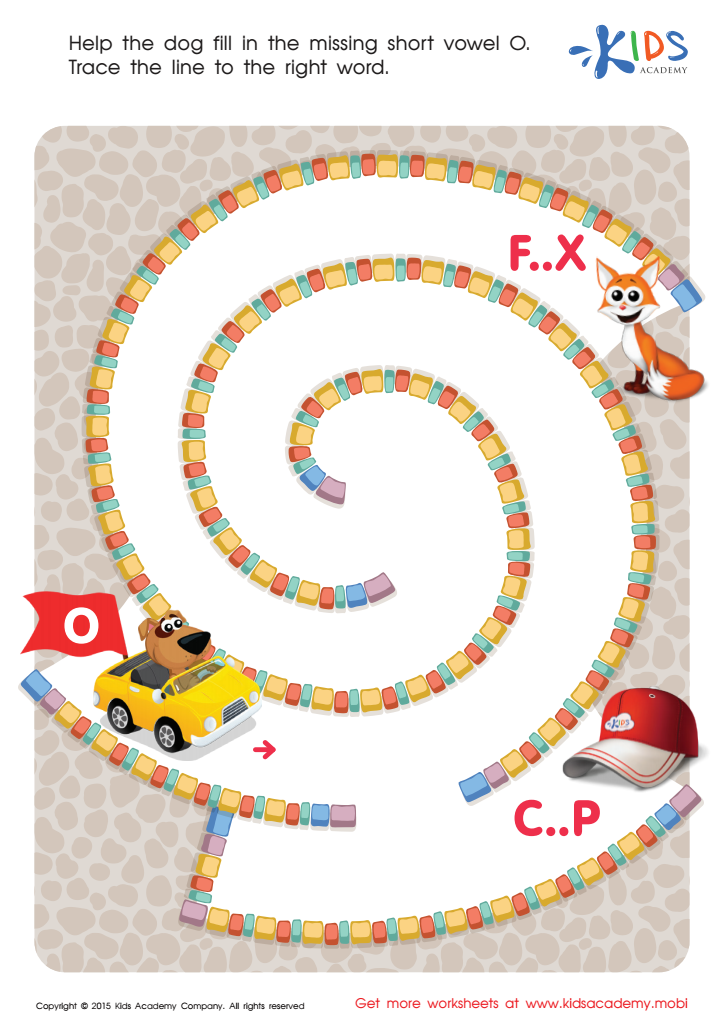
Short Vowel Sound O Worksheet
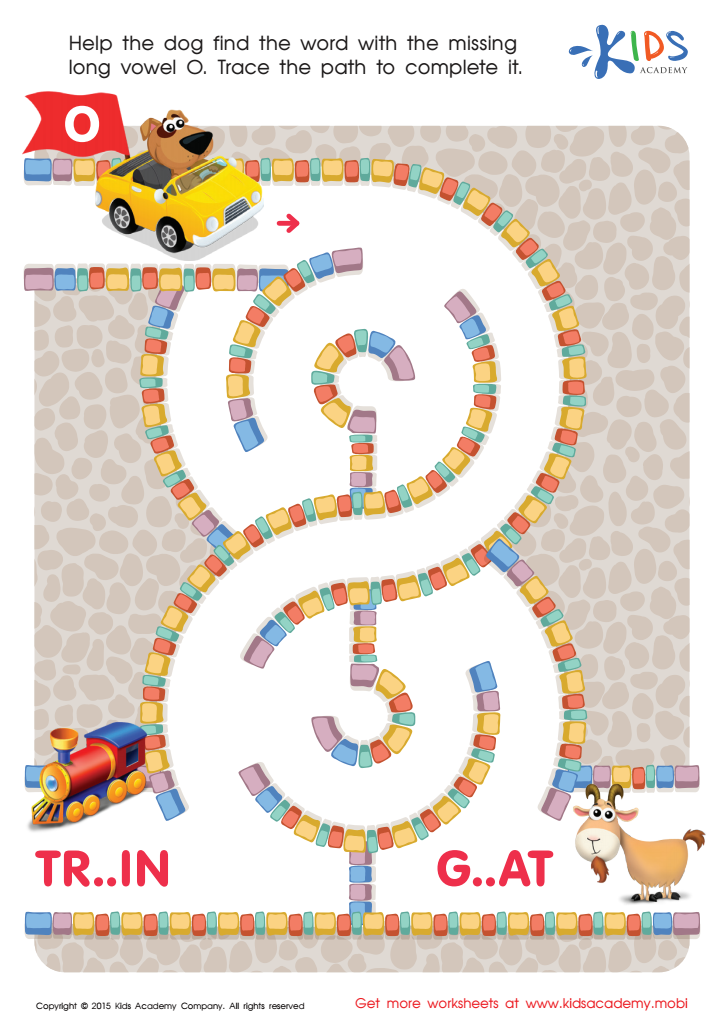
Long Vowel Sound O Worksheet
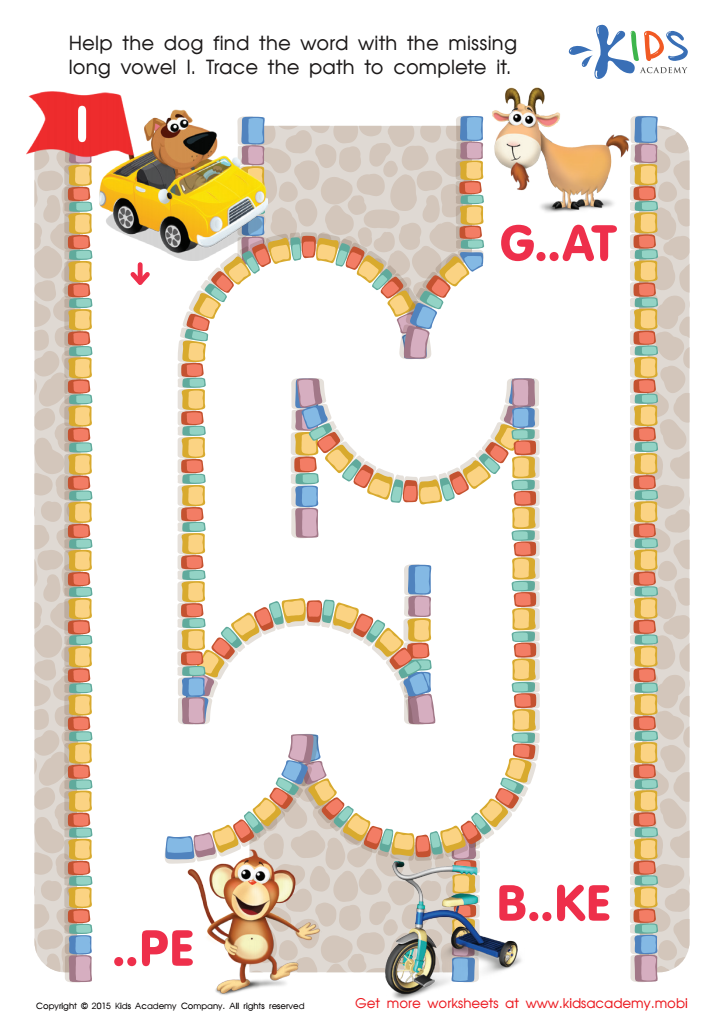
Long Vowel Sound I Worksheet








Vowel recognition is a fundamental skill for early literacy development, making it crucial for parents and teachers to invest in activities like the Vowel Recognition Extra Challenge for Ages 4-8. This program focuses on helping young learners understand and identify both short and long vowels, which are essential for reading and spelling mastery. Excellent vowel recognition aids in decoding words, allowing children to progress from phonemic awareness to fluent reading.
By participating in this extra challenge, children engage in fun and interactive exercises that not only bolster their reading skills but also foster confidence and independence in their learning. For parents and teachers, supporting such initiatives can cultivate a positive learning environment where children feel encouraged to explore language. Additionally, early proficiency in vowel recognition can significantly reduce future learning struggles, paving the way for a smooth transition into more complex literacy tasks.
Furthermore, nurturing these skills early on can ignite a lifelong love for reading, enhancing children's overall academic performance and boosting their creativity. Thus, Vowel Recognition Extra Challenge is not just an activity; it represents a pivotal stepping stone in a child's educational journey. By prioritizing this, adults fulfill their role as facilitators of growth and lifelong learning.








