Comparing Fractions Extra Challenge Addition & Subtraction Worksheets for Ages 4-8
4 filtered results
-
From - To
Welcome to our "Comparing Fractions Extra Challenge Addition & Subtraction Worksheets," specially designed for kids aged 4-8! These engaging worksheets provide young learners with an exciting way to enhance their understanding of fractions through the addition and subtraction of fractions. Ideal for classroom use or home practice, our extra challenge worksheets encourage critical thinking and problem-solving skills. Each worksheet features vibrant illustrations and age-appropriate exercises, making learning fun and interactive. Watch your child's confidence soar as they explore fractions and develop a strong math foundation! Dive into the world of comparisons and see how fractions can become their new best friends in math!
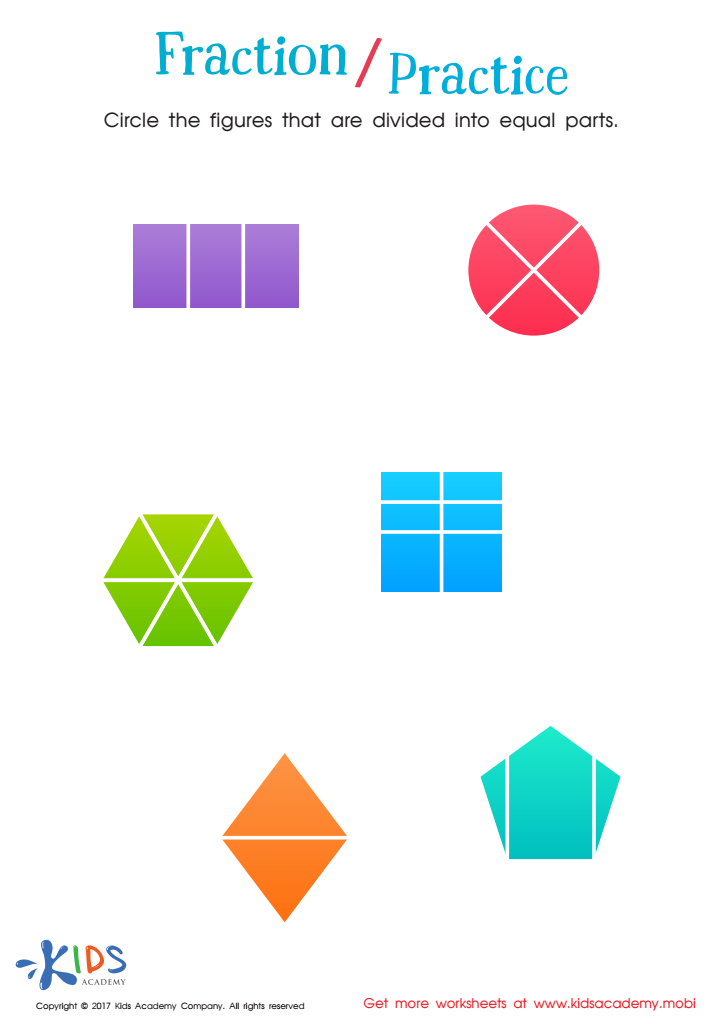
Fractions: Shapes Worksheet
 Assign to My Students
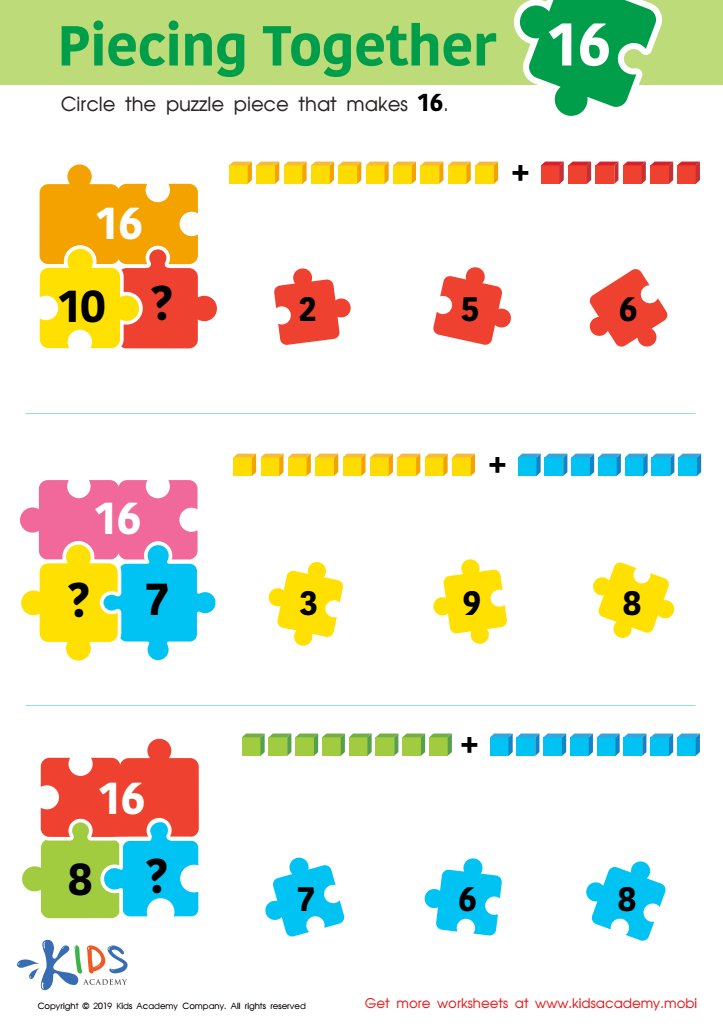
Piecing Together 16 Worksheet
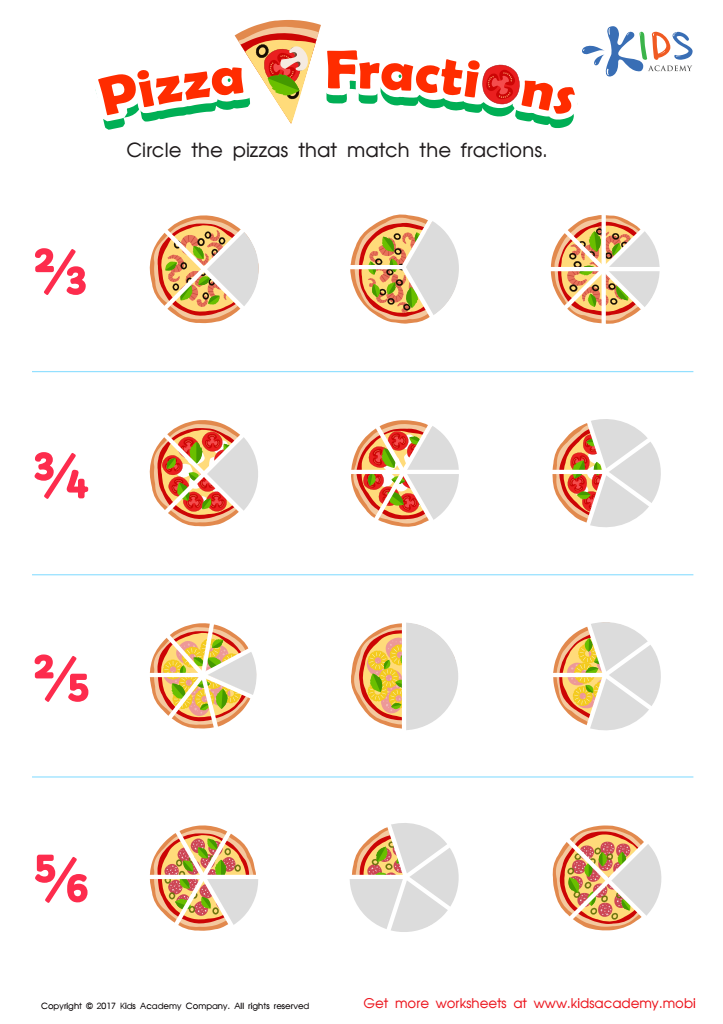
Fractions: Pizza Printable
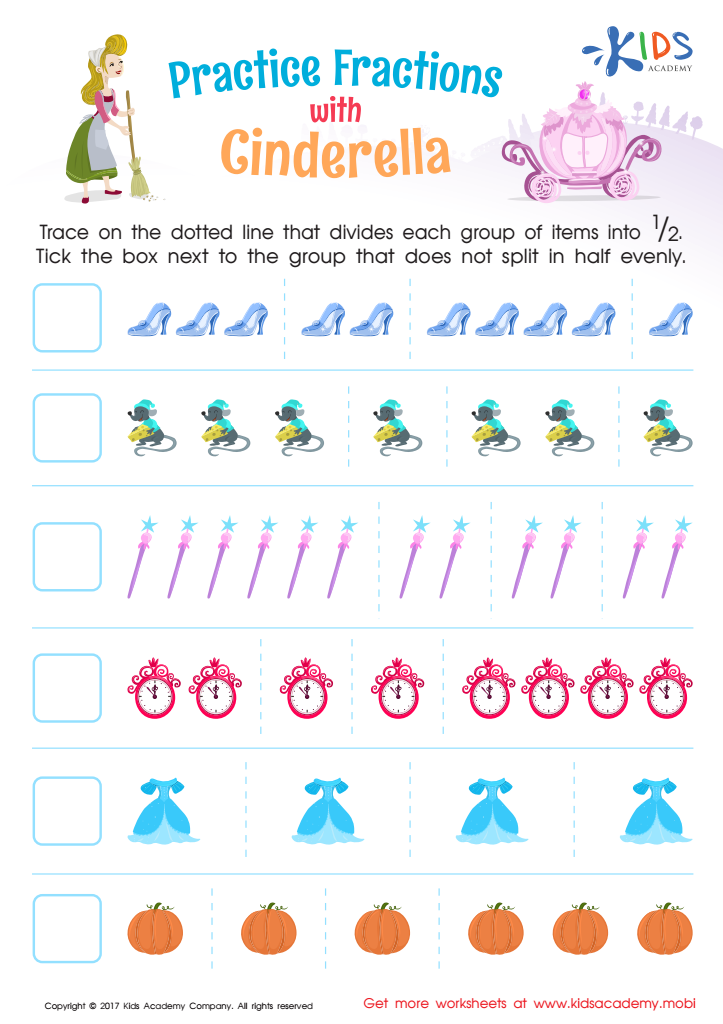
Fractions: Cinderella Printable








Parents and teachers should care about "Comparing Fractions Extra Challenge Addition & Subtraction" for ages 4-8 because foundational math skills are crucial in early childhood development. Understanding fractions allows children to grasp more complex math concepts in the future. At this age, students begin to cultivate critical thinking skills—learning to analyze and compare fractions enhances their cognitive abilities and boosts their confidence in problem-solving.
Engaging children in activities that involve comparing fractions, addition, and subtraction facilitates hands-on learning. This makes math tangible and relatable, fostering a positive mindset towards the subject. Such challenges encourage perseverance and a growth mindset as children encounter and overcome difficulties.
Moreover, working on these challenges together can strengthen the bond between parents and their children, creating meaningful interactions around learning. It enables parents to participate in their child's educational journey, ensuring they feel supported and motivated. Teachers can also use these activities to assess students' progress and tailor instruction to meet diverse learning needs.
In essence, focusing on fraction comparisons during early grades lays the groundwork for future mathematical success, encourages effective learning strategies, and builds a supportive learning community involving students, parents, and educators.