Understanding fractions Extra Challenge Addition & Subtraction Worksheets for Ages 4-8
4 filtered results
-
From - To
Discover our "Understanding Fractions Extra Challenge Addition & Subtraction Worksheets," designed specifically for children aged 4-8. These engaging worksheets provide an additional challenge for young learners as they explore the fascinating world of fractions. Through fun exercises, kids will improve their addition and subtraction skills while gaining a solid understanding of fraction concepts. Ideal for both classroom use and home practice, our worksheets promote critical thinking and problem-solving abilities. Foster a love for math in your child with these creative and comprehensive resources that make learning about fractions enjoyable and interactive. Get started today and watch their confidence soar!
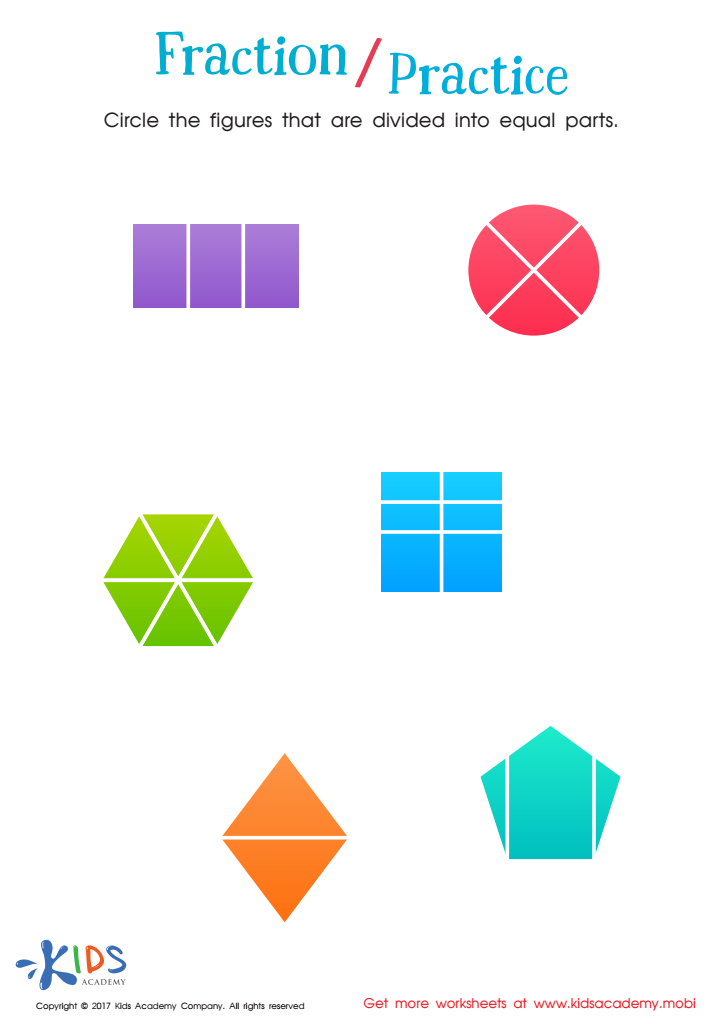
Fractions: Shapes Worksheet
 Assign to My Students
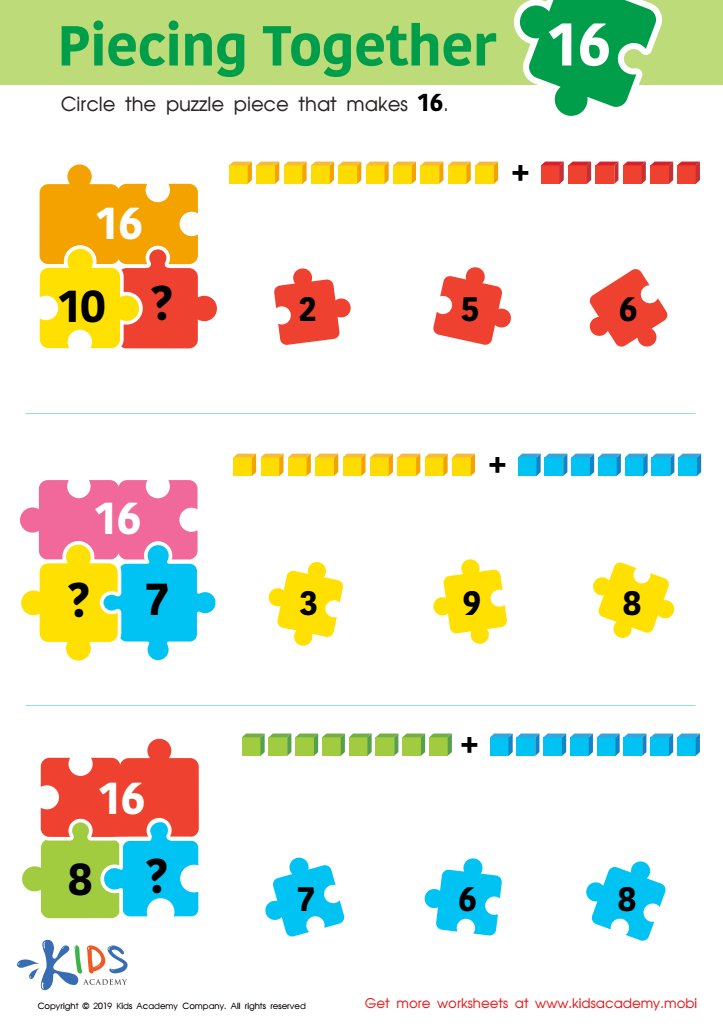
Piecing Together 16 Worksheet
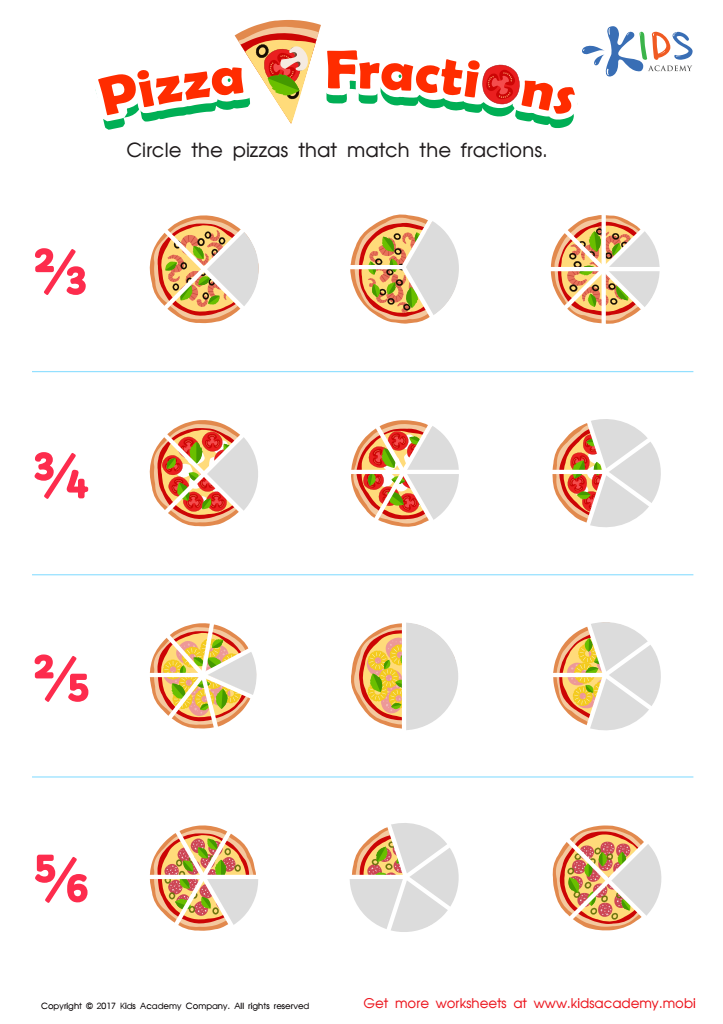
Fractions: Pizza Printable
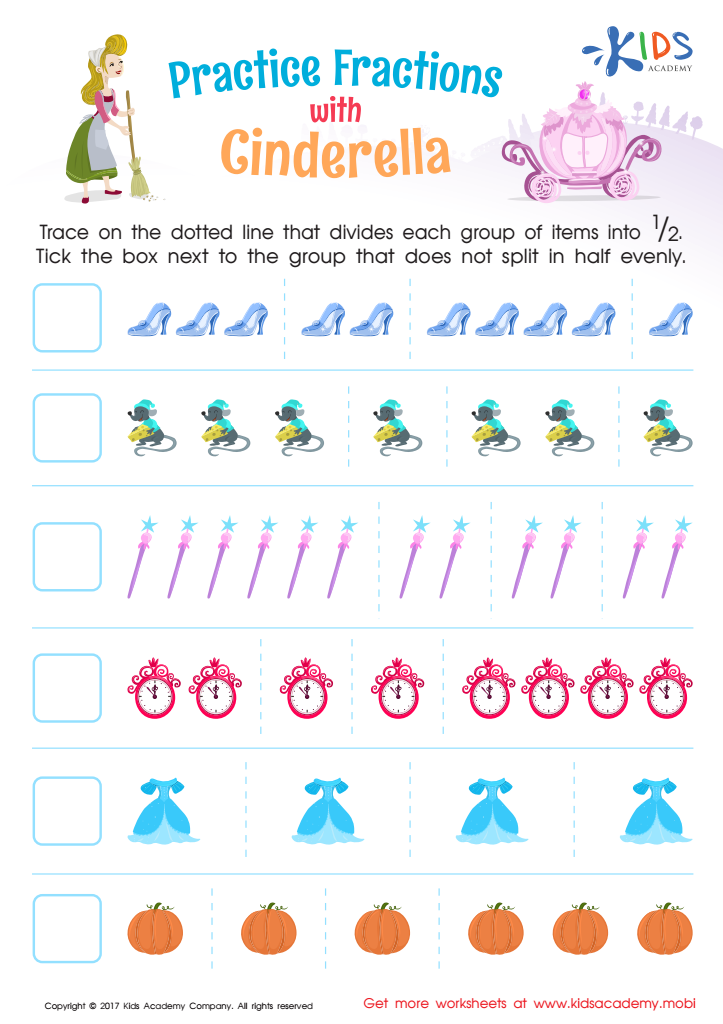
Fractions: Cinderella Printable








Understanding fractions, particularly through activities like "Extra Challenge Addition & Subtraction," is vital for children's mathematical development ages 4-8. At this stage, children's cognitive abilities are blossoming, and they are laying the foundation for more complex concepts in math. Introducing fractions early helps them grasp the concept of part-whole relationships, which is crucial in understanding both basic and advanced mathematics later on.
When parents and teachers prioritize understanding fractions, they foster critical thinking and problem-solving skills. Engaging with tangible examples, such as cutting pizzas or sharing toys, makes learning relatable and enjoyable. Activities like the "Extra Challenge" encourage active participation, enhancing retention and comprehension.
Moreover, fractions are a building block for future mathematical concepts, including division, ratios, and percentages. Mastery in this area contributes significantly to success in standardized testing and general mathematical literacy.
Finally, when parents and teachers work together to support children's understanding of fractions, they promote a positive attitude toward math, reducing math anxiety and instilling confidence. Investing time in this foundational skill not only aids academic achievement but also prepares children for everyday situations they will encounter in the real world.