Filters

30 filtered results

Clear all filters
Favorites
With answer key
Interactive

30 filtered results

Difficulty Level

Grade


Check out this FREE Trial Lesson on Numbers for age 4-8!

Write 0 & 1

Favorites
With answer key
Interactive
  • 4-8
  • Counting skills
  • Numbers
  • Extra Challenge
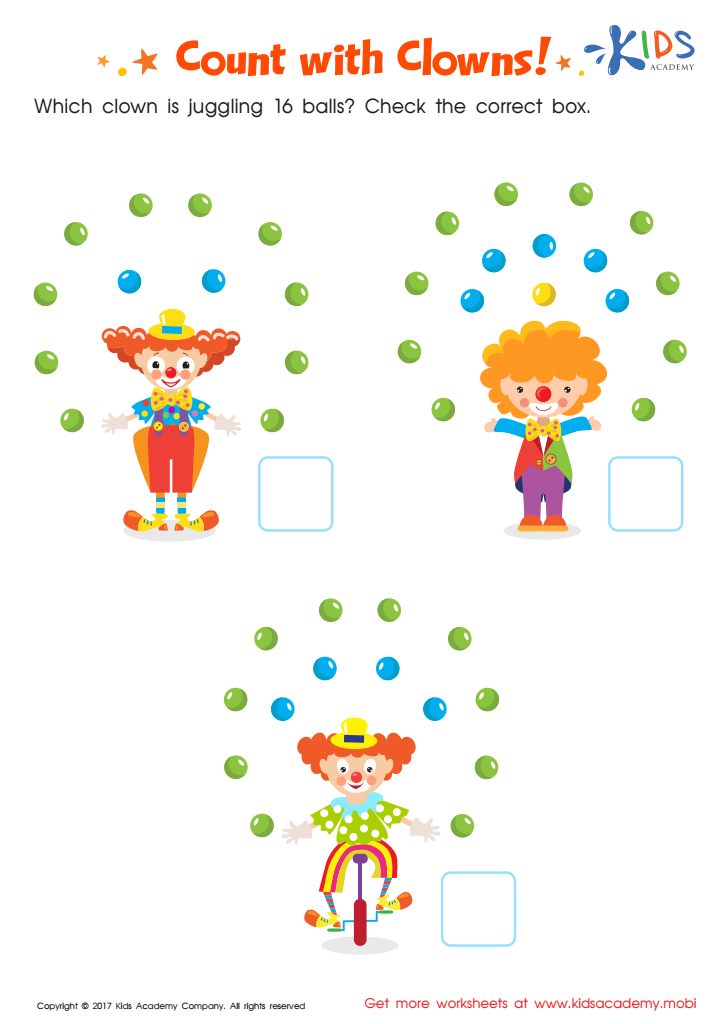
Count with Clowns Worksheet

Count with Clowns Worksheet

Math may not be a laughing matter, but this worksheet sure is! Download the PDF and get ready to count balls with the clowns! Your child will have a blast and learn how to count at the same time. It's an easy, fun way to practice math!
Count with Clowns Worksheet
Worksheet
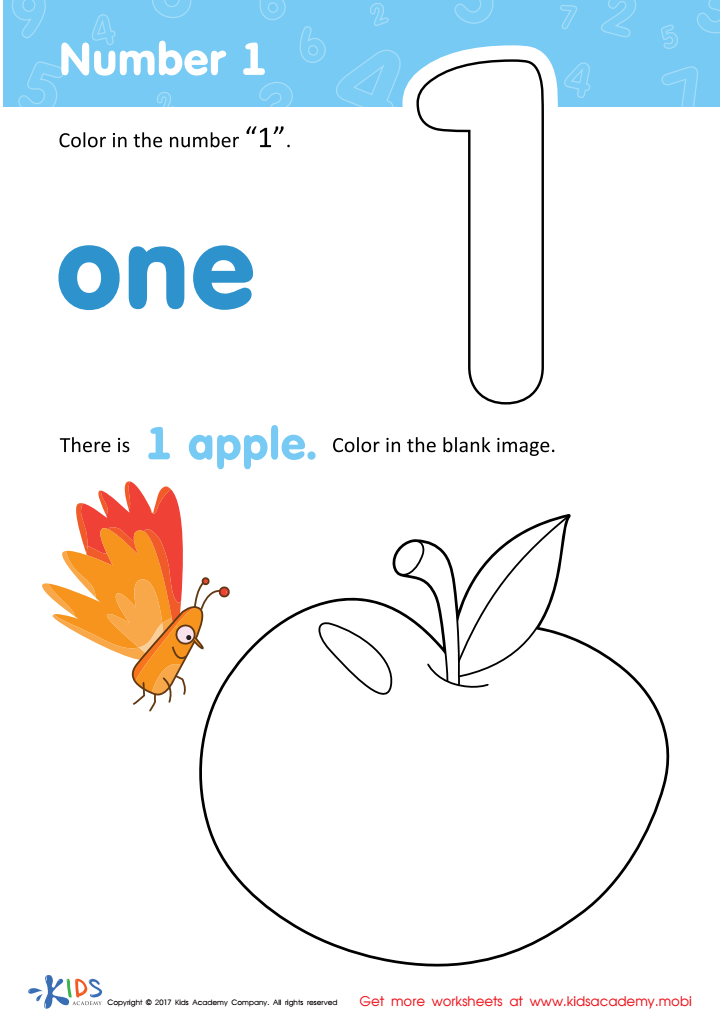
Coloring Page: Number 1

Number 1 Printable

An apple a day keeps the doctor away, but this coloring page can keep your child and the preschool teacher happy, too! Teach them to recognize numeracy with this cute page, featuring number 1!
Download (PDF)
Assign to My Students
Number 1 Printable
Worksheet
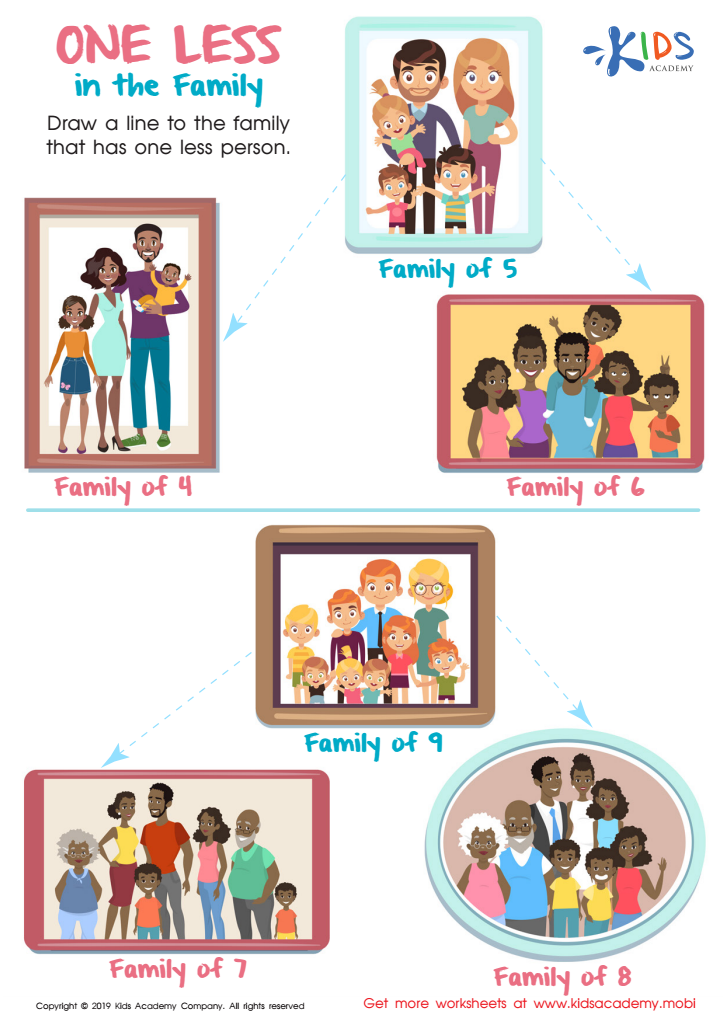
One Less in the Family Worksheet

One Less in the Family Worksheet

How many people are in your family? Can your little ones count and tell you? A family usually consists of a mum, dad and kids, but may also include grandparents, uncles, aunties and cousins. This worksheet has pictures of different families; help your kids count the members and draw a line to the one with one less person.
One Less in the Family Worksheet
Worksheet
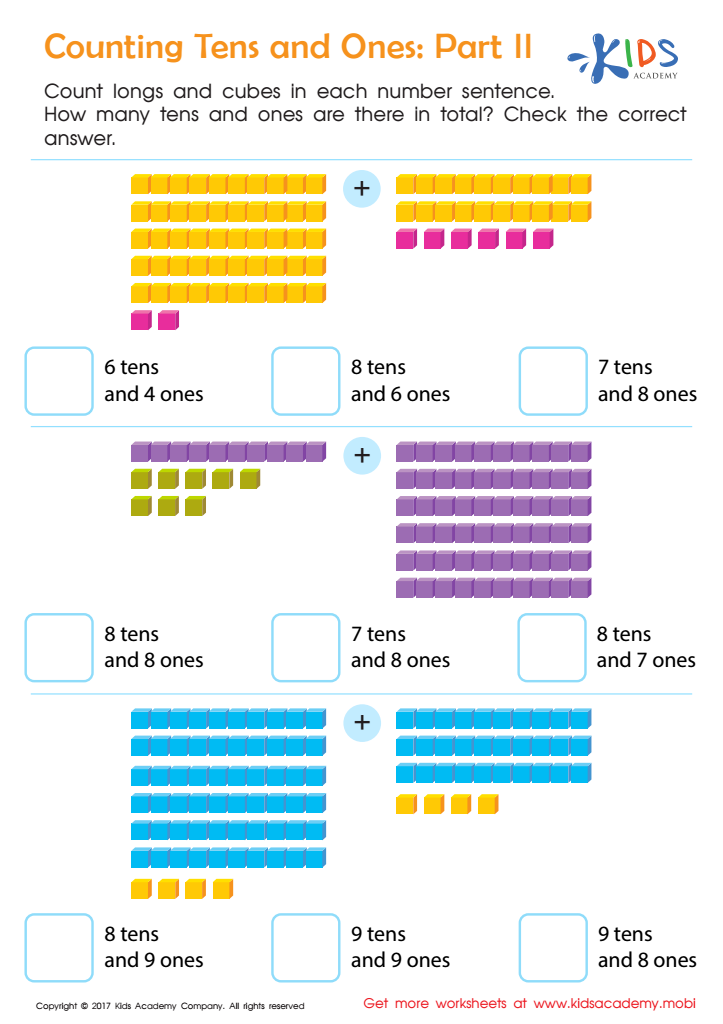
Counting Tens and Ones: Part 2 Worksheet

Counting Tens and Ones: Part 2 Worksheet

Adding two-digit numbers can be tough for kids. It's essential to give them a strong foundation of numeracy and math, not just teaching them to add. Use longs and cubes to help them get a visual grasp of place value and addition. This fun worksheet can help your child take their skills to the next level, with problems featuring larger numbers.
Counting Tens and Ones: Part 2 Worksheet
Worksheet
Dot to Dot Numbers 1-10

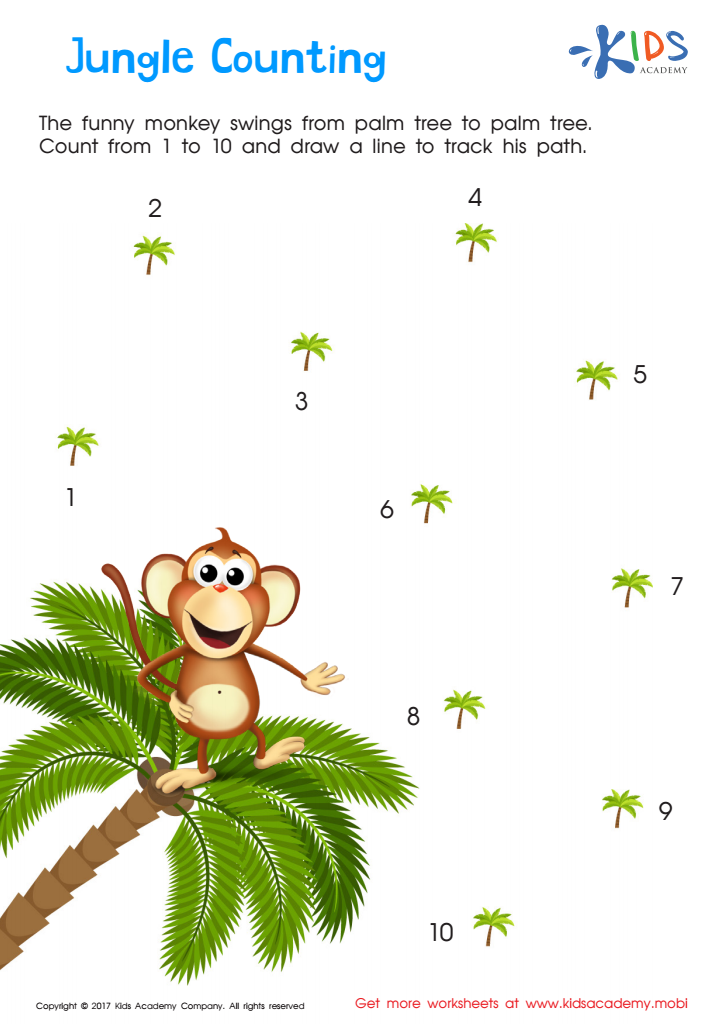
Jungle Counting Connect Dots Worksheet
Help your child count from 1-10 and practice problem solving skills with this dot to dot worksheet. Your child will enjoy helping the cute monkey swing from tree to tree while honing their math skills. Let them have a jungle-themed counting adventure!
Jungle Counting Connect Dots Worksheet
Worksheet
Fish Bowl Numbers Worksheet

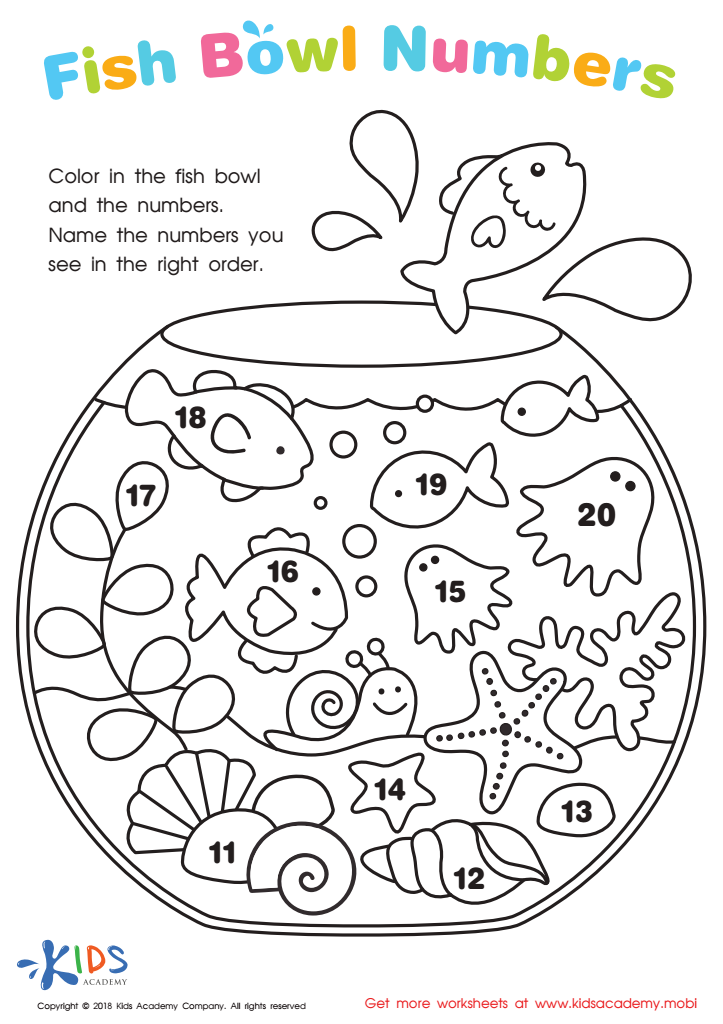
Fish Bowl Numbers Worksheet

Let your kids count and color with this fun exercise! Ask them to read out the numbers in the fish bowl in order, then help them pick out colors for the fish bowl and numbers. An easy-peasy activity for kids who can count - they'll have lots of fun!
Download (PDF)
Assign to My Students
Fish Bowl Numbers Worksheet
Worksheet


Counting skills form the foundation for a child's understanding of mathematics, making it crucial for parents and teachers to prioritize these skills, especially in children ages 4 to 8. Mastery of counting aids in the development of problem-solving abilities, logical reasoning, and critical thinking.

Through engaging activities focused on "Extra Challenge Numbers," children not only enhance their counting skills but also gain exposure to concepts like sequence, quantity, and basic arithmetic. This supplementary practice promotes confidence in math, setting a positive tone for future learning and reducing math anxiety. Furthermore, early proficiency in counting can lead to improved performance in more advanced topics as the child progresses through their education.

In addition, developing counting skills nurtures cognitive development, fine motor skills through manipulative activities, and language development as children learn to articulate numbers and mathematical relationships. Teachers and parents who invest in these foundational skills are not just preparing children for academic success; they are helping cultivate a genuine appreciation for mathematics. Engaging with numbers meaningfully reinforces the idea that math is a relevant and integral part of everyday life, leading children to become more inquisitive and skilled learners in the long term.