Extra Challenge Phonics Worksheets for Ages 4-9
27 filtered results
-
From - To
Discover our "Extra Challenge Phonics Worksheets for Ages 4-9" designed to enhance your child's reading skills! Tailored for early learners, these worksheets offer engaging activities that introduce essential phonics concepts, helping to solidify letter-sound relationships and word recognition. Our interactive approach promotes independent learning while addressing varied skill levels, ensuring every child can thrive. From blending sounds to decoding words, each worksheet sparks curiosity and fosters a love for reading. Ideal for both home and classroom use, these extra challenge worksheets provide the perfect opportunity to reinforce foundational literacy skills in a fun and stimulating way. Unlock your child's potential today!
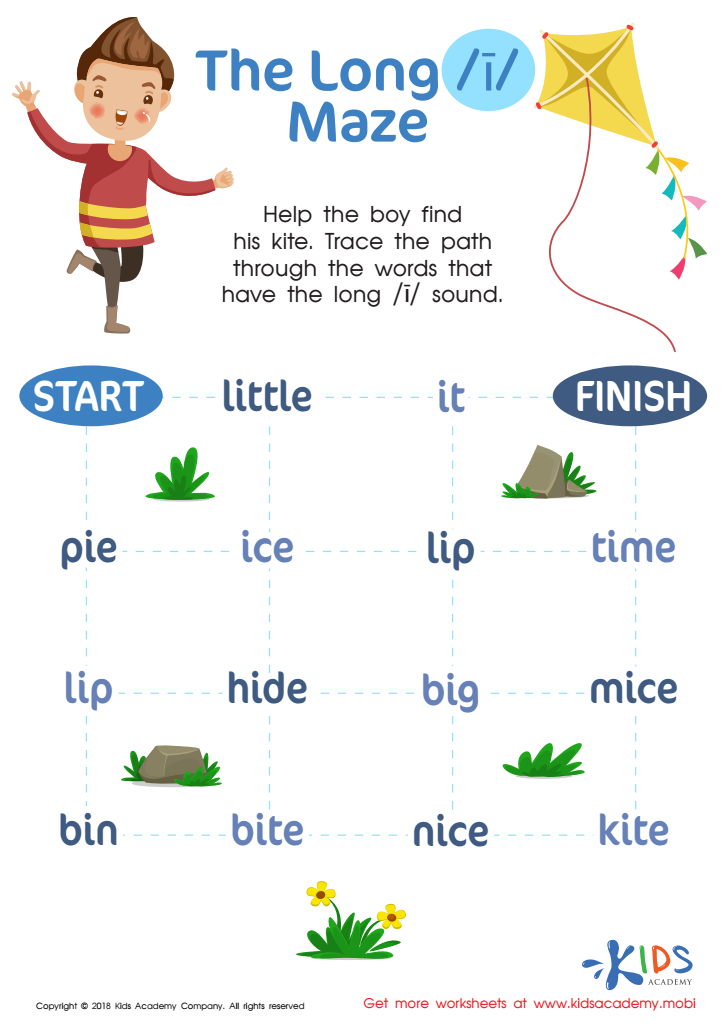
The Long I Maze Reading Worksheet
 Assign to My Students
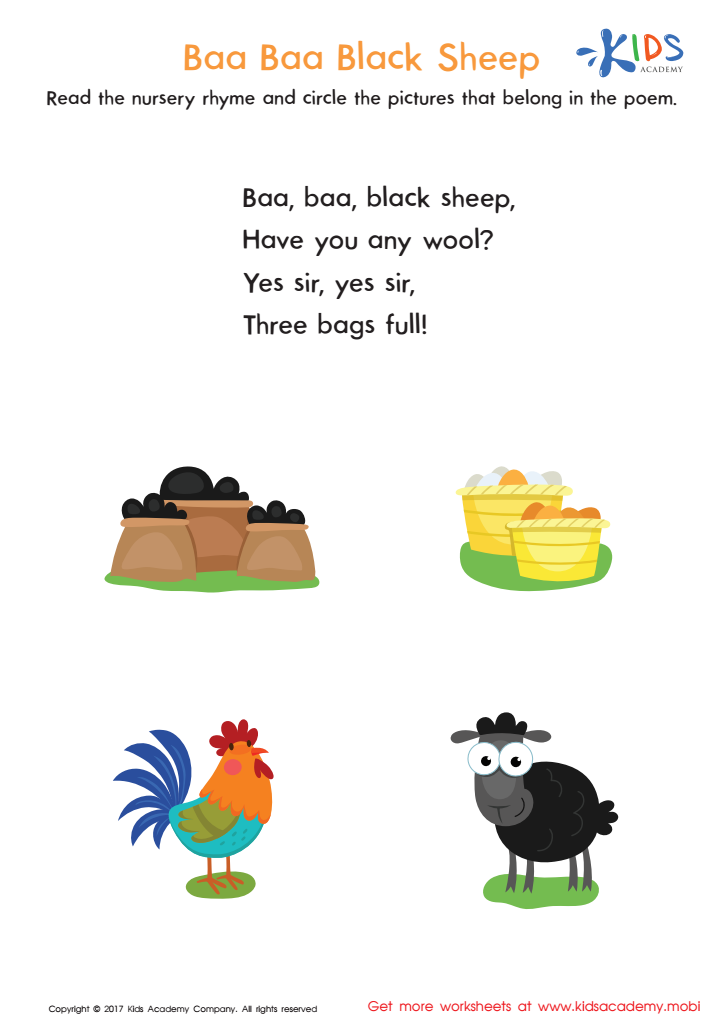
Baa Baa Black Sheep Printable
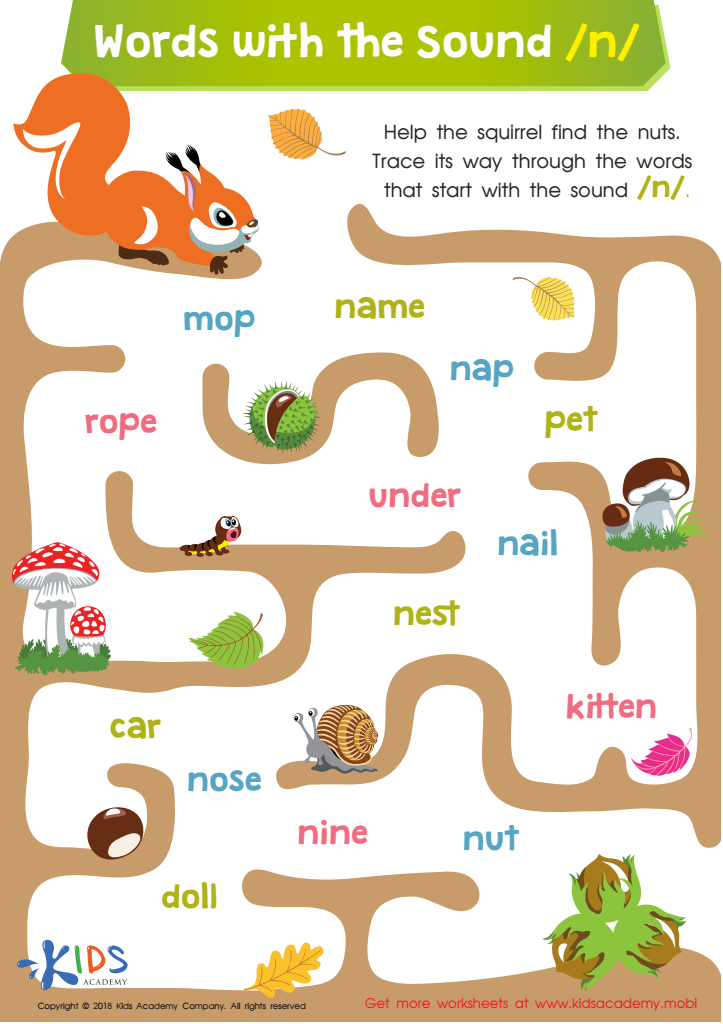
Words with Sound N Reading Worksheet
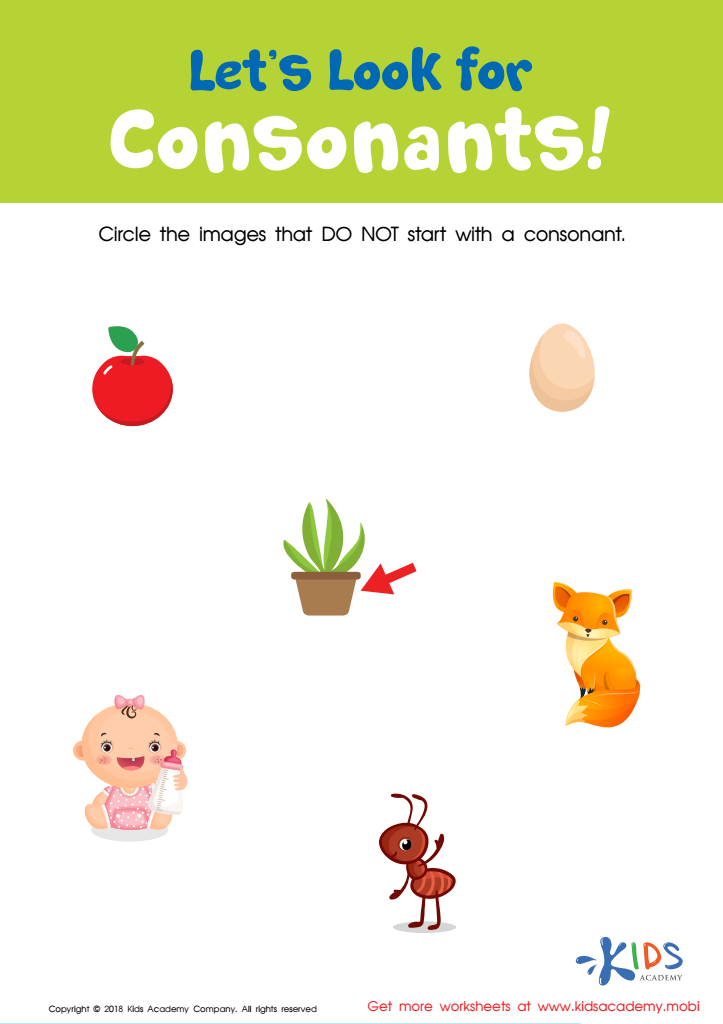
Let's Look for Consonants Worksheet
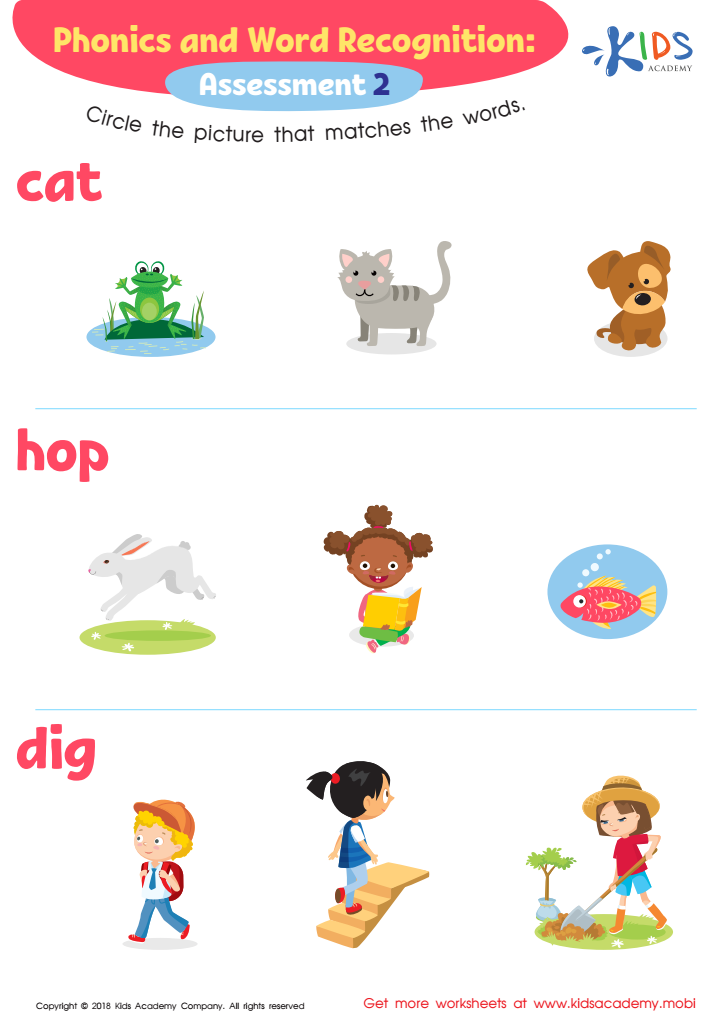
Phonological Awareness: Assessment 2 ELA Worksheet
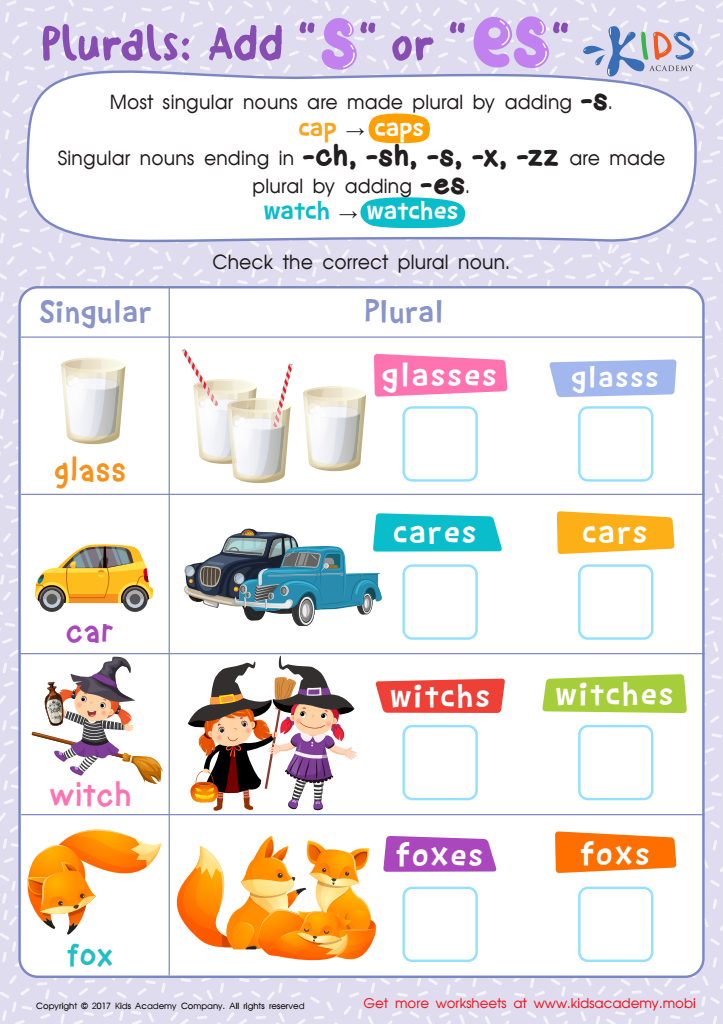
Plurals: "–es" or "–es"? Worksheet
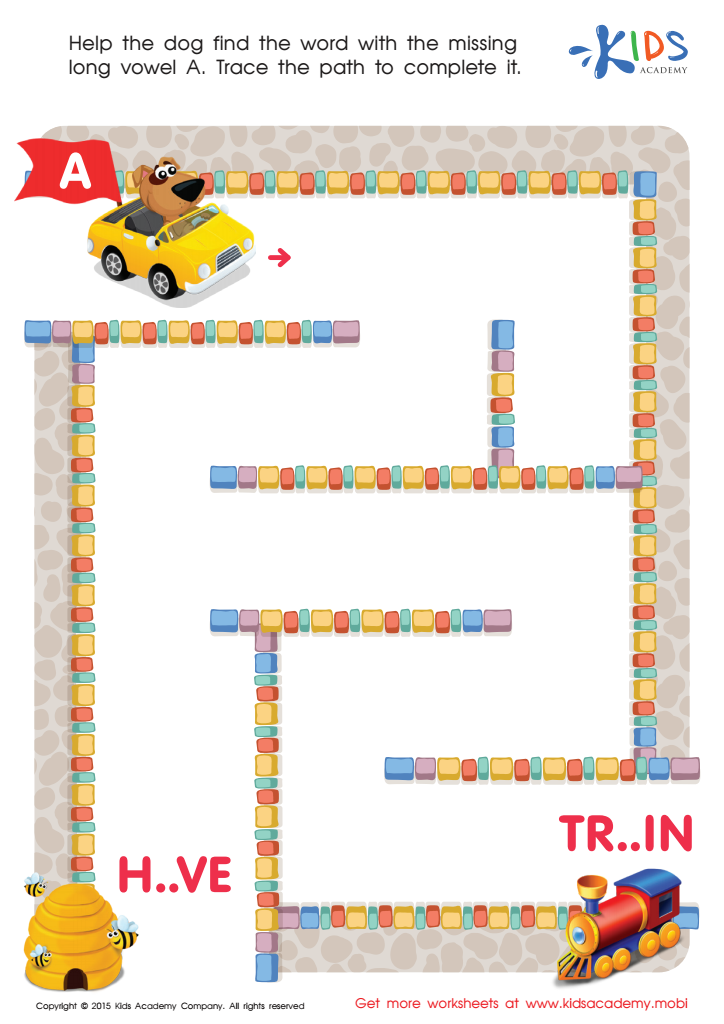
Long Vowel Sound A Worksheet
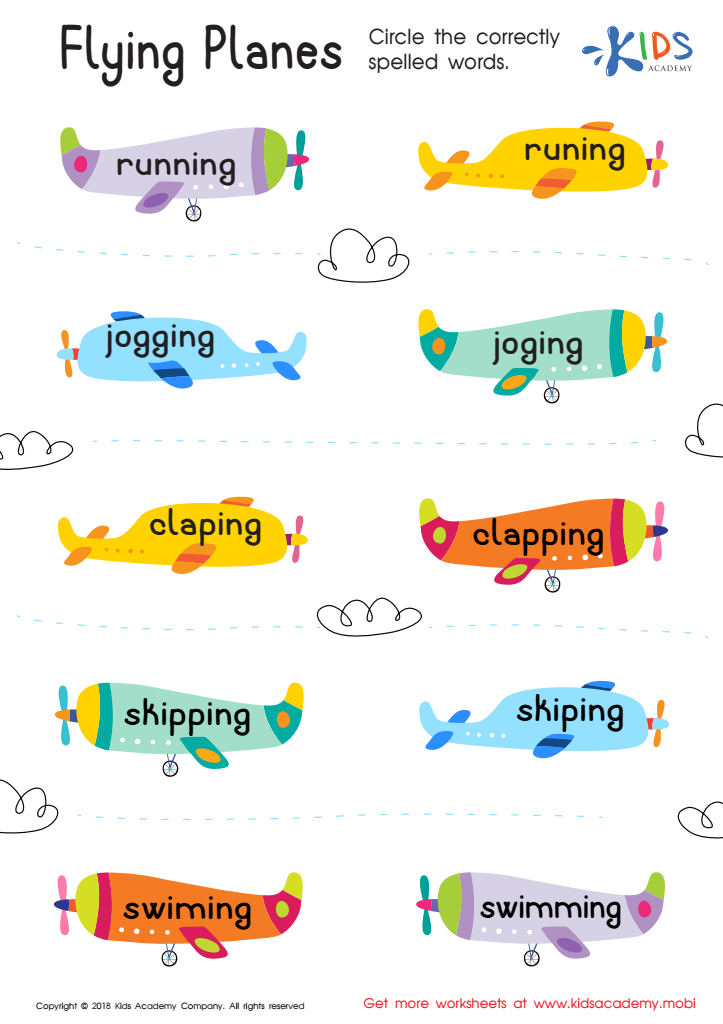
Flying Planes Worksheet
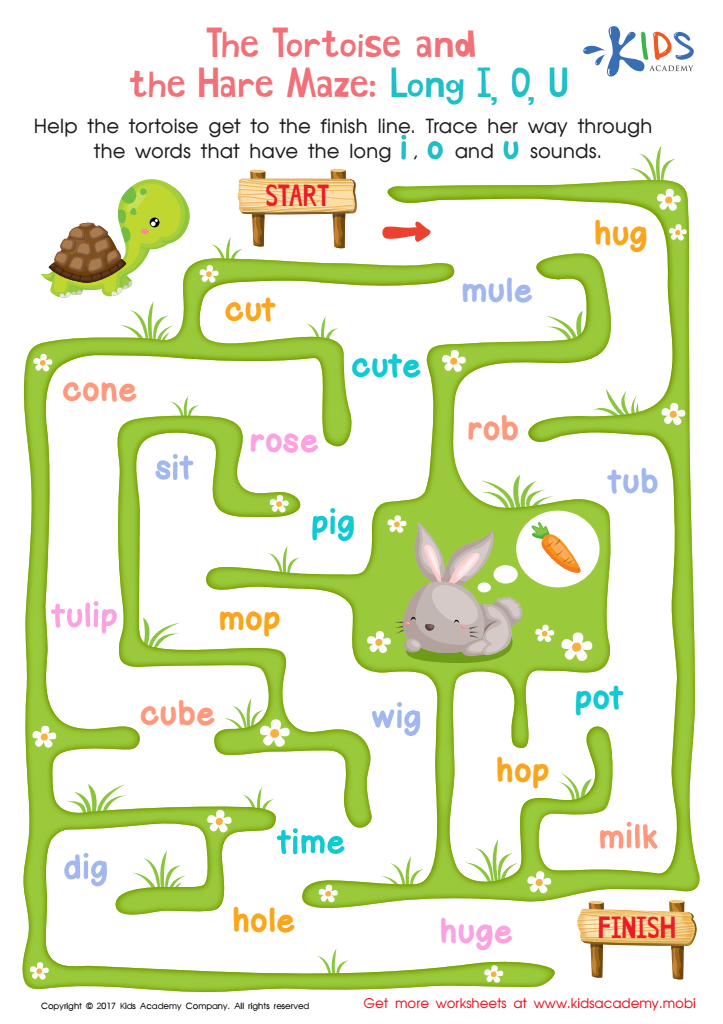
Long I, O, U Words Worksheet
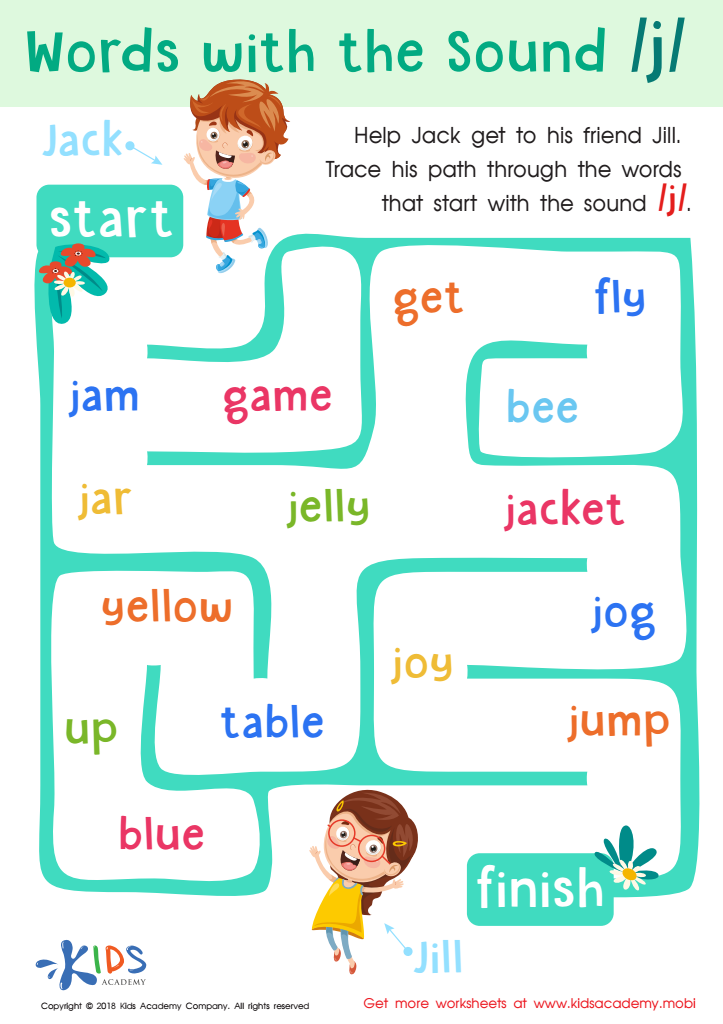
Words with sound j Reading Worksheet
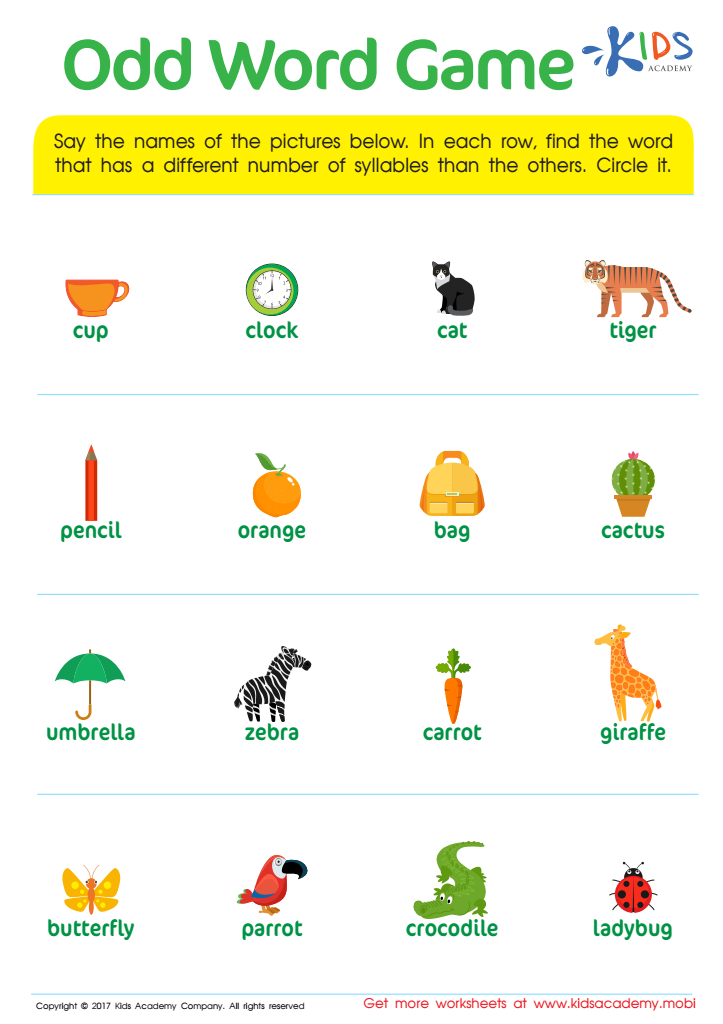
Count Syllables: Odd Word Game Worksheet
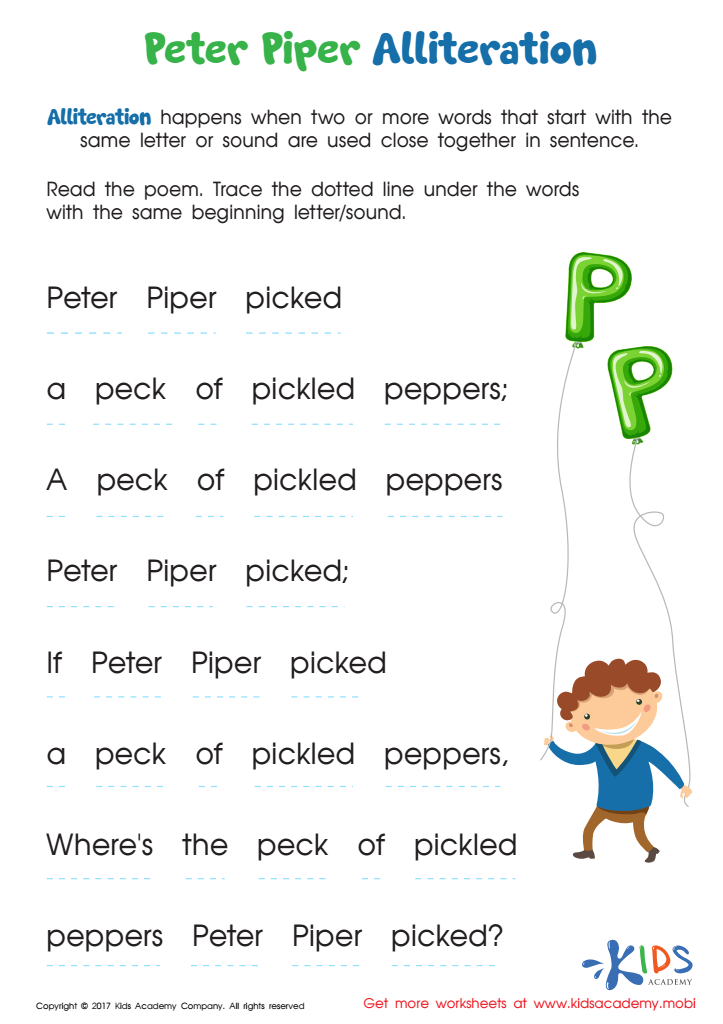
Peter Piper Alliteration Worksheet
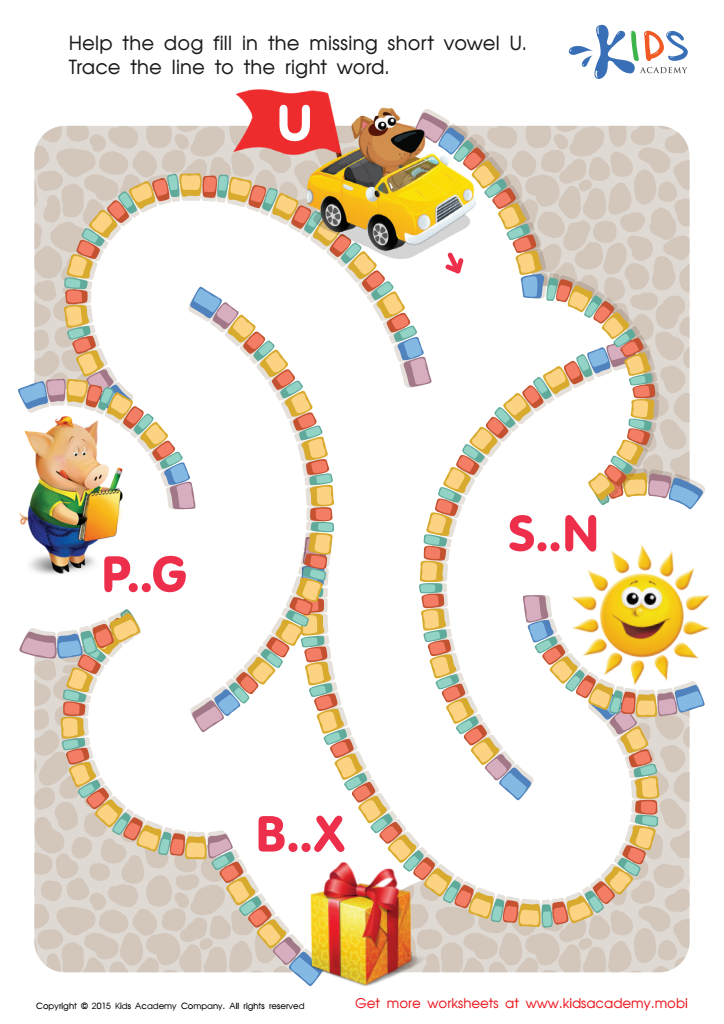
Short Vowel Sound U Worksheet
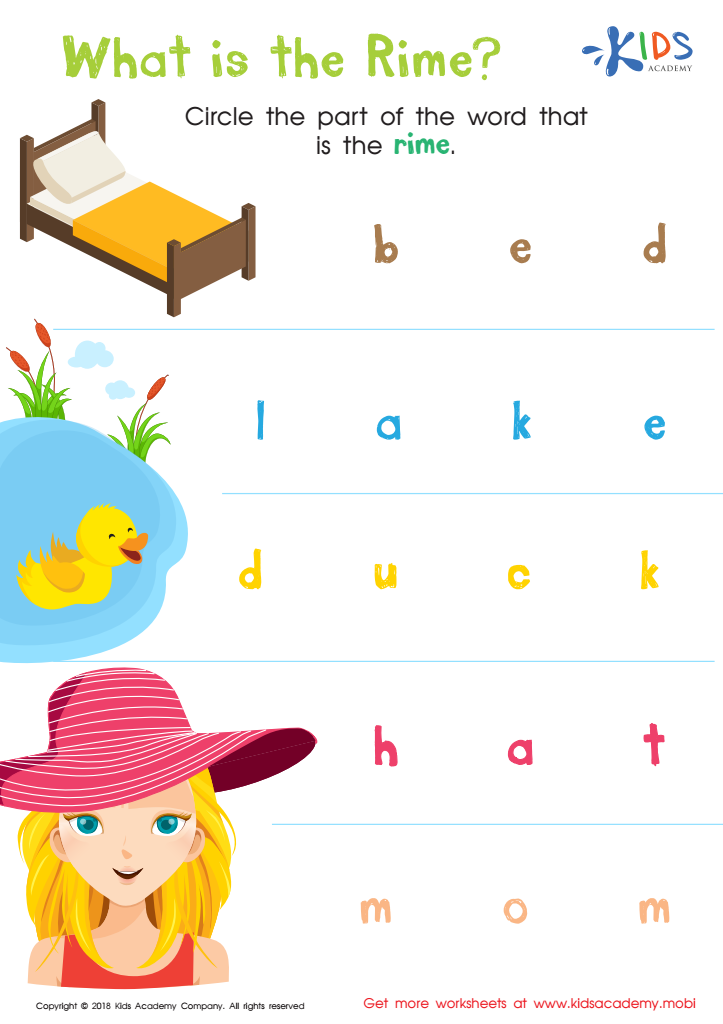
What Is the Rime? Worksheet
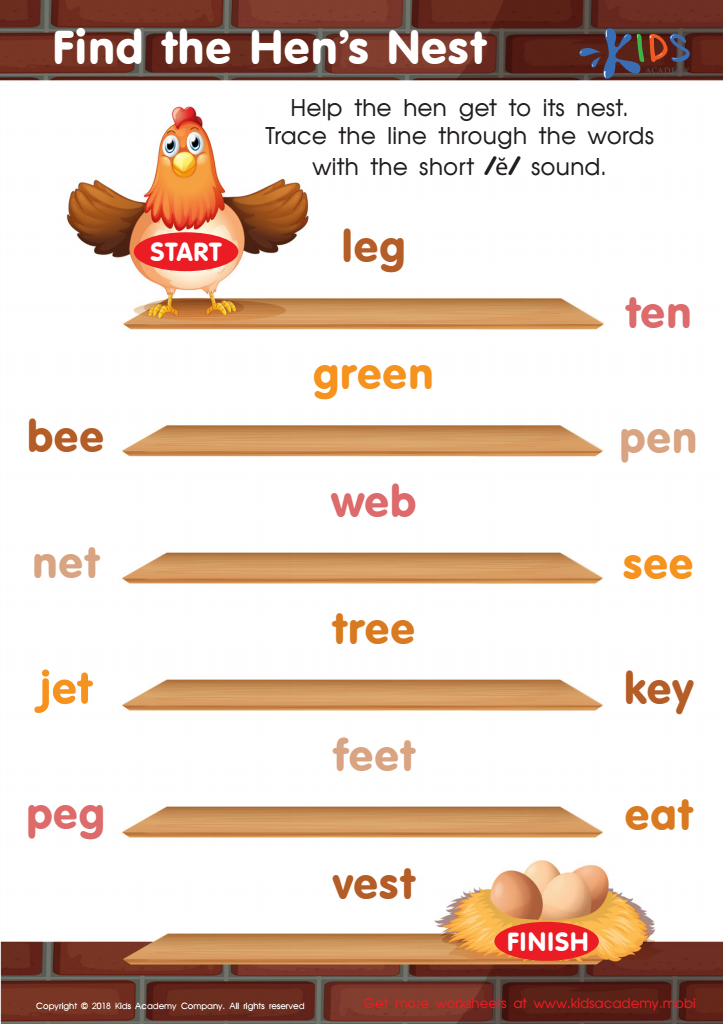
Find Hens Nest Reading Worksheet
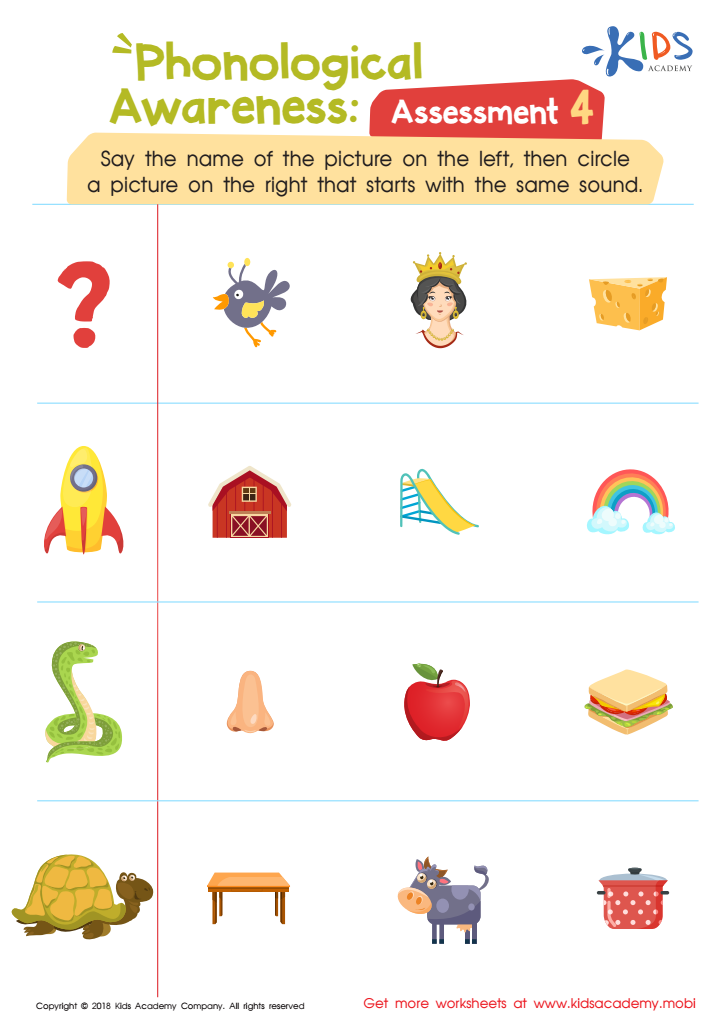
Phonological Awareness: Assessment 4 Worksheet
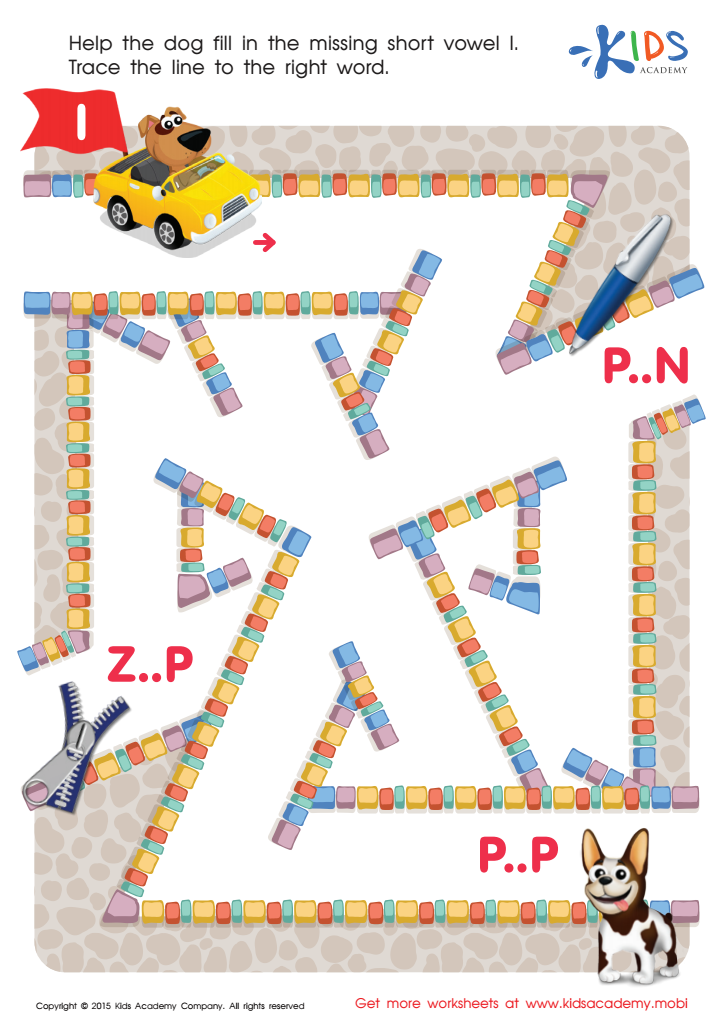
Short Vowel Sound I Worksheet
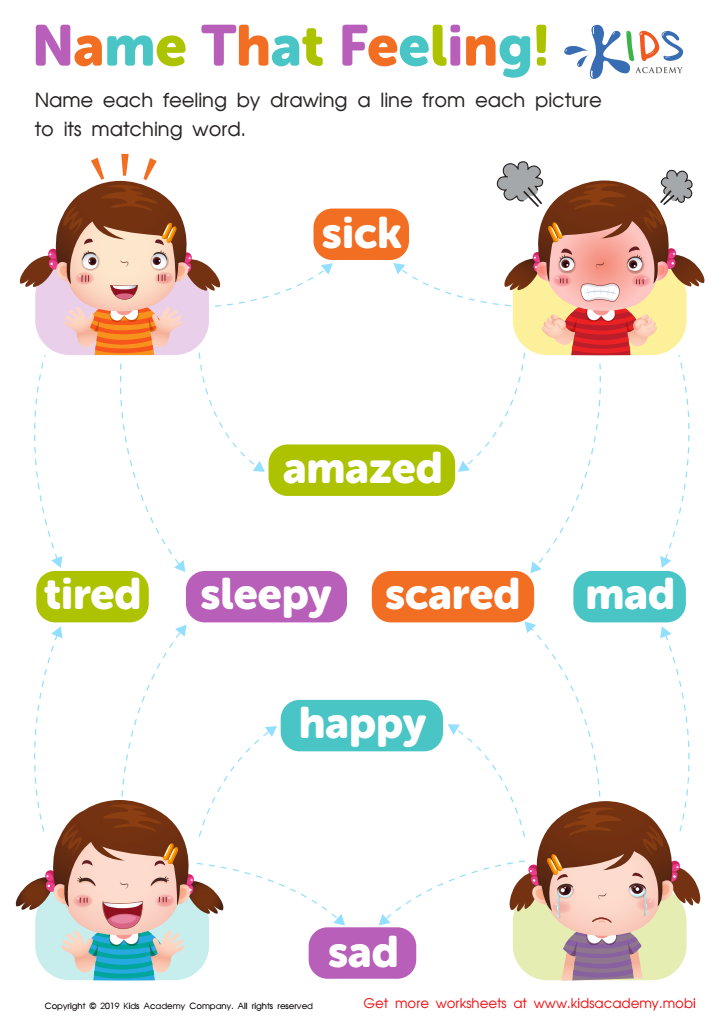
Name that Feeling Worksheet
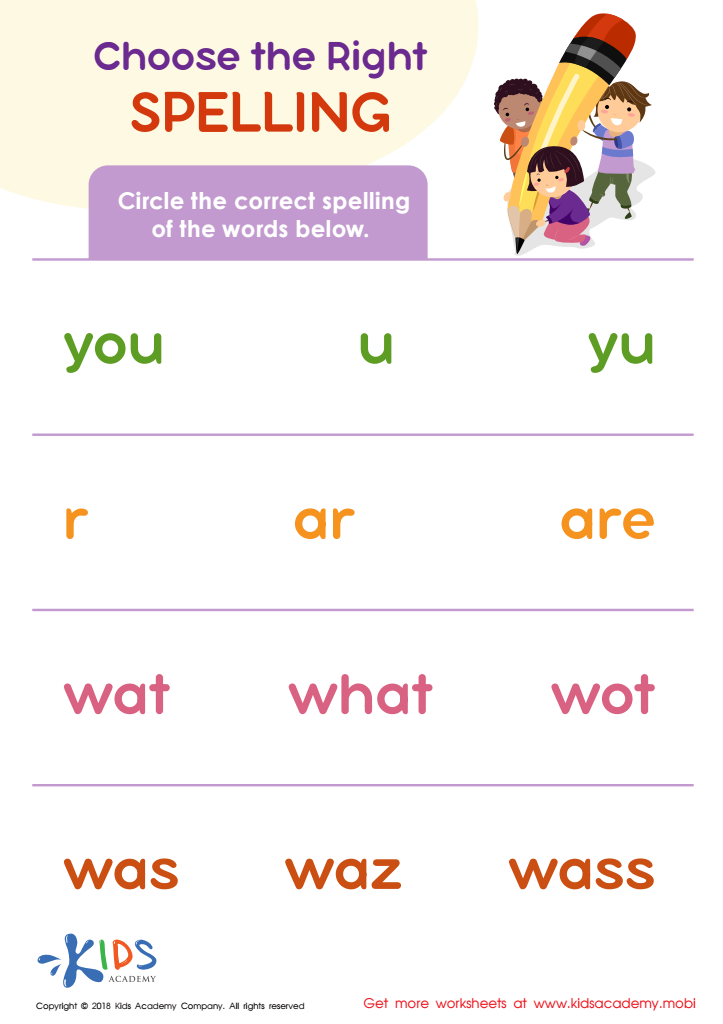
Choose the Right Spelling Worksheet
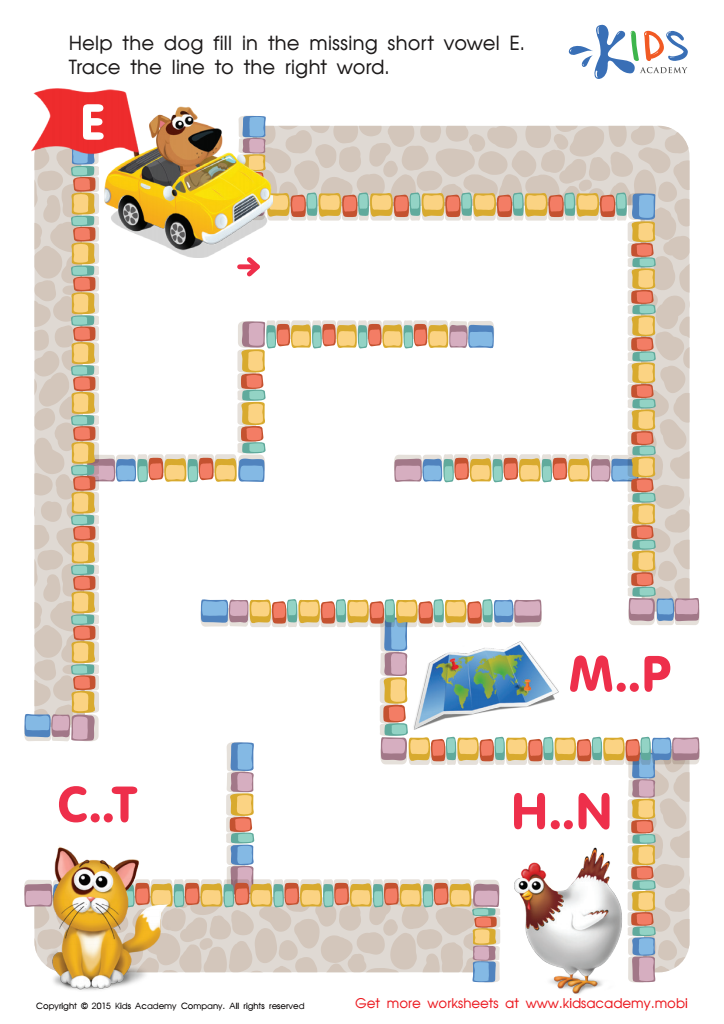
Short Vowel Sound E Worksheet
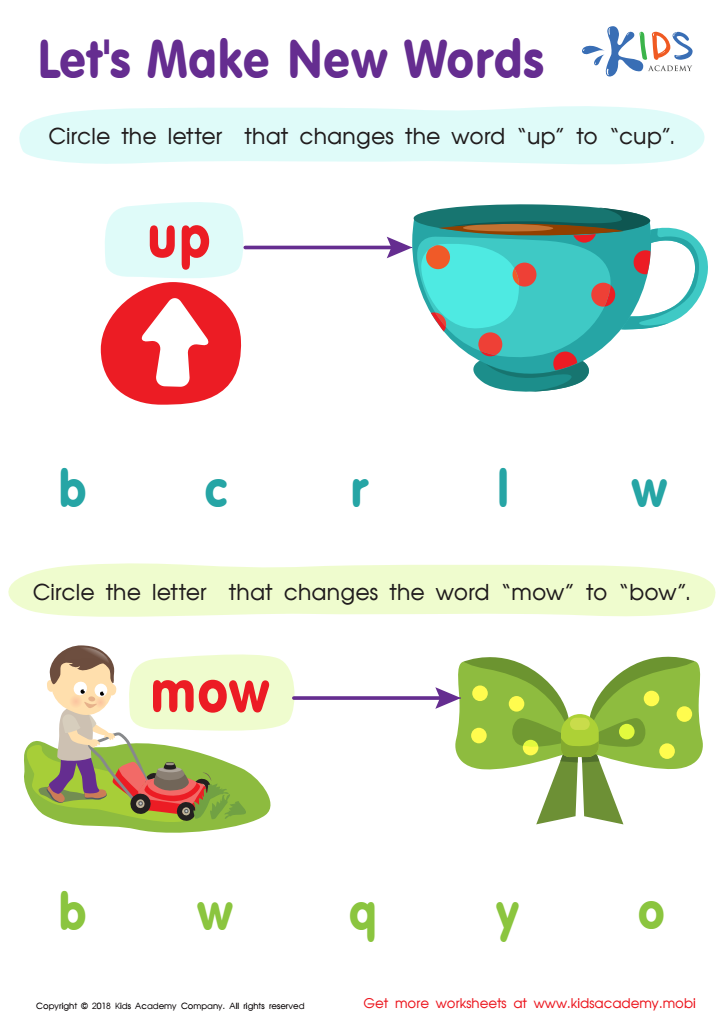
Let's Make New Words Worksheet
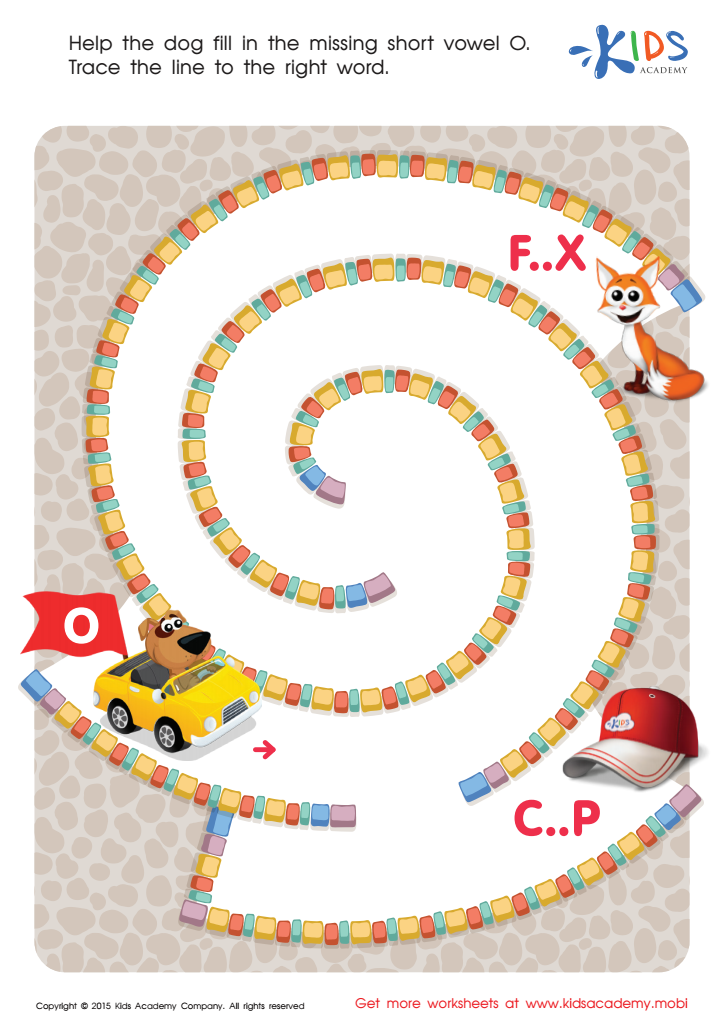
Short Vowel Sound O Worksheet
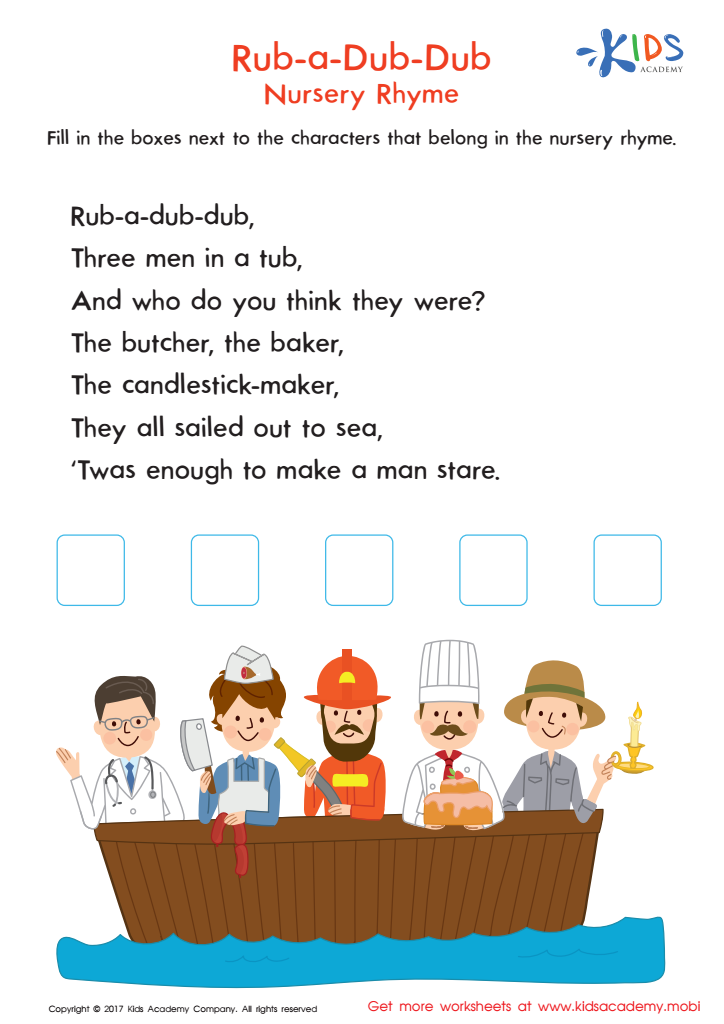
Rub a Dub Dub Printable
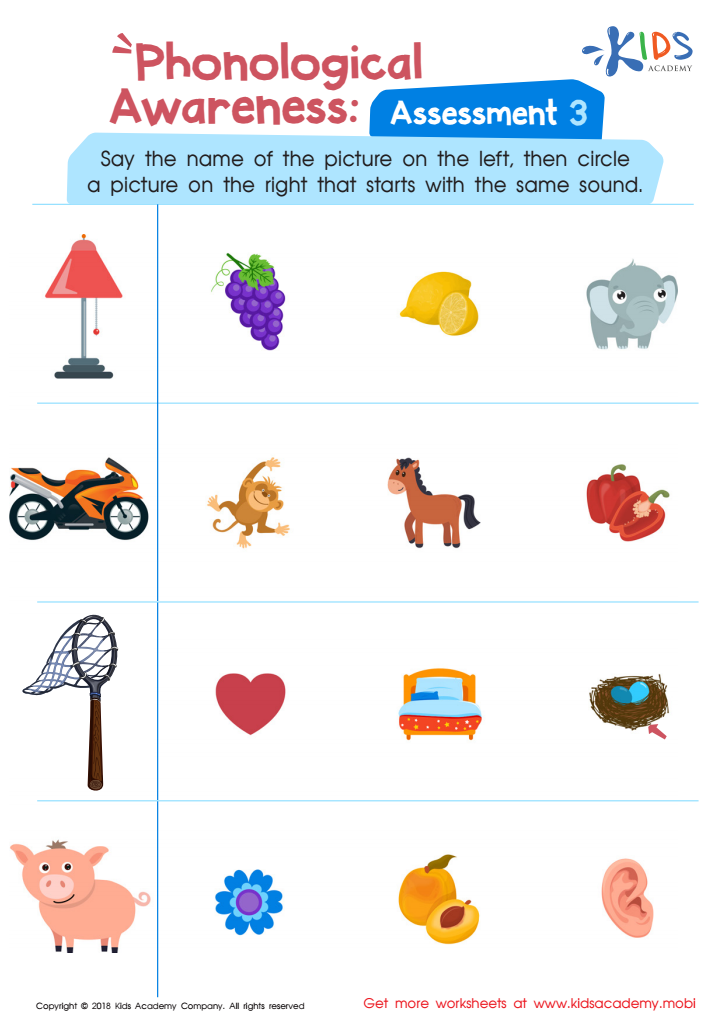
Phonological Awareness: Assessment 3 Worksheet








Parents and teachers should care about Extra Challenge Phonics for Ages 4-9 because it fosters essential reading and writing skills in early learners. This program offers a structured approach to phonics instruction, focusing on sound-letter relationships, which is crucial for developing strong literacy foundations.
In an increasingly digital world, proficient reading skills are vital for academic success and communication. Extra Challenge Phonics engages students with interactive activities, ensuring that they develop the confidence to tackle complex texts as they progress. By addressing various learning styles, this program adapts to each child's needs, providing extra support for struggling readers and challenging those who excel.
Moreover, the early years are formative, and the ability to read proficiently influences not just language development, but overall cognitive growth. Teachers can utilize Extra Challenge Phonics to create inclusive classrooms where all students can thrive, while parents can reinforce skills at home, fostering a love of reading.
Ultimately, investing in literacy through comprehensible and effective phonics instruction equips children with the tools they need for lifelong learning and success, making it a critical focus for both educators and parents. By prioritizing reading development now, we set the stage for brighter academic futures.