Basic Counting Extra Challenge Worksheets for Ages 4-9
3 filtered results
-
From - To
Unlock your child's mathematical potential with our "Basic Counting Extra Challenge Worksheets for Ages 4-9"! Designed to make learning fun and engaging, these worksheets offer a variety of counting exercises that push young learners beyond the basics. Perfect for reinforcing essential skills, they include colorful illustrations and interactive activities that encourage critical thinking and problem-solving. Whether your child is a beginner or ready for a challenge, these worksheets cater to all levels while promoting number recognition, addition, and subtraction. Browse our collection today and give your child the tools they need to excel in math while enjoying the learning journey!
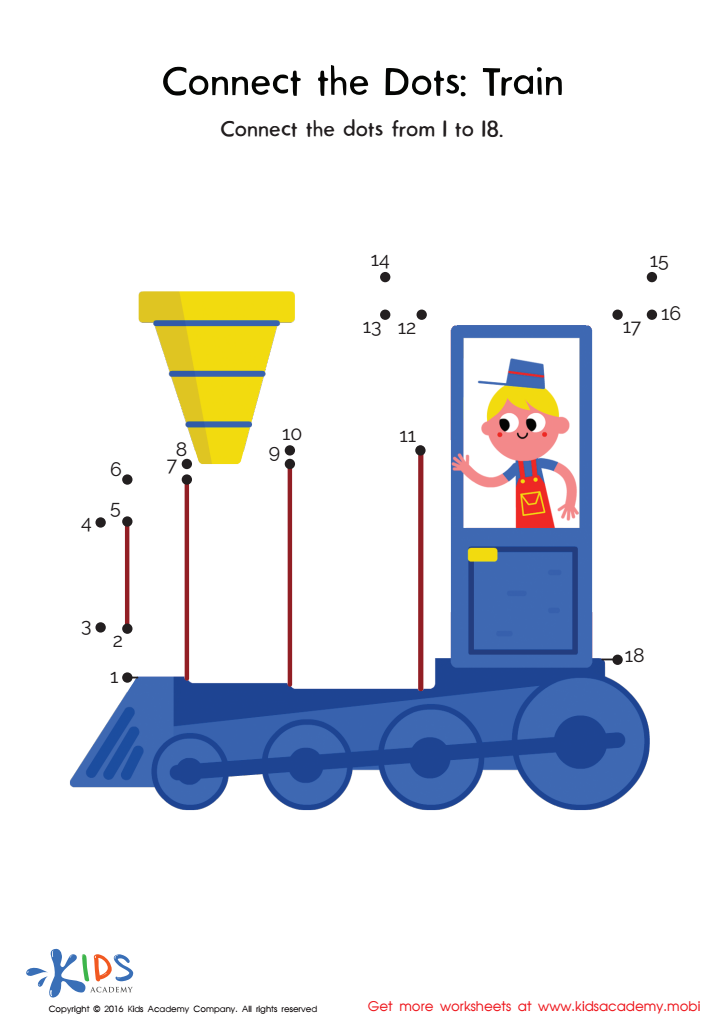
 Assign to My Students
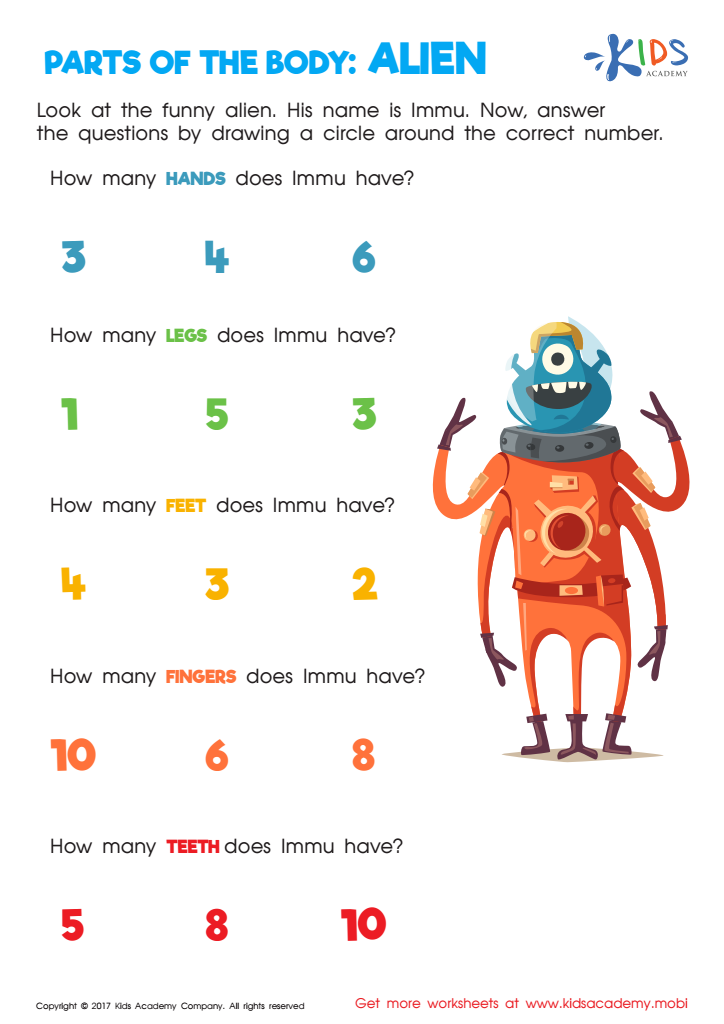
Alien Worksheet
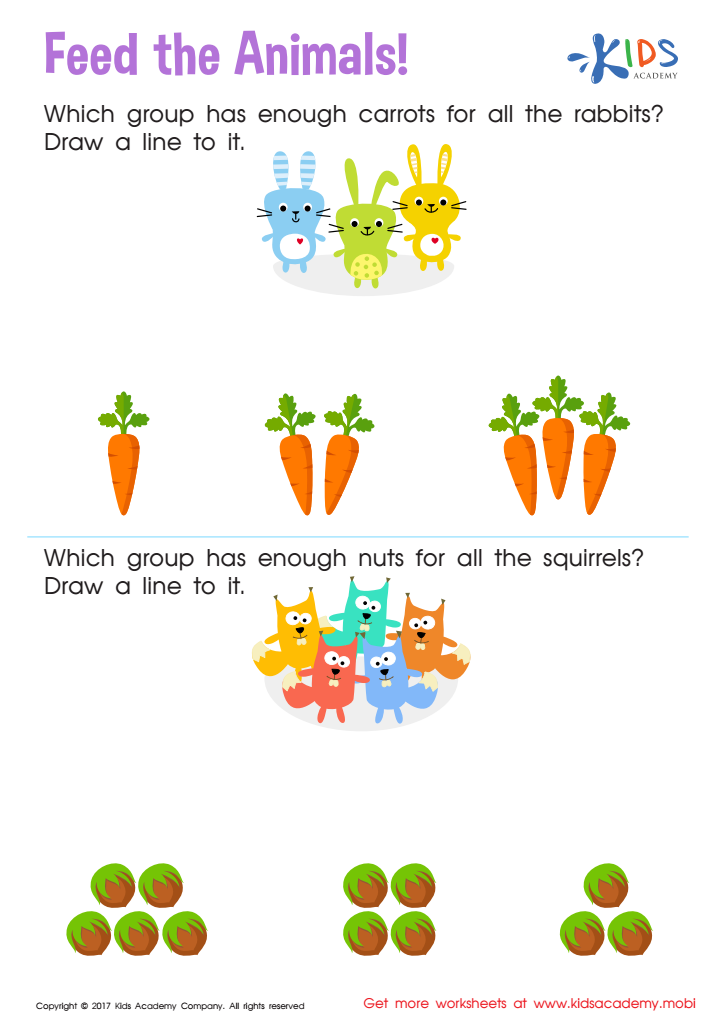
Count and Match: Feed the Animals Worksheet







Basic Counting Extra Challenge for Ages 4-9 is a vital educational resource that reinforces foundational math skills essential for young learners. As children in this age group develop their numeracy skills, understanding counting lays the groundwork for more complex mathematical concepts and problem-solving abilities. Engaging with counting challenges not only sharpens their counting skills but also cultivates critical thinking as they learn to recognize patterns, categorize items, and understand quantities.
Parents and teachers should care about this resource as it promotes a love for math outside of traditional classroom settings. By providing extra challenges, children are encouraged to explore numbers creatively, fostering curiosity and enhancing cognitive abilities. This approach makes learning enjoyable, encouraging a positive attitude towards education and boosting children's confidence as they successfully navigate numerical challenges.
Additionally, these activities support individualized learning, allowing parents and teachers to tailor challenges to each child's unique needs and pace. Early investment in counting skills is linked to long-term academic success, making this resource not just a supplementary activity, but an essential tool in shaping competent mathematicians equipped for future learning. In short, promoting basic counting challenges nurtures a solid educational foundation that benefits children well into their academic journeys.








