Logical thinking Extra Challenge Worksheets for Ages 4-9
10 filtered results
-
From - To
Boost your child's critical thinking skills with our "Logical Thinking Extra Challenge Worksheets for Ages 4-9." Designed to stimulate young minds, these engaging worksheets are perfect for developing problem-solving abilities and logical reasoning. Each worksheet presents age-appropriate puzzles and activities that enhance cognitive skills while providing meaningful and enjoyable learning experiences. Ideal for at-home practice or classroom enrichment, these challenges will motivate children to think creatively and analytically. Prepare your child for future academic success with our expertly crafted logical thinking worksheets. Start today and watch their confidence and abilities grow!

Alexander the Great Maze Worksheet
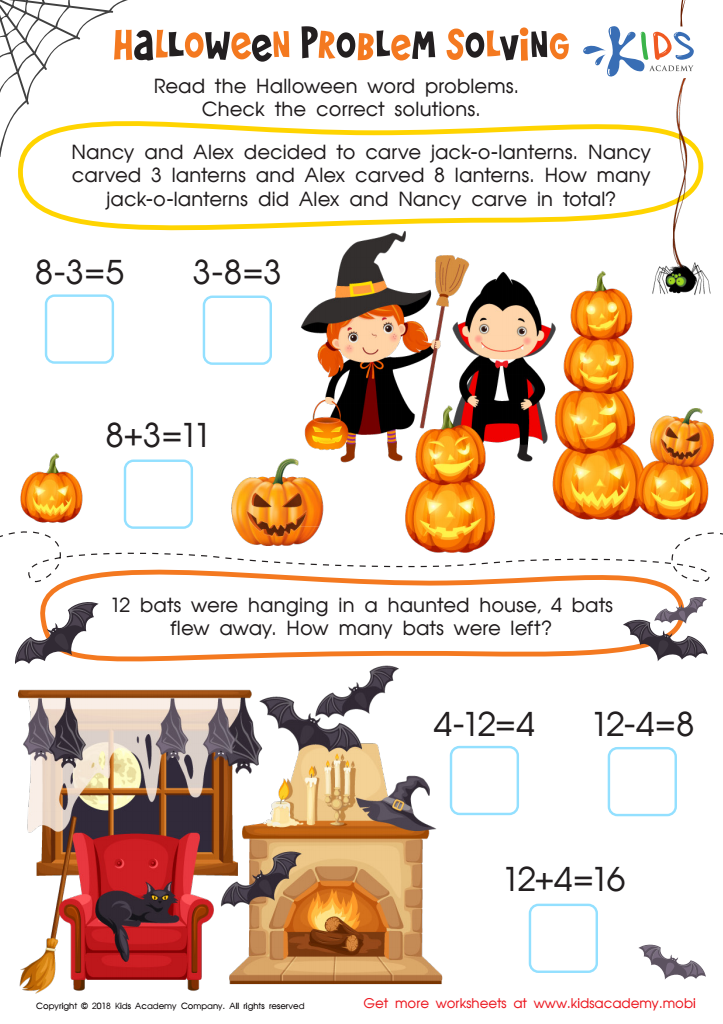
Halloween Problem Solving Worksheet
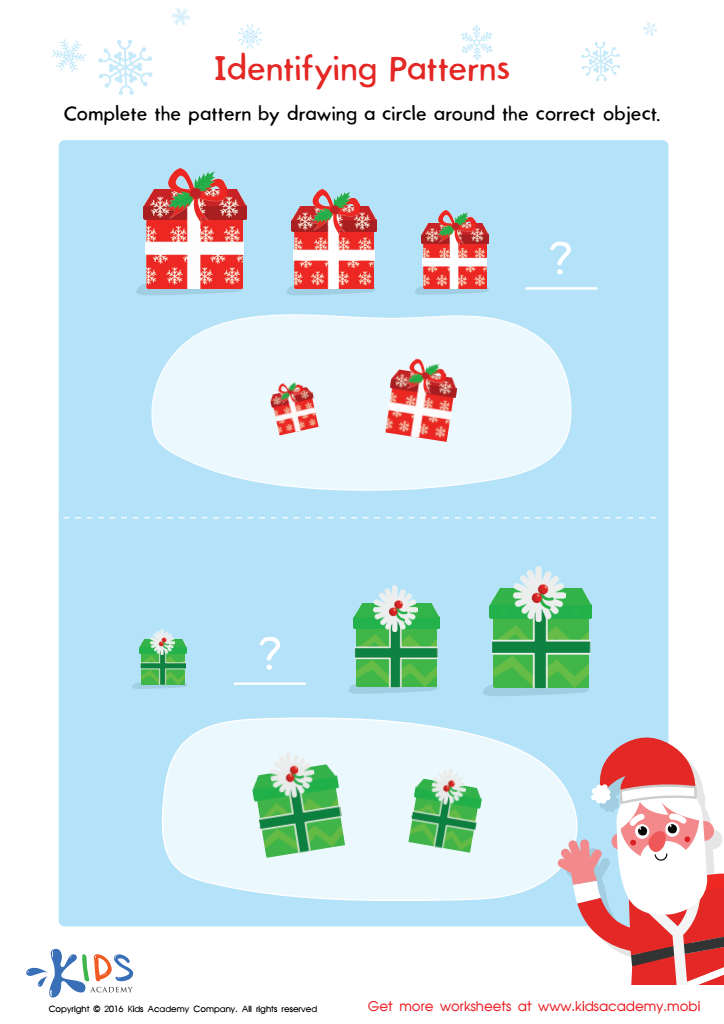
Identifying Patterns Worksheet
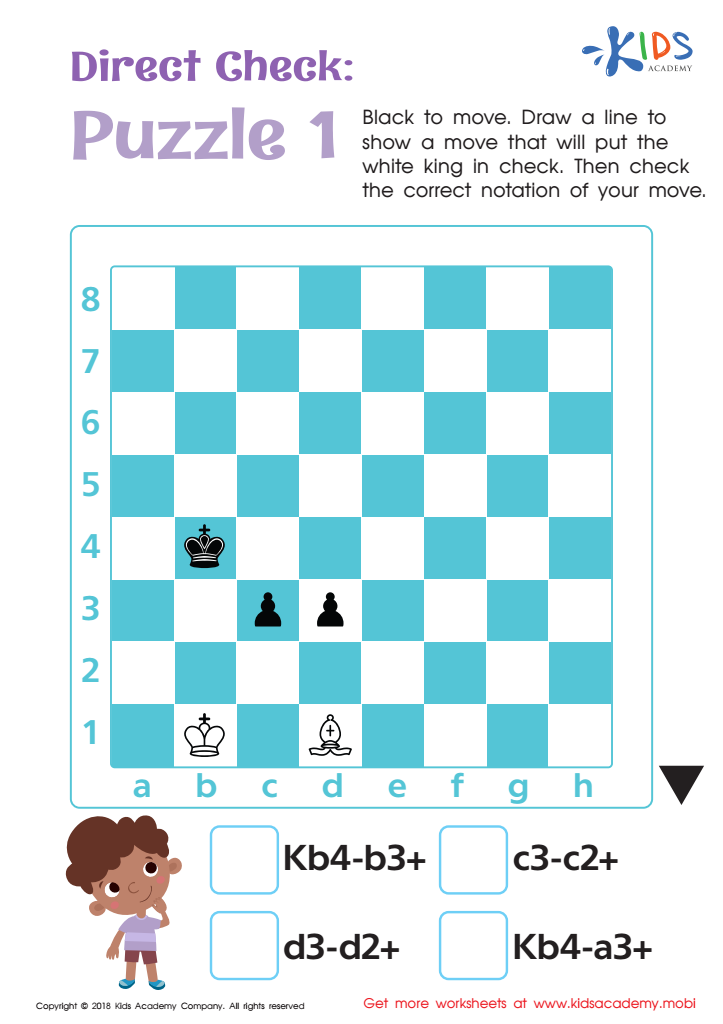
Direct Check: Puzzle 1 Worksheet
Magic Numbers Worksheet
 Assign to My Students
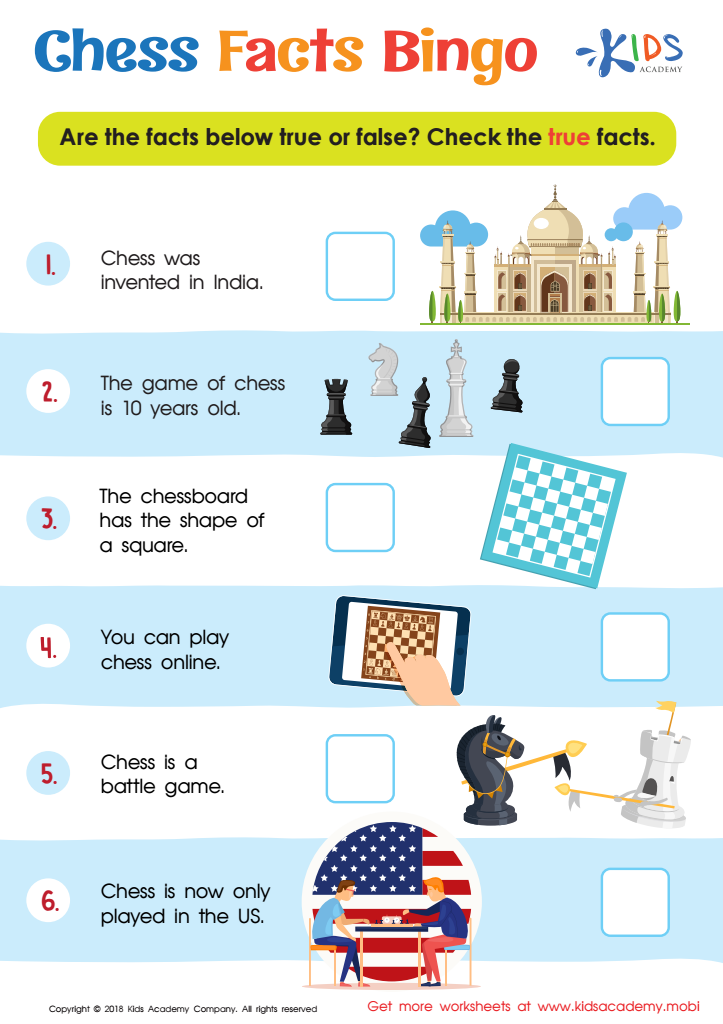
Chess Facts Bingo Worksheet
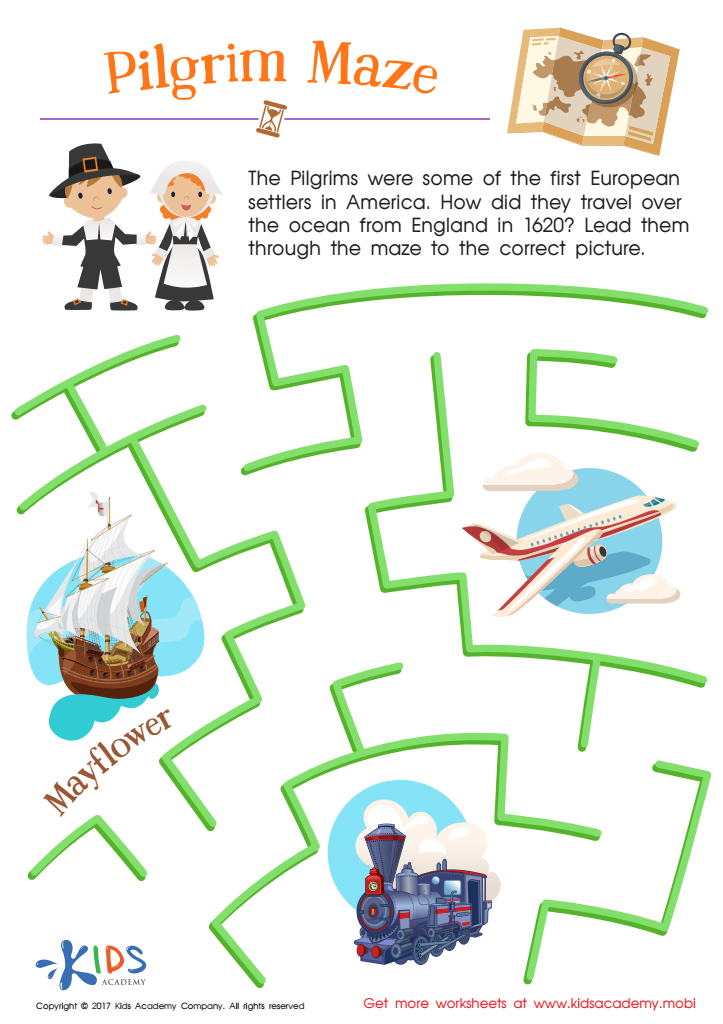
Pilgrim Maze Worksheet
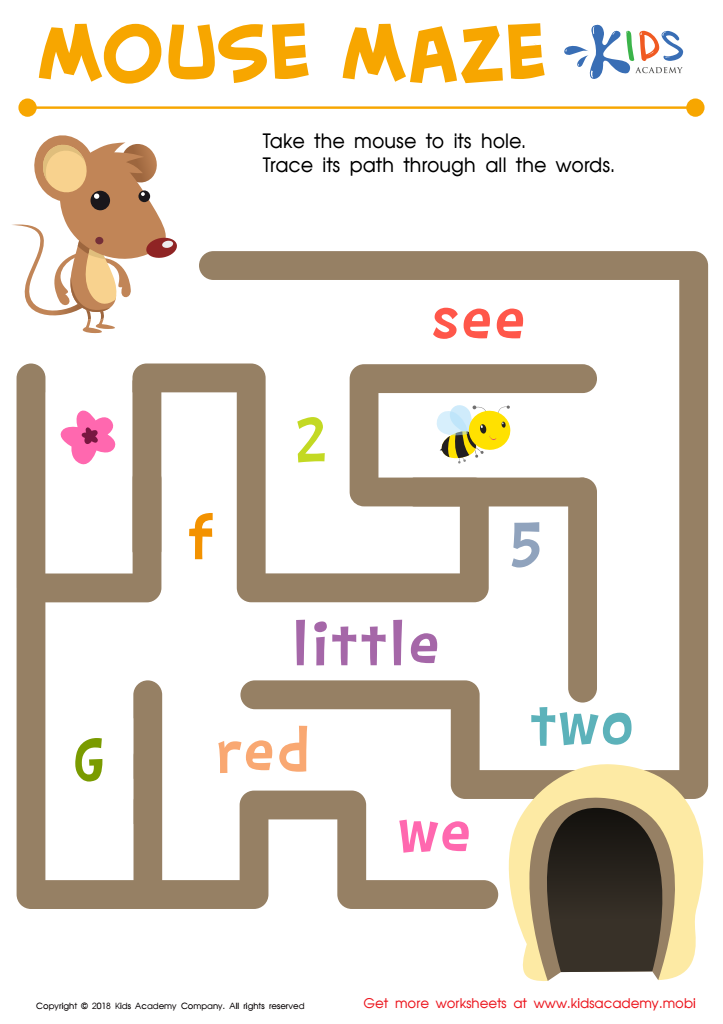
Find Words Mouse Maze Worksheet
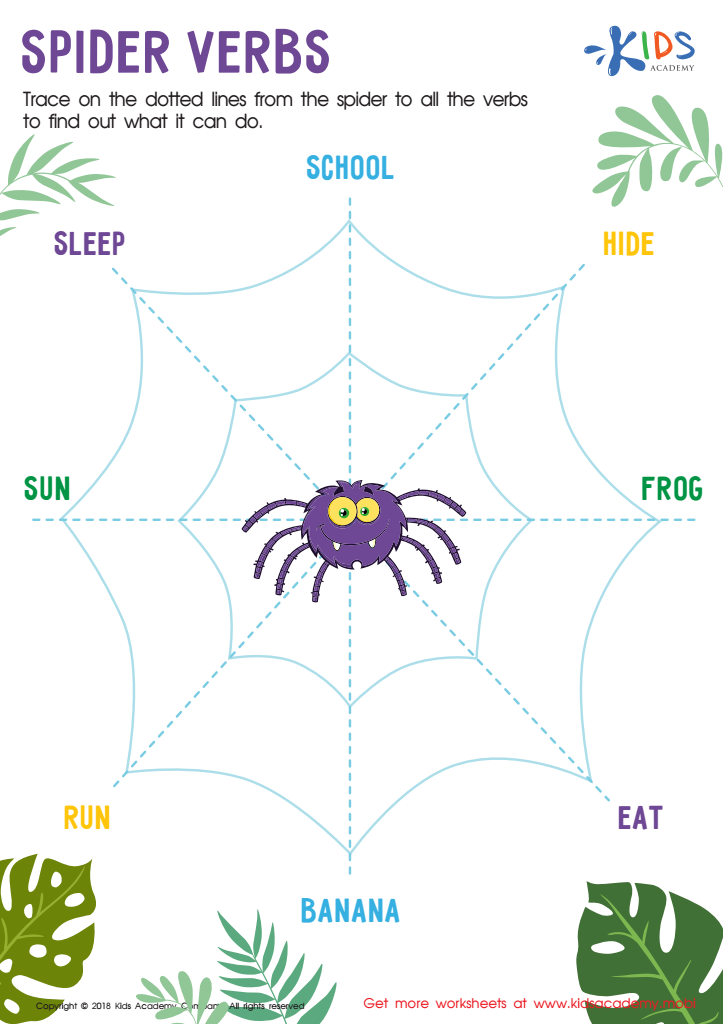
Spider Verbs Worksheet
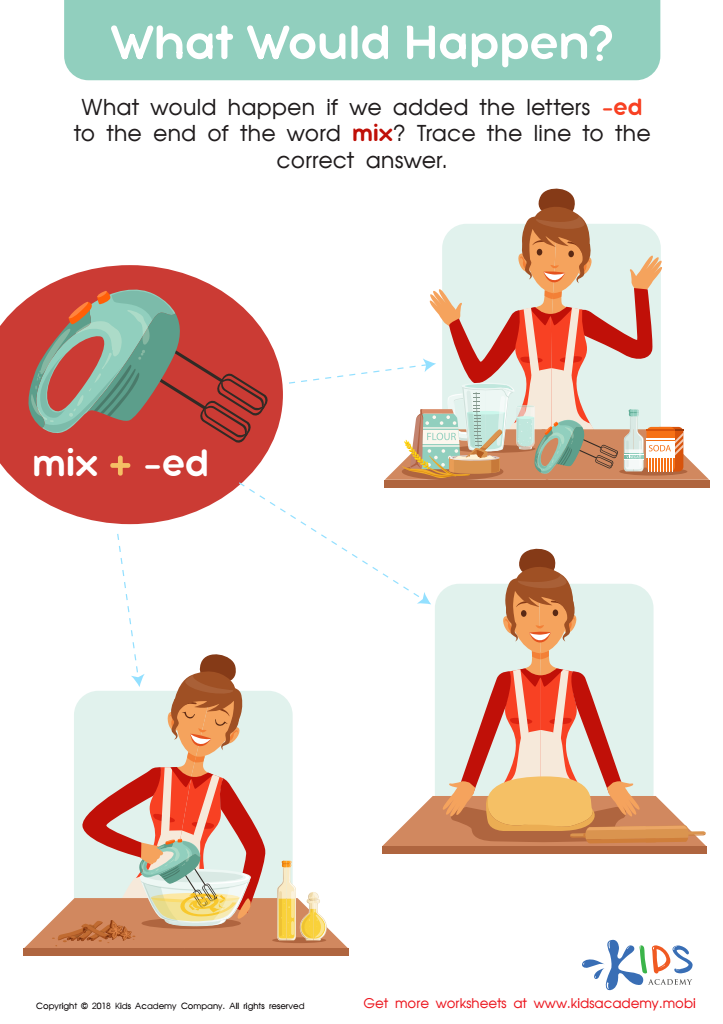
What Would Happen? Worksheet







Logical thinking involves the process of using reasoning consistently to come to conclusions. Introducing logical thinking extra challenges for children aged 4-9 is crucial for their cognitive development. During these formative years, children's brains are highly adaptable and capable of learning complex concepts more quickly than at any other time in their lives.
Logical thinking improves problem-solving skills. When kids face puzzles or scenarios requiring logical conclusions, they learn to approach problems systematically. This skill not only aids in academic subjects like math and science but is also applicable in everyday decision-making.
Moreover, such challenges enhance critical thinking. Critical thinkers can analyze situations, discern relevant from irrelevant information, and make informed decisions. This ability is fundamental in the modern world saturated with information and choices.
Logical challenges also foster persistence and resilience. Not every puzzle yields immediately to the first approach; children learn the value of trying different strategies and not giving up.
Socially, engaging in logical tasks can be a rewarding group activity that helps in the development of communication skills and teamwork. Children explain their thinking, understand others' perspectives, and collaboratively solve problems.
Overall, nurturing logical thinking from an early age sets a strong foundation for lifelong learning and adaptation. Teachers and parents, therefore, should integrate these challenges into daily learning experiences to prepare children for future academic and personal success.








