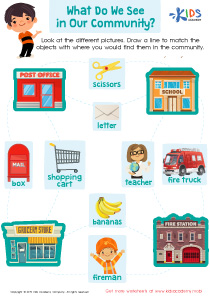
Counting skills Extra Challenge Math Worksheets for Ages 5-6 - Page 2
48 filtered results
-
From - To
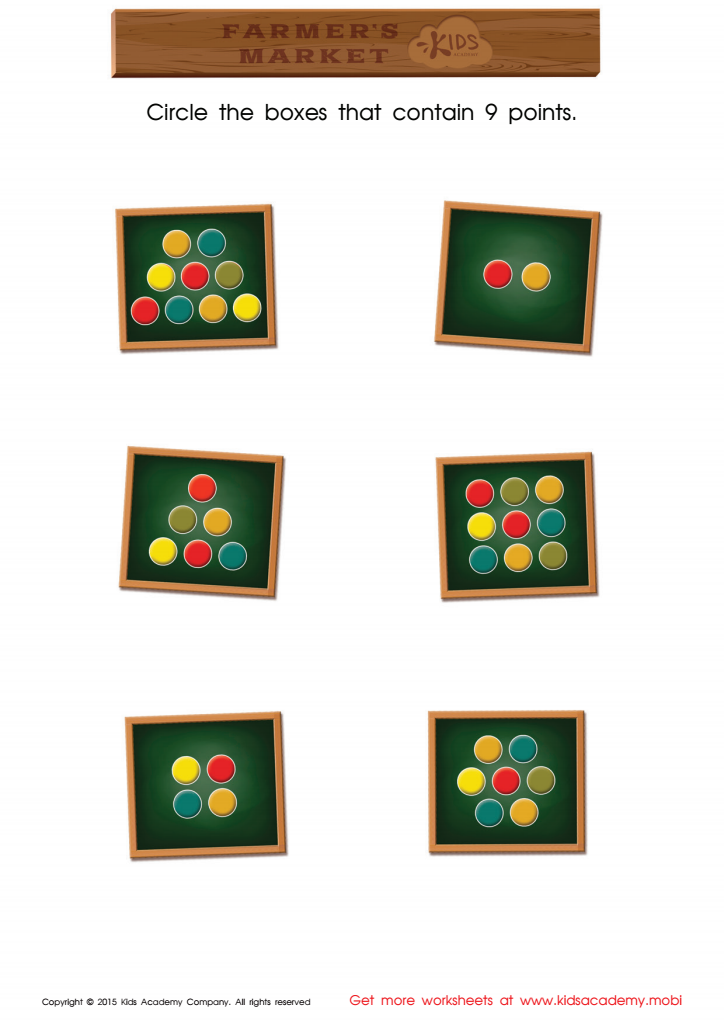
Count and Match Points 9 Math Worksheet
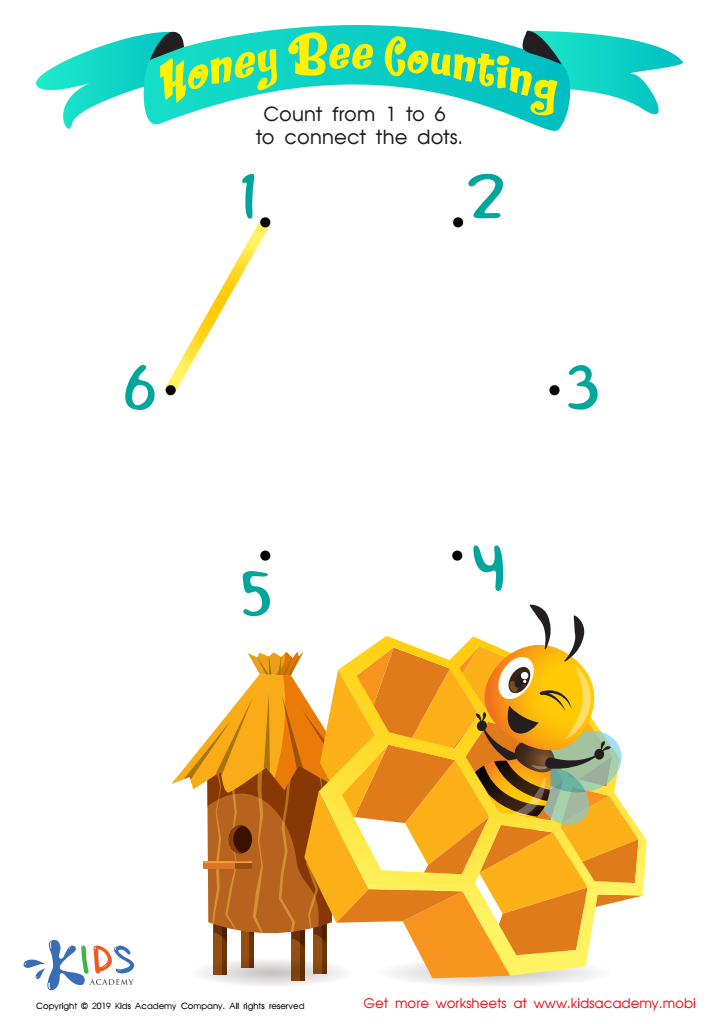
Honey Bee Counting Worksheet
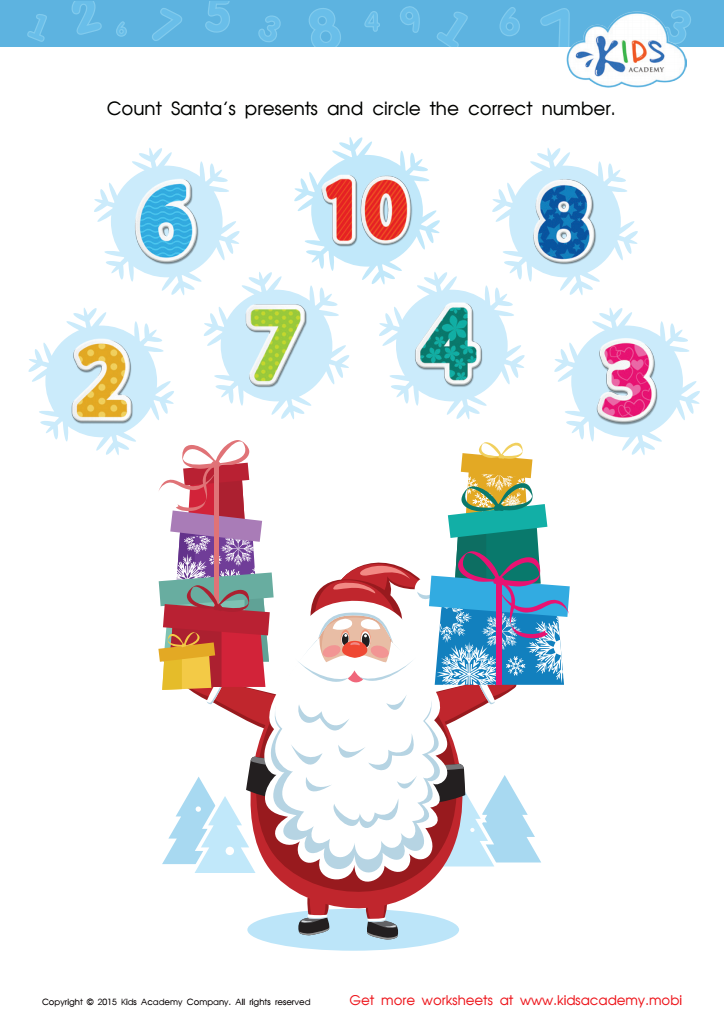
Count Santa's Presents Worksheet
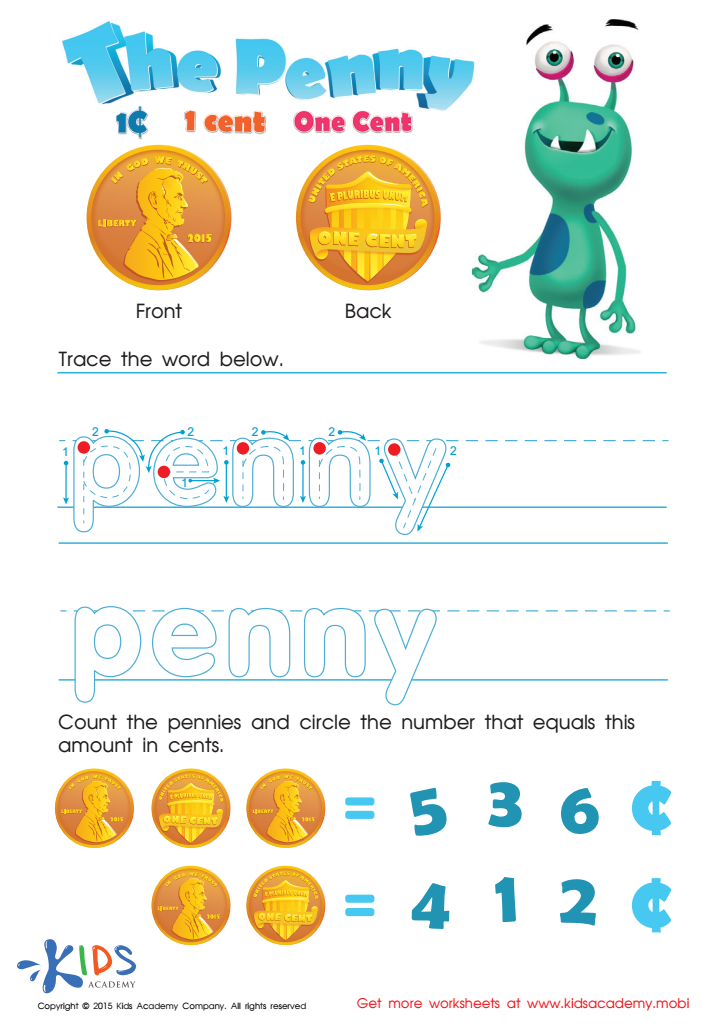
One Cent or the Penny Money Worksheet
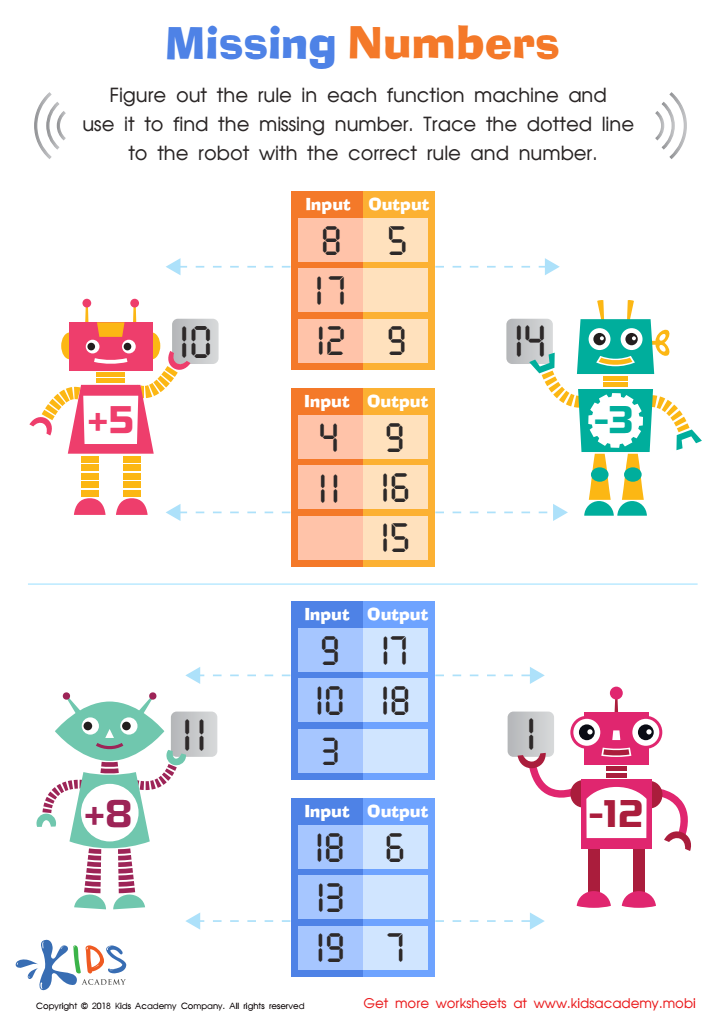
Missing Numbers Worksheet
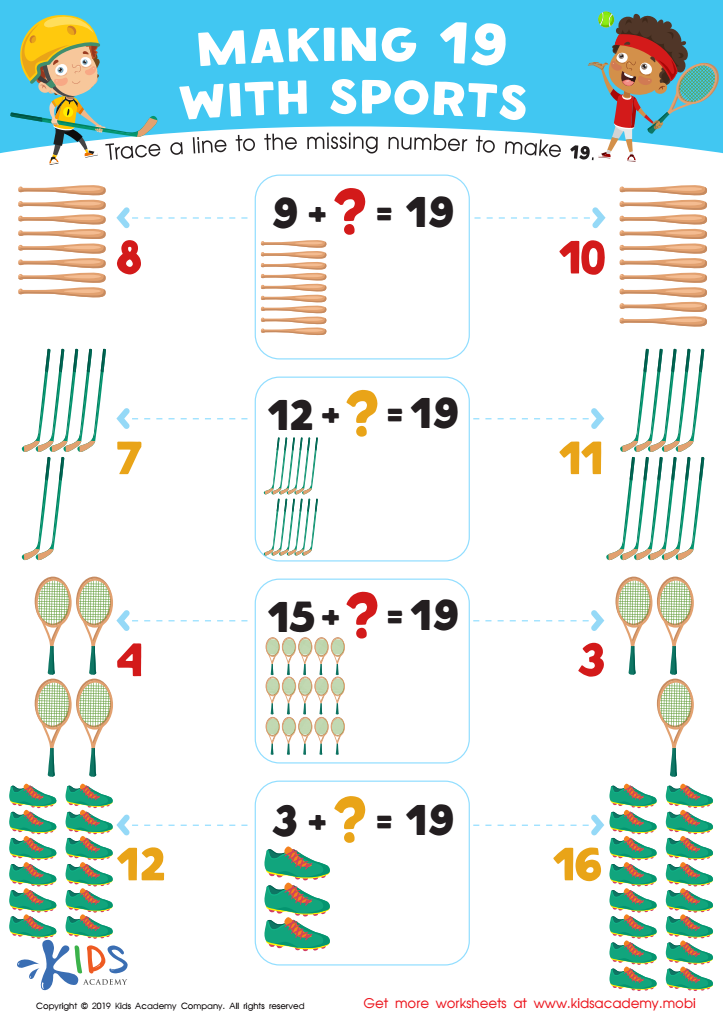
Making 19 with Sports Worksheet
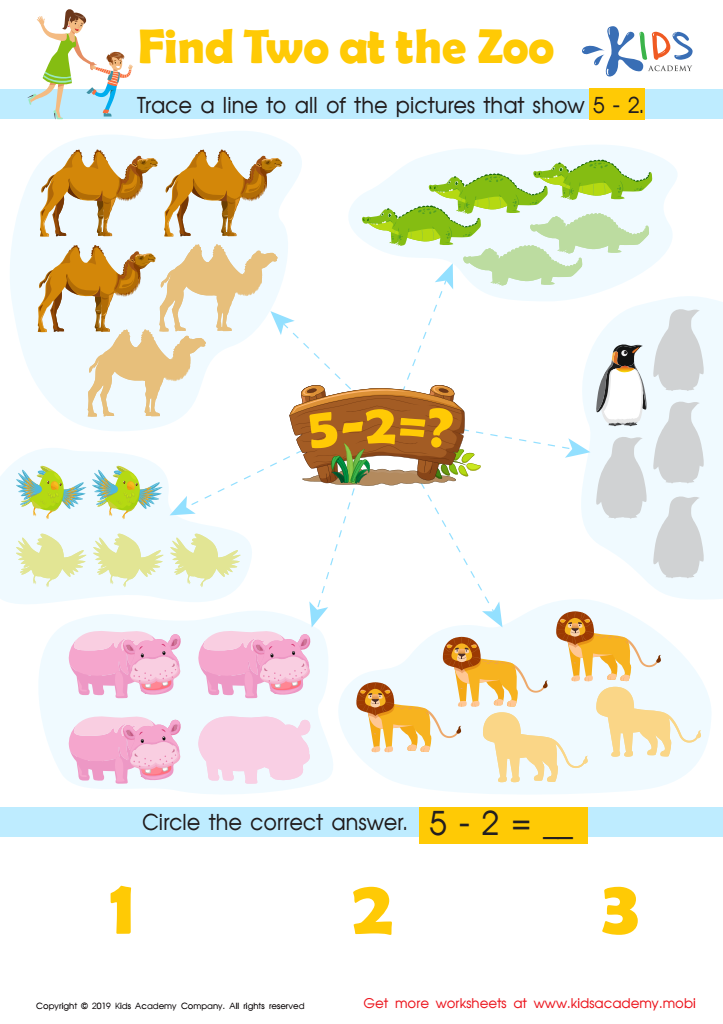
Find Two at the Zoo Worksheet
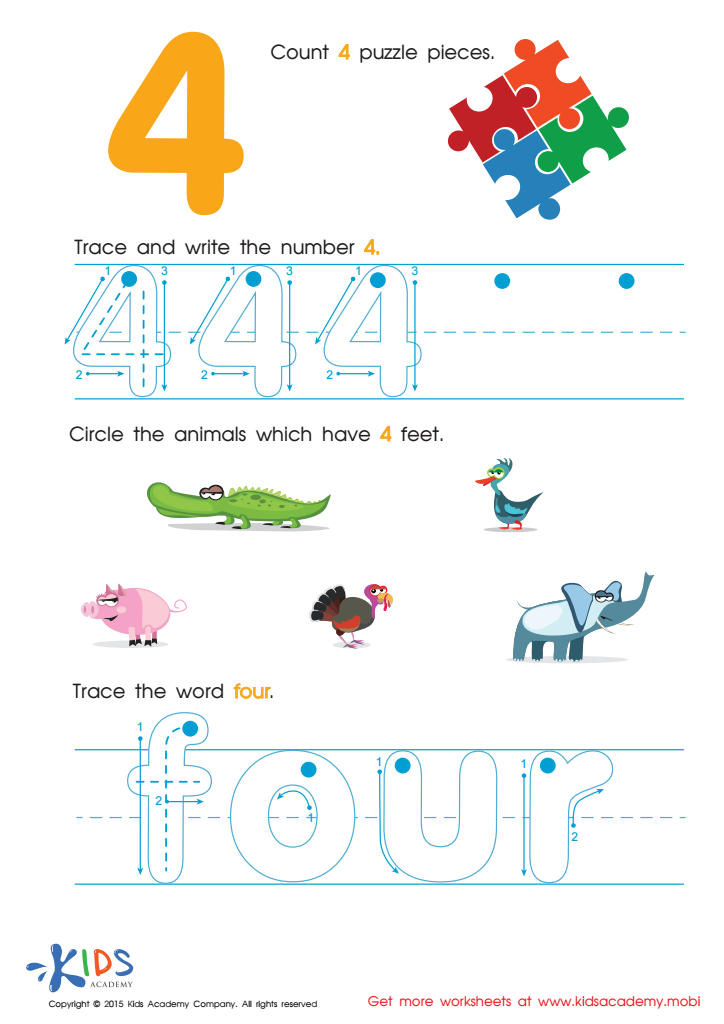
Teaching Children to Write Number 4 Worksheet
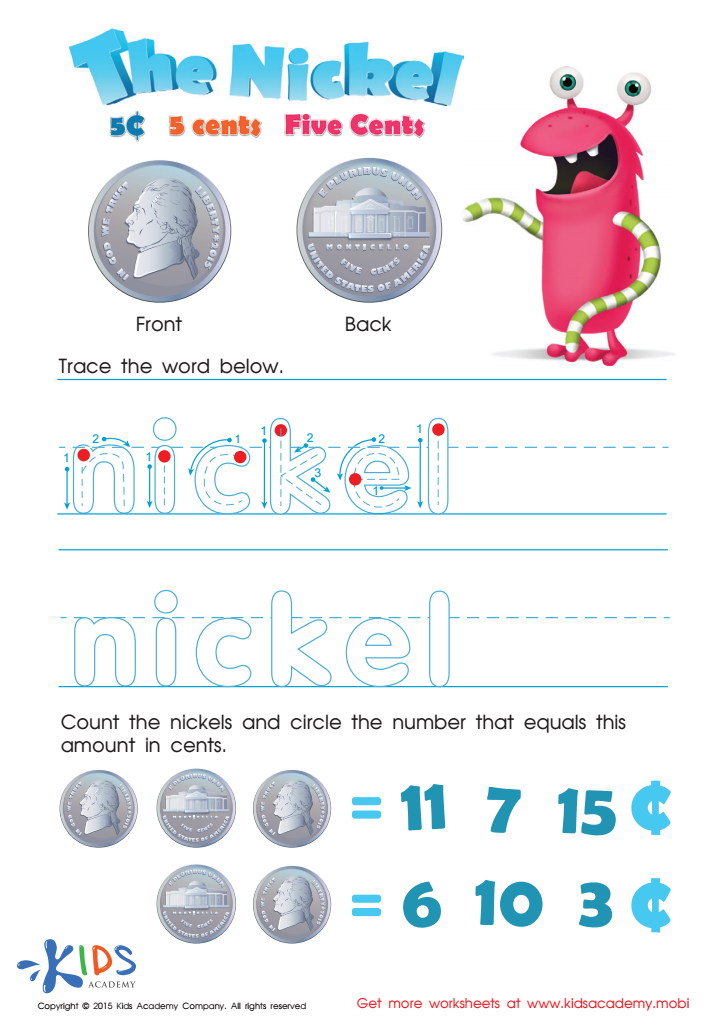
Five Cents or the Nickel Money Worksheet
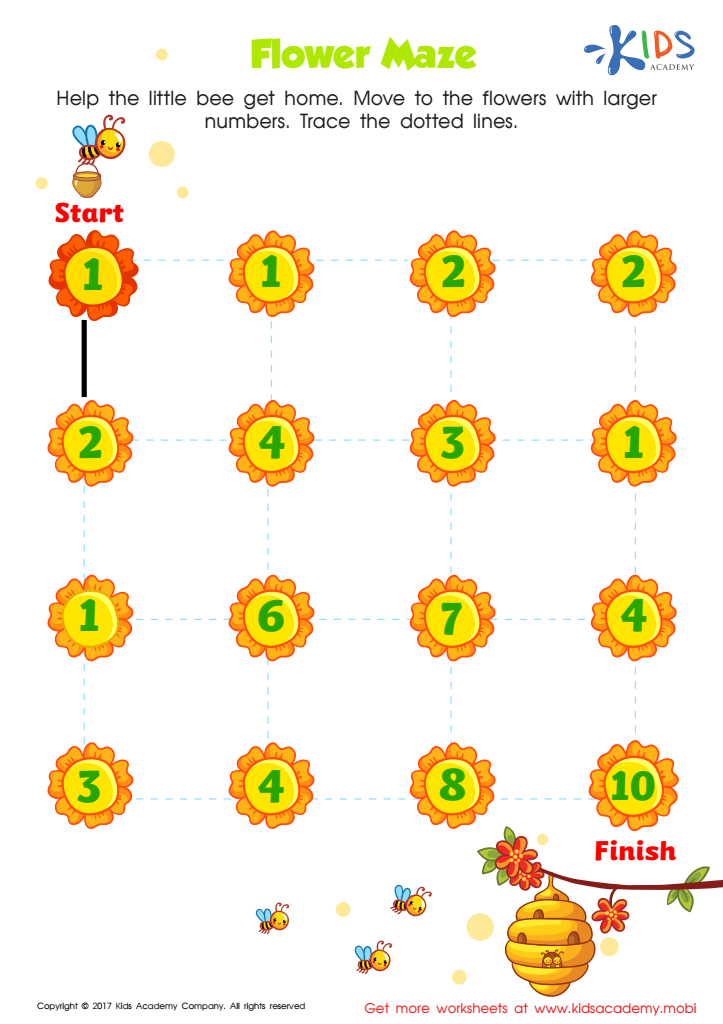
Number Maze For Kindergarten Printable
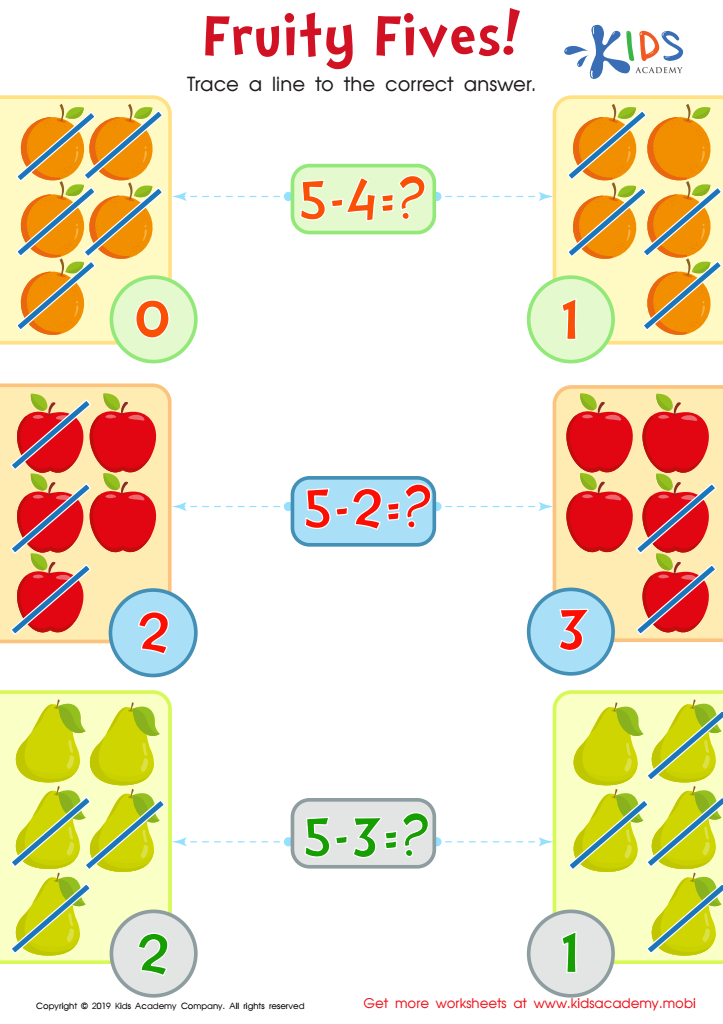
Fruity Fives! Worksheet
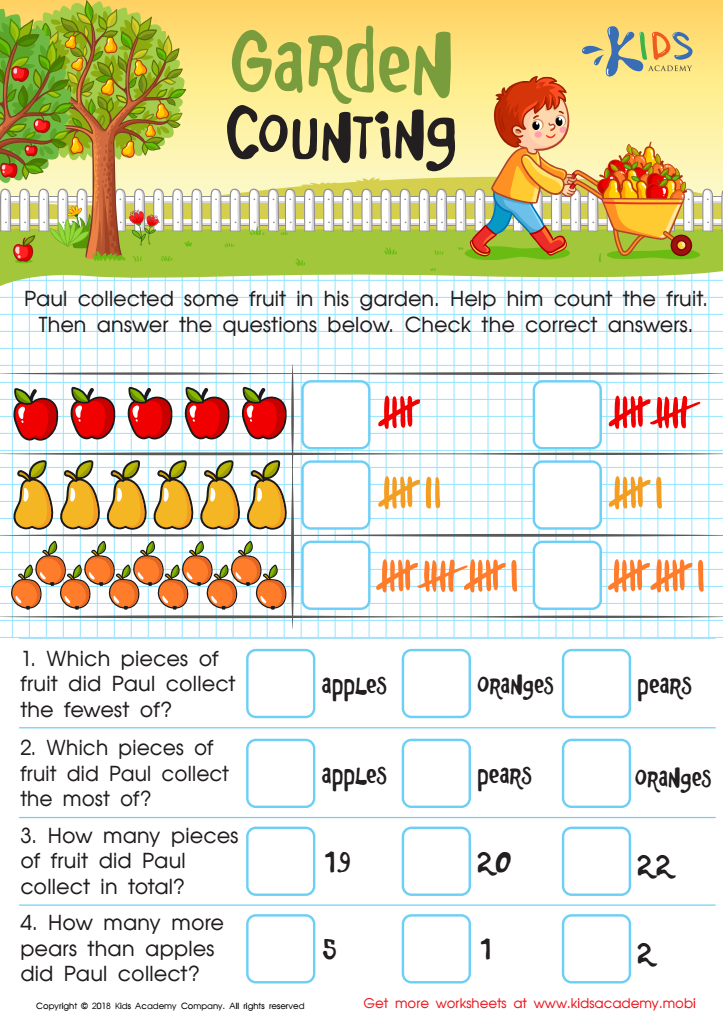
Garden Counting Worksheet
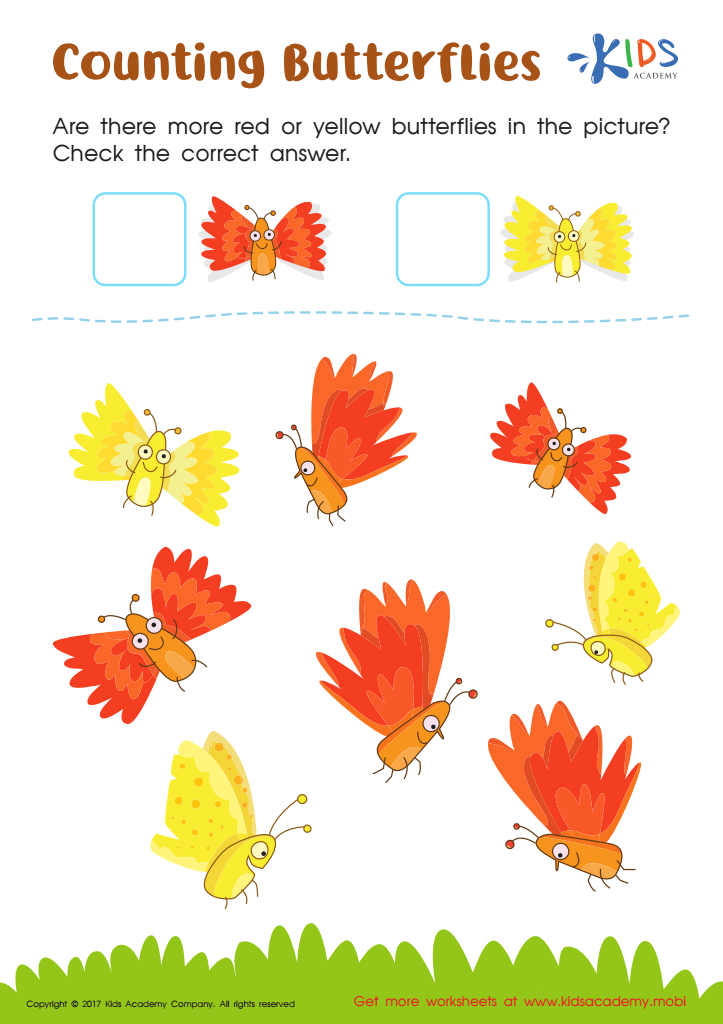
Counting Butterflies Worksheet
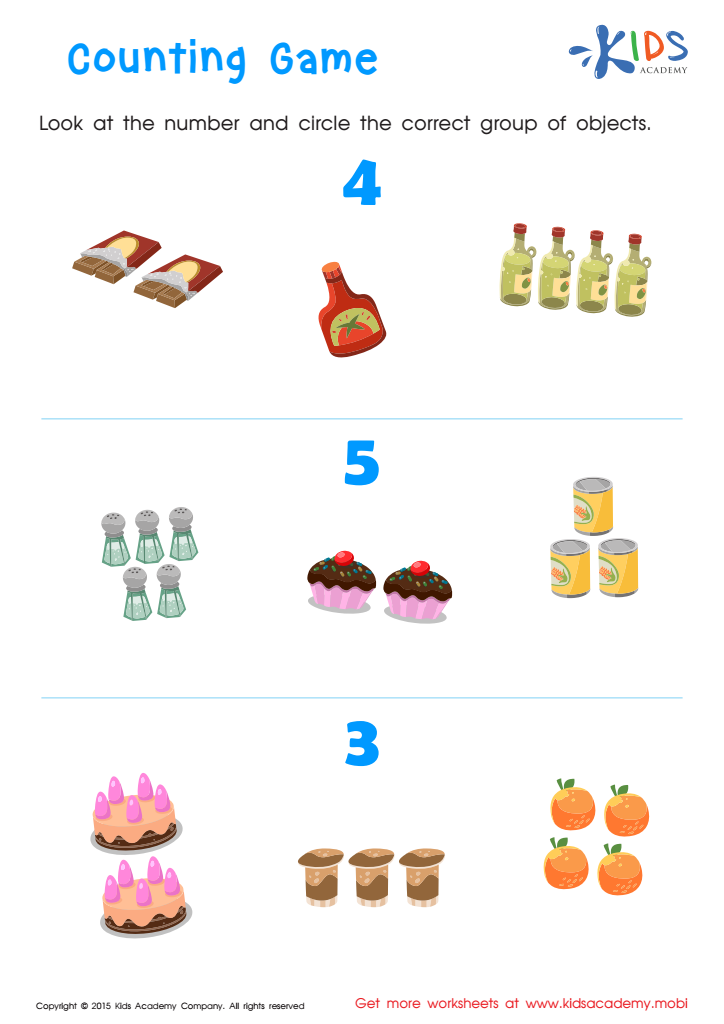
Counting Worksheet
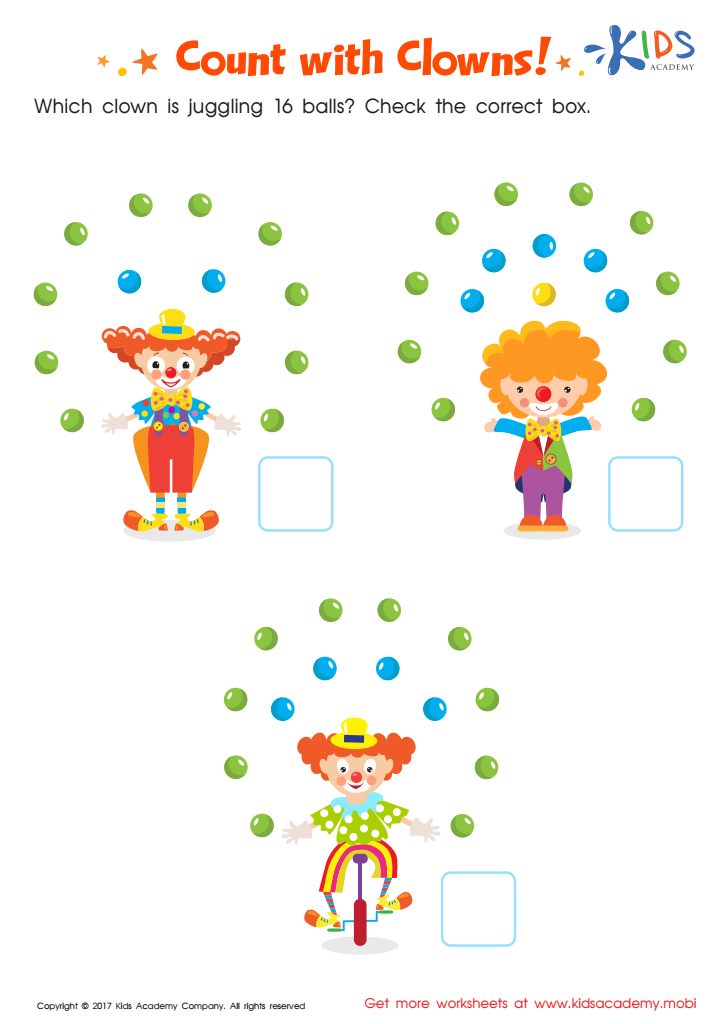
Count with Clowns Worksheet
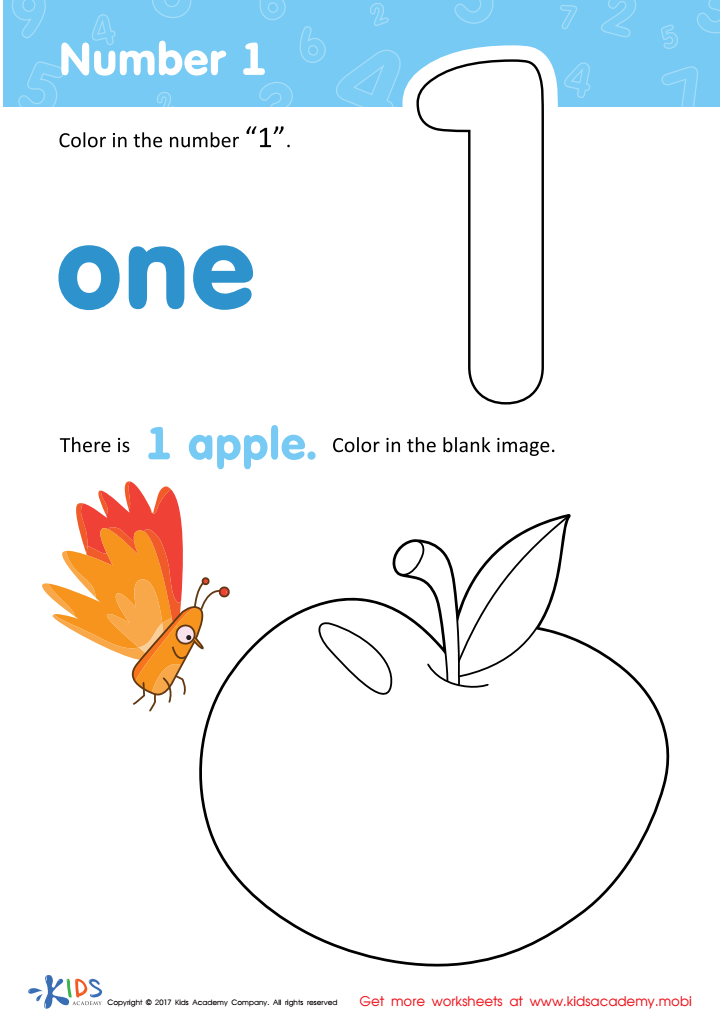
Number 1 Printable
 Assign to My Students
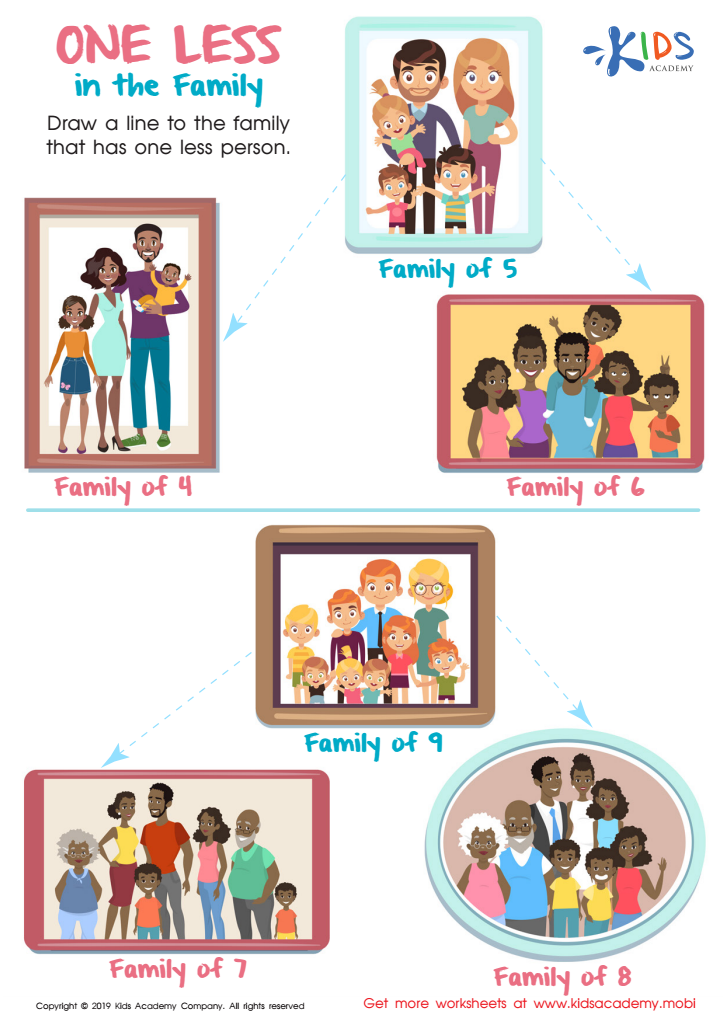
One Less in the Family Worksheet
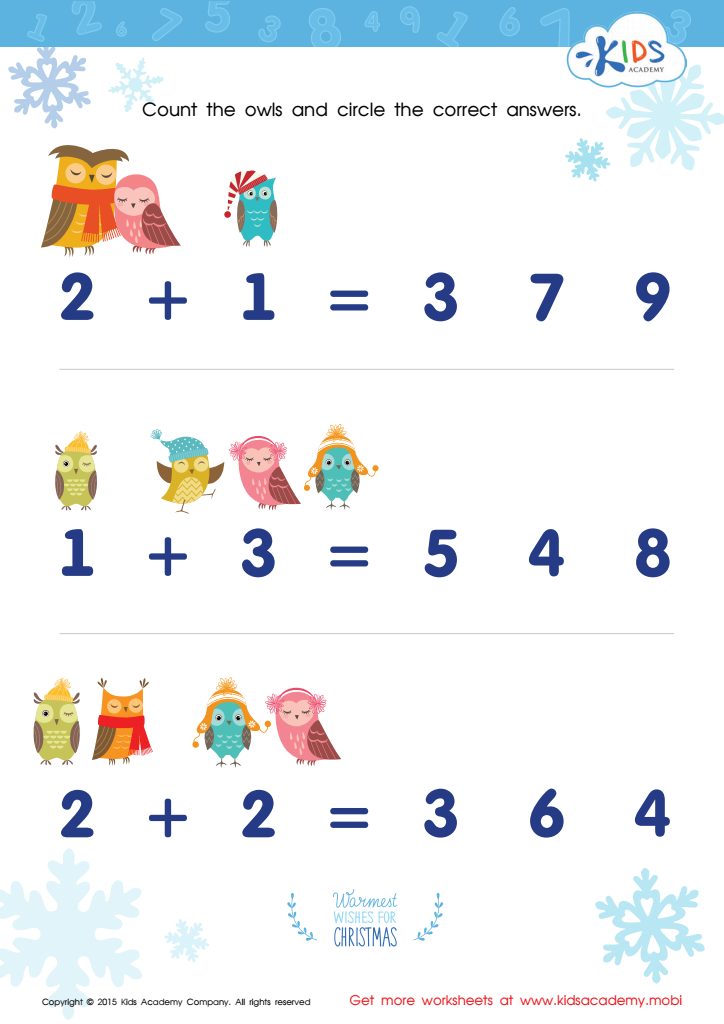
Count Little Owls Worksheet
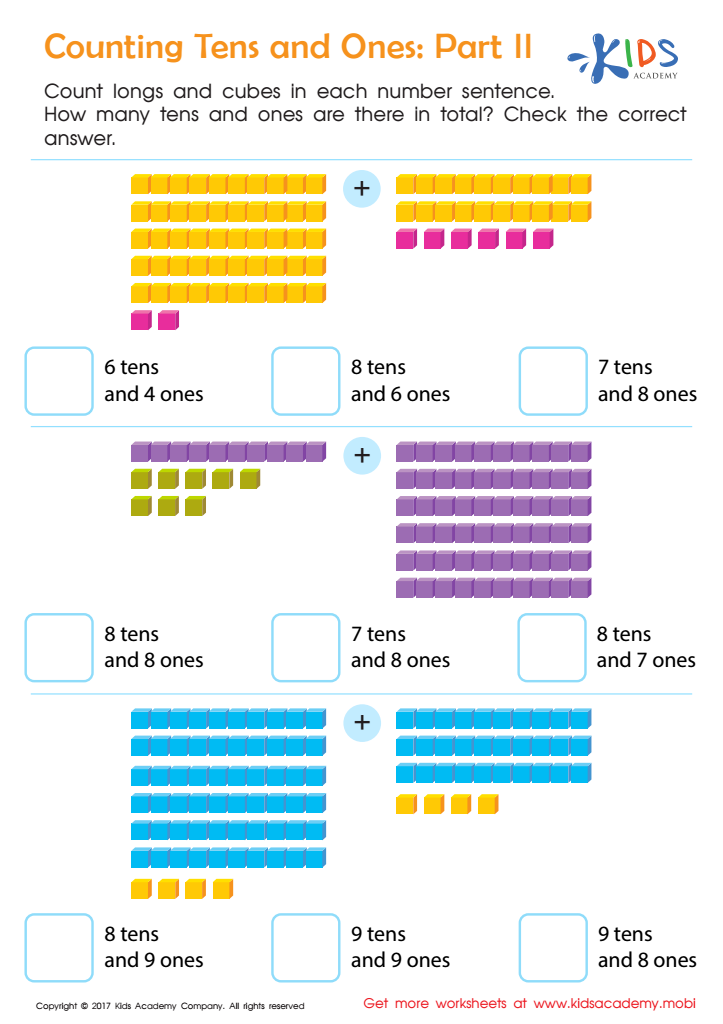
Counting Tens and Ones: Part 2 Worksheet
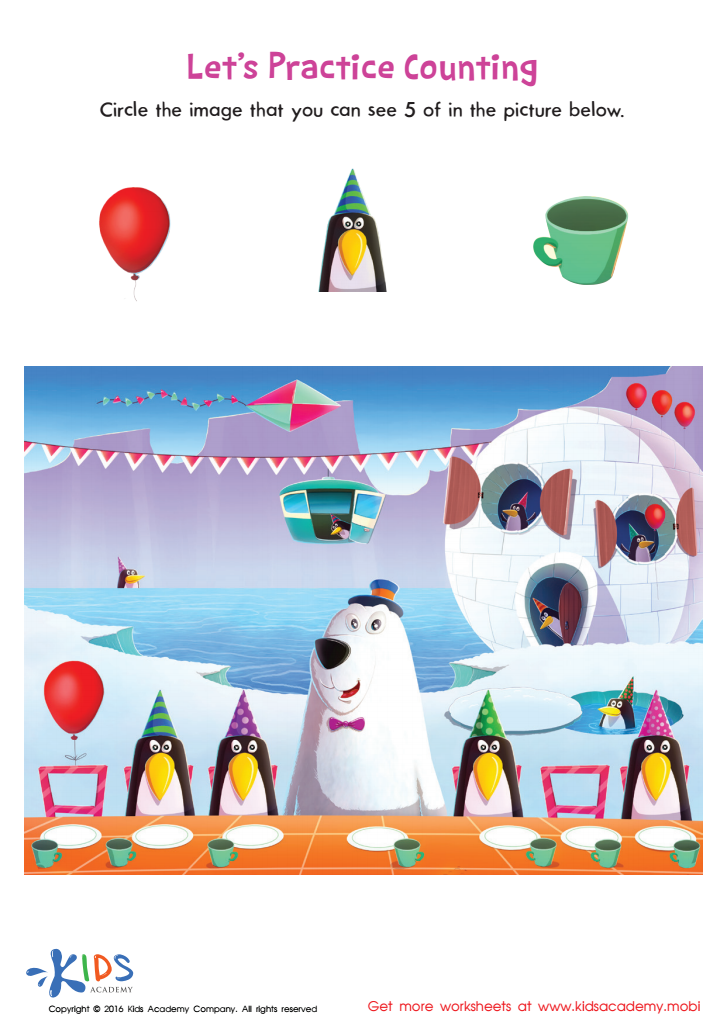
Counting Worksheet: Let's Practice Counting
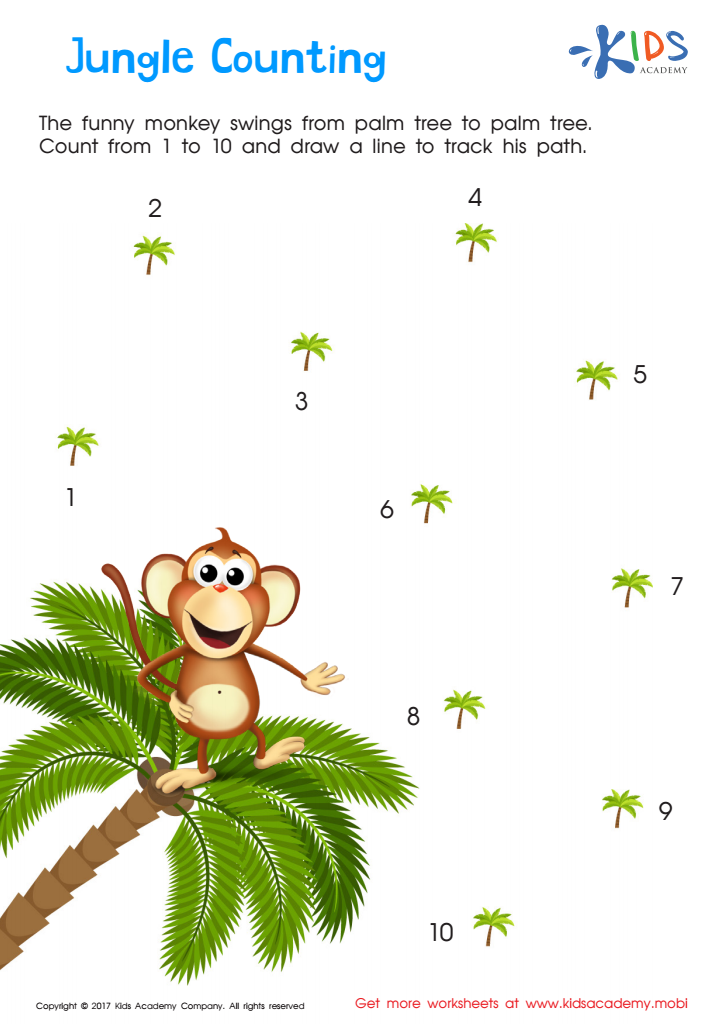
Jungle Counting Connect Dots Worksheet
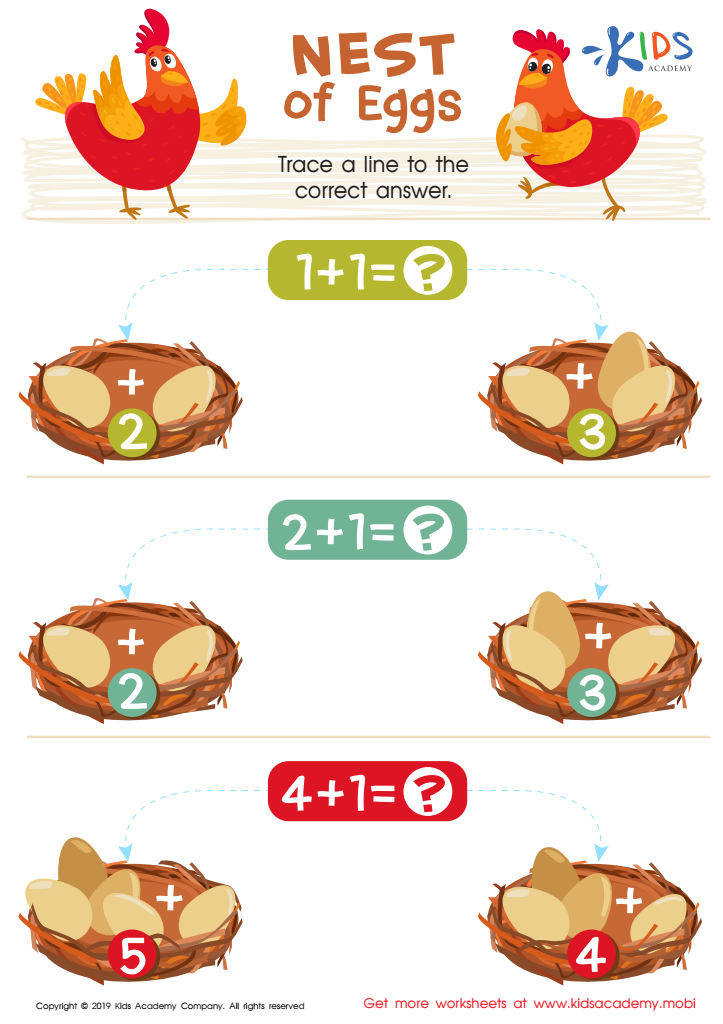
Nest of Eggs Worksheet
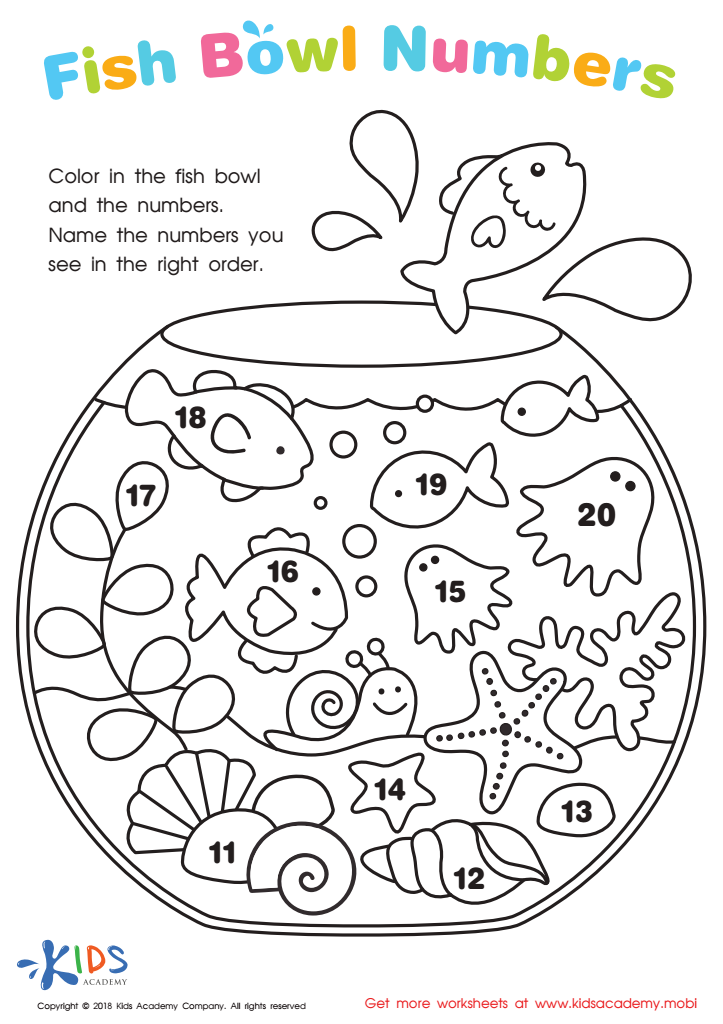
Fish Bowl Numbers Worksheet
Assign to My Students
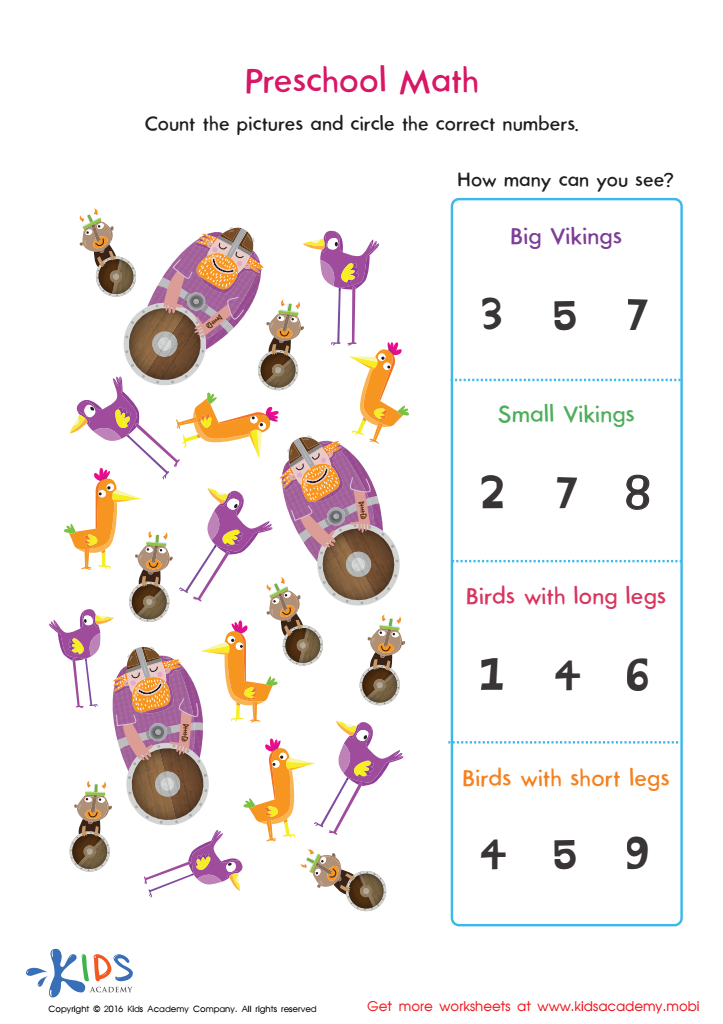








Counting skills are fundamental building blocks for young children's math development. For ages 5-6, advancing these skills through extra challenge math exercises creates a strong foundation for future learning. Parents and teachers must recognize this phase as critical for several reasons.
Firstly, engaging in challenging math activities fosters critical thinking and problem-solving skills. When children encounter problems that extend beyond rote counting, they develop the capacity to think logically, recognize patterns, and grasp basic concepts of addition and subtraction early on. These cognitive skills are transferable to other subjects and areas of life.
Secondly, counting activities enhance a child's number sense, building familiarity and comfort with numbers. This comfort enables children to handle more complex math problems with confidence as they progress through school. Introducing extra challenges means they won't just memorize numbers but will also understand their significance and relations to one another.
Lastly, cultivating a positive attitude toward math at an early age leads to sustained interest and better performance in the subject. Extra challenges can make learning fun and satisfying, creating a sense of achievement. Early success in math instills confidence, reducing anxiety and building resilience in facing difficult tasks.
By investing in advanced counting skills, parents and teachers set children up for academic success and a lifelong appreciation of math.