Alphabet Recognition Extra Challenge Worksheets for Ages 5-7
6 filtered results
-
From - To
Boost your child's alphabet skills with our Alphabet Recognition Extra Challenge Worksheets, designed for ages 5-7. These fun, engaging worksheets help young learners master letter identification and phonics, ensuring a strong literacy foundation. Packed with challenging and interactive activities, they transform traditional learning into an exciting adventure. Ideal for both classroom and at-home practice, our worksheets promote critical thinking and letter association, paving the way for confident readers and writers. Download today to make learning an alphabet fun and rewarding experience.
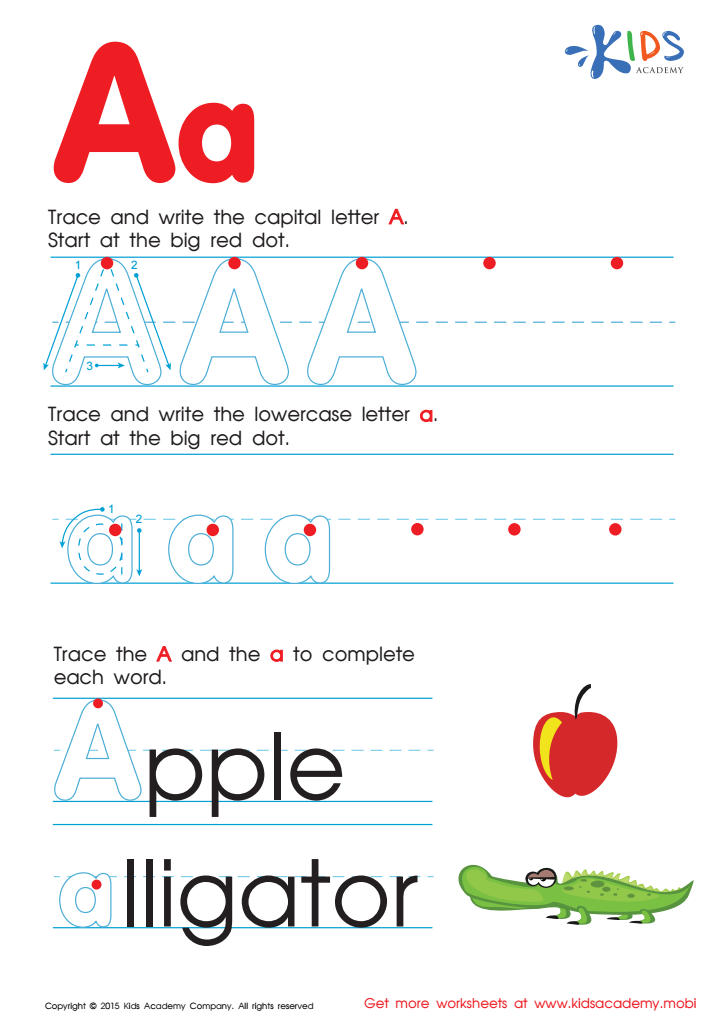
Letter A Tracing Page
 Assign to My Students
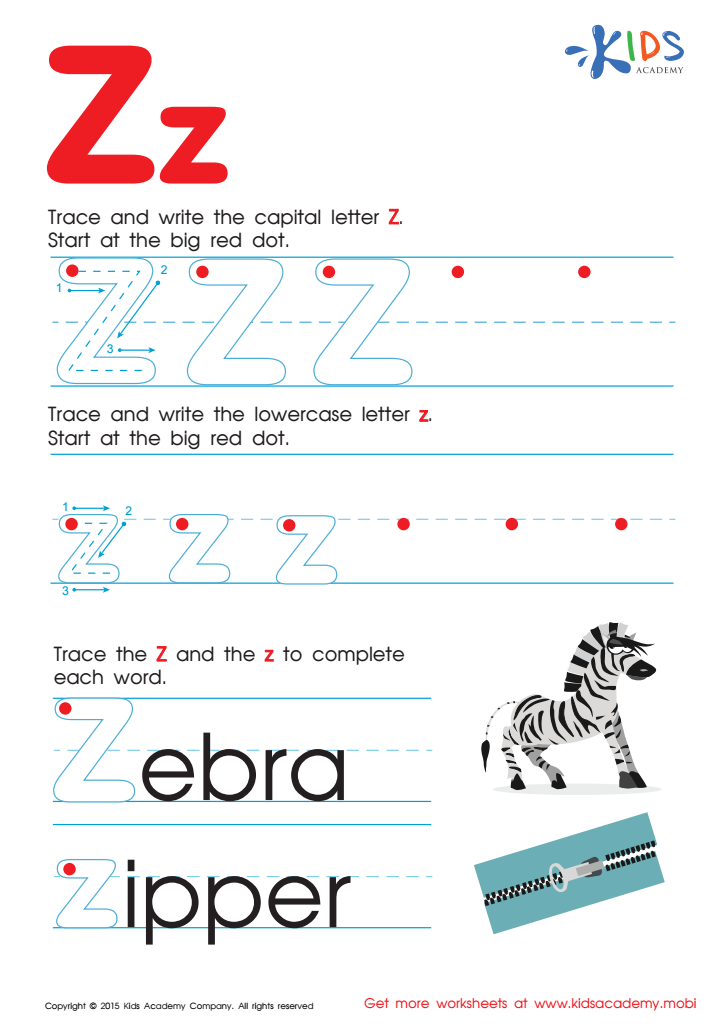
Letter Z Tracing Page
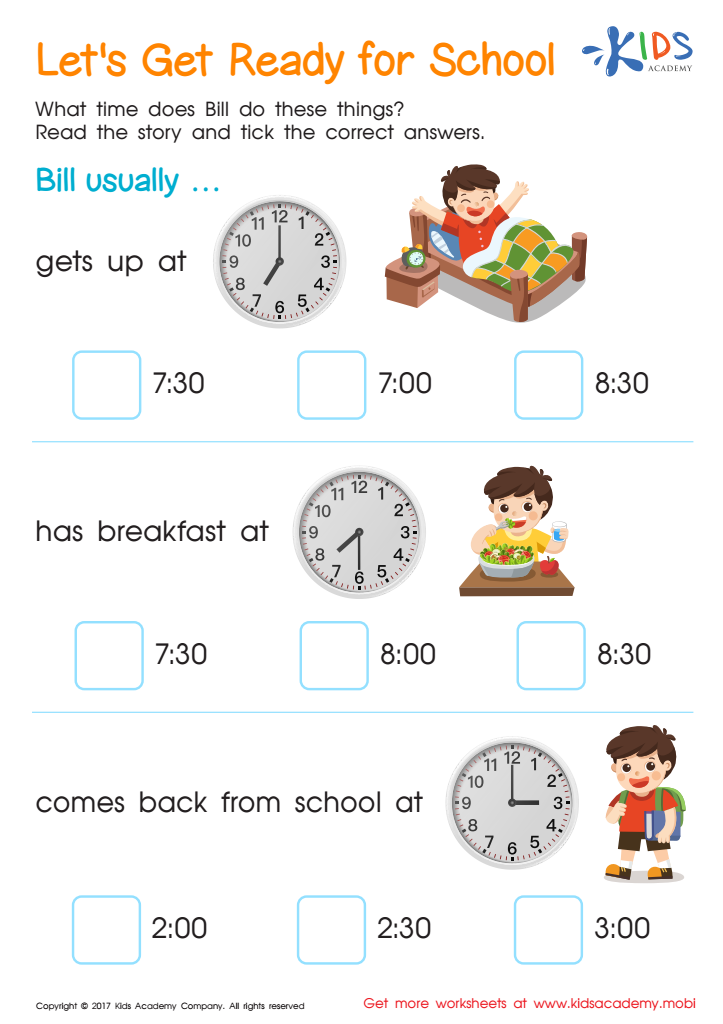
Lets Get Ready For School Time Printable
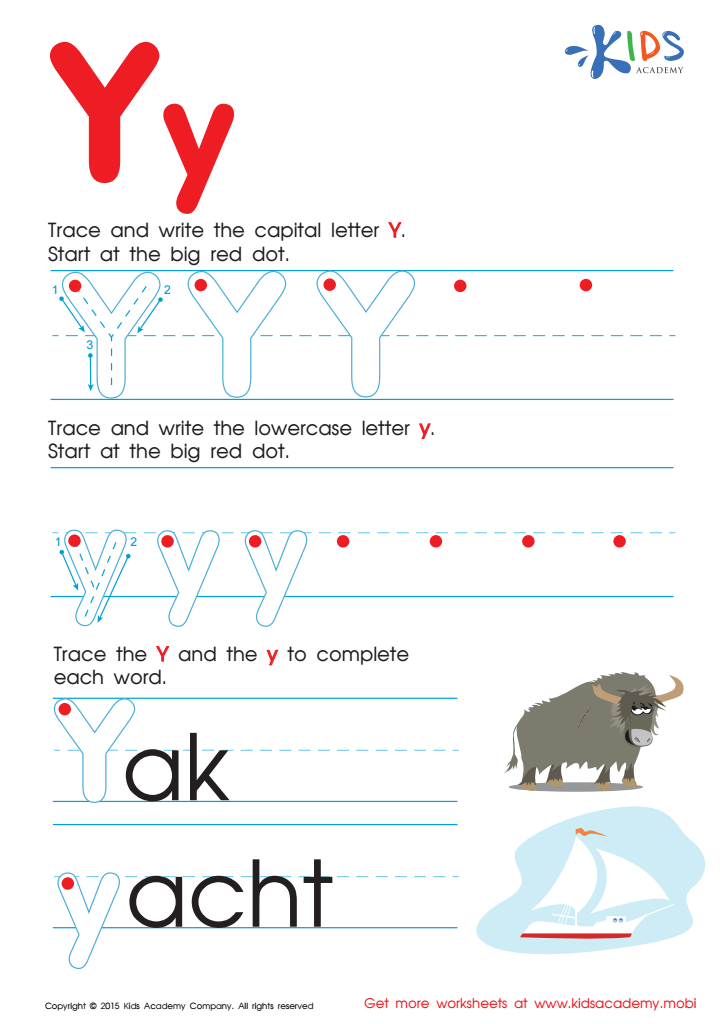
Letter Y Tracing Page
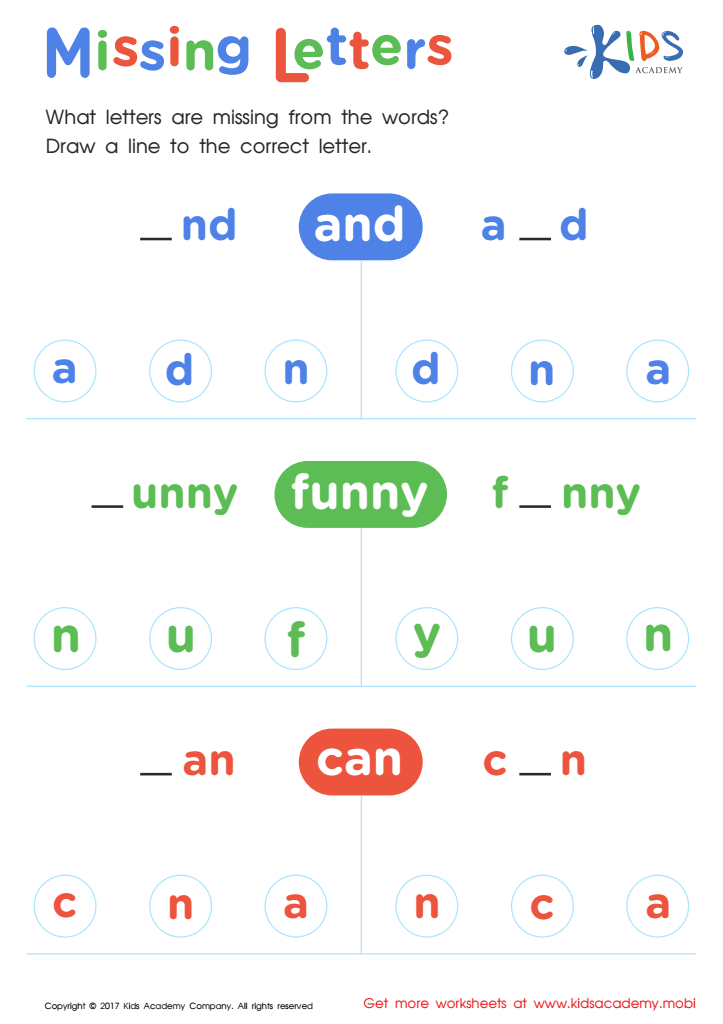
Missing Letters Worksheet
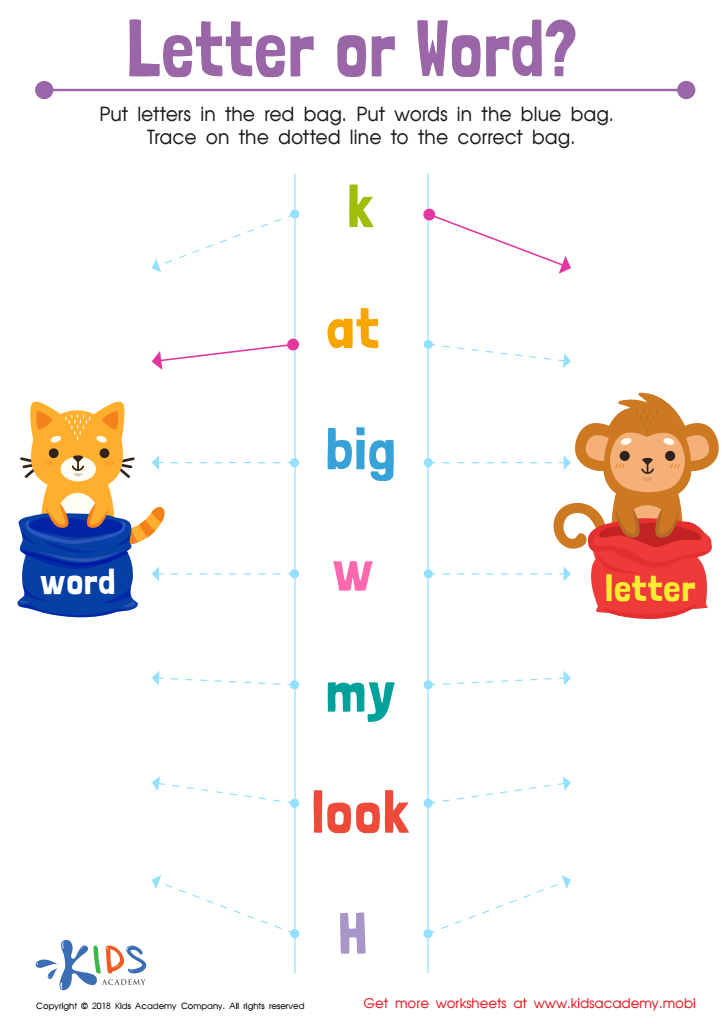
Letter or Word? Worksheet







Alphabet recognition is a foundational skill that forms the cornerstone of early literacy and language development. The Alphabet Recognition Extra Challenge for Ages 5-7 is critically important for both parents and teachers to support, as it offers enhanced opportunities to solidify these fundamental capabilities. At this crucial age range, children are typically in kindergarten to second grade, where they move from recognizing letters to understanding how those letters form words and convey meaning.
By engaging with advanced recognition activities, children develop better visual and auditory discrimination, essential for successful reading and writing. Early mastery of alphabet knowledge can accelerate a child's ability to decode new words, supporting fluent reading. This, in turn, fosters comprehension and a love for reading. Moreover, these extra challenges often incorporate elements of play, gamifying the learning process, making it more enjoyable, and fostering a positive attitude toward literacy tasks.
Active parental or teacher involvement in these challenges also helps monitor progress, identify learning difficulties early, and personalize support to meet children’s unique needs. Cultivating these skills at an early age can lay a strong foundation for academic success, boost confidence, and enhance a lifelong appreciation for learning and literacy. Thus, investing time and effort in alfabet recognition beyond the basics is significantly beneficial for children’s educational trajectories.








