Counting skills Extra Challenge Worksheets for Ages 5-9
55 filtered results
-
From - To
Boost your child's math confidence with our Counting Skills Extra Challenge Worksheets designed for ages 5-9. These engaging, printable activities help children master counting concepts beyond the basics, providing a solid foundation for future math skills. Tailored for different skill levels, our worksheets include fun themes and illustrations, helping children practice number sequences, skip counting, and more. Perfect for classroom use or at-home practice, each worksheet is crafted by expert educators to support your child's growth. Watch as they build confidence and thrive with these captivating challenges. Let's make counting fun and effective together!
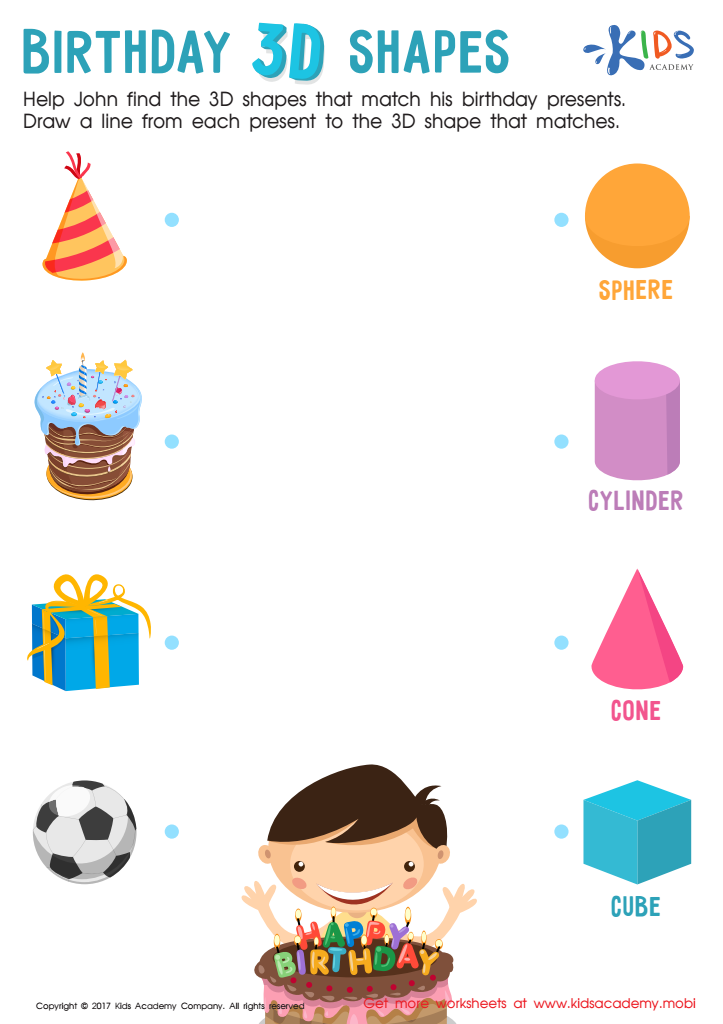
Birthday 3D Shapes Worksheet
 Assign to My Students
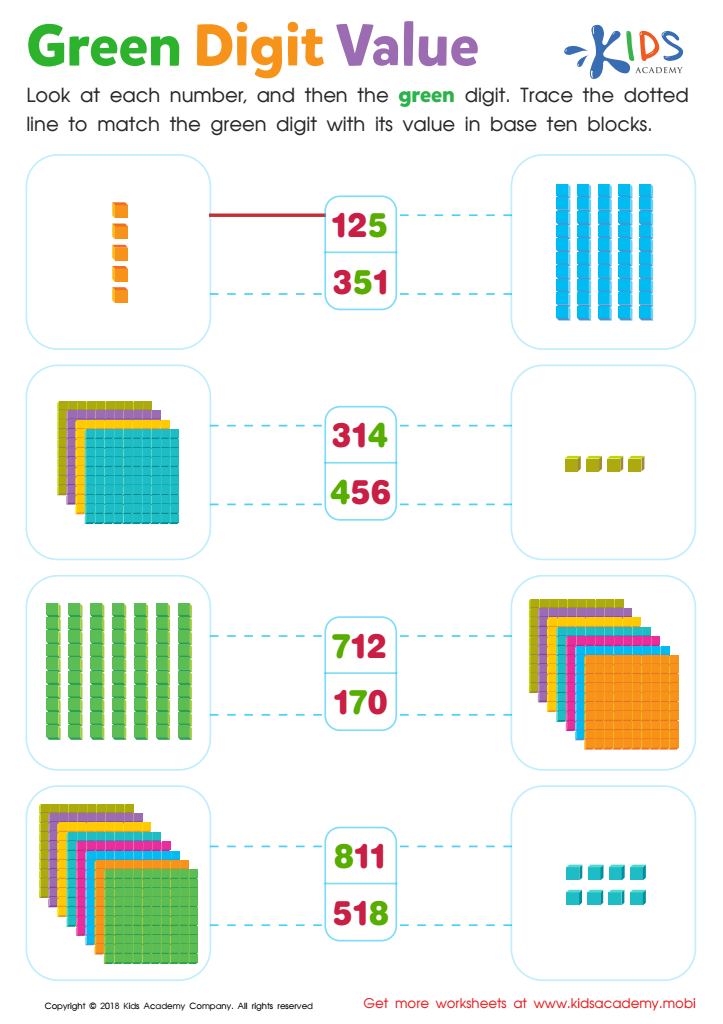
Green Digit Value Worksheet
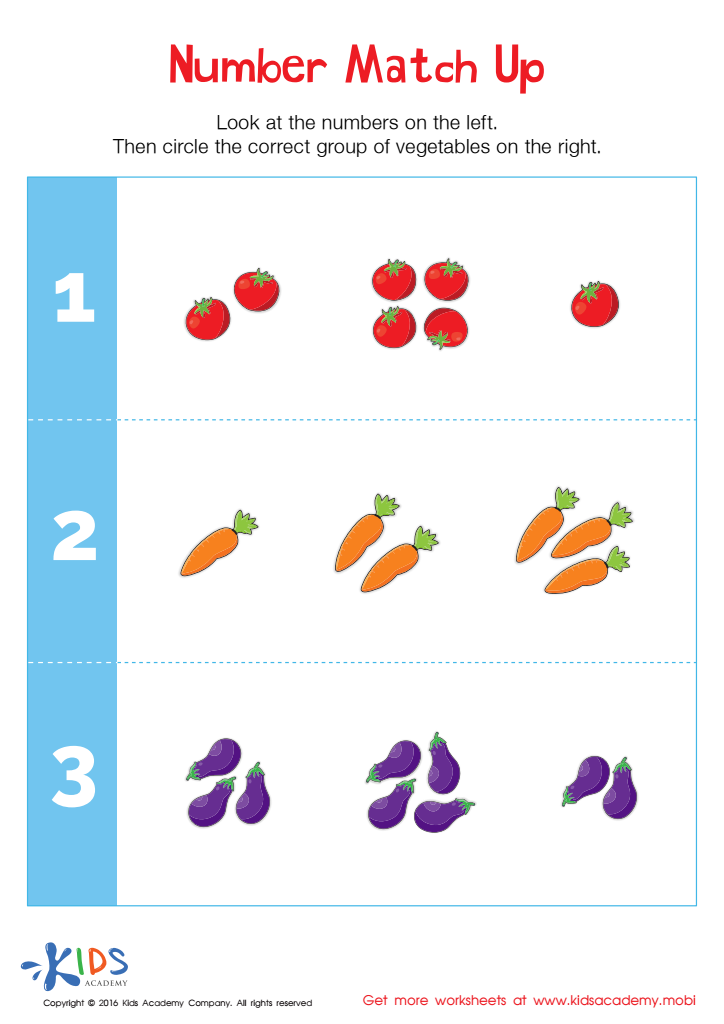
Number Match Up Worksheet
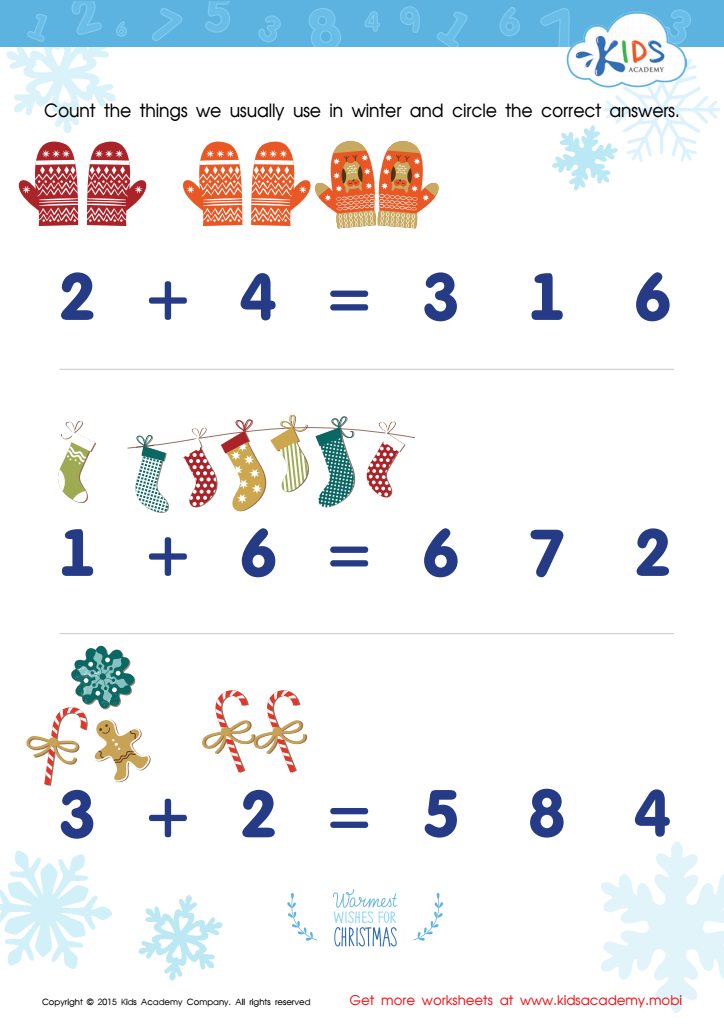
Count Winter Things Worksheet
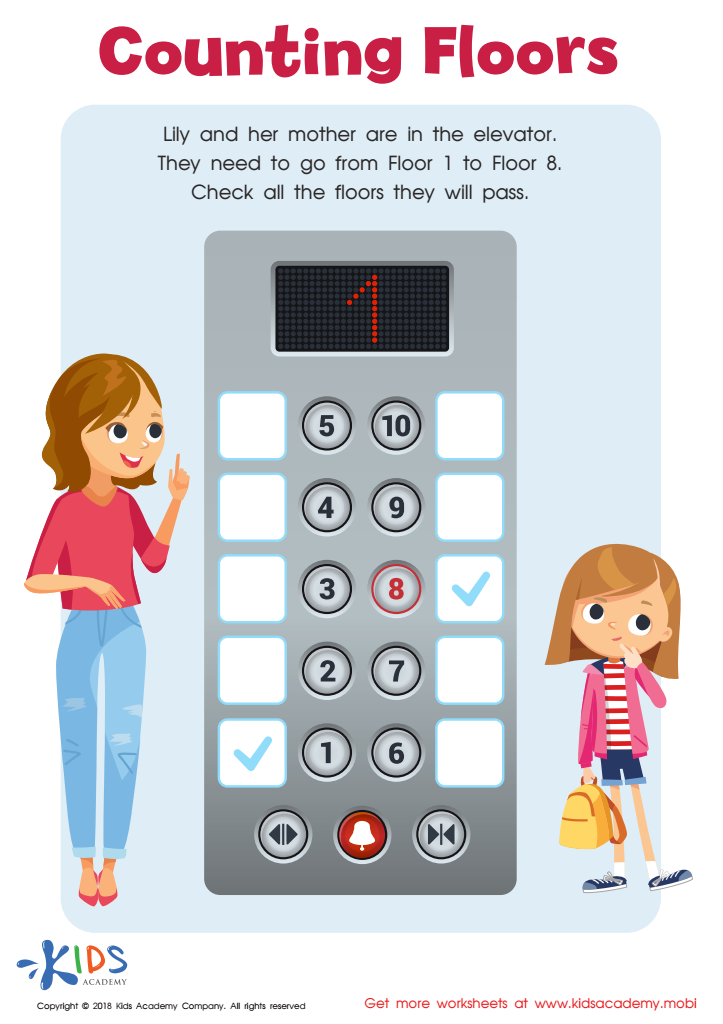
Counting Floors Worksheet
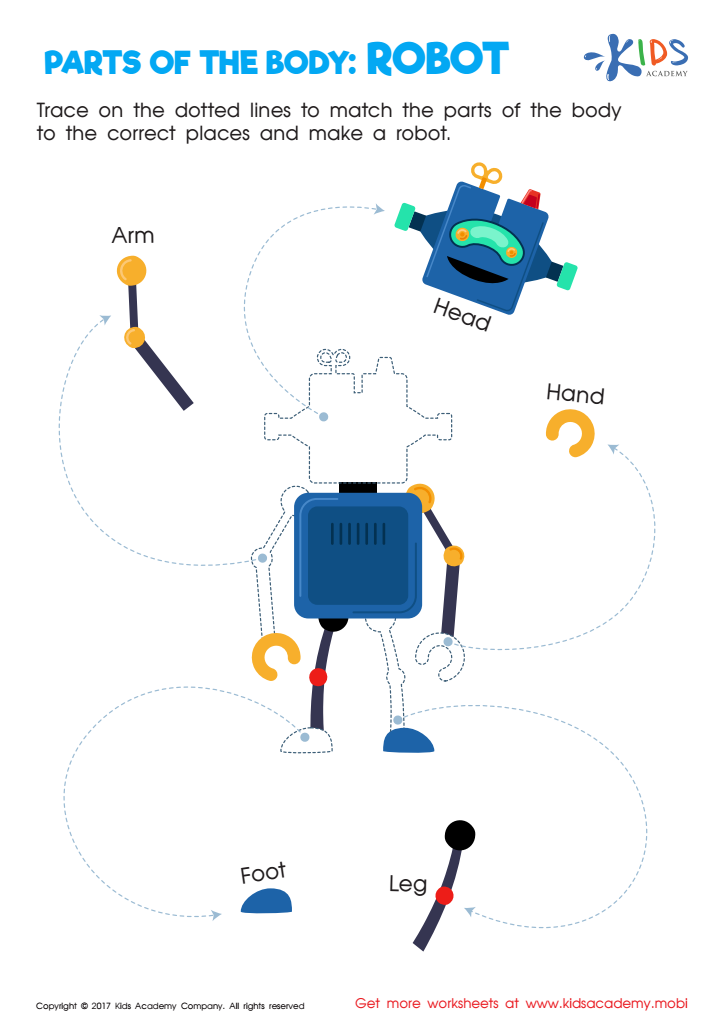
Robot Printable
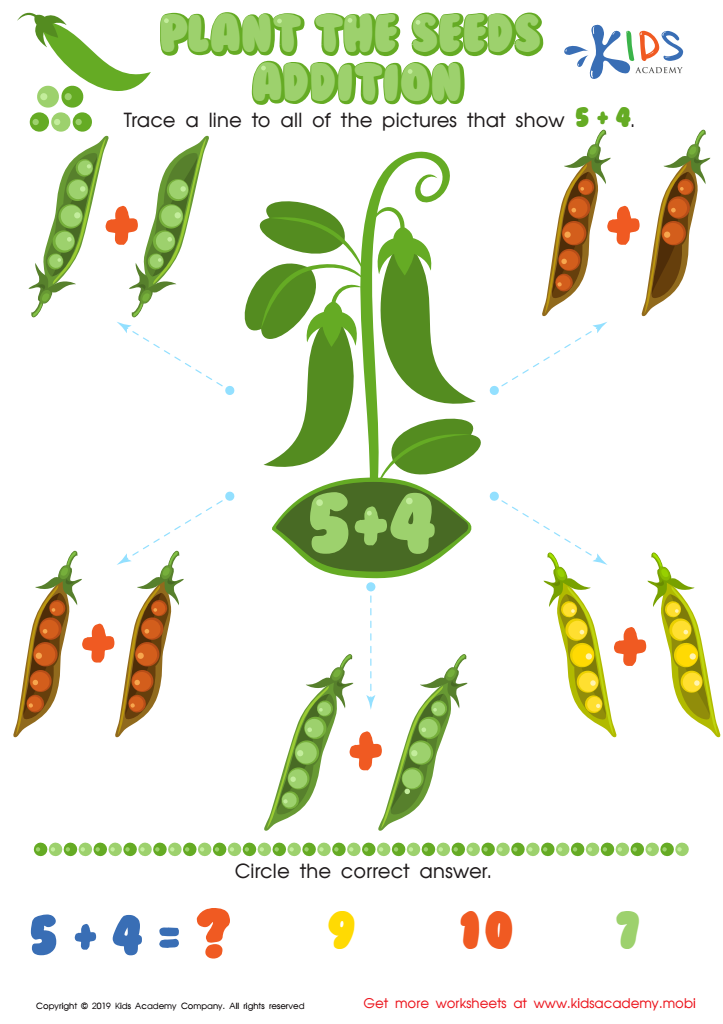
Plant the Seeds Addition Worksheet

Count and Match Vegetables 1 – 7 Math Worksheet
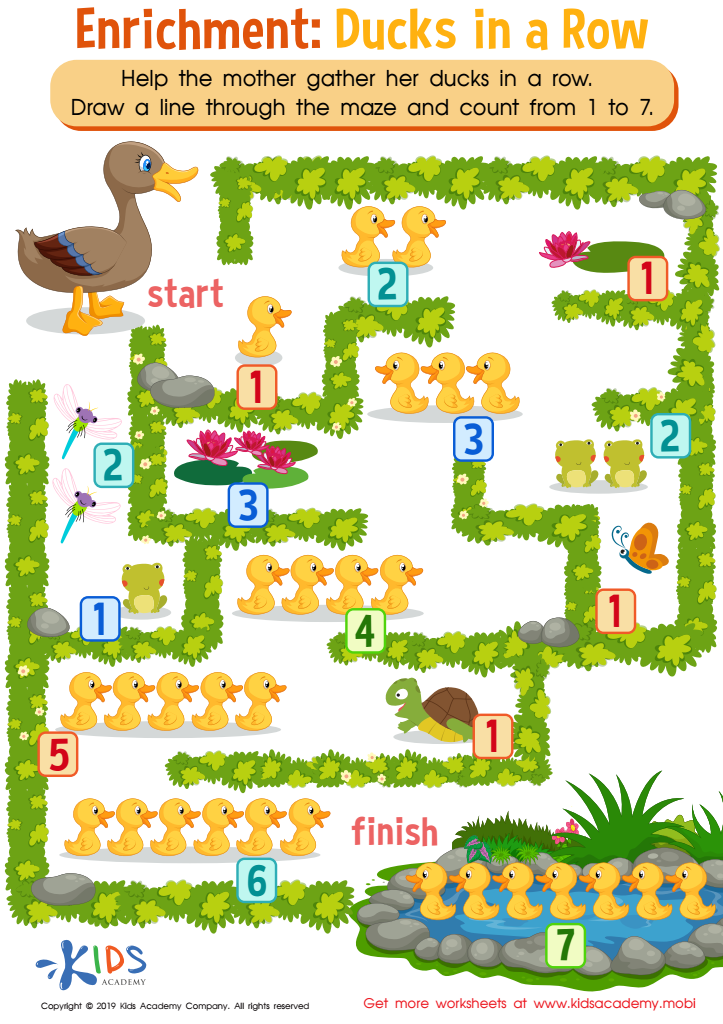
Ducks in a Row Worksheet
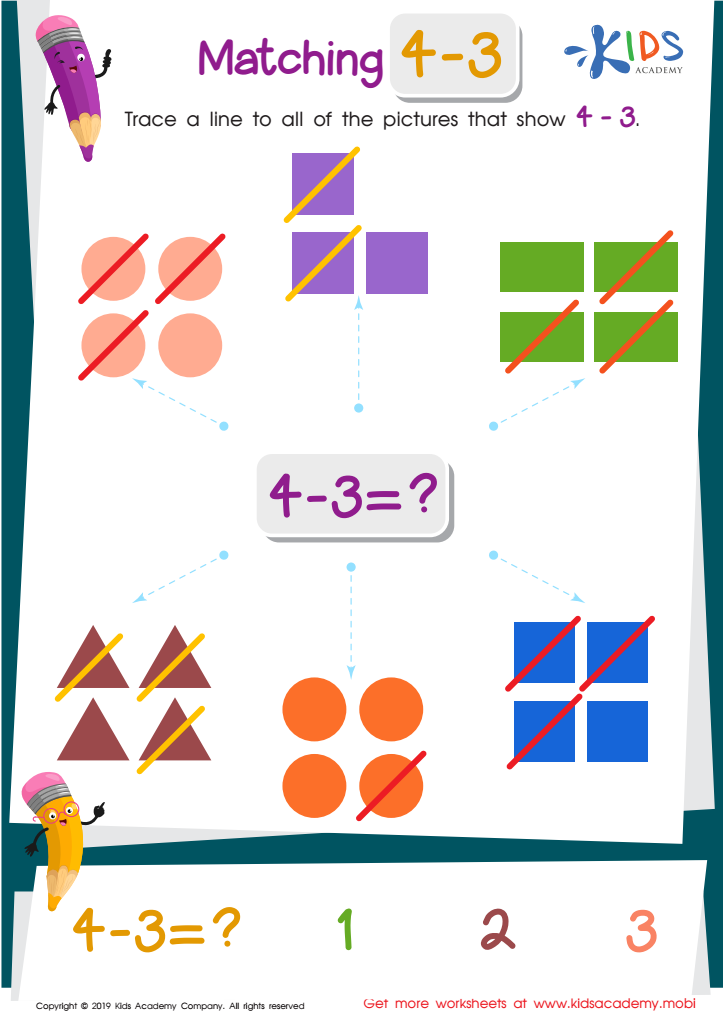
Matching 4 – 3 Worksheet
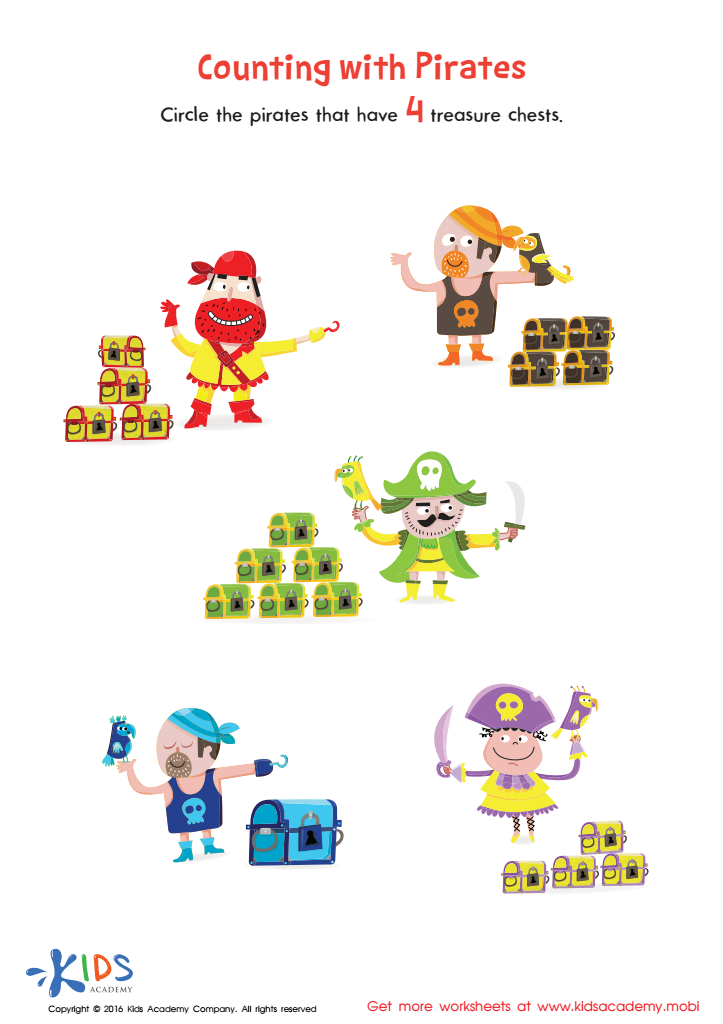
Counting With Pirates Worksheet
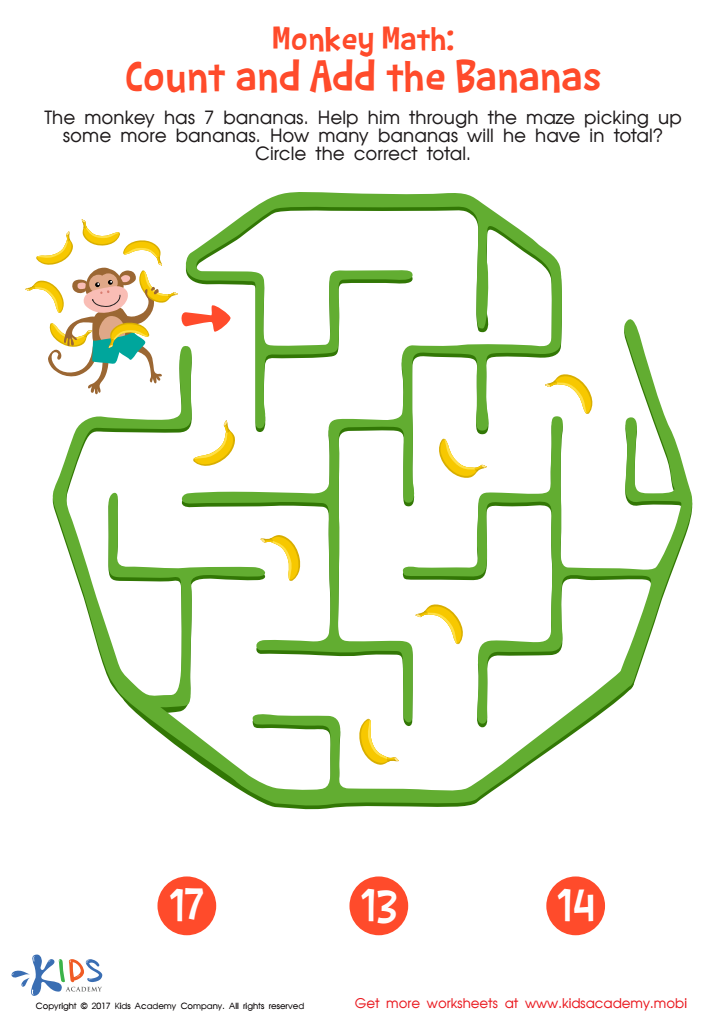
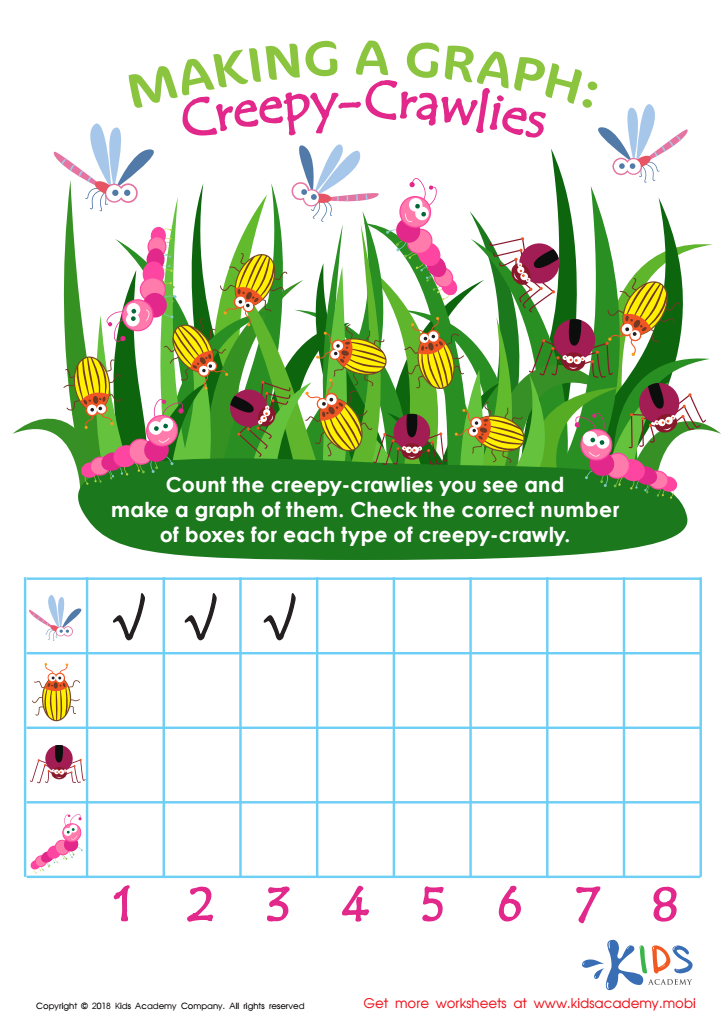
Making a Graph: Creepy Crawlies Worksheet
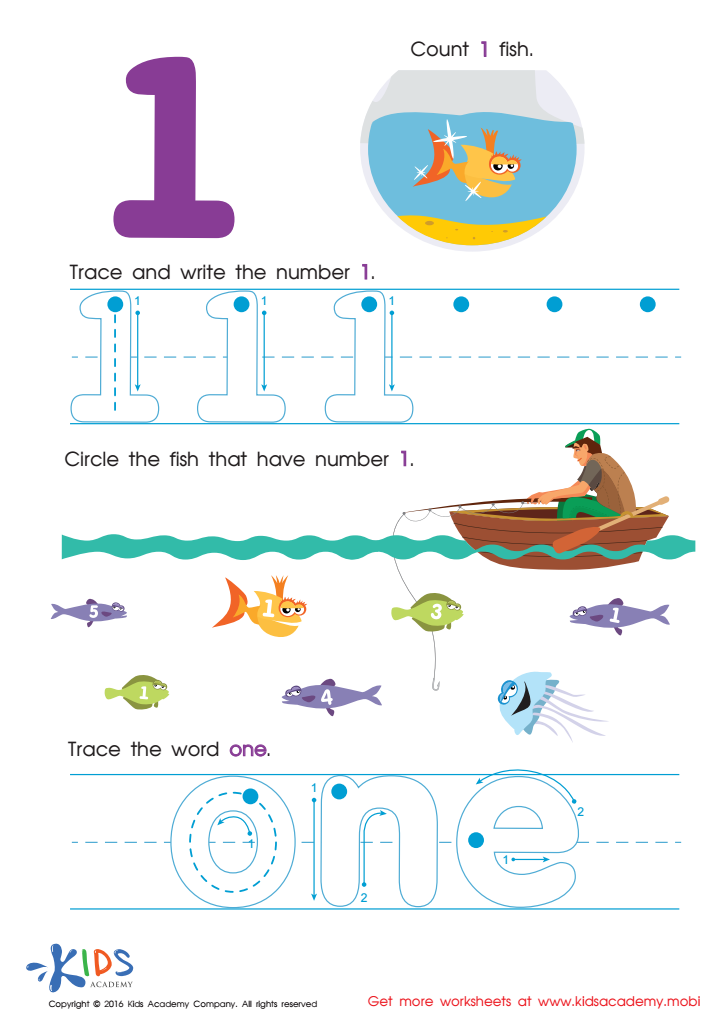
Learning to Write 1 Worksheet
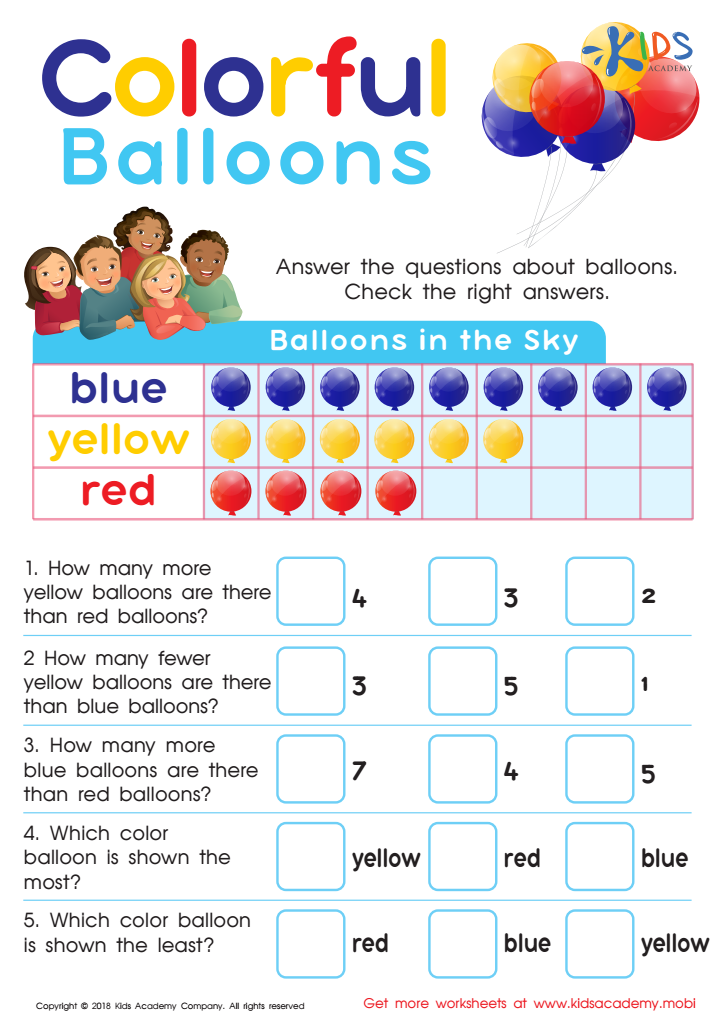
Picture Graphs: Colorful Balloons Worksheet
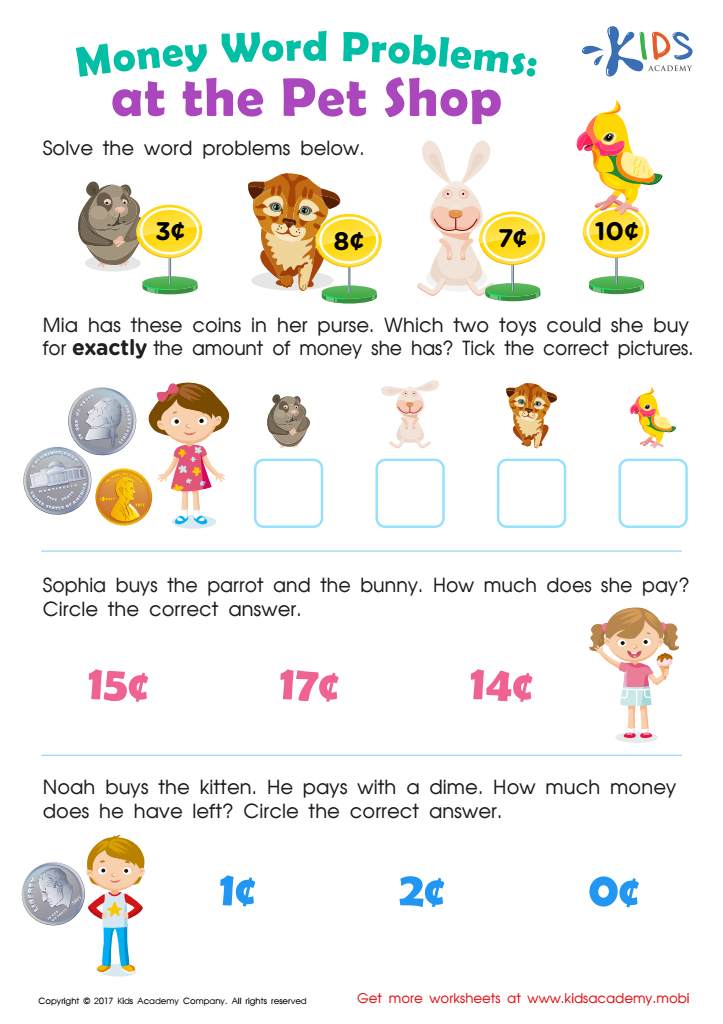
Pet Shop Worksheet
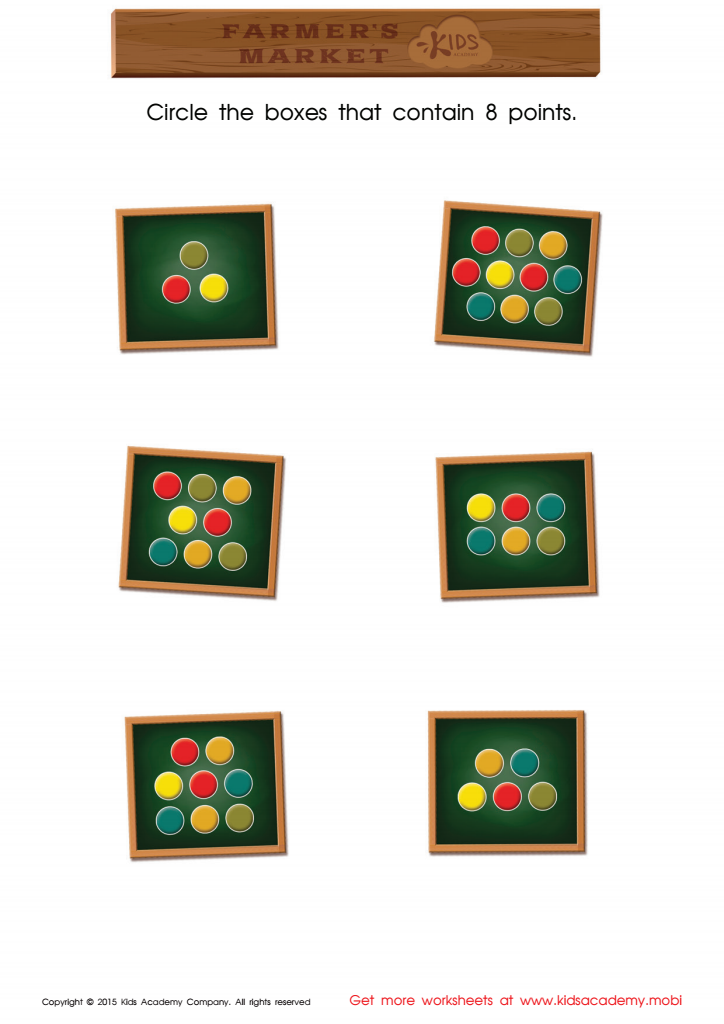
Count and Match Points 8 Math Worksheet
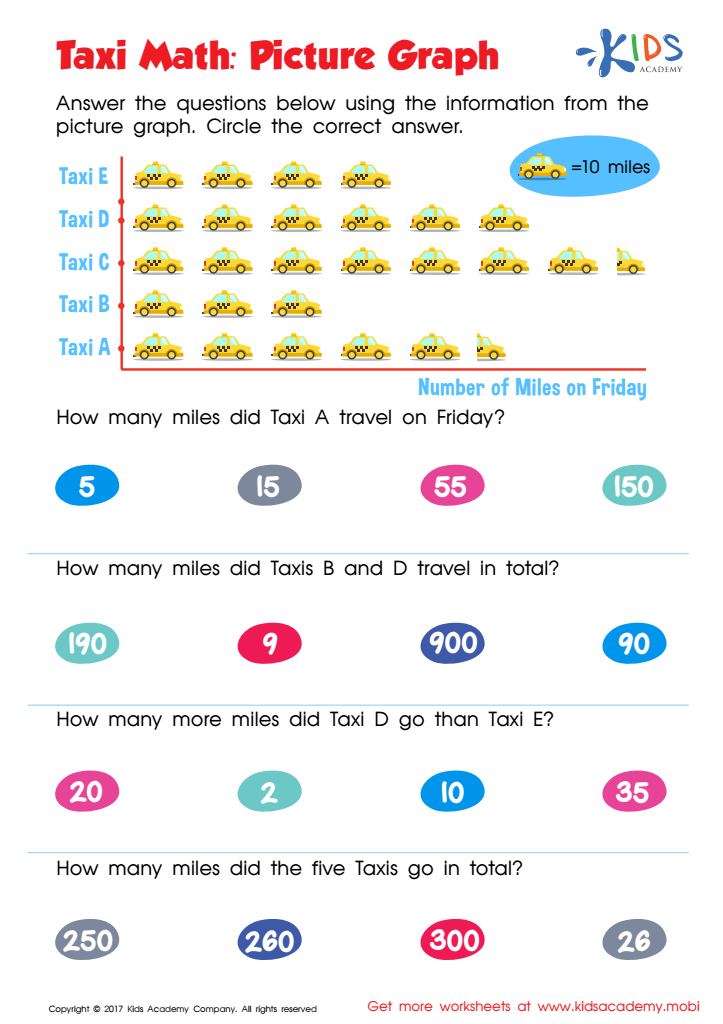
Taxi Math Worksheet
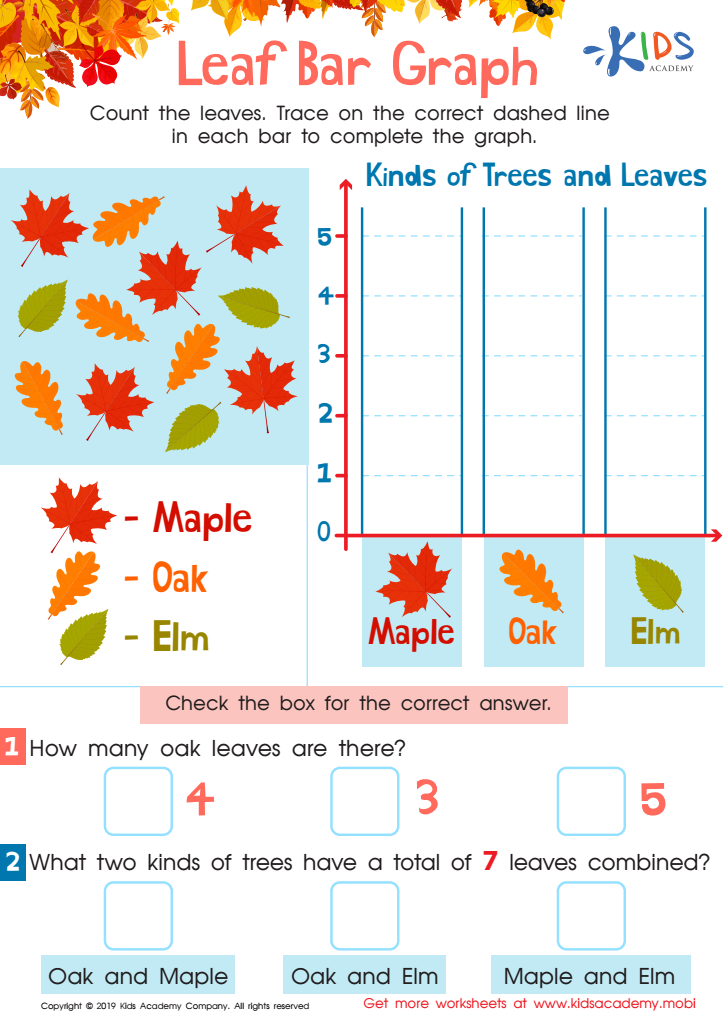
Leaf Bar Graph Worksheet
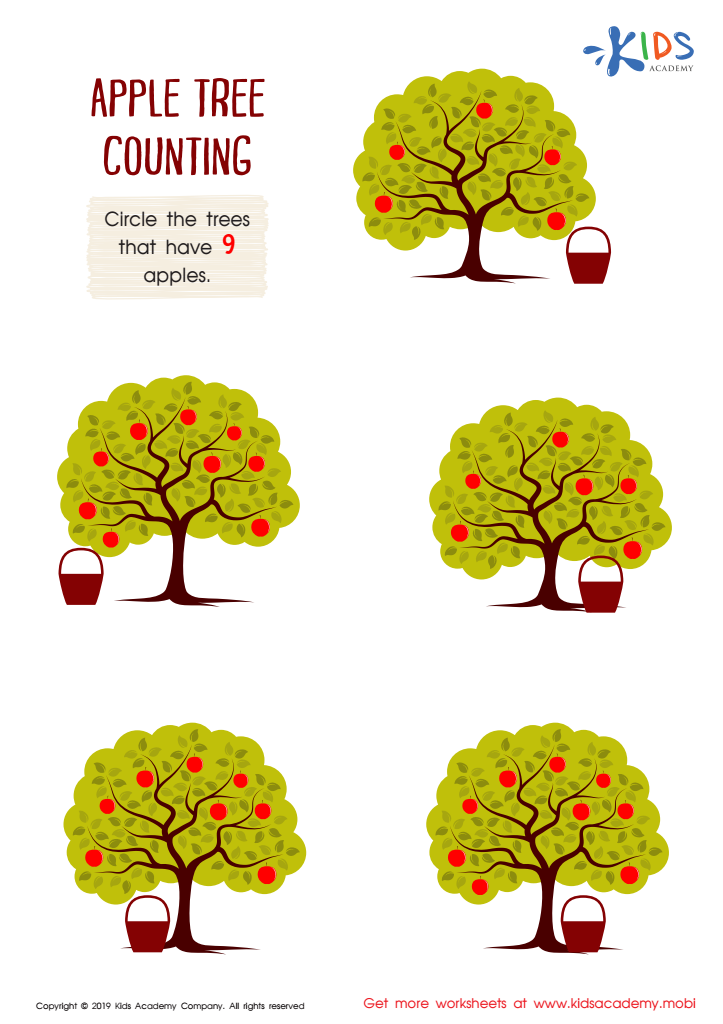
Apple Tree Counting Worksheet
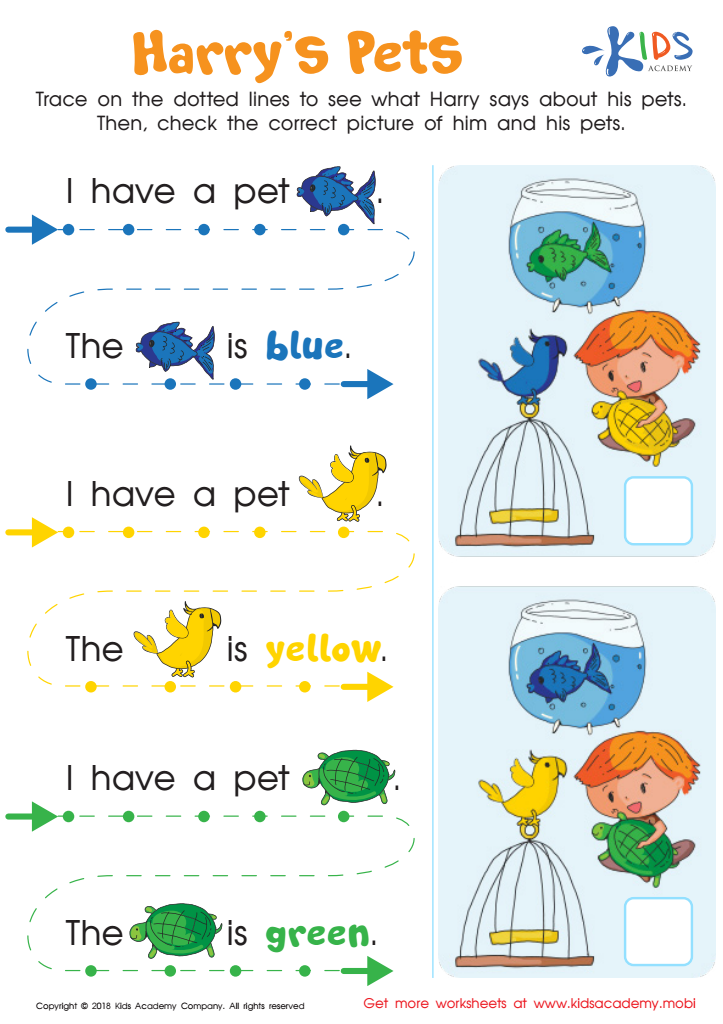
Read from Left to Right: Harry's Pets Worksheet
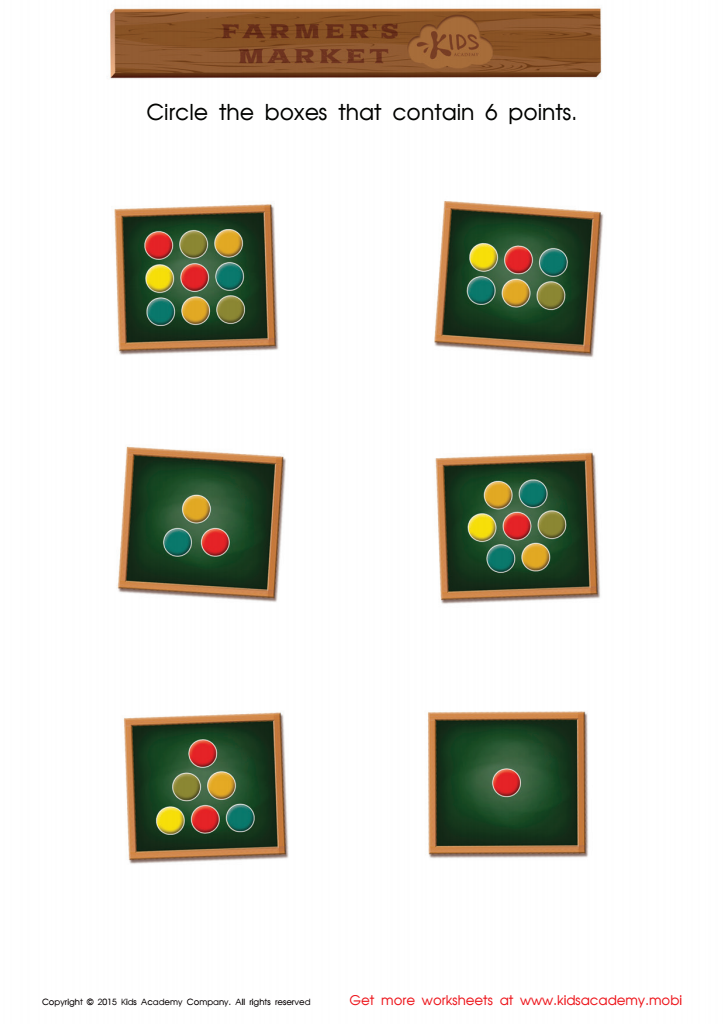
Count and Match Points 6 Math Worksheet







Counting skills form the foundation for broader mathematical understanding and problem-solving, making it crucial for parents and teachers to nurture these skills in children aged 5-9. At this developmental stage, children are transitioning from simple numeric recognition to more complex operations, such as addition, subtraction, and eventually multiplication and division. By introducing counting challenges, educators and parents can enhance number sense, fluency, and confidence in mathematical abilities.
These activities cultivate critical thinking and cognitive development. When children engage in counting tasks, they learn to recognize patterns, understand sequencing, and make predictions. Such skills are not only essential for advanced mathematics but also for everyday activities and logical reasoning.
Additionally, counting challenges can be fun and enjoyable, helping to foster a positive attitude towards learning. Innovative and engaging challenges can spark curiosity and motivation, laying a solid groundwork for a lifelong interest in mathematics and learning in other disciplines.
Early proficiency in counting provides a strong basis for future academic success. Parents and teachers investing time in such challenges can significantly impact a child's educational journey, preparing them for more complex concepts and helping to close learning gaps early in their education.








