Pattern recognition Extra Challenge Worksheets for Ages 5-9
7 filtered results
-
From - To
Discover our engaging Pattern Recognition Extra Challenge Worksheets designed specifically for children ages 5-9! These worksheets provide a fun and interactive way to enhance critical thinking and logic skills through the identification and creation of patterns. Featuring colorful visuals and diverse activities, your little learners will explore various patterns, developing essential problem-solving abilities in an enjoyable setting. Perfect for classrooms or at-home enrichment, these resources are tailored to spark curiosity and foster a love for learning. Equip your child for success with our thoughtfully crafted worksheets that challenge and inspire young minds!
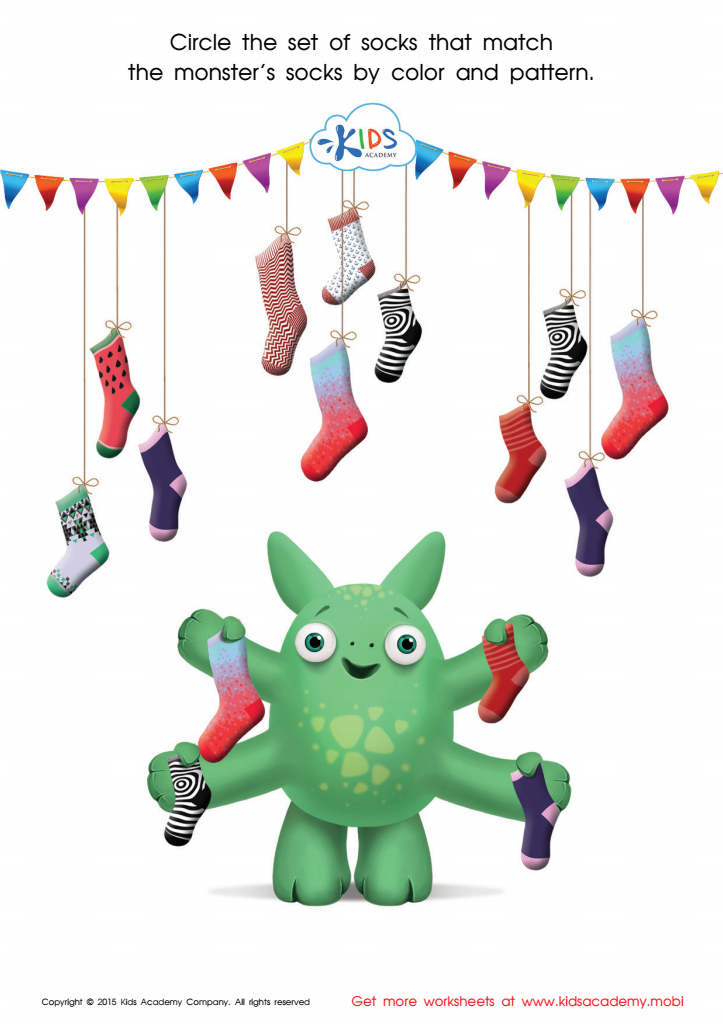
Sort the Monster's Socks Worksheet
 Assign to My Students
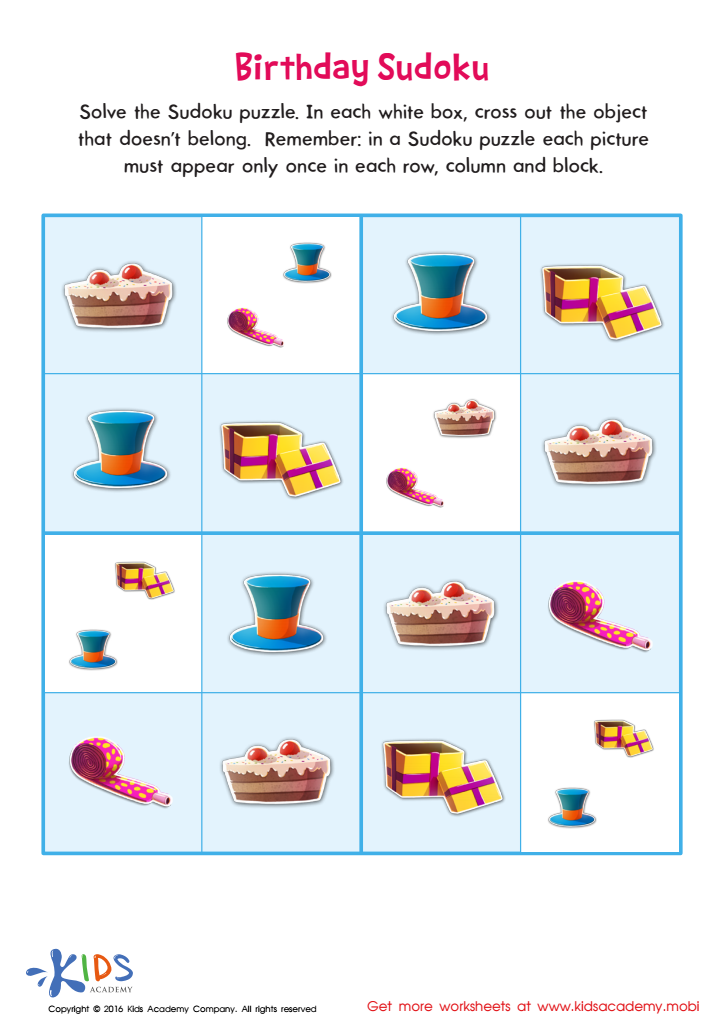
Birthday Sudoku Sorting Worksheet
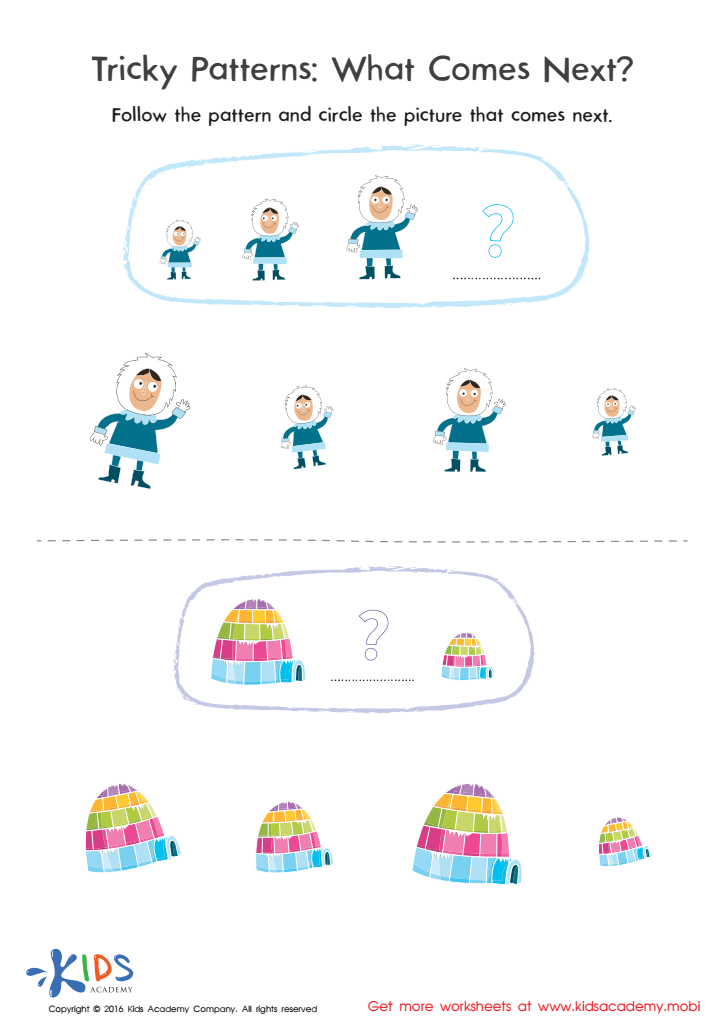
Tricky Patterns Size Worksheet
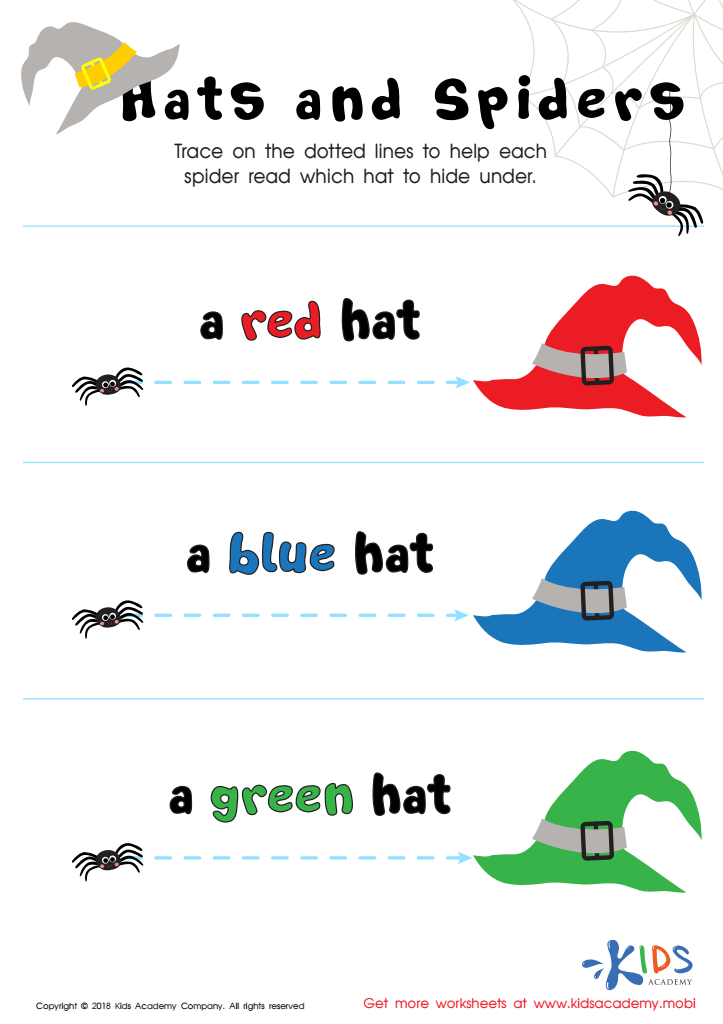
Read from Left to Right: Hats and Spiders Worksheet
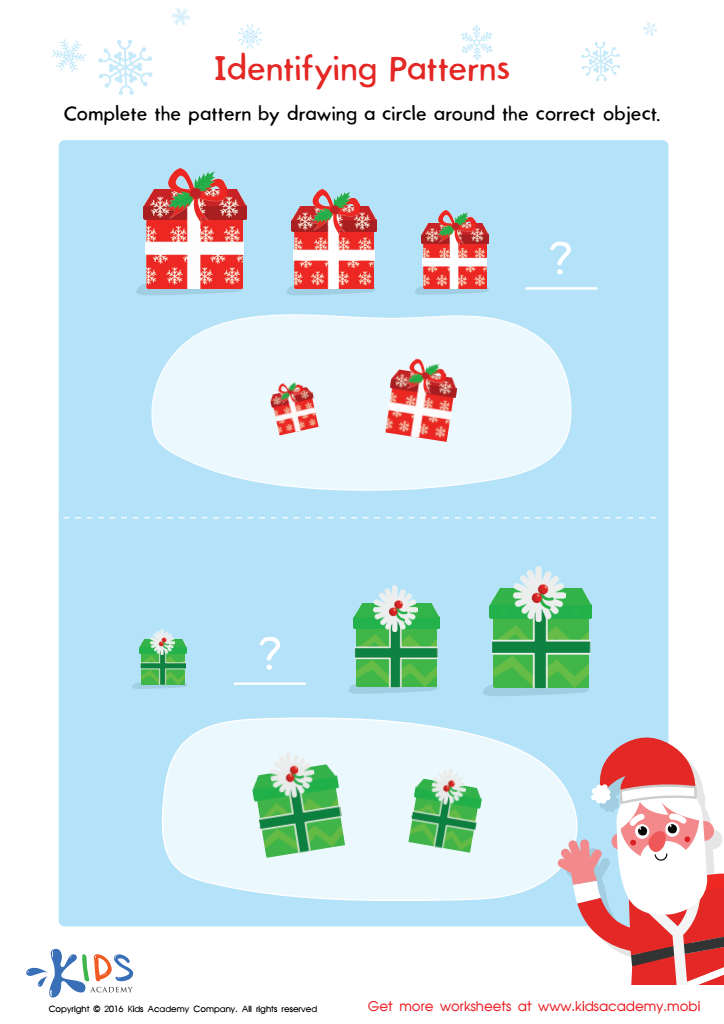
Identifying Patterns Worksheet
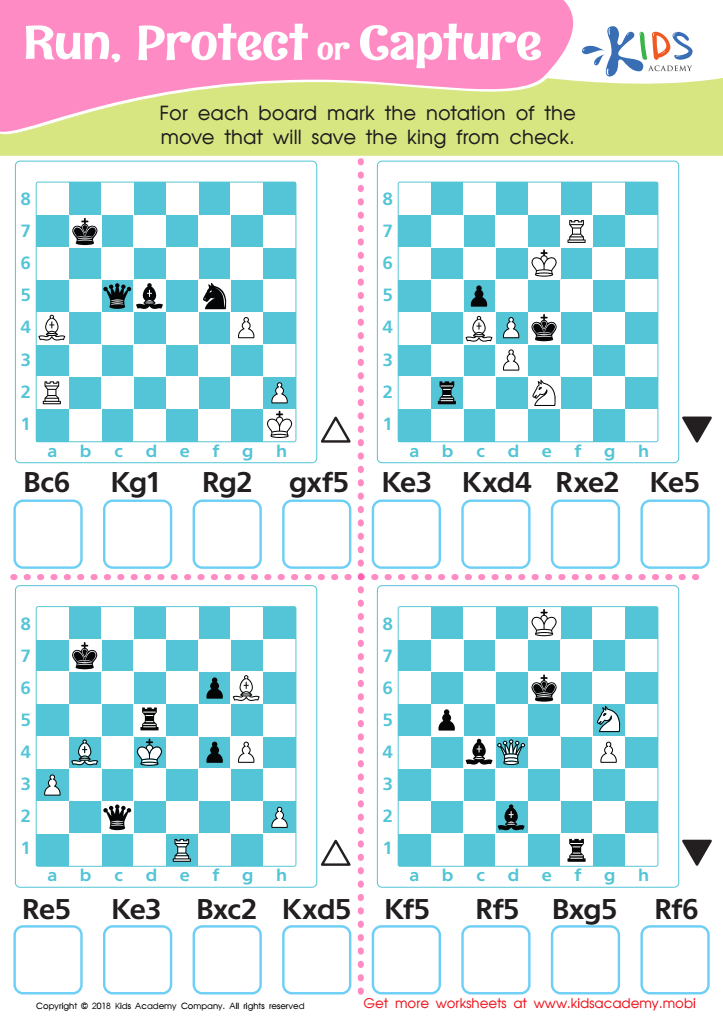
Run, Protect or Capture Worksheet
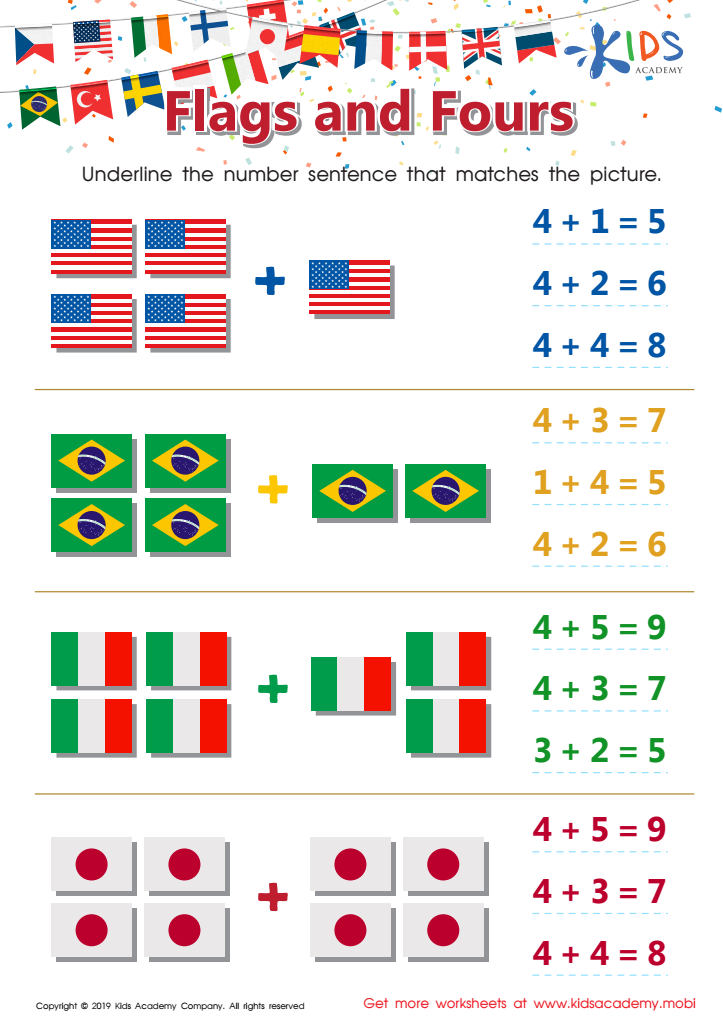
Flags and Fours Worksheet






.jpg)

Pattern recognition is a critical skill for children aged 5-9, laying the foundation for future learning in mathematics, science, and problem-solving. Engaging in pattern recognition challenges not only enhances cognitive development but also fosters critical thinking. By identifying and predicting patterns, children develop analytical skills that can lead to improved reasoning capabilities.
Moreover, early mastery of pattern recognition equips children with essential skills needed for everyday life. Recognizing patterns helps in areas such as reading (phonemic awareness), mathematics (understanding sequences and operations), and even social interactions (understanding behavioral patterns).
For parents and teachers, encouraging participation in pattern recognition activities can foster creativity and resilience. Children often learn through trial and error; thus, these challenges promote a growth mindset, teaching them that struggle can lead to mastery. In a supportive environment, children can experiment, make mistakes, and celebrate successes together, enhancing their social skills and boosting confidence.
In summary, supporting pattern recognition activities is an investment in children's holistic development. It equips them with skills that will serve them in various academic disciplines and practical situations, ultimately nurturing their lifelong love for learning. Prioritizing this aspect of early education can significantly impact a child's future achievements.








