Critical Thinking Extra Challenge Worksheets for 5-Year-Olds
10 filtered results
-
From - To
Unlock your child's potential with our "Critical Thinking Extra Challenge Worksheets for 5-Year-Olds." Designed by education experts, these worksheets aim to enhance analytical skills, creativity, and problem-solving abilities in young learners. Our engaging activities and age-appropriate challenges help kids explore complex concepts through fun and interactive exercises. Each worksheet serves as an excellent supplement to classroom learning, boosting your child’s confidence and academic performance. Ideal for curious minds, these resources inspire independent thinking and foster a love for learning. Elevate your kindergartener’s critical thinking abilities and pave the way for lifelong success.
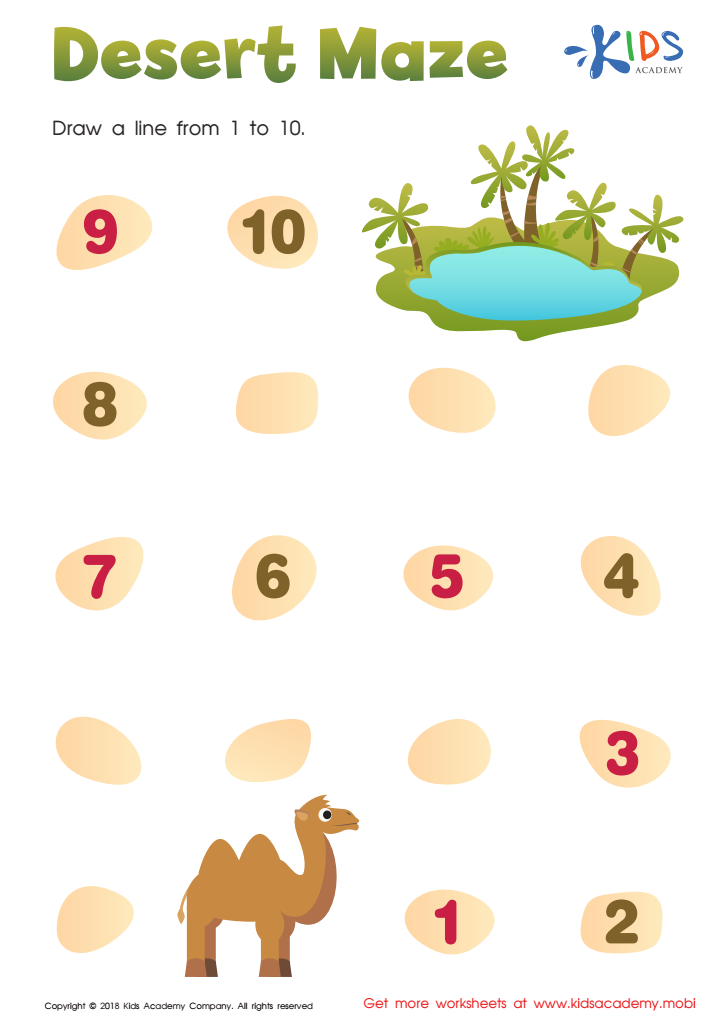
Desert Maze Worksheet
 Assign to My Students
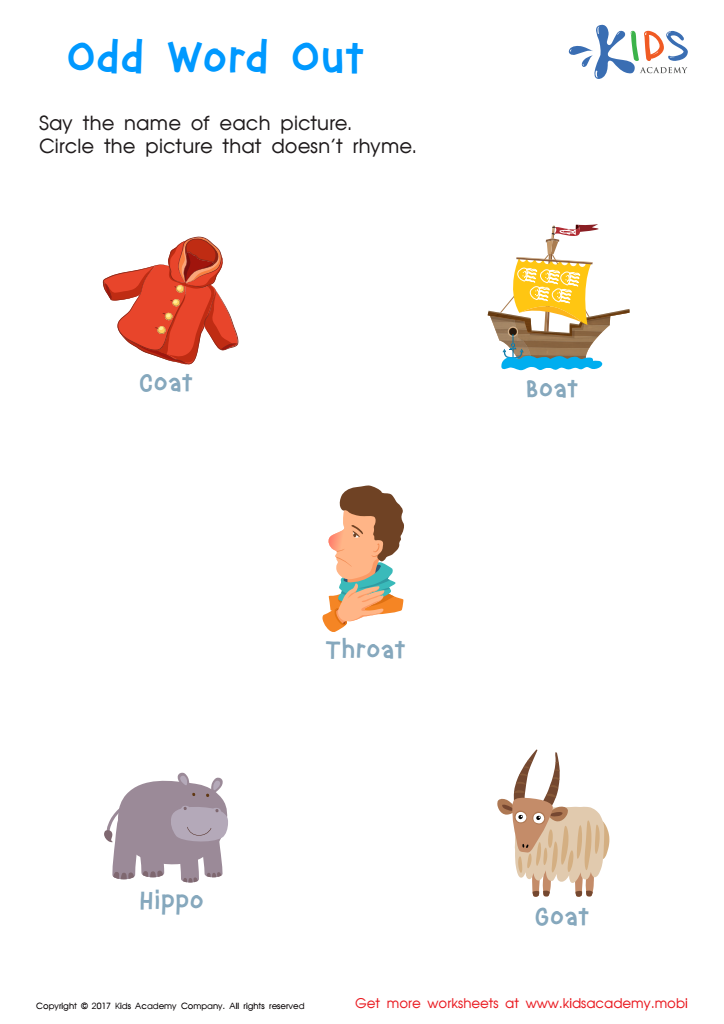
Odd Word Out Rhyming Worksheet
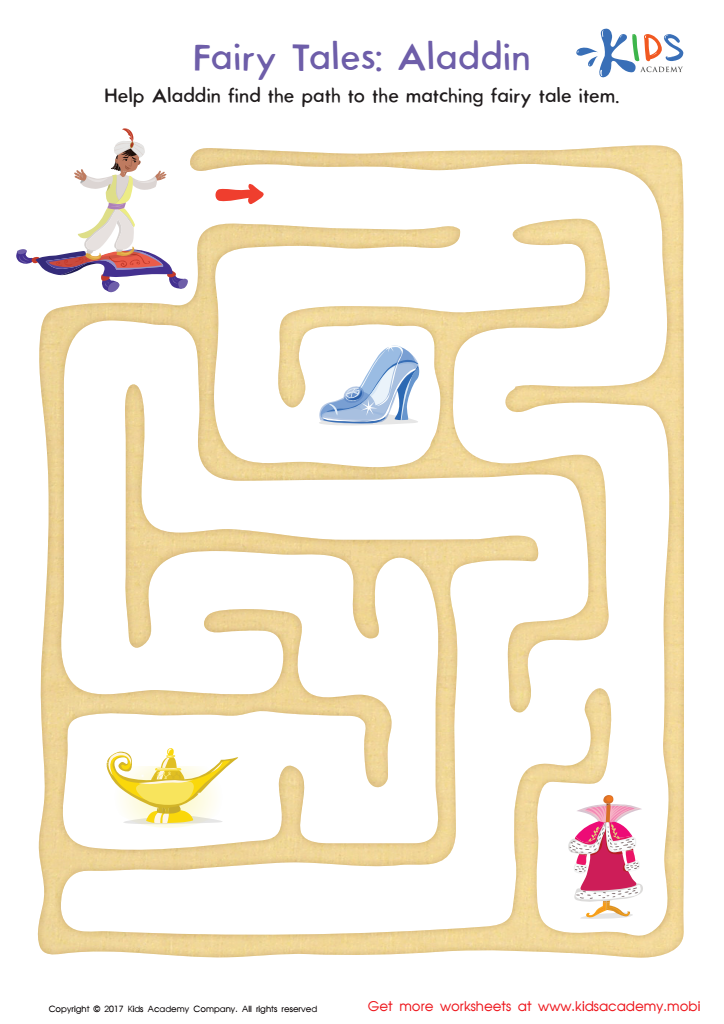
Fairy Tales Aladdin Printable
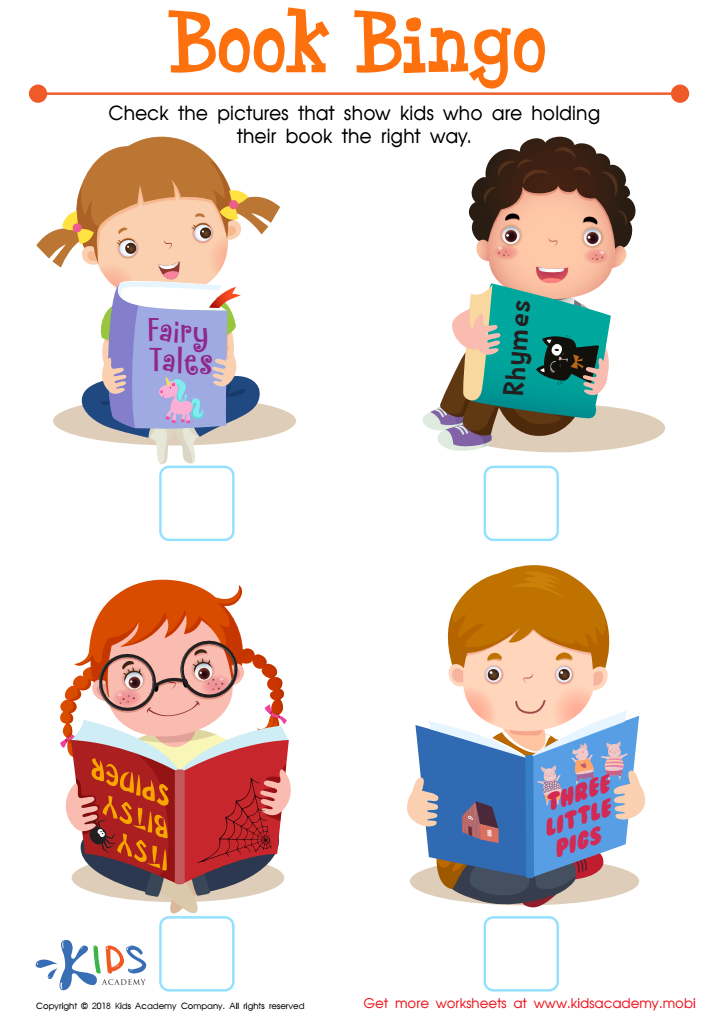
Book Bingo Worksheet
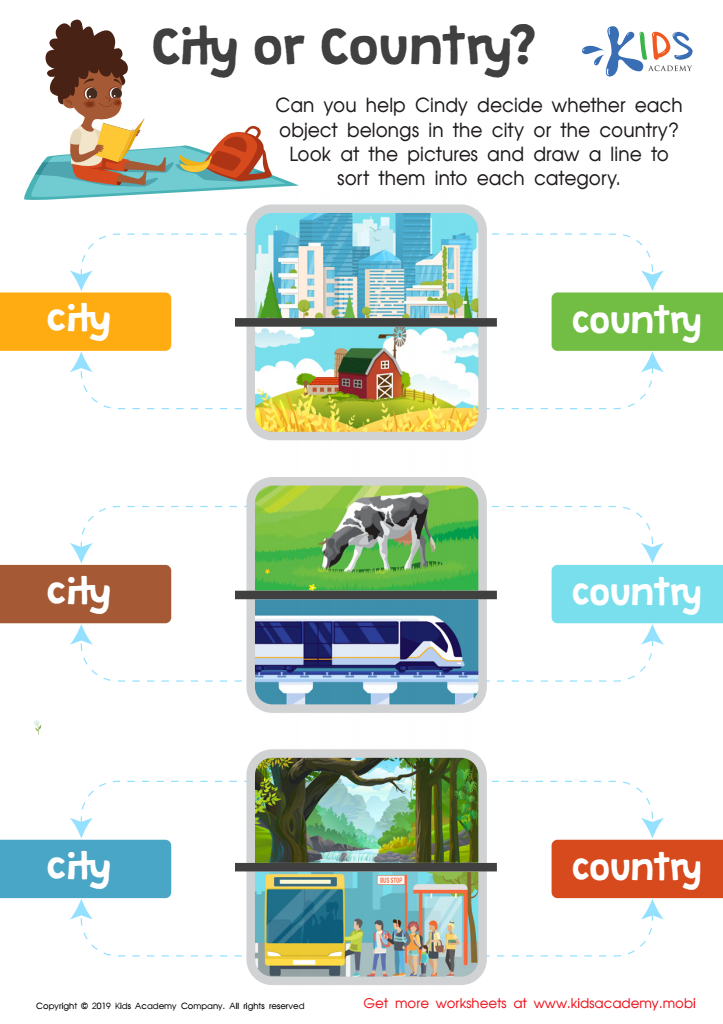
City or Country? Worksheet
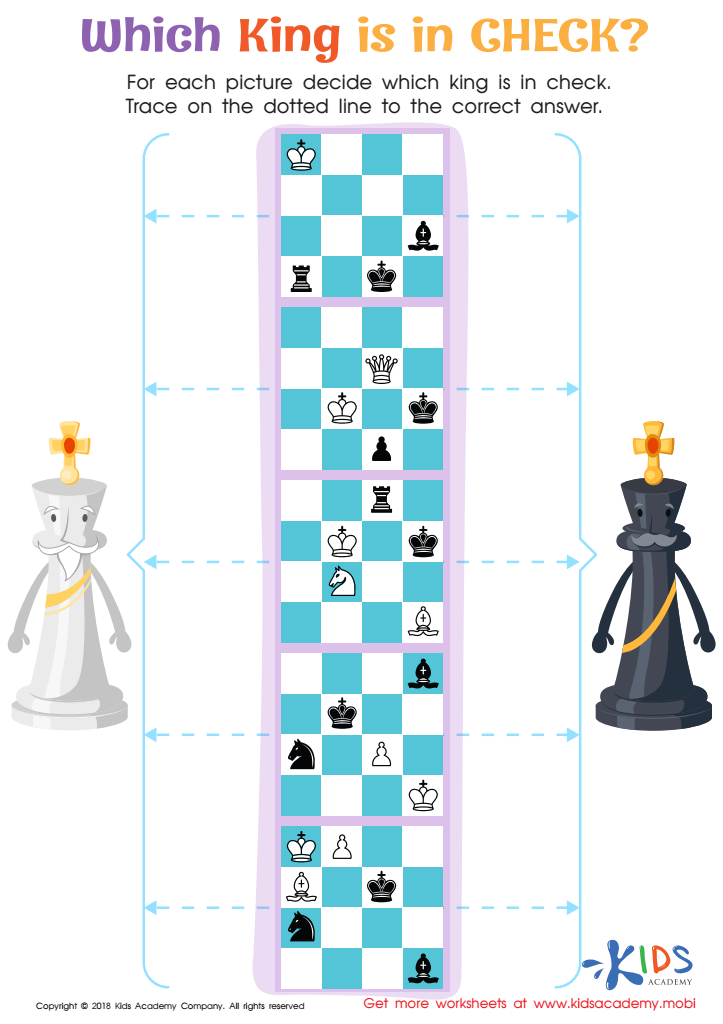
Which King is in Check? Worksheet
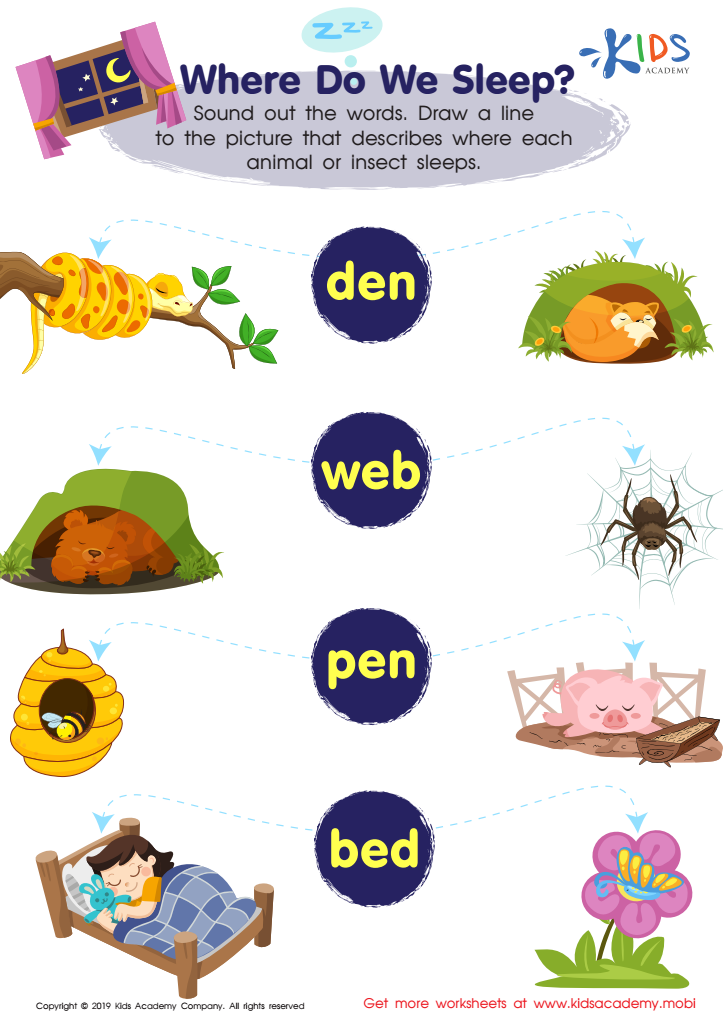
Where Do We Sleep Worksheet
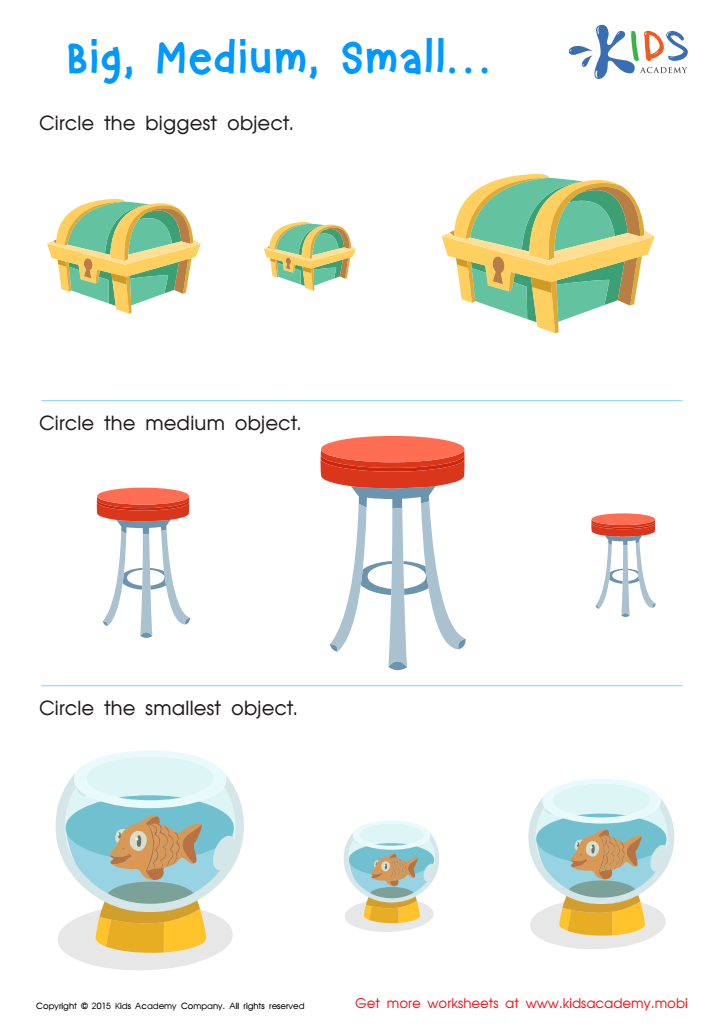
Big Medium Small Worksheet
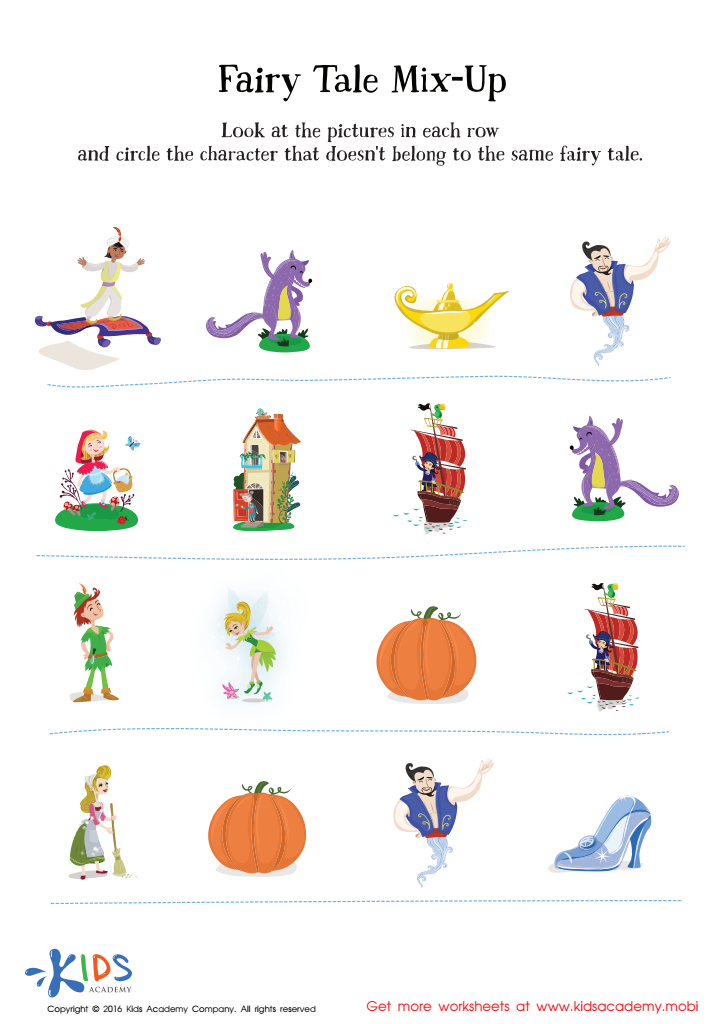
Fairy Tale Worksheet: Story Mix Up
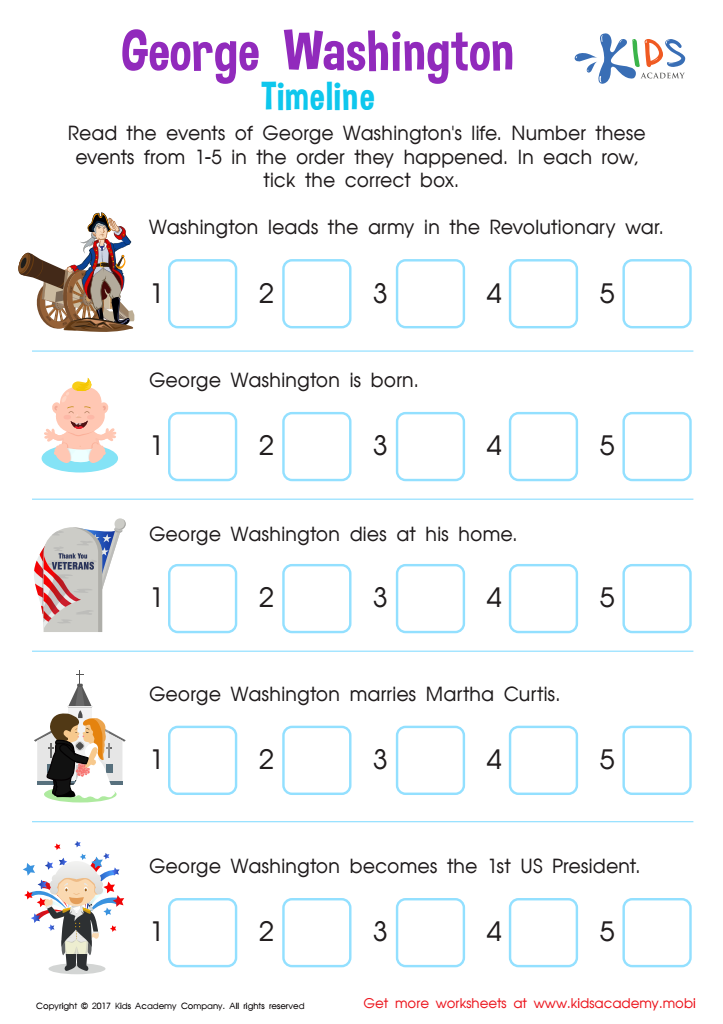
George Washington Timeline Worksheet








Critical thinking skills are pivotal not only for academic success but also for lifelong problem-solving and decision-making. Introducing critical thinking exercises to 5-year-olds provides distinct advantages. At this age, children are naturally curious and absorb information rapidly, making it an ideal time to lay the foundation for analytical thinking.
Parents and teachers should care about integrating Critical Thinking Extra Challenges for several key reasons. First, these activities help sharpen cognitive abilities. When children evaluate different outcomes or explore various solutions, they enhance their logical reasoning and spatial awareness. Early engagement with such tasks boosts their ability to process information critically and independently.
Second, it fosters creativity and innovation. Critical thinking often requires seeing things from different perspectives and thinking outside the box. By nurturing this skill early on, children can develop imaginative and innovative approaches to problem-solving.
Finally, critical thinking nurtures emotional and social development. These skills promote better communication and empathy as children learn to consider others' viewpoints and reason through different scenarios.
In conclusion, incorporating critical thinking exercises for 5-year-olds is vital for cognitive growth, creativity, and interpersonal skill development. Educational stakeholders, including both parents and teachers, should thus prioritize such activities to help children build a robust foundation for their future academic and personal lives.








