Counting practice Extra Challenge Worksheets for Ages 6-7
20 filtered results
-
From - To
Explore our "Counting Practice Extra Challenge Worksheets for Ages 6-7"! Tailored for young learners, these worksheets provide an engaging way to strengthen counting skills through fun and thoughtful activities. Each worksheet encourages problem-solving and critical thinking, helping children grasp essential math concepts while building confidence. From counting objects to solving puzzles and more, our challenges are designed to make learning enjoyable and interactive. Perfect for teachers, parents, or tutors looking to enhance a child's understanding of numbers. Download our printable worksheets today and watch your child's counting skills grow as they tackle each exciting challenge!
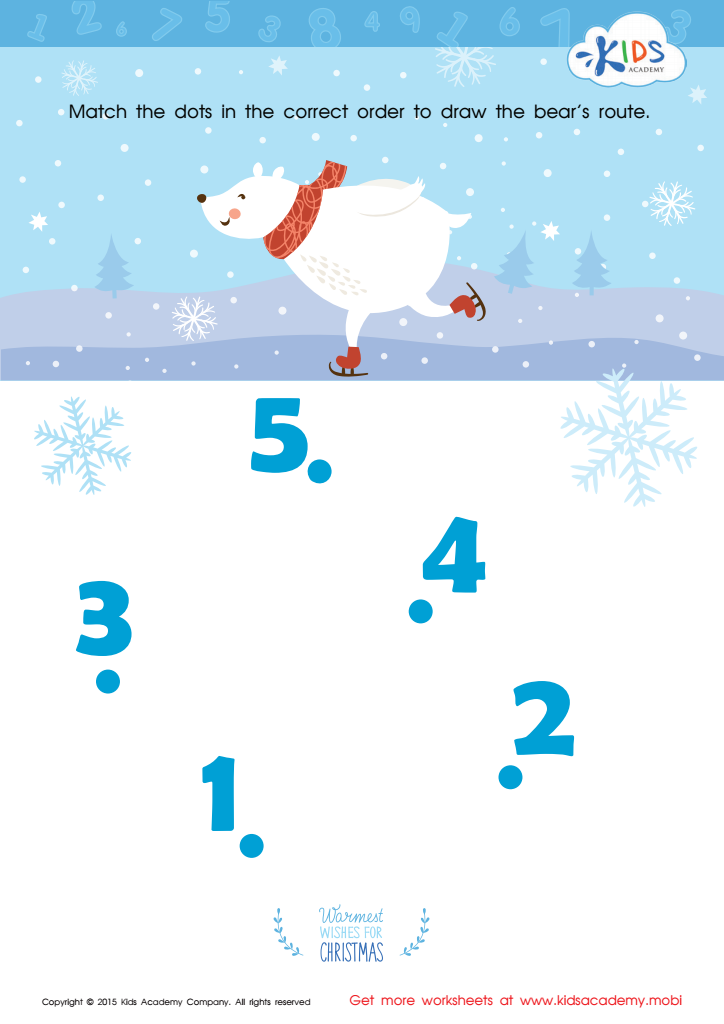
Drawing the Bear's Route by Number Worksheet
 Assign to My Students
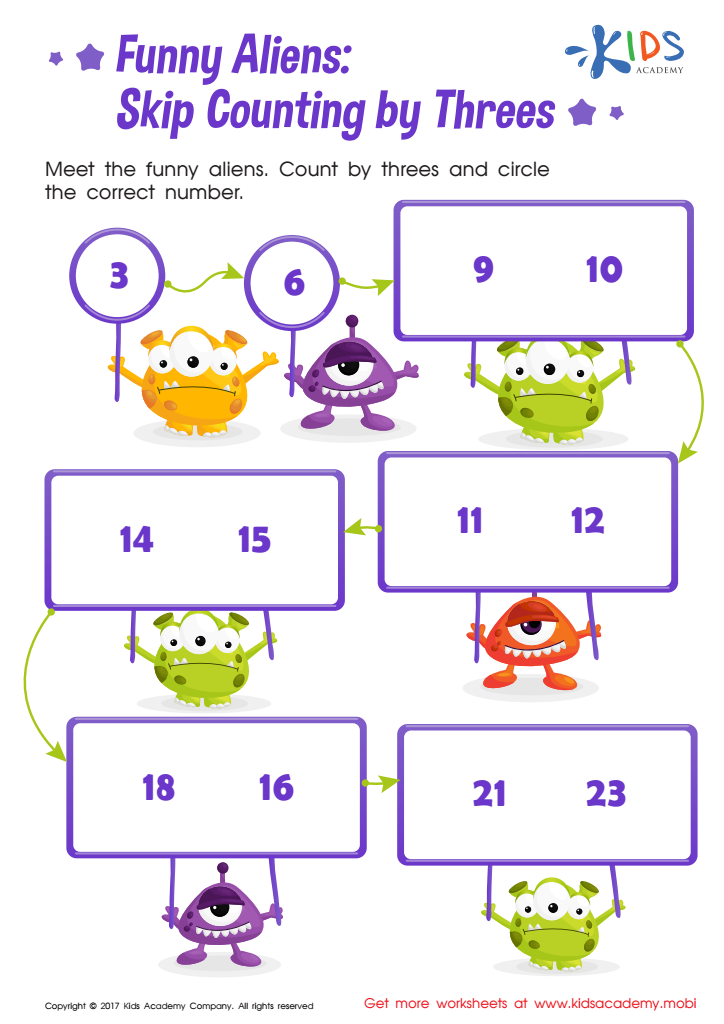
Skip Counting by 3s: Funny Aliens Printable
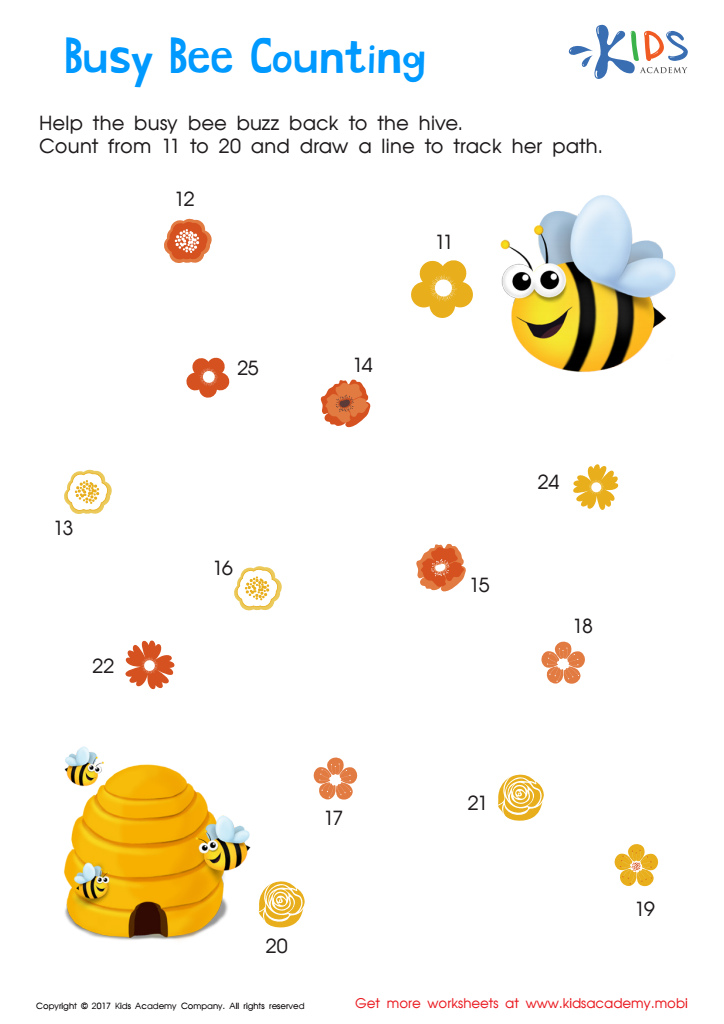
Ordering 11–20: Busy Bee Counting Worksheet
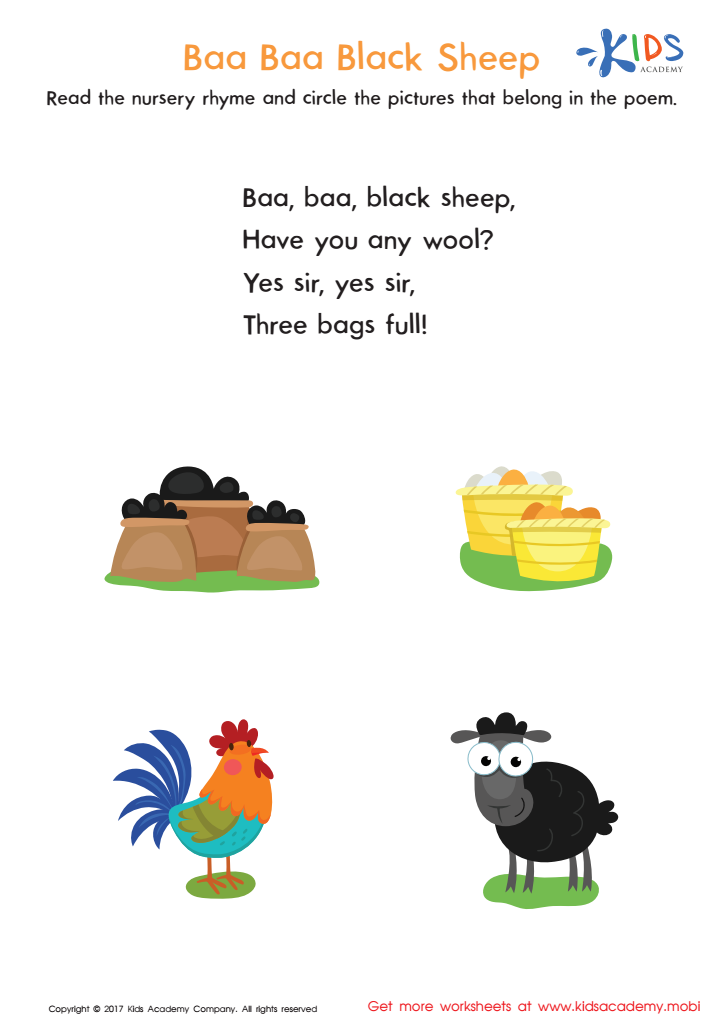
Baa Baa Black Sheep Printable
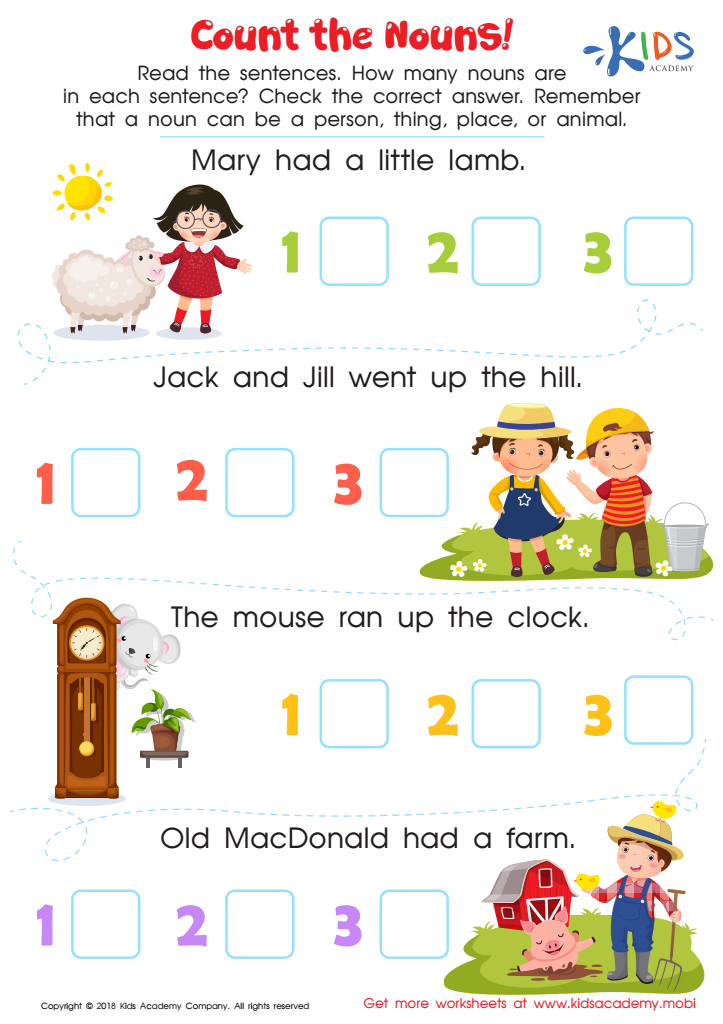
Count the Nouns Worksheet
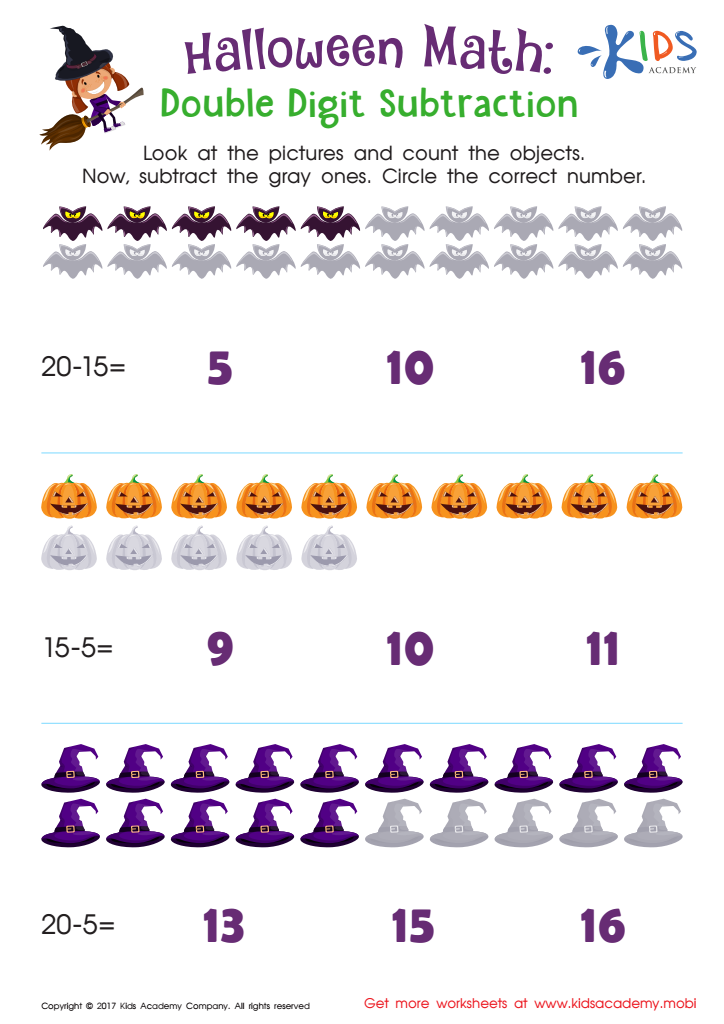
Halloween Math Subtraction Worksheet
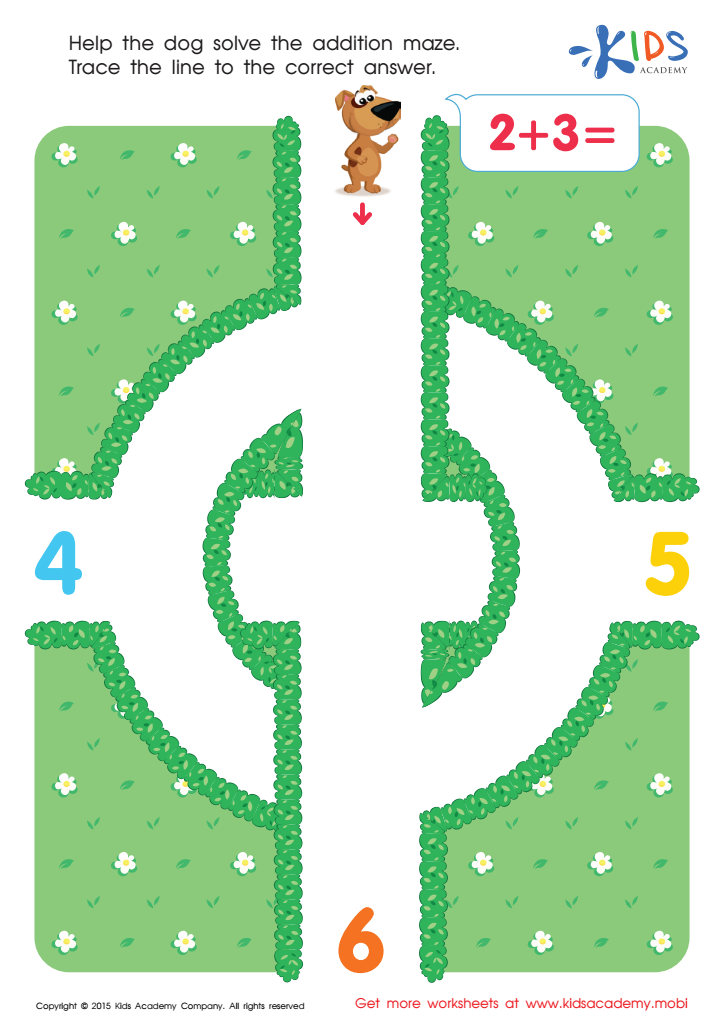
Two And Three Addition Worksheet
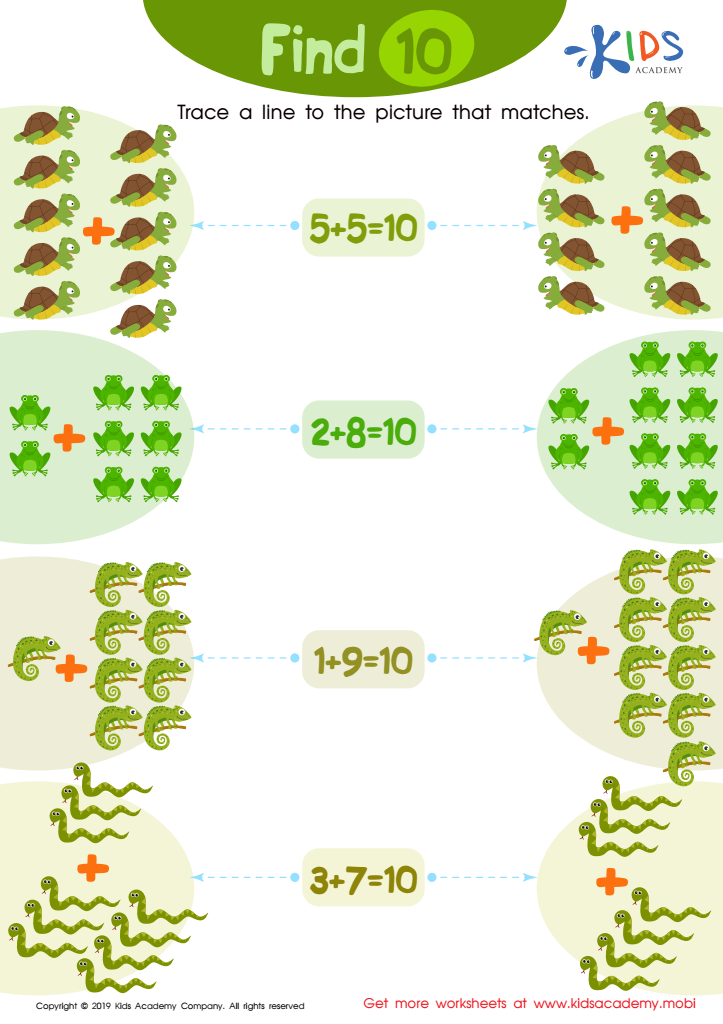
Find 10 Worksheet
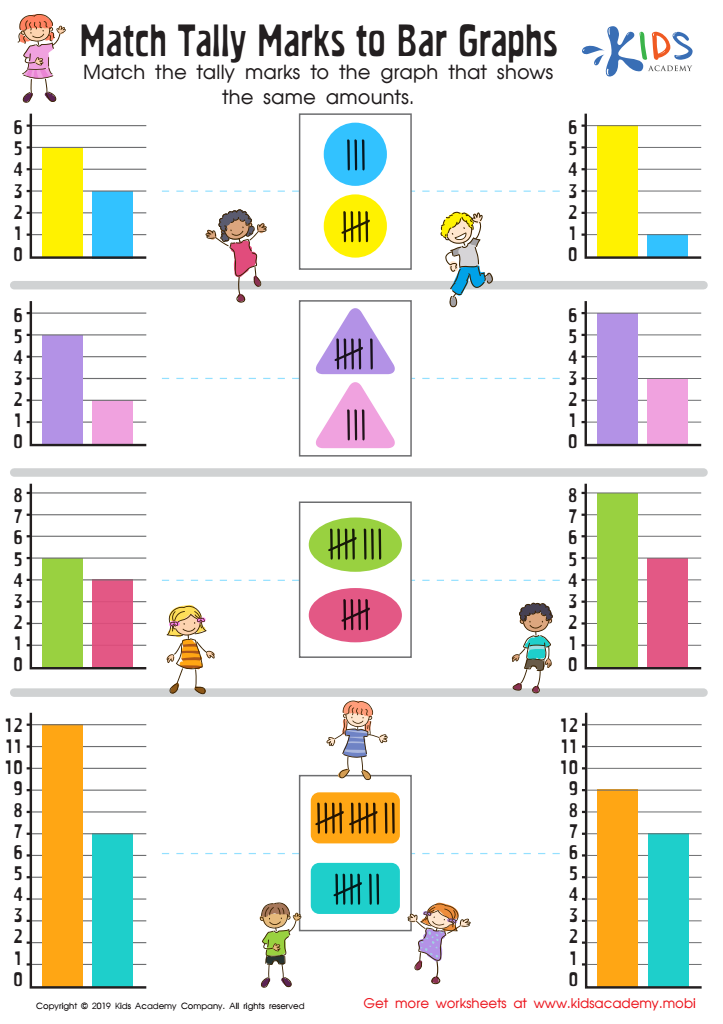
Match Tally Marks to Bar Graphs Worksheet
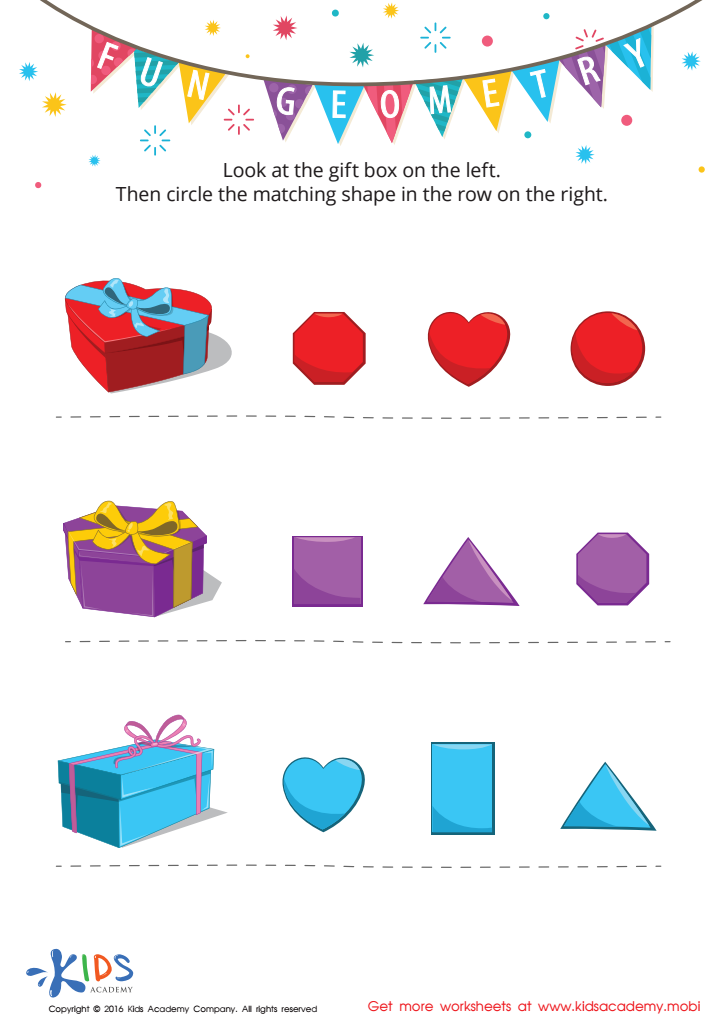
Fun Geometry Worksheet
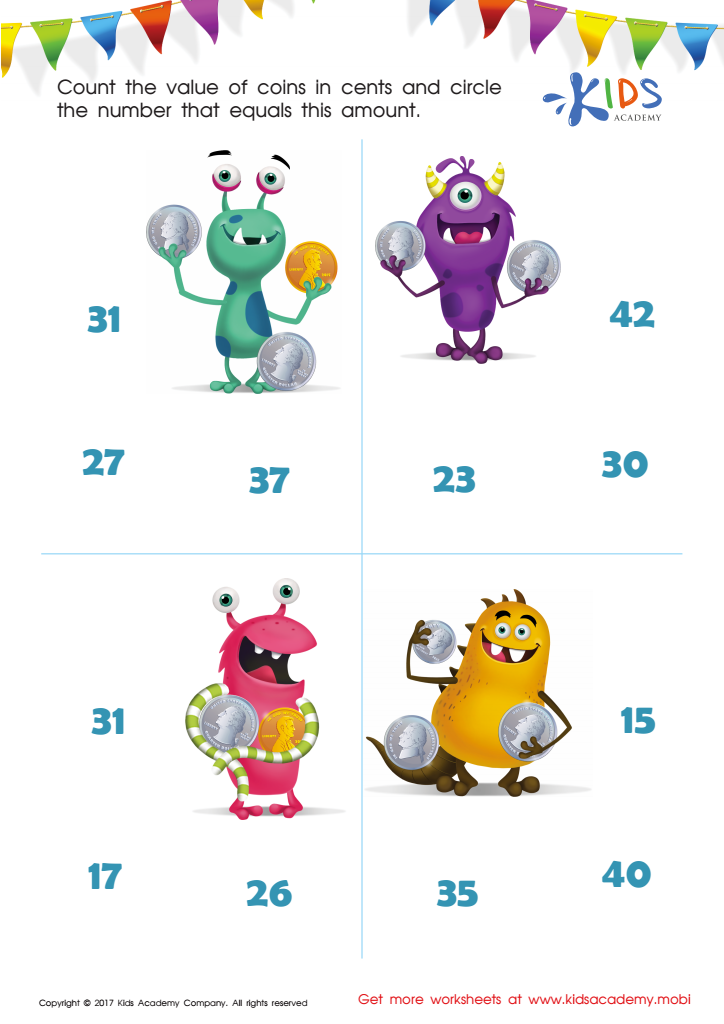
How Many Coins Money Worksheet
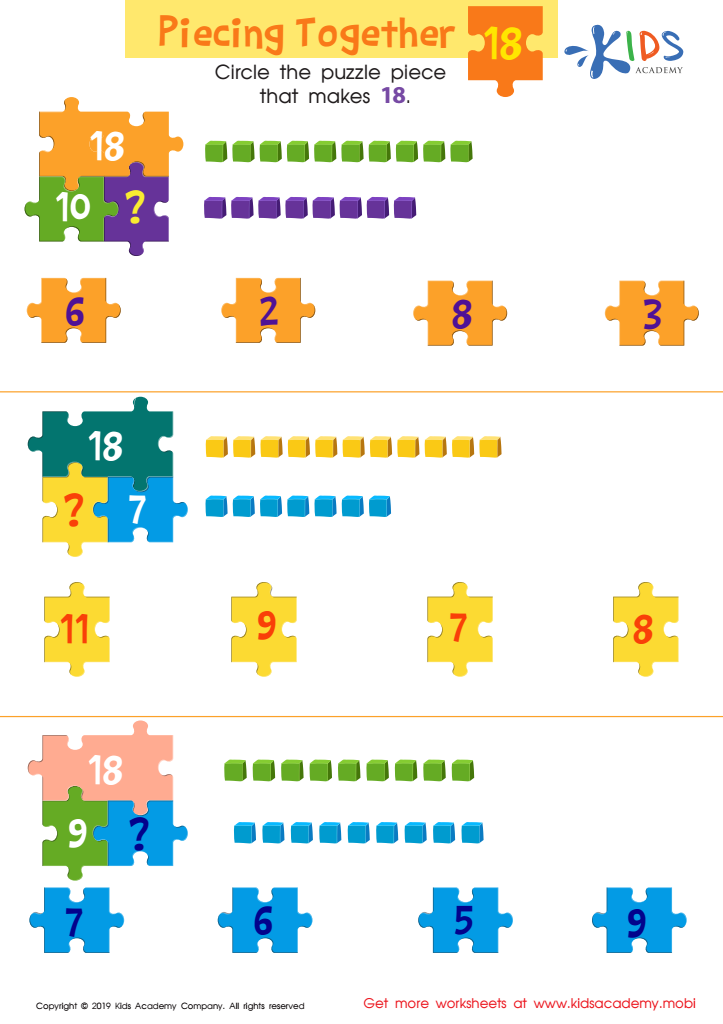
Piecing Together 18 Worksheet
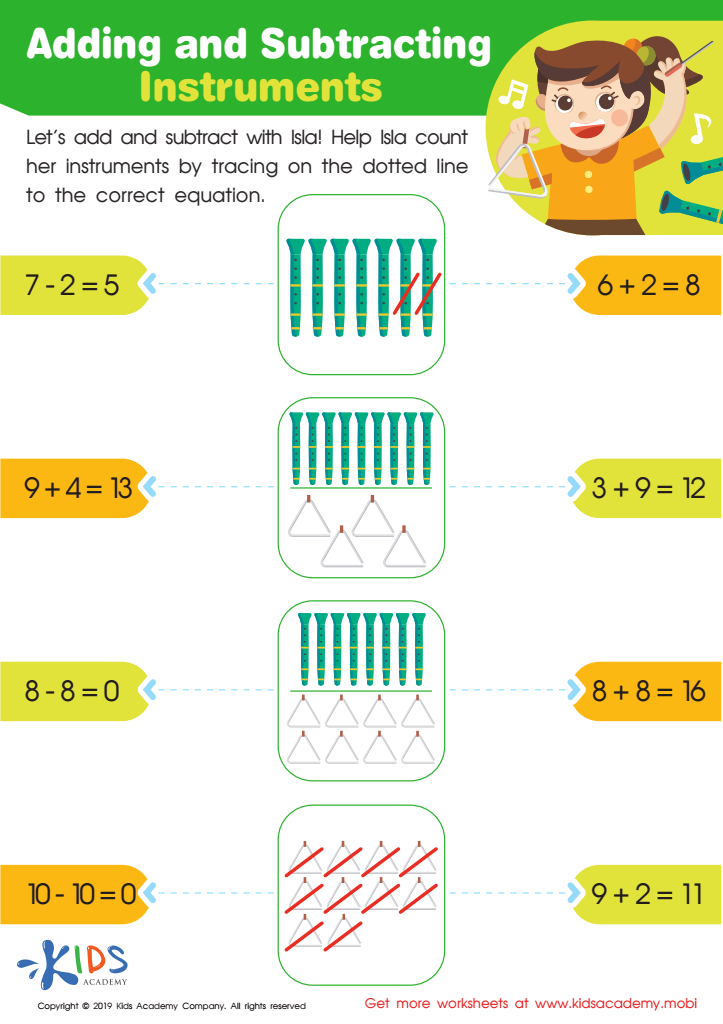
Adding and Subtracting: Instruments Worksheet
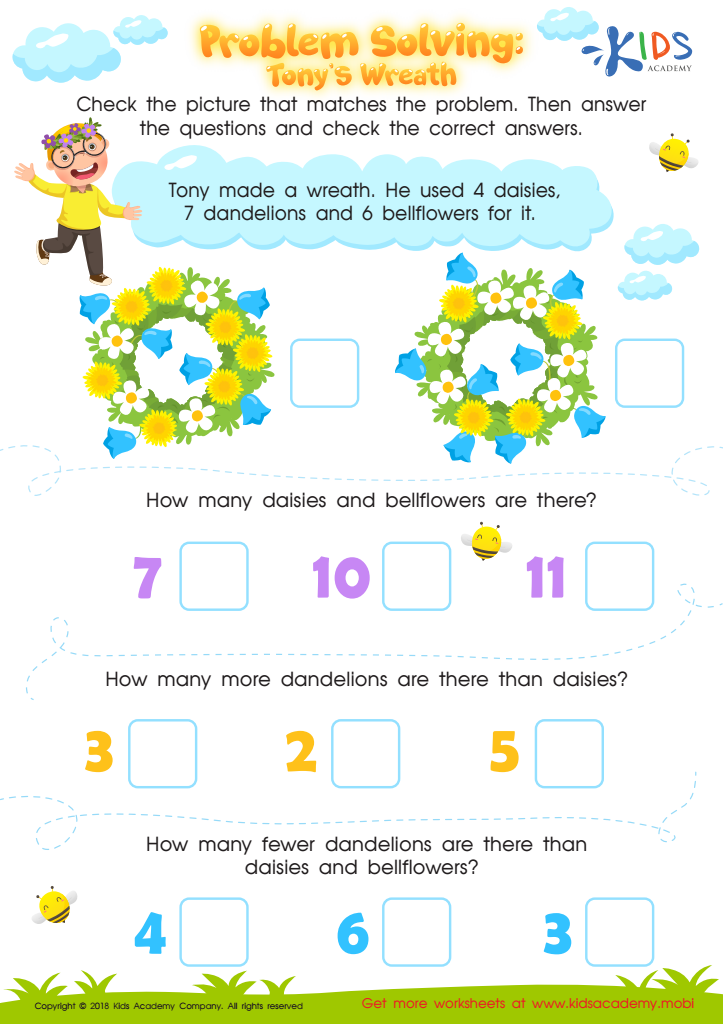
Problem Solving: Tony's Wreath Worksheet
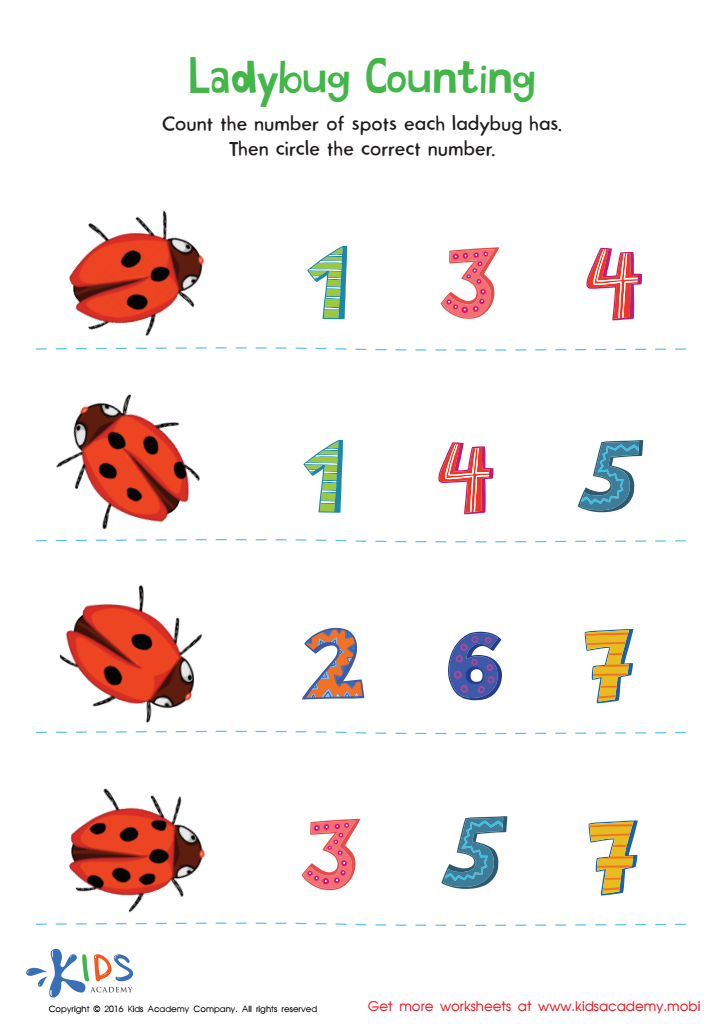
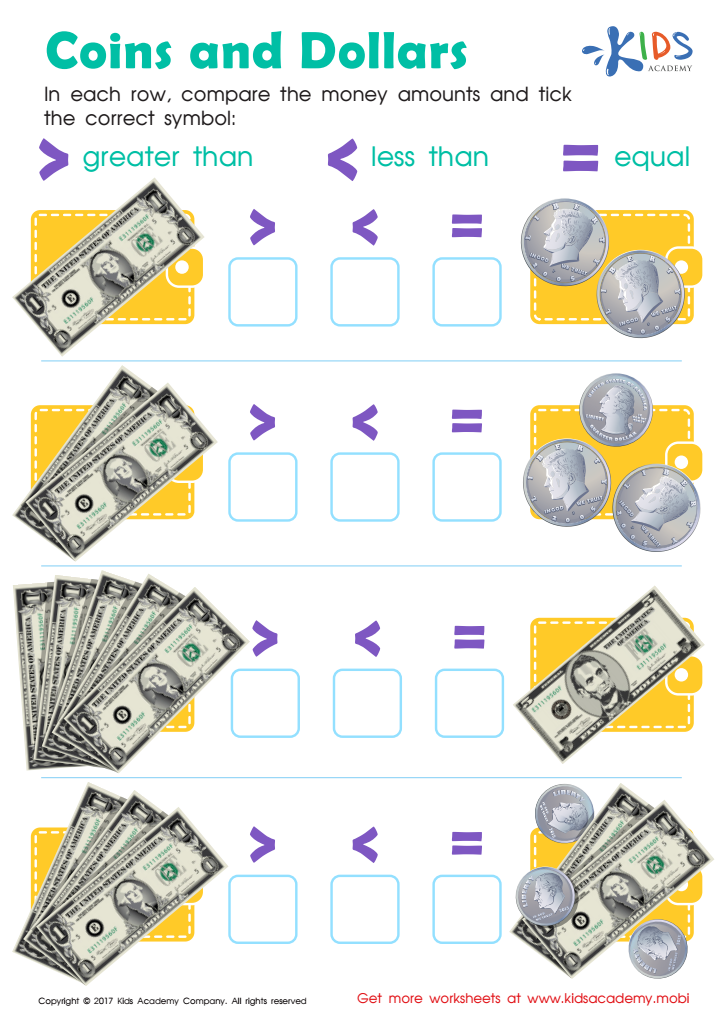
Money: Coins Dollars Printable
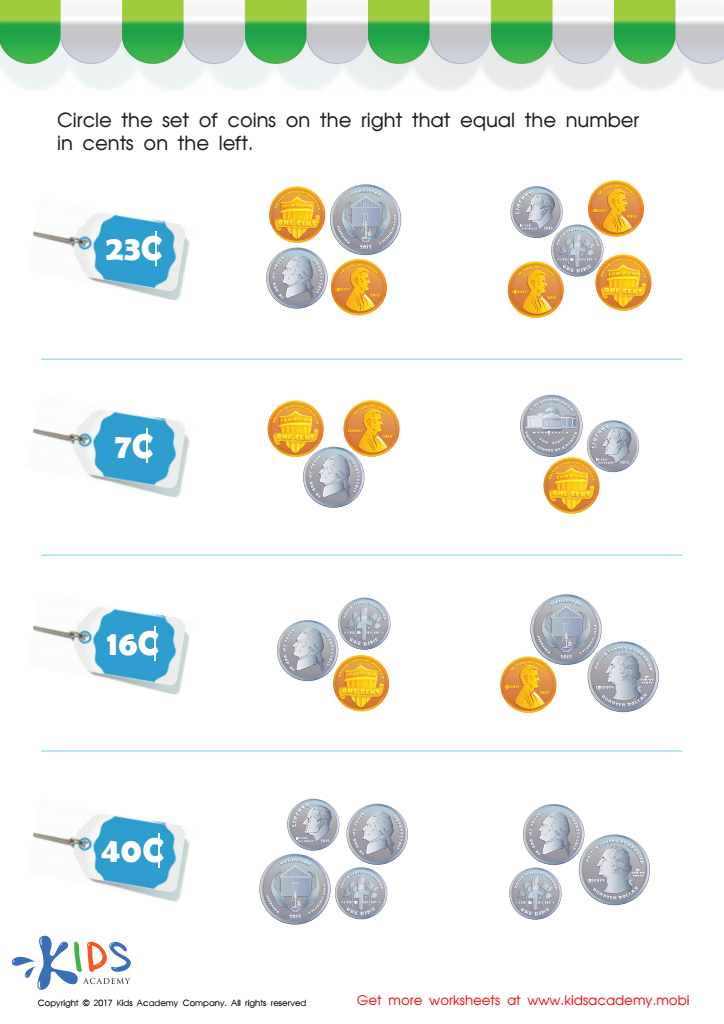
Picking the Coins You Need Money Worksheet
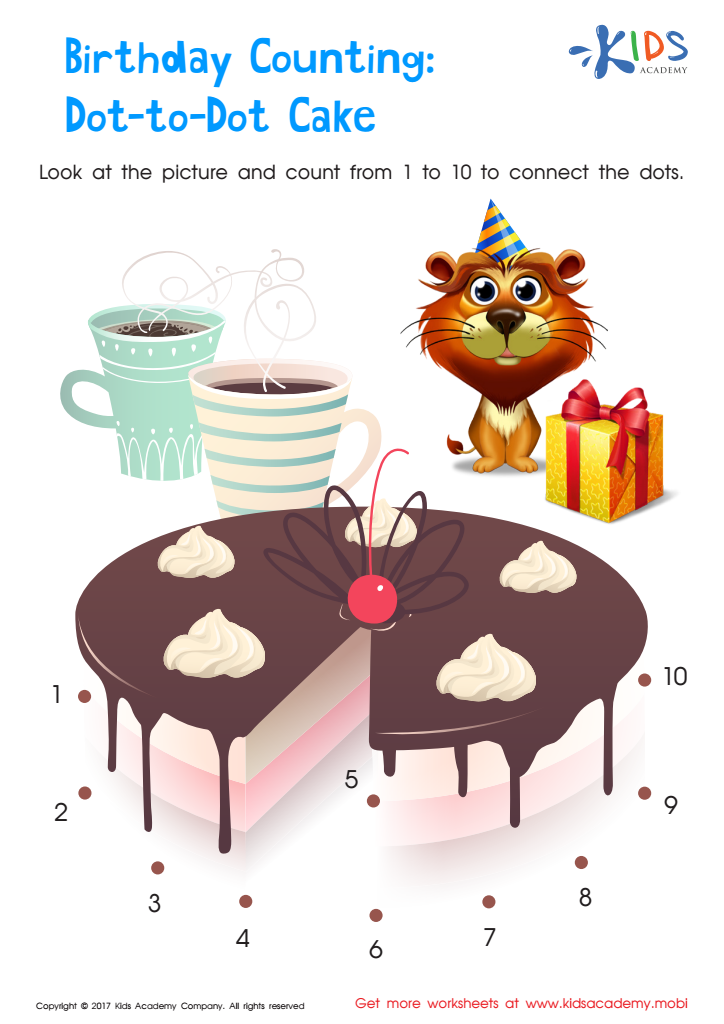
Birthday Counting Connect Dots Worksheet
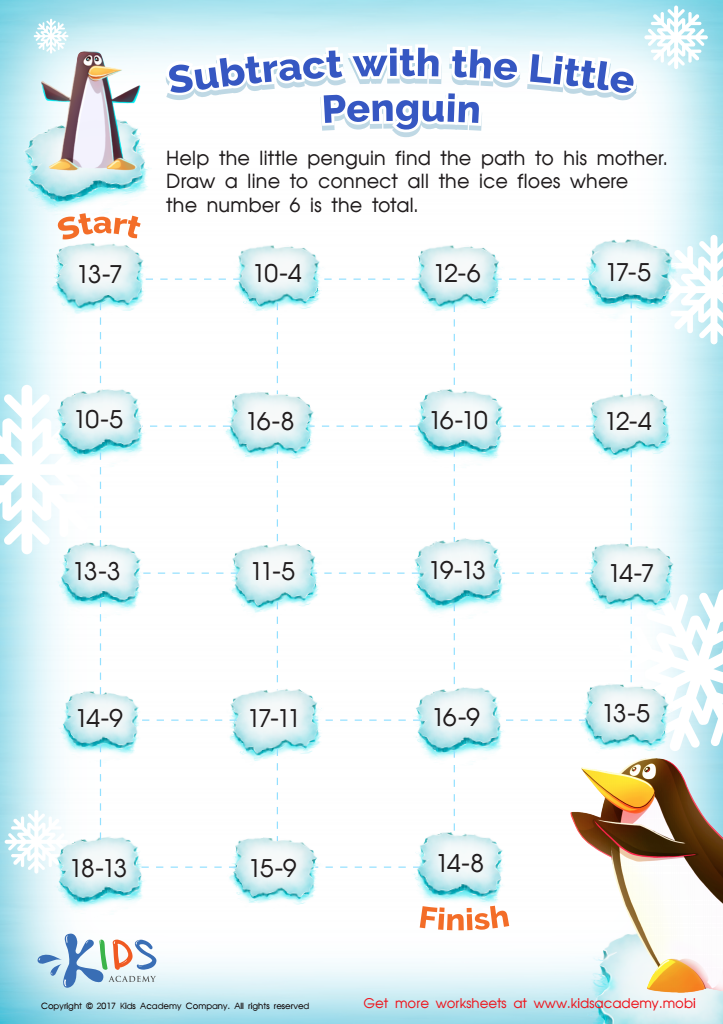
Subtract With The Little Penguin Substraction Worksheet
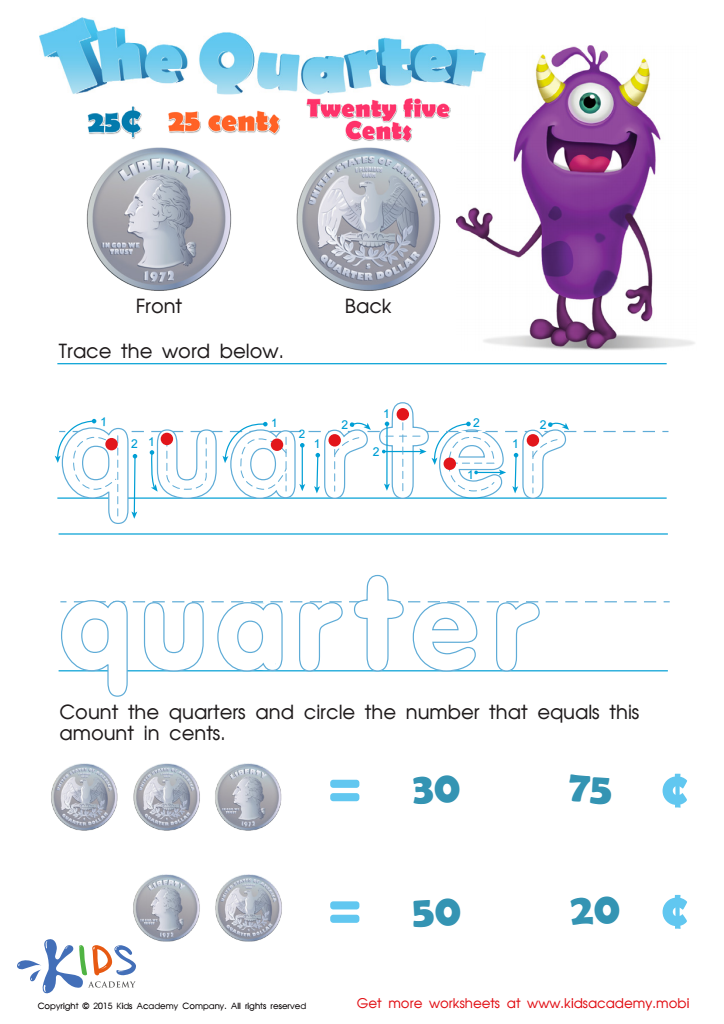
Twenty Five Cents or the Quarter Money Worksheet








Counting practice is crucial for children aged 6-7, as it lays the foundation for their mathematical understanding and everyday problem-solving skills. During this developmental stage, children enhance their ability to recognize numerical patterns and comprehend the concept of quantity, which are vital for their overall mathematical proficiency.
Engaging in extra counting challenges not only reinforces basic counting skills but also encourages cognitive development through critical thinking and problem-solving. Moreover, it provides an opportunity for parents and teachers to create a supportive learning environment where children can practice at their own pace, developing confidence in their abilities.
These extra challenges cultivate a love for mathematics by making learning enjoyable and interactive. Fun counting games and activities can spark curiosity and excitement, transforming education into an adventure rather than a chore. Furthermore, regular counting practice helps identify any areas where a child may struggle, allowing for targeted interventions.
Ultimately, investing time in counting practice equips children with essential skills that will benefit them across disciplines, shapes their analytical thinking, and prepares them for more complex mathematical concepts as they advance in their education. Thus, parents and teachers play a pivotal role in nurturing these skills through regular and engaging practice.








