Shape Recognition Extra Challenge Worksheets for Ages 6-7
12 filtered results
-
From - To
Enhance your child's geometric skills with our "Shape Recognition Extra Challenge Worksheets for Ages 6-7"! These engaging printables are designed to take your young learner's understanding of shapes to the next level. Each worksheet provides fun, challenging activities that promote critical thinking and problem-solving capabilities. Perfect for first and second graders, these resources ensure a comprehensive grasp of shape names, attributes, and spatial relationships. Boost your kid's confidence and help them excel in math with expertly curated exercises that are both educational and entertaining! Explore our exclusive collection today and make geometry enjoyable and rewarding for your child.
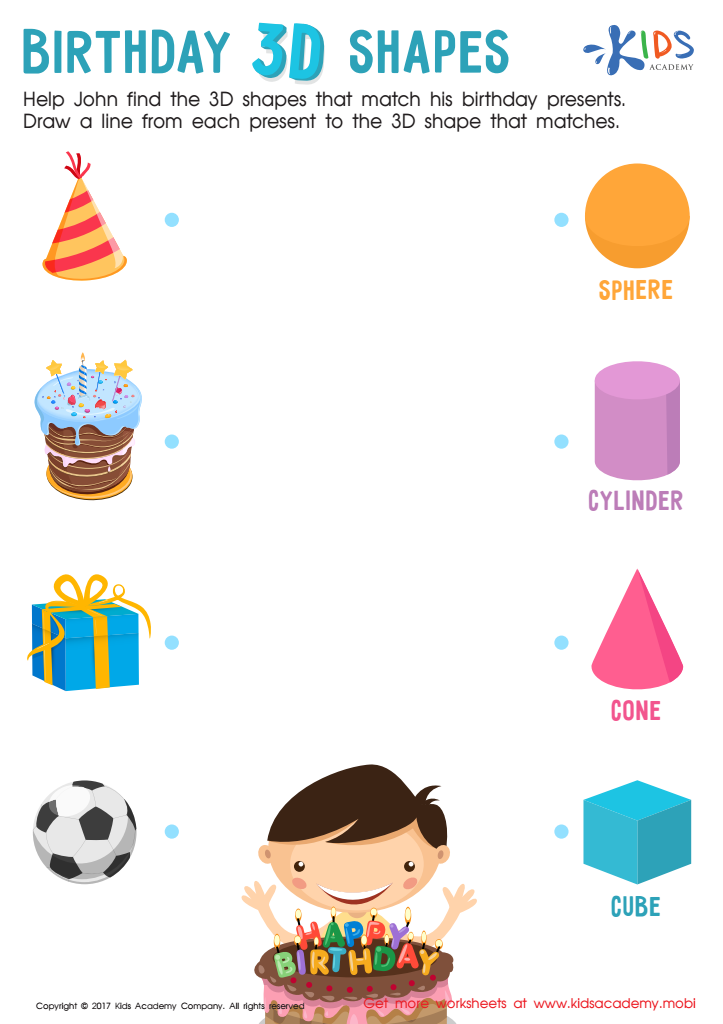
Birthday 3D Shapes Worksheet
 Assign to My Students
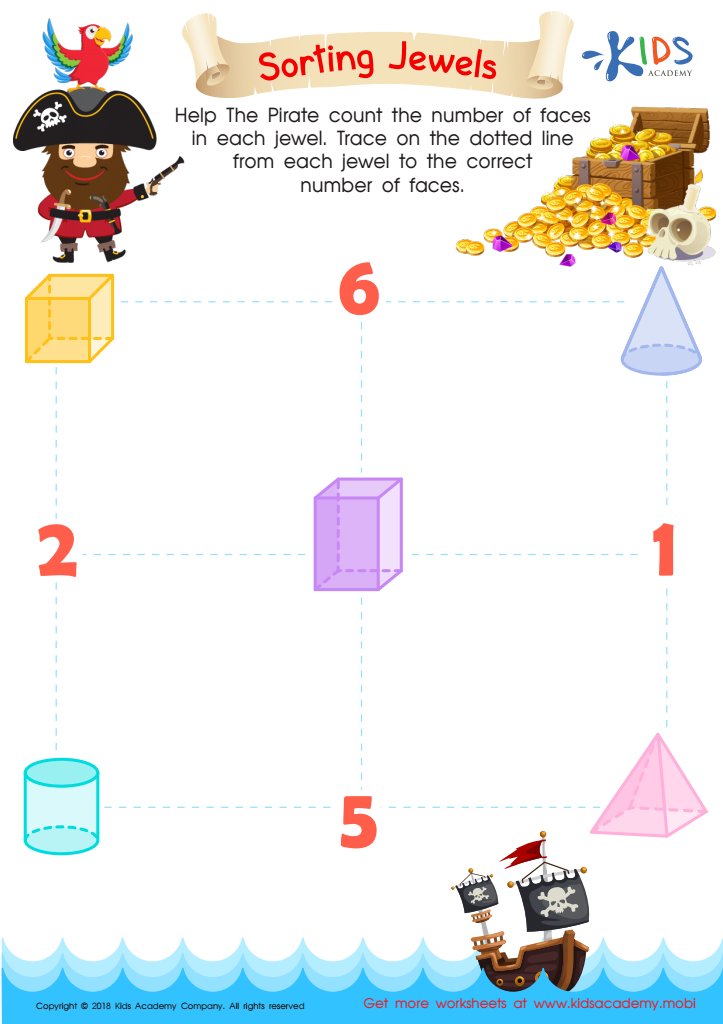
Sorting Jewels Worksheet
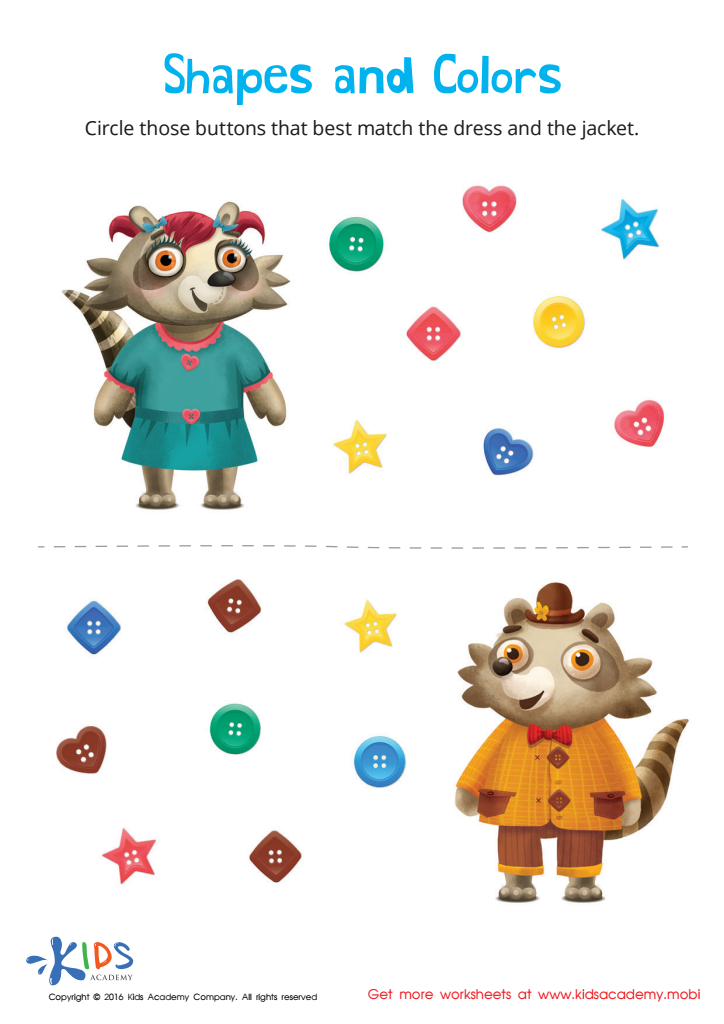
Matching: Shapes and Colors Worksheet
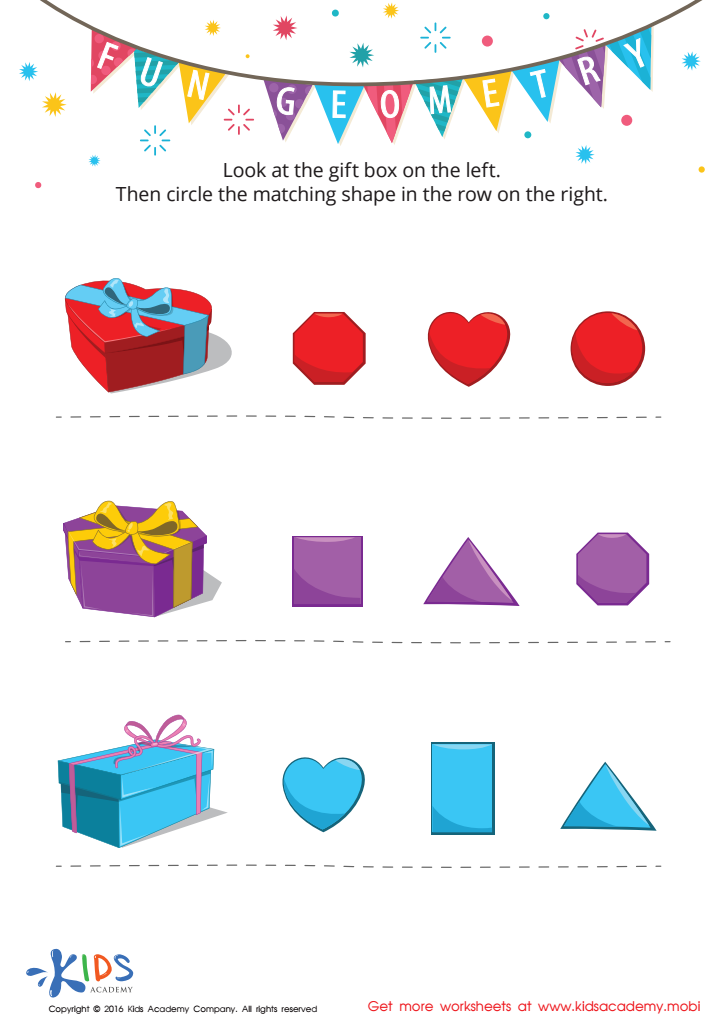
Fun Geometry Worksheet
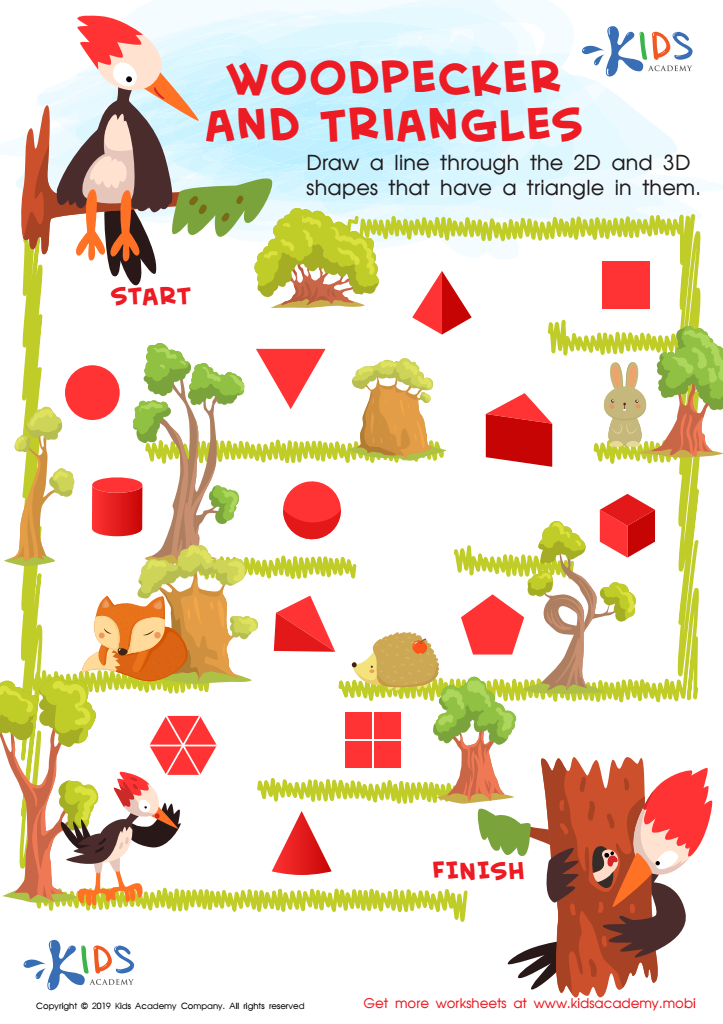
Woodpecker and Triangles Worksheet
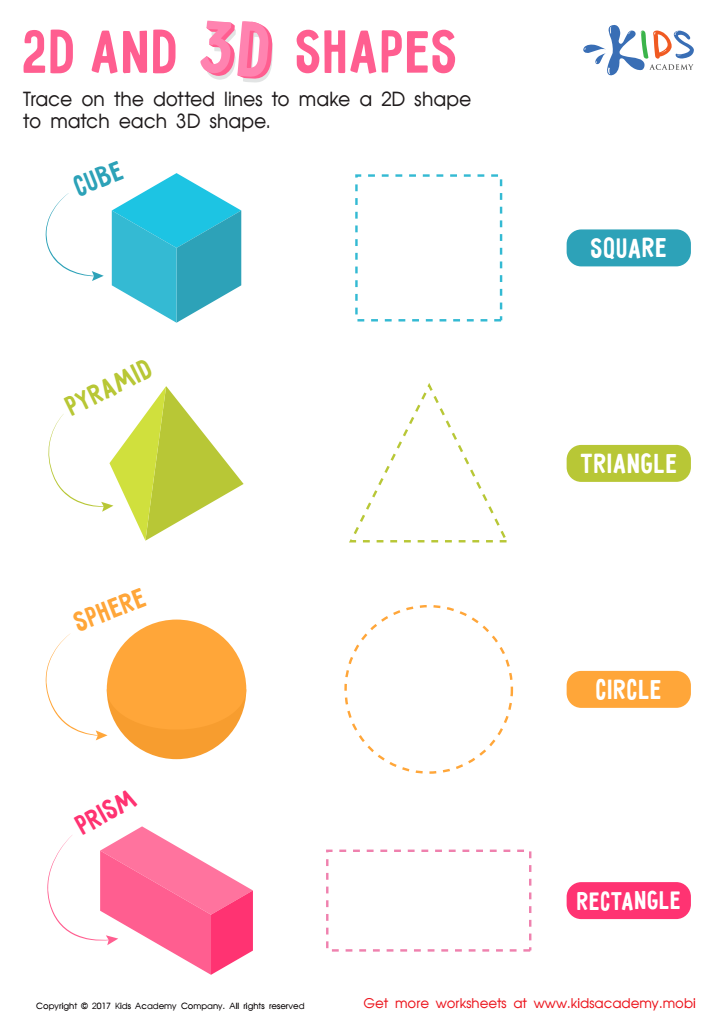
2D and 3D Shapes Worksheet
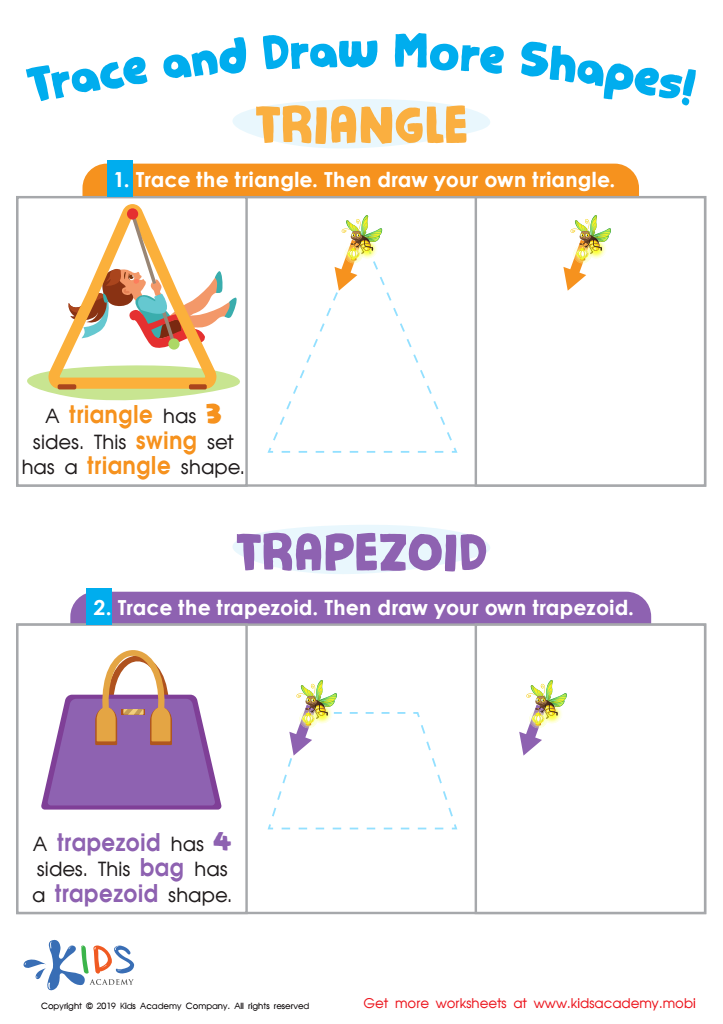
Trace and Draw More Shapes Worksheet
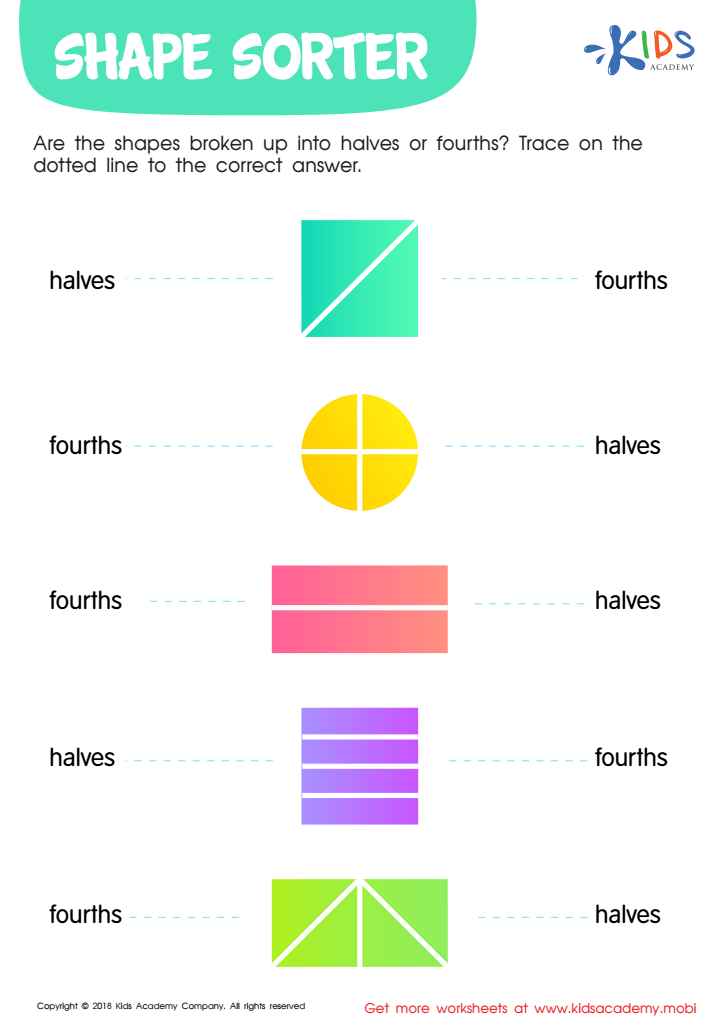
Shape Sorter Worksheet
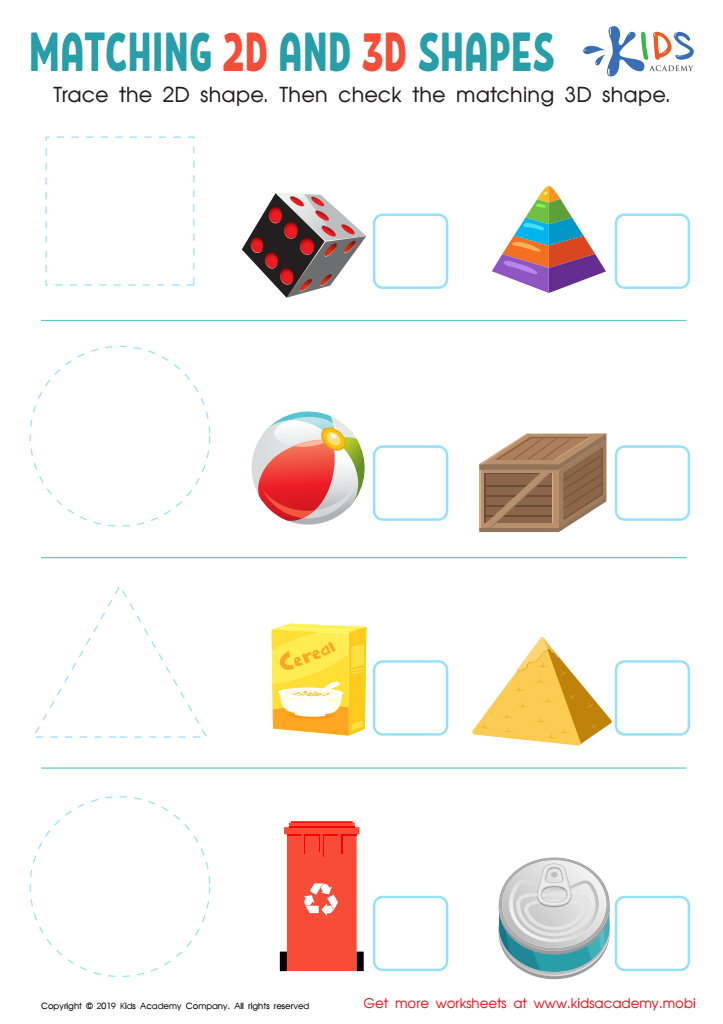
Matching 2D and 3D Shapes Worksheet
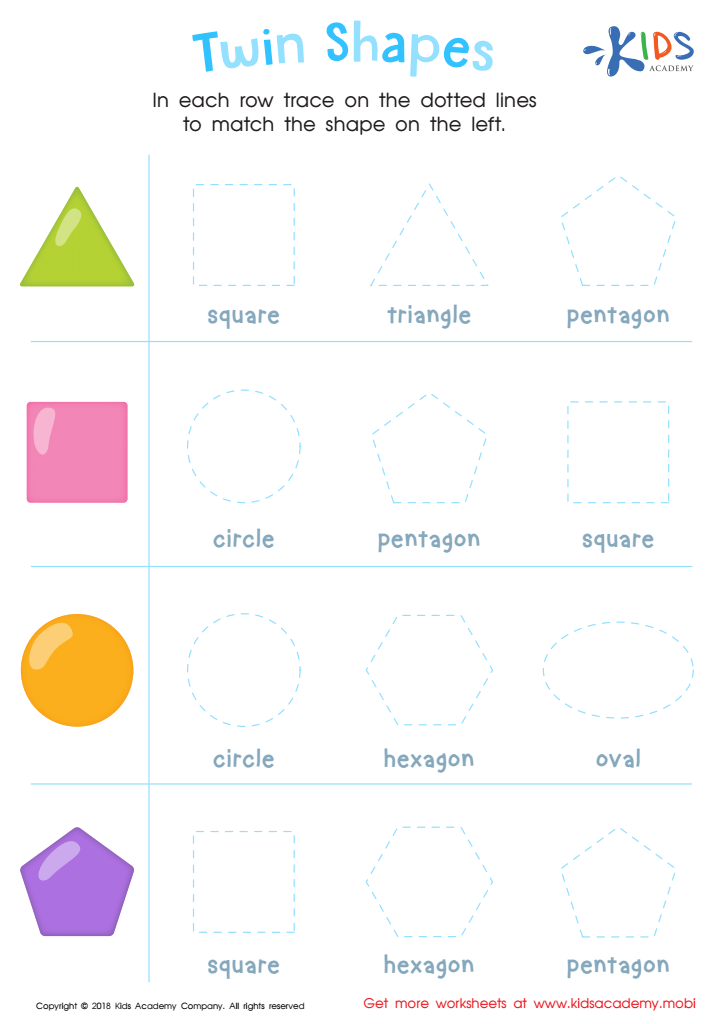
Twin Shapes Dot-to-Dot Worksheet
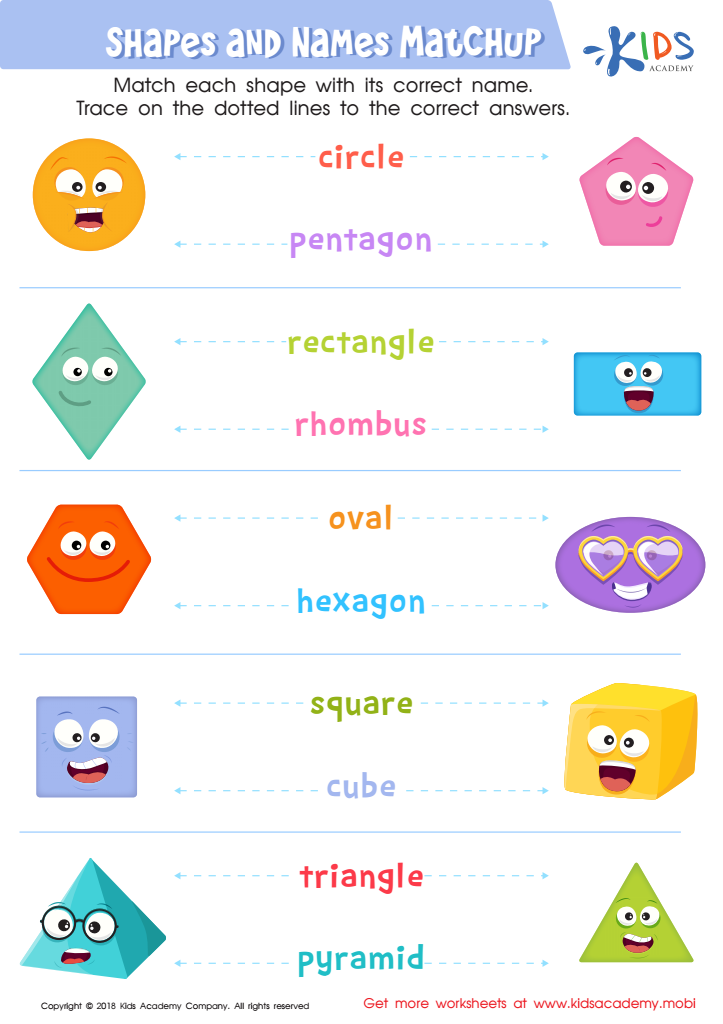
Shapes and Names Matchup Worksheet
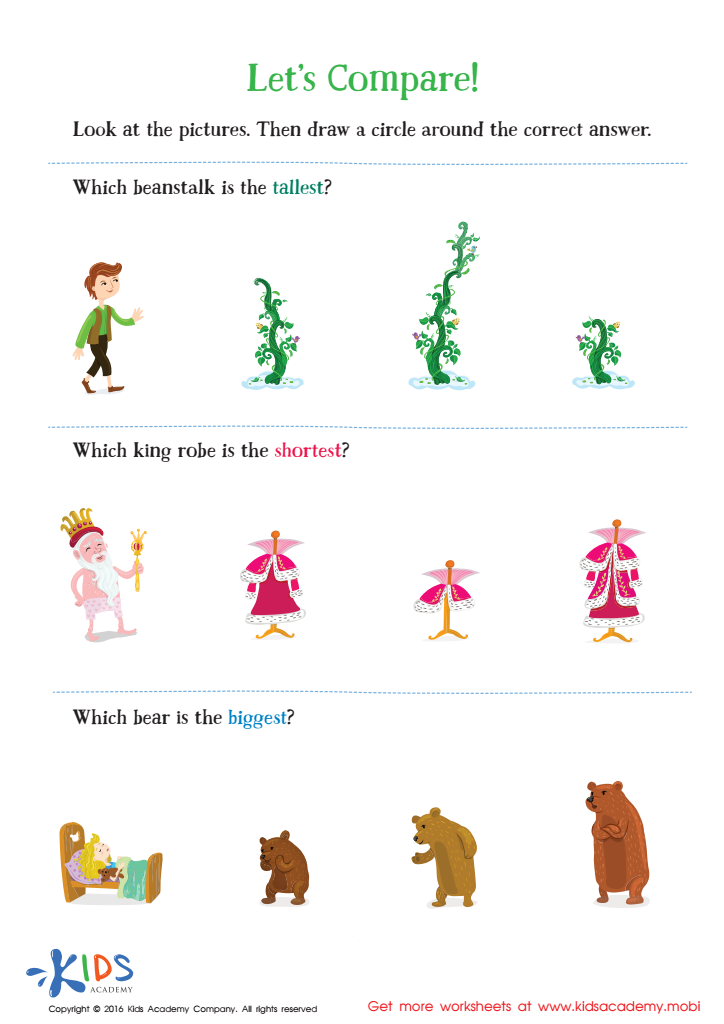
Fairy Tale Worksheet: Let's Compare






Shape recognition is a foundational skill for young children that goes beyond simply identifying circles, squares, or triangles. It's crucial for the cognitive development of kids aged 6-7, offering numerous educational benefits that parents and teachers should not overlook.
First, understanding shapes enhances spatial reasoning, which is the ability to comprehend and function in the three-dimensional world. This is essential for practical life skills such as reading maps, geometry, and even everyday tasks like packing a bag, or determining if a piece of furniture will fit in a room. Beyond that, shape recognition is an early introduction to logic and problem-solving. By differentiating shapes, children learn to categorize and organize the world around them, forming a basis for more complex mathematical concepts.
Furthermore, shape tasks improve fine motor skills and eye-hand coordination as children manipulate and draw various shapes. This prepares them for writing, a key aspect of literacy. Shape recognition also plays a role in assisting visual learning—a primary mode of information intake for young children.
Most importantly, making shape recognition tasks an extra challenge keeps learning exciting and engaging. When children face and overcome these fun challenges, it builds their confidence and fosters a love of learning. Therefore, investing time and effort into shape recognition exercises can substantially benefit a child's educational journey by establishing a strong foundation for future learning.








