Extra Challenge Worksheets for Ages 6-8 - Page 3
494 filtered results
-
From - To
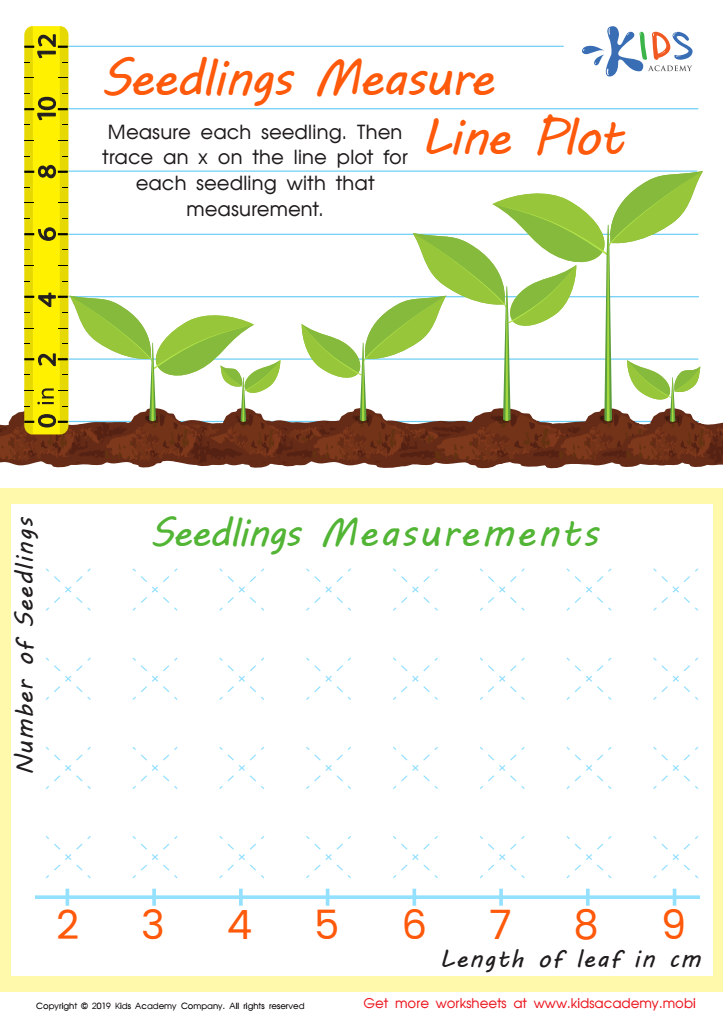
Seedling Measure Line Plot Worksheet
 Assign to My Students
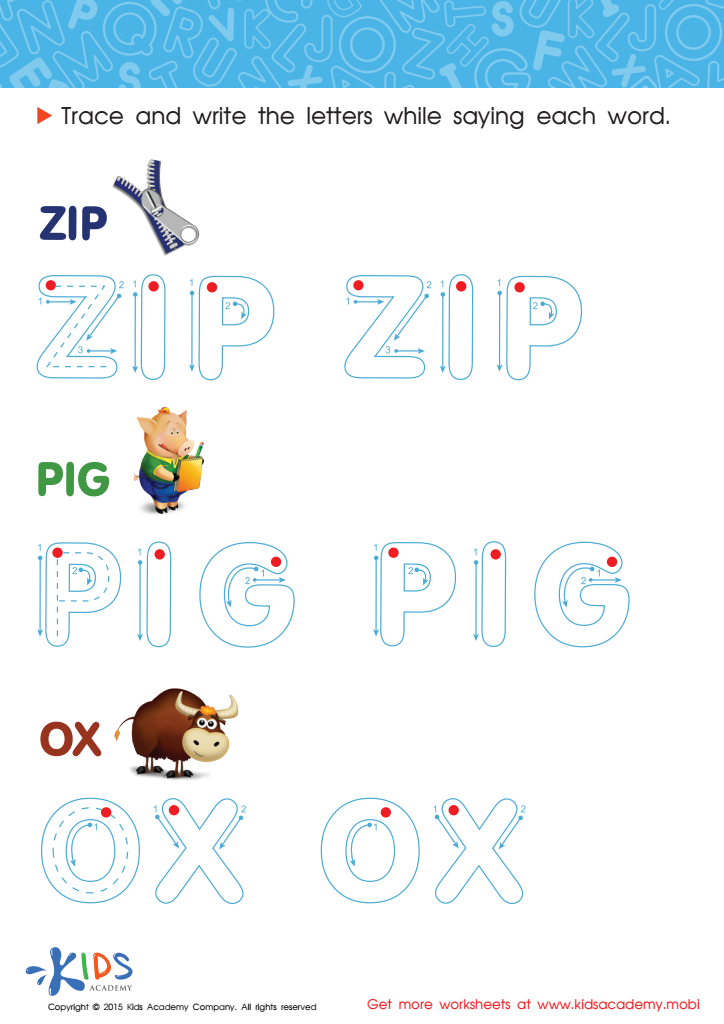
A Zip, a Pig and an Ox Spelling Worksheet
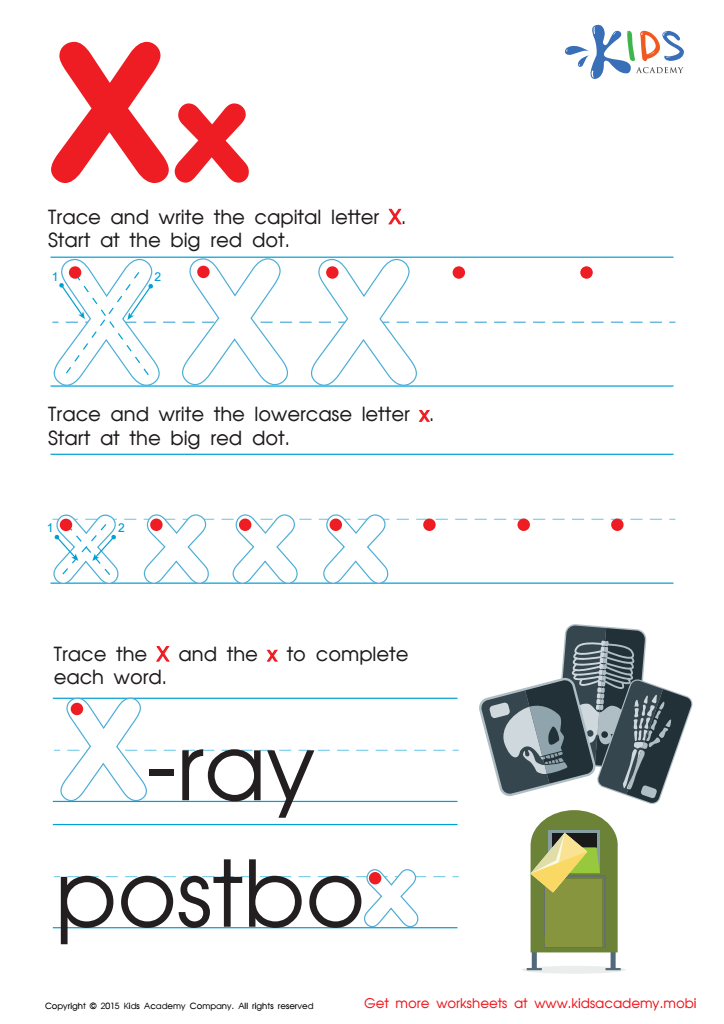
Letter X Tracing Page
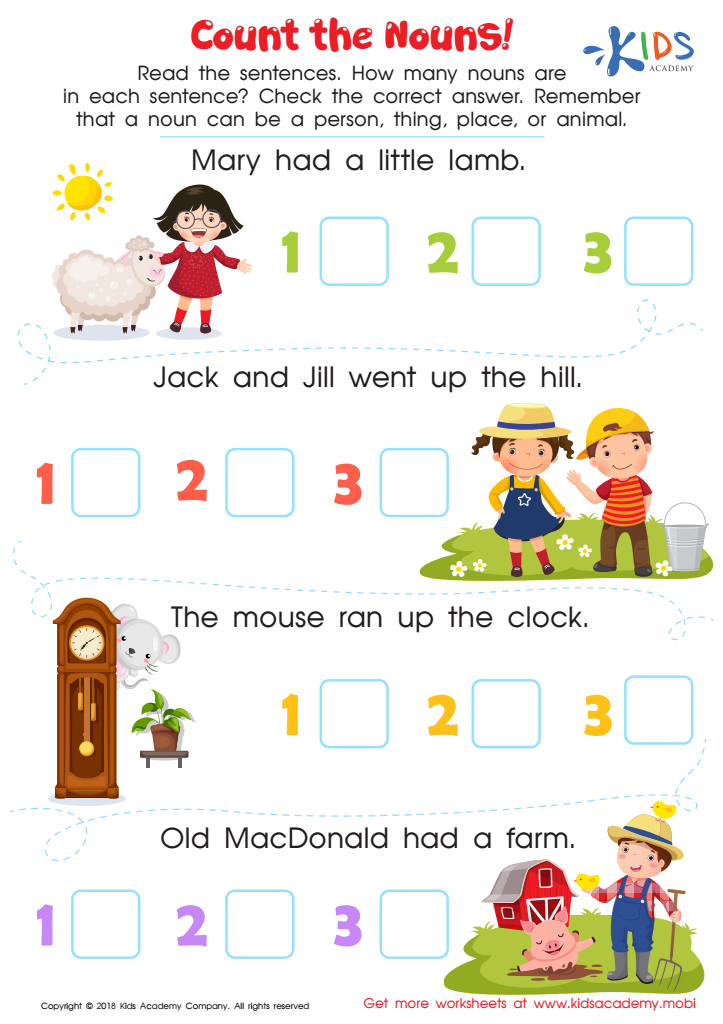
Count the Nouns Worksheet
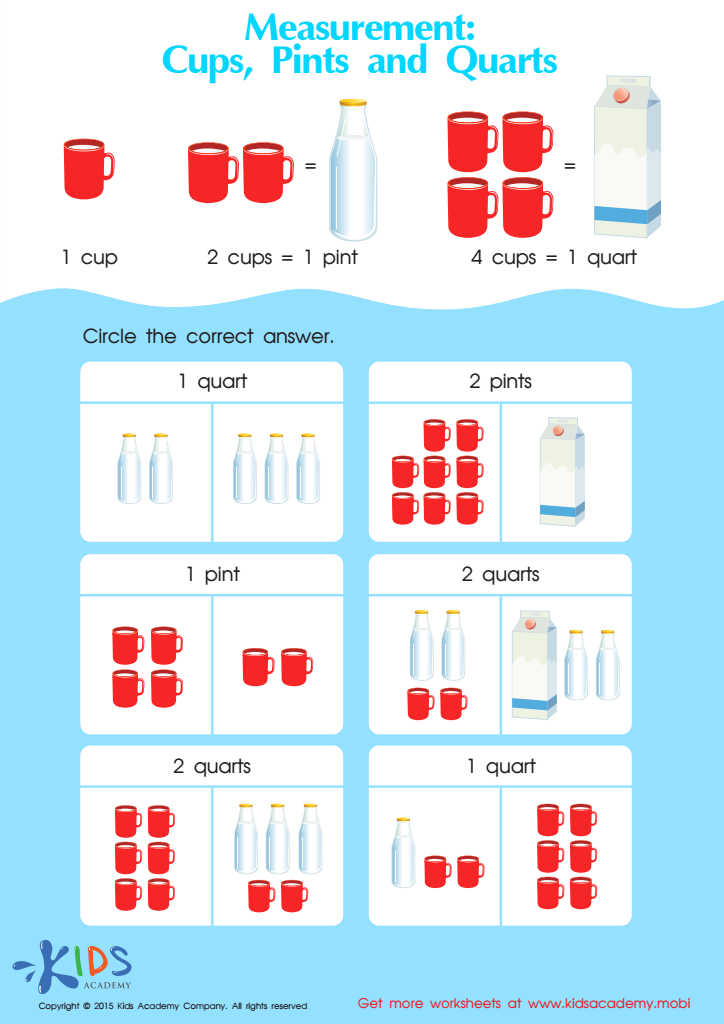
Cups, Pints and Quarts Worksheet
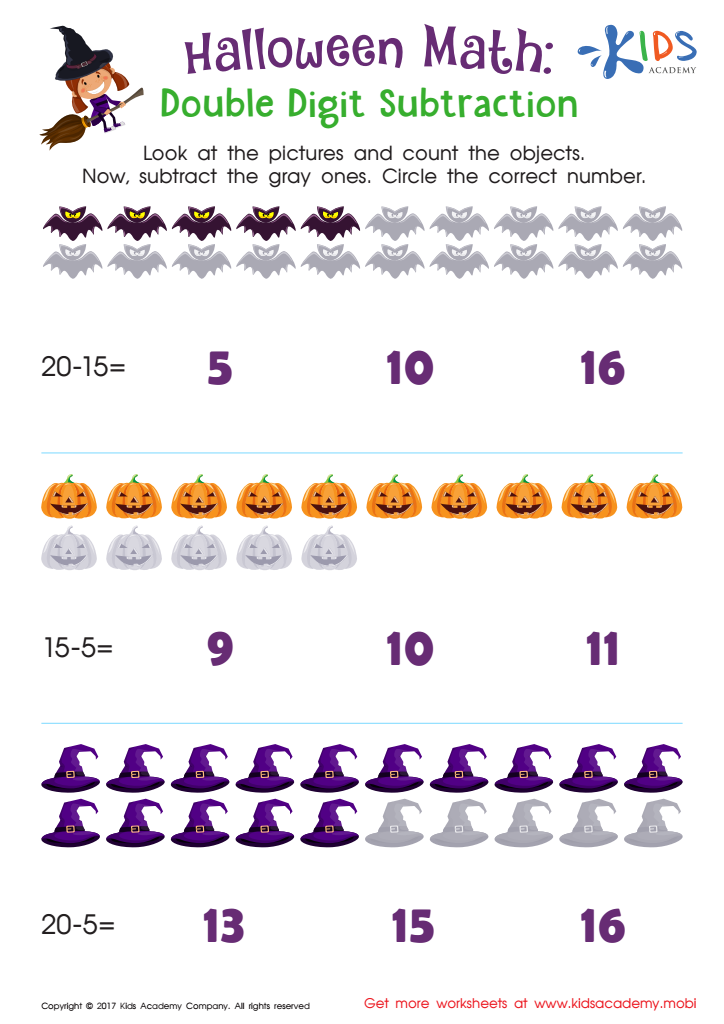
Halloween Math Subtraction Worksheet
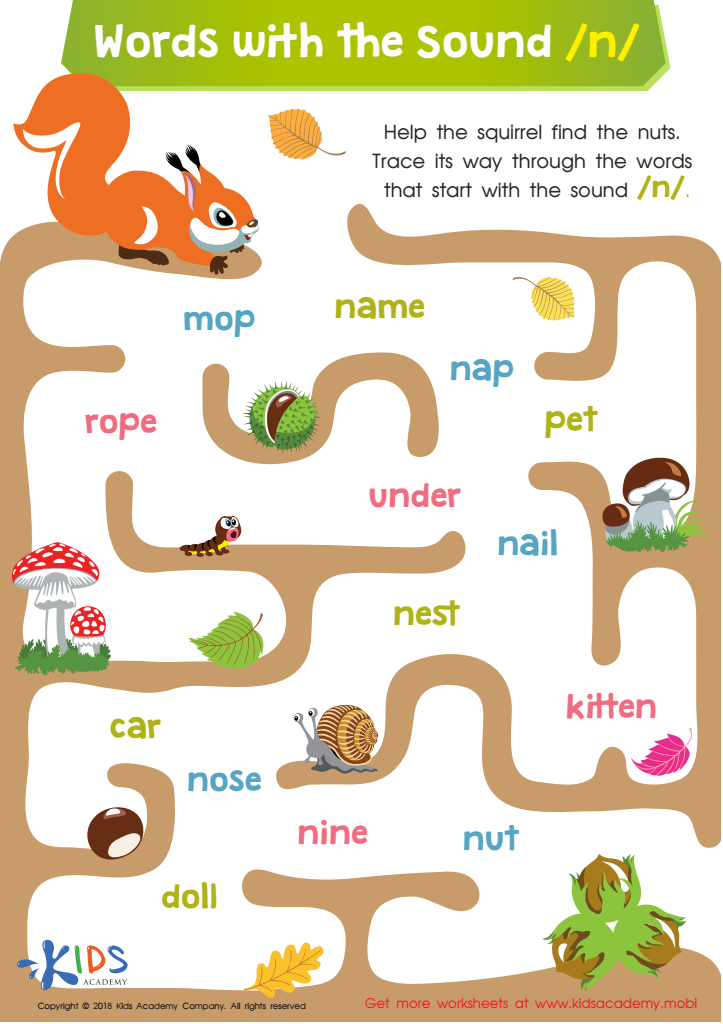
Words with Sound N Reading Worksheet
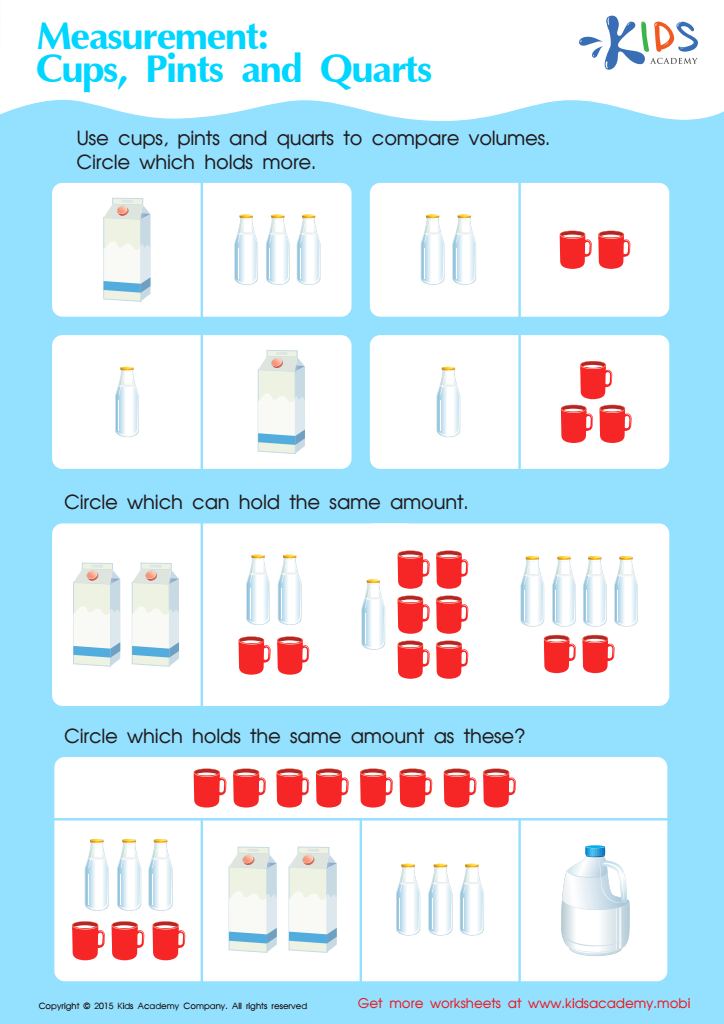
Measurement: Compare Volumes Worksheet
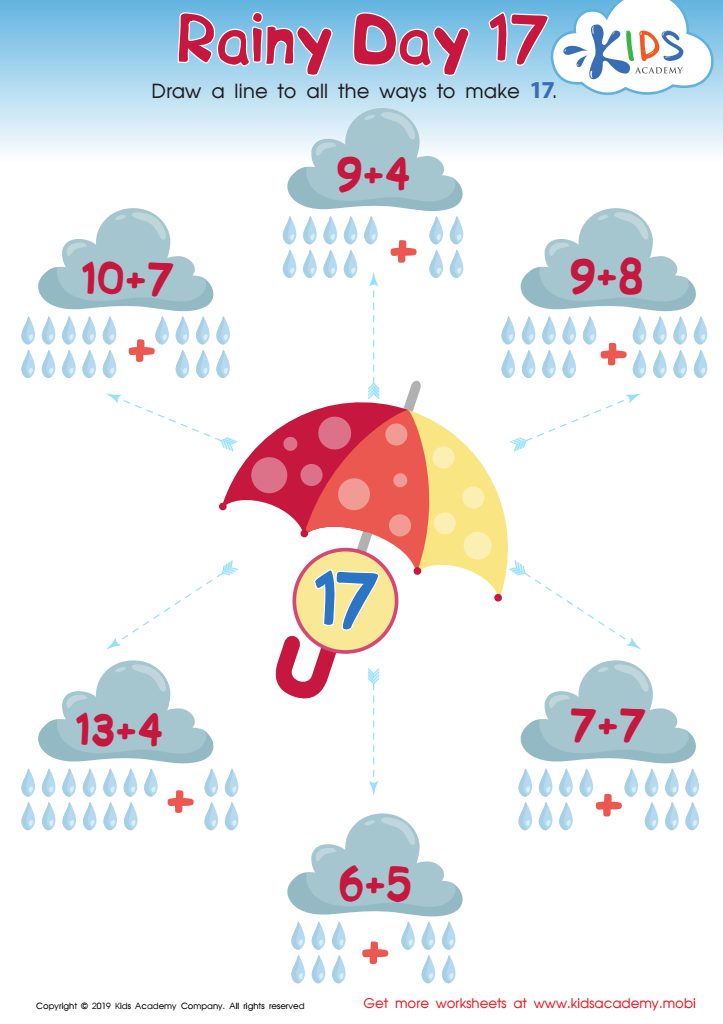
Rainy Day 17 Worksheet
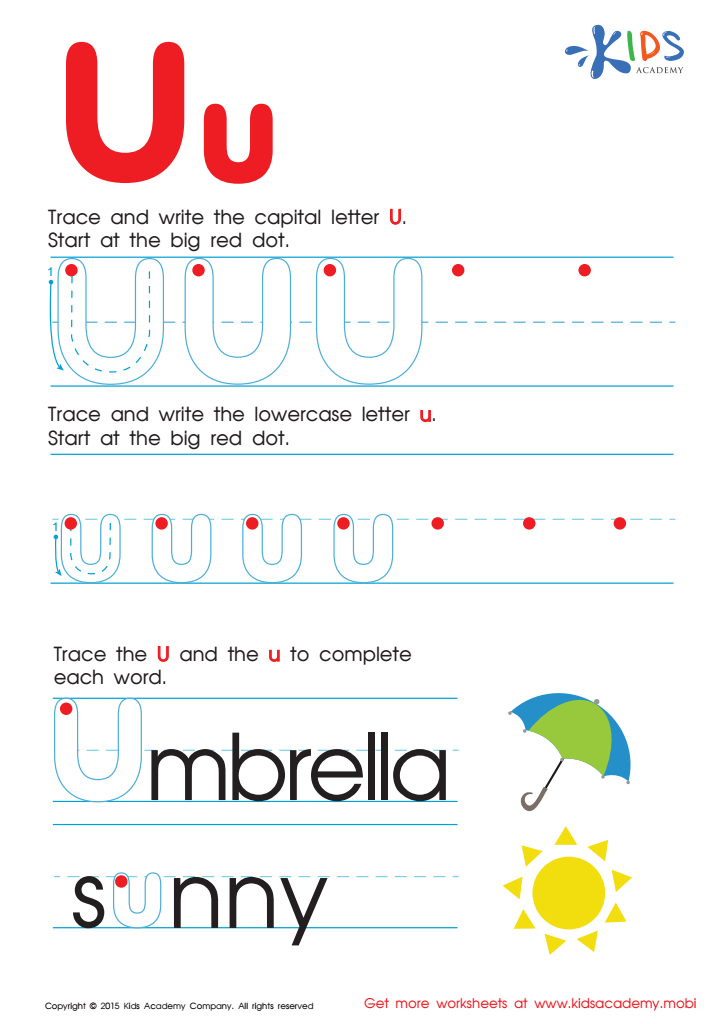
Letter U Tracing Page
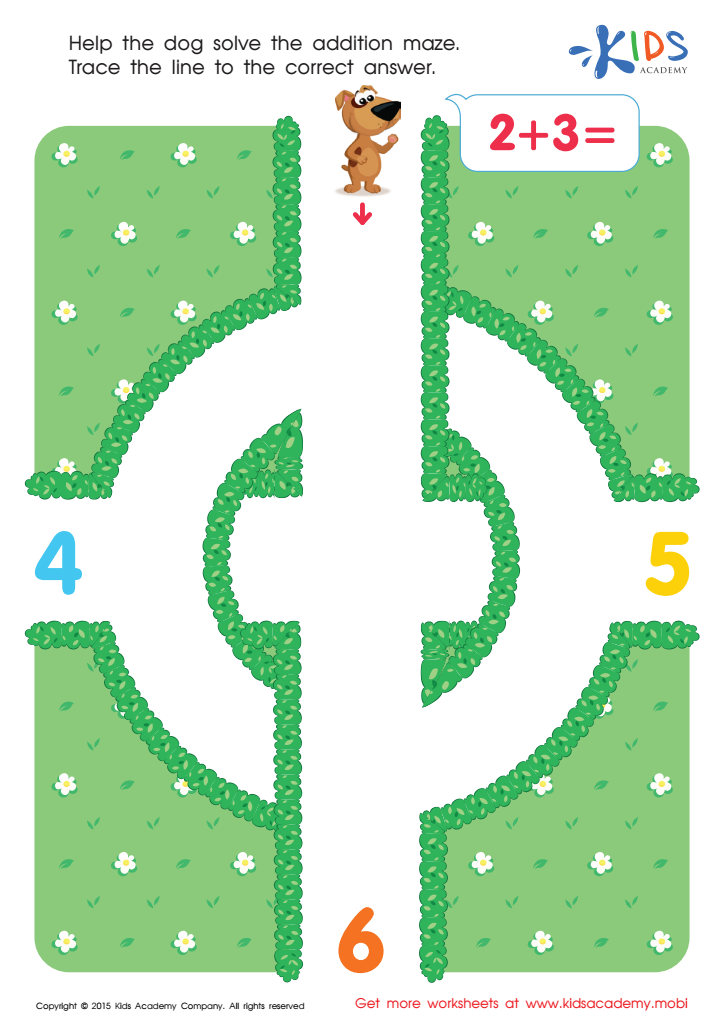
Two And Three Addition Worksheet
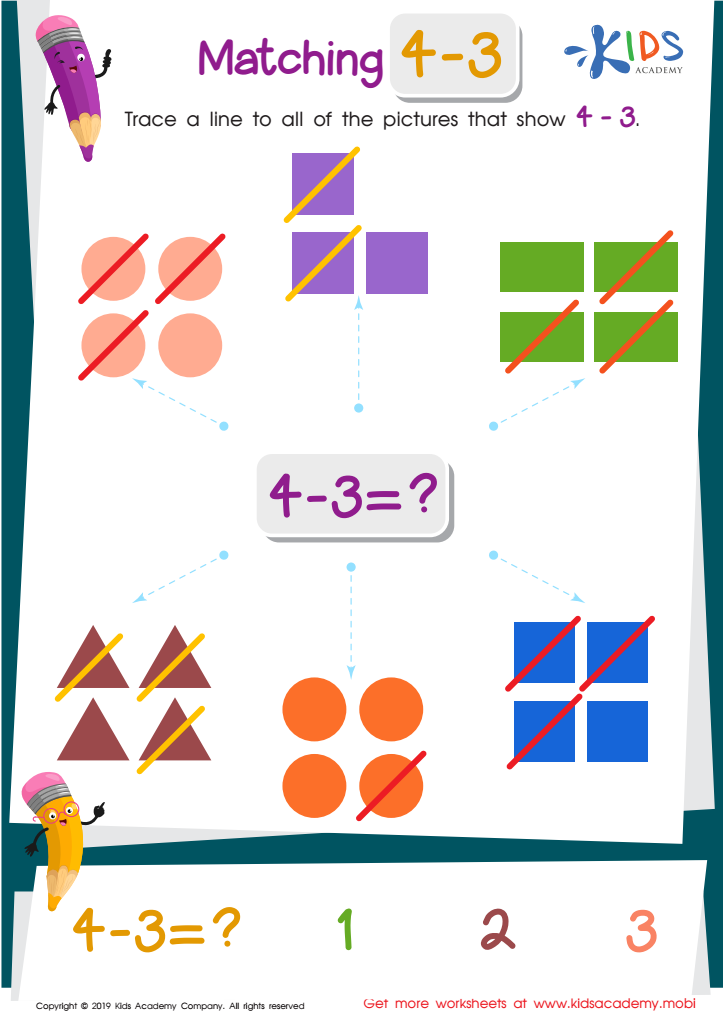
Matching 4 – 3 Worksheet

Alexander the Great Maze Worksheet
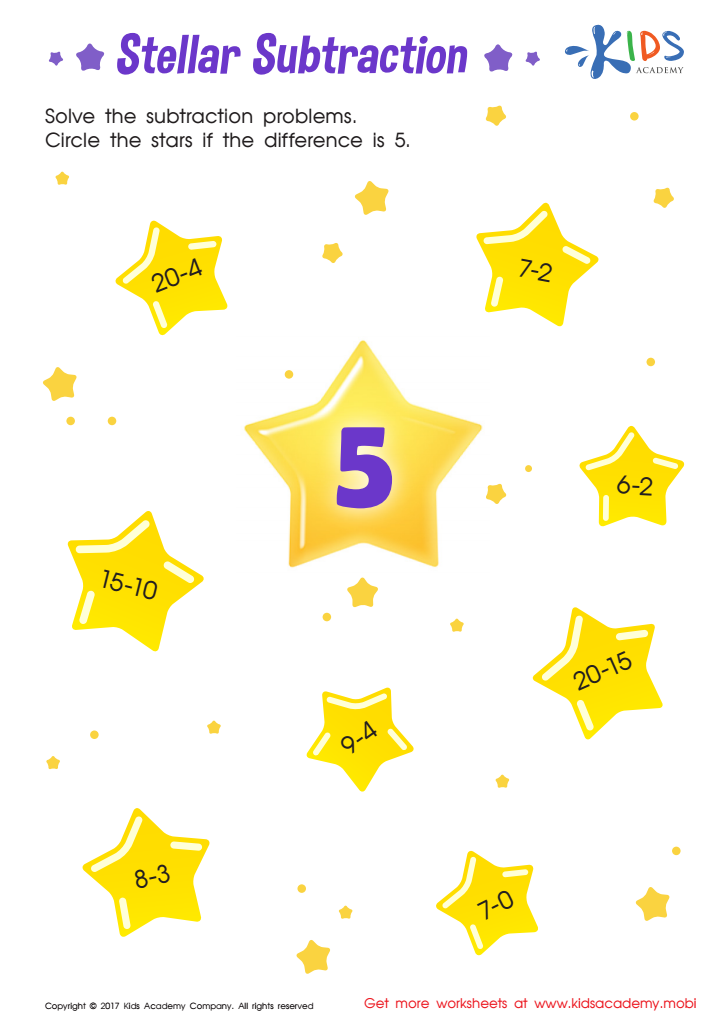
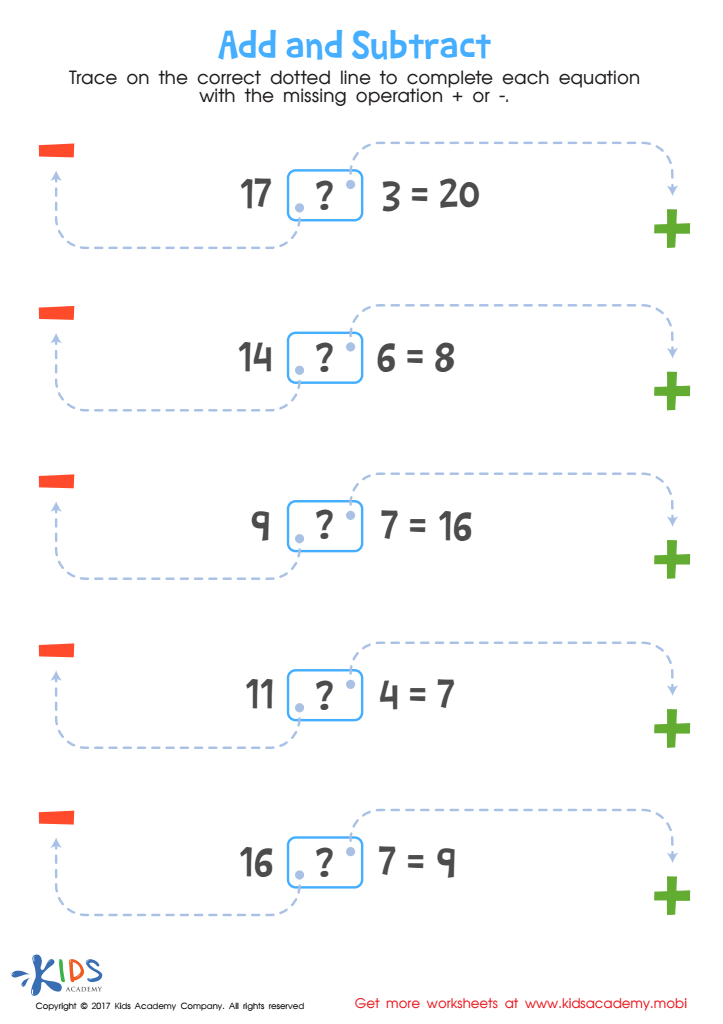
Add and Subtract Worksheet
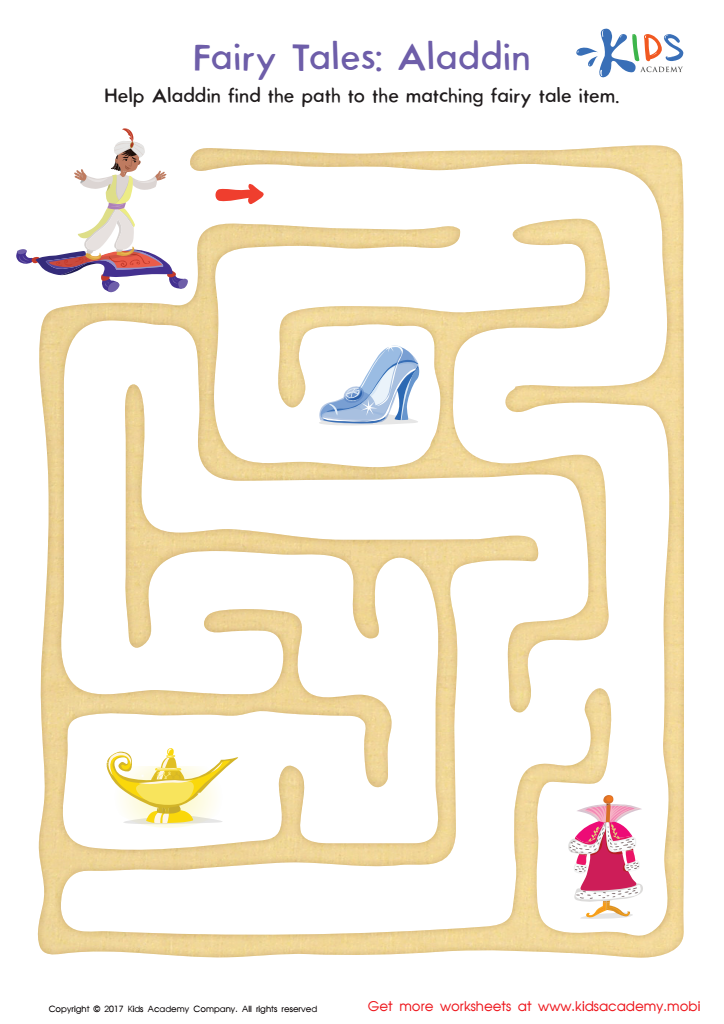
Fairy Tales Aladdin Printable
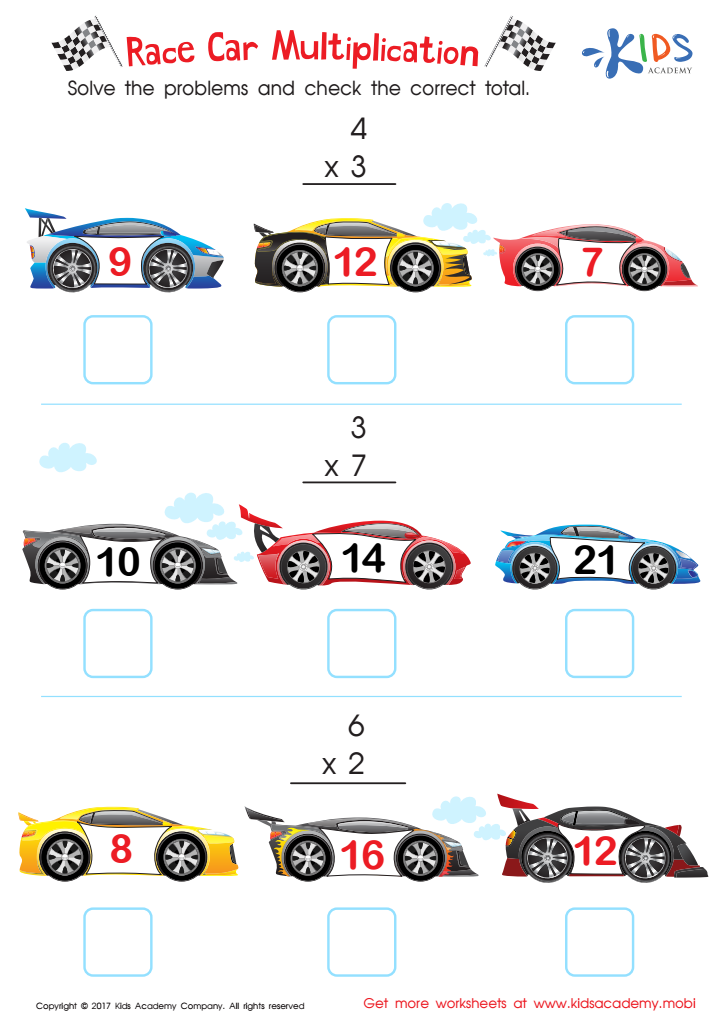
Race Car Worksheet
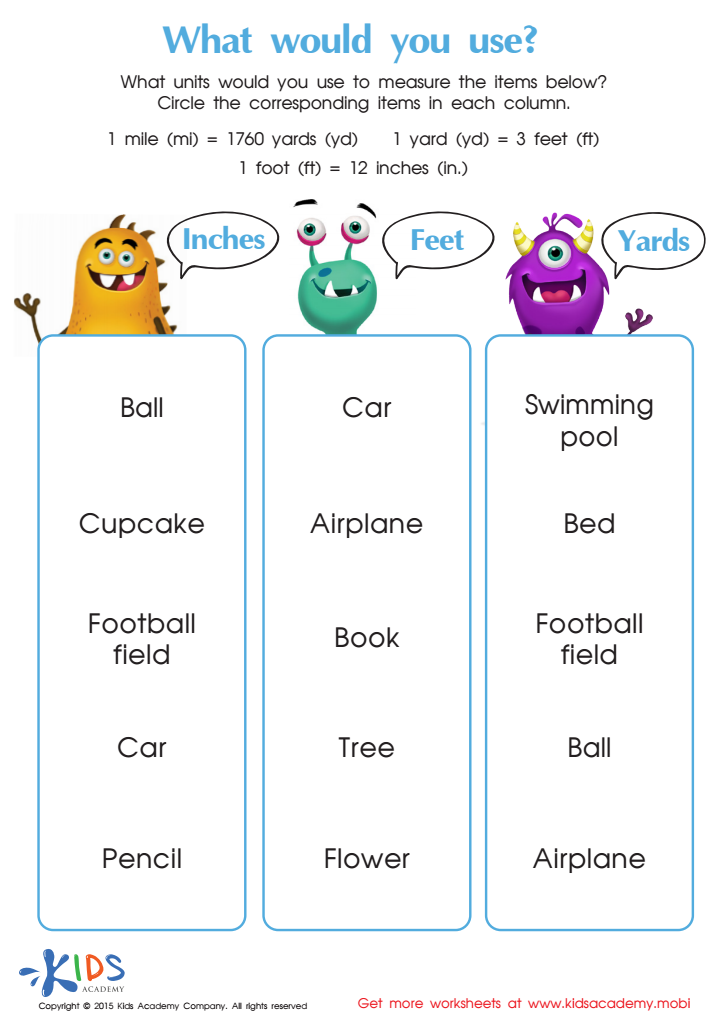
Learning about measuring objects in inches, feet and yards Worksheet
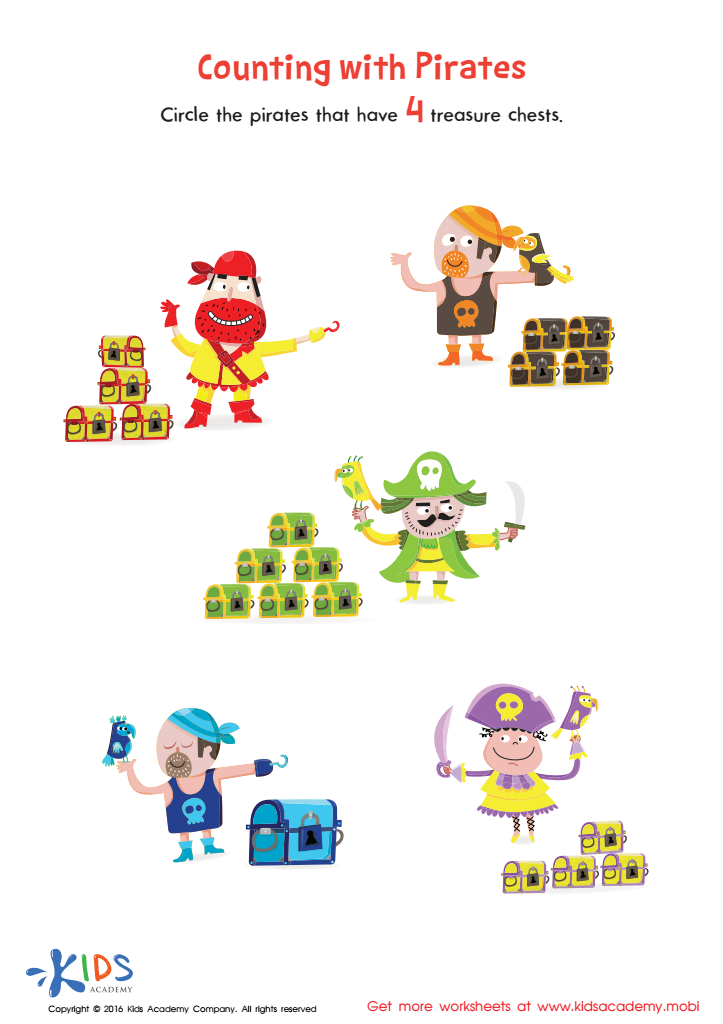
Counting With Pirates Worksheet
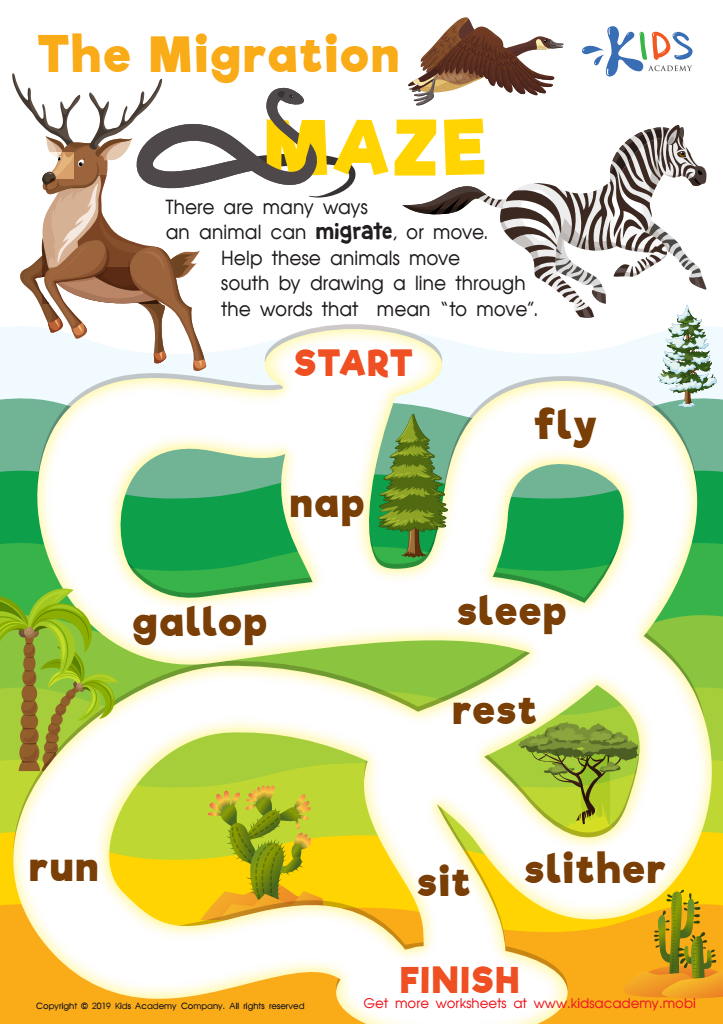
The Migration Maze Worksheet
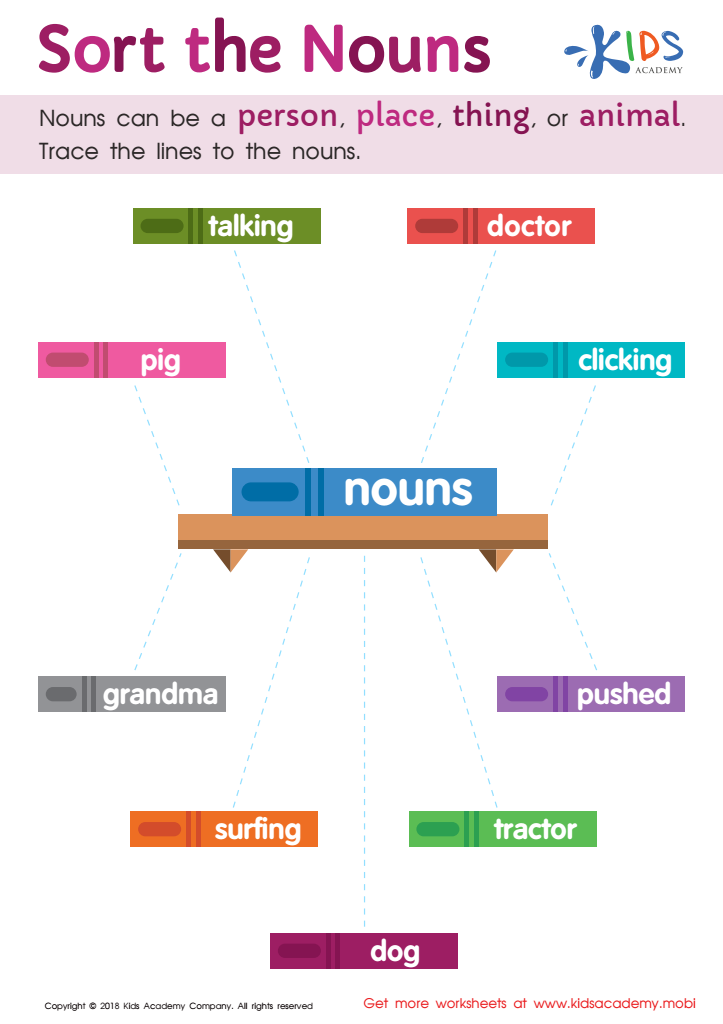
Sort the Nouns Worksheet
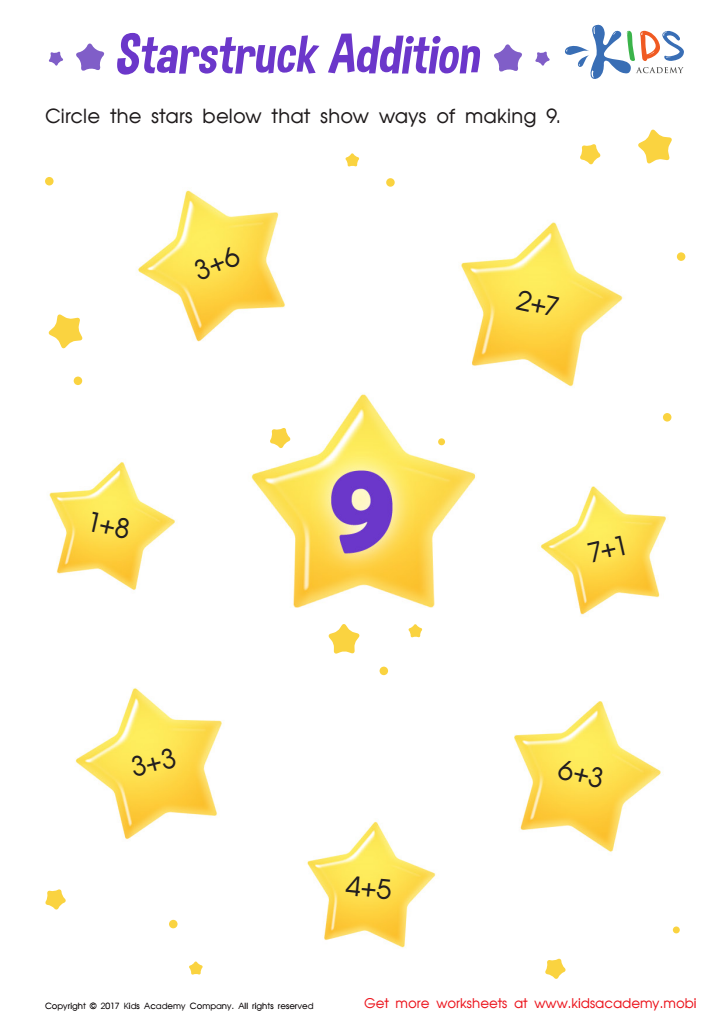
Starstruck Addition Printable
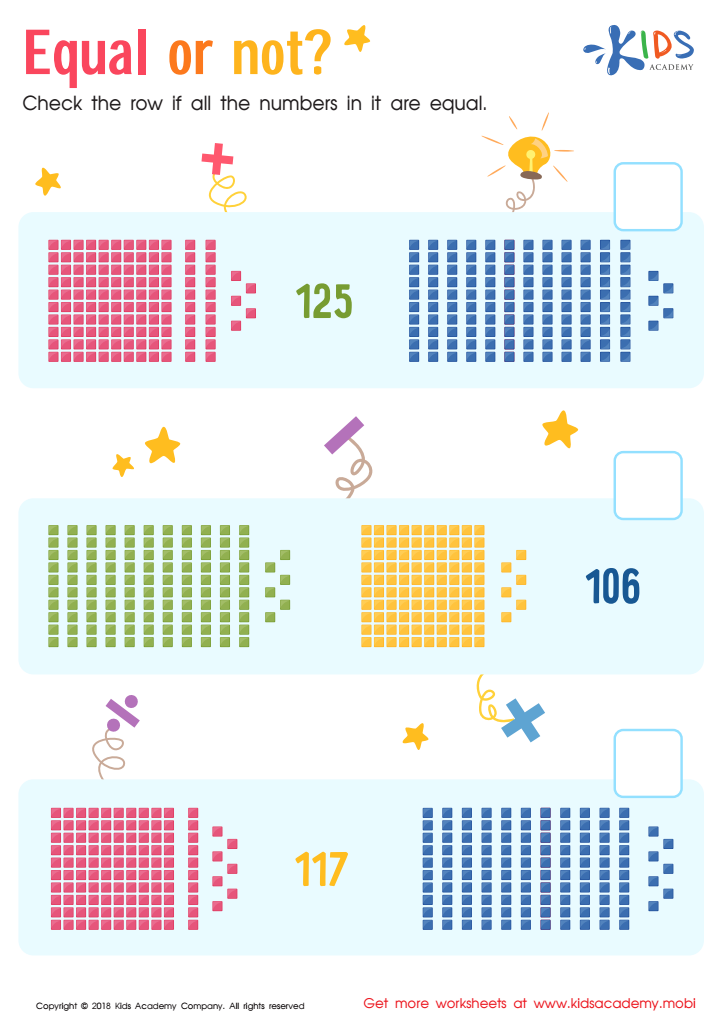
Equal or not Worksheet







Parents and teachers should prioritize extra challenges for children aged 6-8 because this is a crucial developmental stage in which curiosity and learning abilities flourish. Introducing challenging activities helps cultivate critical thinking, problem-solving skills, and resilience. Children in this age group are naturally drawn to exploring new concepts; by providing them with enrichment opportunities, we can tap into that enthusiasm and stimulate their intellectual growth.
Furthermore, offering extra challenges can help identify individual learning styles and strengths, allowing educators to tailor instruction accordingly. Engaging children in age-appropriate yet challenging tasks can boost their self-confidence and foster a love for learning, which is essential during these formative years. It prevents boredom and disengagement, which can hinder motivation and learning in the long run.
Additionally, extra challenges can enhance social skills as children often collaborate with peers to tackle problems. This collaborative effort not only strengthens community bonds but also equips them with communication and teamwork abilities vital for future success.
In summary, providing extra challenges to young learners paves the way for holistic development, emotional intelligence, and academic excellence, making it a priority for parents and teachers alike.








