Extra Challenge Reading Fiction Worksheets for Ages 6-8
9 filtered results
-
From - To
Unlock a world of imagination with our Extra Challenge Reading Fiction Worksheets designed specifically for children ages 6-8. These engaging worksheets provide an opportunity for young readers to deepen their comprehension skills while exploring captivating stories. Each activity encourages critical thinking, vocabulary development, and creative expression, helping them connect to the text in meaningful ways. Perfect for classroom use or at-home learning, our worksheets cater to various reading levels, ensuring children are both challenged and supported. Ignite your child’s passion for reading and inspire a love for literature with our thoughtfully crafted fiction worksheets, tailored to foster growth and understanding in budding readers.
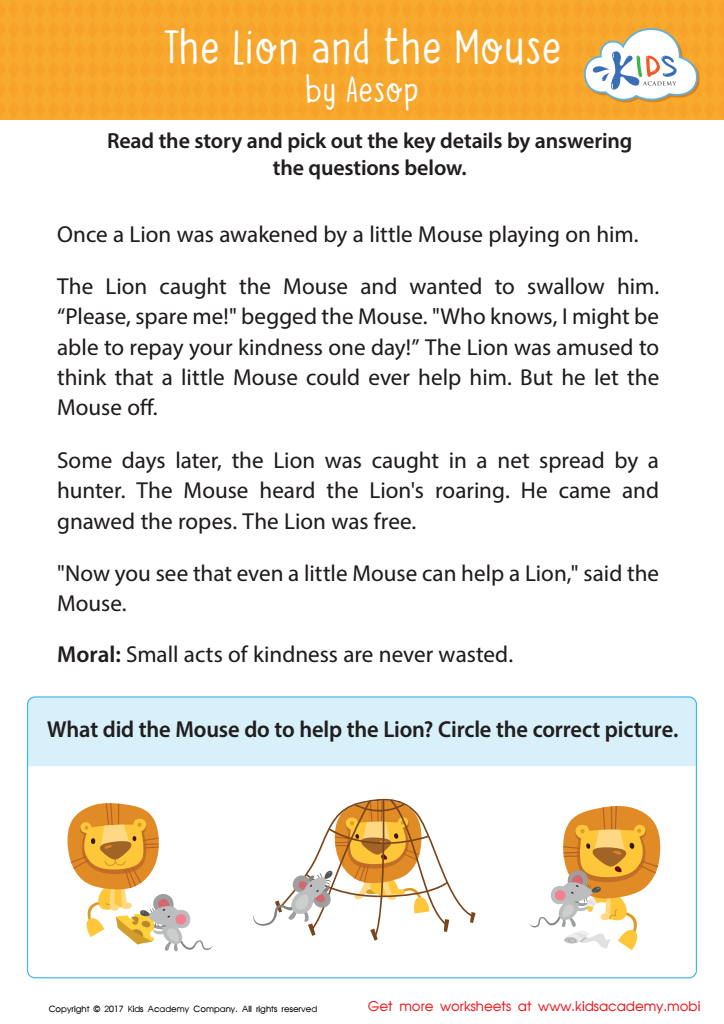
The Lion and The Mouse Sequencing Worksheet
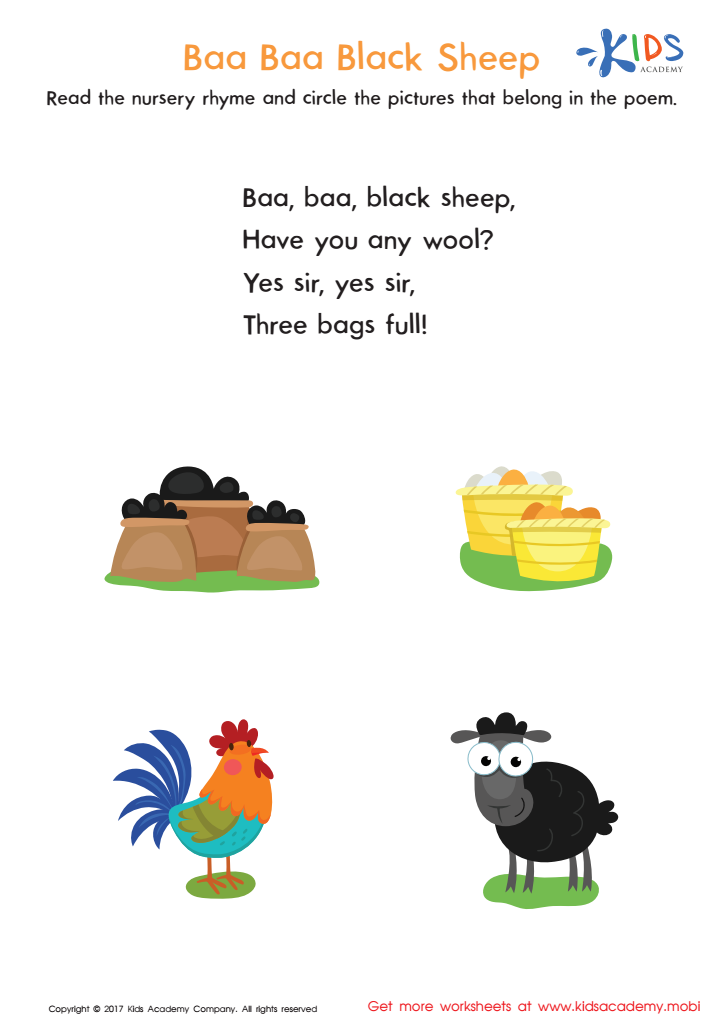
Baa Baa Black Sheep Printable
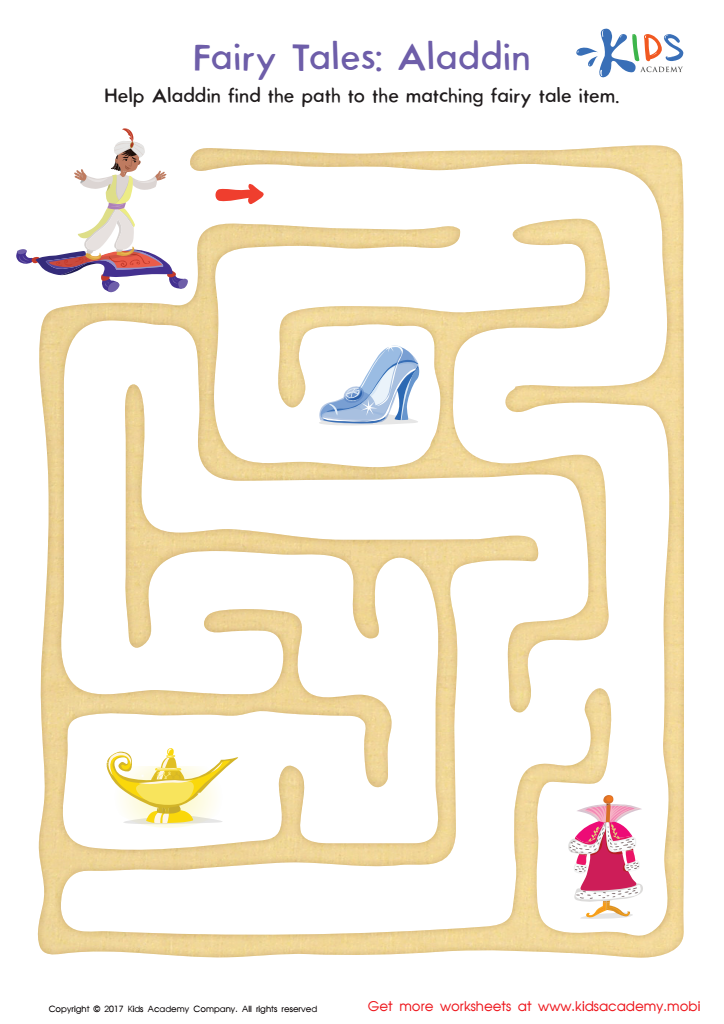
Fairy Tales Aladdin Printable
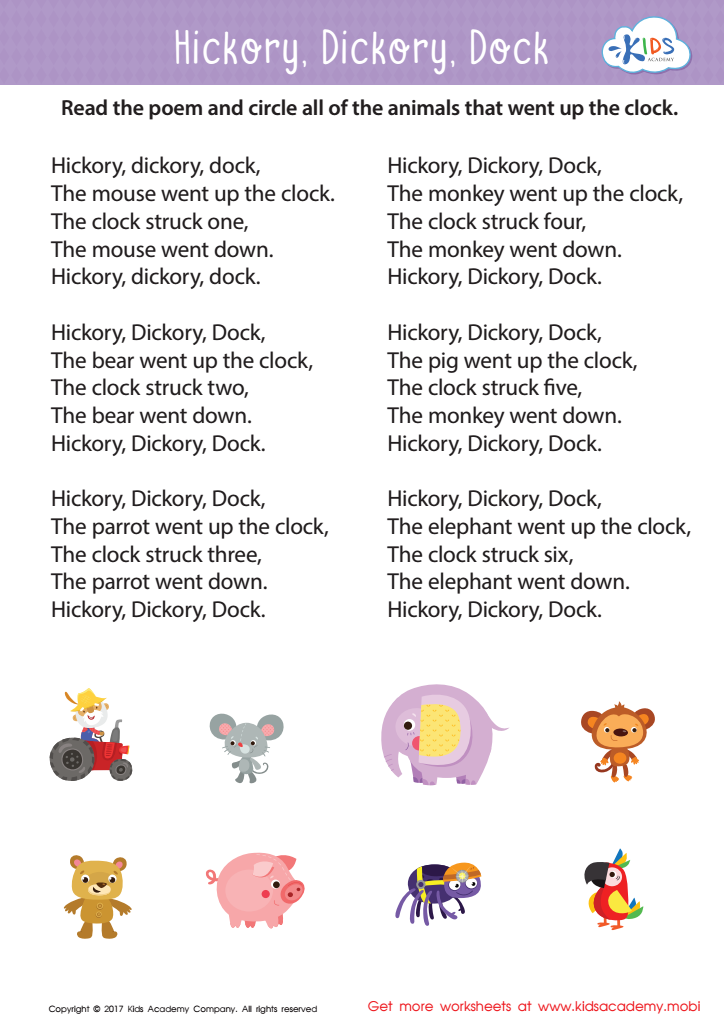
Hickory Dickory Dock Sequencing Worksheet
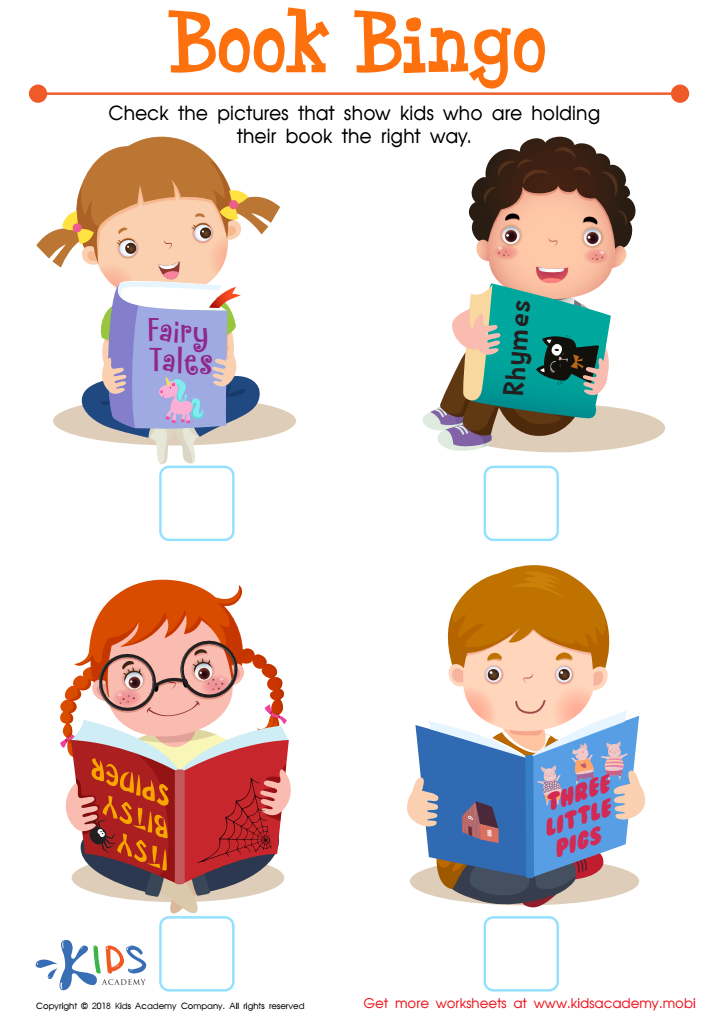
Book Bingo Worksheet
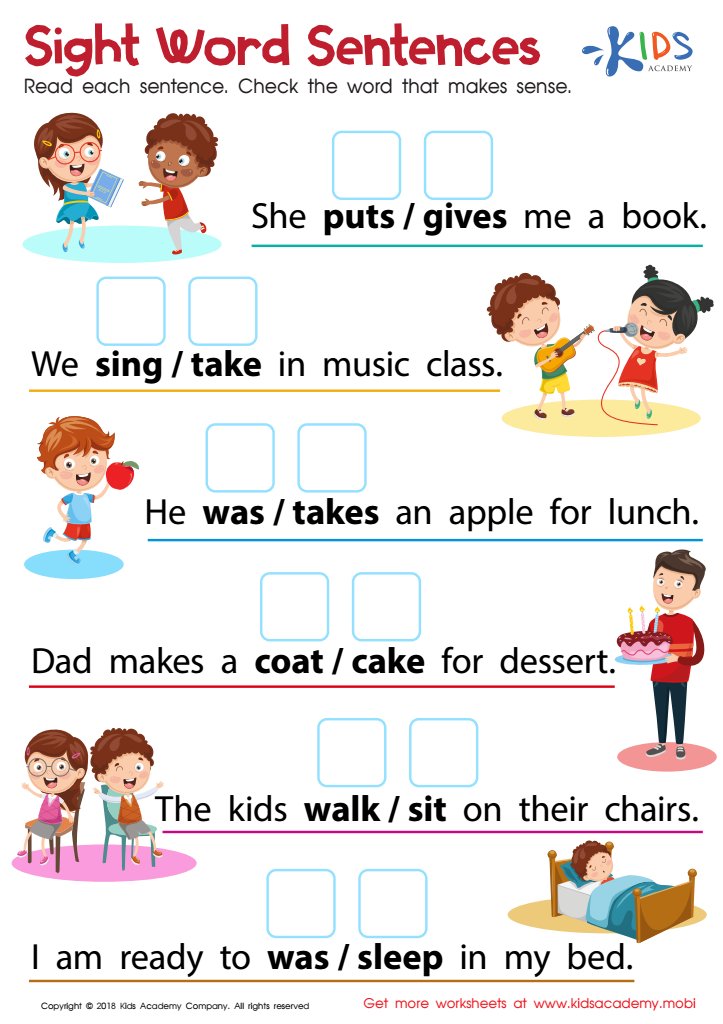
Sight Words Sentences Worksheet
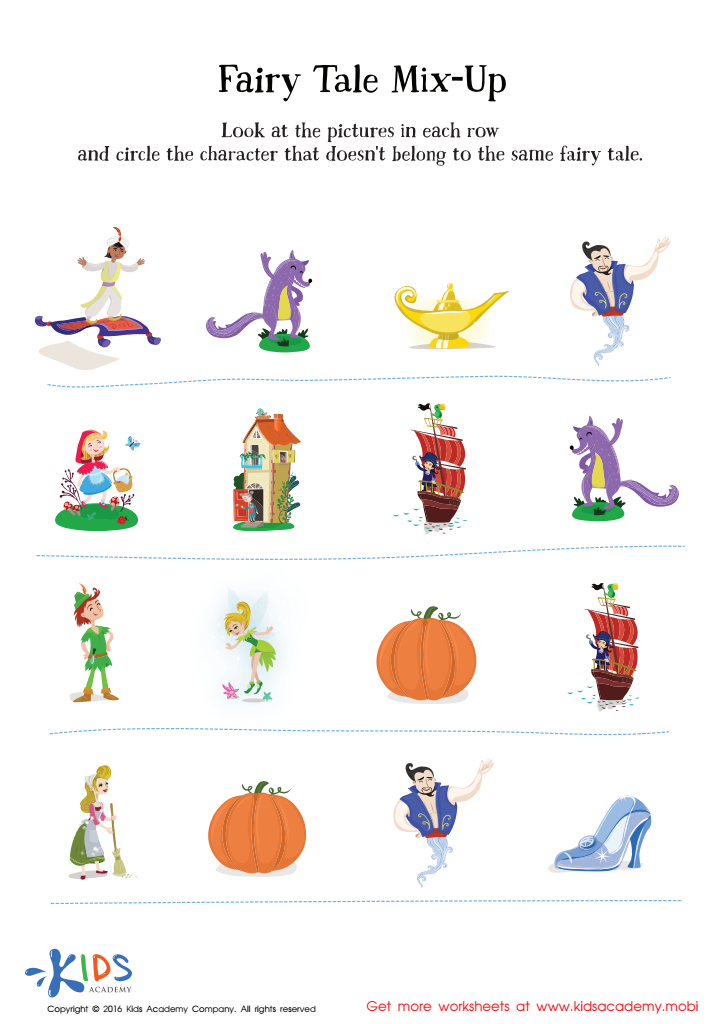
Fairy Tale Worksheet: Story Mix Up
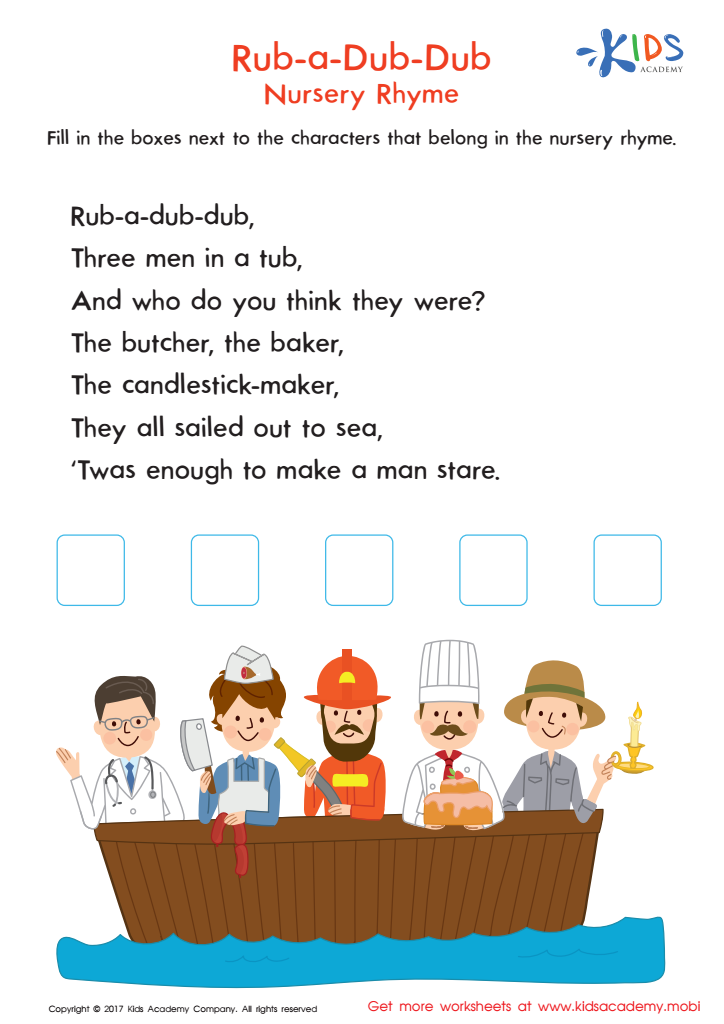
Rub a Dub Dub Printable
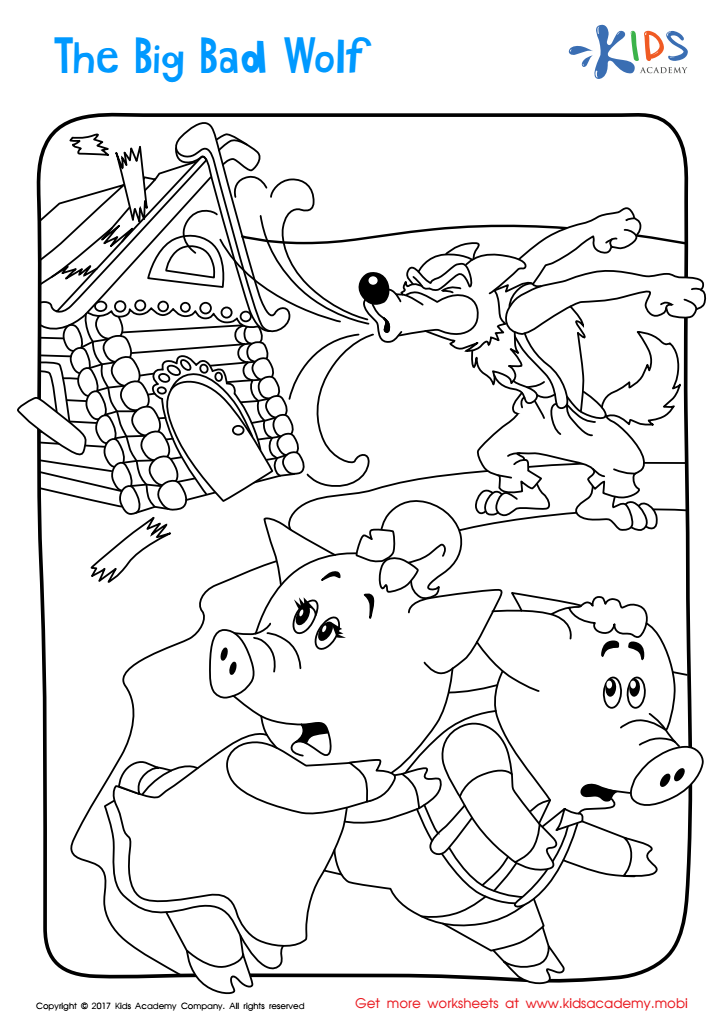
Big Bad Wolf Printable Coloring Page
 Assign to My Students


.jpg)





Parents and teachers should care about extra challenge reading fiction for ages 6-8 because it plays a crucial role in children's cognitive and emotional development. Delving into challenging fictional texts cultivates critical thinking skills, enhancing children's ability to analyze story elements and understand complex characters and plots. This not only broadens their vocabulary but also nurtures comprehension skills, which are foundational for future academic success.
Reading fiction also stimulates imagination, opening up new worlds and experiences beyond a child's immediate surroundings. It encourages empathy by allowing children to experience different perspectives and emotions, fostering social development. These stories often incorporate themes of resilience and problem-solving, teaching children important life lessons.
Moreover, offering extra challenge creates a culture of reading, encouraging daily engagement with literature and instilling lifelong habits. Classes that incorporate a variety of reading levels can prevent boredom and promote enthusiasm for learning, while parents who engage in reading challenges and discussions at home reinforce the importance of literacy.
In summary, extra challenge reading fiction for young children is instrumental in promoting essential cognitive, social, and emotional benefits, making it a valuable practice worthy of attention and investment by parents and educators alike.







