Extra Challenge Social Studies Worksheets for Ages 6-8 - Page 2
38 filtered results
-
From - To
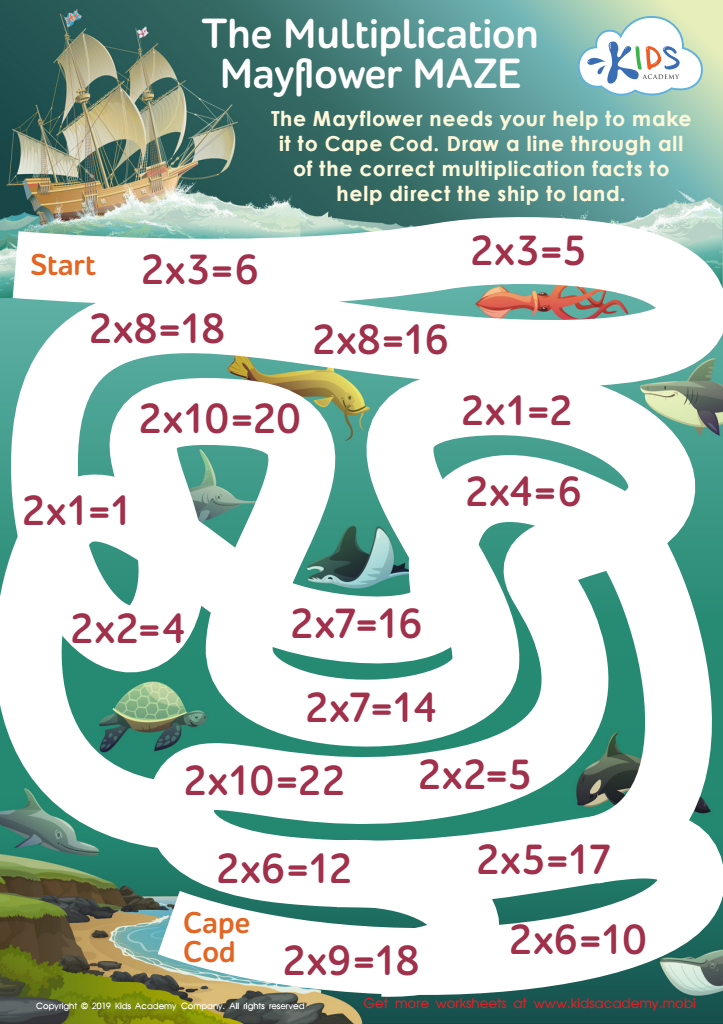
The Multiplication Mayflower Maze Worksheet
 Assign to My Students
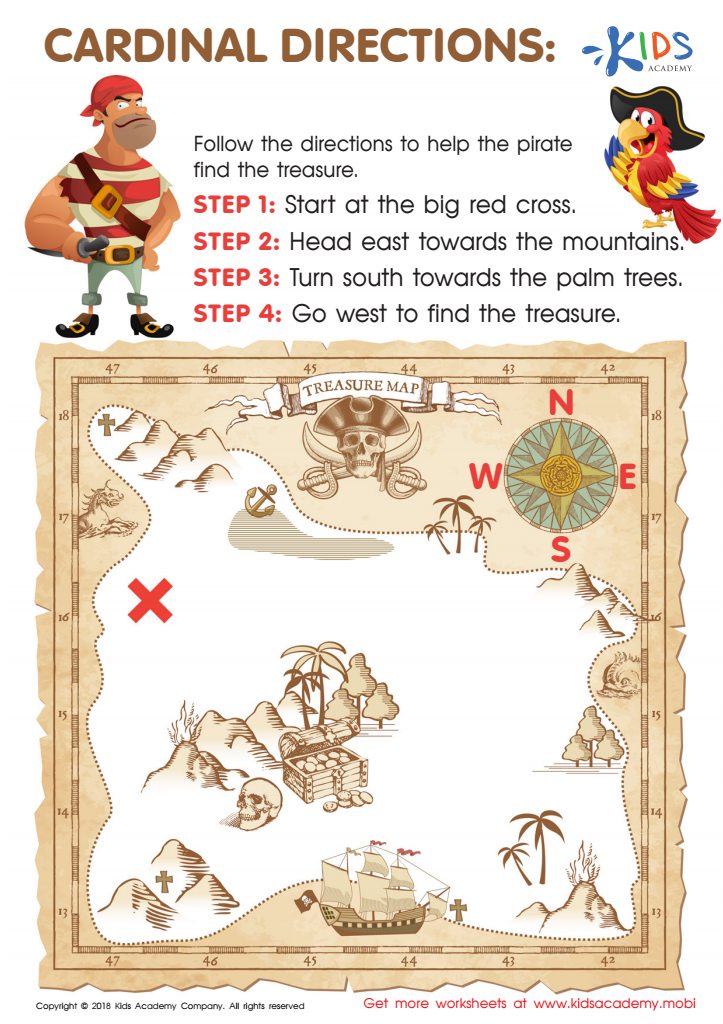
Cardinal Directions Treasure Map Maze Worksheet
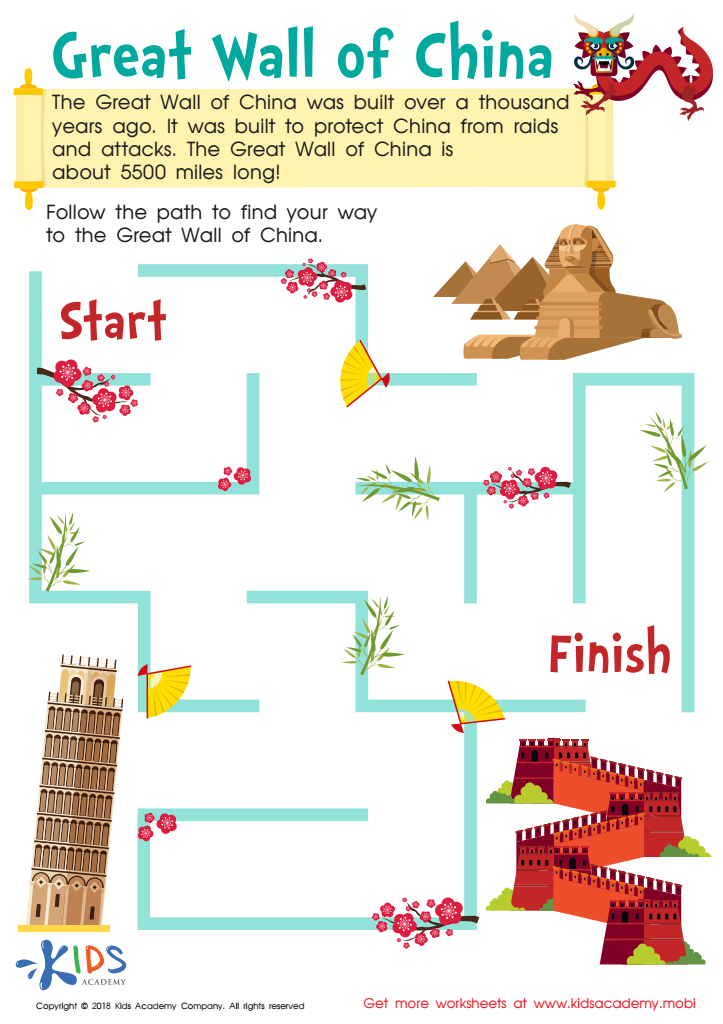
Great Wall of China Worksheet
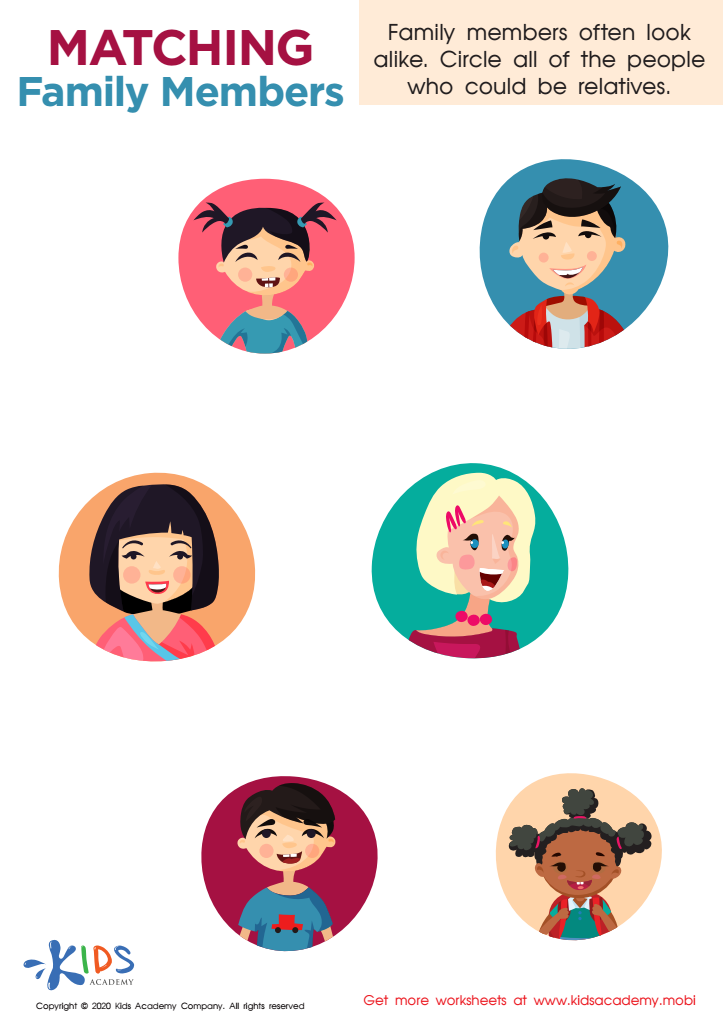
Matching Family Members Worksheet
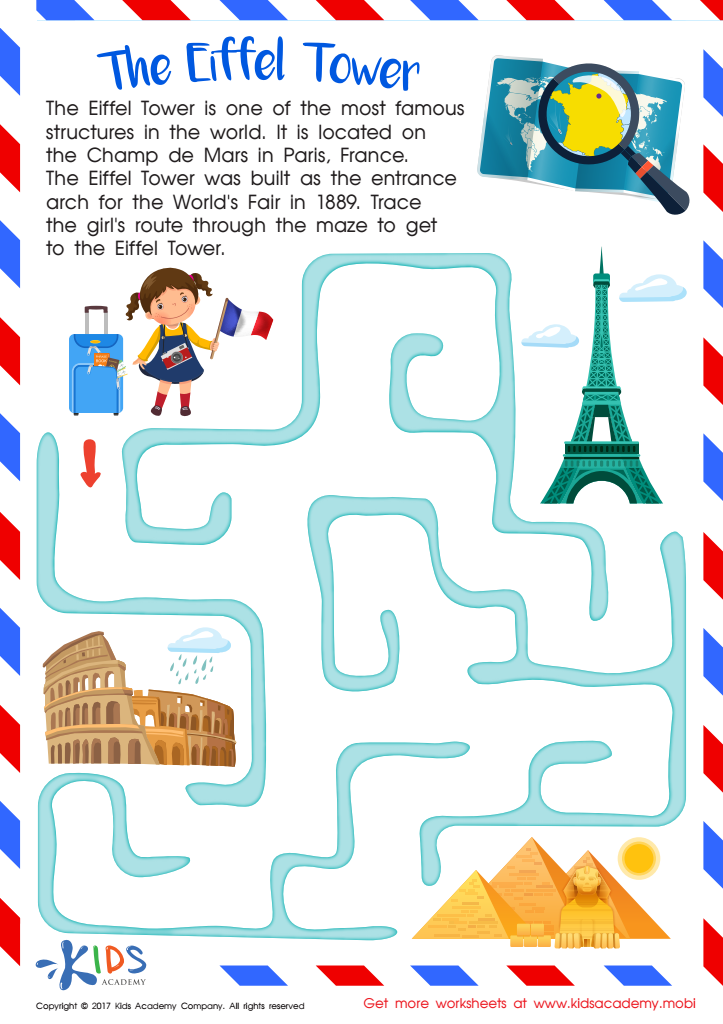
The Eiffel Tower Printable
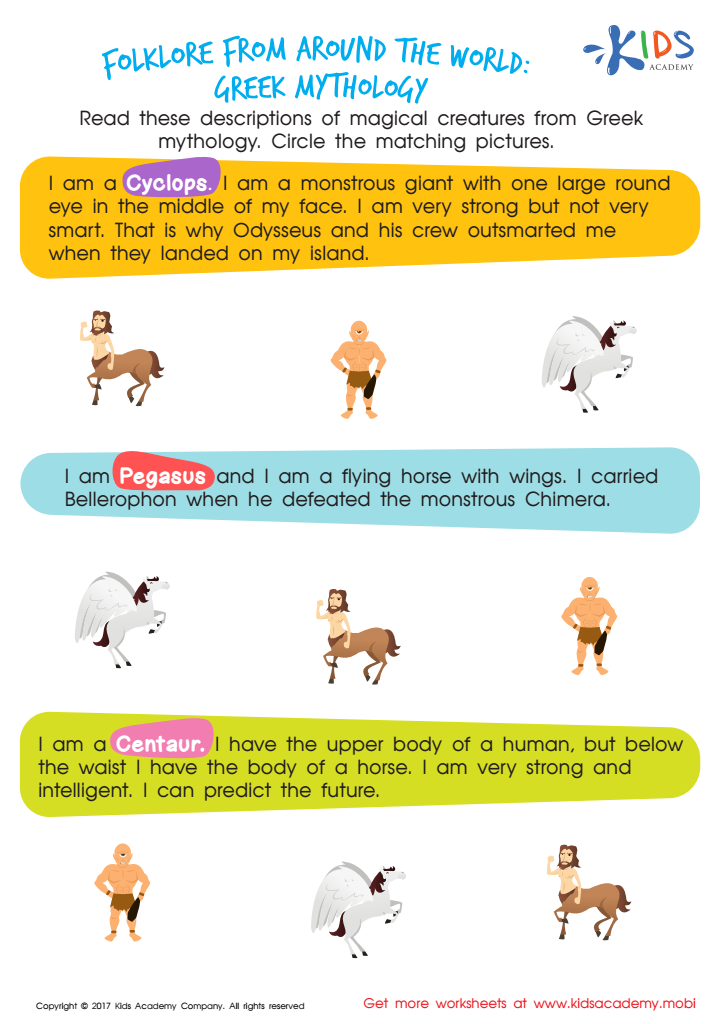
Greek Mythology Worksheet
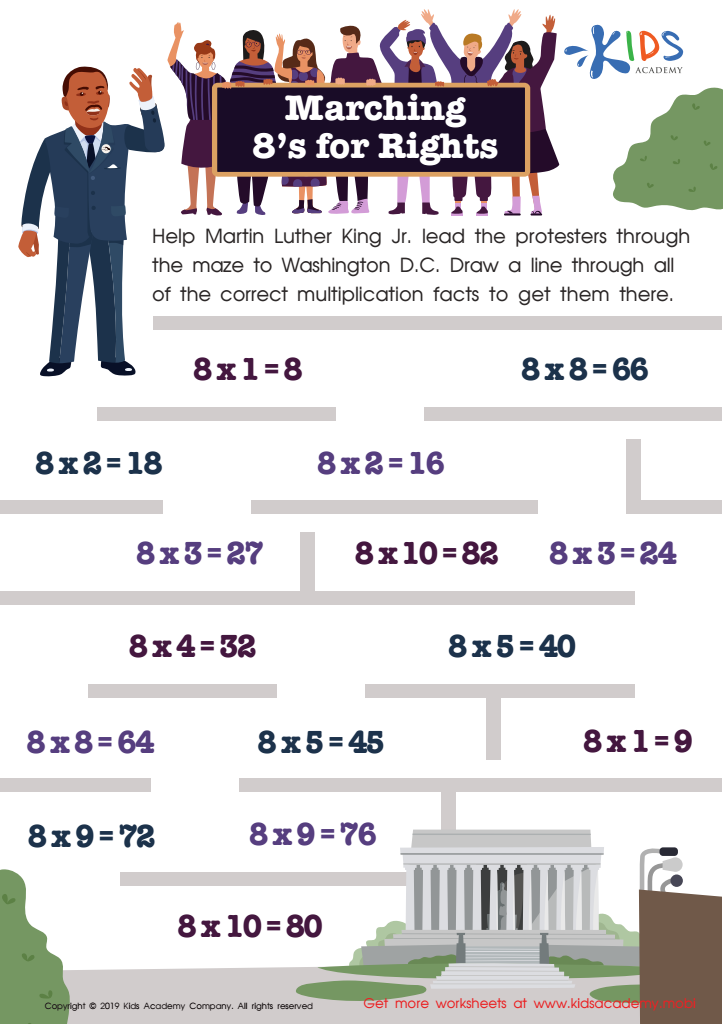
Marching 8’s for Rights Worksheet
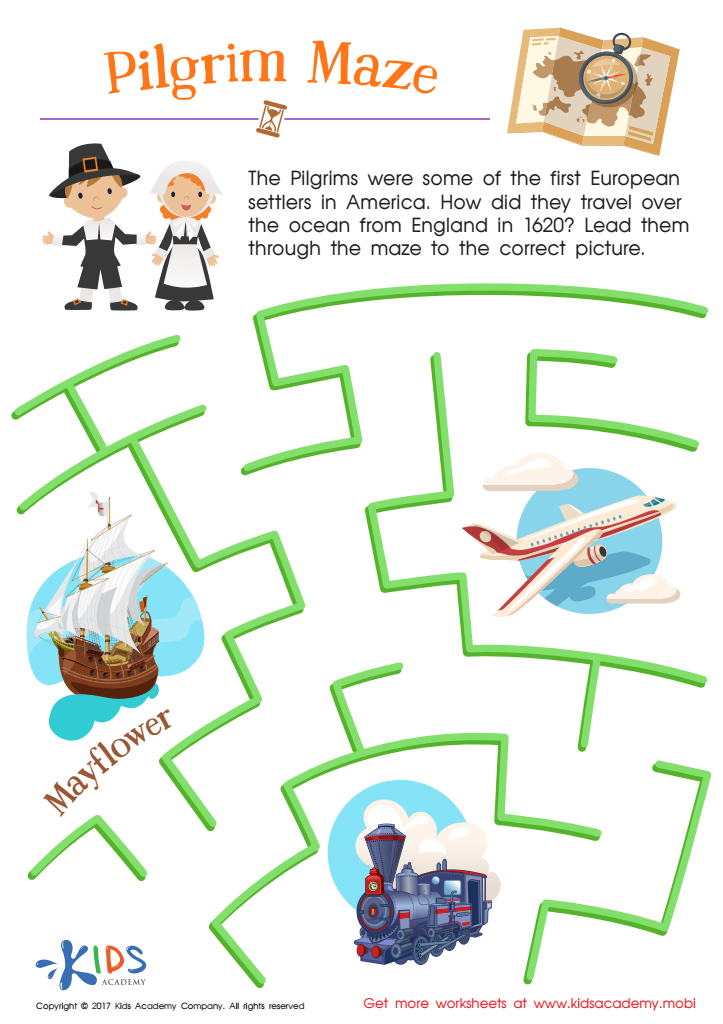
Pilgrim Maze Worksheet
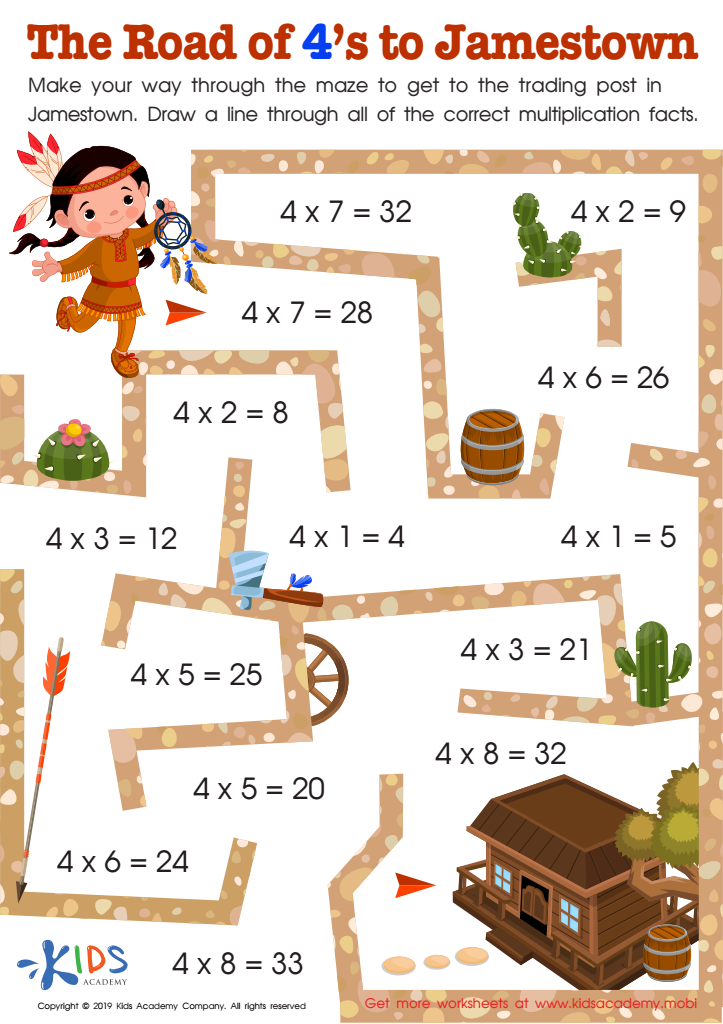
The Road of 4’s to Jamestown Worksheet
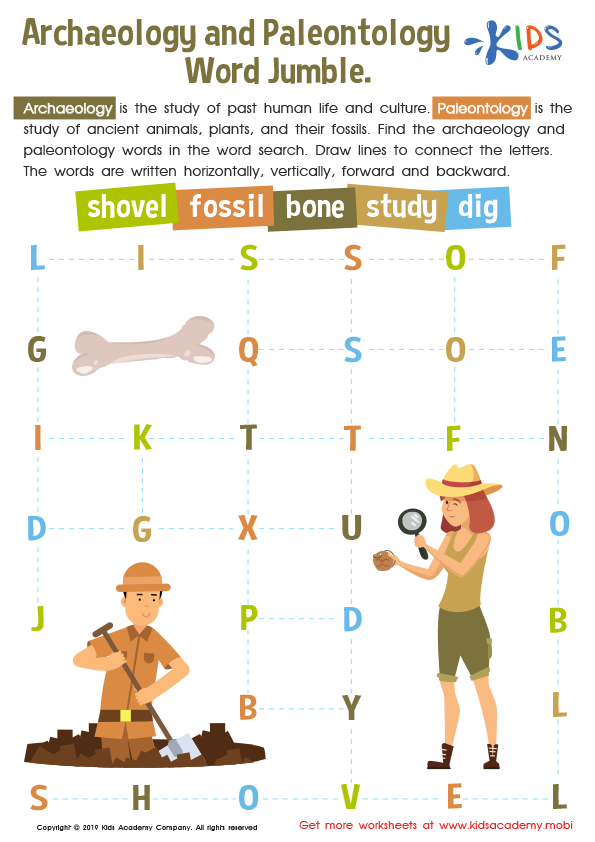
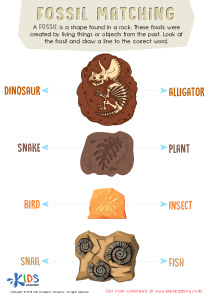
Archaeology and Paleontology Word Jumble Worksheet
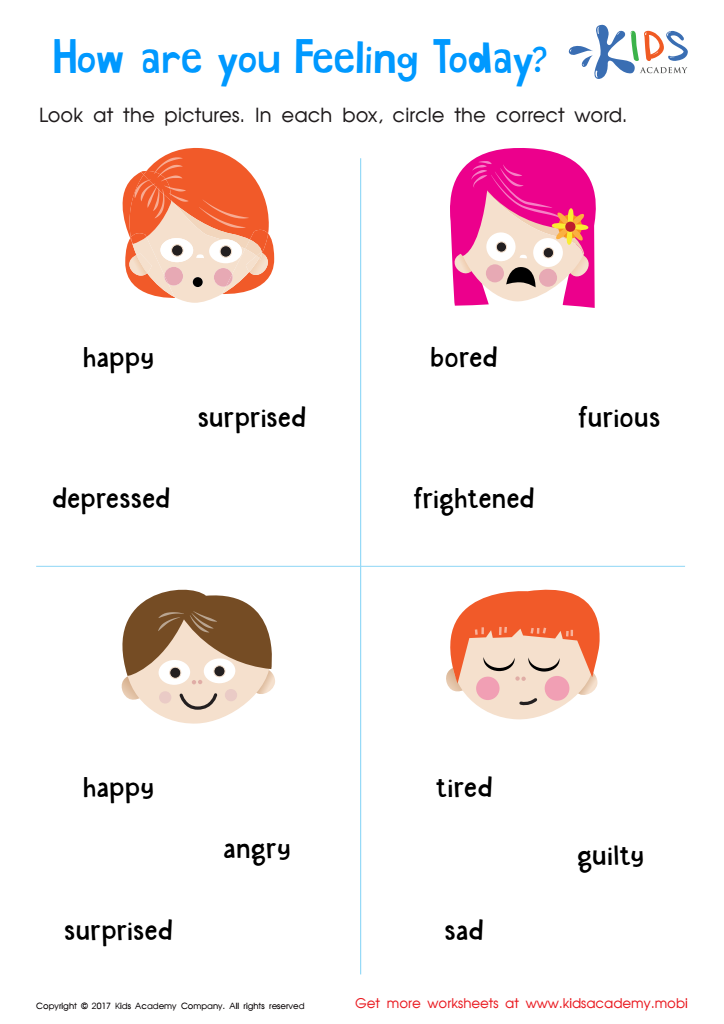
Understanding Feelings Worksheet
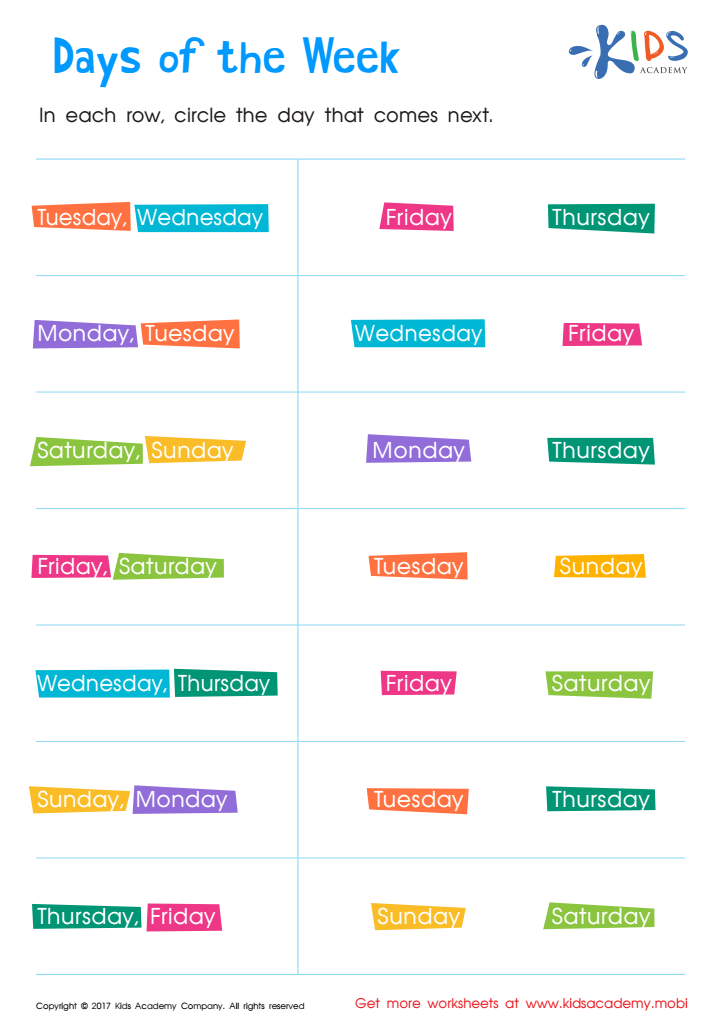
Days of the Week Worksheet
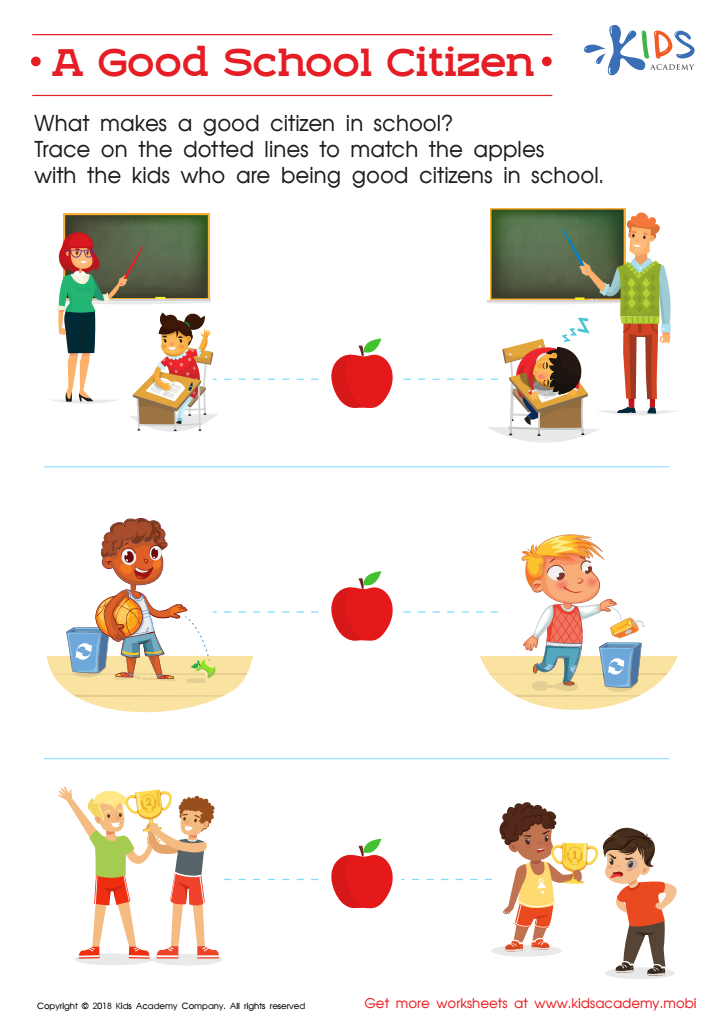
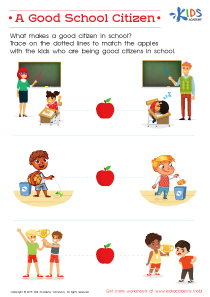
A Good School Citizen Worksheet
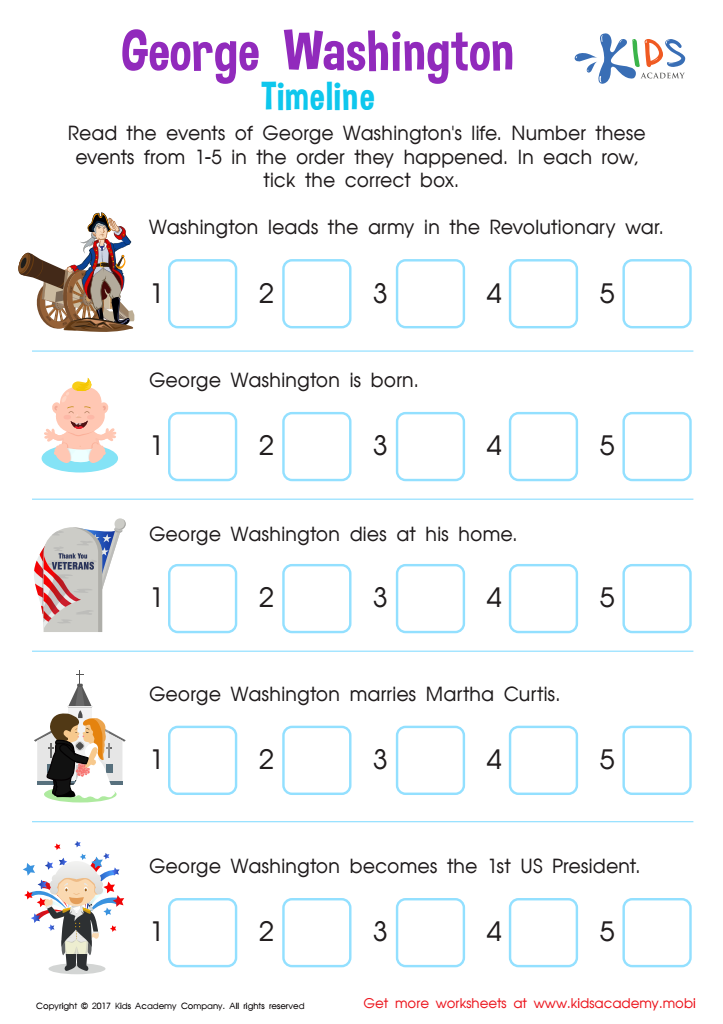
George Washington Timeline Worksheet







Parents and teachers should care about Extra Challenge Social Studies for ages 6-8 because it plays a crucial role in developing a young child’s understanding of the world. At this formative age, children are curious and highly impressionable, making it the perfect time to introduce them to fundamental social studies concepts. Engaging them in social studies challenges fosters critical thinking, enhances cultural awareness, and instills a sense of empathy and citizenship.
First, these challenges encourage critical thinking and problem-solving skills. By exploring historical events, geographical locations, and diverse cultures, children learn to analyze information, make connections, and think critically about their surroundings.
Second, social studies education promotes cultural awareness and diversity. Learning about different traditions, holidays, and ways of life broadens a child's understanding and respect for others. This fosters an inclusive mindset, helping to reduce prejudice and stereotyping from an early age.
Finally, understanding social structures, governance, and community roles prepares children to be responsible citizens. Civic education helps them recognize their role in society, the importance of rules, and the value of contributing positively to their communities.
Thus, incorporating Extra Challenge Social Studies in early education is invaluable in shaping well-rounded, knowledgeable, and socially responsible individuals.