Problem-Solving Skills Extra Challenge Worksheets for Ages 7-8 - Page 3
67 filtered results
-
From - To
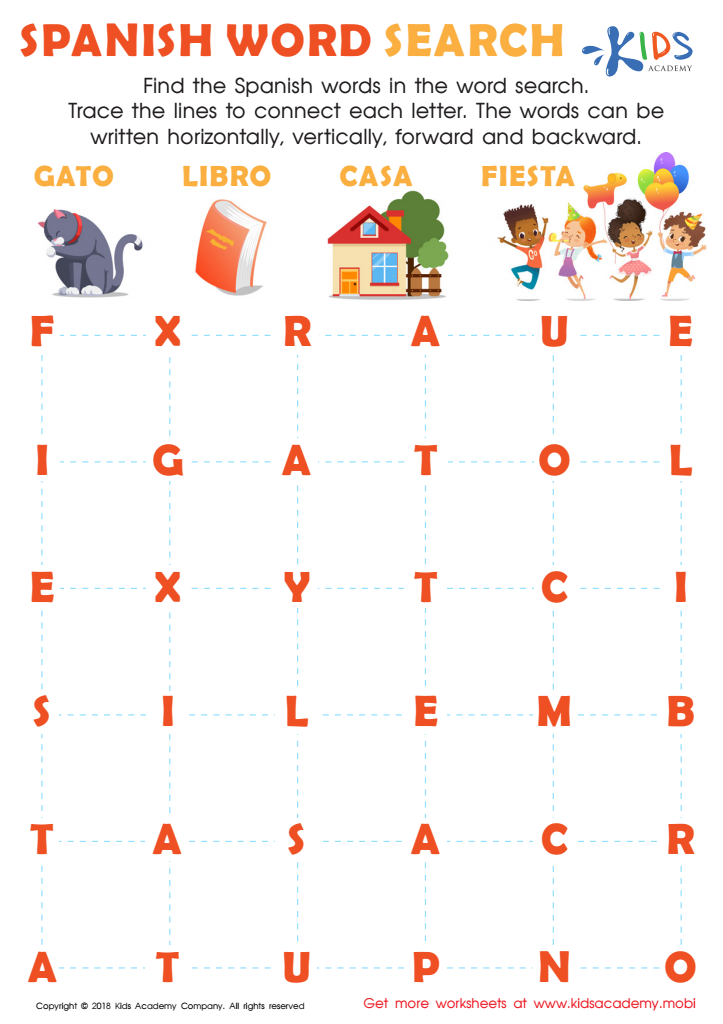
Spanish Word Search Worksheet
 Assign to My Students
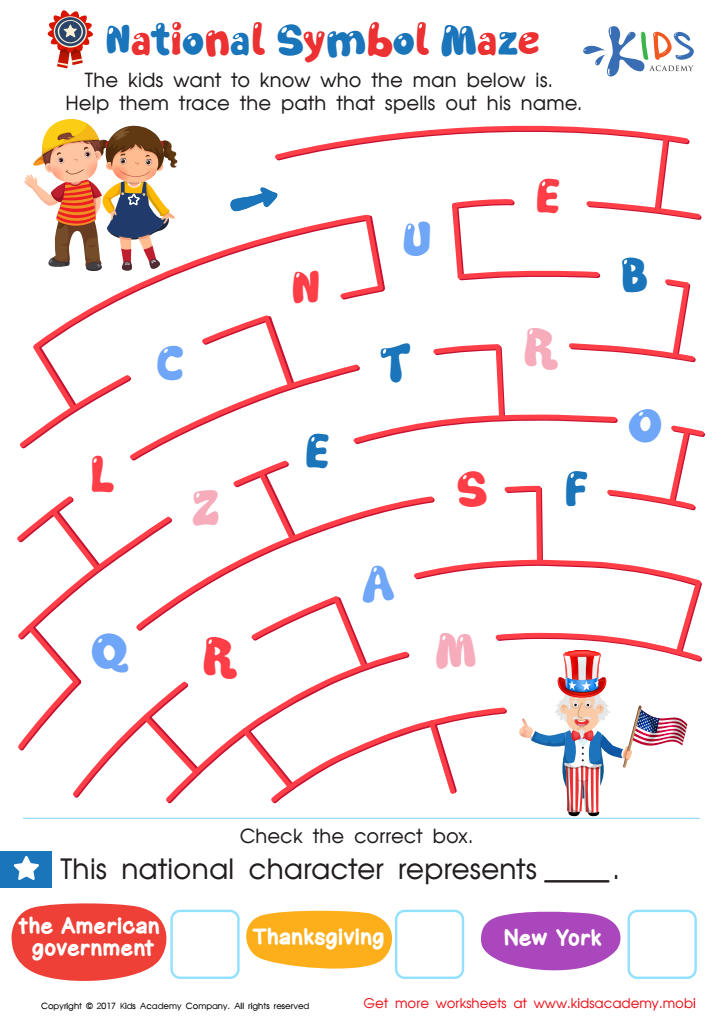
National Symbol Maze Worksheet
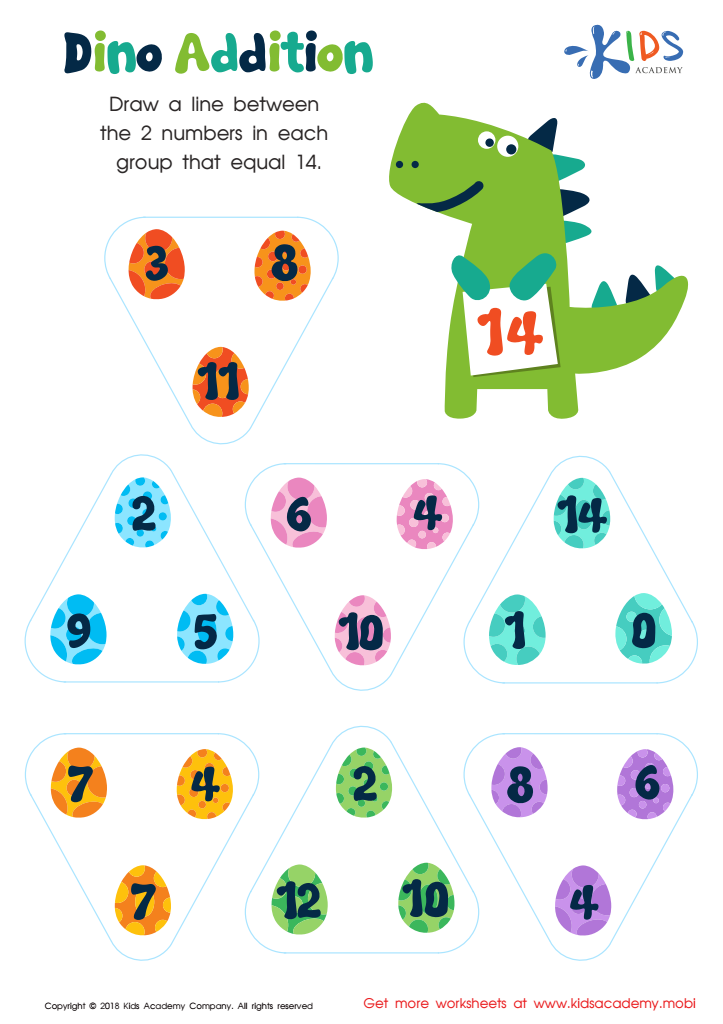
Dino Addition Worksheet
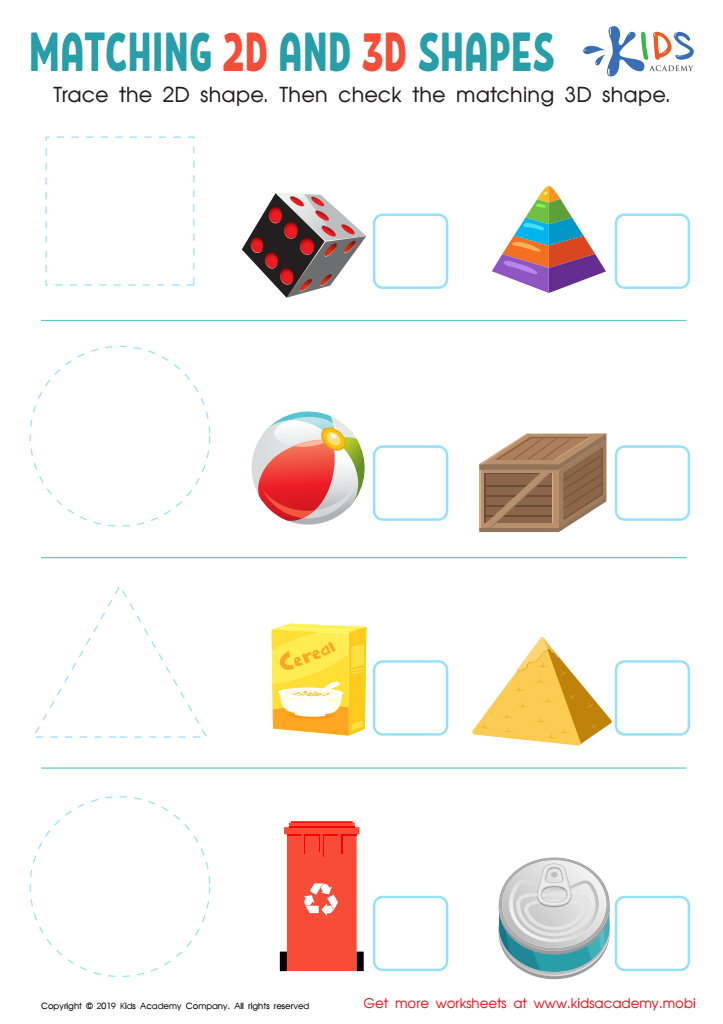
Matching 2D and 3D Shapes Worksheet
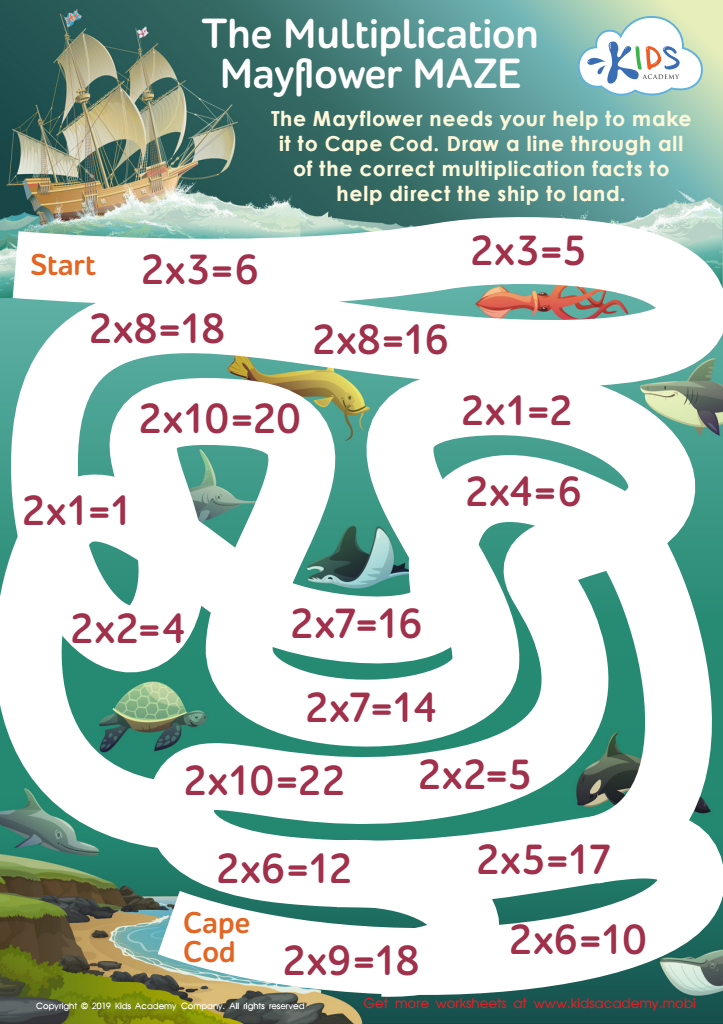
The Multiplication Mayflower Maze Worksheet
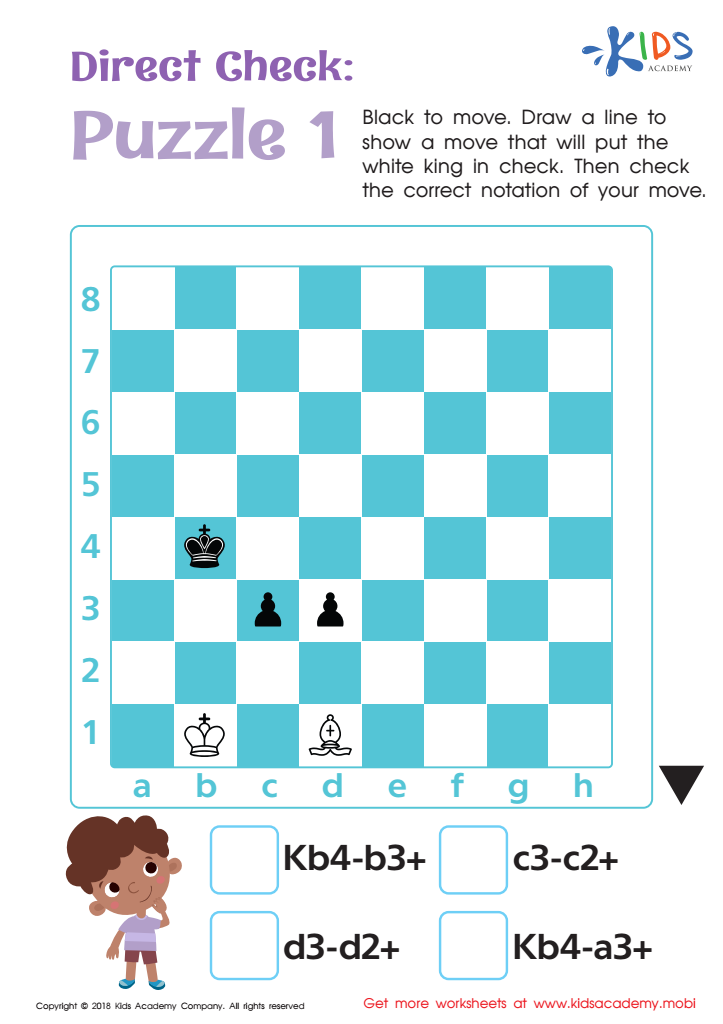
Direct Check: Puzzle 1 Worksheet

Leprechaun Maze Printable
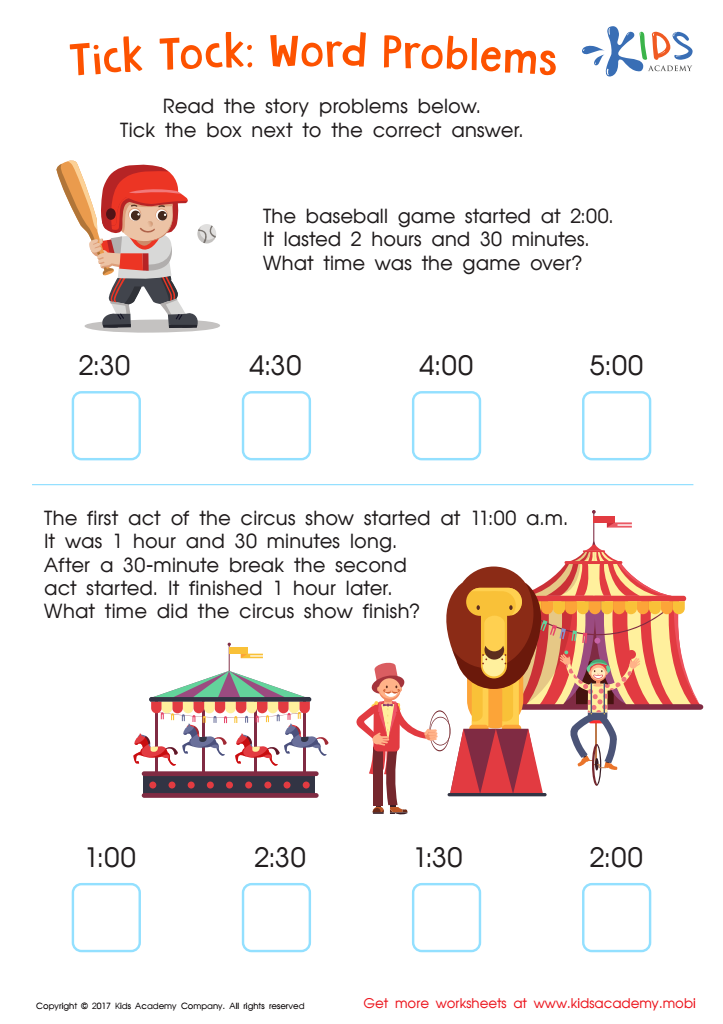
Tick Tock Word Problems Time Worksheet
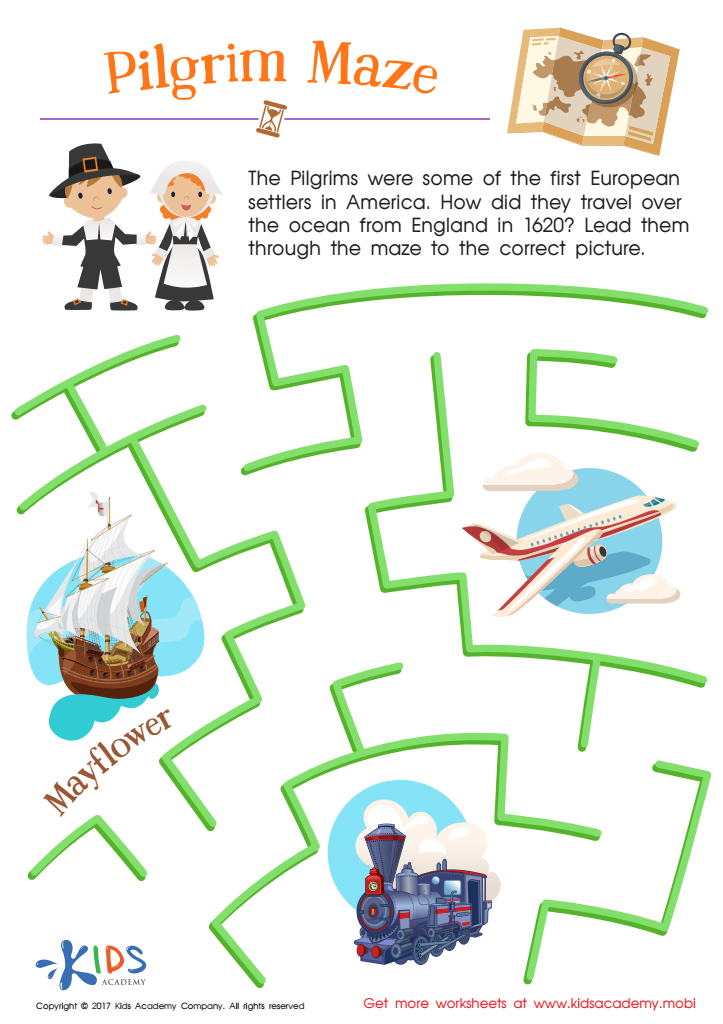
Pilgrim Maze Worksheet
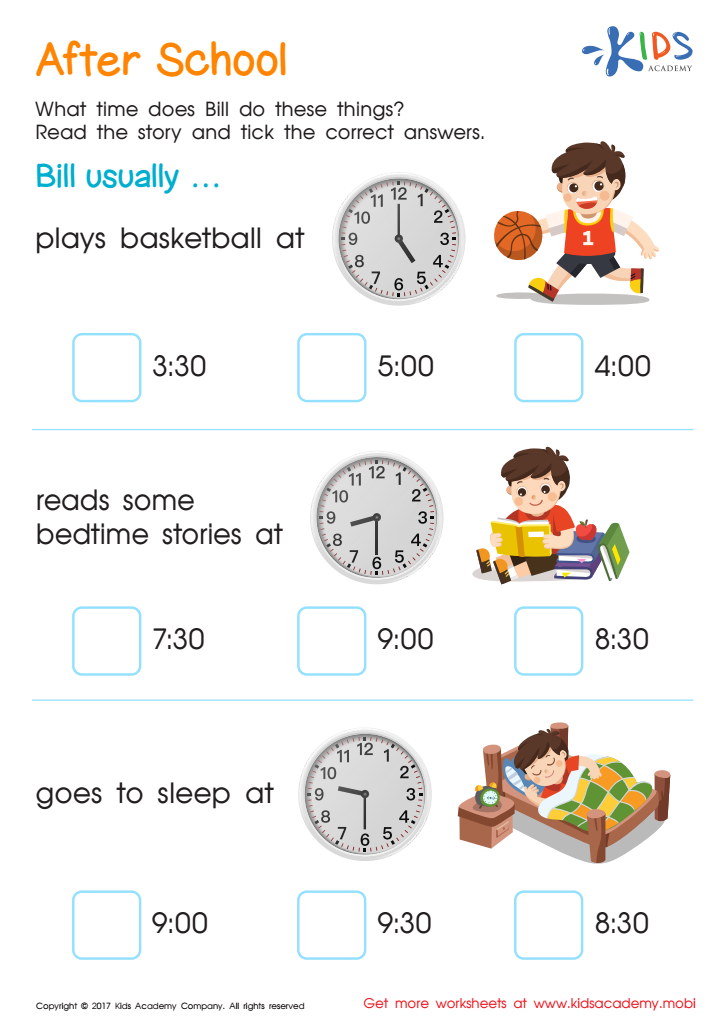
After School Time Printable
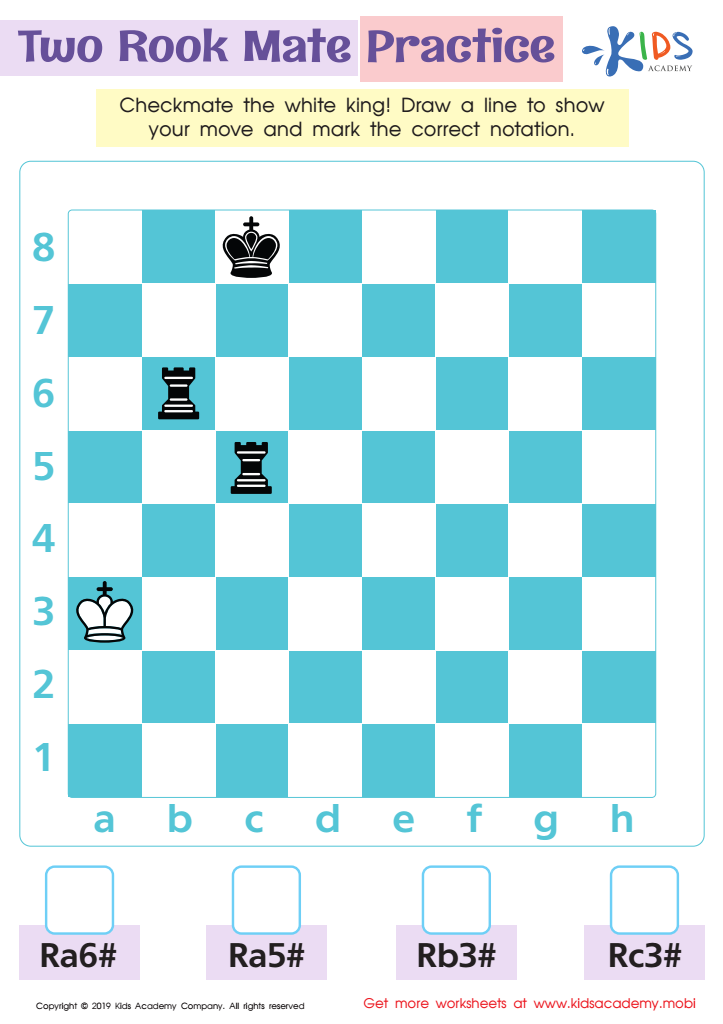
Two Rook Mate Practice Worksheet
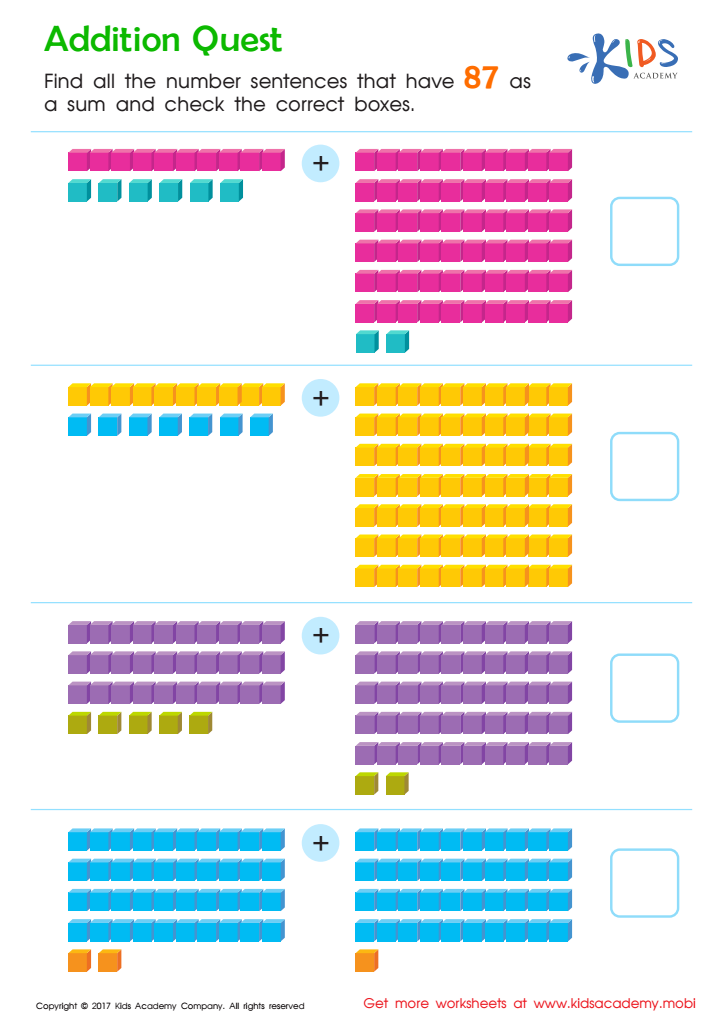
Addition Quest Worksheet: Part 1
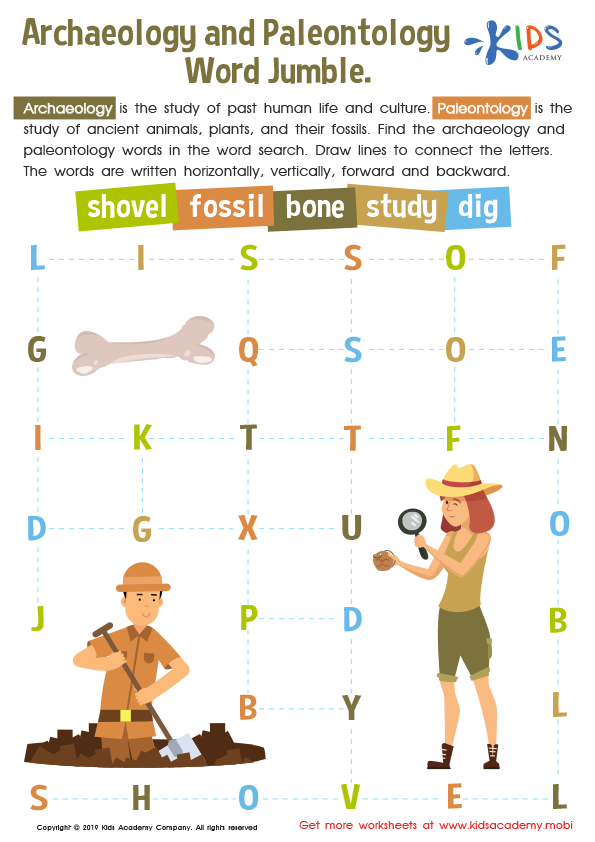
Archaeology and Paleontology Word Jumble Worksheet
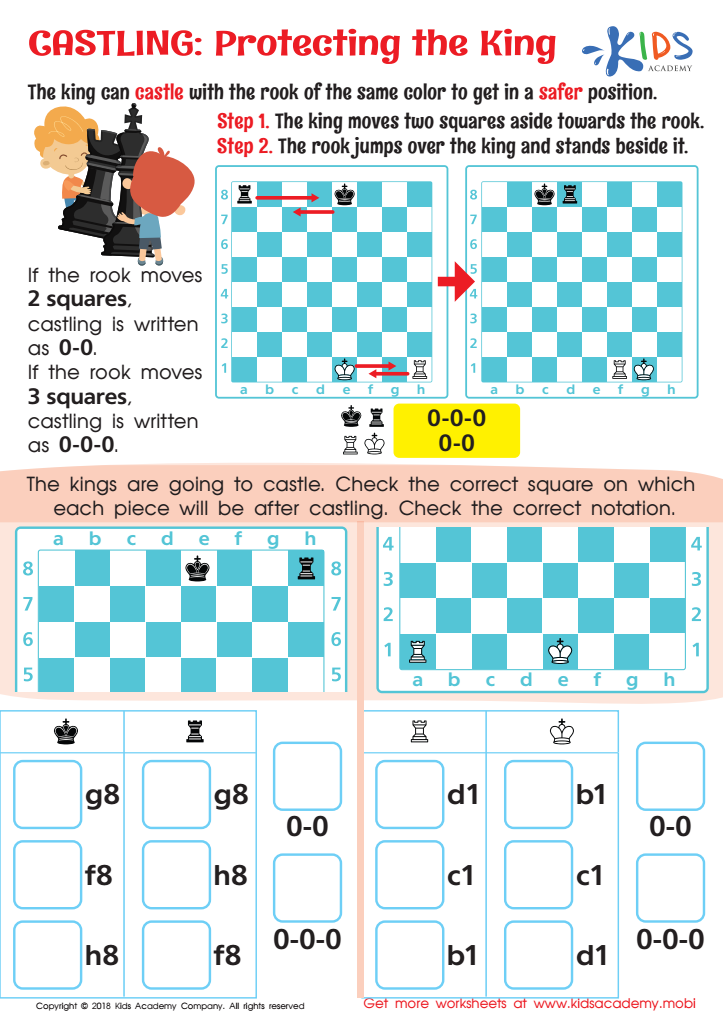
Castling: Protecting the King Worksheet
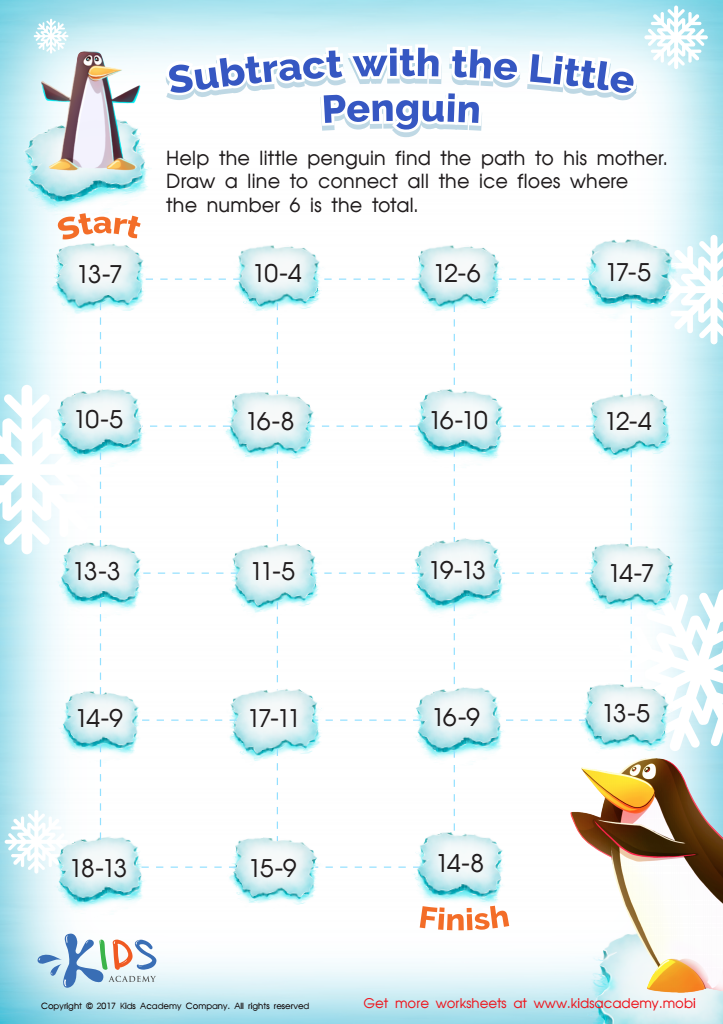
Subtract With The Little Penguin Substraction Worksheet
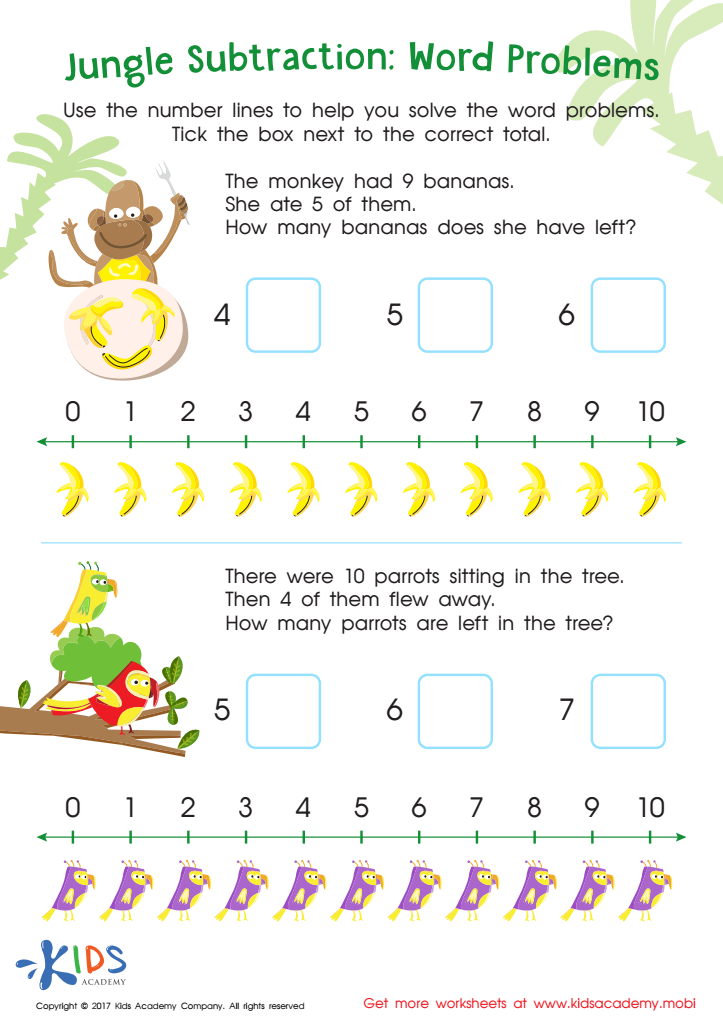
Jungle Subtraction Word Problems Substraction Worksheet
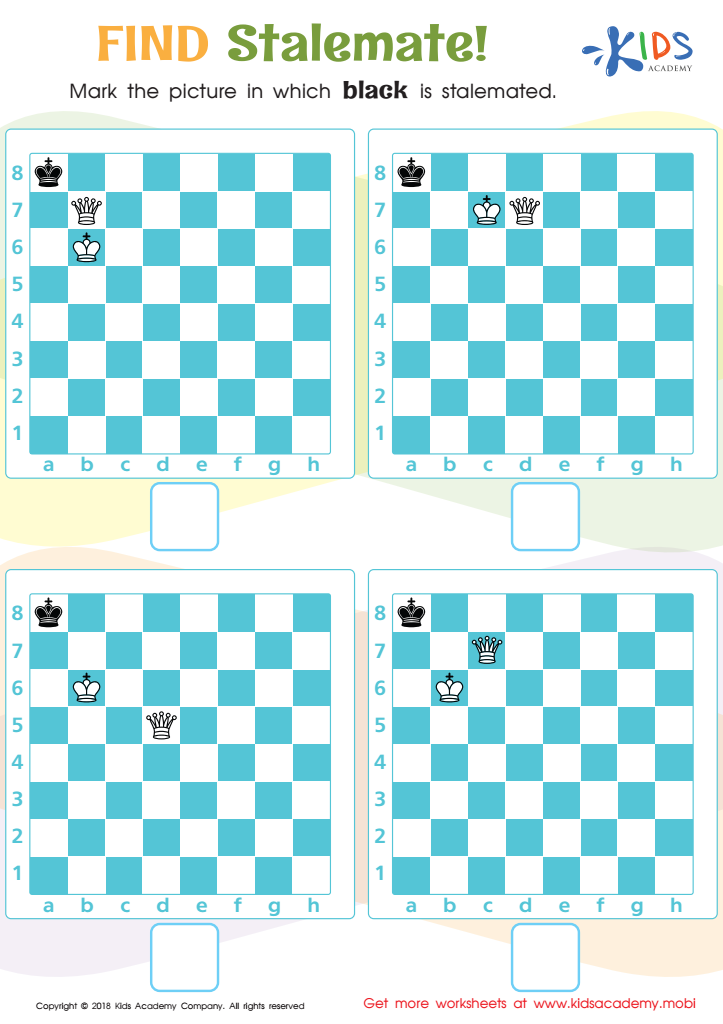
Find Stalemate! Worksheet
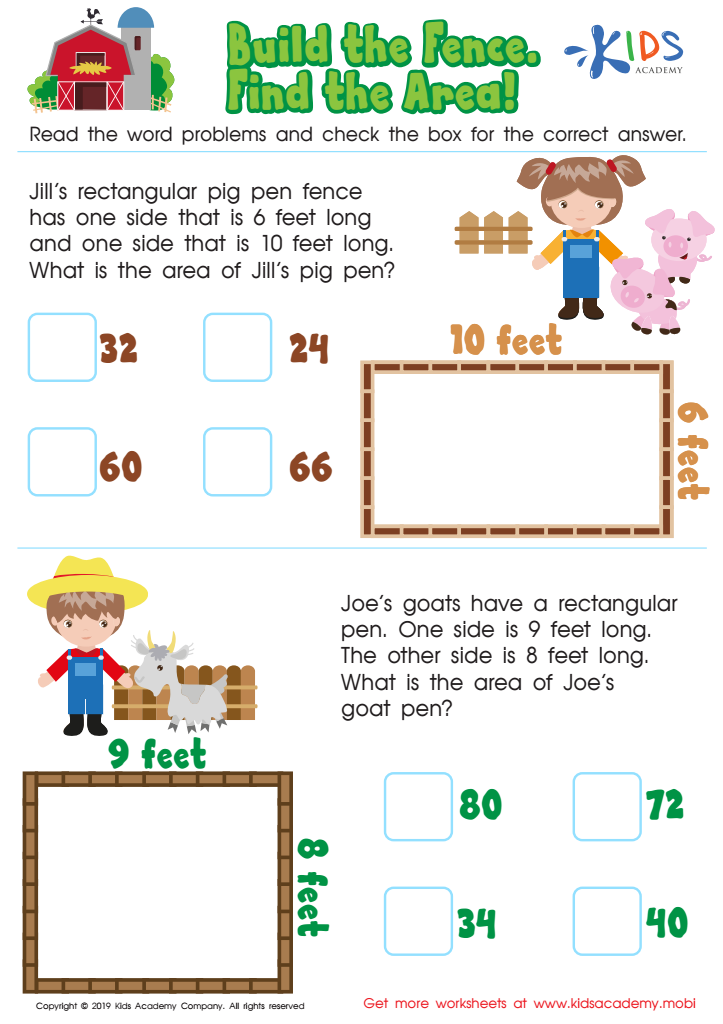
Build the Fence, Find the Area Worksheet





Problem-solving skills are crucial for the intellectual and social development of children aged 7-8. At this age, children are transitioning from concrete to more abstract thinking, making it an ideal time to nurture their ability to navigate challenges. Parents and teachers should prioritize problem-solving skills because they empower children to think critically, reason logically, and approach obstacles with confidence.
Engaging in problem-solving activities promotes resilience. Children learn that failure is a part of the learning process, encouraging a growth mindset. When faced with challenges, they develop the ability to assess situations, hypothesize solutions, and evaluate outcomes. This not only boosts their cognitive abilities but also augments their emotional intelligence, as they learn to collaborate and communicate effectively with peers in group activities.
Moreover, these skills are foundational for future academic and life success. As children encounter more complex subjects in school, their problem-solving skills will enable them to tackle topics like math, science, and even social interactions with ease. By encouraging problem-solving from an early age, parents and teachers are equipping children with essential tools they will need for school and beyond, ultimately fostering independent, thoughtful adults who can face life’s challenges head-on.








