Shape Recognition Extra Challenge Geometry Worksheets for Ages 7-9
11 filtered results
-
From - To
Introducing our Shape Recognition Extra Challenge Geometry Worksheets for Ages 7-9! Specifically designed to enhance children's geometric understanding, these worksheets provide an engaging way for young learners to recognize, identify, and differentiate a variety of shapes. Featuring fun exercises and colorful visuals, this collection supports the development of critical thinking and spatial awareness. Perfect for early grade students seeking to advance their geometry skills, these worksheets offer a structured yet entertaining approach to mastering shape recognition. Unlock your child's mathematical potential with our expertly crafted challenges tailored for kids aged 7-9 today!
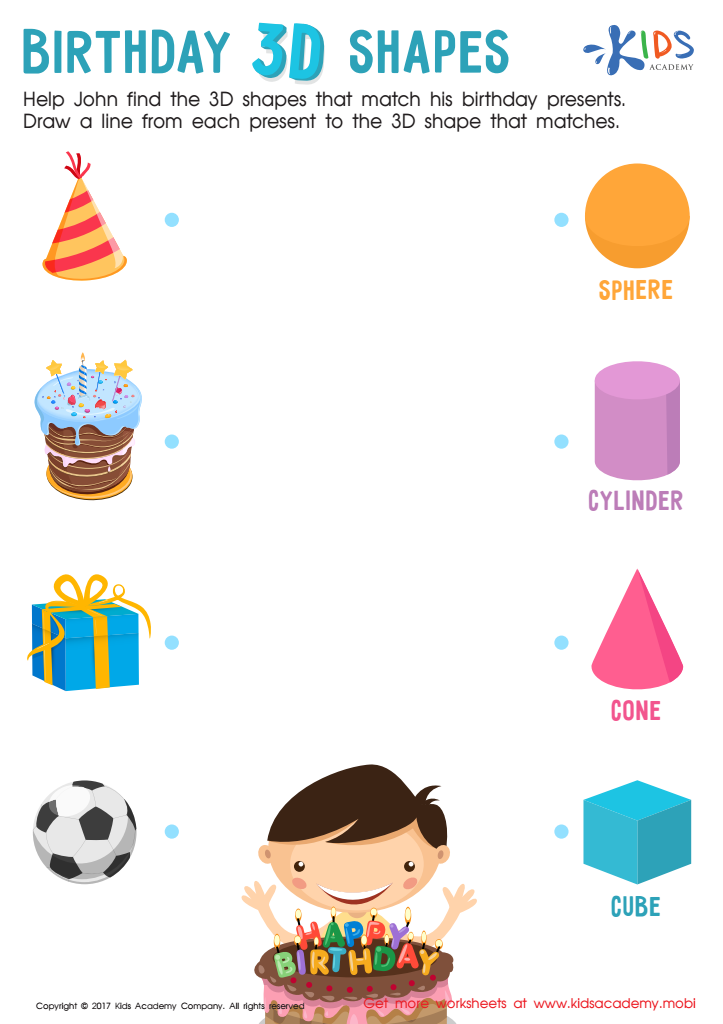
Birthday 3D Shapes Worksheet
 Assign to My Students











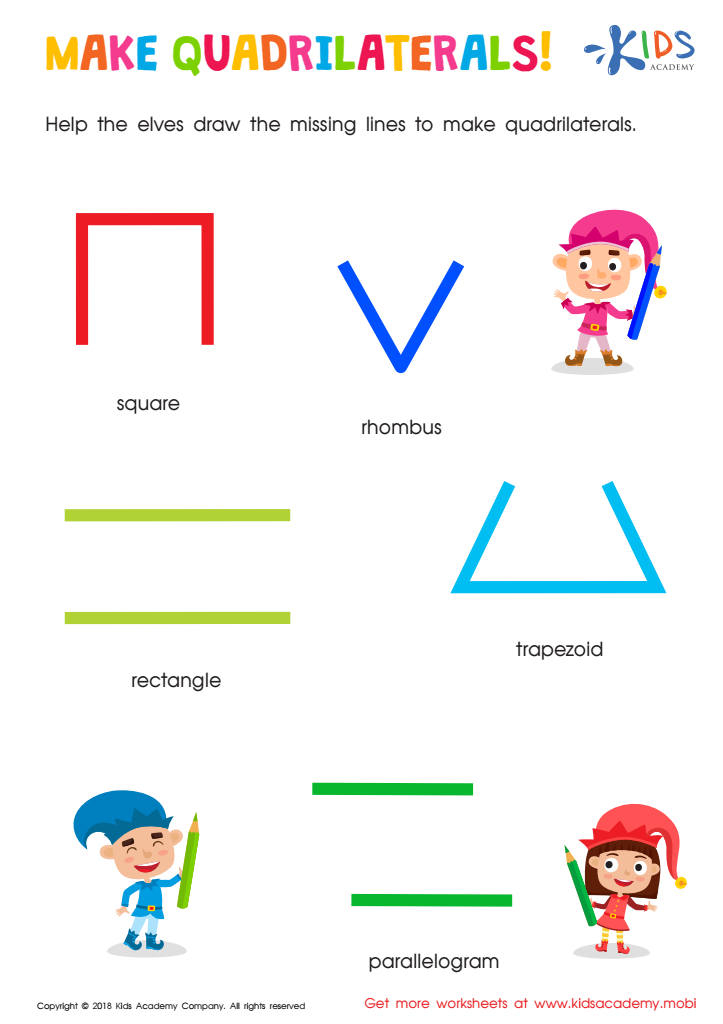
Make Quadrilaterals Worksheet
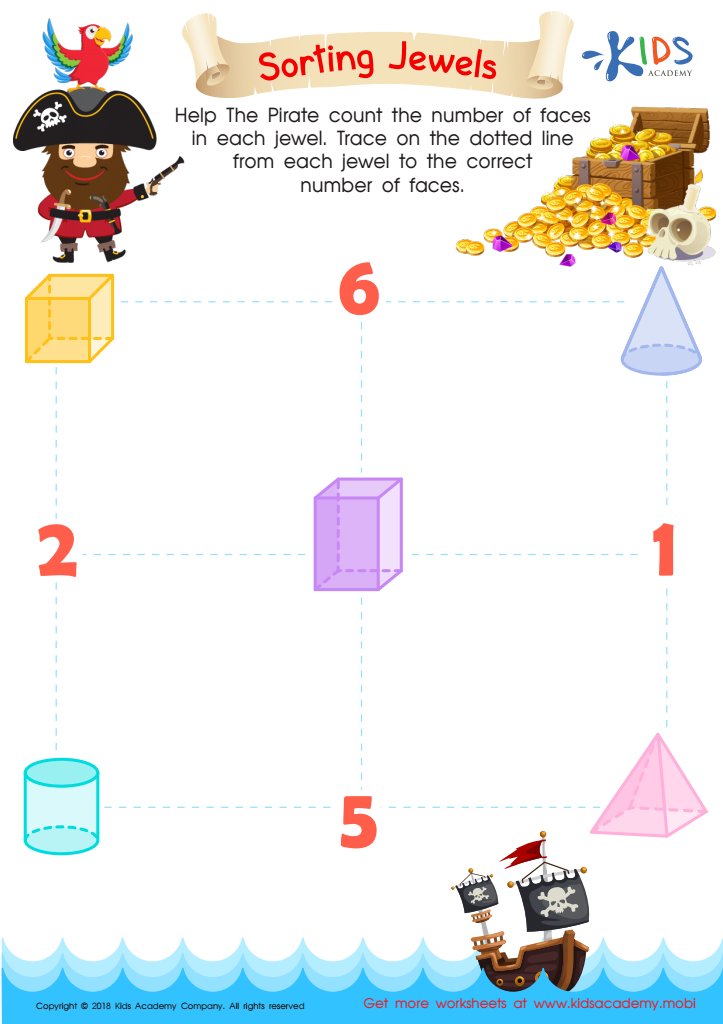
Sorting Jewels Worksheet
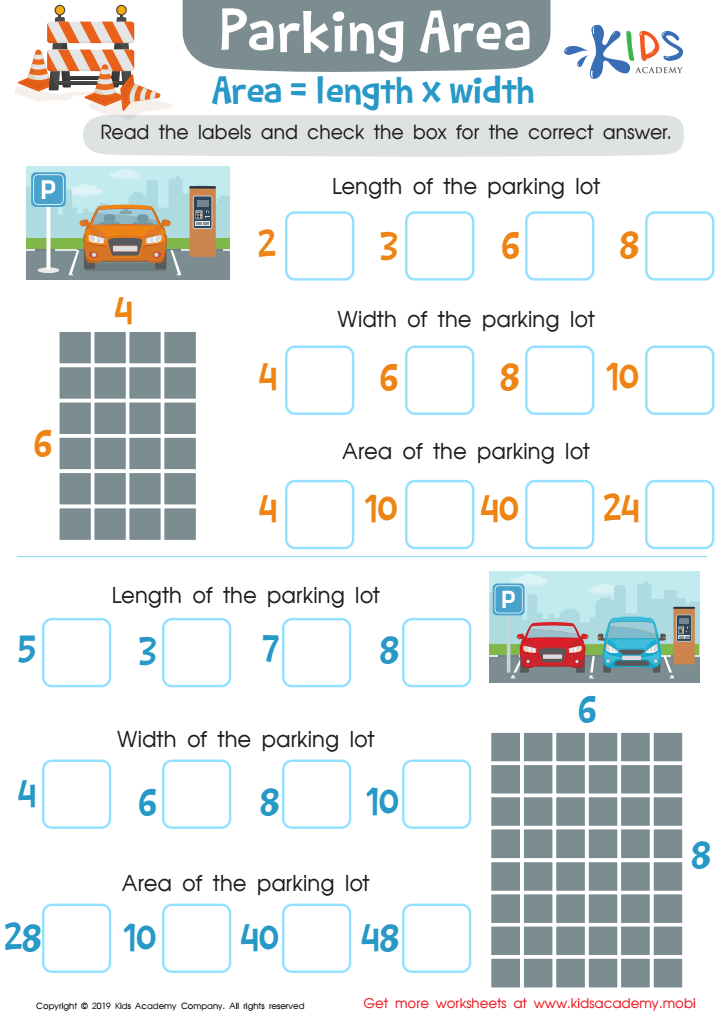
Parking Area Worksheet
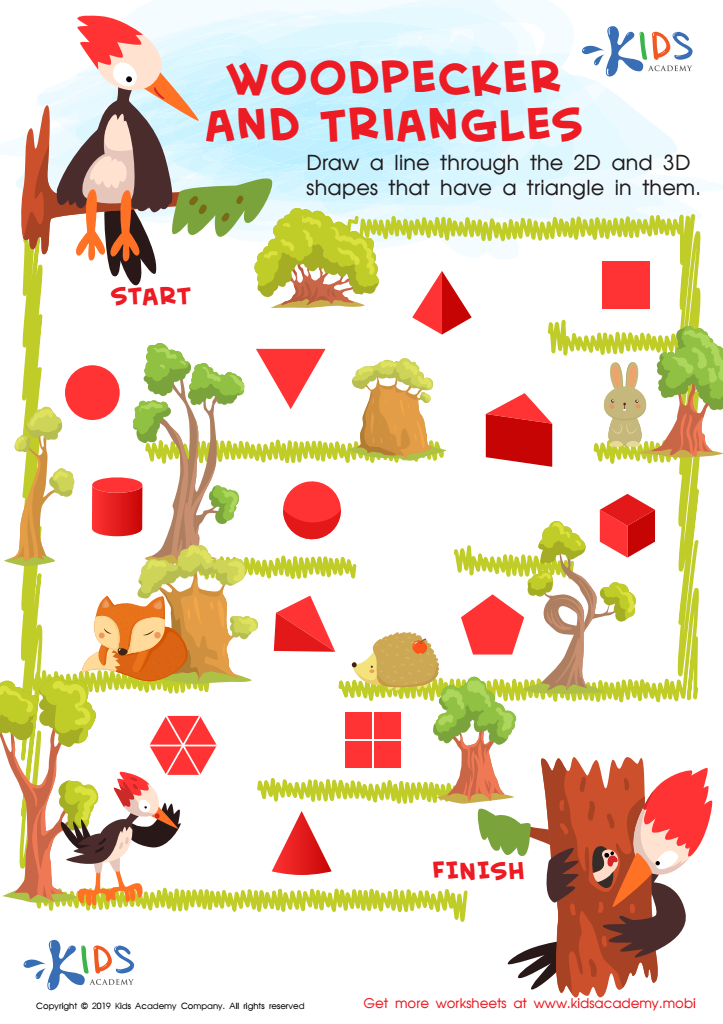
Woodpecker and Triangles Worksheet
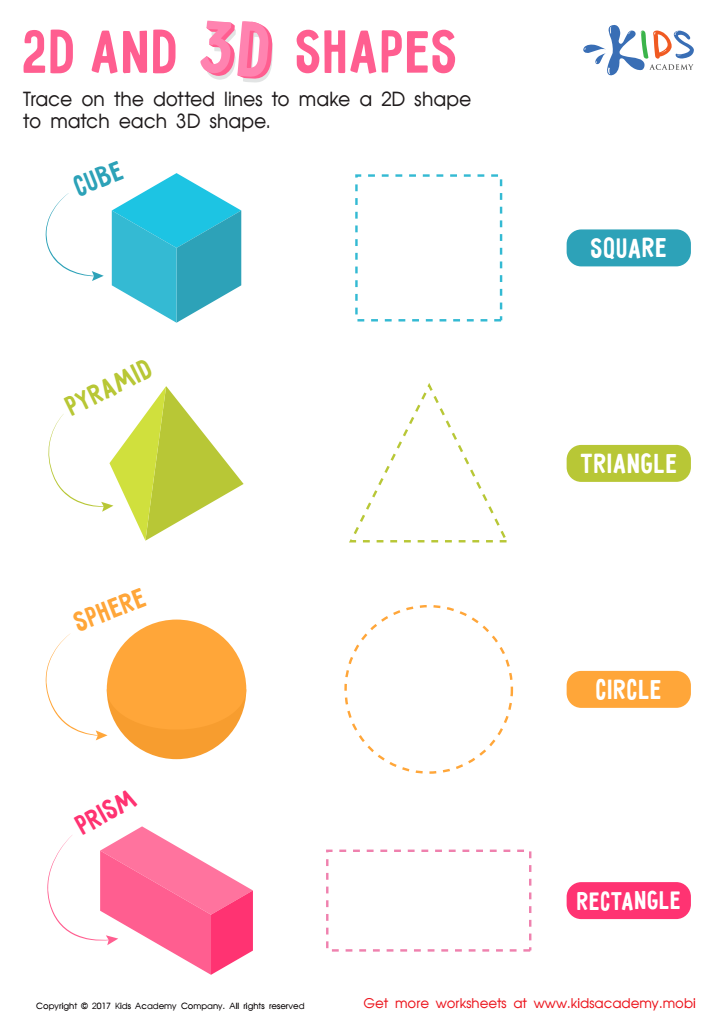
2D and 3D Shapes Worksheet
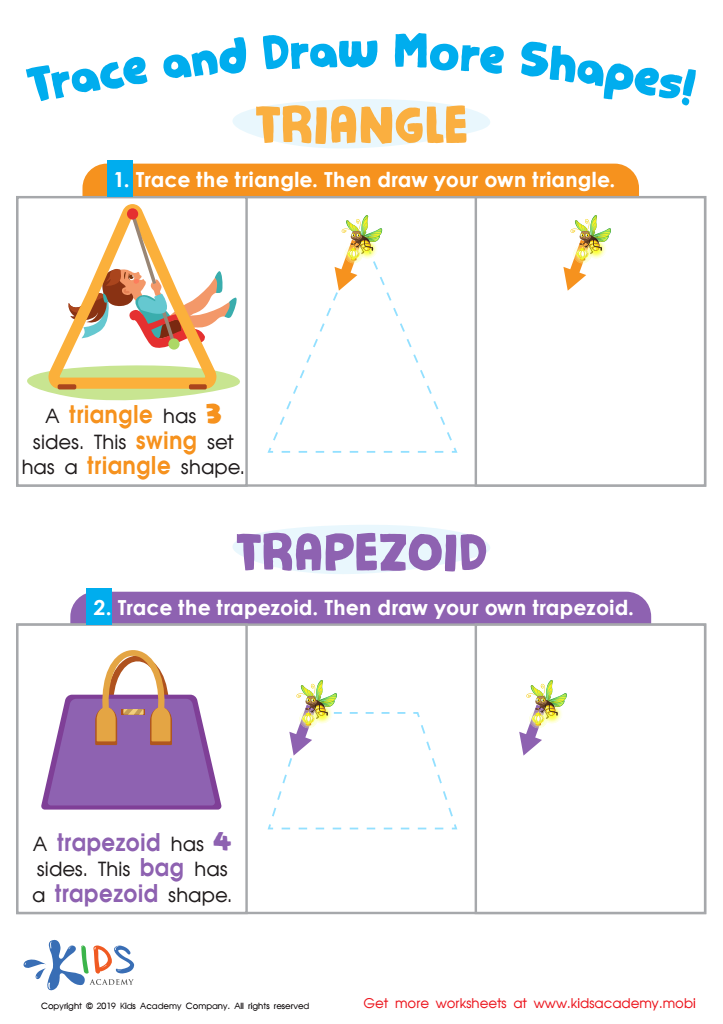
Trace and Draw More Shapes Worksheet
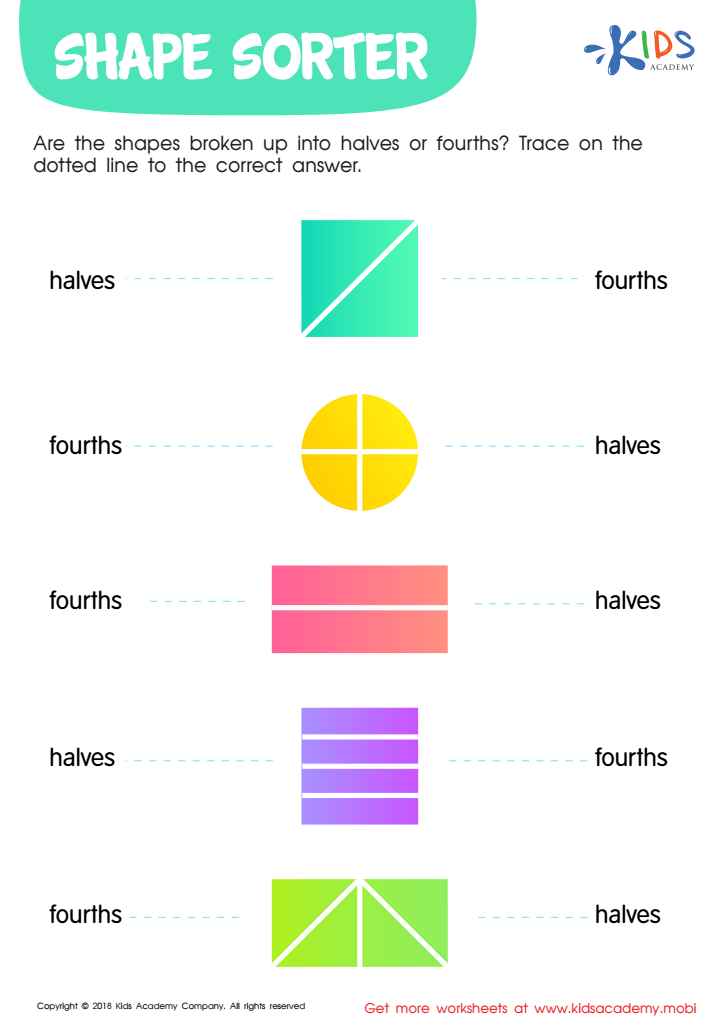
Shape Sorter Worksheet
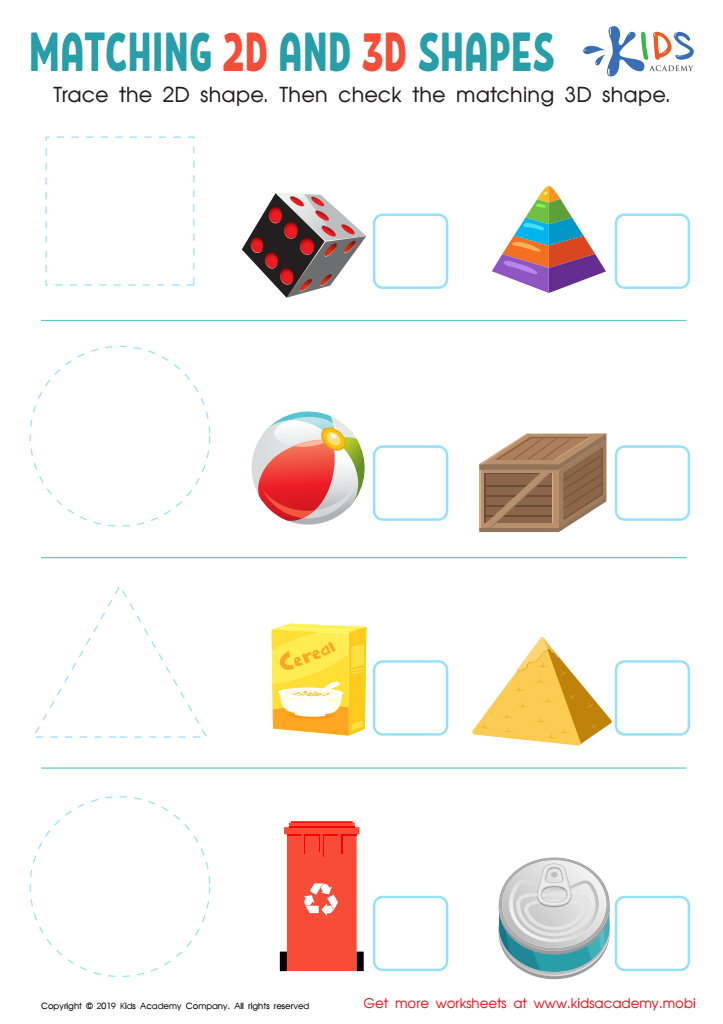
Matching 2D and 3D Shapes Worksheet
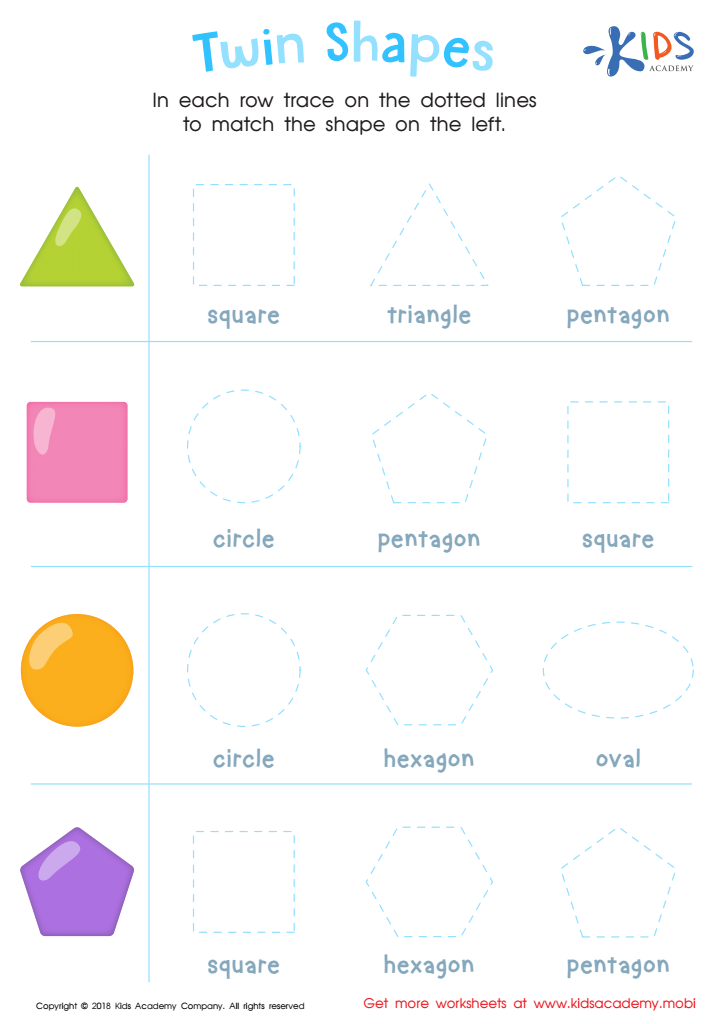
Twin Shapes Dot-to-Dot Worksheet
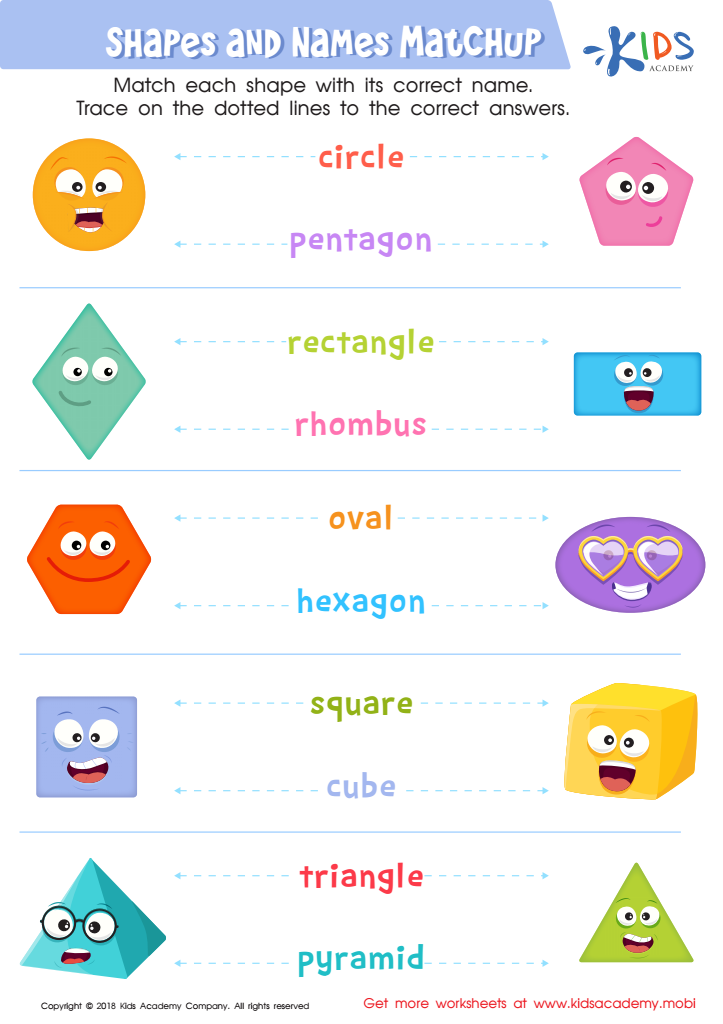
Shapes and Names Matchup Worksheet








Shape recognition extra challenges in geometry for ages 7-9 are pivotal for several developmental reasons:
-
Foundational Skills: Understanding geometric shapes is foundational for future math learning. Early exposure helps solidify understanding of more complex concepts later.
-
Critical Thinking: Engaging with shapes fosters problem-solving and critical thinking. Children learn to compare, analyze, categorize, and recognize patterns, skills crucial beyond math.
-
Spatial Awareness: Shape recognition enhances spatial awareness, an essential skill for subjects like physics, engineering, art, and everyday tasks. It helps children visualize and orient items around them.
-
Language Development: Discussing shapes and their properties boosts vocabulary and communication skills. Terms like “angles,” “sides,” and “vertices” are introduced, enriching language exposure.
-
Confidence Building: Mastering more complex shape recognition tasks builds self-confidence. As children solve challenges, they gain a sense of accomplishment and motivation.
-
Real-World Relevance: Geometry has practical applications. Understanding shapes helps children make sense of the world, from recognizing traffic signs to organizing items.
Parents and teachers invested in these extra challenges provide children with an enriched educational experience, fostering development in critical areas. Ultimately, these activities form a critical part of a holistic education, ensuring that young learners are well-prepared for more advanced future learning.








