Fine Motor Skills Kindergarten Alphabet Worksheets - Page 3
71 filtered results
-
From - To

Letter V Tracing Page
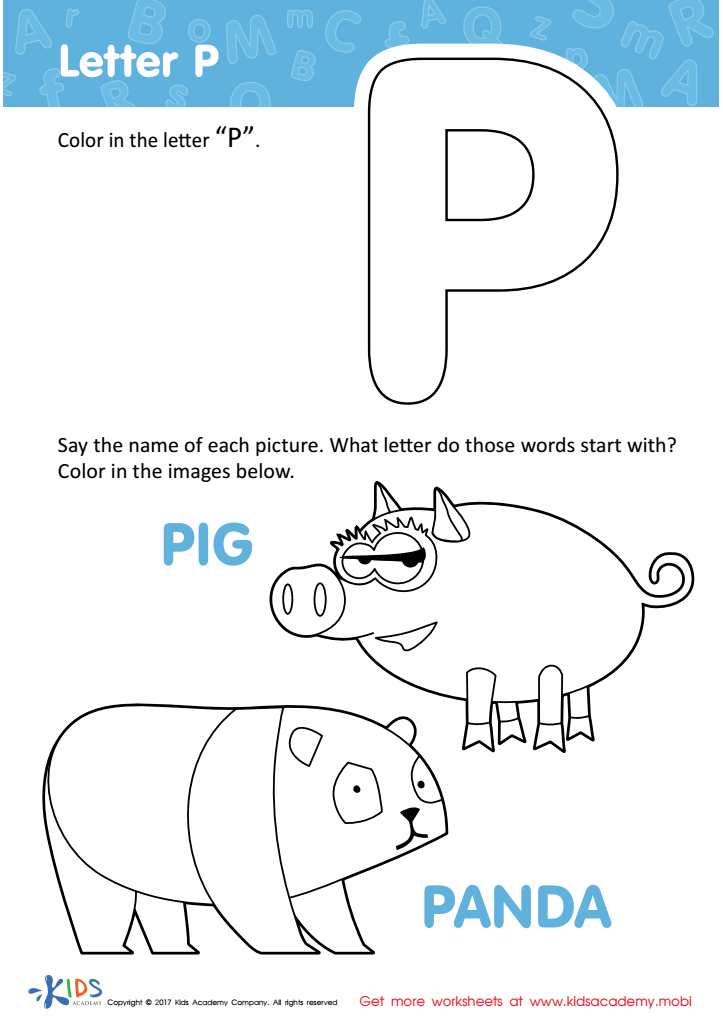
Letter P Coloring Sheet
 Assign to My Students
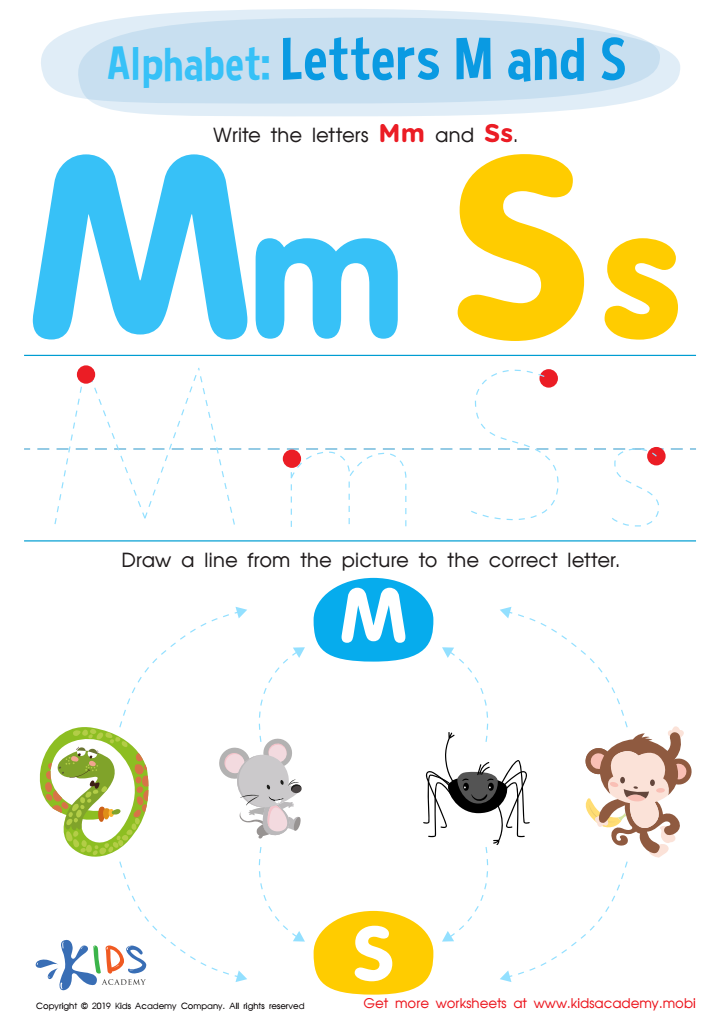
Letters M and S Tracing Worksheet
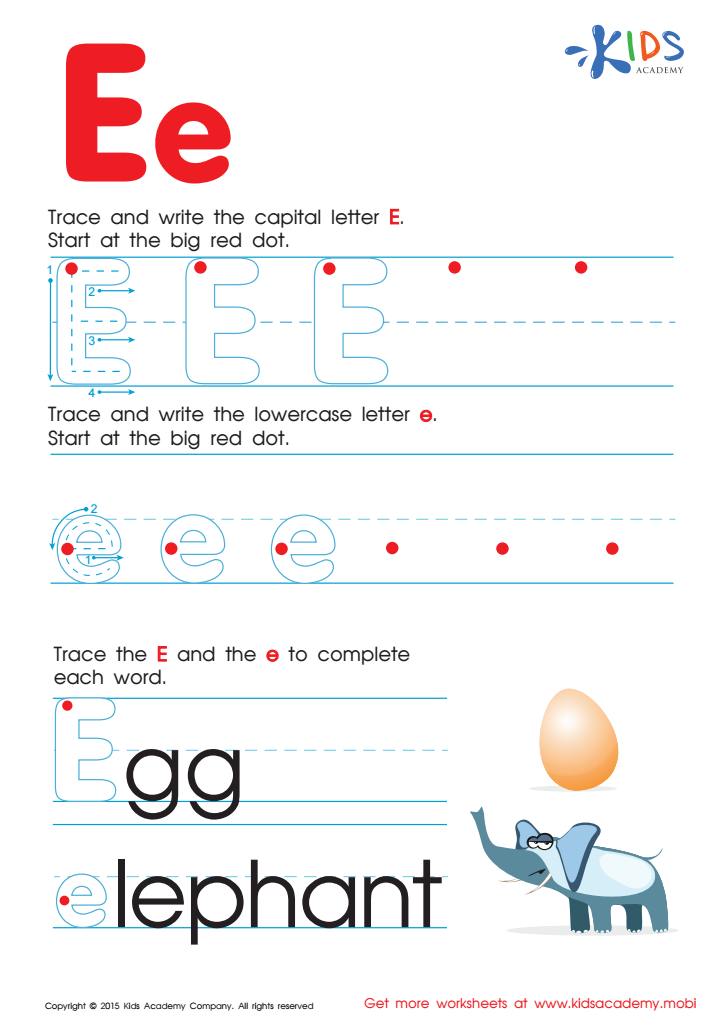
Letter E Tracing Page
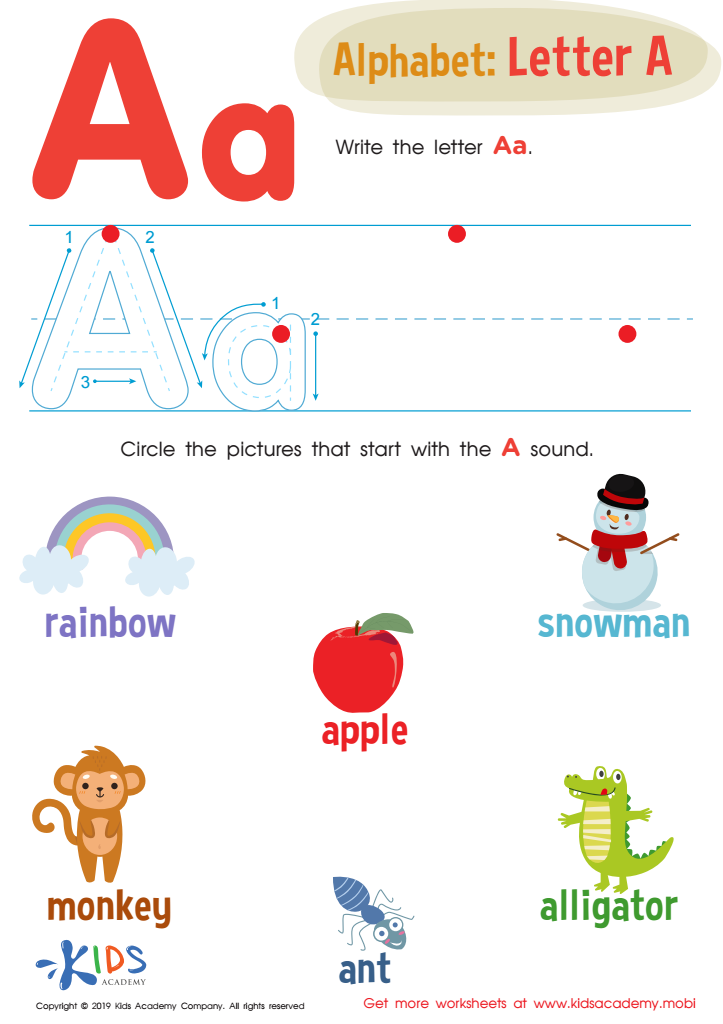
Letter A Tracing Worksheet
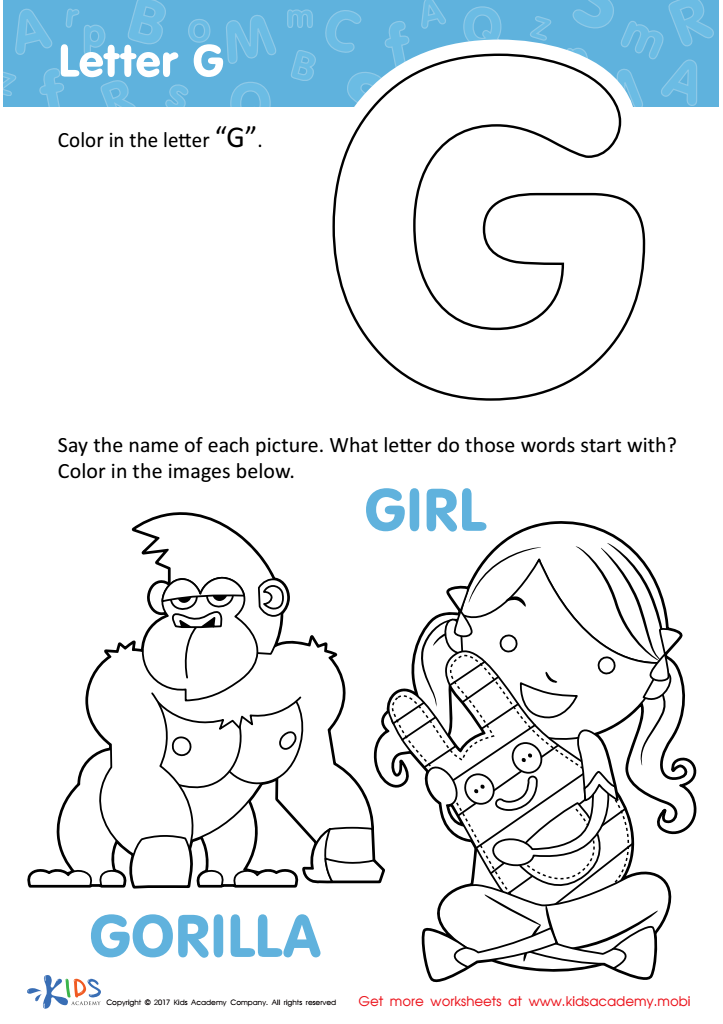
Letter G Coloring Sheet
Assign to My Students
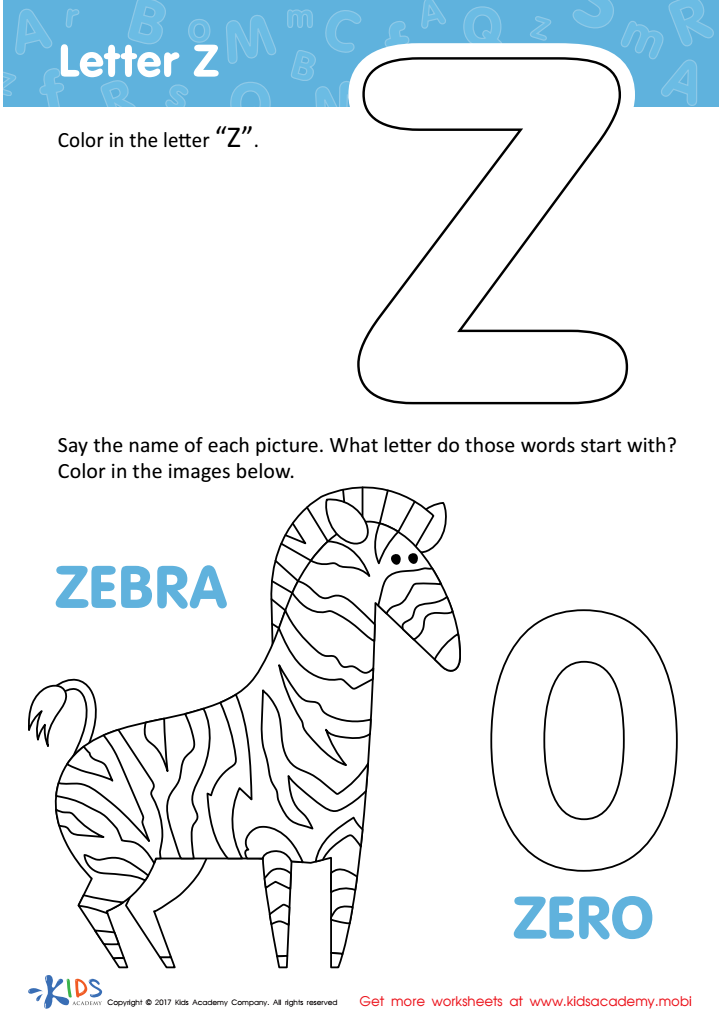
Letter Z Coloring Sheet
Assign to My Students
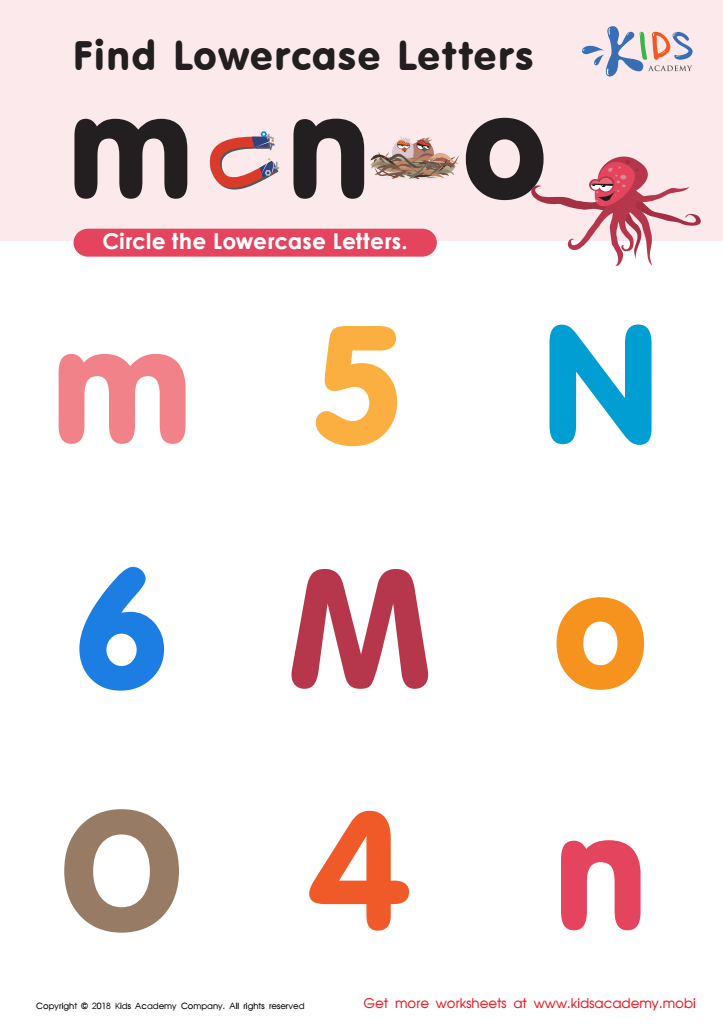
Find Lowercase Letters m n o Worksheet
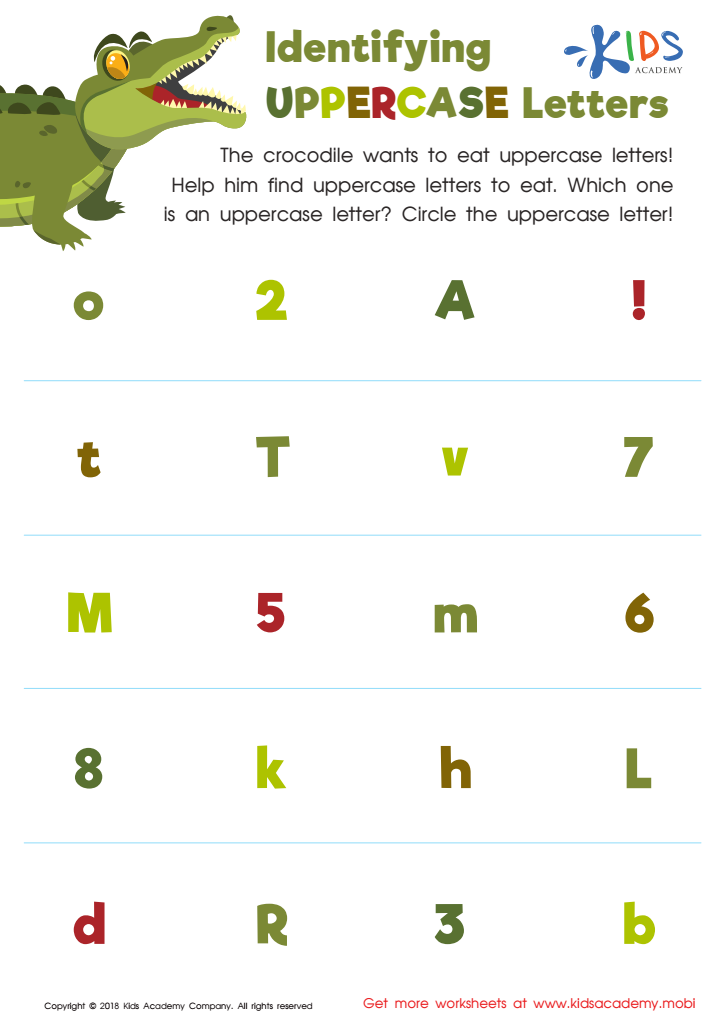
Identifying Uppercase Letters Worksheet
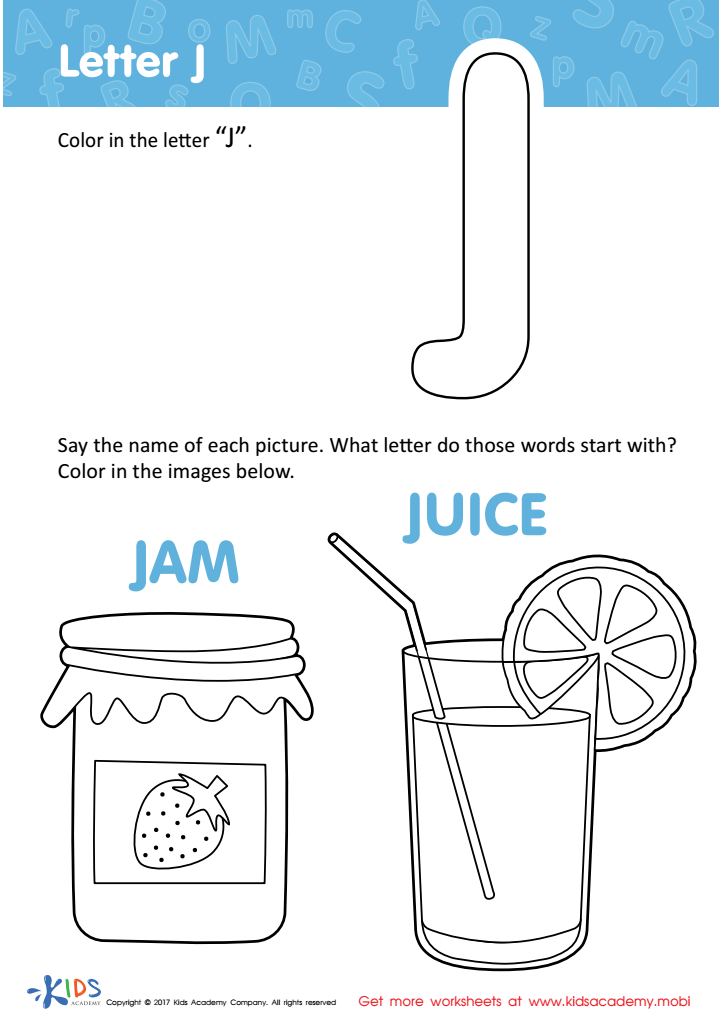
Letter J Coloring Sheet
Assign to My Students
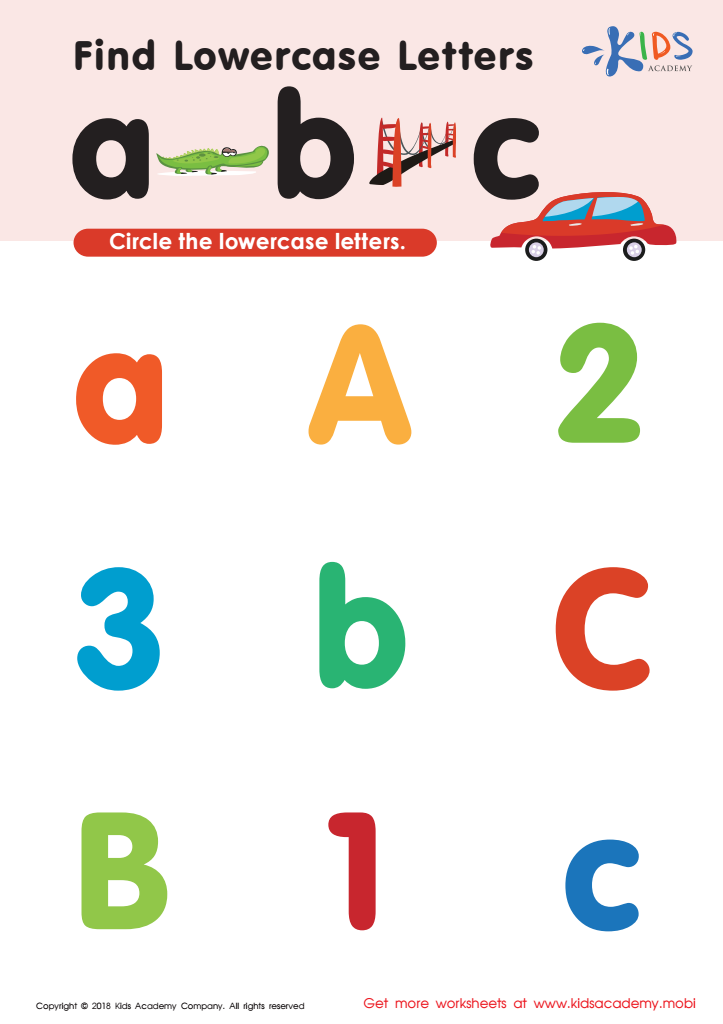
Find lowercase letters a b c Worksheet
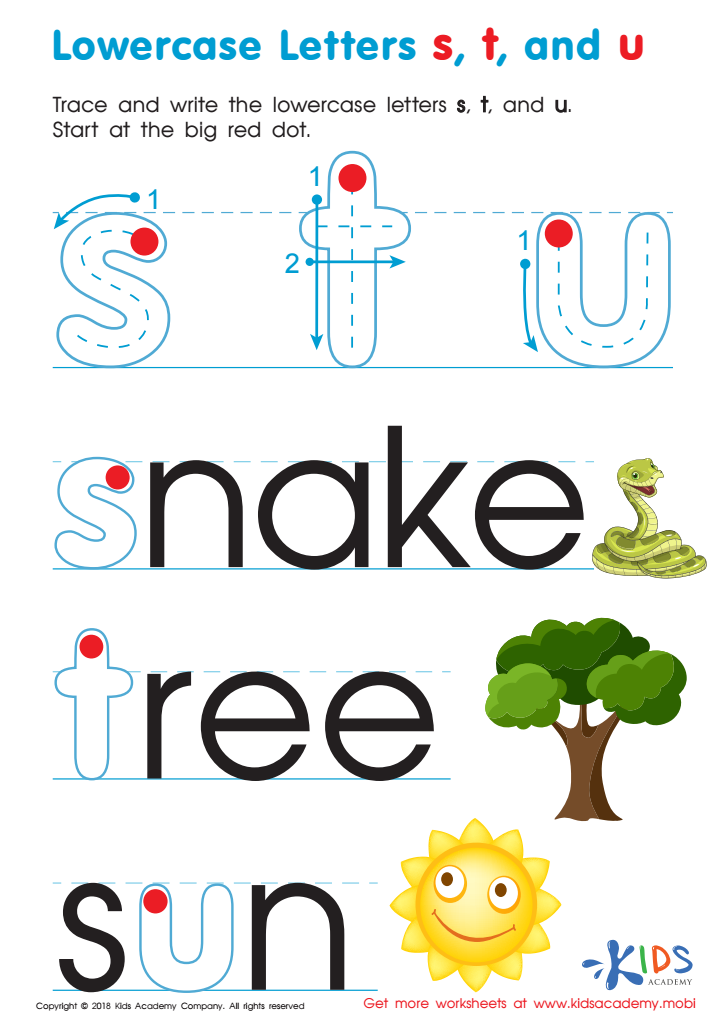
Lowercase Letters s t u Worksheet
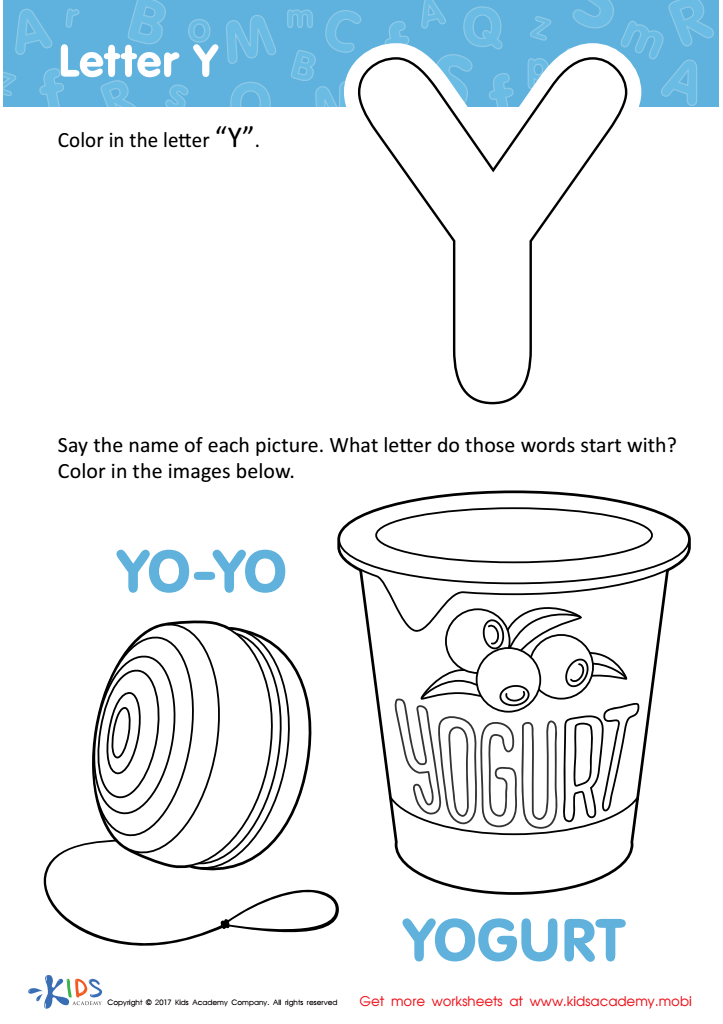
Letter Y Coloring Sheet
Assign to My Students
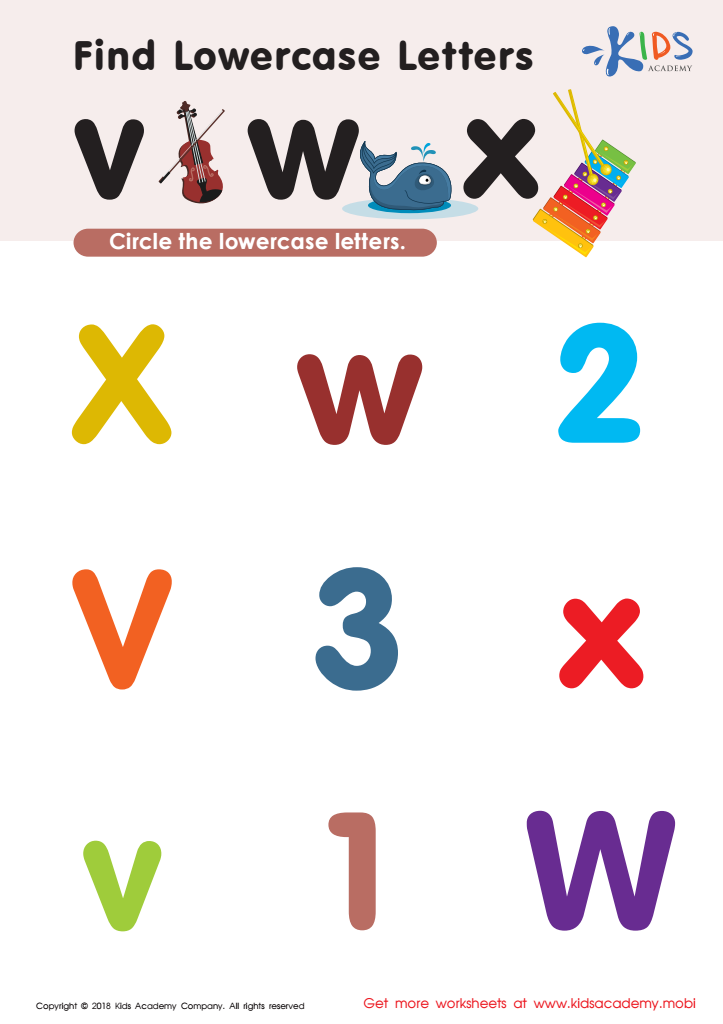
Find Lowercase Letters v w x Worksheet
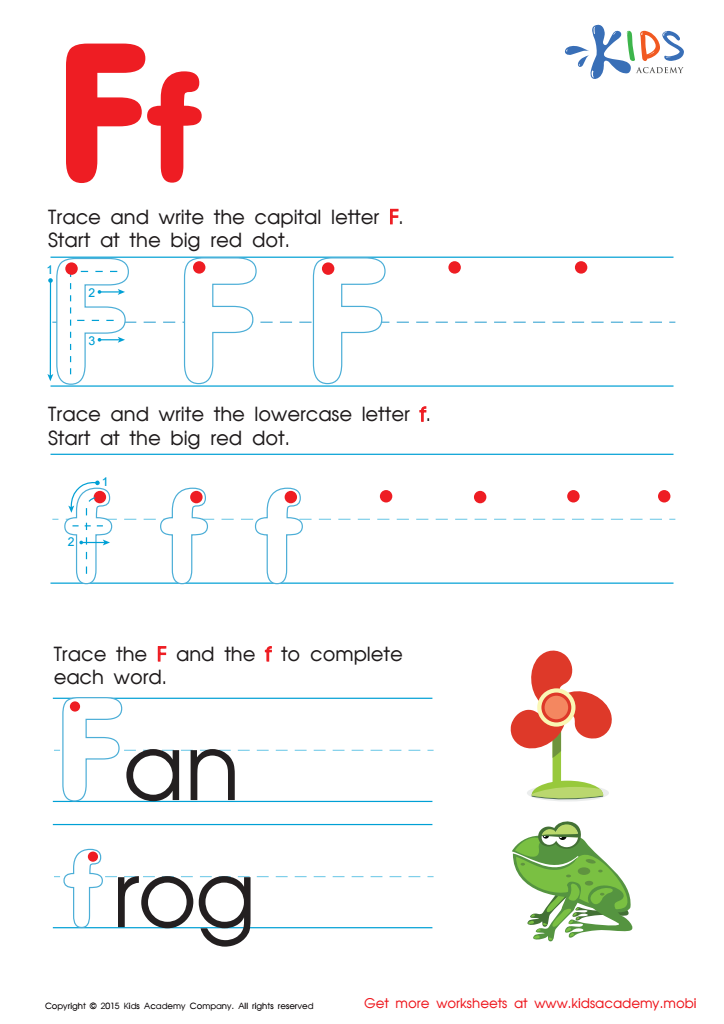
Letter F Tracing Page
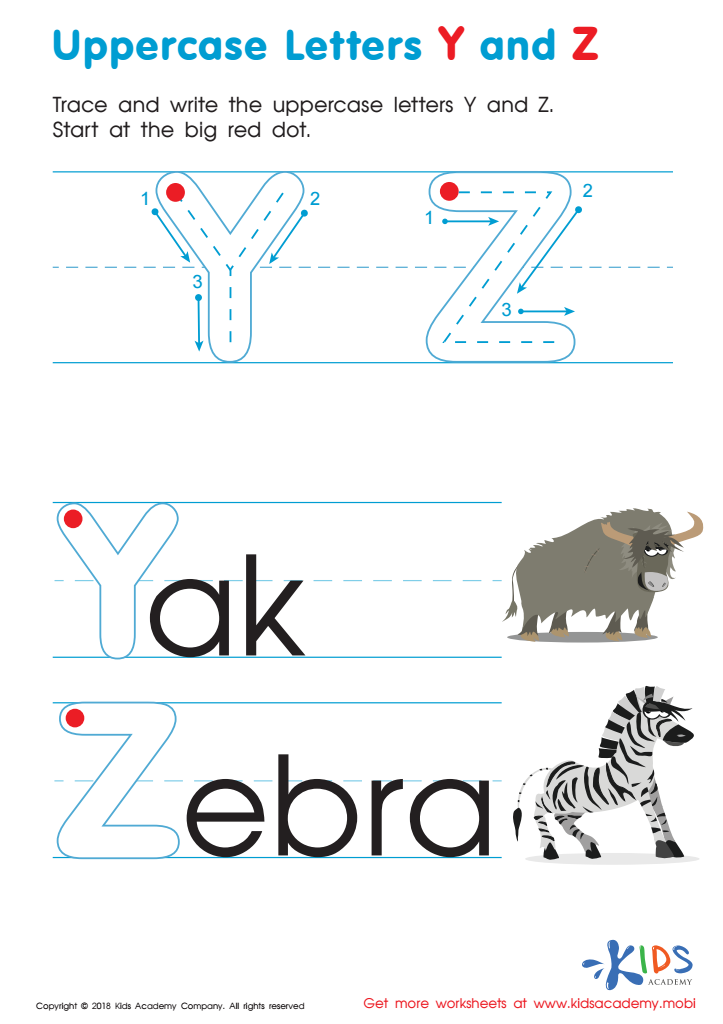
Uppercase Letters Y Z Worksheet
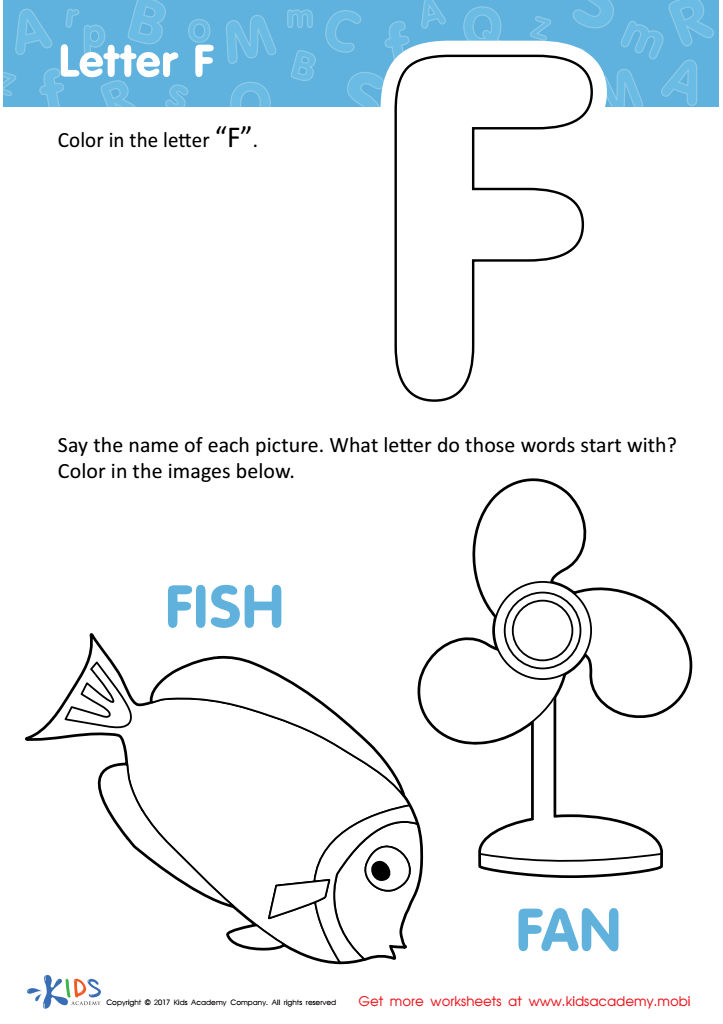
Letter F Coloring Sheet
Assign to My Students
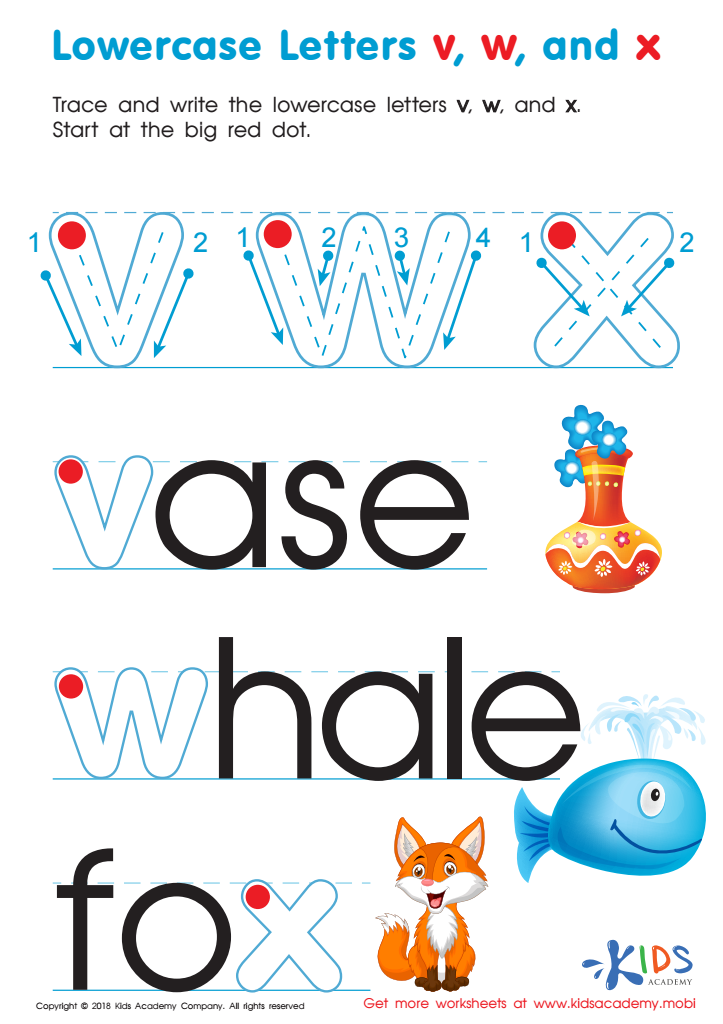
Lowercase Letters v w x Worksheet
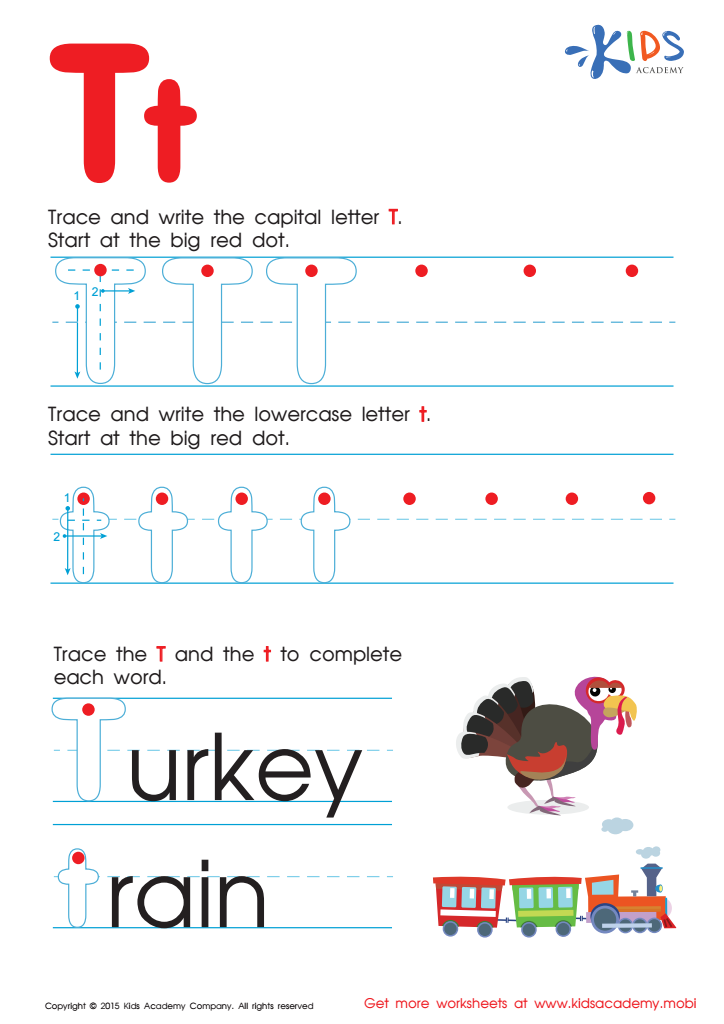
Letter T Tracing Page
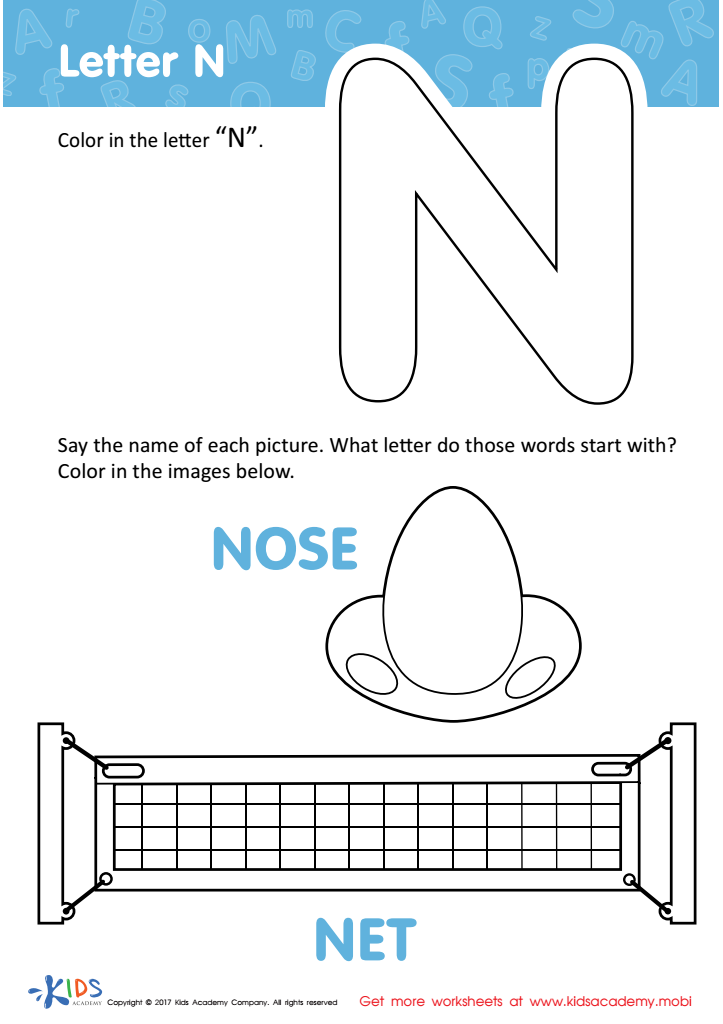
Letter N Coloring Sheet
Assign to My Students

Letter D Tracing Page
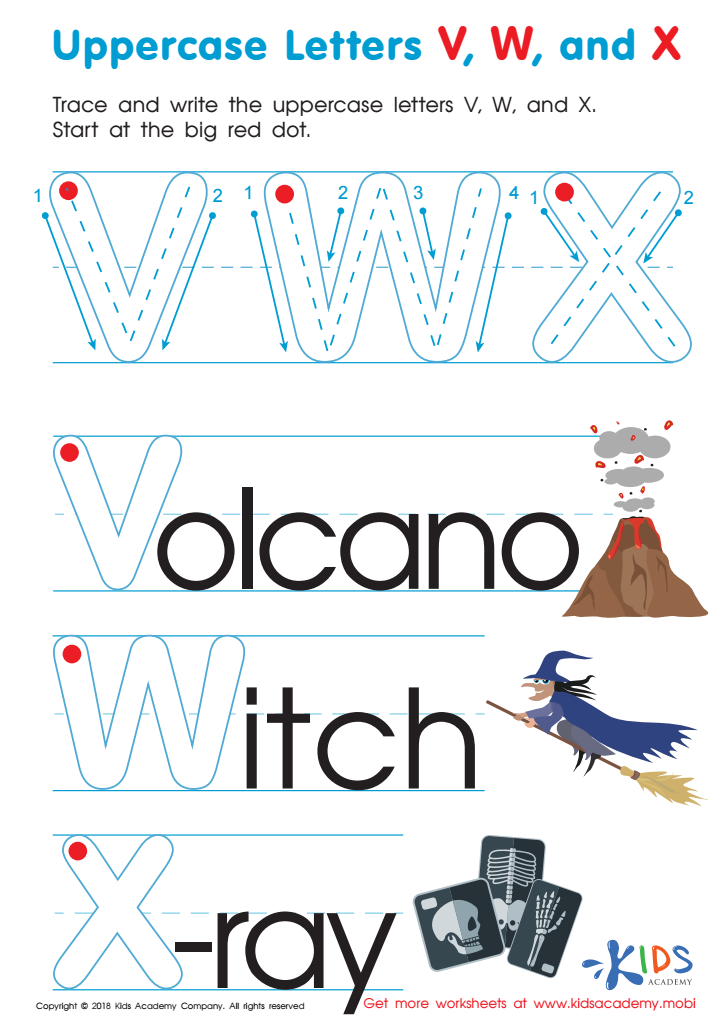
Uppercase Letters V, W, and X Worksheet
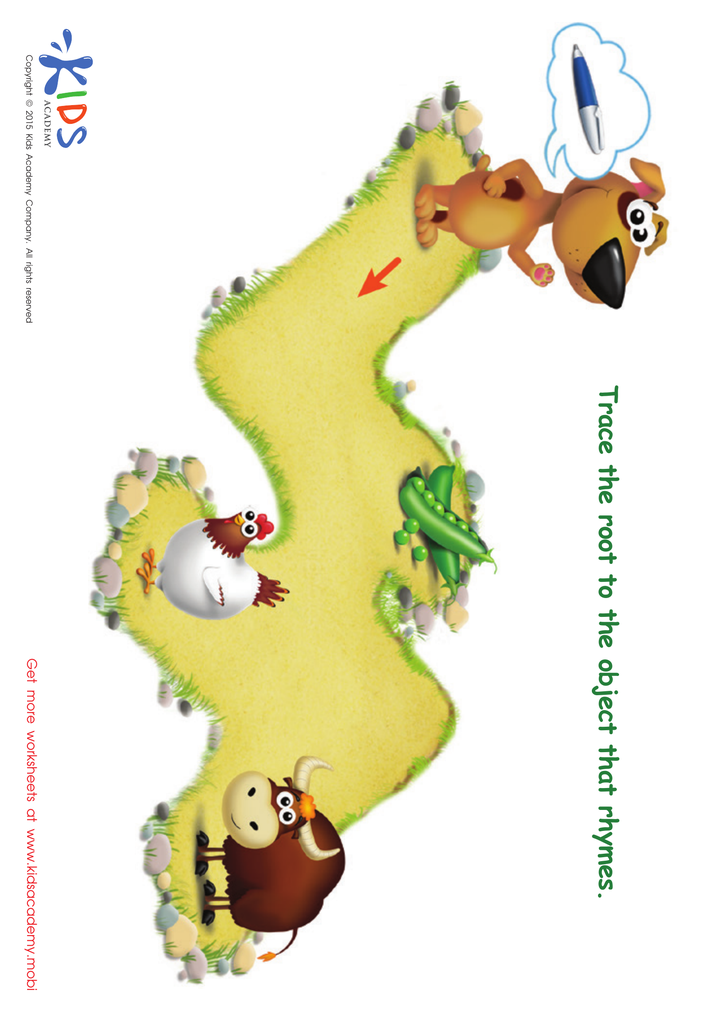
Pen Rhyming Words Worksheet








Fine motor skills are crucial for kindergarten students as they form the foundation for various academic and everyday tasks. These skills involve the small muscles in the hands and fingers, enabling children to perform tasks such as writing, cutting with scissors, and manipulating small objects. Focusing on fine motor skills is essential for several reasons.
Firstly, developing these skills directly impacts a child's ability to write the alphabet neatly, which is vital for clear communication. Children with strong fine motor skills are typically more confident in their writing abilities, leading to better performance in school. Additionally, fine motor proficiency contributes to success in various subjects beyond language arts, such as math, where manual dexterity is needed for drawing shapes and handling counting manipulatives.
Furthermore, fine motor skills are linked to cognitive development. Activities that enhance these skills often involve problem-solving and critical thinking, fostering overall brain development. Parents and teachers should prioritize fine motor skill activities, such as crafts and puzzles, to help children engage creatively and improve their dexterity.
Ultimately, supporting fine motor development at an early age lays a foundation for lifelong learning and independence, making it a key focus for both parents and educators.