Alphabetical order Kindergarten Worksheets
3 filtered results
-
From - To
Explore our engaging Alphabetical Order Kindergarten Worksheets designed to enhance your child's literacy skills! These fun, printable activities help preschoolers and kindergarteners master the concept of alphabetical order through interactive exercises. Our worksheets include sorting activities, letter recognition challenges, and ordering exercises that make learning joyful and effective. Perfect for classroom use or home practice, these resources will foster a love for reading and improve vocabulary. Ideal for teachers and parents alike, our Alphabetical Order worksheets promote essential skills in a captivating way, ensuring your young learners are well-prepared for their educational journey. Download now and inspire confident, eager young readers!
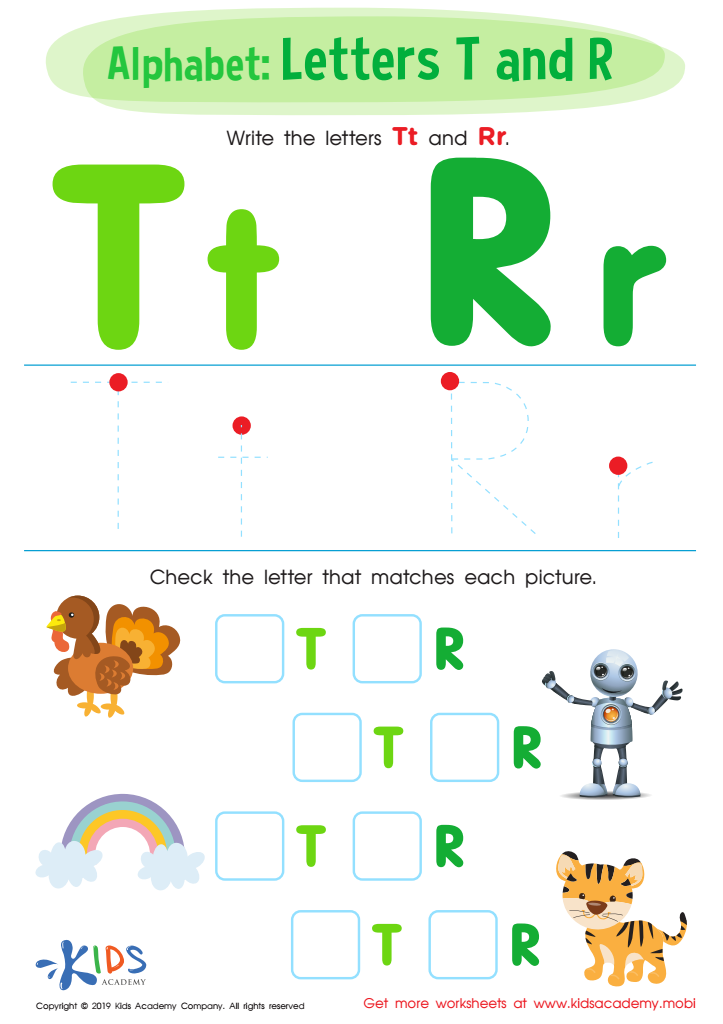
Letters T and R Worksheet
 Assign to My Students
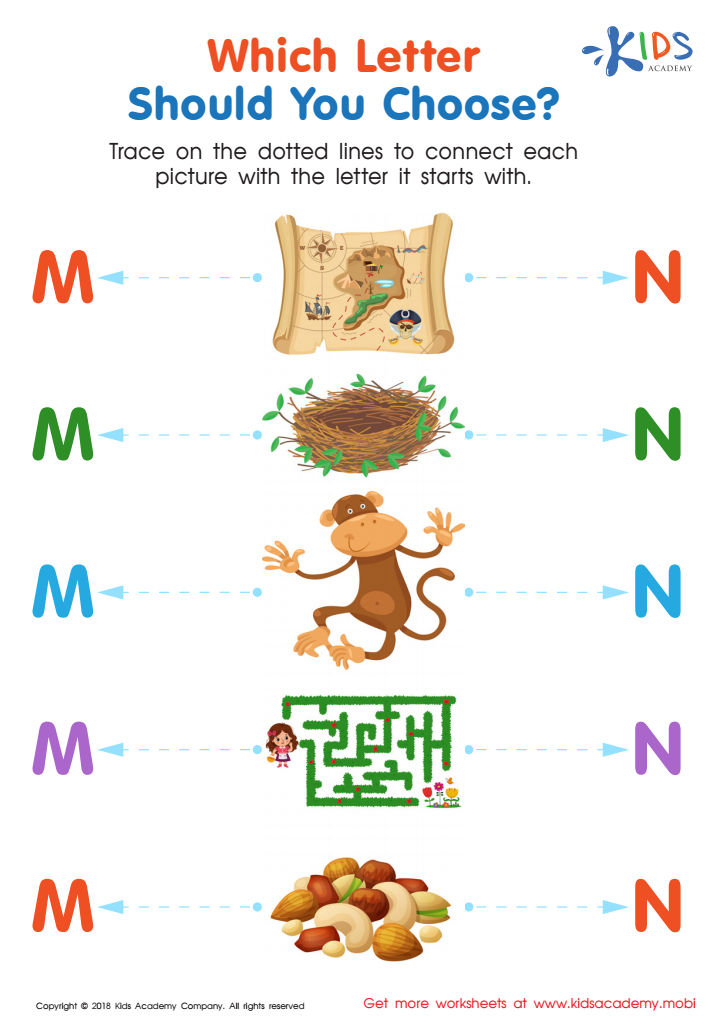
Which Letter Should you Choose? Worksheet
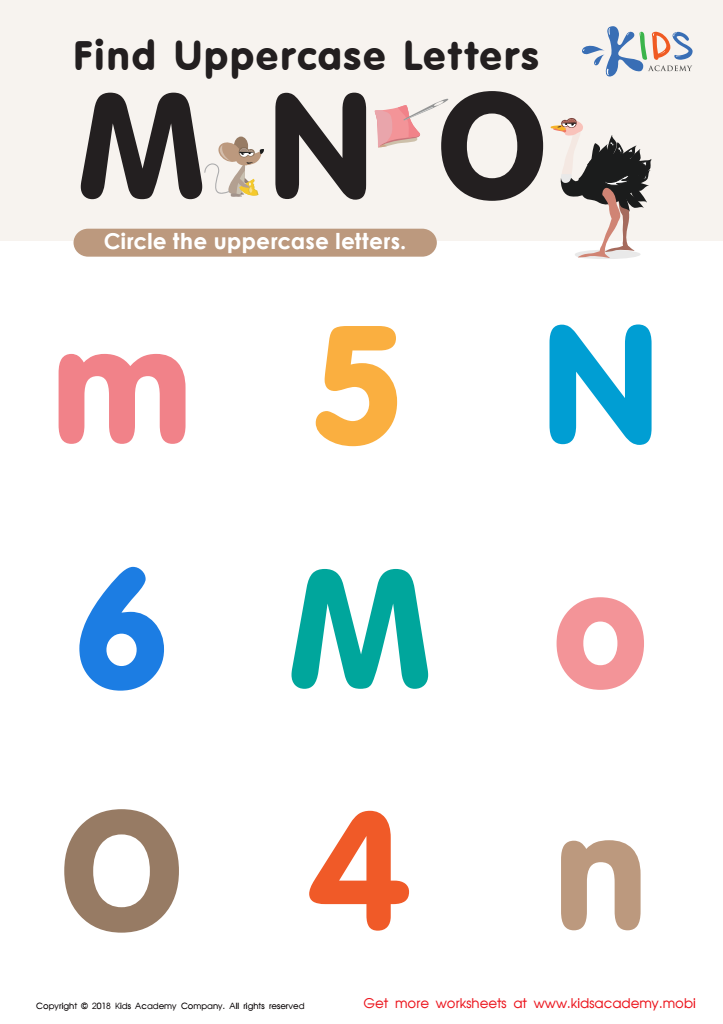
Find Uppercase Letters M, N, and O Worksheet








Teaching kindergarten students about alphabetical order is crucial for several reasons. First and foremost, it lays a foundational skill for reading and writing. When children understand the order of alphabets, they can more easily identify, sort, and access words in dictionaries, thesauruses, and other written materials. Mastery of alphabetical order boosts their reading comprehension and increases their ability to locate information swiftly.
Secondly, learning alphabetical order promotes organizational skills in young learners. By regularly practicing this skill, children not only become more adept at managing their own notes and assignments, but they also develop a greater sense of structure and rhythm in their learning experiences.
Moreover, these practices cultivate collaboration among peers, as many activities can be conducted in pairs or small groups, fostering communication skills and teamwork. Activities such as song learning or letter games can make this process enjoyable, reinforcing positive associations with learning.
Finally, familiarizing children with alphabetical order prepares them for future academic success, as these skills are built upon throughout their educational journeys. By emphasizing this skill in kindergarten, teachers and parents can ensure their children have the tools they need for literacy and beyond.








