Basic math concepts Kindergarten Worksheets
5 filtered results
-
From - To
Discover an engaging collection of Basic Math Concepts Kindergarten Worksheets designed to build a strong foundation in early math skills. Perfect for little learners, these fun activities cover counting, sorting, recognizing shapes, and simple addition. Featuring colorful illustrations and interactive exercises, our worksheets make learning math enjoyable and accessible for young children. Boost your child's confidence and academic growth with these carefully crafted resources. Tailored for teachers and parents alike, our printable worksheets are ideal tools to complement classroom lessons or enhance home learning environments. Start your child’s math journey with Kids Academy today!
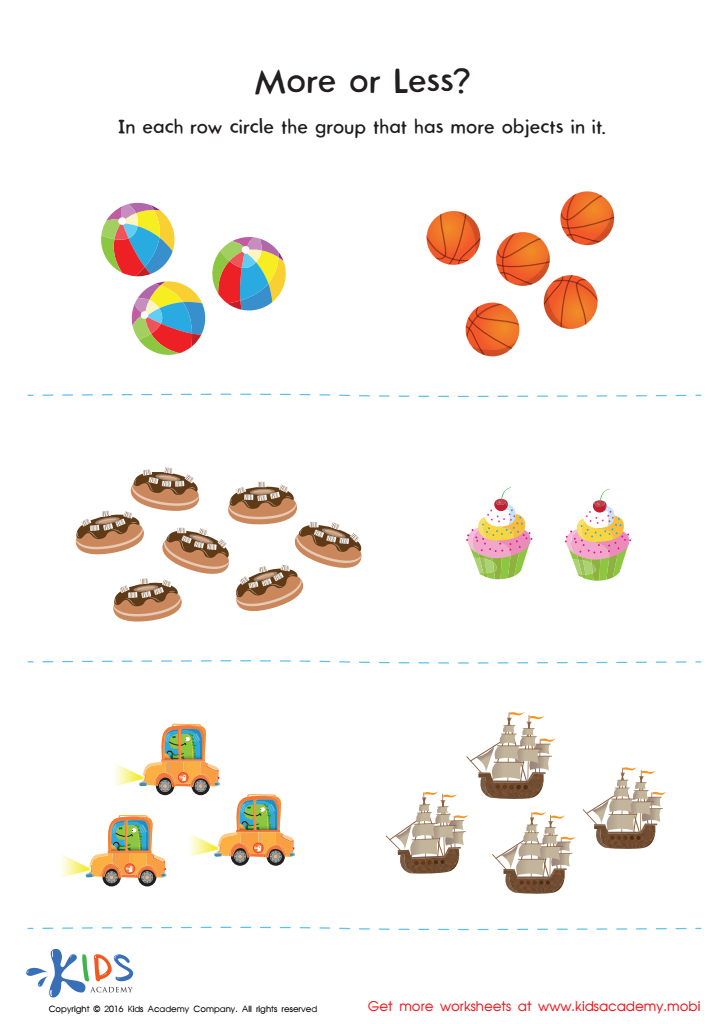
 Assign to My Students
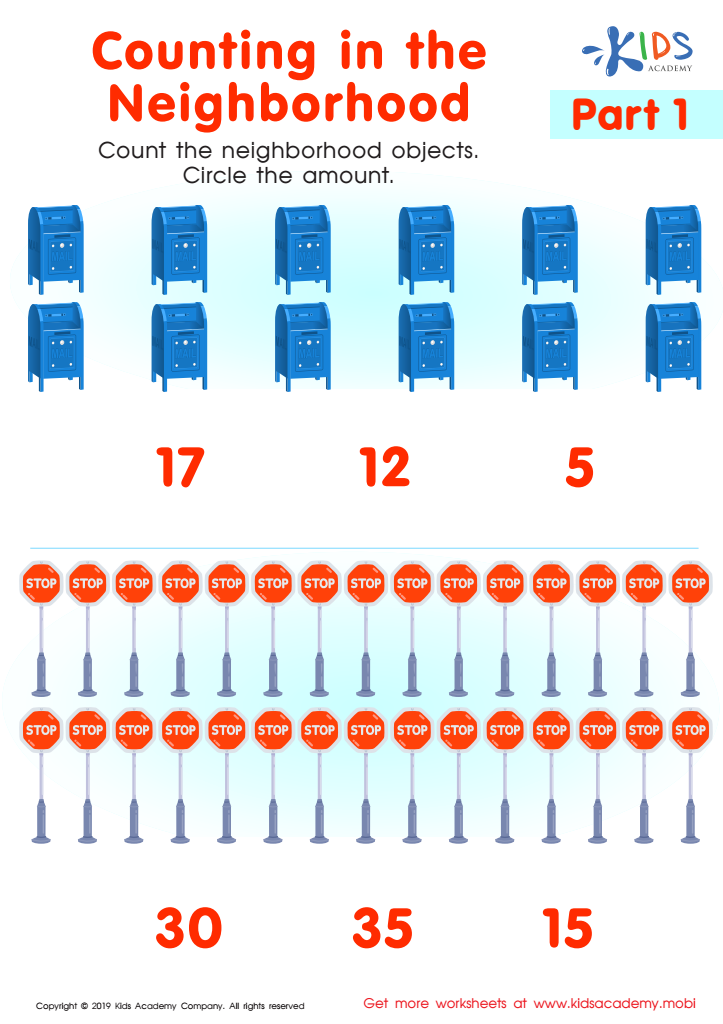
Counting in the Neighborhood Part1 Worksheet
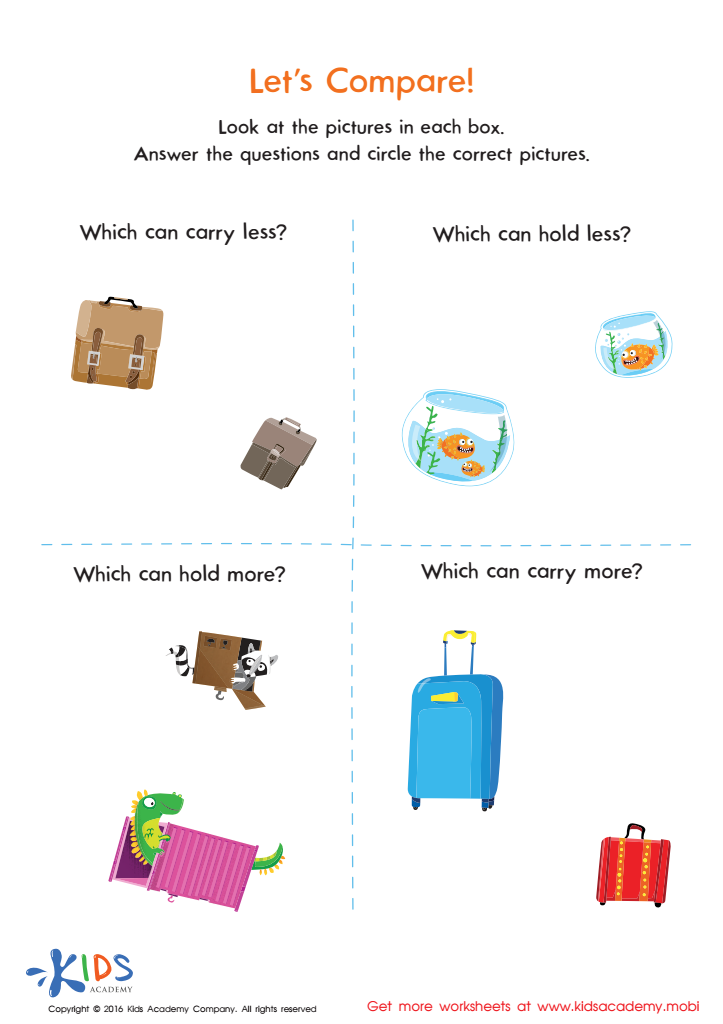
Let's Compare Worksheet: Big or Small
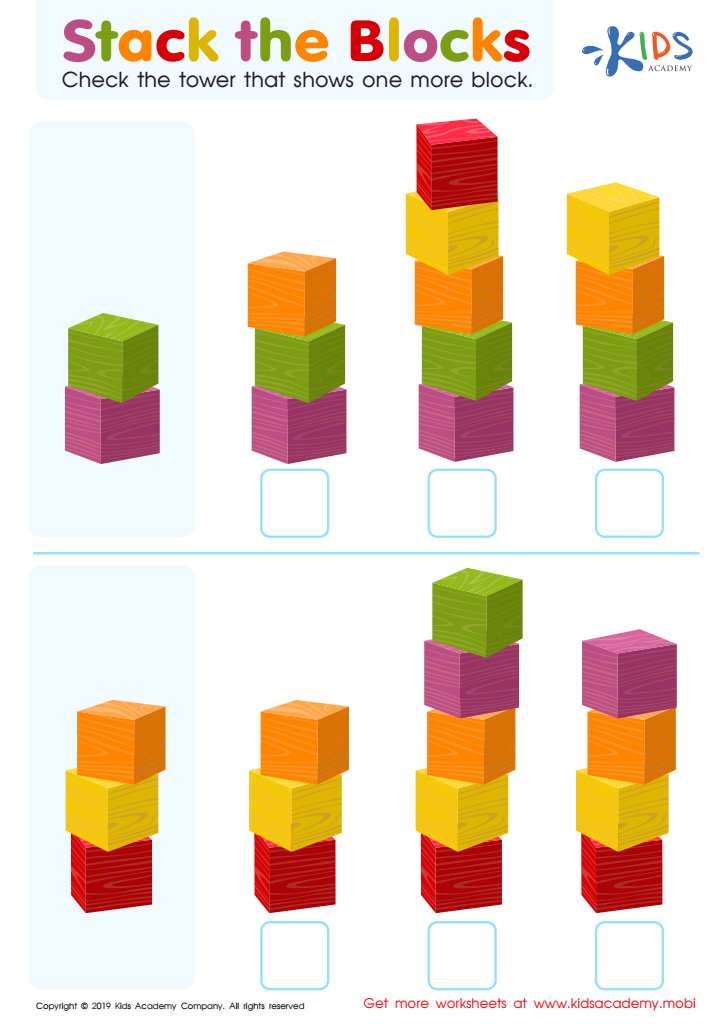
Stack the Blocks Worksheet
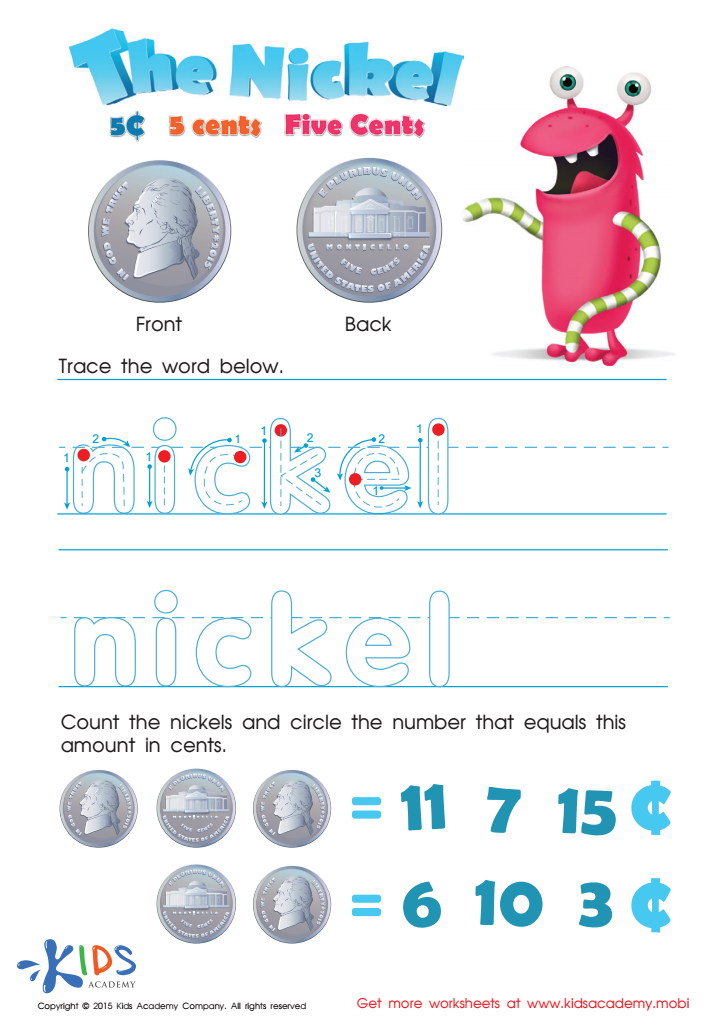
Five Cents or the Nickel Money Worksheet







Basic math concepts in kindergarten form the cornerstone of a child's future academic and everyday life. For parents and teachers, nurturing these early skills is essential because they pave the way for more advanced mathematical understanding. At its core, kindergarten math introduces numbers, counting, shapes, and patterns, establishing the building blocks for subsequent learning.
First, early exposure to math develops a child's numerical literacy. Learning to count, recognize numbers, and understand basic operations like addition and subtraction helps children grasp how numbers work within the real world. This numerical fluency is crucial not just for future math courses, but also for daily activities such as telling time, measuring ingredients for a recipe, or handling money.
Secondly, focusing on these concepts improves cognitive skills like problem-solving, logical thinking, and spatial awareness. These skills are widely applicable and enhance a student's ability in other subjects and areas of life. Patterns and puzzles, for instance, foster analytical thinking and attention to detail.
Moreover, instilling confidence and curiosity about math at an early age can engender a positive attitude toward the subject. This reduces math anxiety and prepares children for lifelong learning. By caring about these foundational concepts, parents and teachers can set children on a path of academic success, critical thinking, and self-assurance.








