Following instructions Kindergarten Worksheets - Page 2
48 filtered results
-
From - To

Santa Claus Tracing Winter Words Worksheet
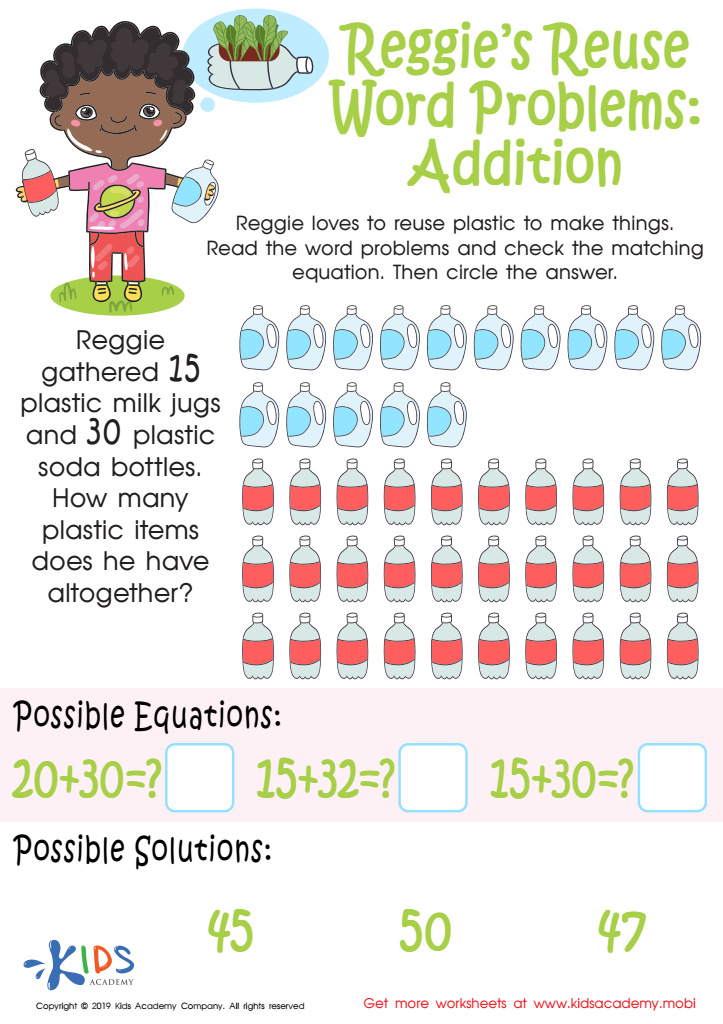
Reggie's Reuse Word Problems: Addition Worksheet
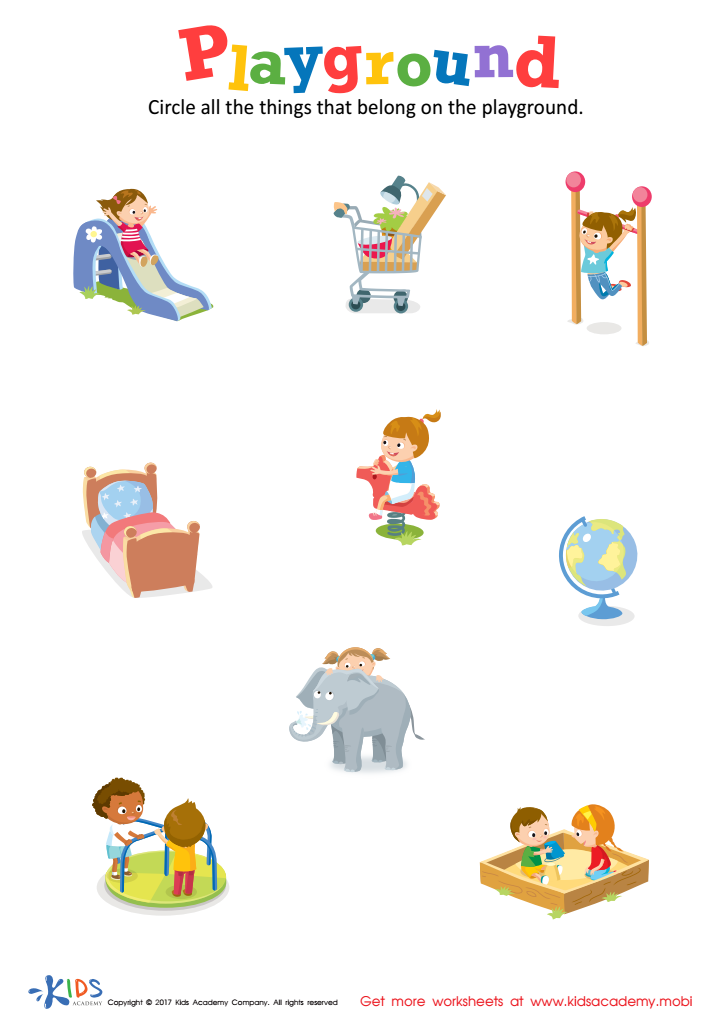
Playground Worksheet
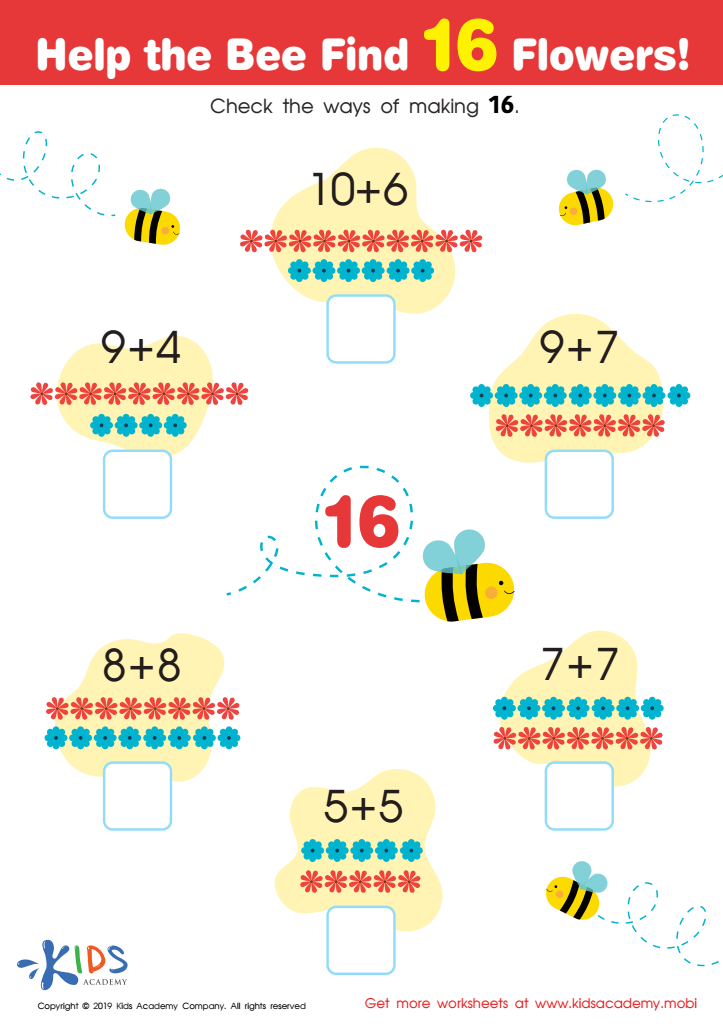
Help the Bee Find 16 Flowers Worksheet
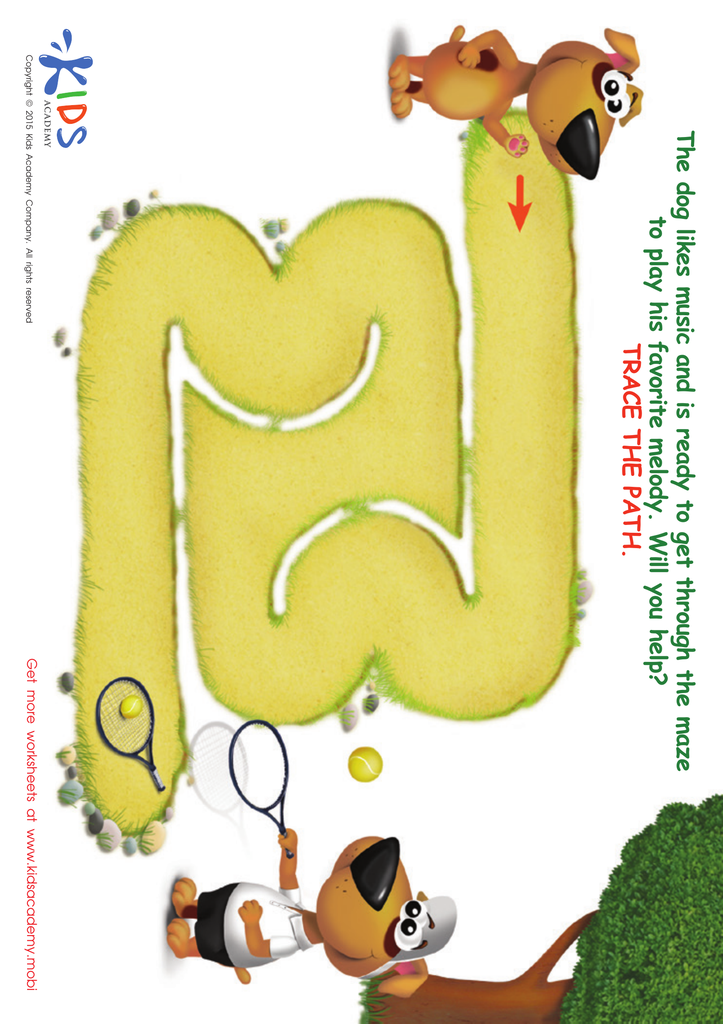
Tennis Player Maze Worksheet
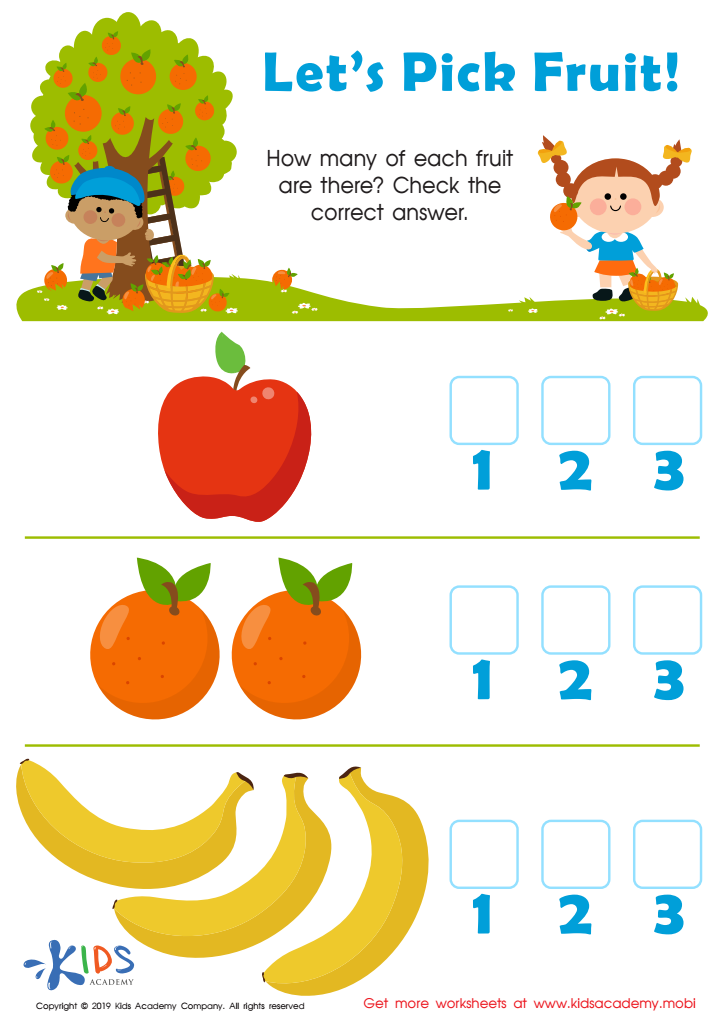
Let's Pick Fruit Worksheet

Christmas: Christmas Tree Printable
 Assign to My Students
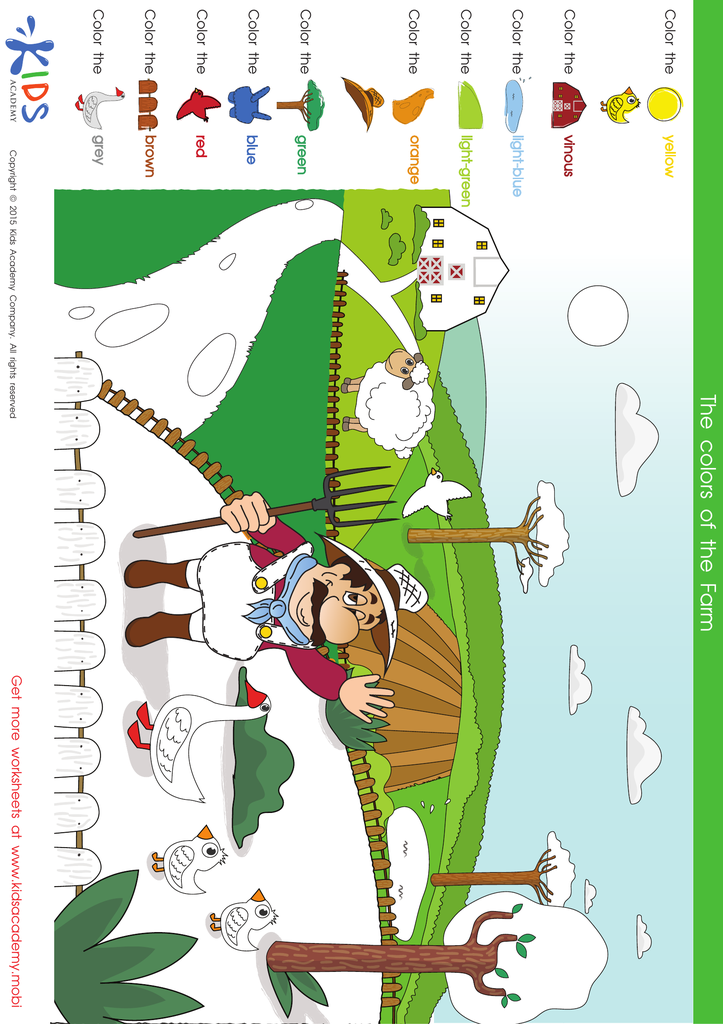
Color the Farmer and His Geese Coloring Pages
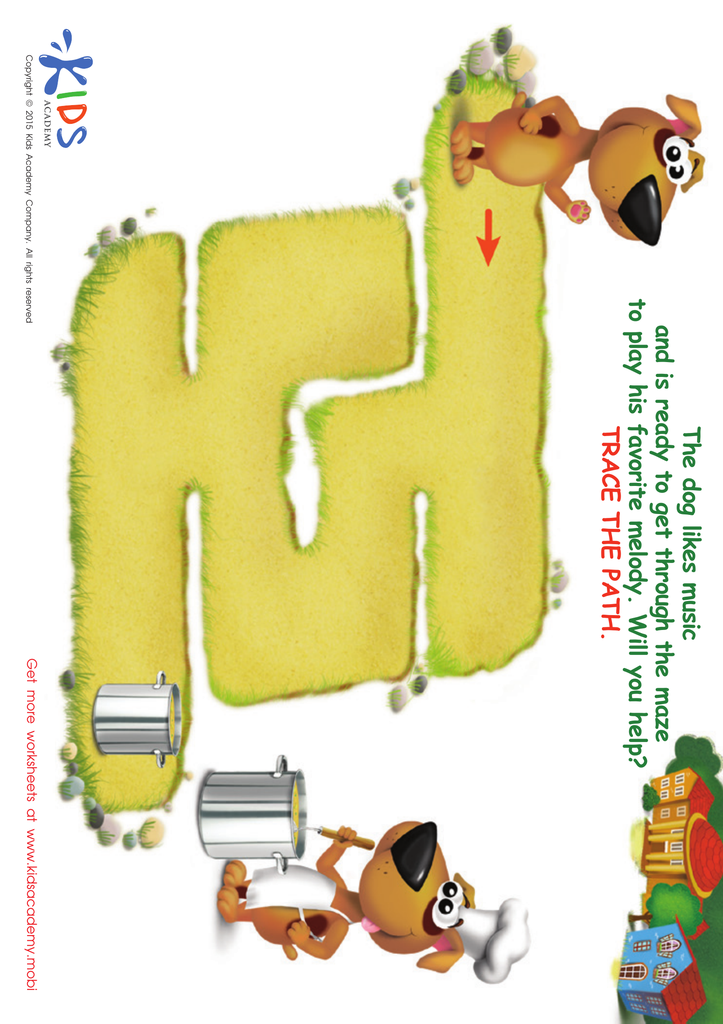
Cook Maze Worksheet
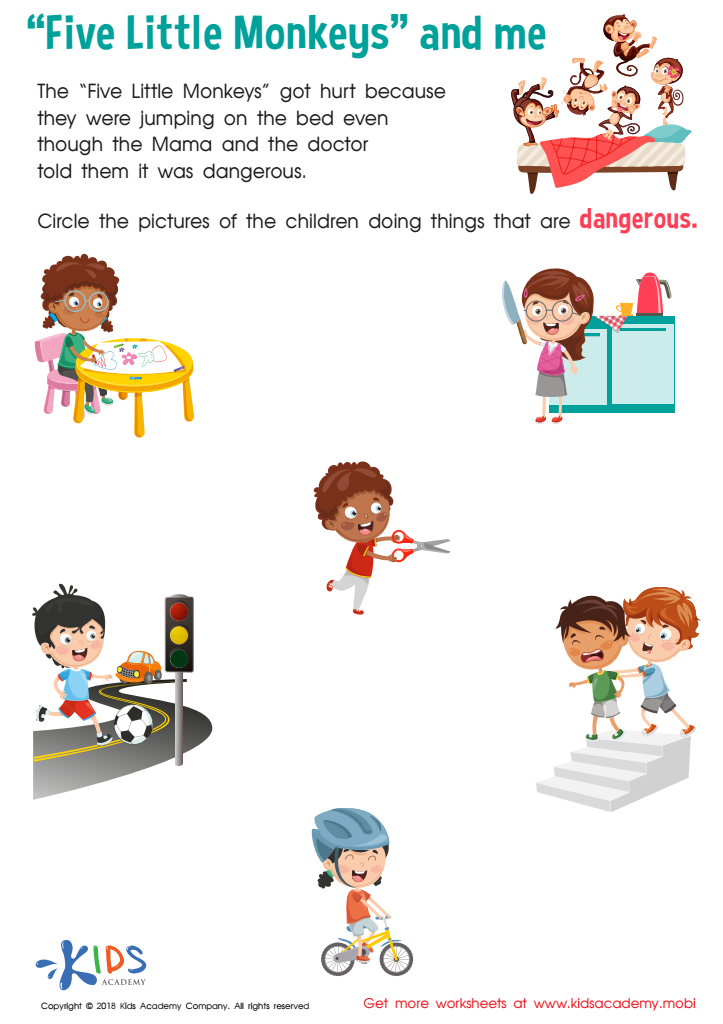
Five Little Monkeys and Me Worksheet
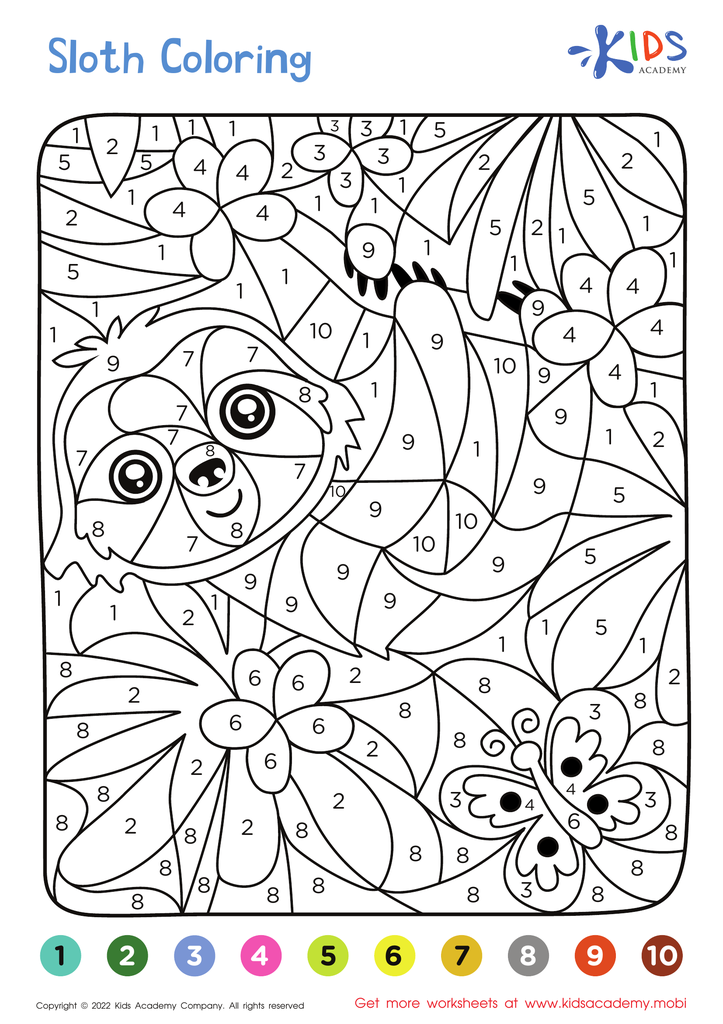
Sloth – Coloring by Numbers

White and Pink Coloring Fun Worksheet
Assign to My Students
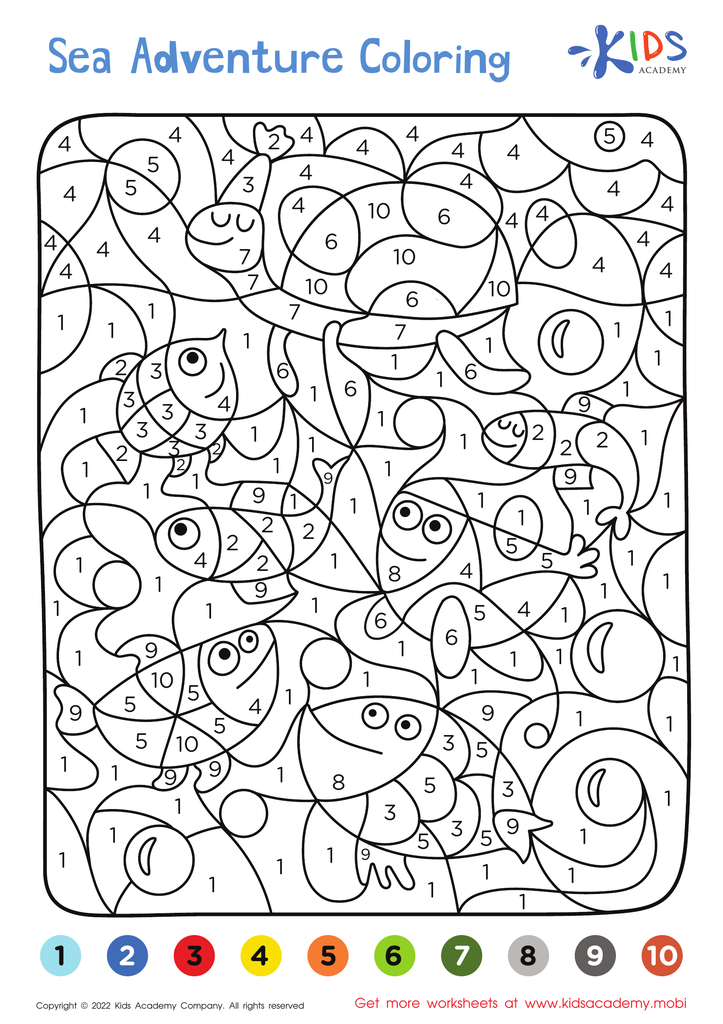
Sea Adventure – Coloring by Numbers
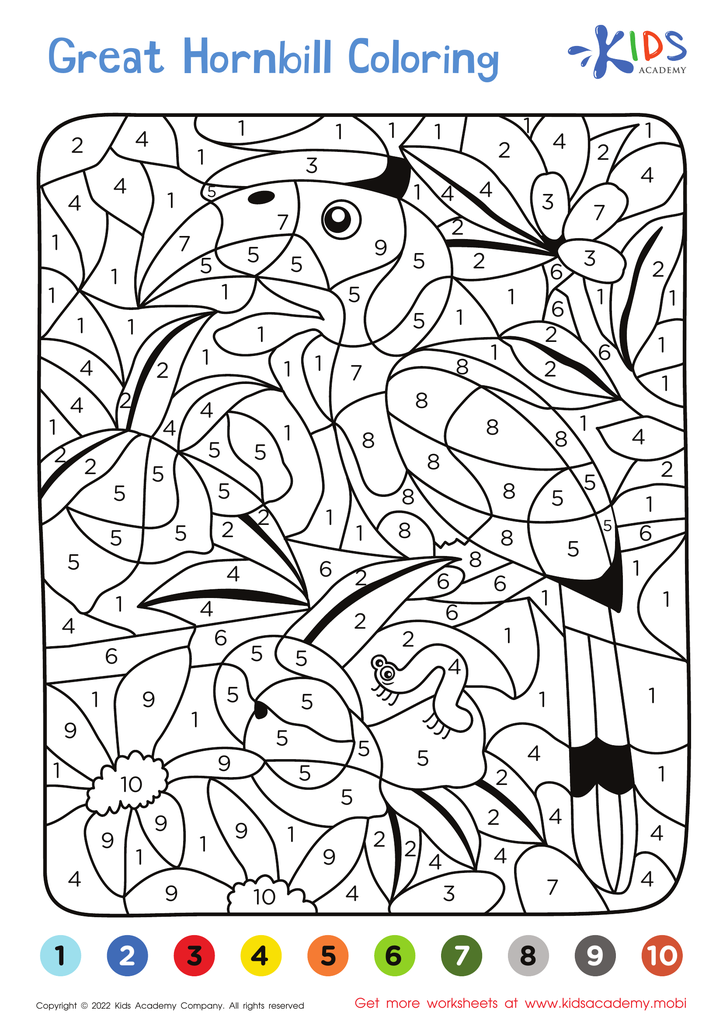
Great Hornbill – Coloring by Numbers
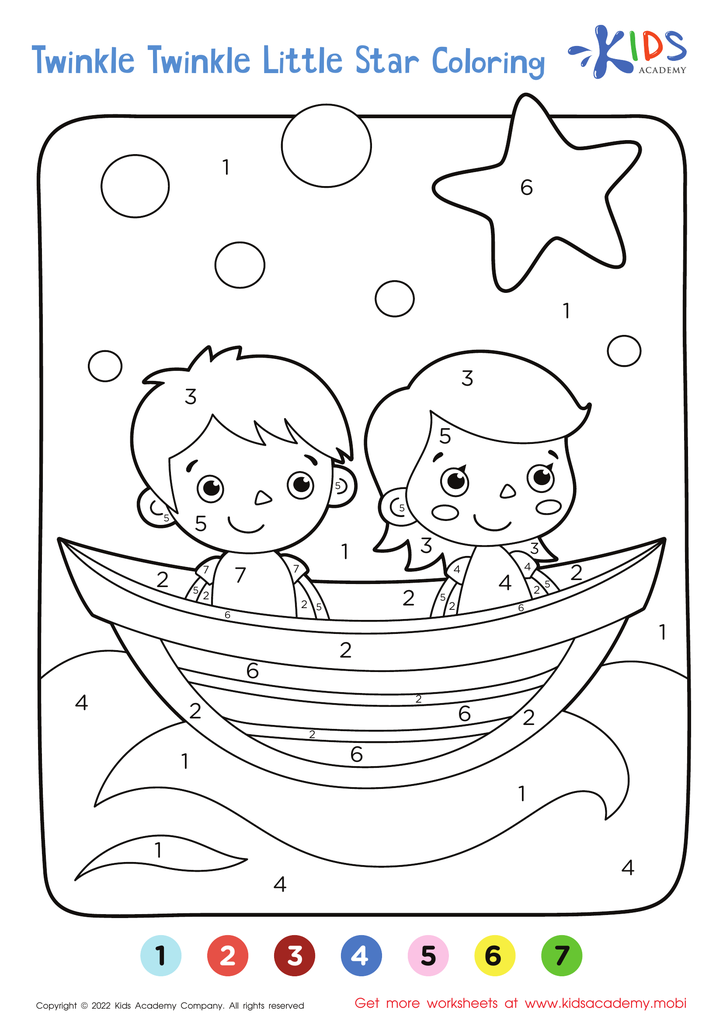
Twinkle, Twinkle, Little Star – Coloring by Numbers
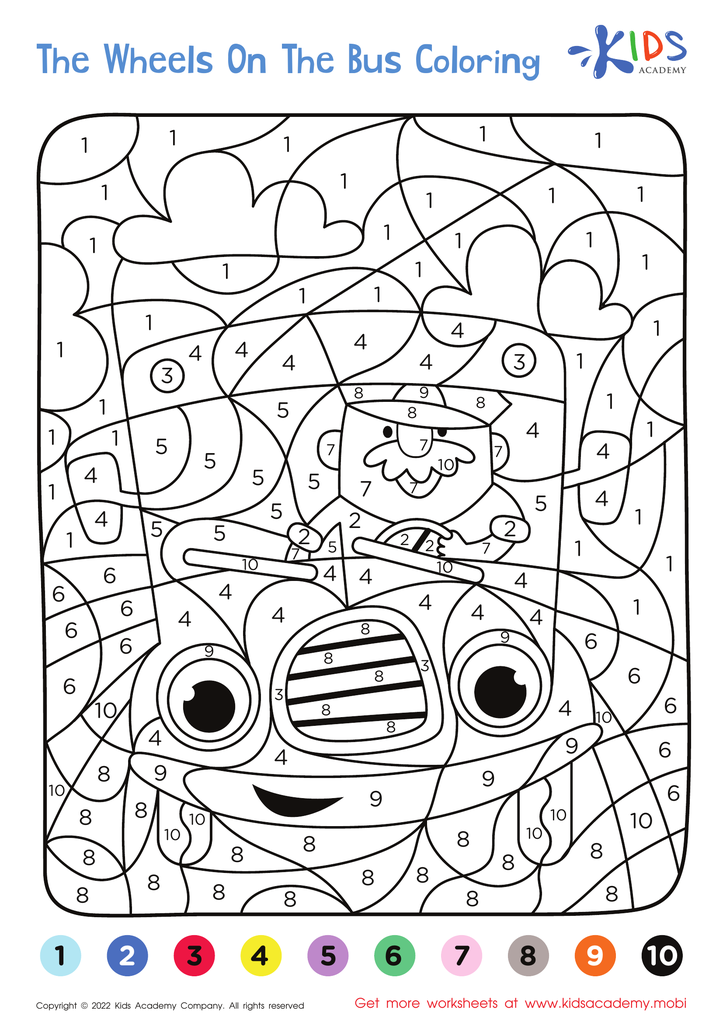
Wheels on the Bus – Coloring by Numbers
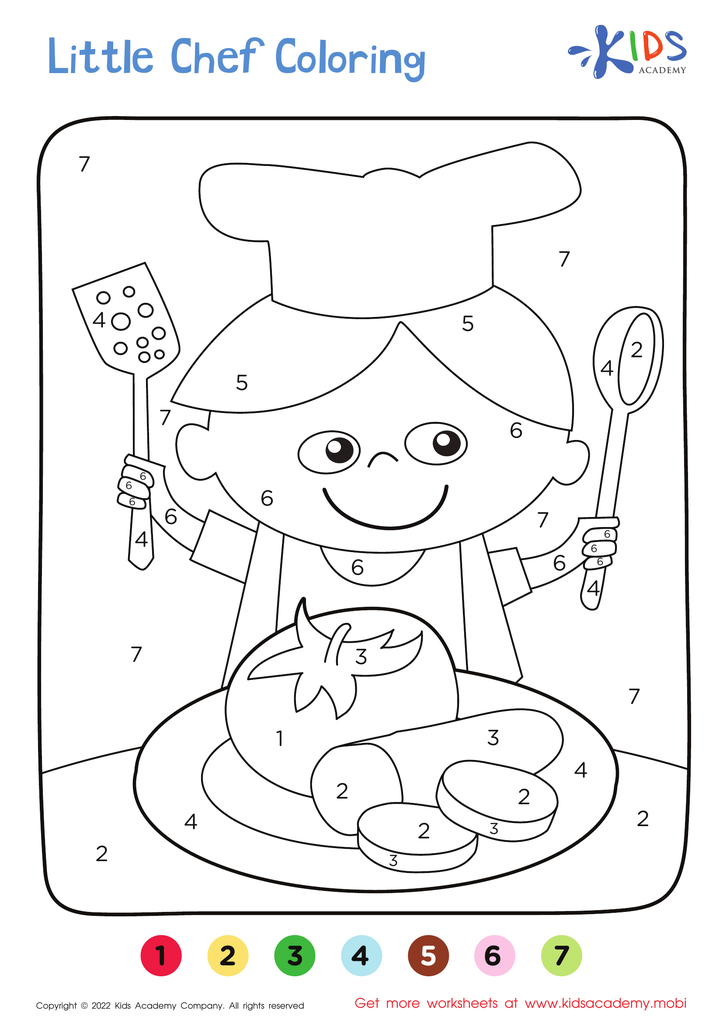
Little Chef – Coloring by Numbers
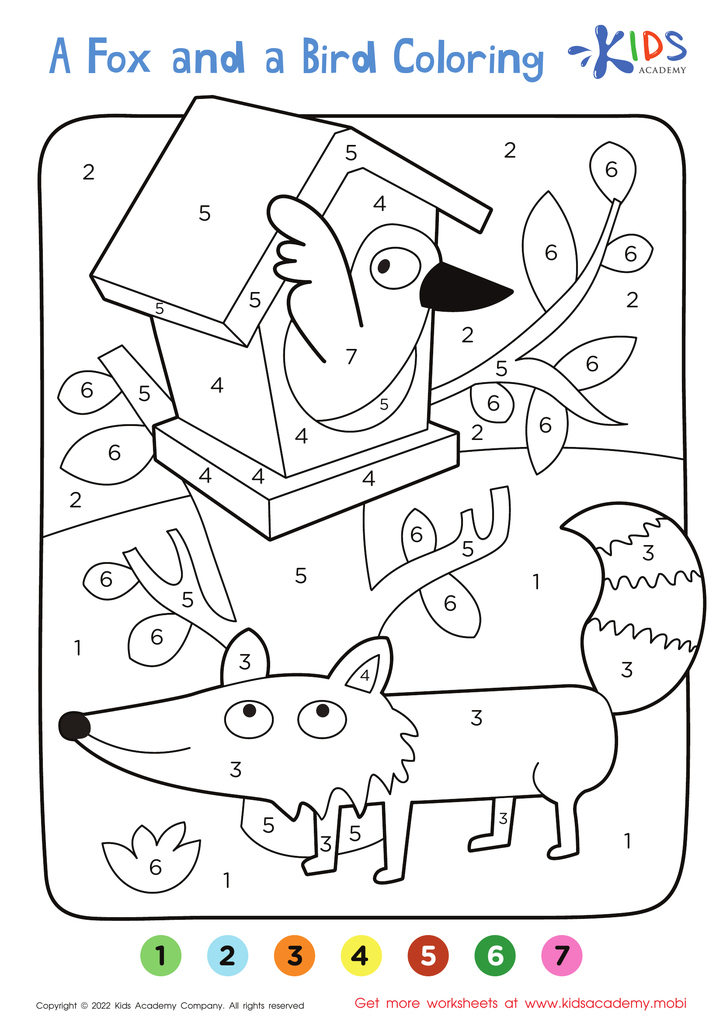
A Fox and a Bird – Coloring by Numbers
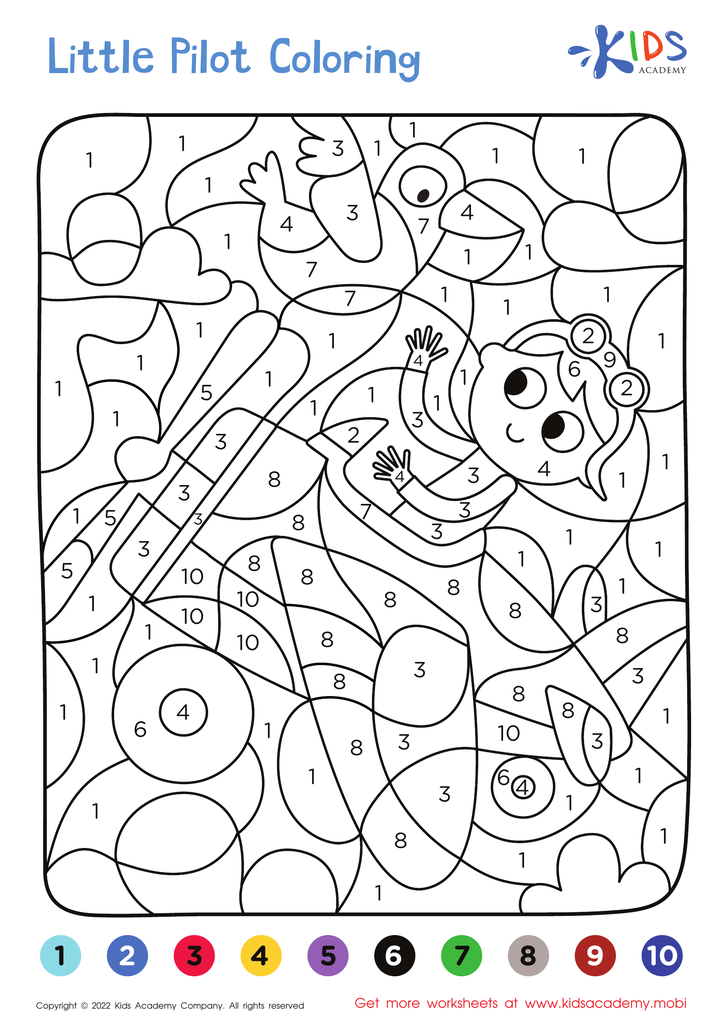
Little Pilot – Coloring by Numbers
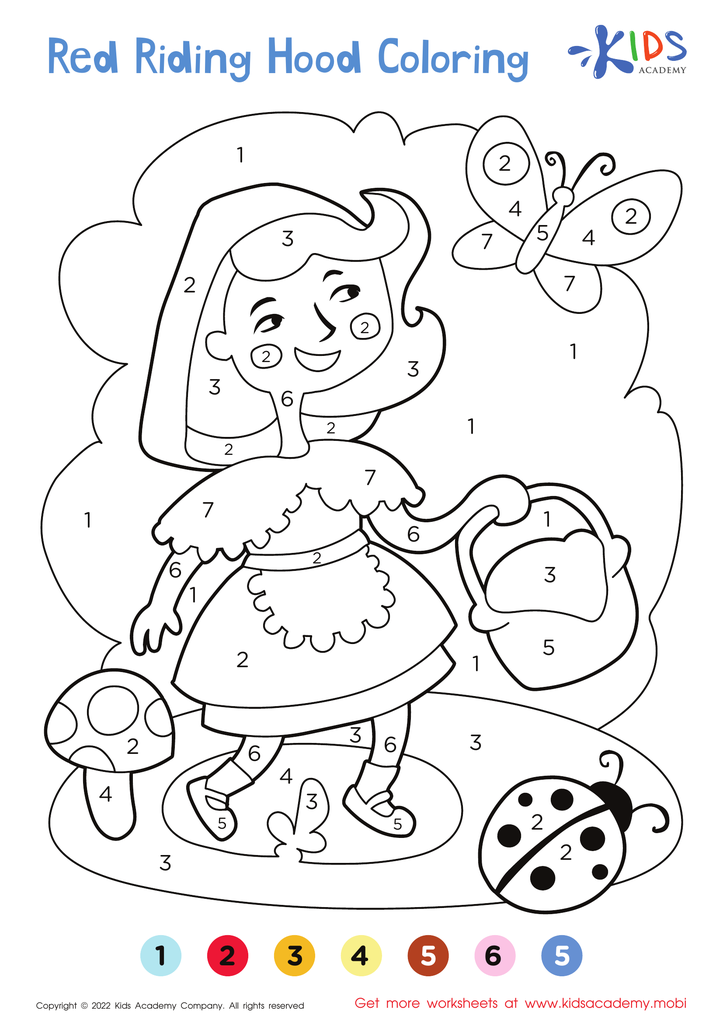
Little Red Riding Hood – Coloring by Numbers
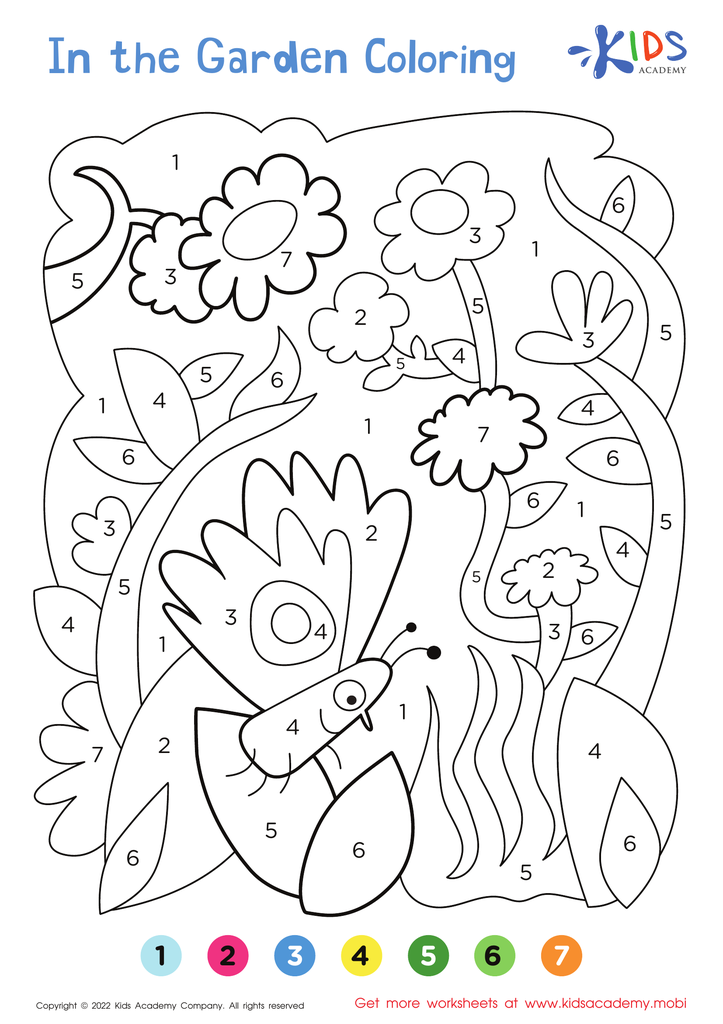
In the Garden – Coloring by Numbers
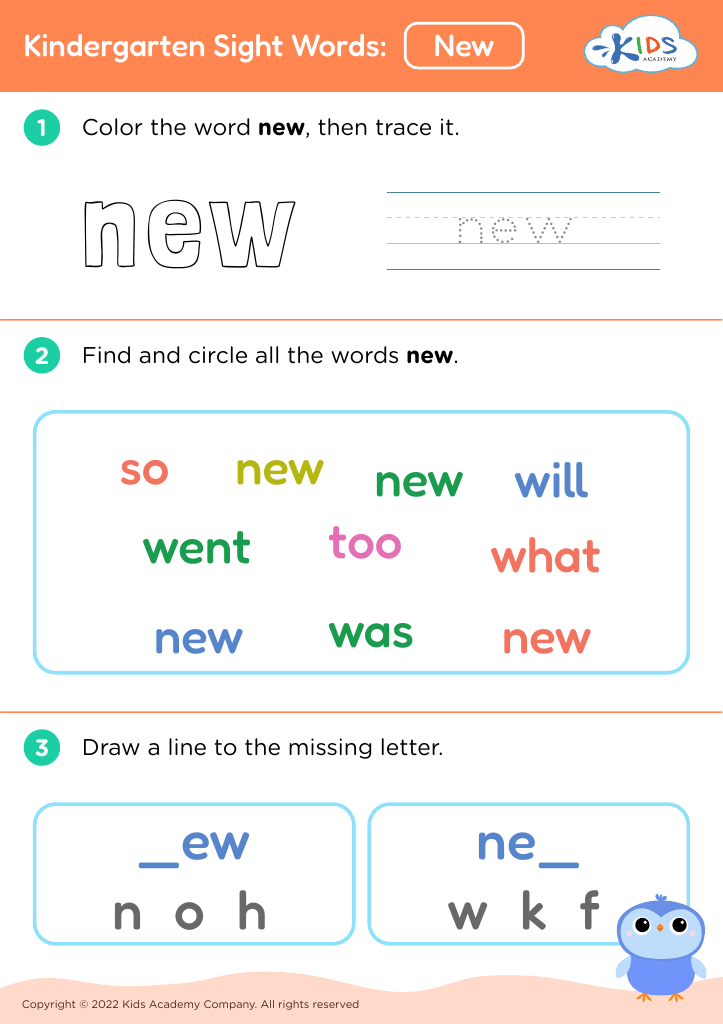
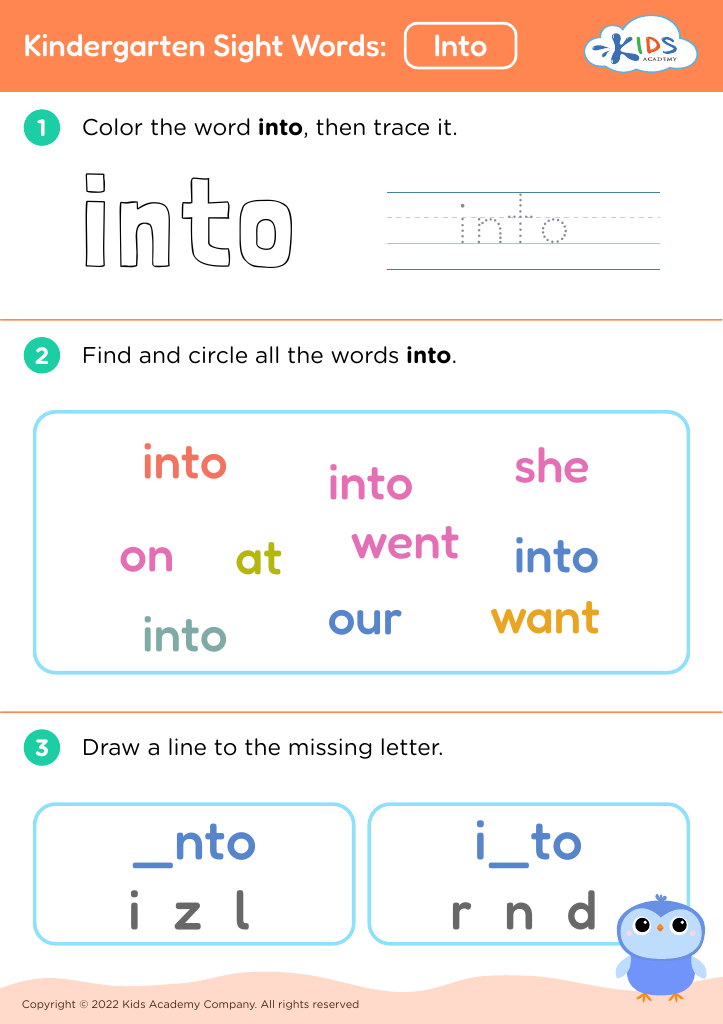



.jpg)




Following instructions is a fundamental skill that parents and teachers should especially emphasize during kindergarten for several crucial reasons. Firstly, the ability to follow instructions is foundational for learning and academic success. In kindergarten, students are introduced to structured classroom environments where they needto listen, process directions, and complete tasks accordingly. This paves the way for successful learning in later grades where instructions become more complex and multi-step.
Secondly, understanding and following instructions is essential for developing social skills and fostering disciplined behavior. It teaches children to respect authority, understand boundaries, and work collaboratively with peers. When children listen and adhere to guidelines, classroom management improves, creating a positive and conducive learning environment for all.
Furthermore, the skill of following directions closely aligns with developing critical cognitive skills such as attention, memory, and executive function. Kindergarten is a prime period for brain development, and practicing instruction-following sharpens these cognitive abilities, aiding overall mental growth.
Lastly, practical everyday safety depends on a child's ability to follow adult instructions. At home or in public, children need to respond appropriately to verbal directions to stay safe.
In sum, honing the ability to follow instructions in kindergarten is instrumental in supporting academic foundation, social-behavioral skills, cognitive development, and personal safety. Parents and teachers play a pivotal role in this crucial developmental stage.








