Mental arithmetic Kindergarten Worksheets
4 filtered results
-
From - To
Unlock your child's mathematical potential with our engaging Mental Arithmetic Kindergarten Worksheets! Designed for young learners, these worksheets make learning basic math concepts fun and interactive. They feature a variety of exercises that improve number recognition, addition, and subtraction skills through playful activities. Each worksheet is crafted to fit the developmental needs of kindergarteners, promoting confidence and enthusiasm in math. With our mental arithmetic worksheets, children will develop essential problem-solving skills and strengthen their foundational math knowledge in an enjoyable way. Explore our collection today and give your child the boost they need for a bright academic future!
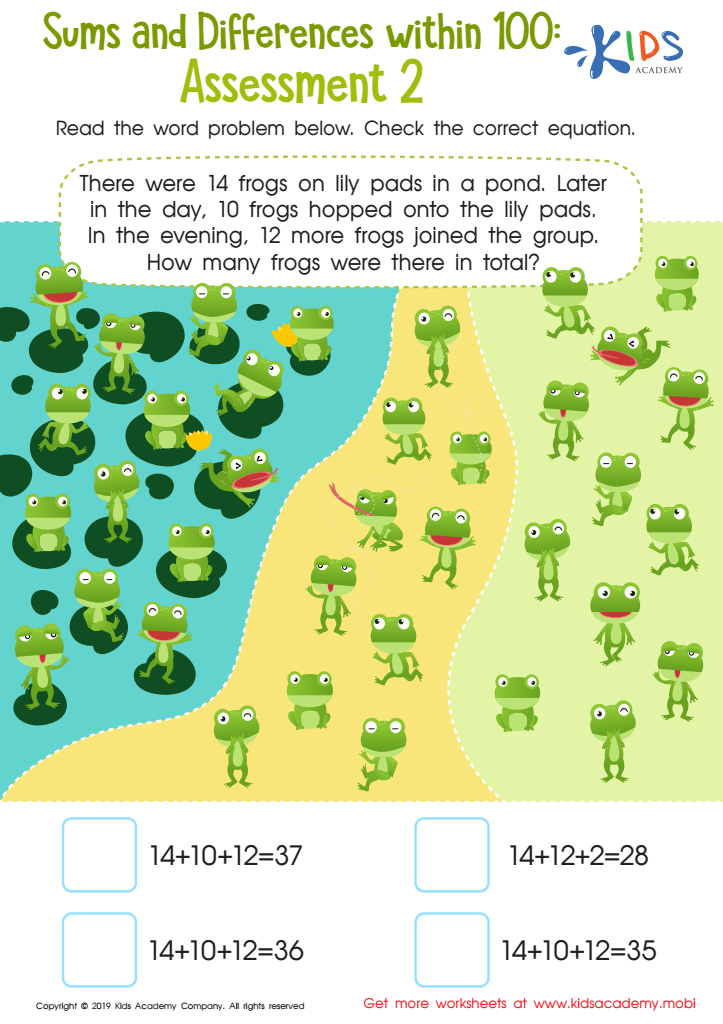
Sums and Differences Within 1 - Assessment 2 Worksheet
 Assign to My Students
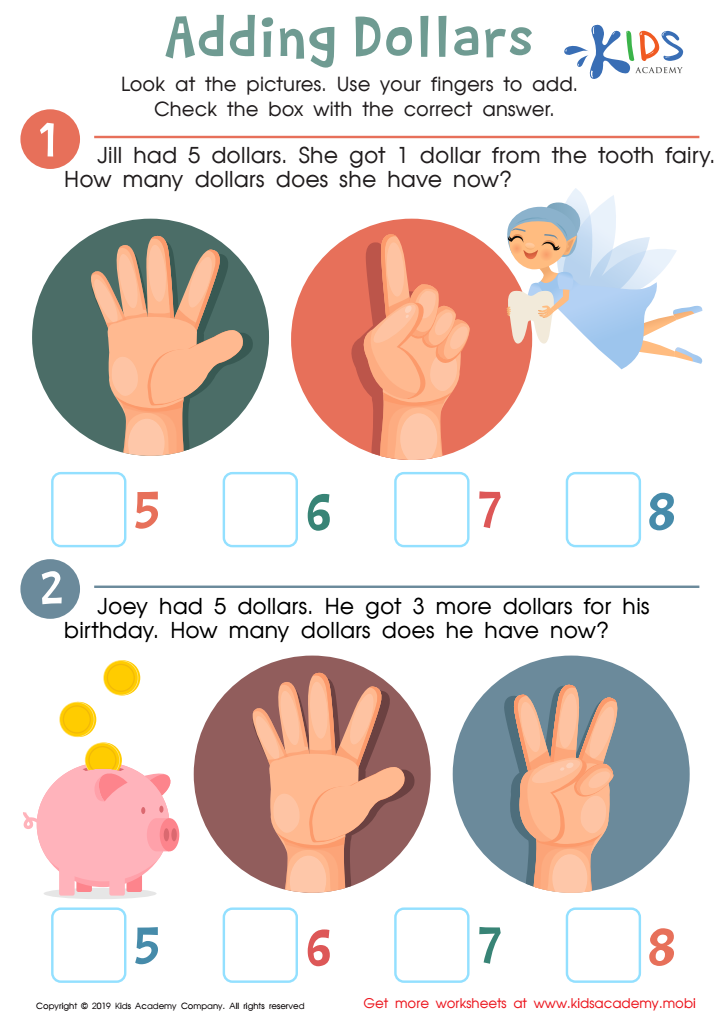
Tooth Fairy Addition Worksheet
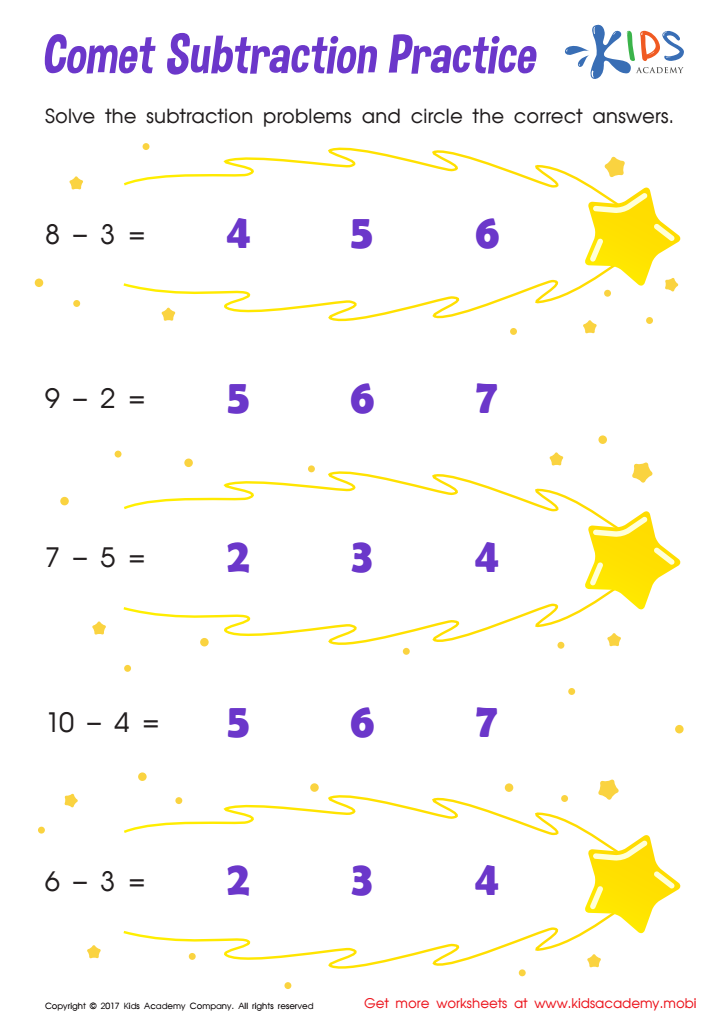
Comet Subtraction Practice Substraction Worksheet
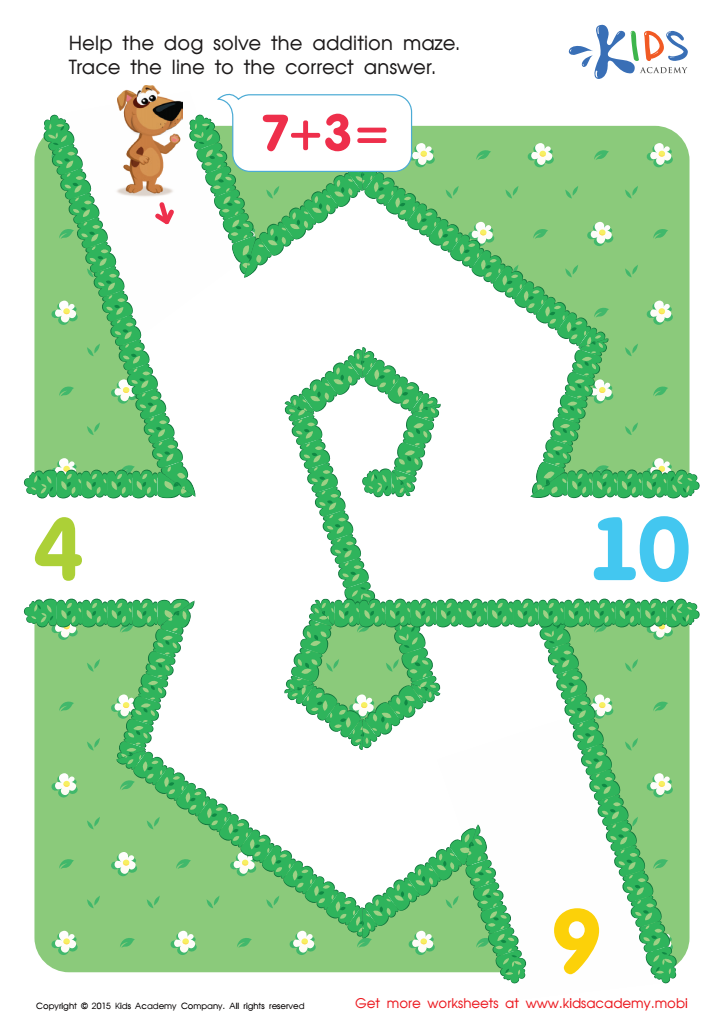
Seven Plus Three Worksheet







Parents and teachers should prioritize mental arithmetic in kindergarten because it lays the foundation for a child's future mathematical abilities and critical thinking skills. Engaging in mental arithmetic helps young children develop number sense and enhances their cognitive abilities. It encourages them to think more flexibly about numbers and fosters a deeper understanding of mathematical concepts, such as addition and subtraction.
Moreover, mental arithmetic promotes confidence in young learners. When children practice calculating numbers in their minds, they often feel a sense of achievement that bolsters their self-esteem. This confidence can lead to a positive attitude towards mathematics as they progress through school.
Additionally, mental arithmetic is not just about math skills—it's linked to overall brain development. It improves concentration and memory, vital for learning in all areas. Furthermore, as children learn to perform calculations in their heads, they become adept at problem-solving and reasoning, essential skills for both academic and day-to-day challenges.
When parents and teachers invest time in developing mental arithmetic skills, they empower children to become more independent learners, setting them up for success both academically and in life. Fostering these skills early on can lead to positive attitudes and performances in mathematics in the future.








