
Number tracing Kindergarten Worksheets
3 filtered results
Difficulty Level
Grade
Age
-
From - To
Subject
Activity
Standards
Unlock your child's numerical potential with our engaging Number Tracing Kindergarten Worksheets! Designed specifically for young learners, these worksheets help preschoolers master number recognition and improve fine motor skills through fun tracing activities. Each worksheet features bold, clear numbers, encouraging kids to trace and repeat as they develop confidence in their mathematics foundation. Ideal for home or classroom use, our printable resources are a great way for educators and parents to create a structured learning environment. Empower your little ones with the skills they need for future academic success while making learning enjoyable and interactive! Explore our collection today!
Favorites
With answer key
Interactive
 Assign to My Students
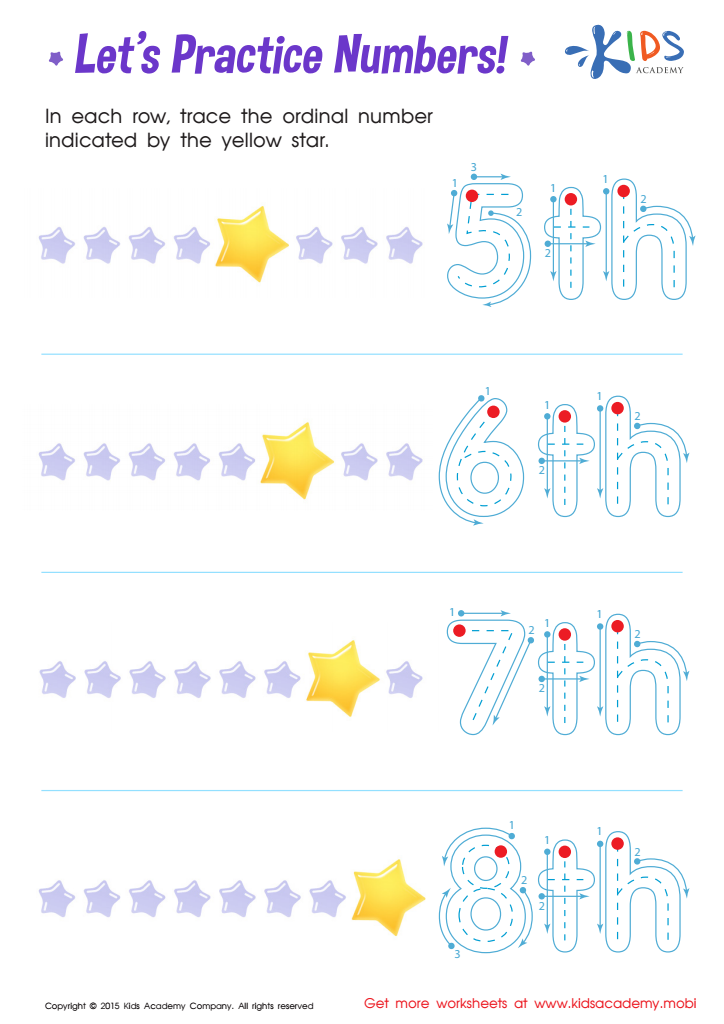
Ordinal Numbers: Let's Practice Numbers Printable
Worksheet
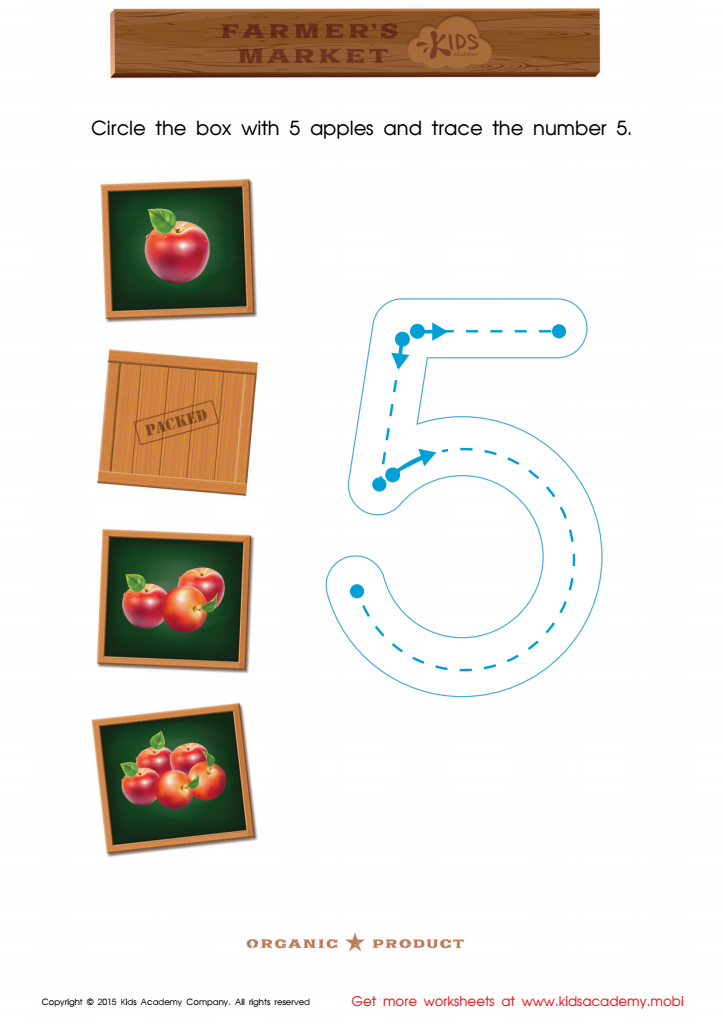
Count the Apples and Trace the Number 5 Printable
Count the juicy apples in each box, find the one with 5 and trace the number 5 following the arrows. Practice makes perfect! Print and get your little mathematician counting.
Count the Apples and Trace the Number 5 Printable
Worksheet
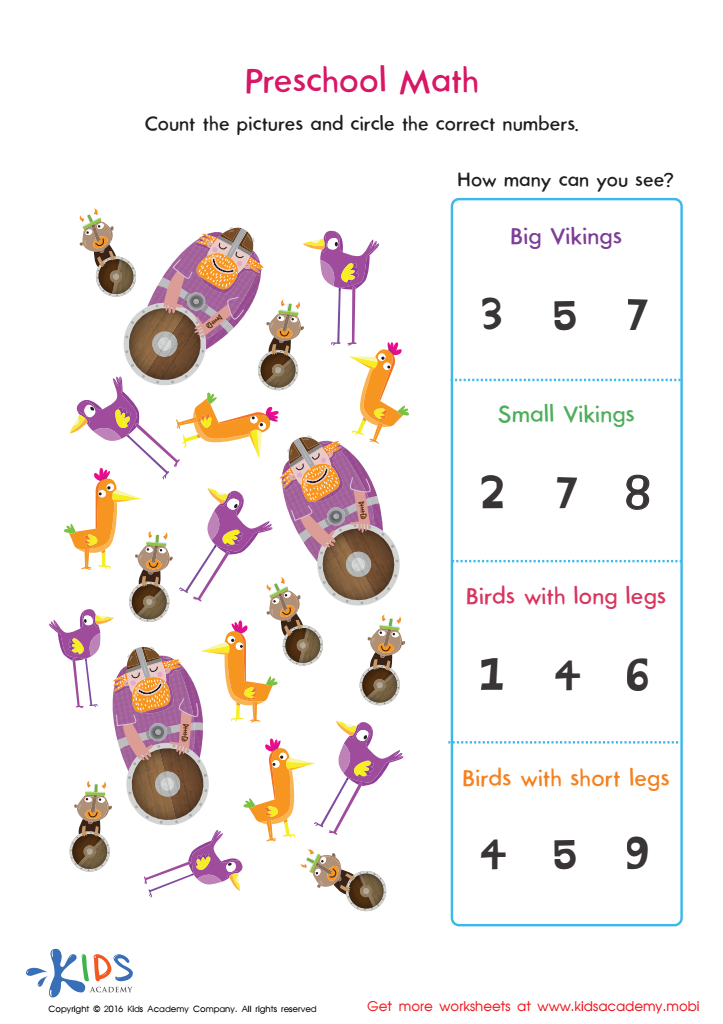
Counting Worksheet: Preschool Math
Worksheet
Join Kids Academy for Free
Who is primarily going to use this learning content?








Number tracing in kindergarten is a crucial educational activity that fosters early numeracy skills in young children. It provides a structured approach to help students recognize and understand numbers. Mastering the formation of numbers lays the foundation for more complex mathematical concepts, essential for future academic success.
Parents and teachers should care about number tracing because it enhances children's fine motor skills, improving dexterity and hand-eye coordination. By practicing writing numbers, children build muscle memory, which aids in the transition to independent writing and number manipulation.
Additionally, number tracing activities often incorporate visual aids and multi-sensory techniques, engaging different learning styles. This diversity aids in maintaining children’s interest, making learning enjoyable while reinforcing cognitive development.
Furthermore, early mathematic understanding is linked to positive attitudes towards math in later years. By establishing strong number recognition through tracing, children may face less anxiety and perform better in math-related tasks, fostering lifelong skills.
Encouraging number tracing also promotes parental involvement in a child's education, as it is an interactive activity that can be practiced at home. This connection can strengthen the bond between parent and child while reinforcing learning concepts outside the classroom. Thus, number tracing is fundamental for a well-rounded early education in mathematics.








