Sorting skills Kindergarten Worksheets
10 filtered results
-
From - To
Enhance your child's sorting skills with our engaging Kindergarten Worksheets! Designed to strengthen early learning, these worksheets offer a fun and interactive way for kids to practice categorization, comparison, and organization. Through colorful visuals and age-appropriate activities, your child will learn to sort objects by various attributes, such as size, shape, color, and type. Our printable resources support the development of critical thinking and decision-making skills, making learning enjoyable. Perfect for at-home practice or classroom use, these worksheets are a valuable tool for fostering essential foundational skills in young learners. Explore our diverse selection today and watch your child thrive!
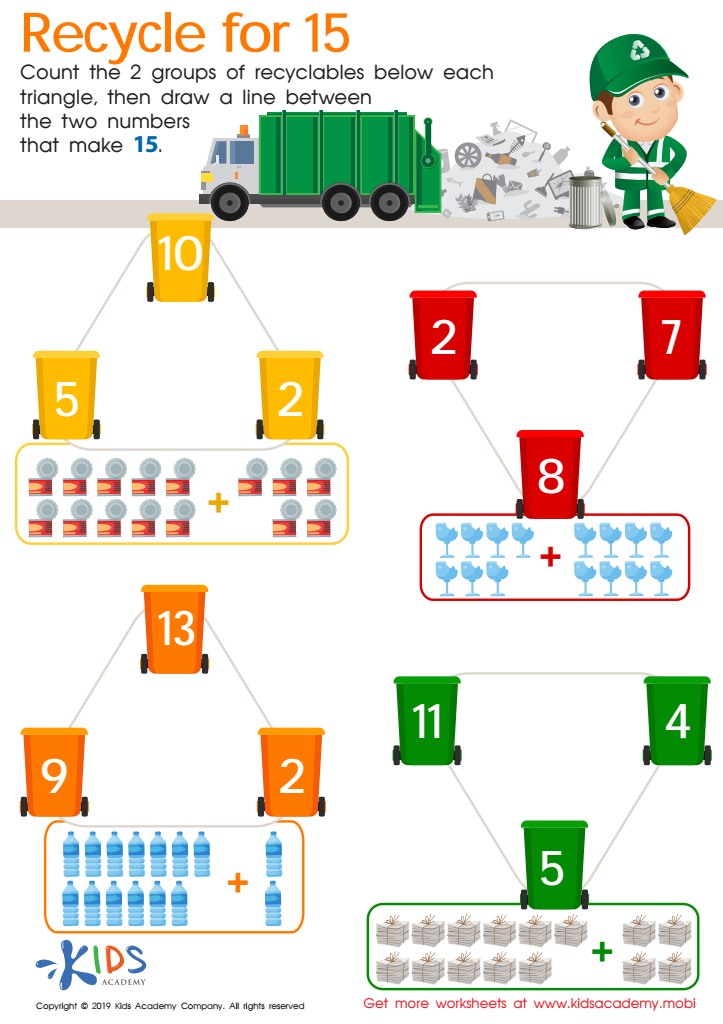
Recycle for 15 Worksheet
 Assign to My Students
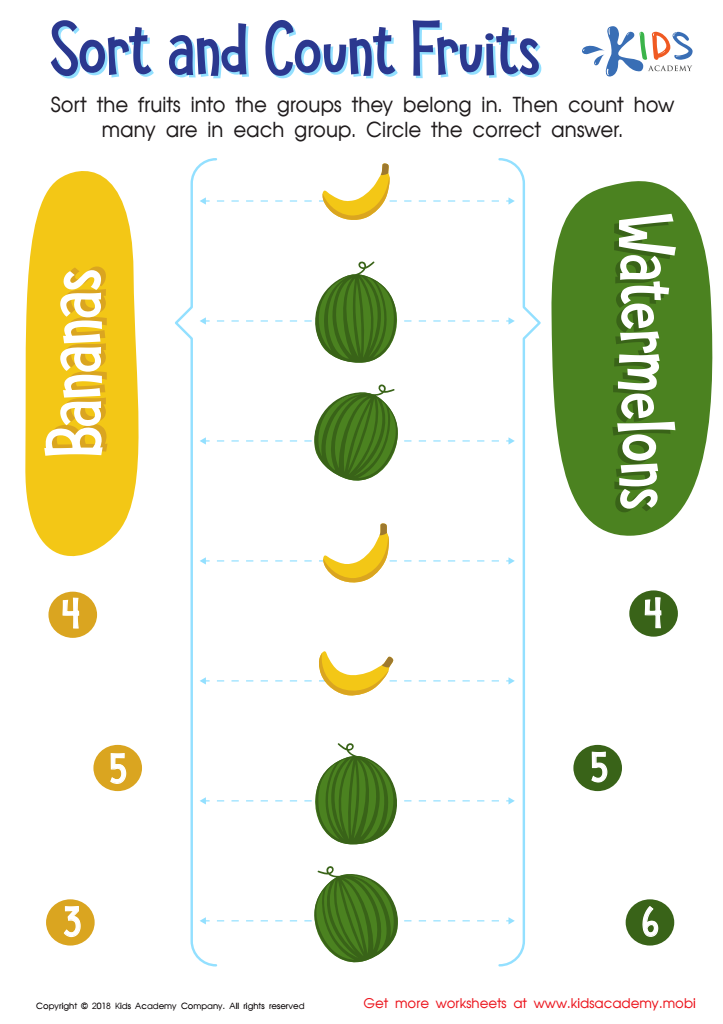
Sort and Count Fruits Worksheet
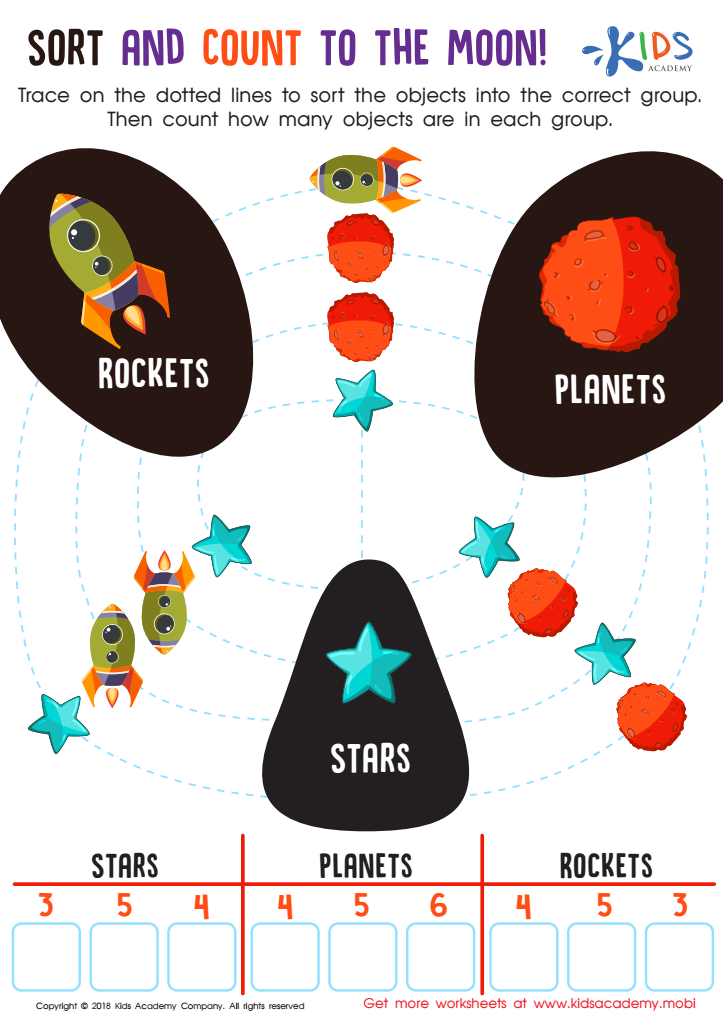
Sort and Count to the Moon Worksheet
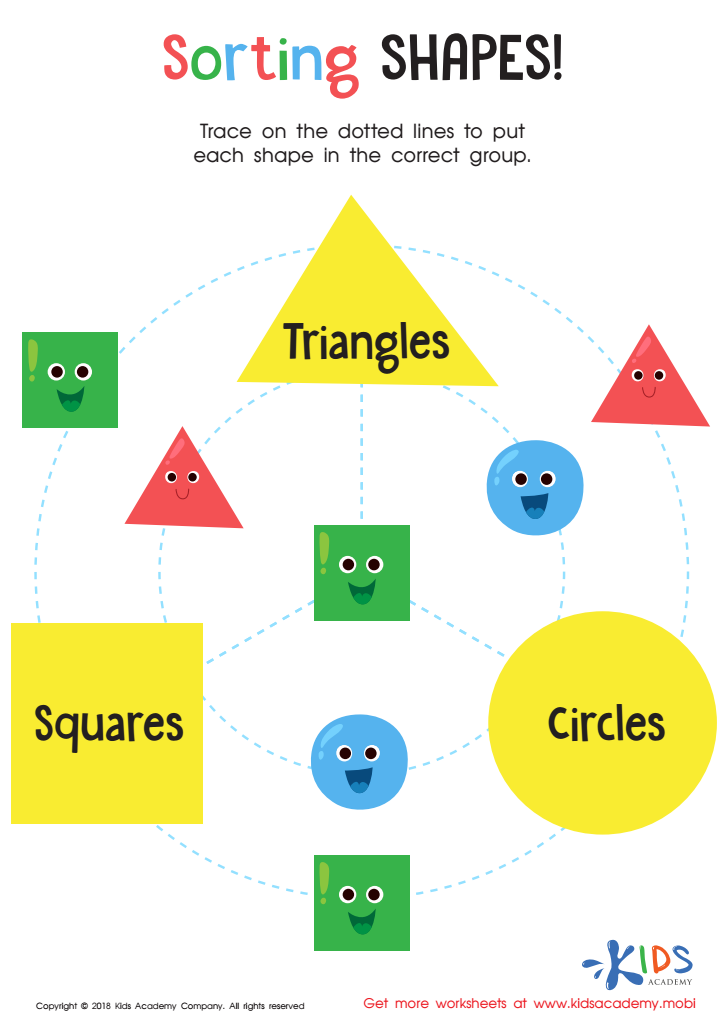
Sorting Shapes - Part 3 Worksheet
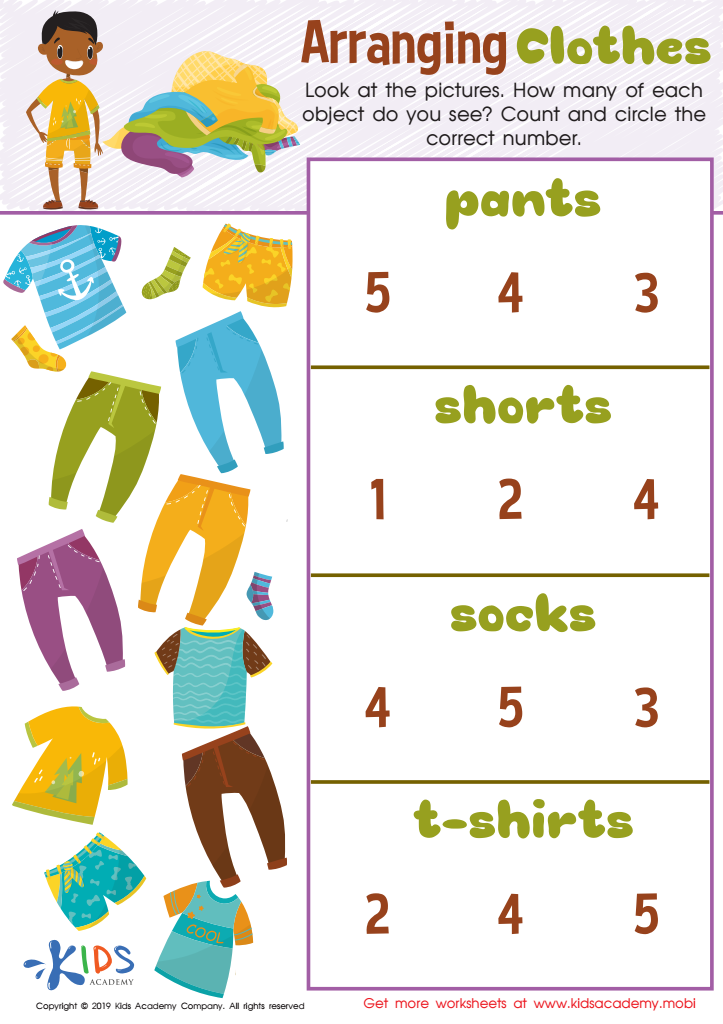
Arranging Clothes Worksheet
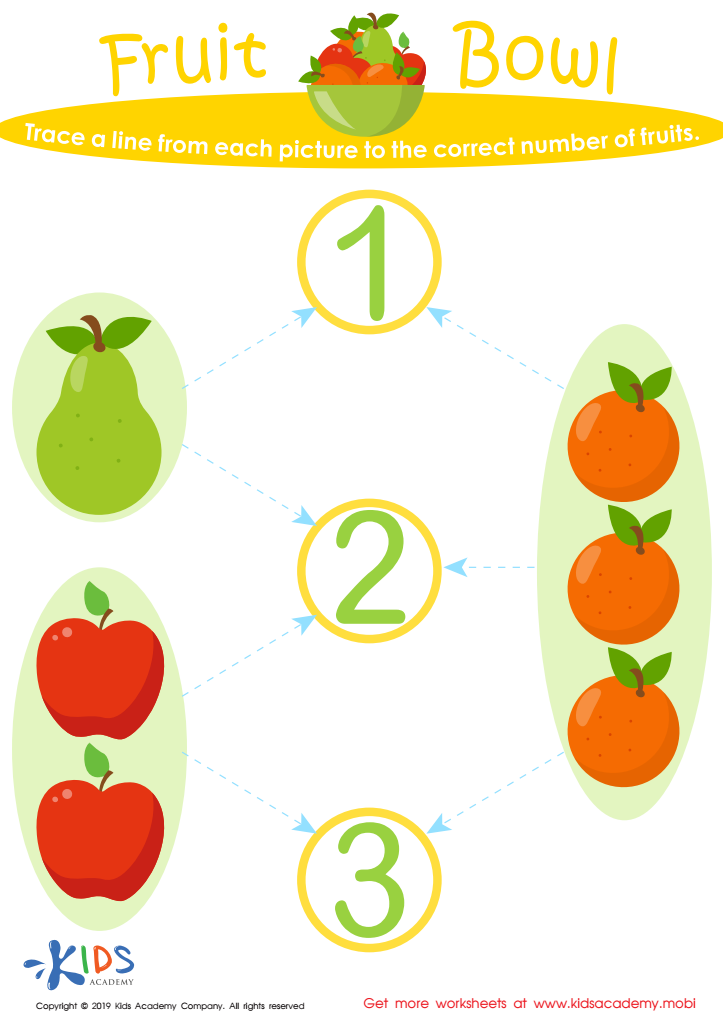
Fruit Bowl Worksheet
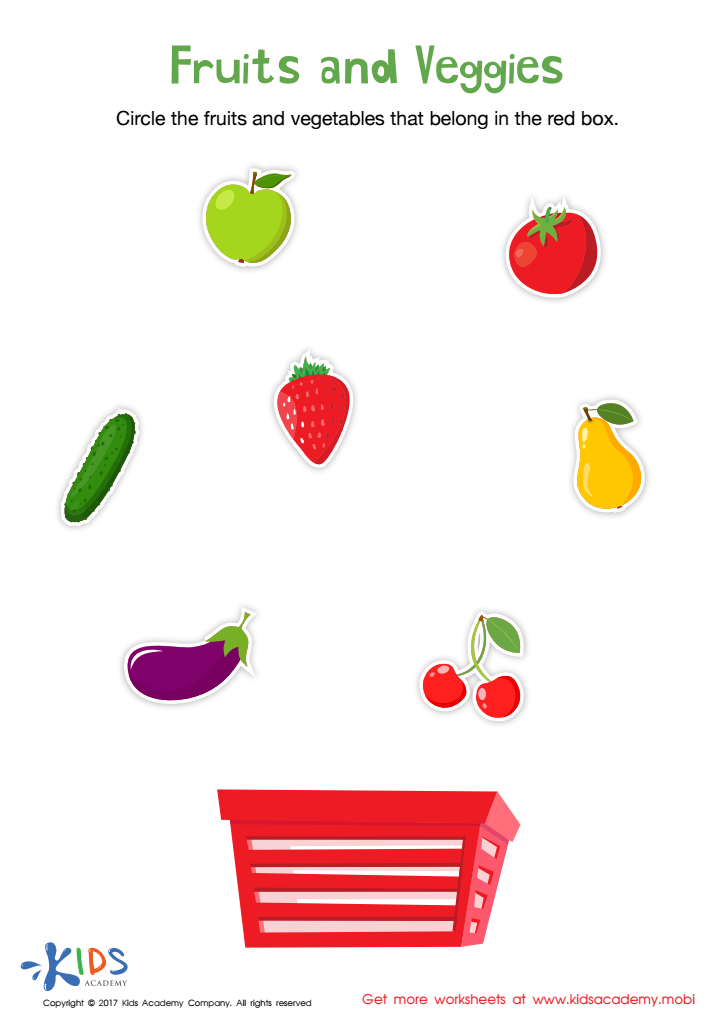
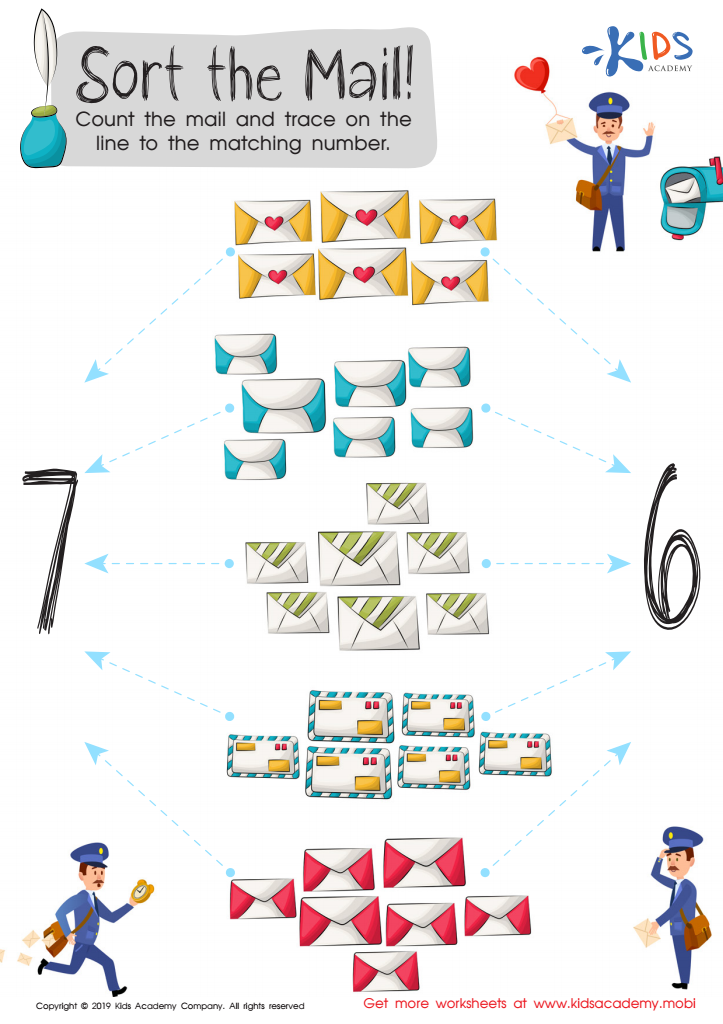
Sort the Mail Worksheet
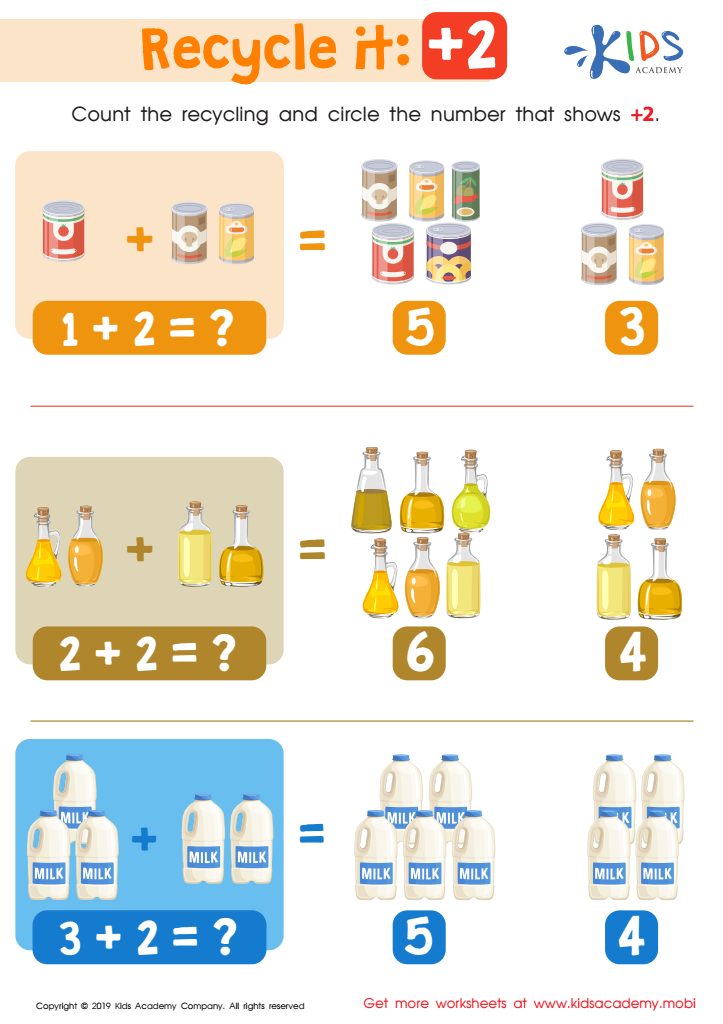
Recycle It: +2 Worksheet
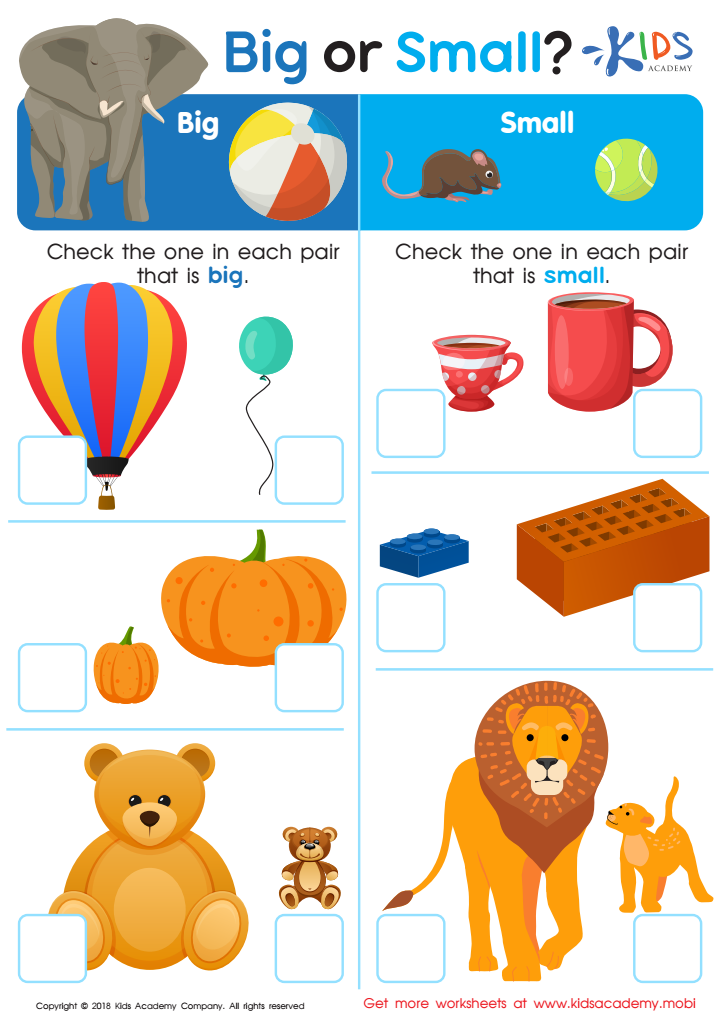
Big or Small? Worksheet




.jpg)

Sorting skills are fundamental building blocks for a child’s cognitive development, particularly in kindergarten. These skills involve the ability to categorize objects based on characteristics such as size, shape, color, and function. Developing sorting skills is crucial for several reasons.
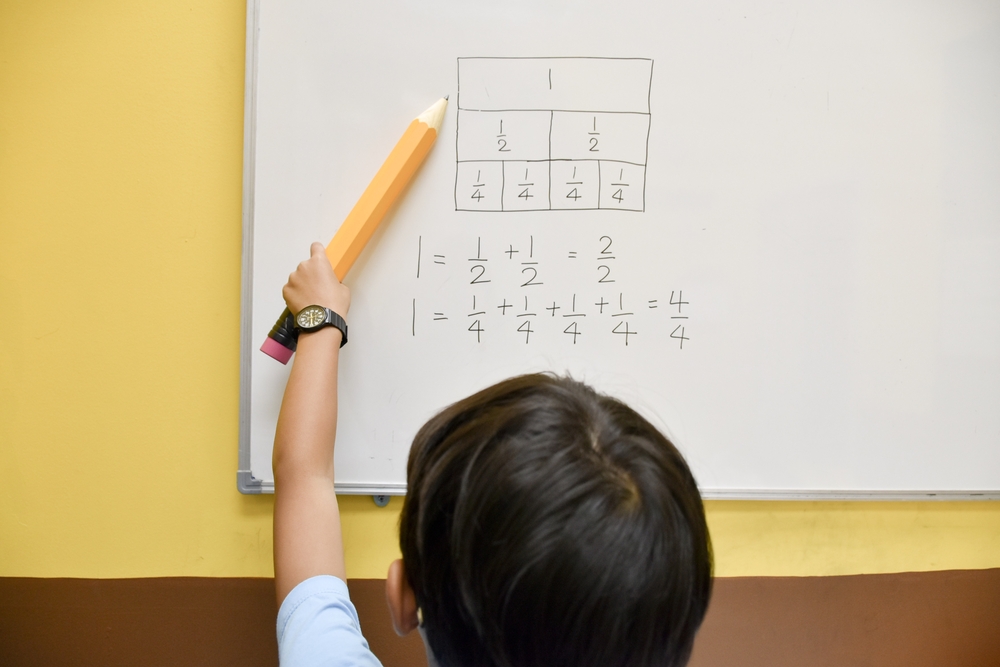
First, sorting supports early mathematical thinking. As children learn to classify objects, they engage in important pre-math concepts such as pattern recognition, comparisons, and counting. These activities lay the groundwork for more complex mathematical ideas they will encounter in later grades.
Second, sorting Enhances critical thinking and problem-solving abilities. When children sort, they must make decisions about how to categorize items, which encourages them to analyze and evaluate attributes. This analytical process fosters cognitive skills that apply across various subjects.
Finally, sorting plays a vital role in language development. As children describe their sorting criteria and group items, they expand their vocabulary and enhance communication skills.
For these reasons, parents and teachers should prioritize sorting activities in kindergarten. Engaging children in fun sorting games or everyday activities strengthens their cognitive abilities, equipping them with essential skills for future learning and development. In turn, these foundational skills contribute to increased confidence and success in school environments.








