Visual discrimination Kindergarten Worksheets
15 filtered results
-
From - To
Enhance your child's learning journey with our engaging Visual Discrimination Kindergarten Worksheets! Designed to strengthen observation skills, these worksheets help young learners identify differences and similarities in shapes, colors, and patterns. By practicing visual discrimination, children boost their critical thinking and attention to detail, essential skills for academic success. Our varied and colorful activities make learning fun while supporting cognitive development. Ideal for home or classroom use, these worksheets align with early education standards, ensuring your child gains confidence and competence. Explore our collection today and watch your child's skills flourish as they discover the world through visual exploration!
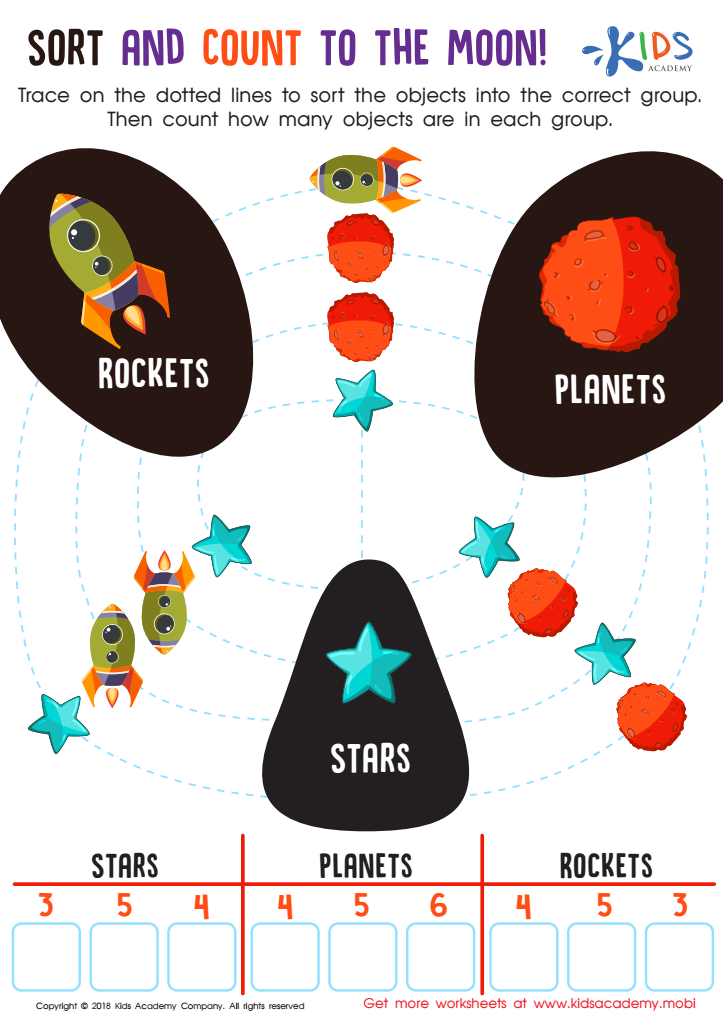
Sort and Count to the Moon Worksheet
 Assign to My Students
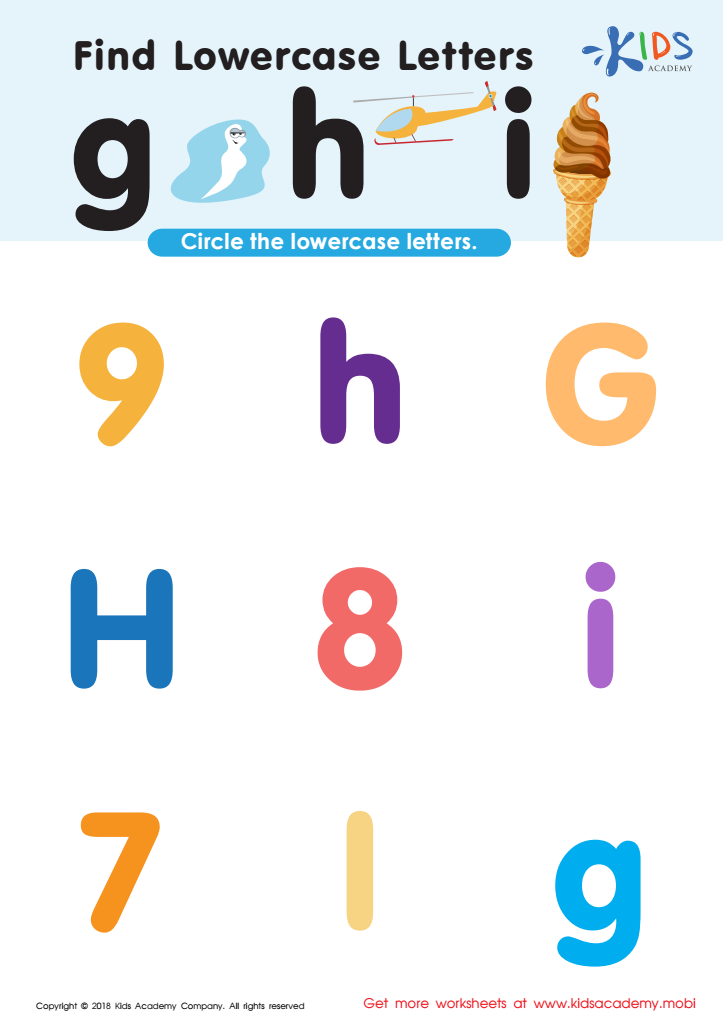
Find Lowercase Letters g h i Worksheet
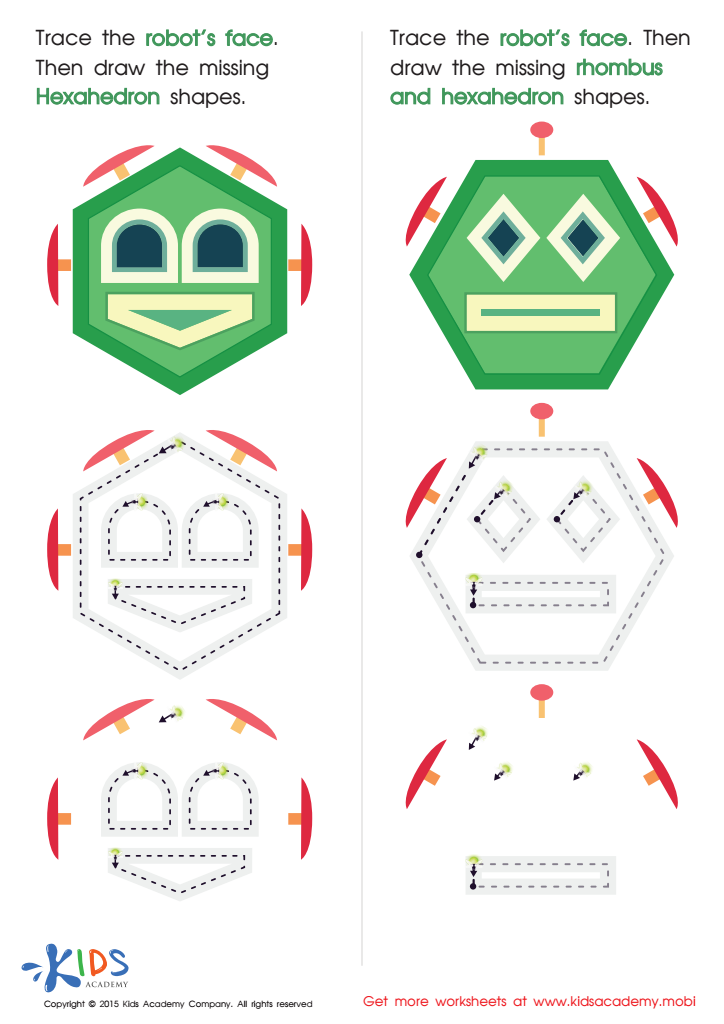
Practice Drawing Hexahedrons And a Rhombus Worksheet
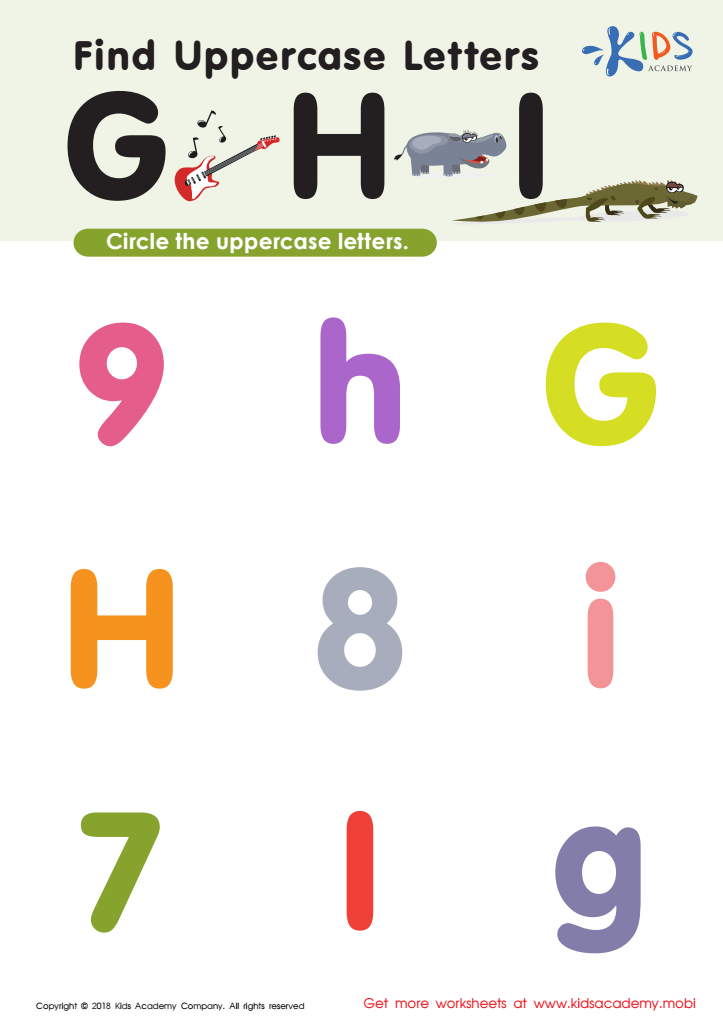
Find Uppercase Letters G, H, and I Worksheet
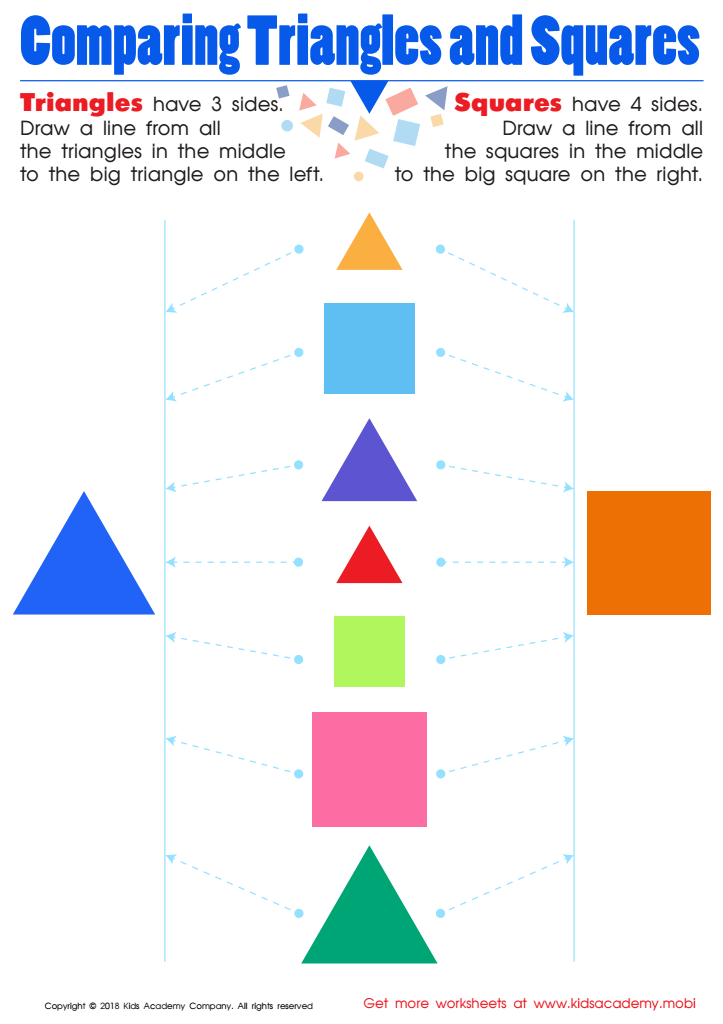
Comparing Triangles Squares Worksheet
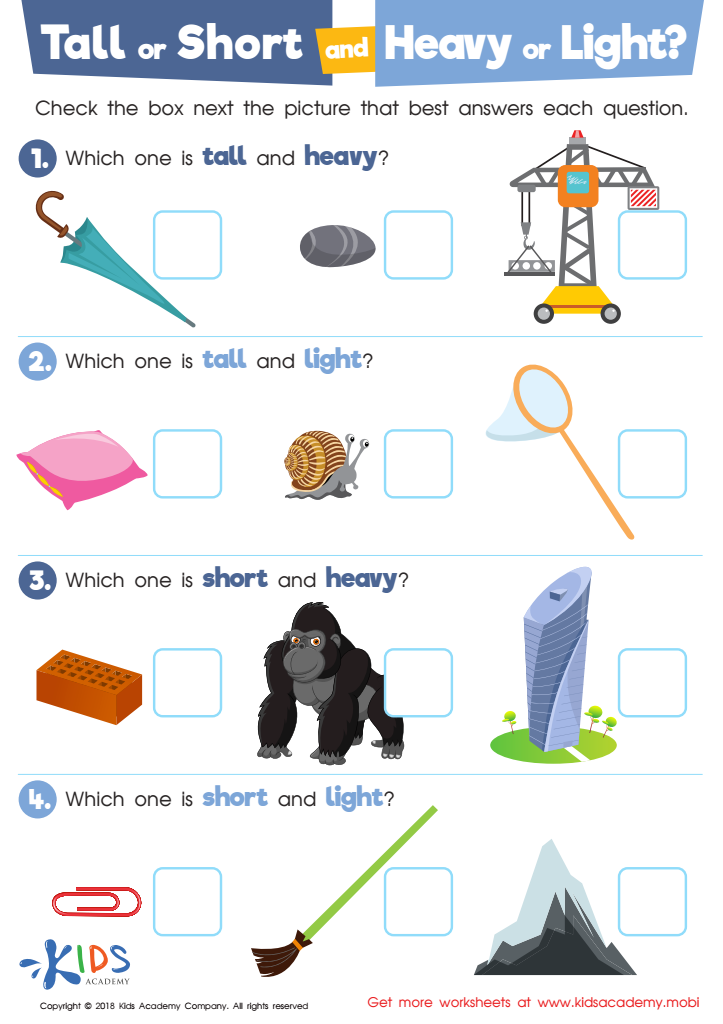
Tall or Short and Heavy or Light? Worksheet
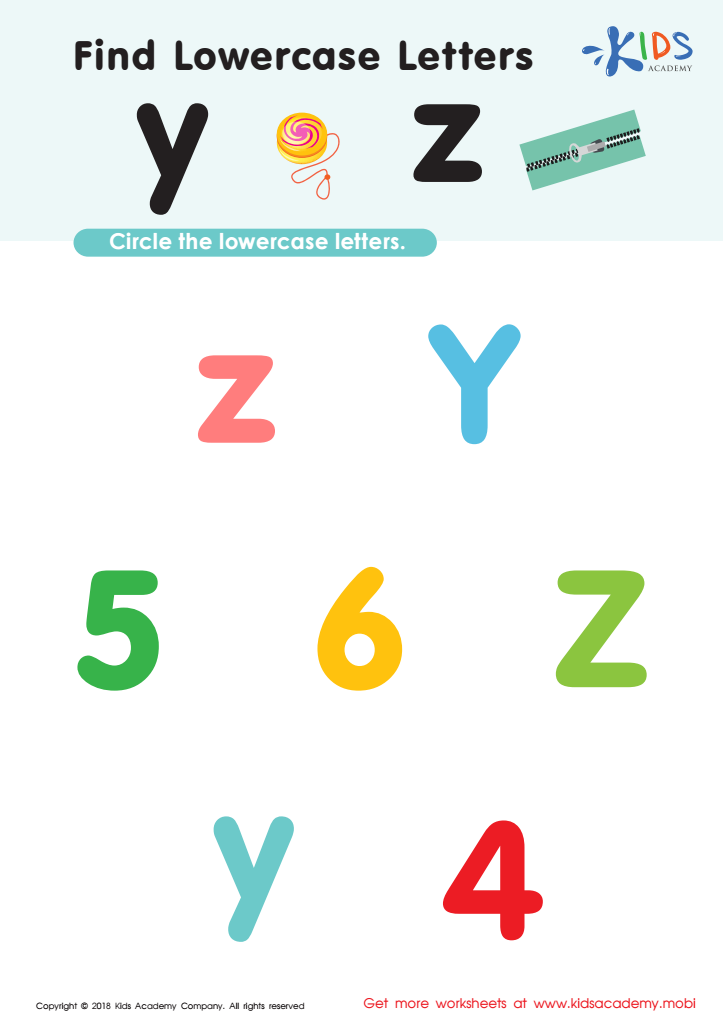
Find Lowercase Letters y z Worksheet
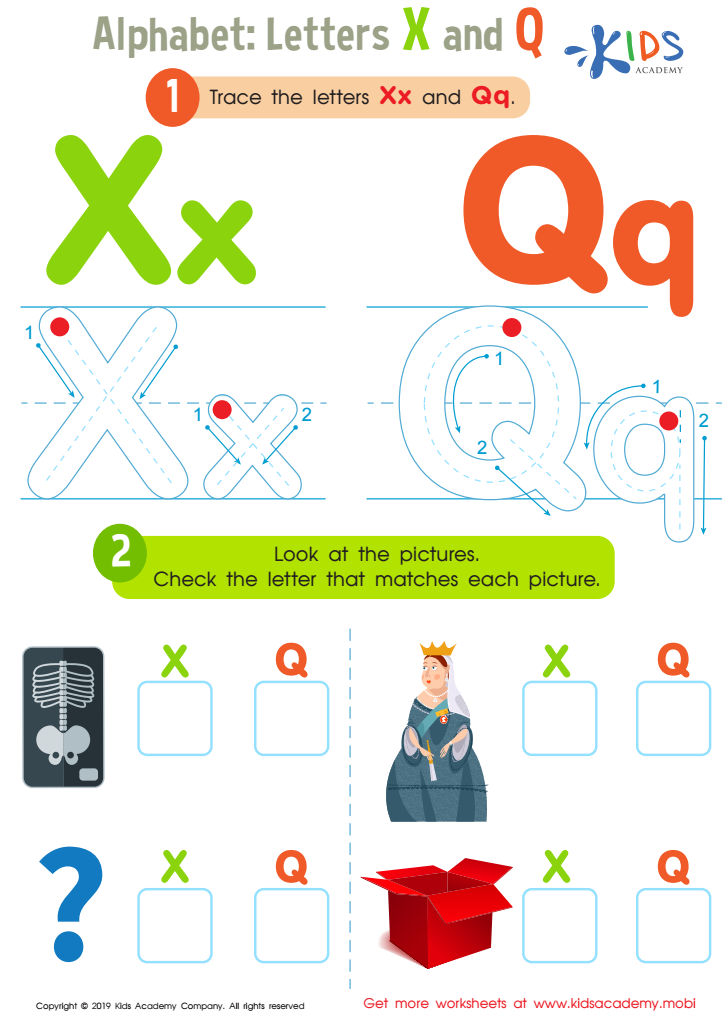
Letters X and Q Tracing Worksheet
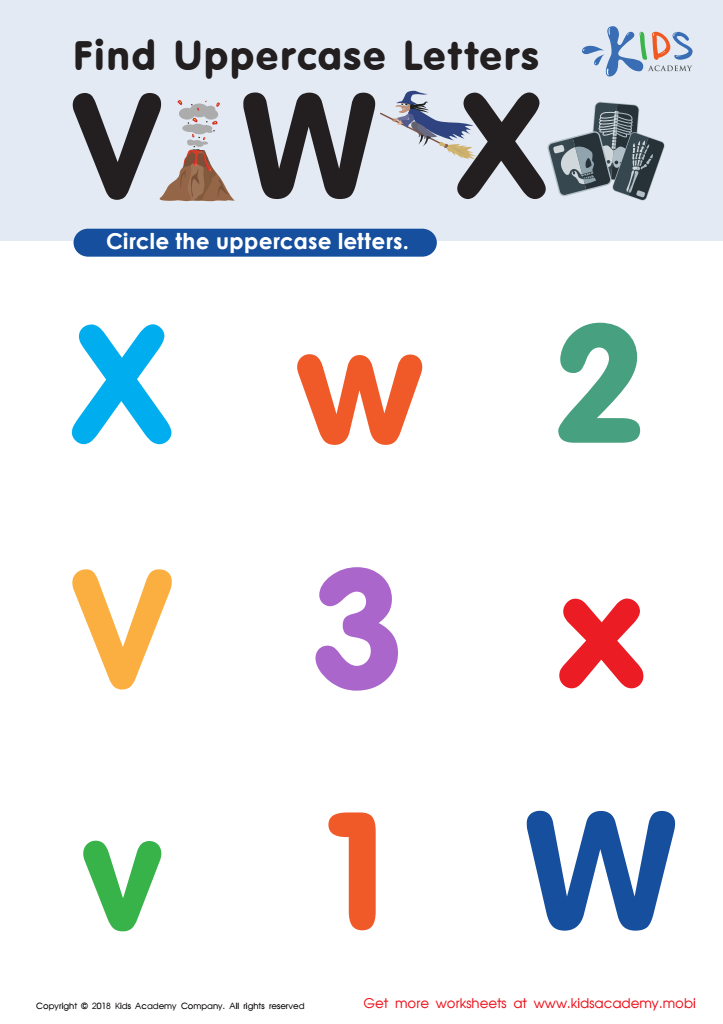
Find Uppercase Letters V, W, X Worksheet
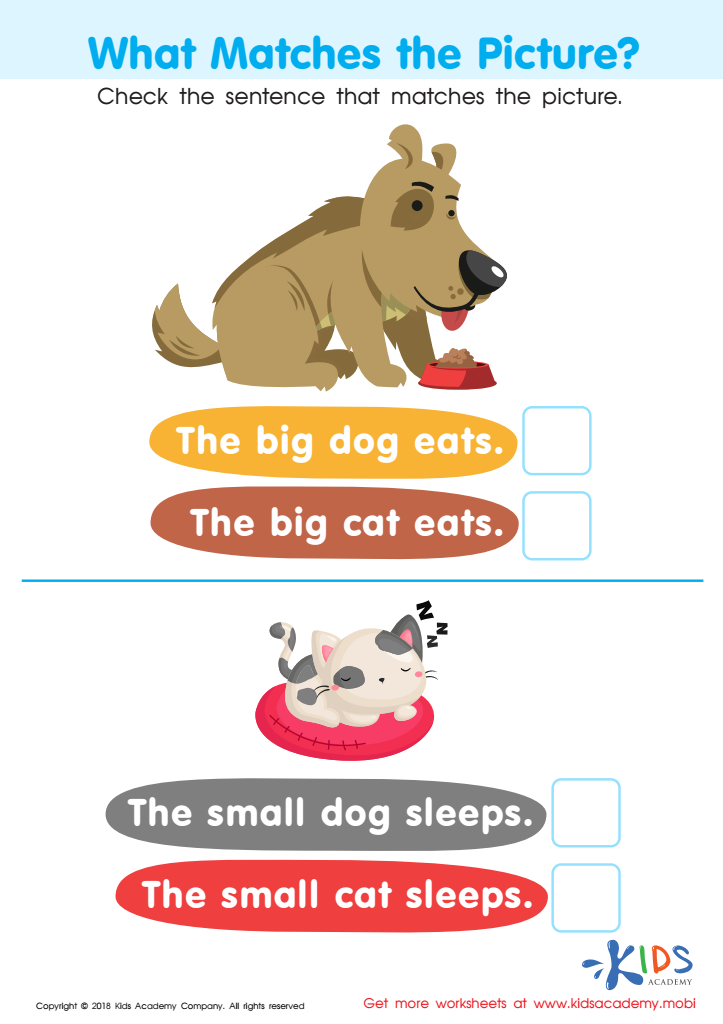
What Matches the Picture? Worksheet
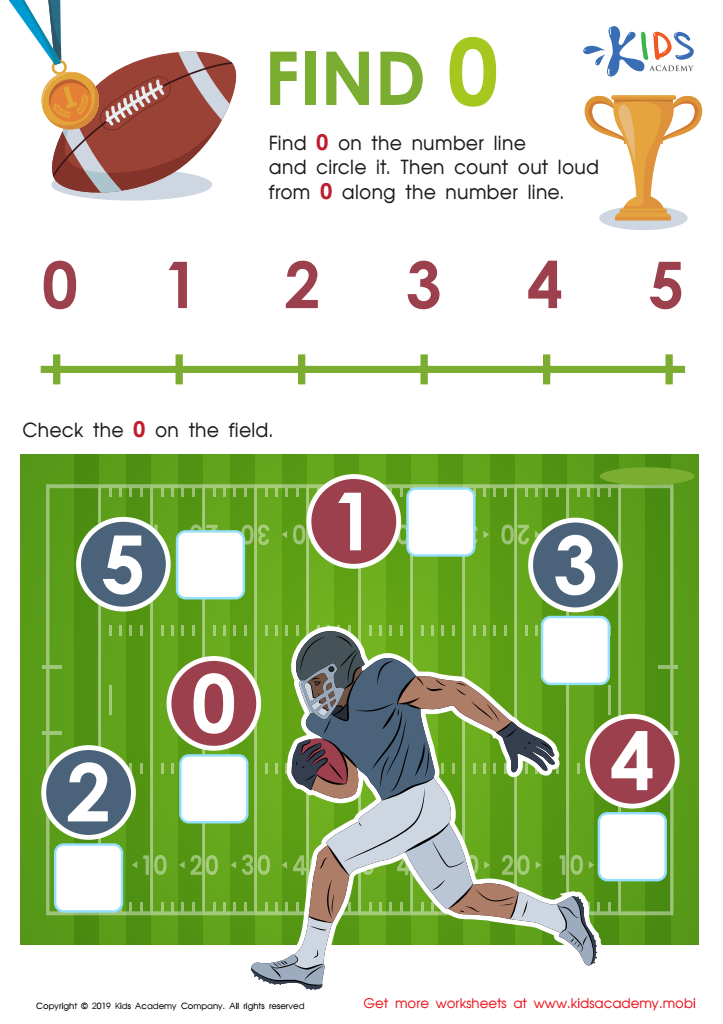
Find 0 Worksheet
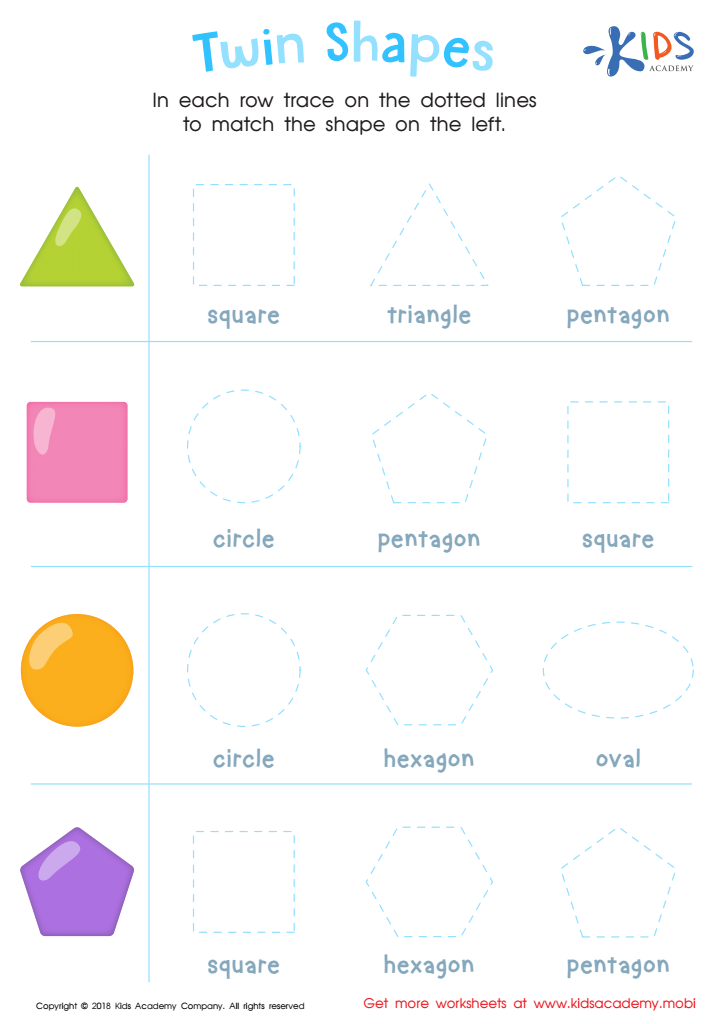
Twin Shapes Dot-to-Dot Worksheet
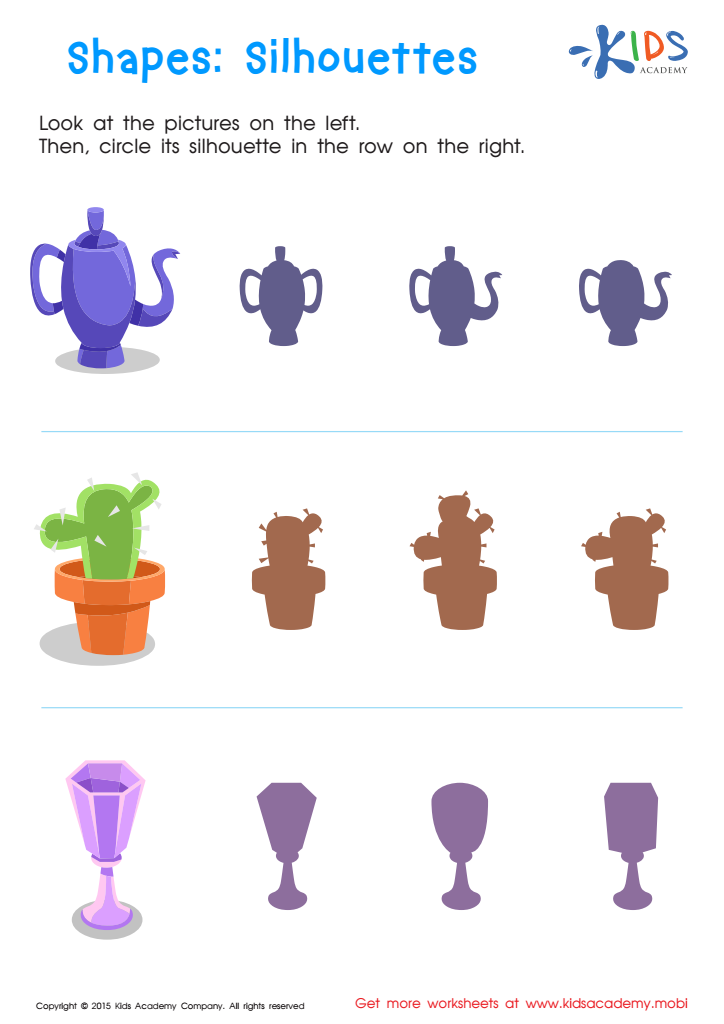
Silhouettes – Shapes Worksheet
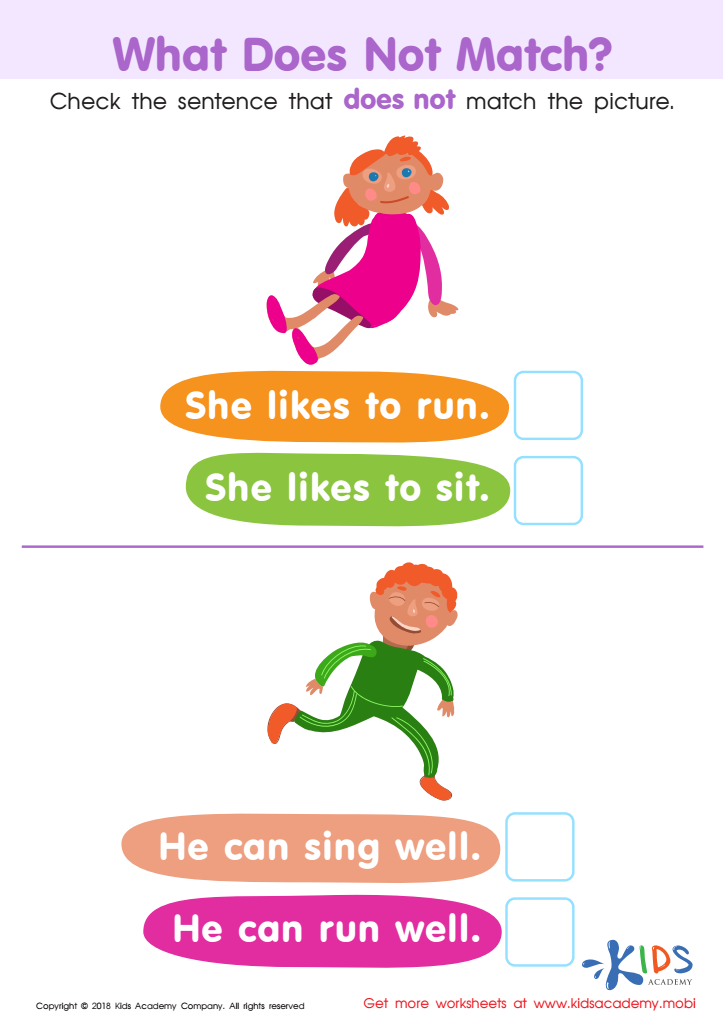
What Does Not Match? Worksheet








Visual discrimination is a crucial skill for kindergarten students, as it forms the foundation for various academic and developmental milestones. This skill enables children to notice differences and similarities in shapes, colors, sizes, and patterns, which are essential for recognizing letters and numbers. Parents and teachers should prioritize visual discrimination because it supports early literacy and math skills.
When children can distinguish between different letters, they are better equipped to sound out words and identify sight words. Similarly, recognizing patterns and shapes enhances their abilities in sorting and classifying—skills directly related to mathematical understanding.
Additionally, strong visual discrimination fosters critical thinking and problem-solving abilities. It encourages children to observe their environment closely, enhancing their observation skills and giving them confidence in their learning process.
Furthermore, this skill is pivotal for success in everyday tasks, such as following directions or organizing materials. By nurturing visual discrimination in young learners, educators and parents equip them with the tools necessary for both academic and life success. Therefore, investing time and resources into teaching visual discrimination can have long-lasting benefits for children's overall development and preparedness for future challenges.








