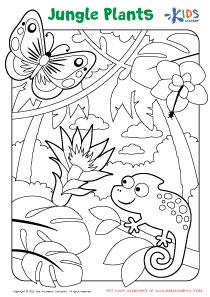
Visual recognition Kindergarten Worksheets
3 filtered results
Difficulty Level
Grade
Age
-
From - To
Subject
Activity
Standards
Help your kindergartener enhance their visual recognition skills with our specially designed worksheets! Our Visual Recognition Kindergarten Worksheets offer engaging activities that foster pattern identification, shape and color recognition, and object matching. These worksheets are crafted to be both fun and educational, aiding in the development of essential cognitive skills. Perfect for parents and teachers, each printable is designed to keep young learners captivated while maximizing their learning potential. Boost your child's confidence as they enjoy tracing, sorting, and more. Visit us to explore our collection and support your child's early learning journey!
Favorites
With answer key
Interactive
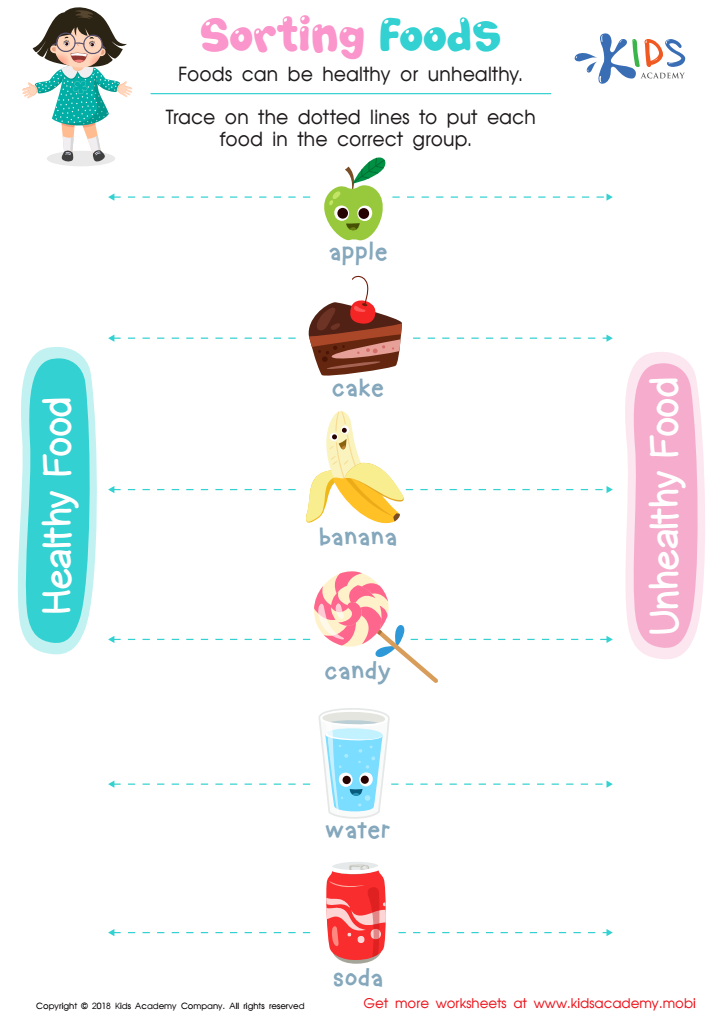
Sorting Food Worksheet
This delightful worksheet boosts critical thinking and fine motor skills. Kids use prior knowledge and pictures to sort foods into healthy and unhealthy groups. Tracing lines support accurate sorting and matching. Enjoy fun and free learning!
 Assign to My Students
Sorting Food Worksheet
Worksheet
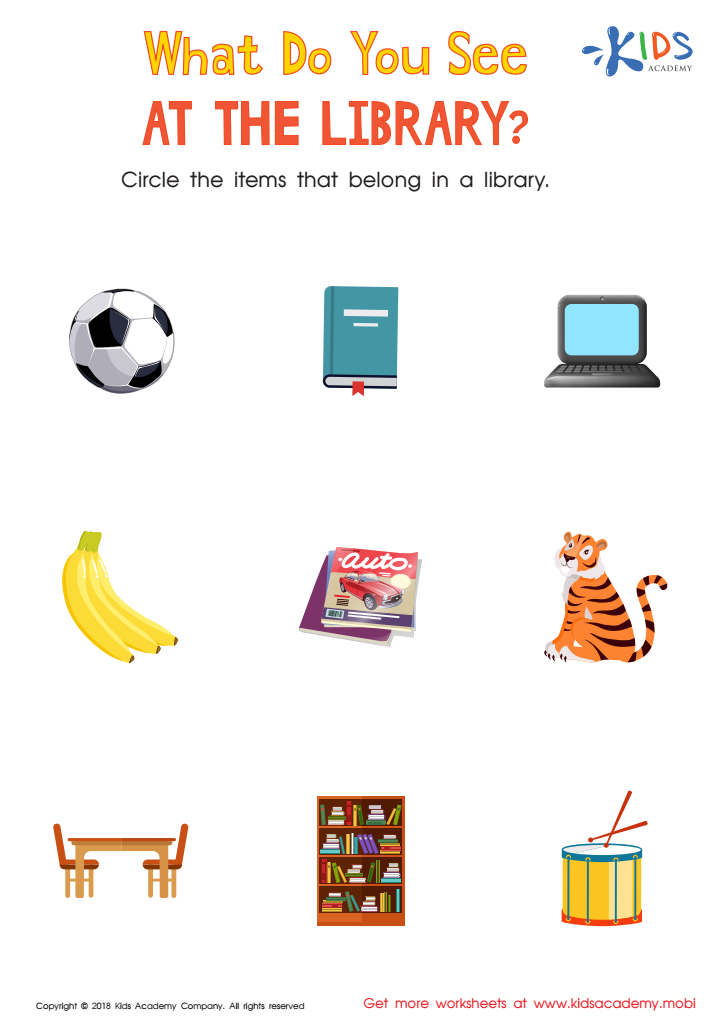
What Do you See at the Library? Worksheet
Let your kids look at the worksheet with pictures of objects found in libraries and those that don't. Ask them to list some, then circle the ones that belong in a library. Can they identify them? See if you can spot any they miss!
What Do you See at the Library? Worksheet
Worksheet
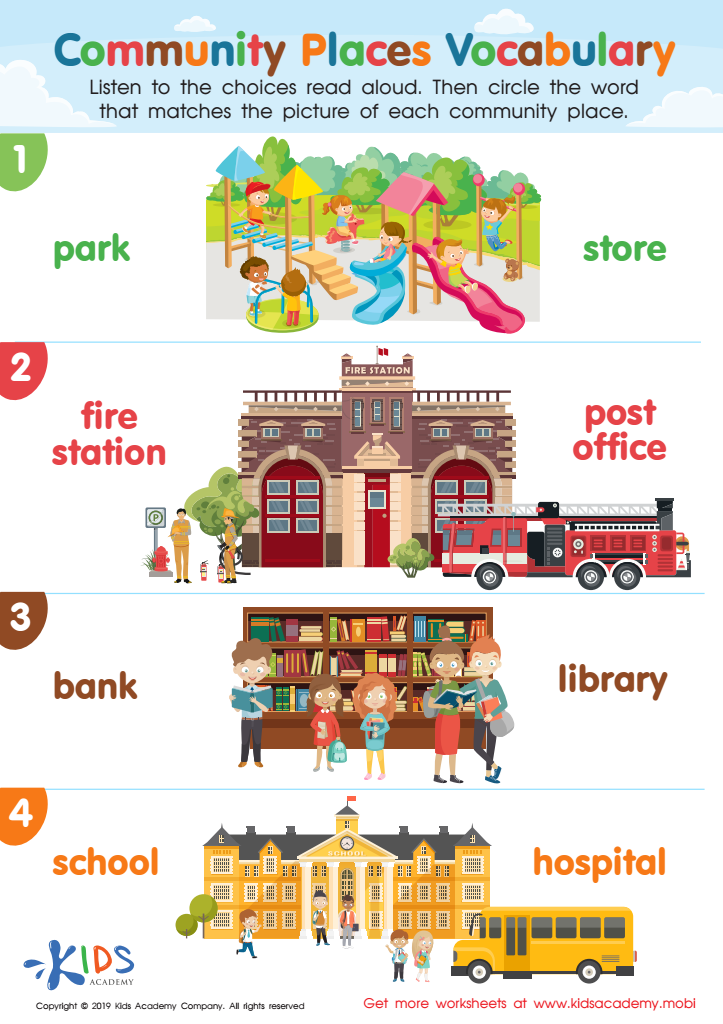
Community Places Vocabulary Worksheet
Help your kids identify community places with this fun worksheet. Ask them to listen to the choices read aloud and circle the word that matches the picture. This activity encourages dialogue about different people, places, and things in their community and the places they love to visit.
Community Places Vocabulary Worksheet
Worksheet
Join Kids Academy for Free
Who is primarily going to use this learning content?


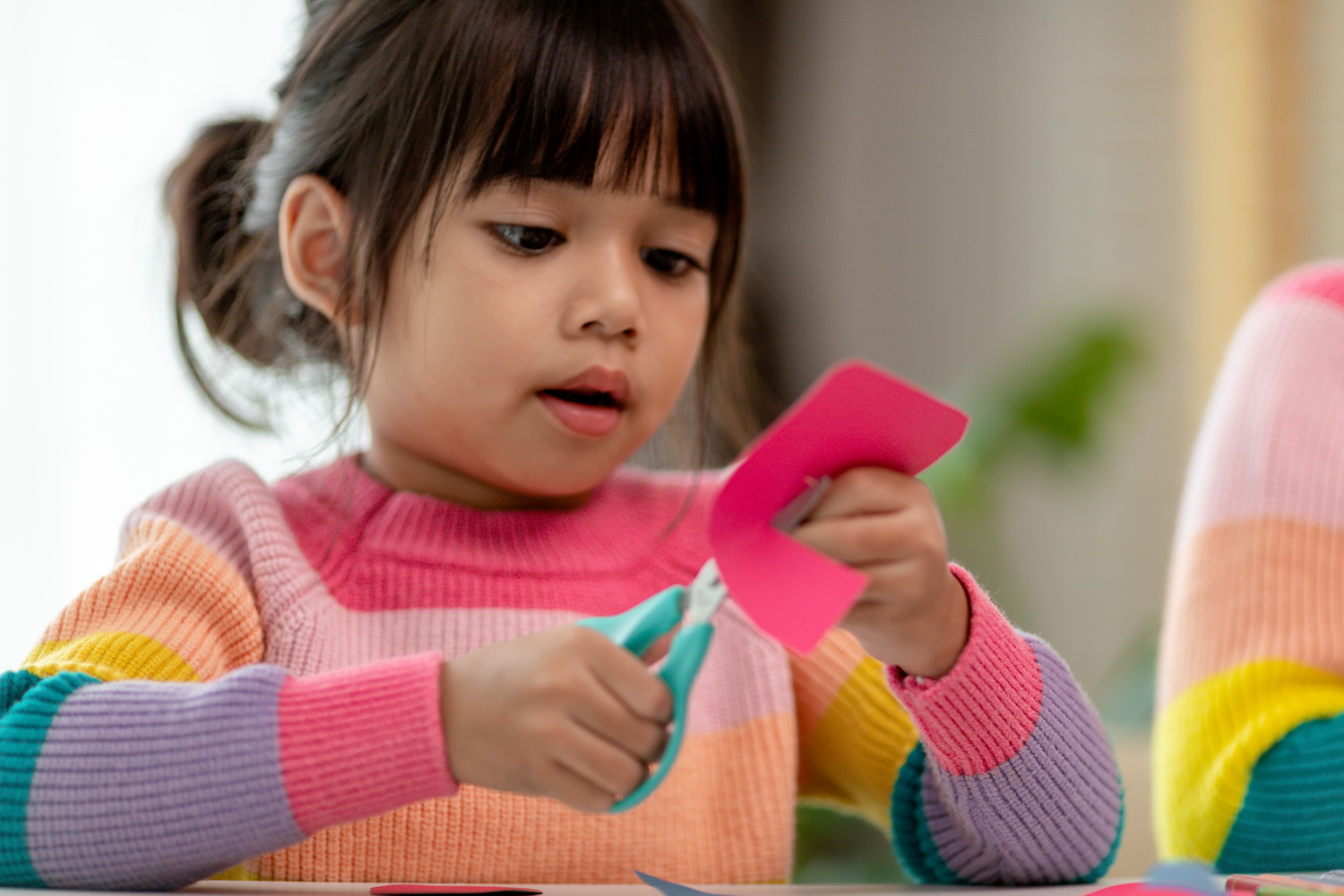



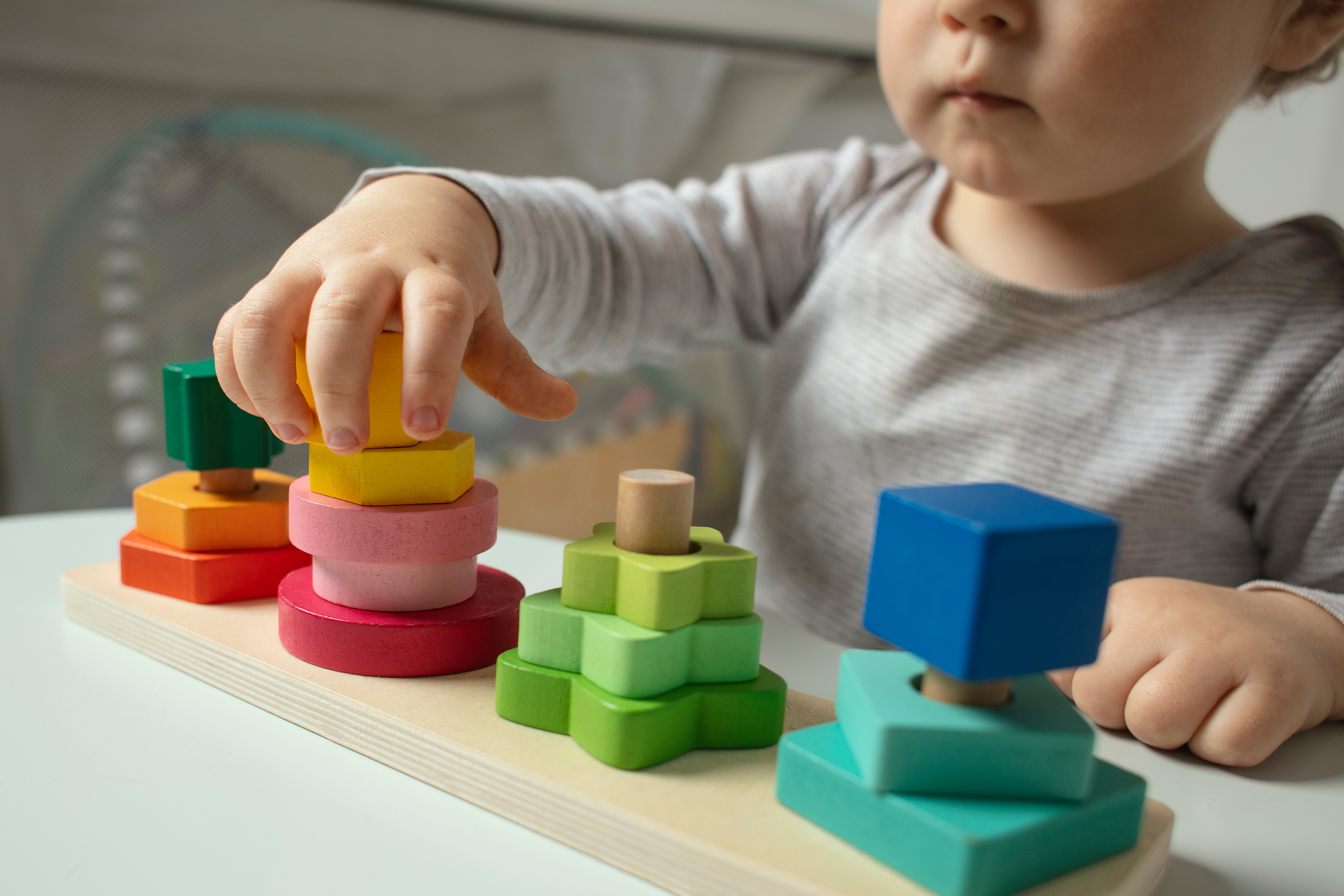

Visual recognition skills are fundamental in a child's early development as they significantly influence their learning abilities and overall cognitive growth. For both parents and teachers, emphasizing visual recognition in kindergarten can yield substantial benefits.
Firstly, visual recognition helps children differentiate between shapes, colors, patterns, and letters, which is essential for reading and writing. Recognizing differences in letter shapes and patterns is the foundation of literacy, and early mastery of these skills accelerates reading proficiency. This aids not only in language arts but across all subjects where text is a primary learning medium.
Moreover, visual recognition is directly linked to critical thinking and problem-solving skills. When children recognize and discern visual patterns, they are also learning to categorize and compare objects, enhancing their analytical abilities. This is particularly crucial in subjects like mathematics, where pattern recognition is a key component.
In addition, visual recognition plays a vital role in social development. Being able to recognize facial expressions and body language helps children understand social cues, fostering better interpersonal interactions and emotional intelligence.
Therefore, both parents and teachers should invest in activities that enhance visual recognition skills, such as puzzles, matching games, and interactive stories, to lay a solid foundation for future academic success and social-emotional development. Prioritizing this aspect of early education can set children on a path to becoming well-rounded learners.