Problem-Solving Skills Kindergarten Addition & Subtraction Worksheets - Page 2
39 filtered results
-
From - To
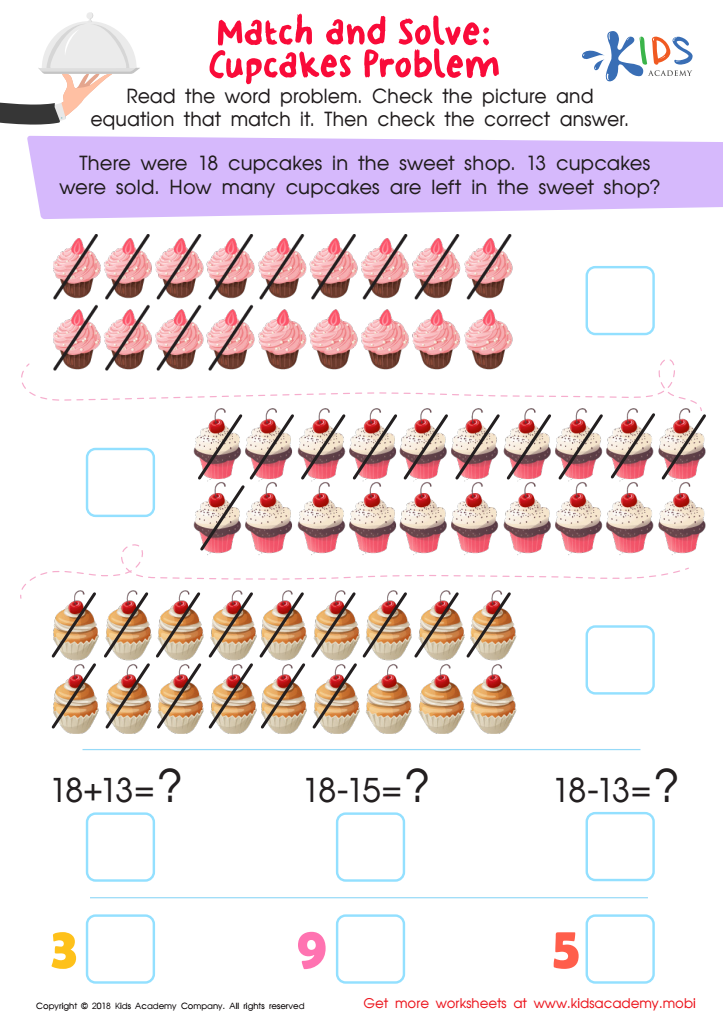
Match and Solve: Cupcakes Problem Worksheet
 Assign to My Students
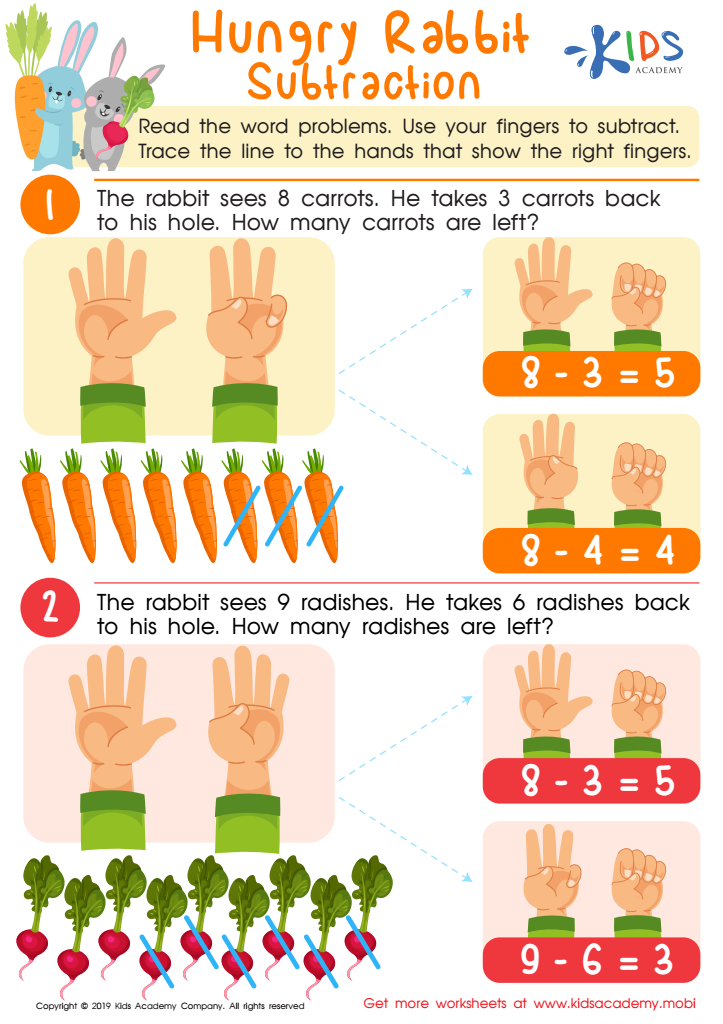
Hungry Rabbit Subtraction Worksheet
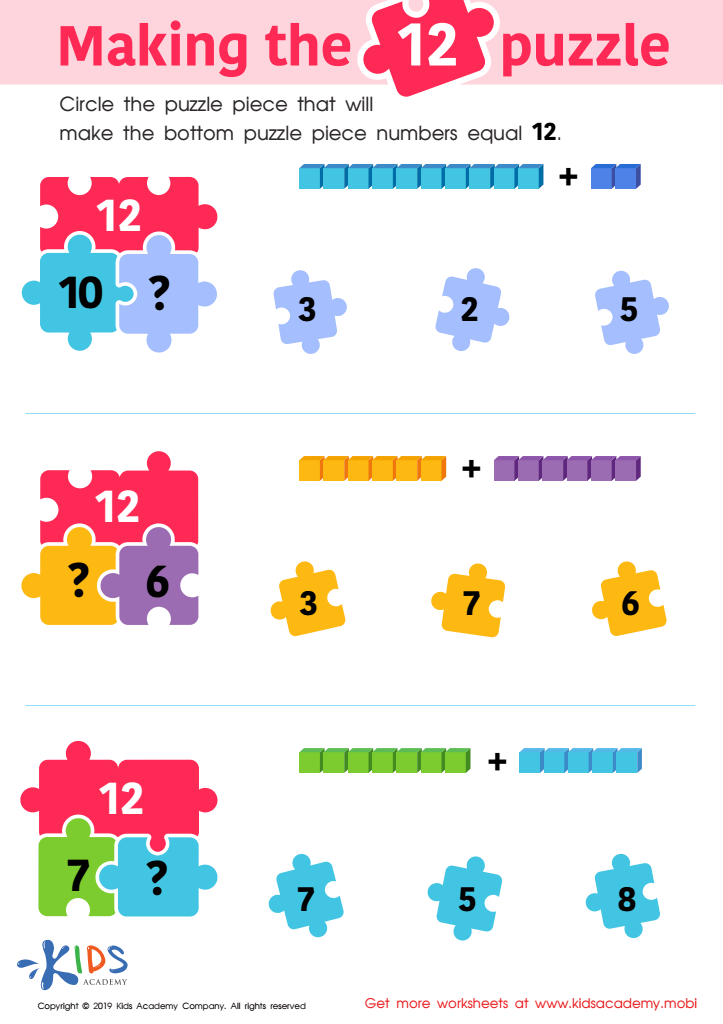
Making the 12 Puzzle Worksheet
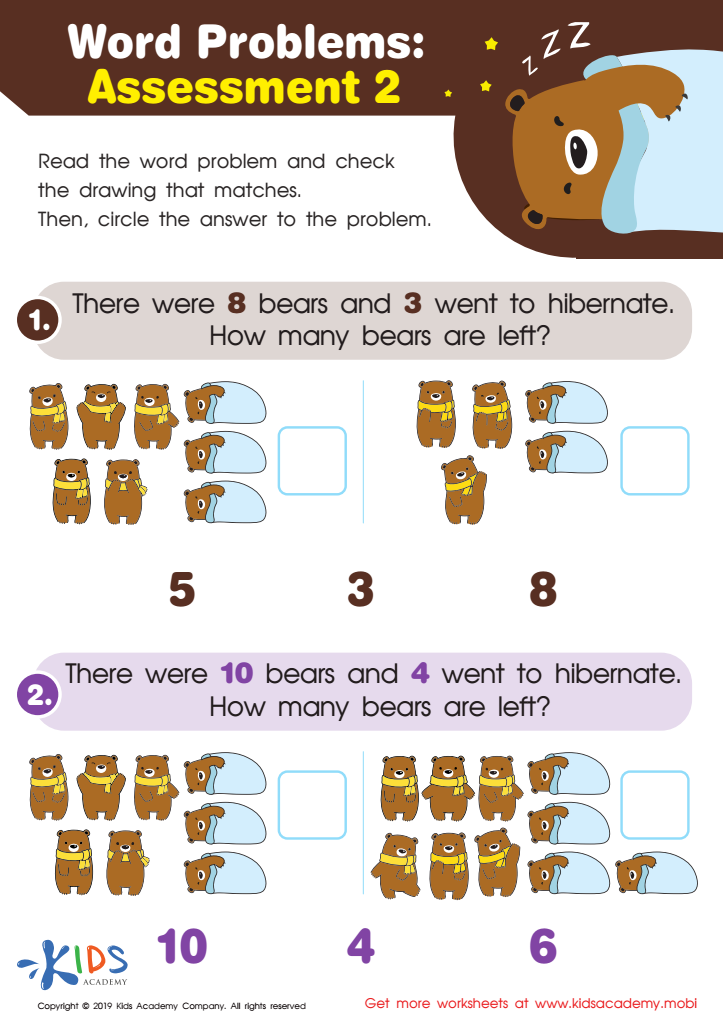
Word Problems: Assessment 2 Worksheet
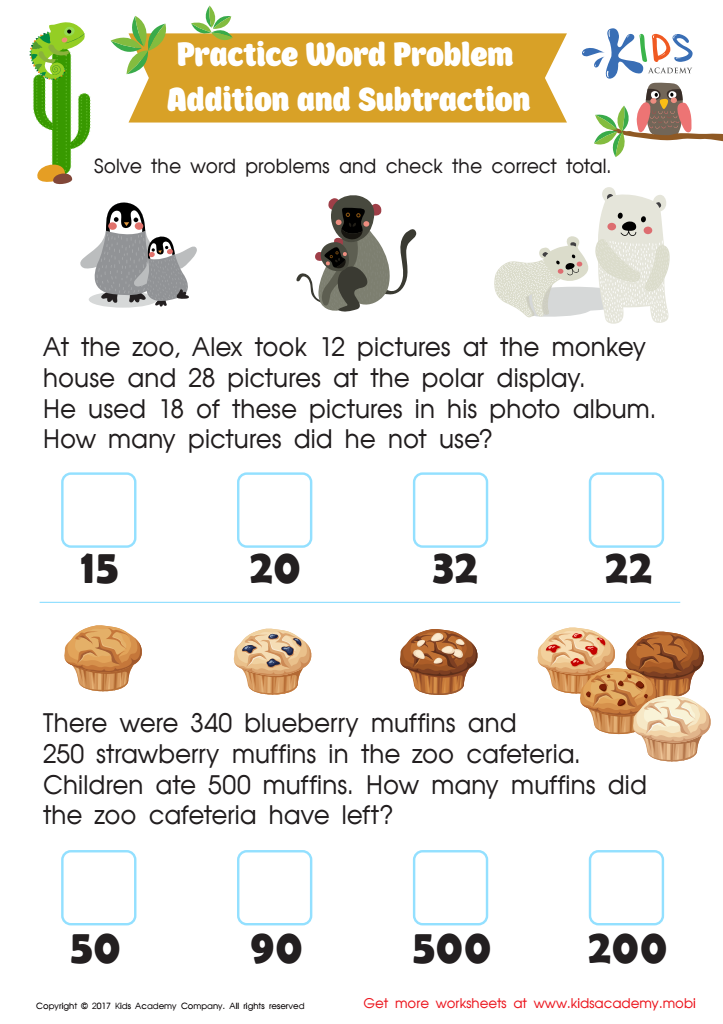
Addition and Subtraction: Word Problems Worksheet
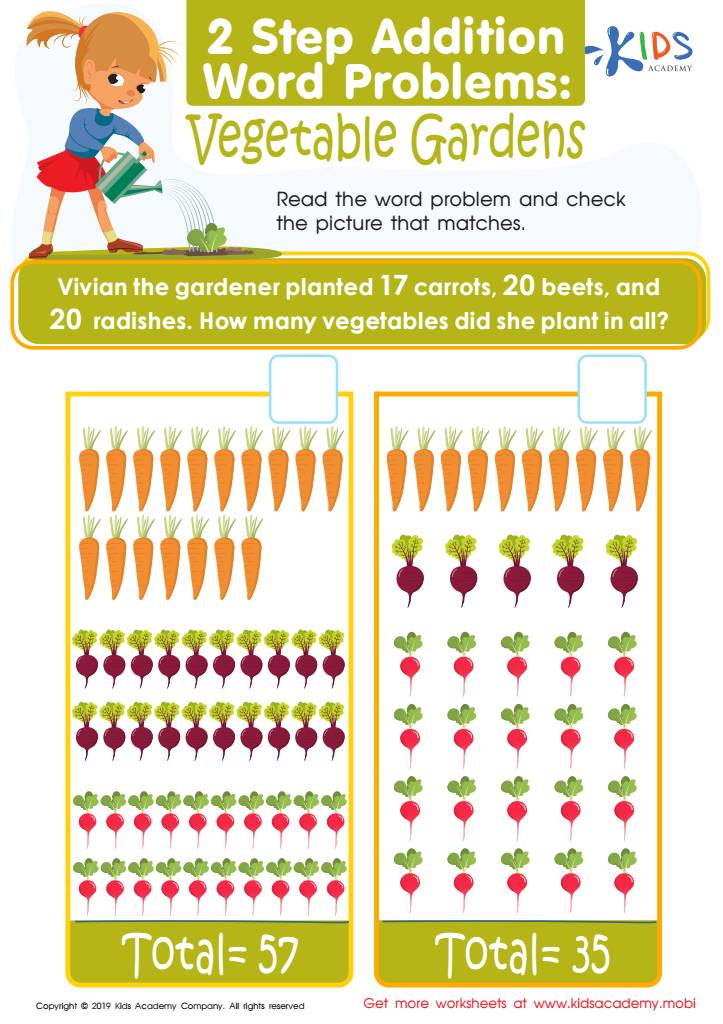
Vegetable Gardens Worksheet
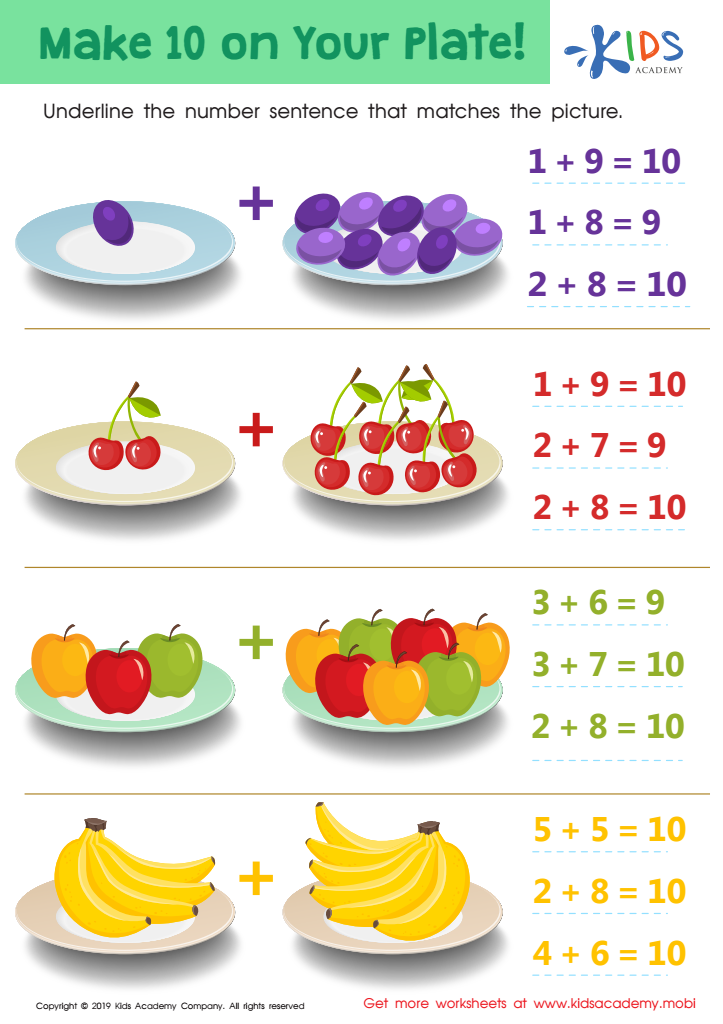
Make 10 on Your Plate! Worksheet
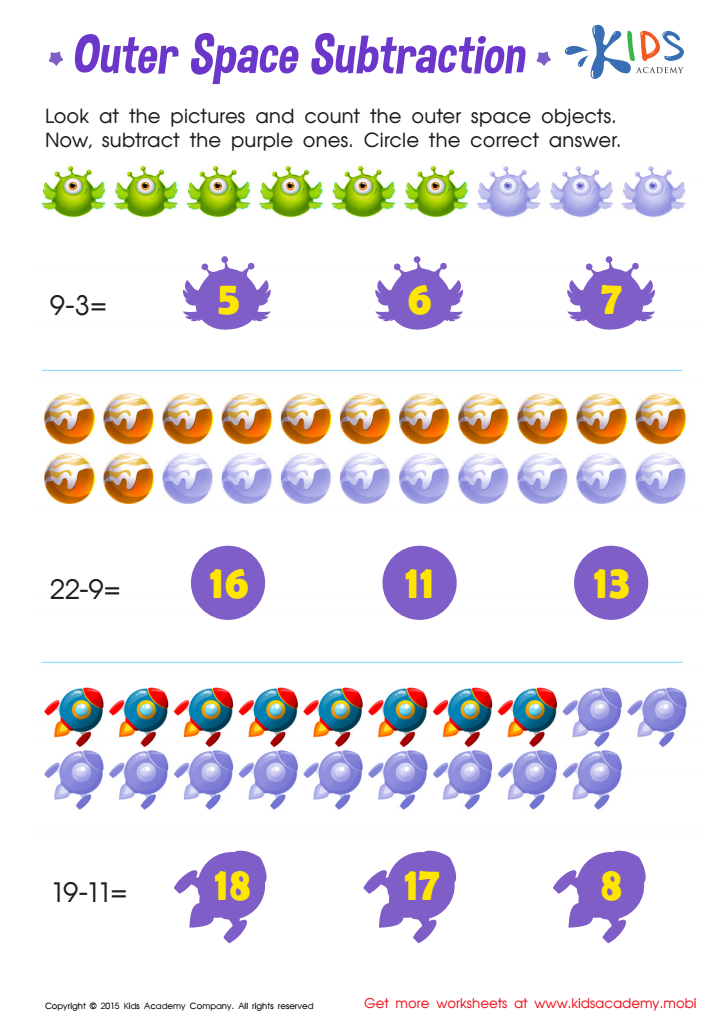
Outer Space Substraction Worksheet

Haystack Steps Worksheet
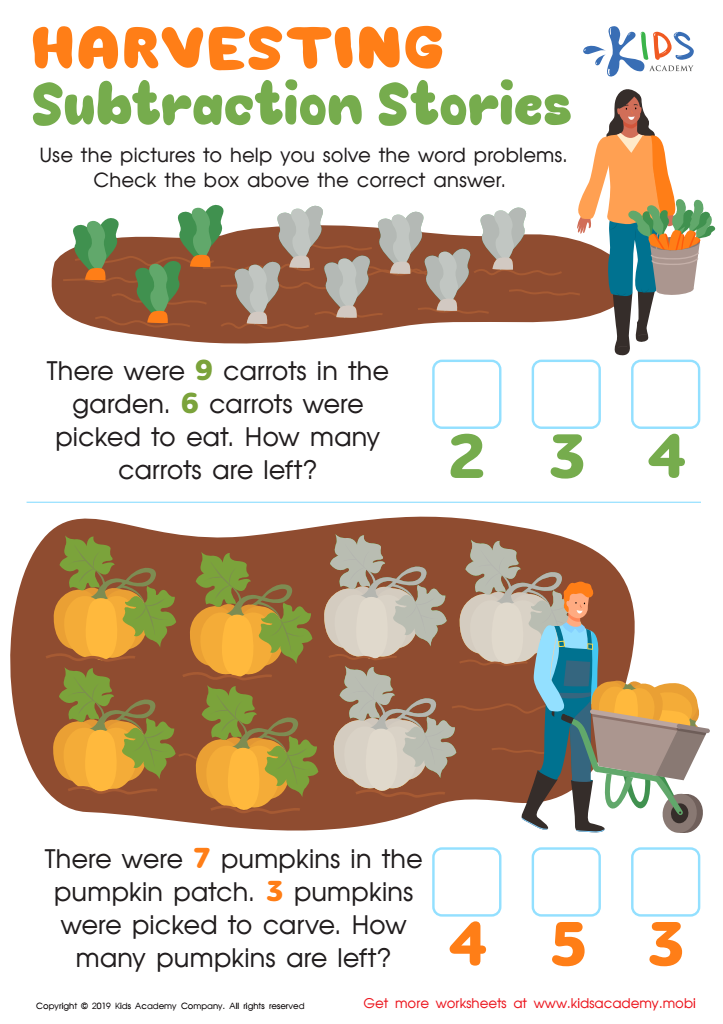
Harvesting Subtraction Stories Worksheet
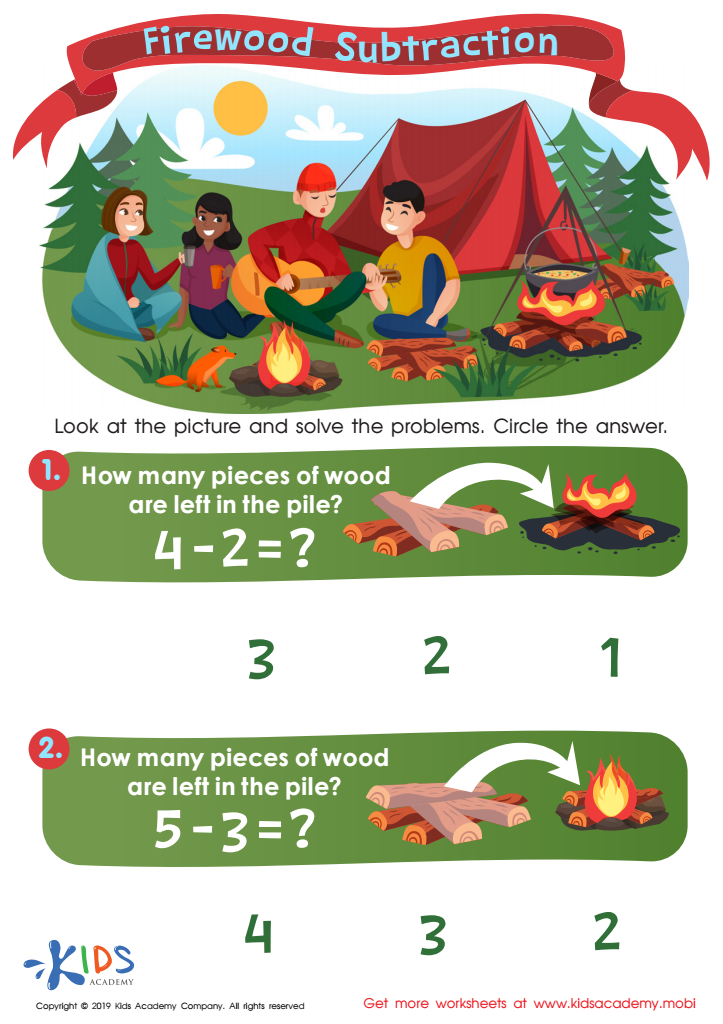
Firewood Subtraction Worksheet
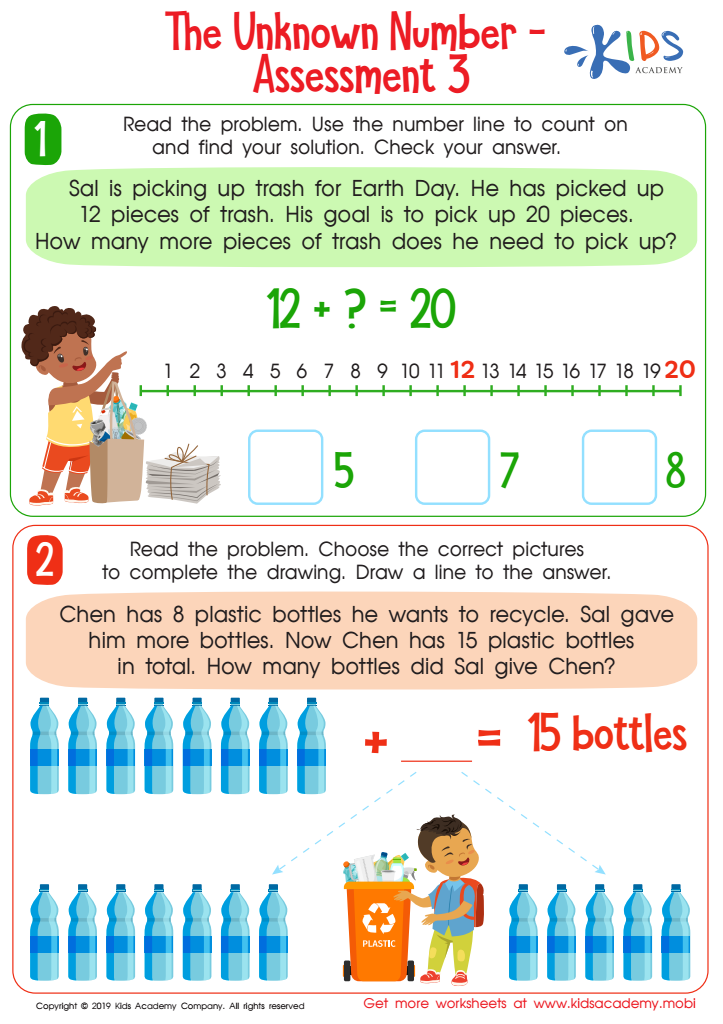
The Unknown Number - Assessment 3 Worksheet
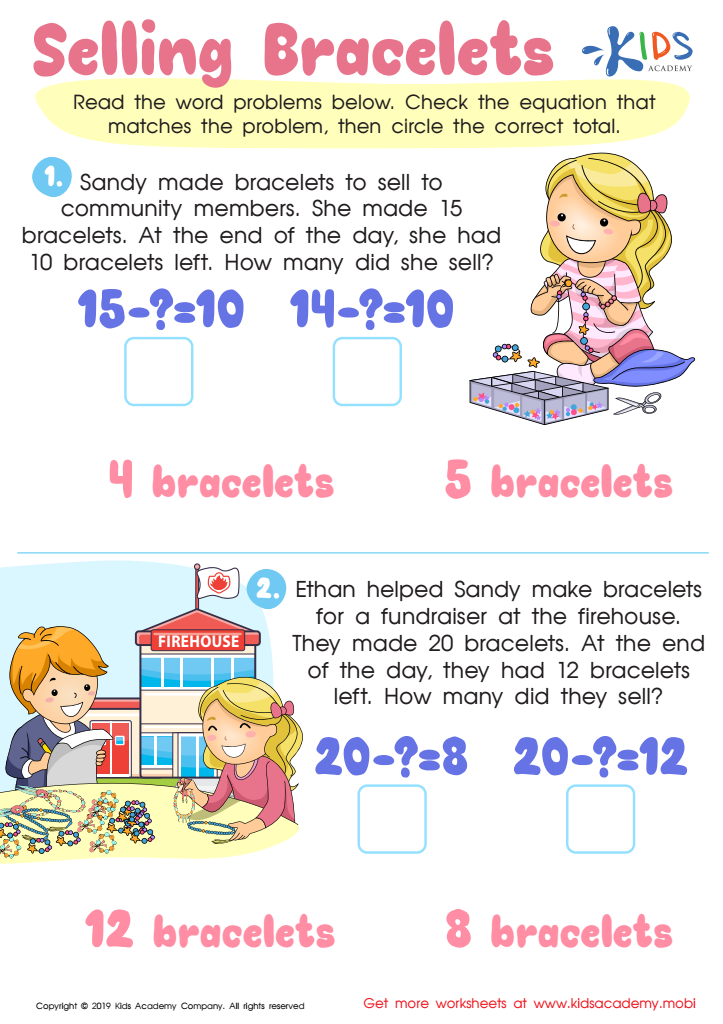
Selling the Bracelets Worksheet
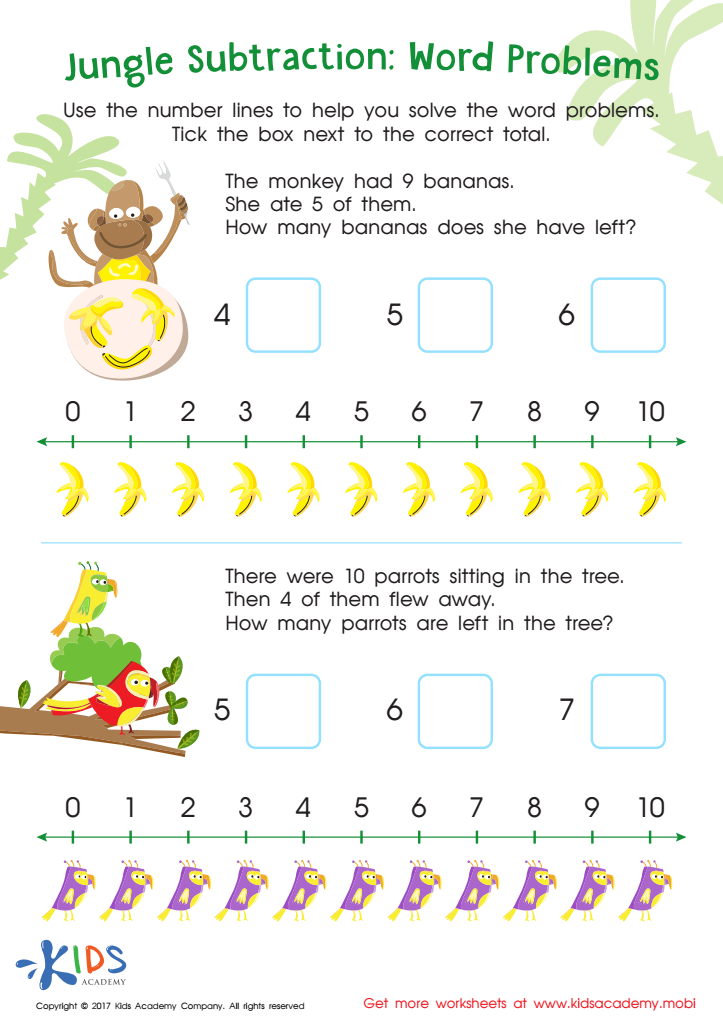
Jungle Subtraction Word Problems Substraction Worksheet
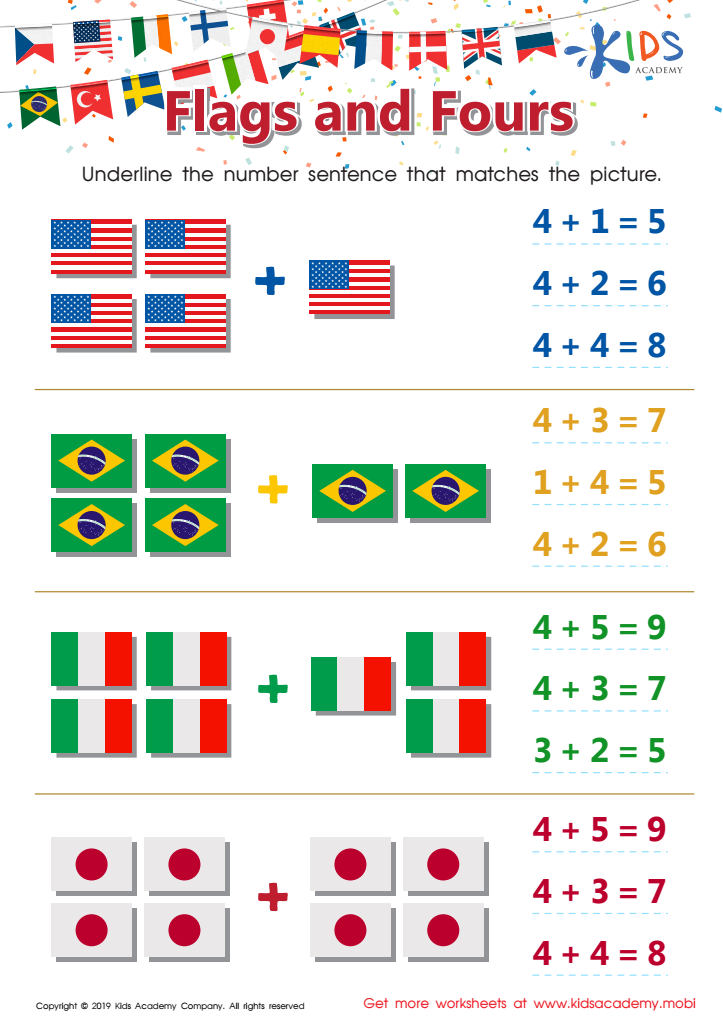
Flags and Fours Worksheet








Parents and teachers should prioritize problem-solving skills in kindergarten addition and subtraction because these foundational abilities help shape a child's cognitive development and mathematical understanding. At this early age, children are not just learning numbers; they are learning how to think critically and approach challenges methodically. Developing problem-solving skills promotes resilience and perseverance, essential traits for academic and life success.
Fostering a strong foundation in numerical problem-solving boosts confidence in young learners. As children engage with addition and subtraction in varied contexts—whether through storytelling, games, or hands-on activities—they are more likely to retain and understand these concepts. Exploring different ways to solve math problems also encourages creativity and flexibility in thinking, as children learn that there can be multiple paths to arrive at the same solution.
Moreover, the skills developed during these early lessons lay the groundwork for more advanced mathematics in later grades. A solid grasp of basic addition and subtraction problem-solving not only prepares children for complex operations but also enhances their logical reasoning and pattern recognition abilities, making them better equipped for future learning across all subjects. Therefore, prioritizing these skills can have lasting positive effects on a child's educational journey and overall development.








