Fine Motor Skills Kindergarten Numbers Worksheets - Page 2
70 filtered results
-
From - To
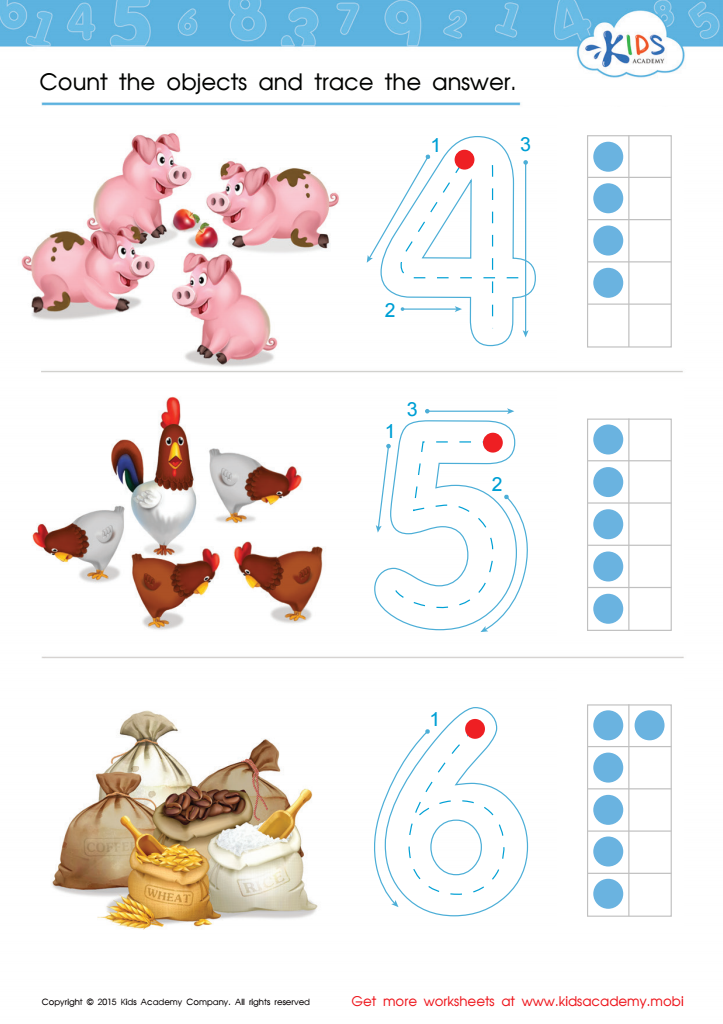
Count and Trace 4 – 6 Worksheet
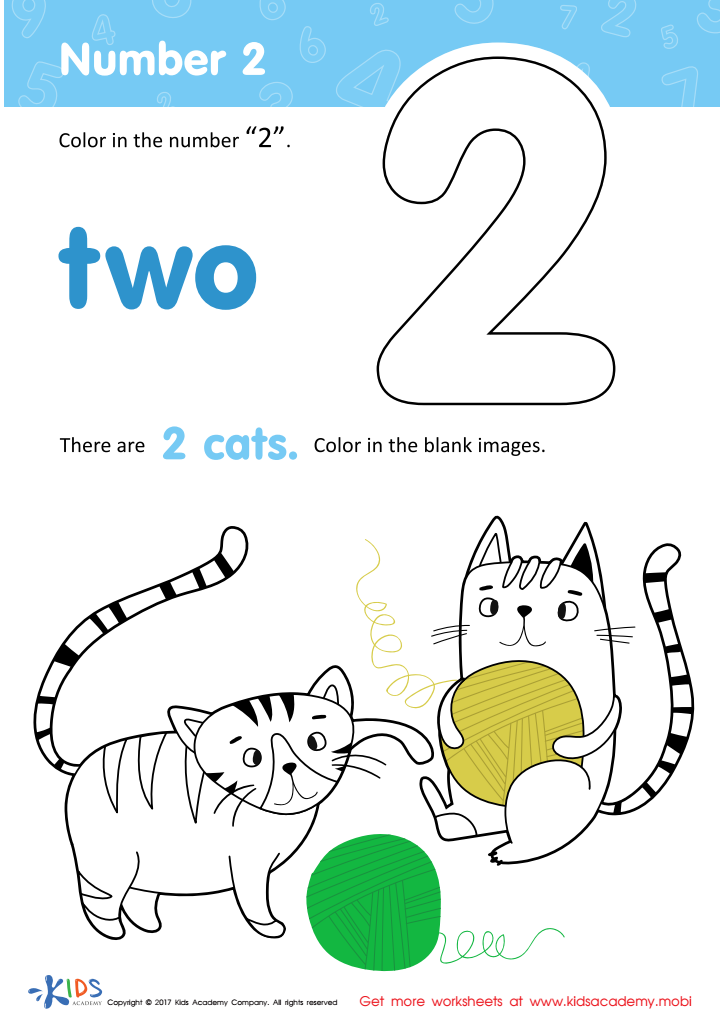
Number 2 Printable
 Assign to My Students
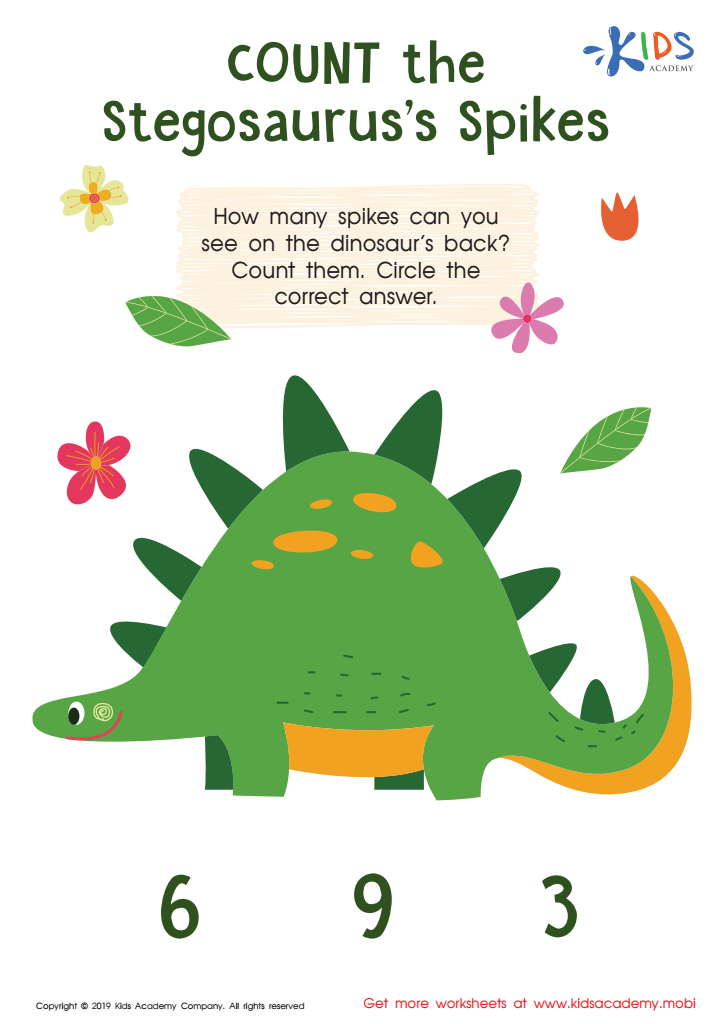
Count the Stegosaurus's Spikes Worksheet
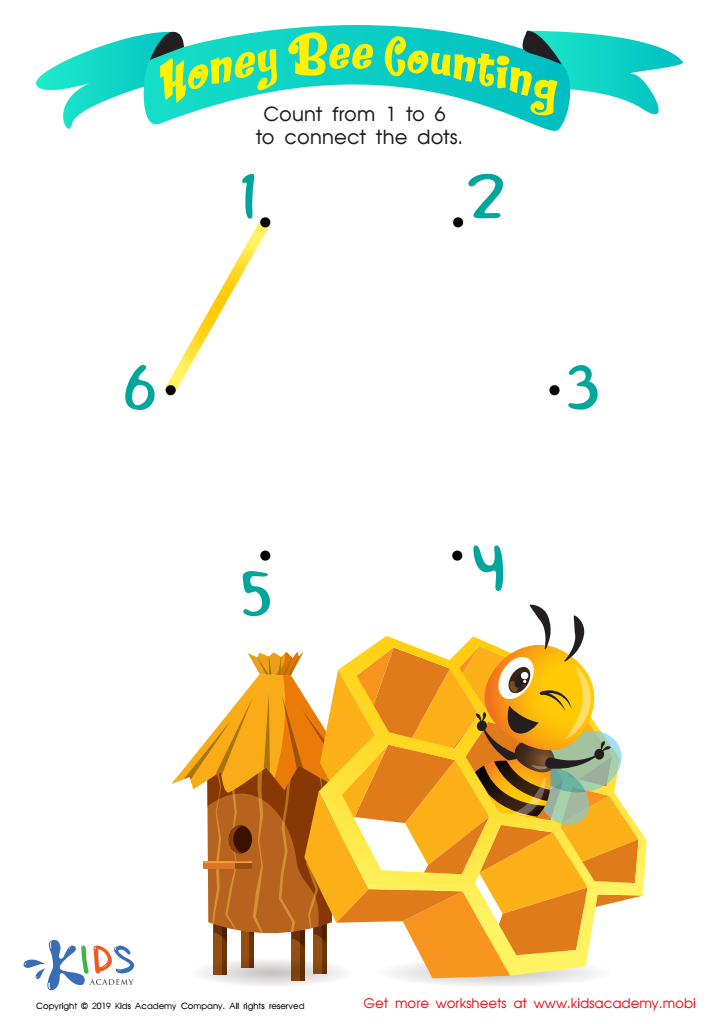
Honey Bee Counting Worksheet

Count Santa's Presents Worksheet
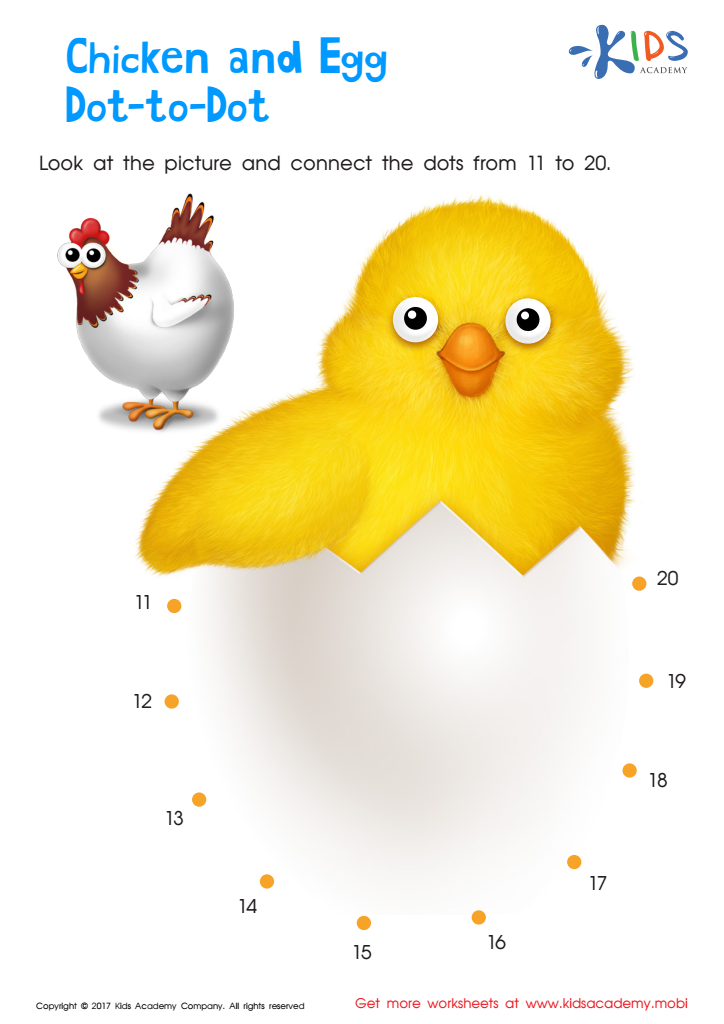
Ordering 11–20: Chicken & Egg Dot–to–dot Worksheet
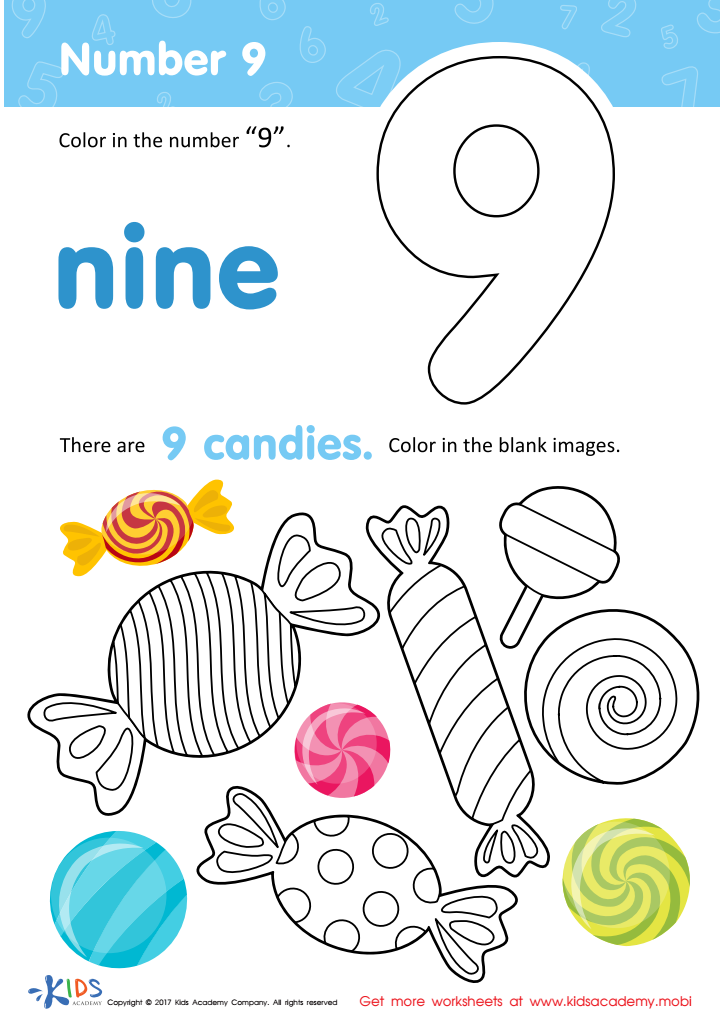
Number 9 Printable
Assign to My Students
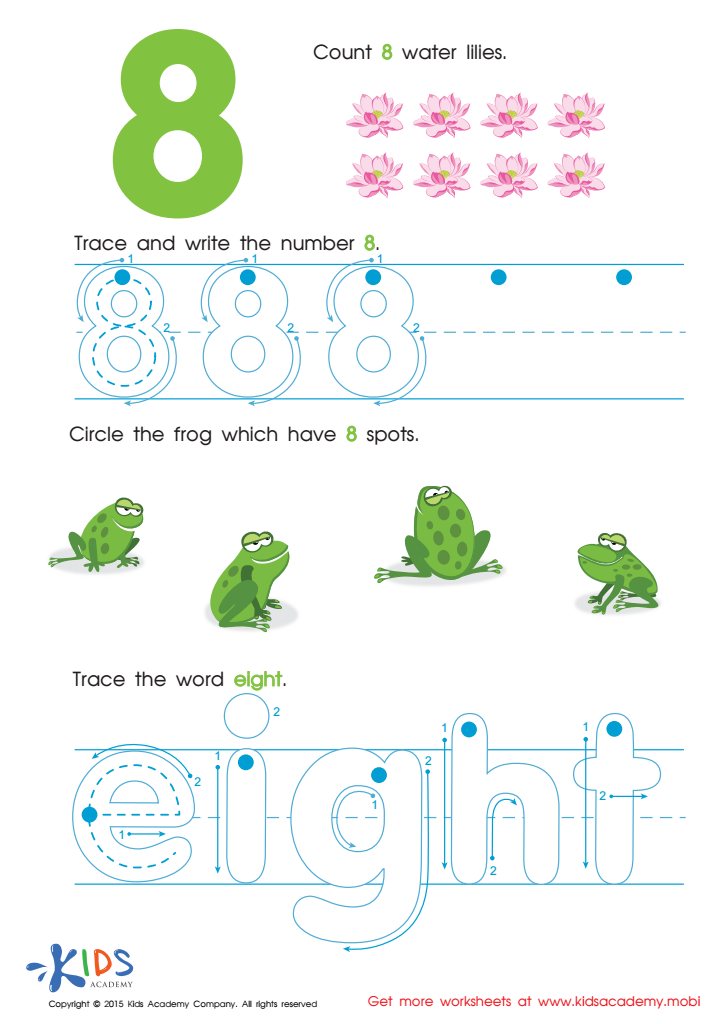
Learn Number 8 Easily Worksheet
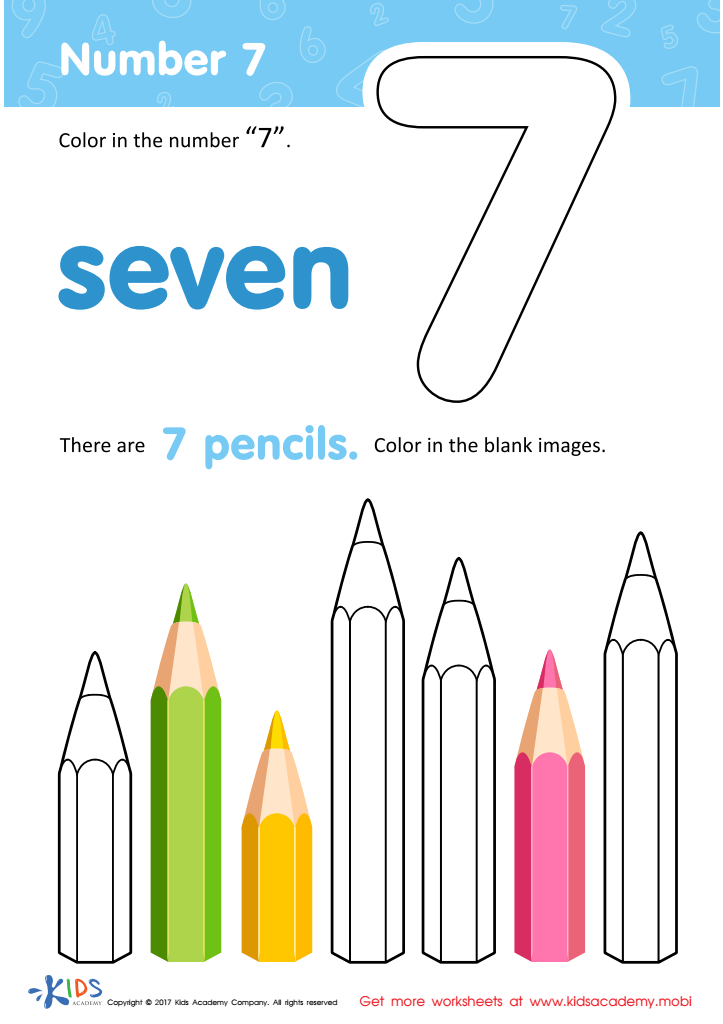
Number 7 Worksheet
Assign to My Students
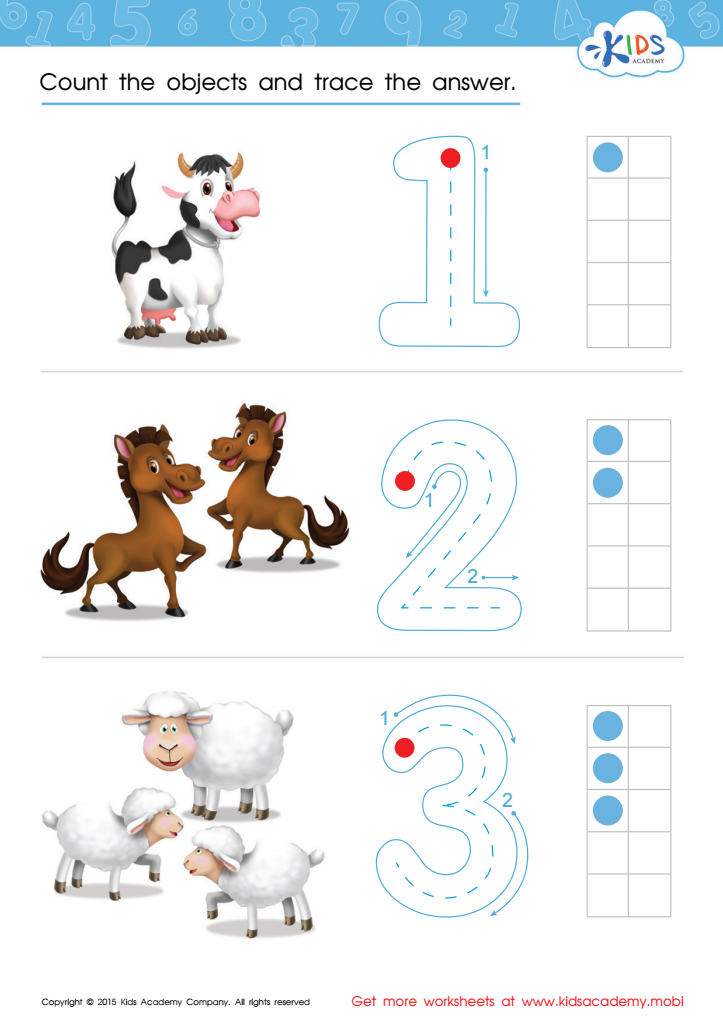
Count and Trace 1 – 3 Worksheet
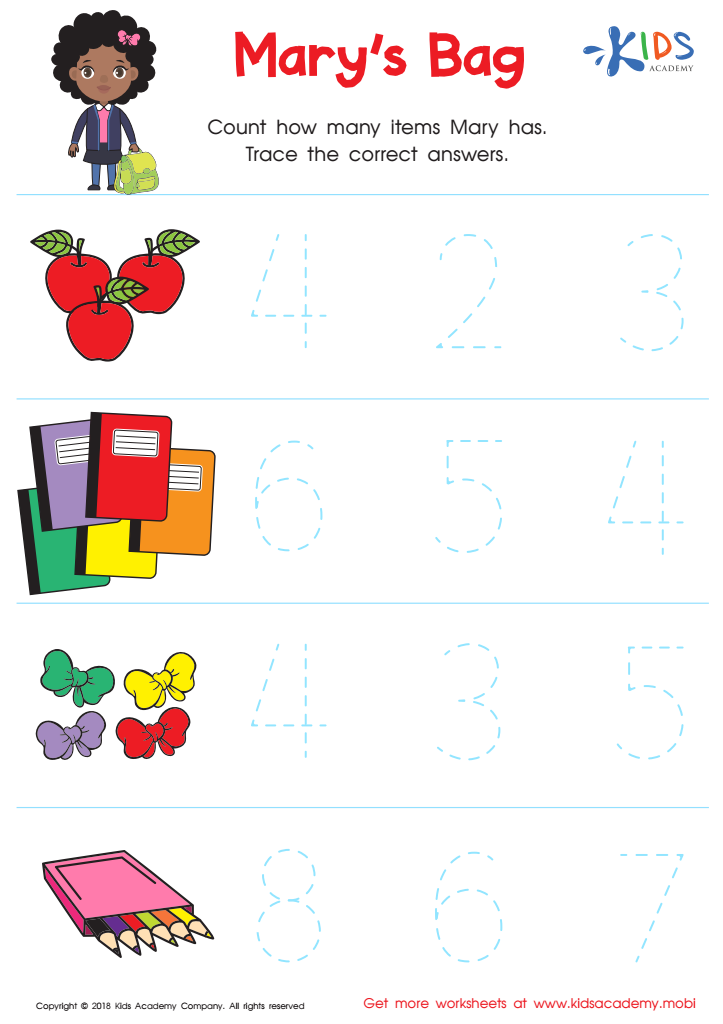
Kindergarten Number Tracing: Mary's Bag Worksheet
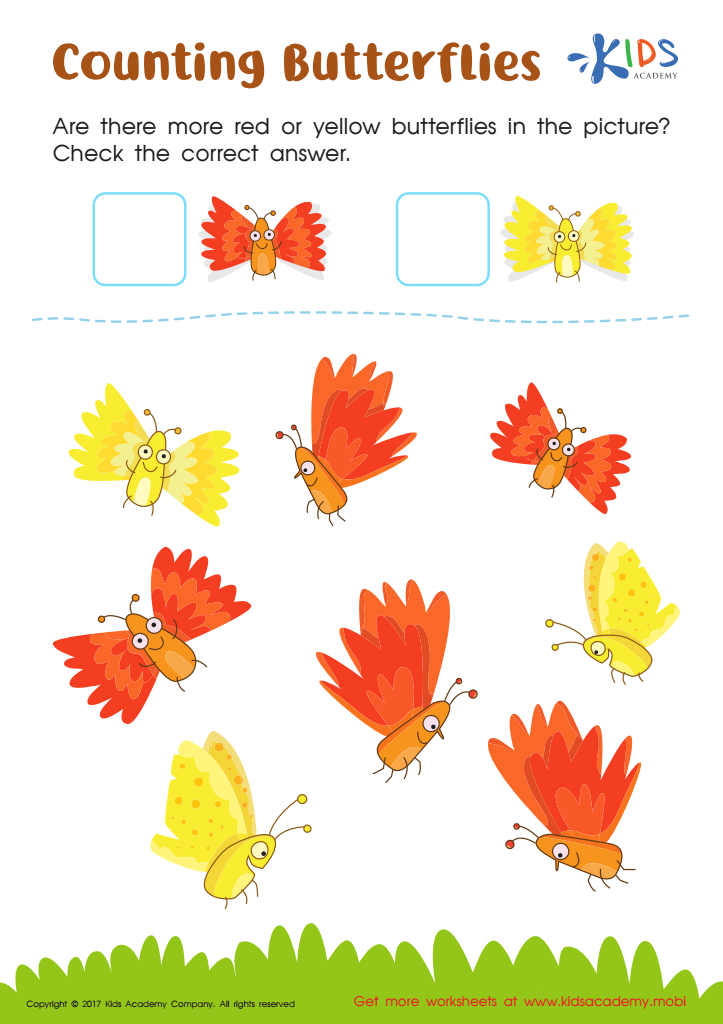
Counting Butterflies Worksheet
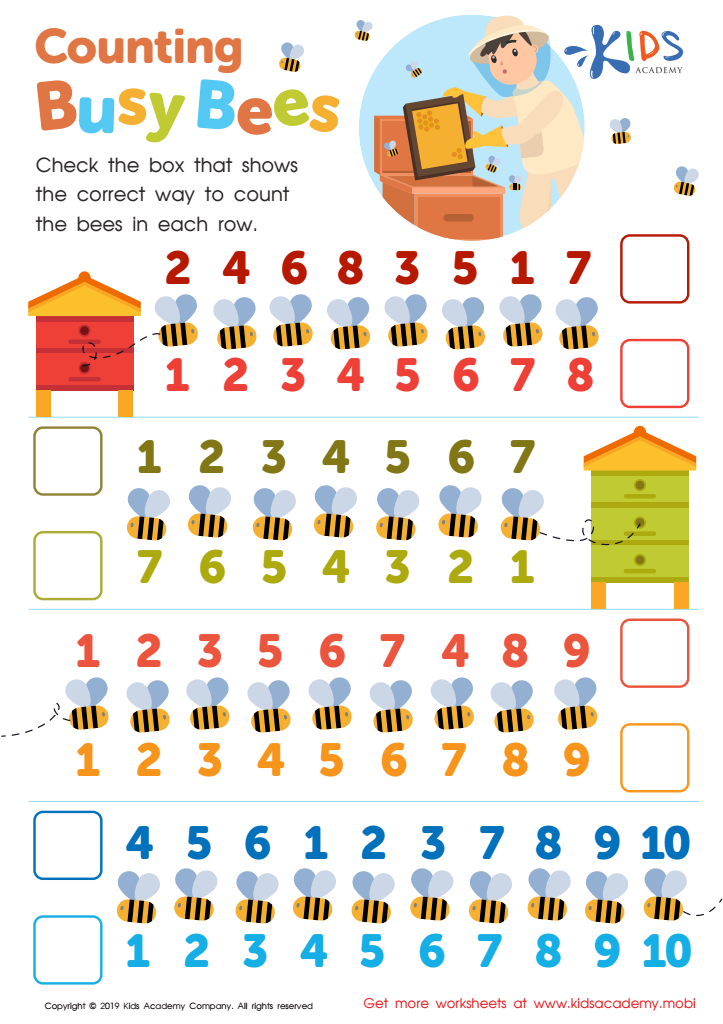
Counting Busy Bees Worksheet
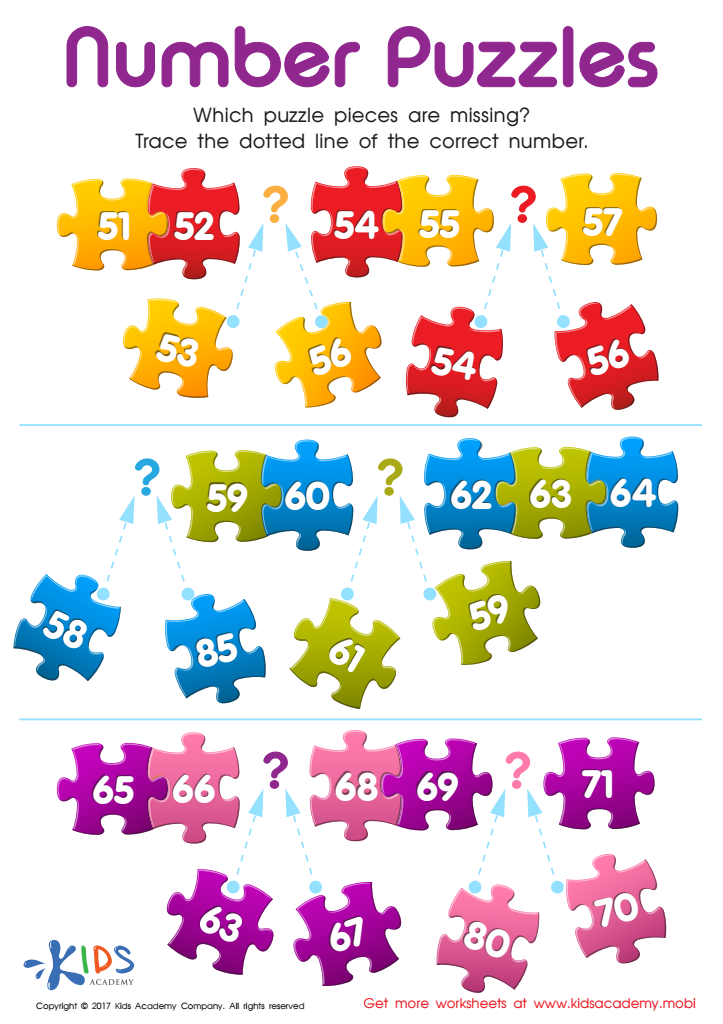
Number Puzzles Worksheet
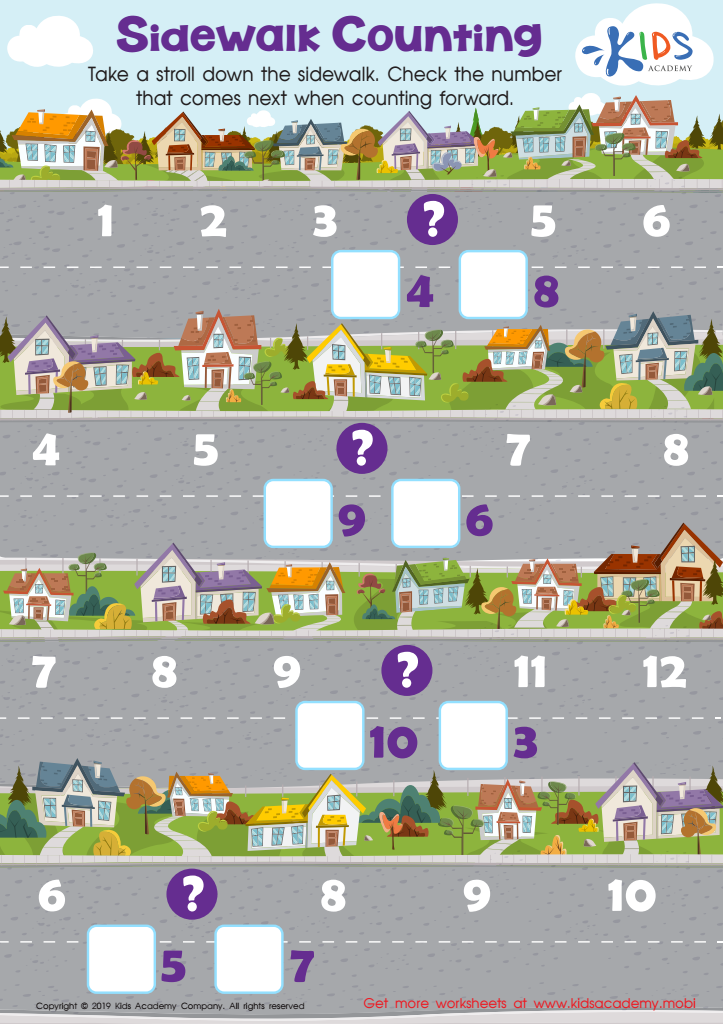
Sidewalk Counting Worksheet
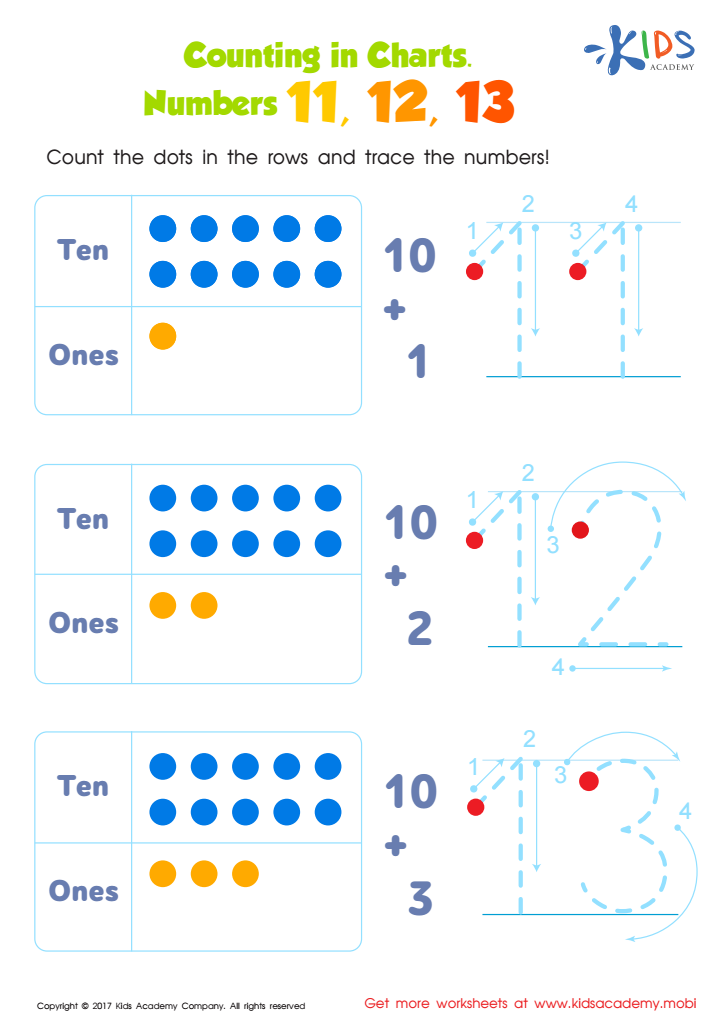
Number Tracing Worksheet For Kindergarten
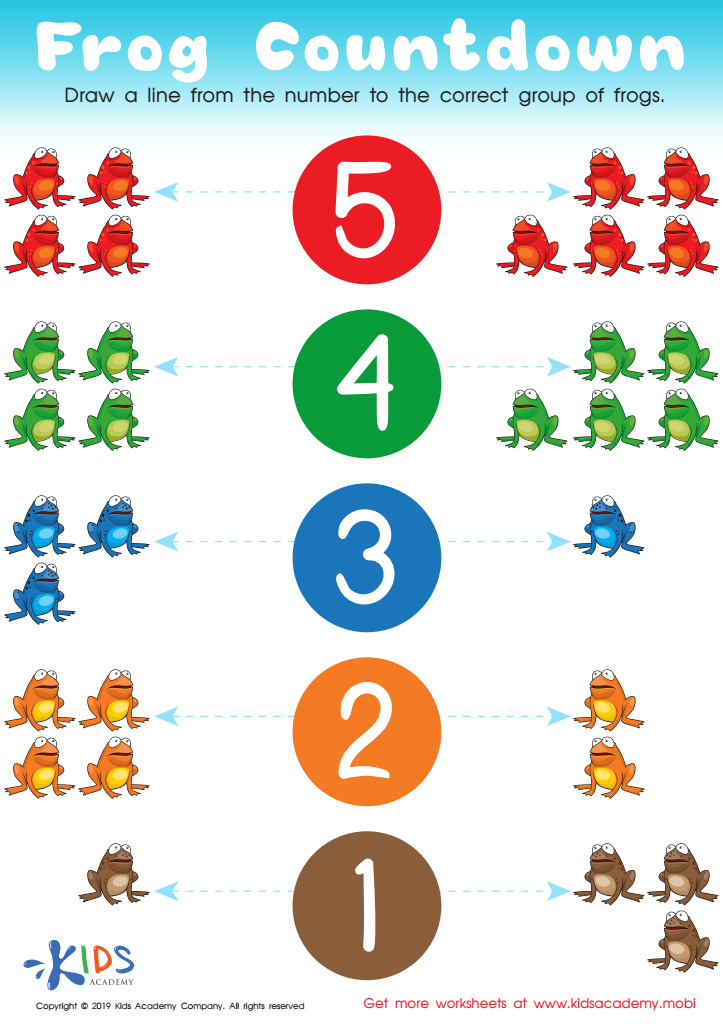
Frog Countdown Worksheet

Eight Geese Worksheet

Pirate Ship Connect Dots Worksheet
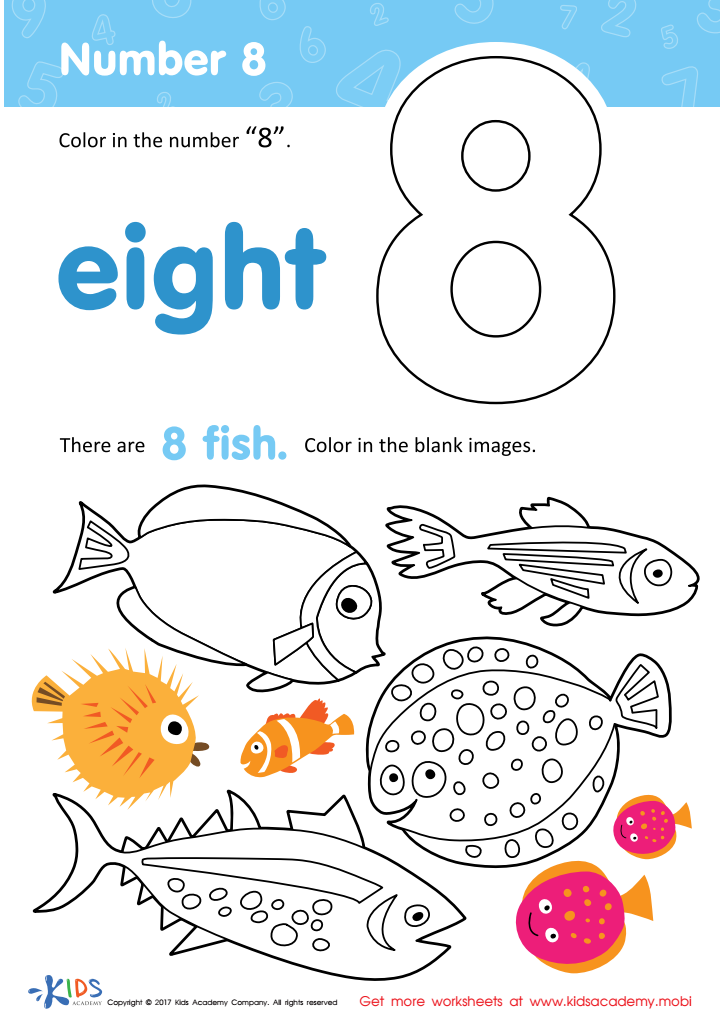
Number 8 Printable
Assign to My Students
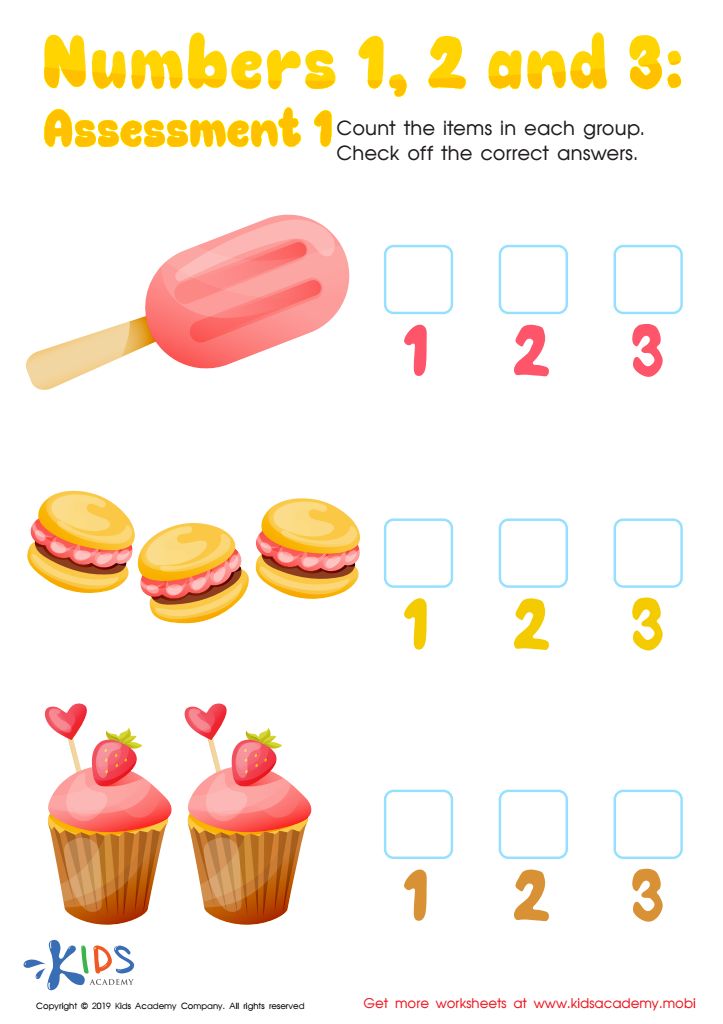
Numbers 1, 2 and 3: Assessment 1 Worksheet
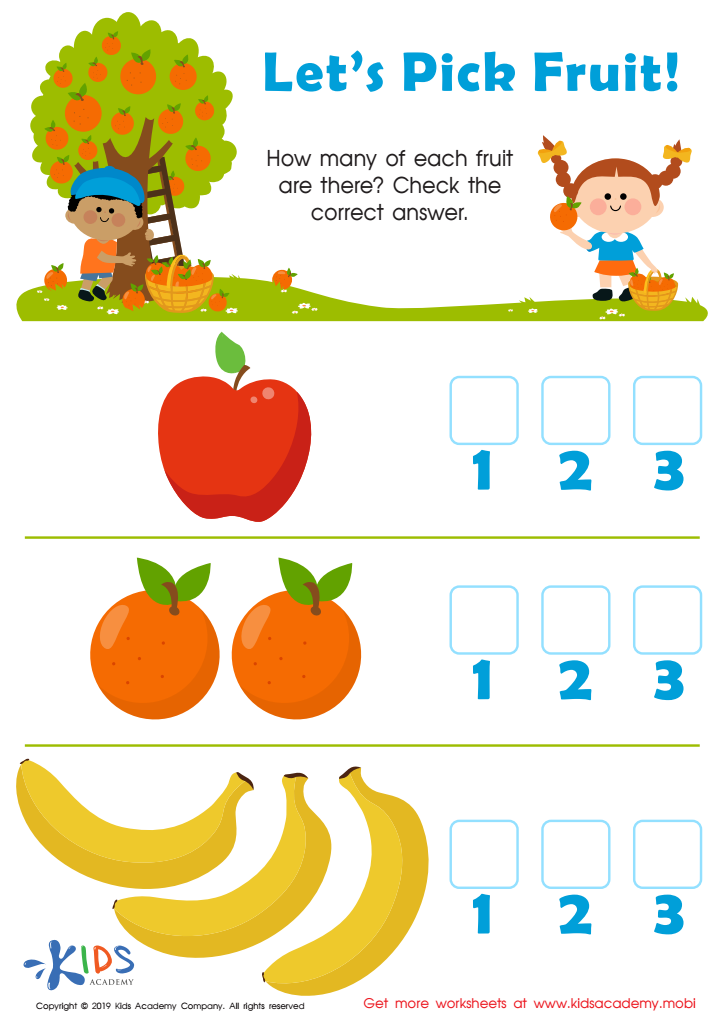
Let's Pick Fruit Worksheet

Underwater Adventure Worksheet
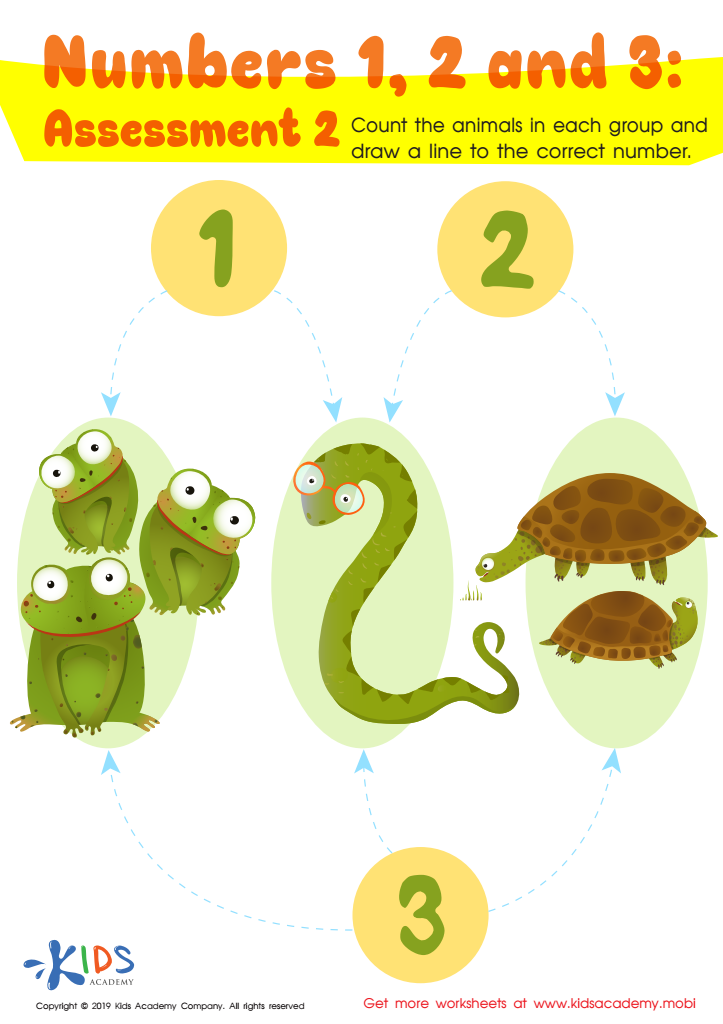
Numbers 1, 2 and 3: Assessment 2 Worksheet








Fine motor skills are vital for kindergarten students as they form the foundation for various essential life skills. Parents and teachers should prioritize these skills, especially concerning activities that involve numbers. Fine motor skills include the coordination of small muscle movements, particularly in the hands and fingers, allowing children to grasp, manipulate, and control objects effectively.
When children engage with numbers, whether it's counting, writing, or handling manipulatives like blocks or beads, they exercise and enhance their fine motor skills. This development aids in their ability to write neatly, form letters correctly, and build confidence in their academic tasks. Furthermore, strong fine motor skills contribute to problem-solving abilities, as children learn to navigate numerical puzzles and challenges thoughtfully.
Encouraging fine motor practice during number activities, such as tracing numerical figures, using tools like scissors for cutting paper numbers, or threading number beads, helps to create a multi-sensory learning experience, reinforcing cognitive understanding while building physical dexterity. When parents and teachers foster these skills, they set a solid groundwork for academic success and independence in learning. Thus, investing time and effort in developing fine motor skills with kindergarten numbers is crucial for children's overall growth and educational progress.








