Pattern recognition Kindergarten Math Worksheets
10 filtered results
-
From - To
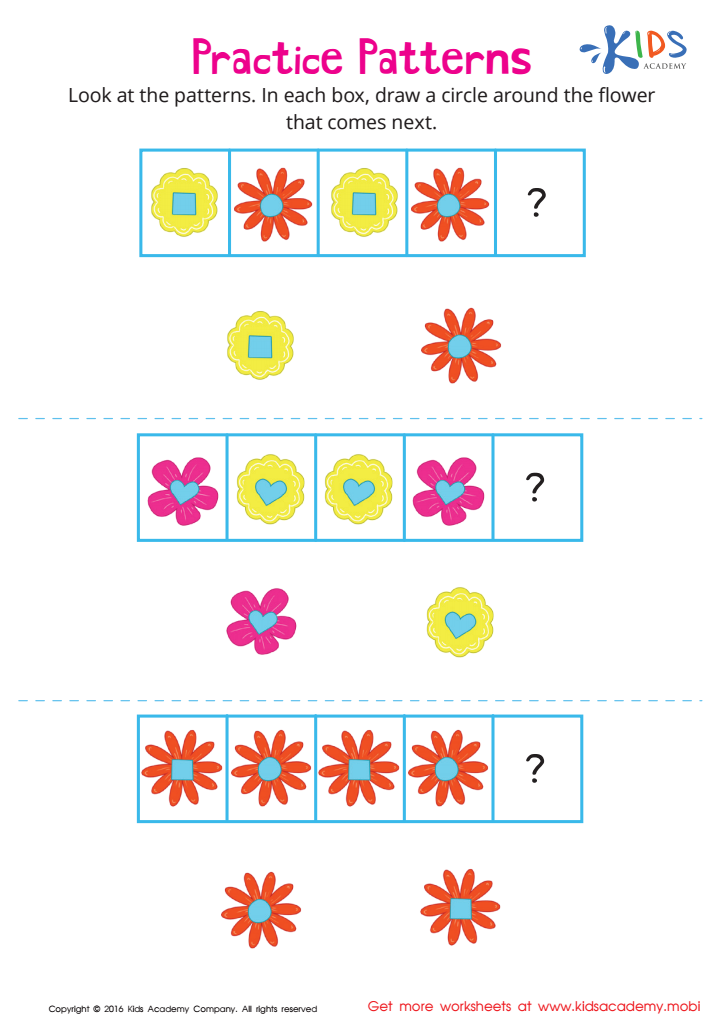
Unlock the foundational math skills of your little ones with our "Pattern Recognition Kindergarten Math Worksheets." Designed especially for young learners, these engaging and colorful sheets promote early understanding of patterns through fun activities. Kids will enjoy identifying, extending, and creating various patterns, paving the way for advanced math proficiency. With these worksheets, children cultivate problem-solving skills and enhance their logical thinking. Perfect for classroom use or at-home practice, our pattern recognition worksheets bring learning to life, helping kids master the building blocks of mathematical success. Make learning exciting and effective with Kids Academy’s expertly designed resources!
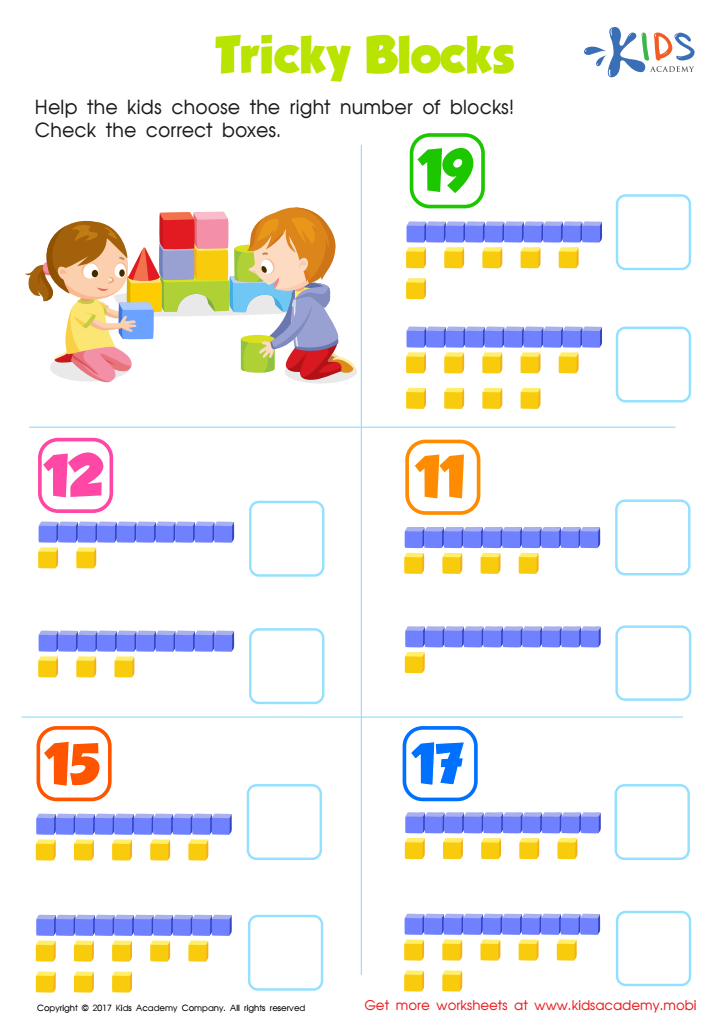
Tricky Blocks Worksheet
 Assign to My Students
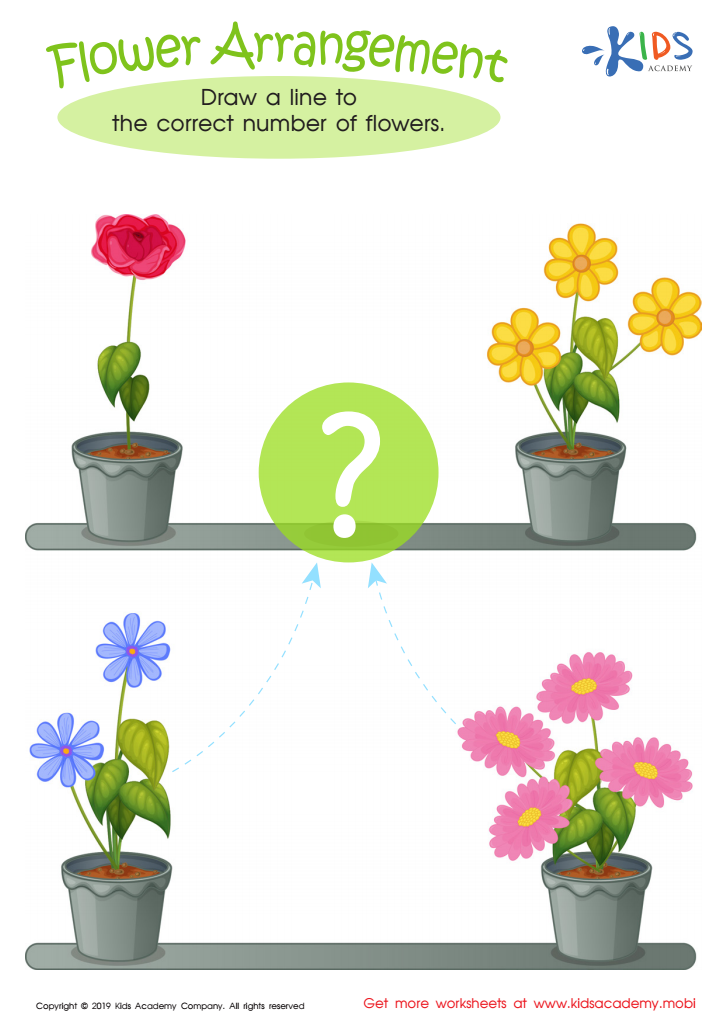
Flower Arrangement Worksheet
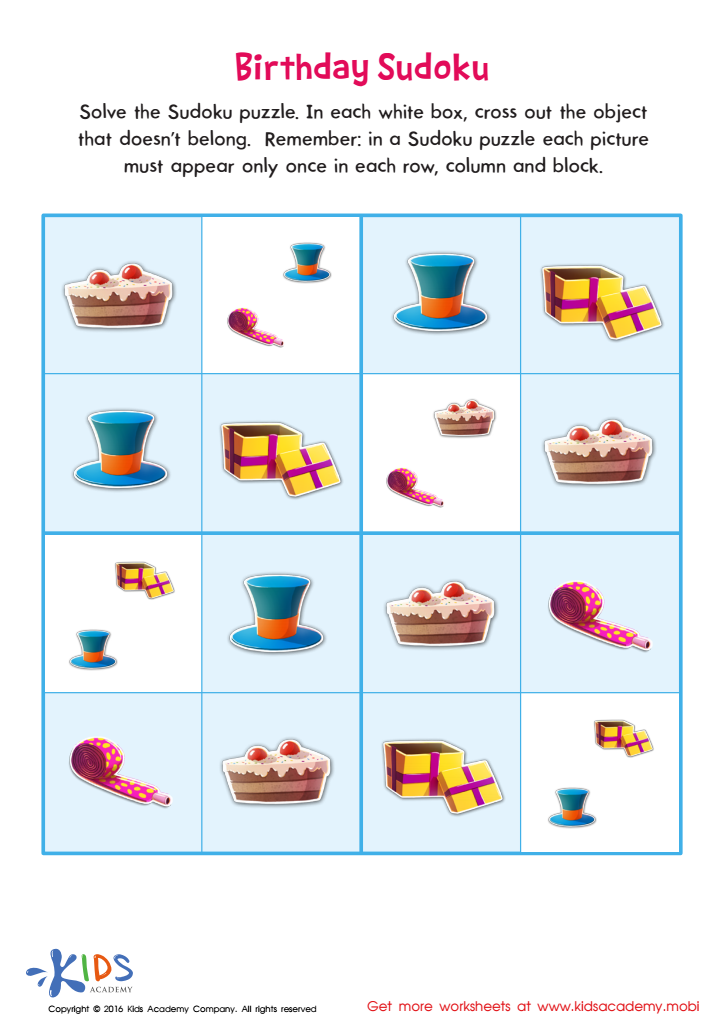
Birthday Sudoku Sorting Worksheet
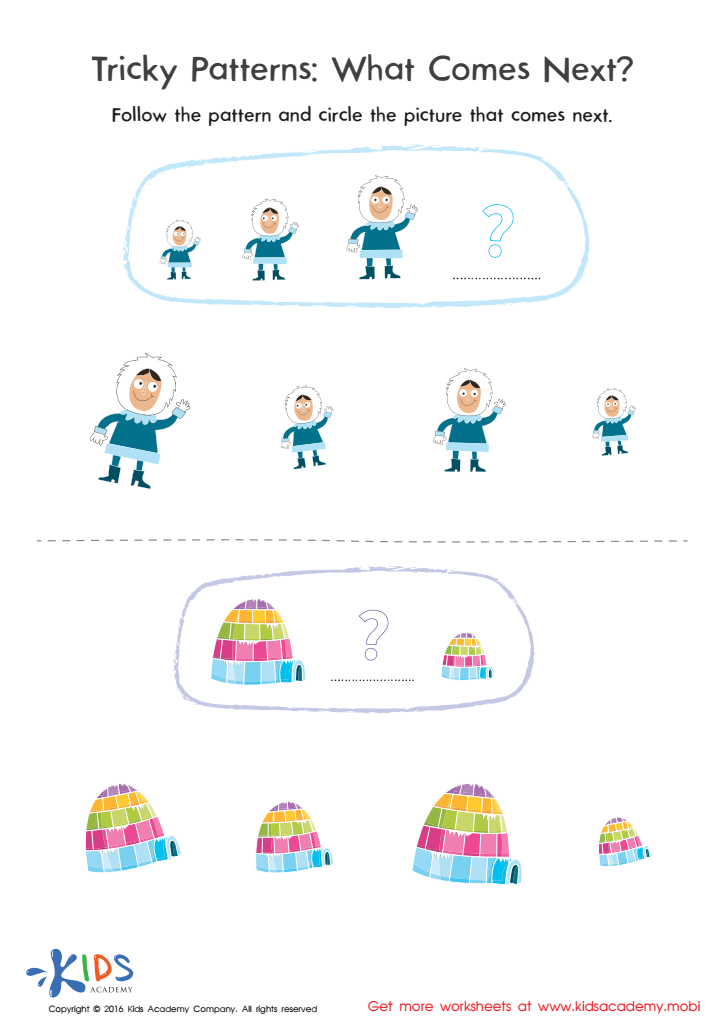
Tricky Patterns Size Worksheet
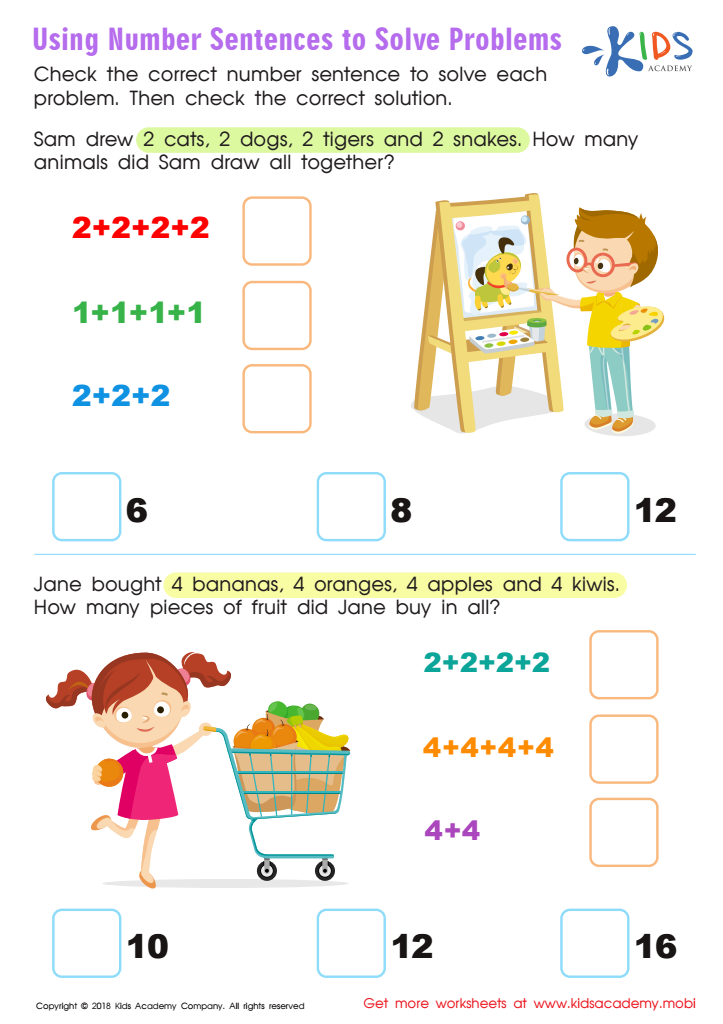
Using Number Sentences to Solve Problems Worksheet
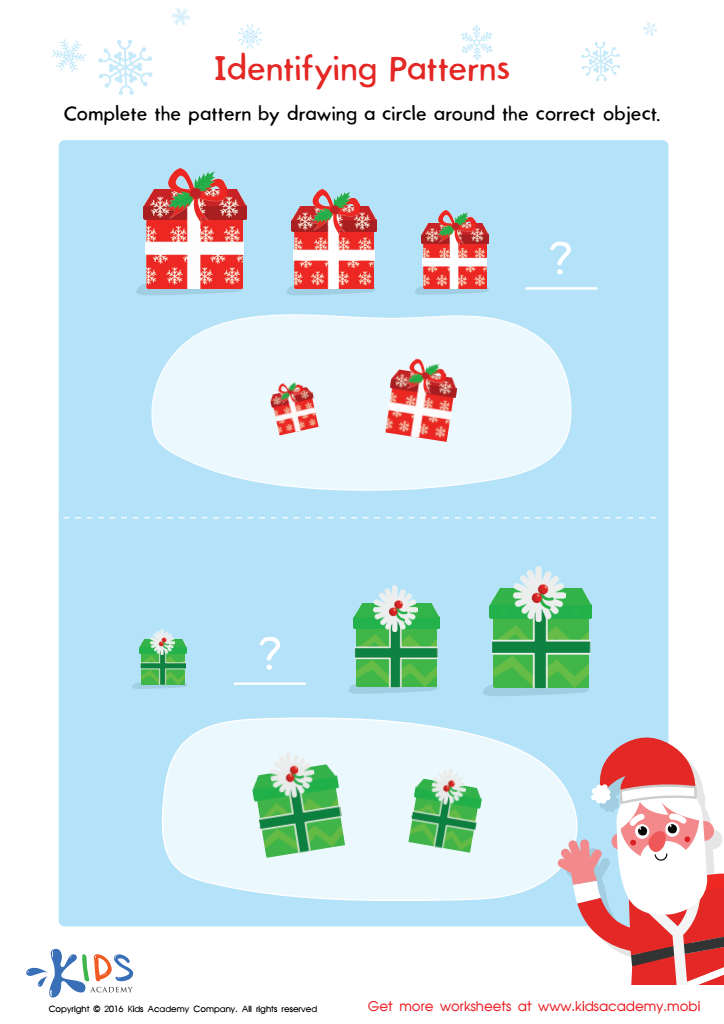
Identifying Patterns Worksheet
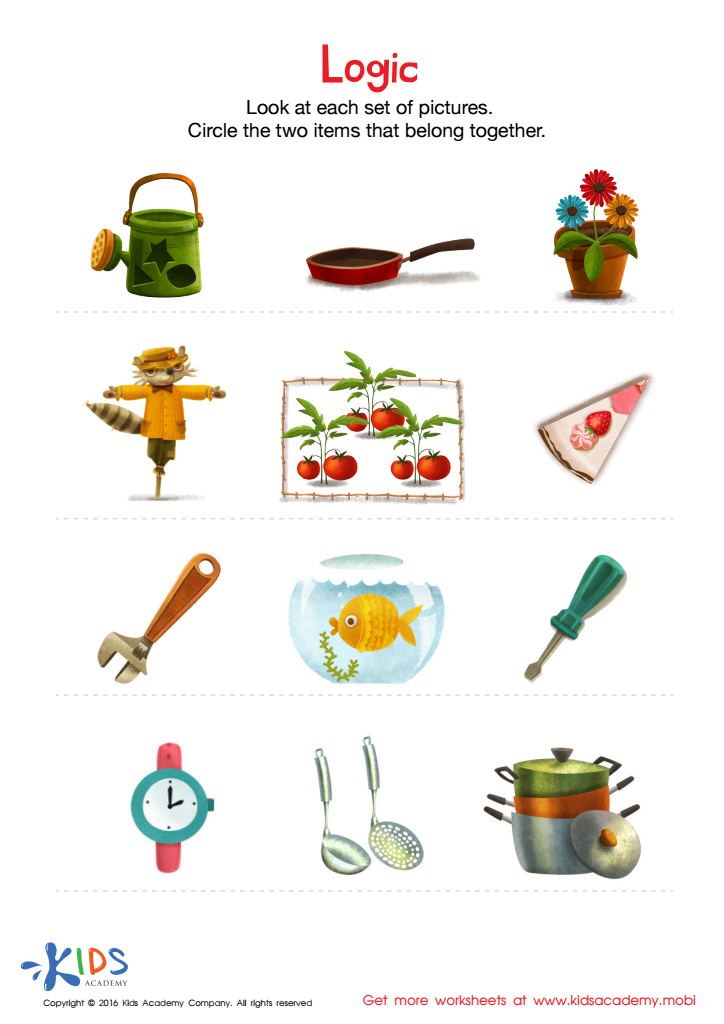
Logic Game Sorting Worksheet
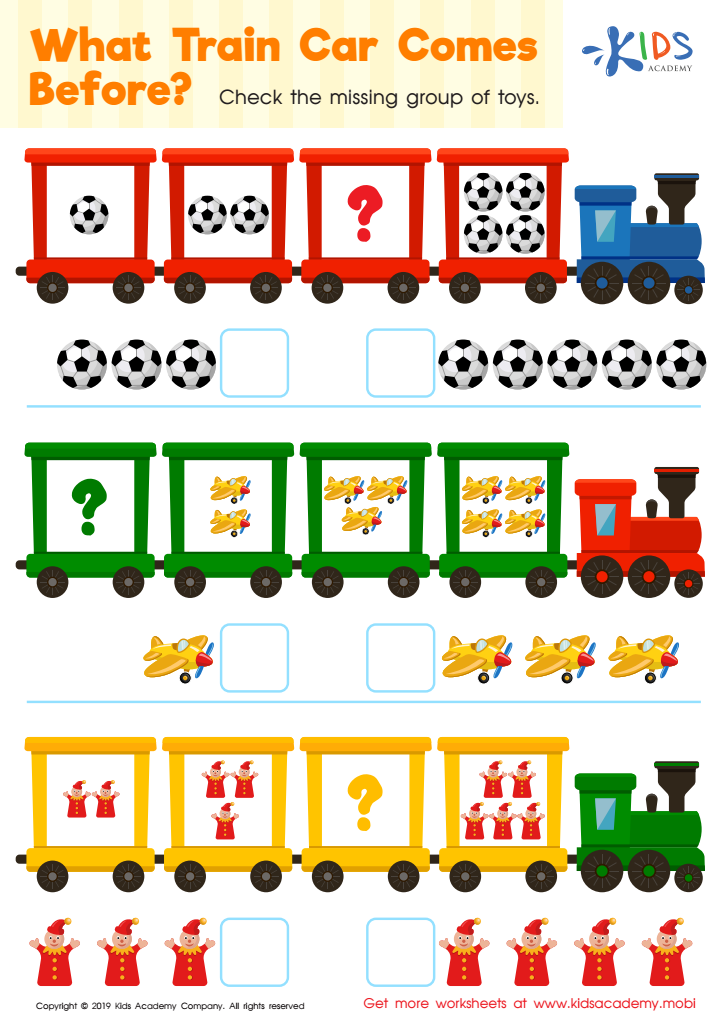
What Train Car Comes Before? Worksheet
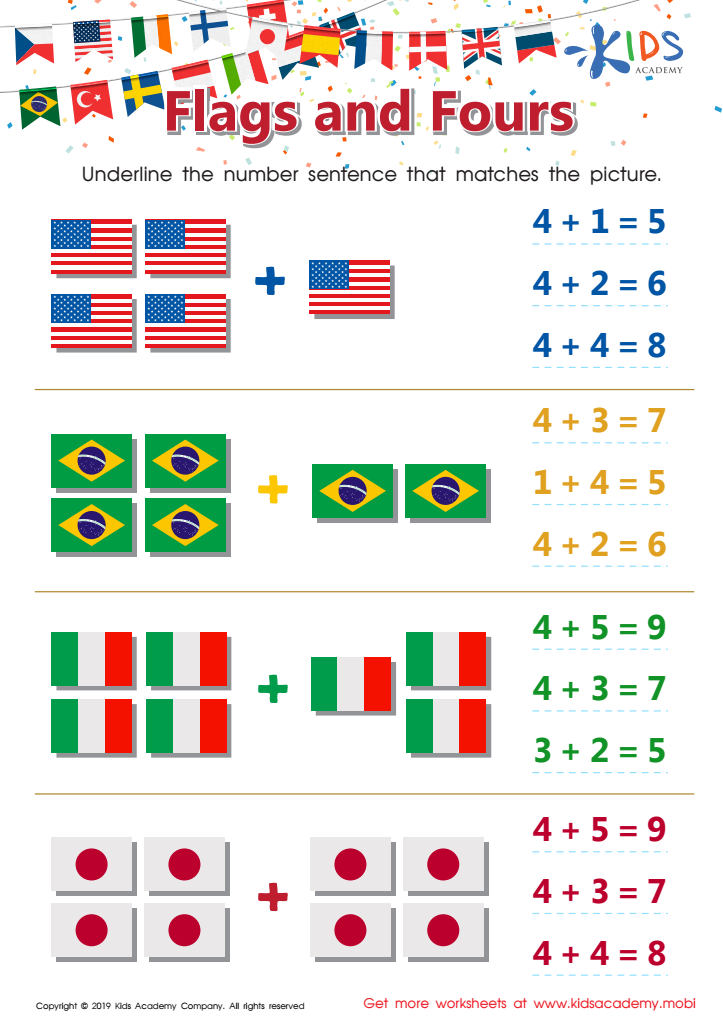
Flags and Fours Worksheet




.jpg)

Pattern recognition is a fundamental aspect of kindergarten math that benefits children's cognitive development and mathematical foundation. Early engagement with pattern recognition enables children to identify and predict sequences, strengthening their analytical thinking. When parents and teachers emphasize this skill, they help young learners develop essential problem-solving capabilities that extend beyond mathematics.
Patterns are prevalent in everyday life and serve as the building blocks for more complex mathematical ideas such as sequences, algebraic thinking, and functions. In kindergarten, recognizing and creating patterns with objects, colors, shapes, or numbers cultivates children's ability to see relationships and establish connections. This lays a crucial groundwork for future learning experiences, enabling a smoother transition to higher-level math concepts.
Moreover, pattern recognition supports language and literacy skills. As children describe and discuss patterns, they enhance their vocabulary and communication abilities. Additionally, understanding patterns in a narrative context can improve comprehension by helping children anticipate story developments.
Incorporating pattern recognition into early math programs engages children's natural curiosity and joy of discovery. Teachers and parents play a pivotal role by providing activities that challenge and interest young learners, fostering a positive attitude toward math. Investing in this area of early education equips children with lifelong critical thinking skills and enhances their overall academic journey.








