Visual perception Kindergarten Math Worksheets - Page 2
33 filtered results
-
From - To
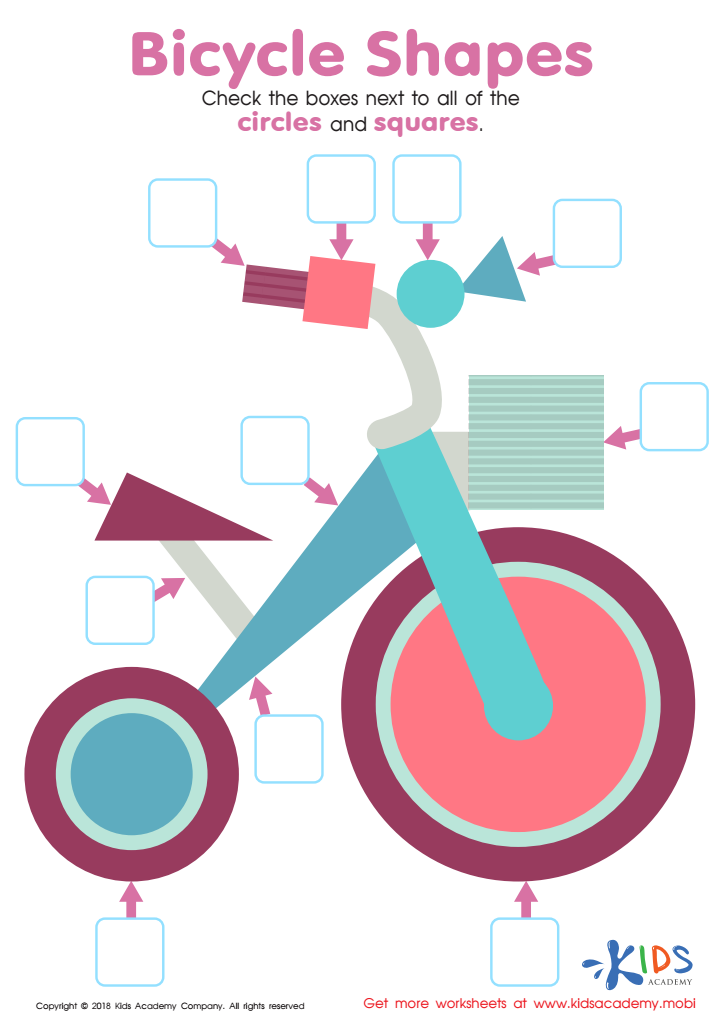
Bicycle Shapes Worksheet
 Assign to My Students
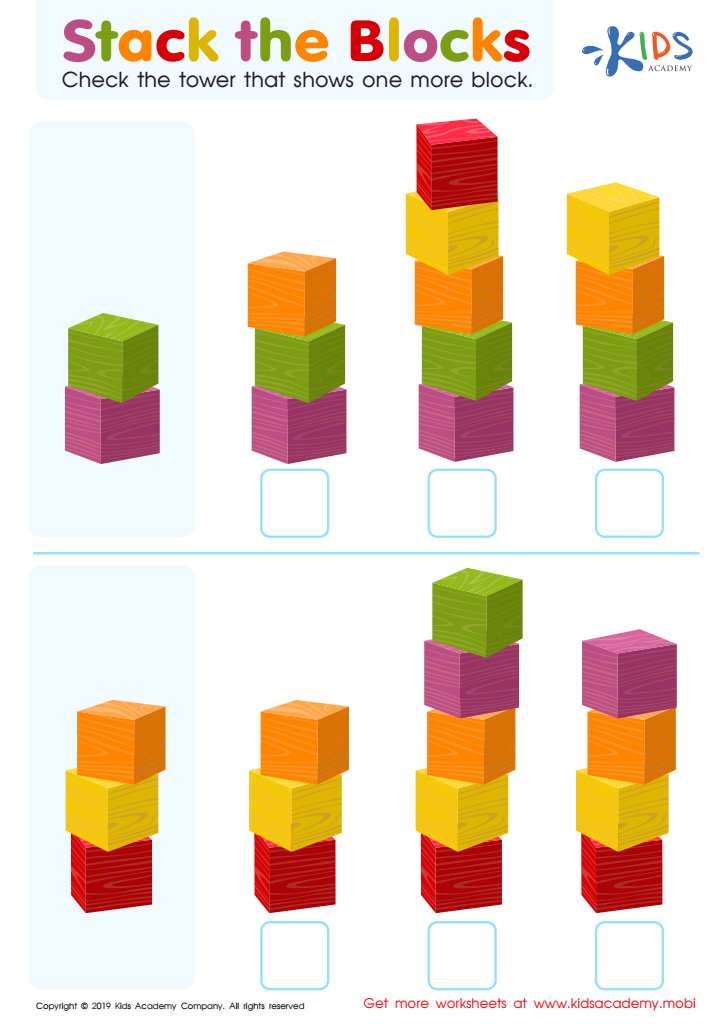
Stack the Blocks Worksheet
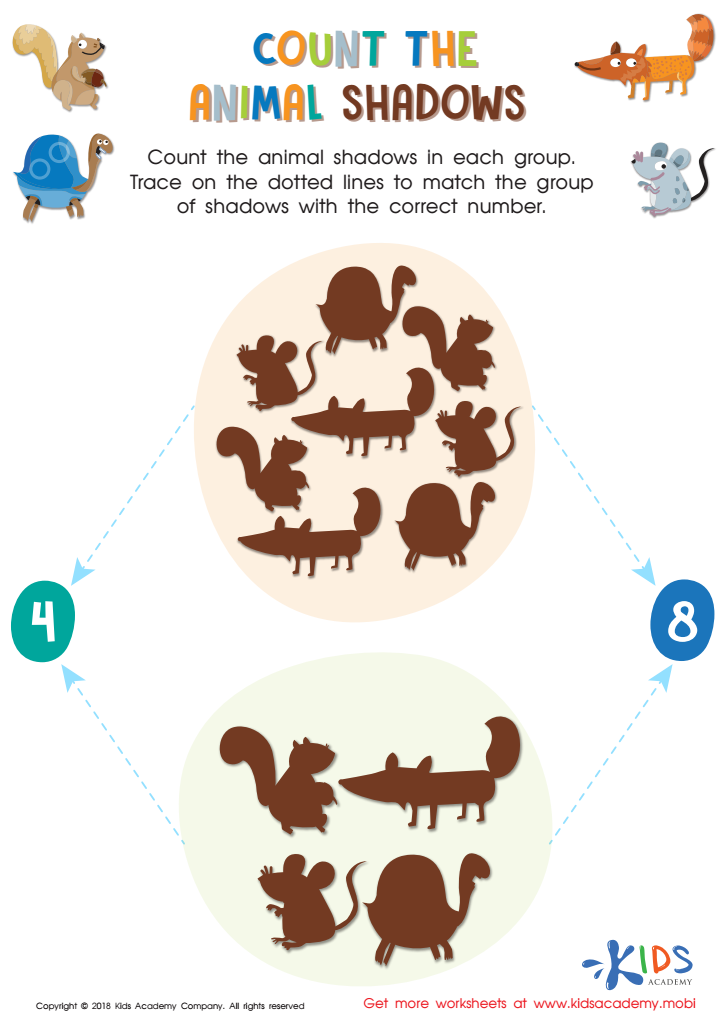
Count the Animal Shadows Worksheet
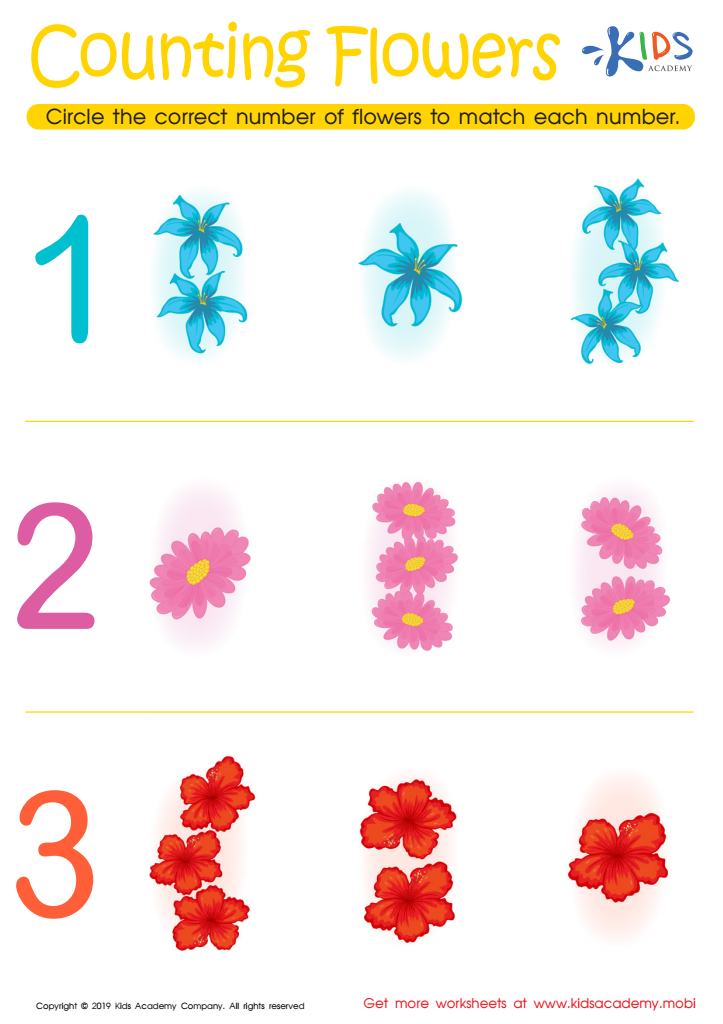
Counting Flowers Worksheet
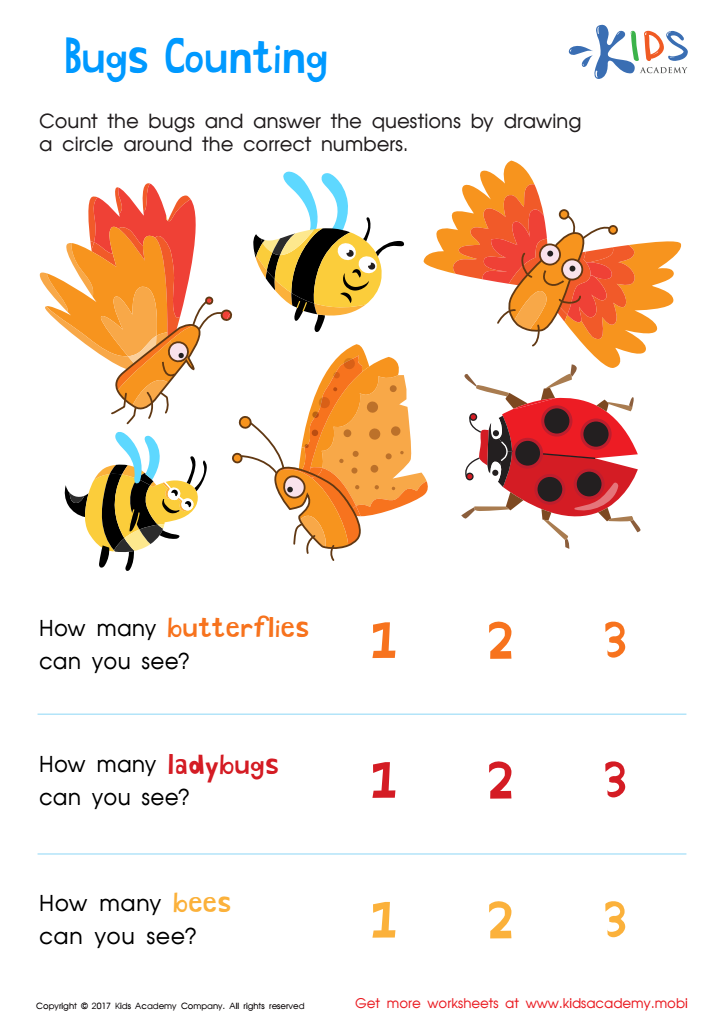
Bugs Counting Worksheet
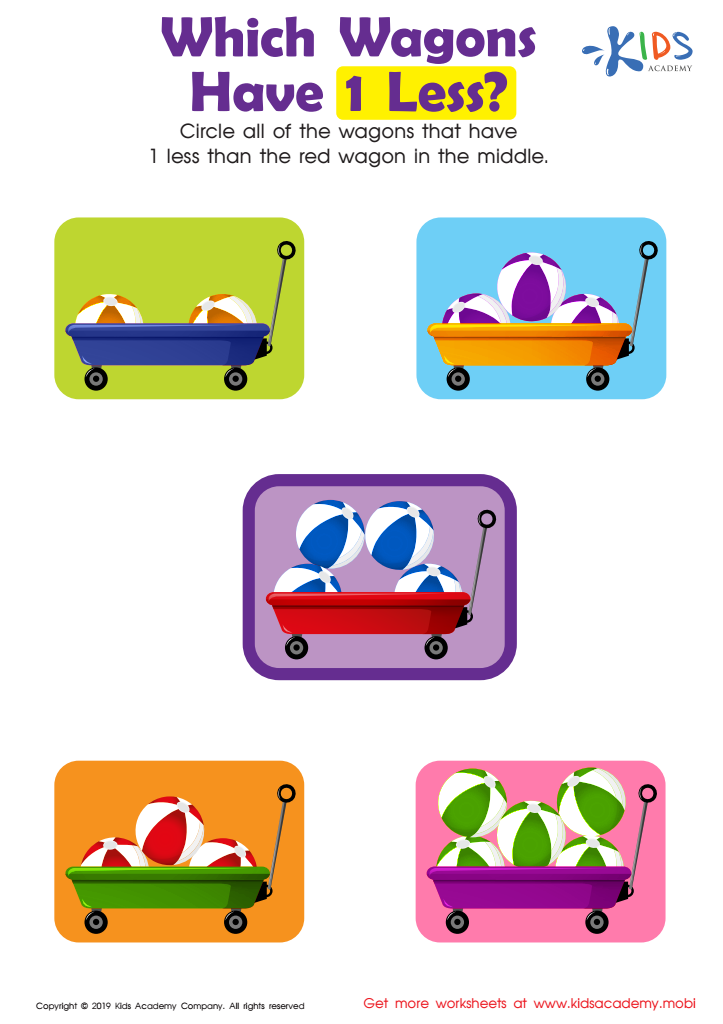
Which Wagons Have 1 Less? Worksheet
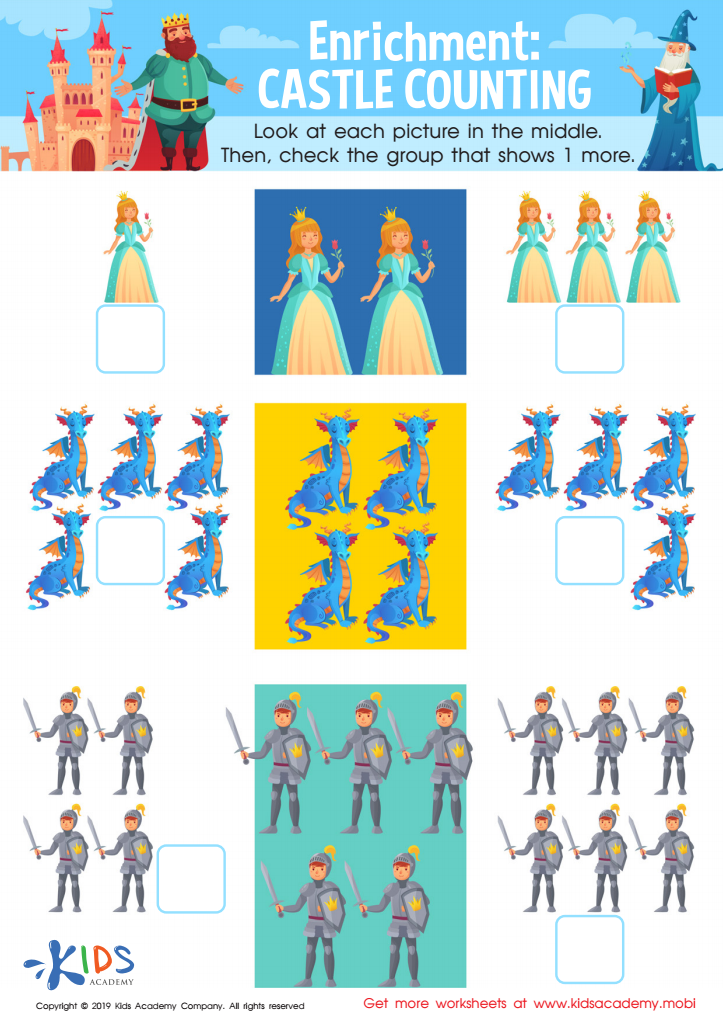
Enrichment: Castle Counting Worksheet
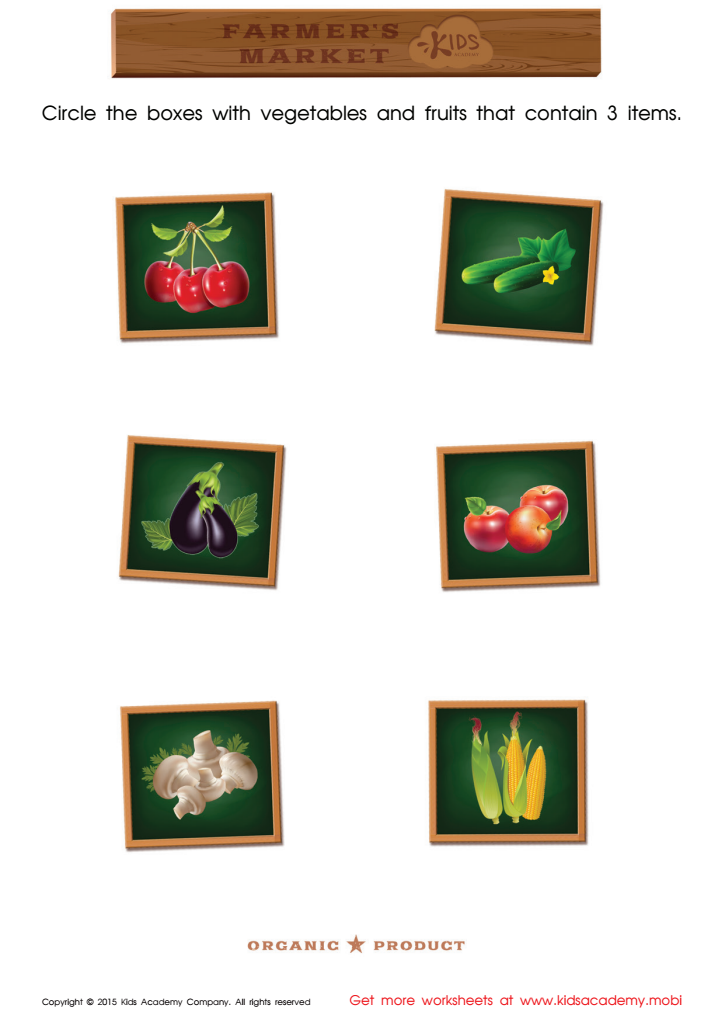
Count and Match Vegetables 1 – 5 Math Worksheet
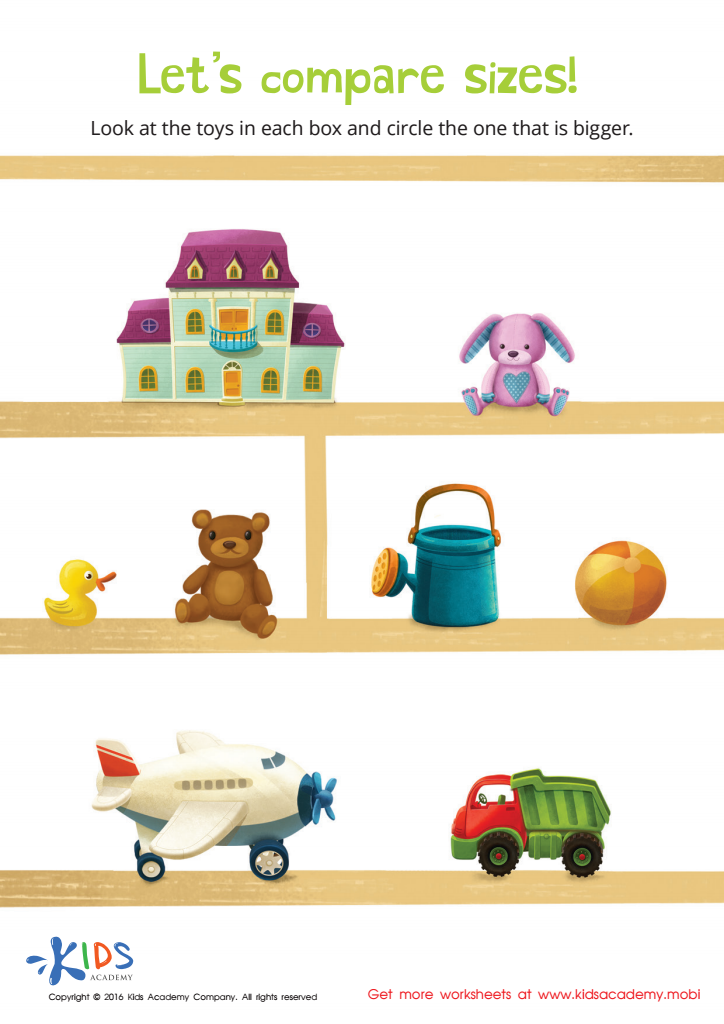
Classifying by Size Sorting Worksheet






Visual perception is crucial for kindergarten math as it forms the foundation for various mathematical concepts. It refers to the ability to interpret and understand visual information, including shapes, patterns, and spatial relationships. When children develop strong visual perception skills, they are better equipped to recognize and categorize numbers, understand spatial awareness, and grasp essential mathematical concepts such as counting, sorting, and measuring.
Parents and teachers should prioritize visual perception in early education because these skills directly affect a child's ability to progress in math as they advance through school. Understanding visual patterns helps children develop problem-solving abilities and enhances their logical reasoning, both vital for tackling more complex mathematical tasks later on.
Moreover, visual perception supports other areas of learning, including reading and science. As children engage in visual-based activities like sorting shapes or identifying number patterns, they also enhance their fine motor skills and hand-eye coordination. By emphasizing visual perception in kindergarten math, educators and parents foster a love for learning, encouraging children to approach math with confidence and curiosity. Investing in these foundational skills ultimately sets the stage for a positive and successful educational journey throughout their academic life.








