Visual Learning Addition Worksheets - Page 2
88 filtered results
-
From - To






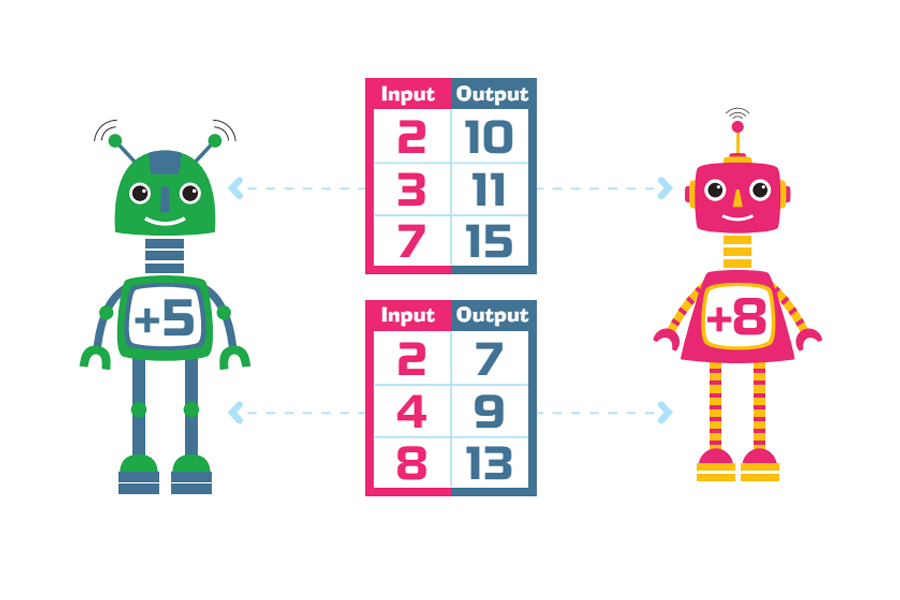
.jpg)
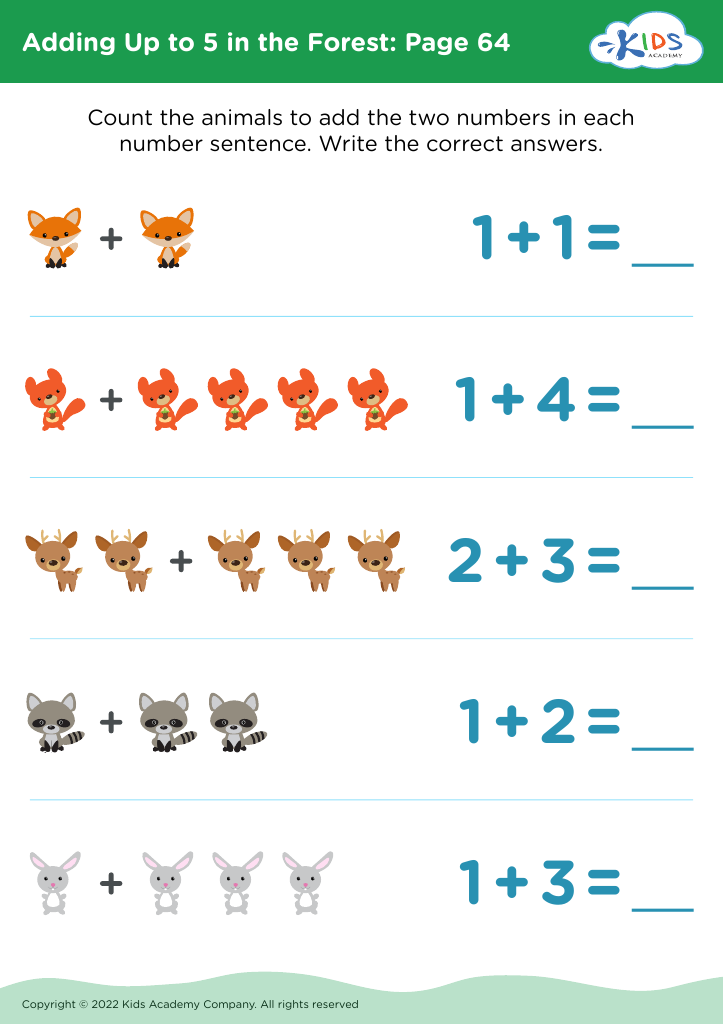
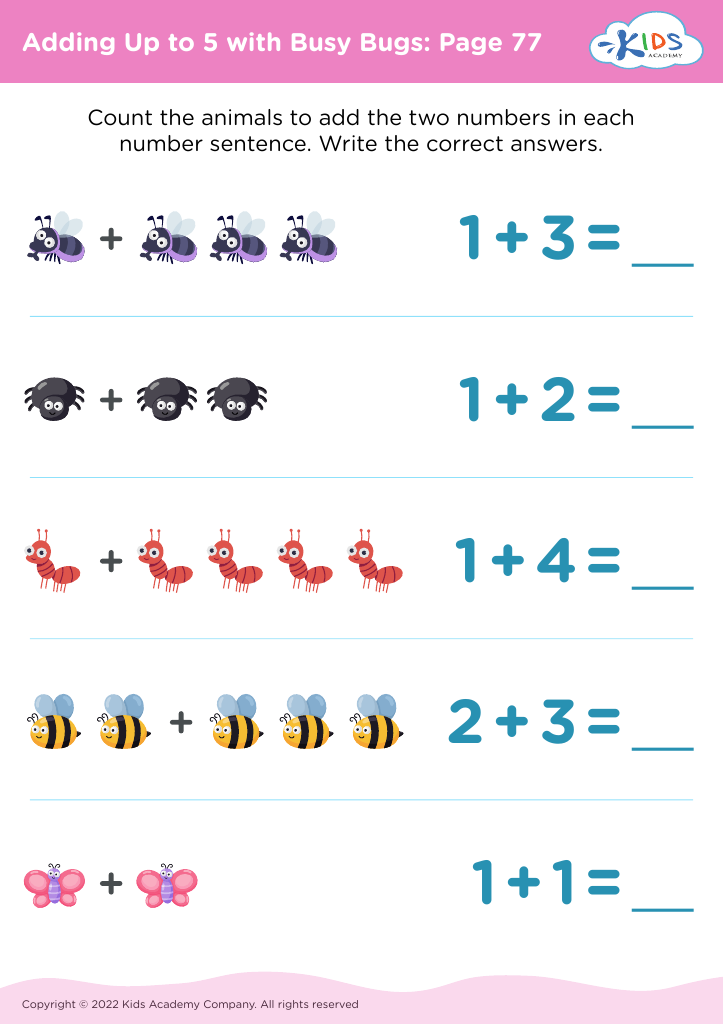
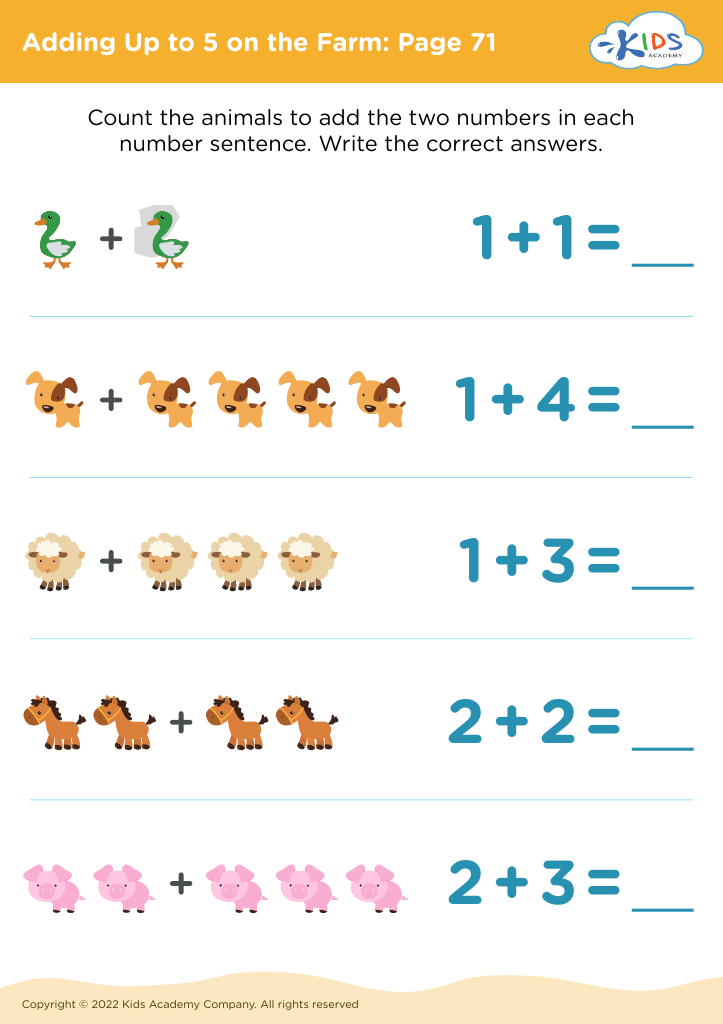
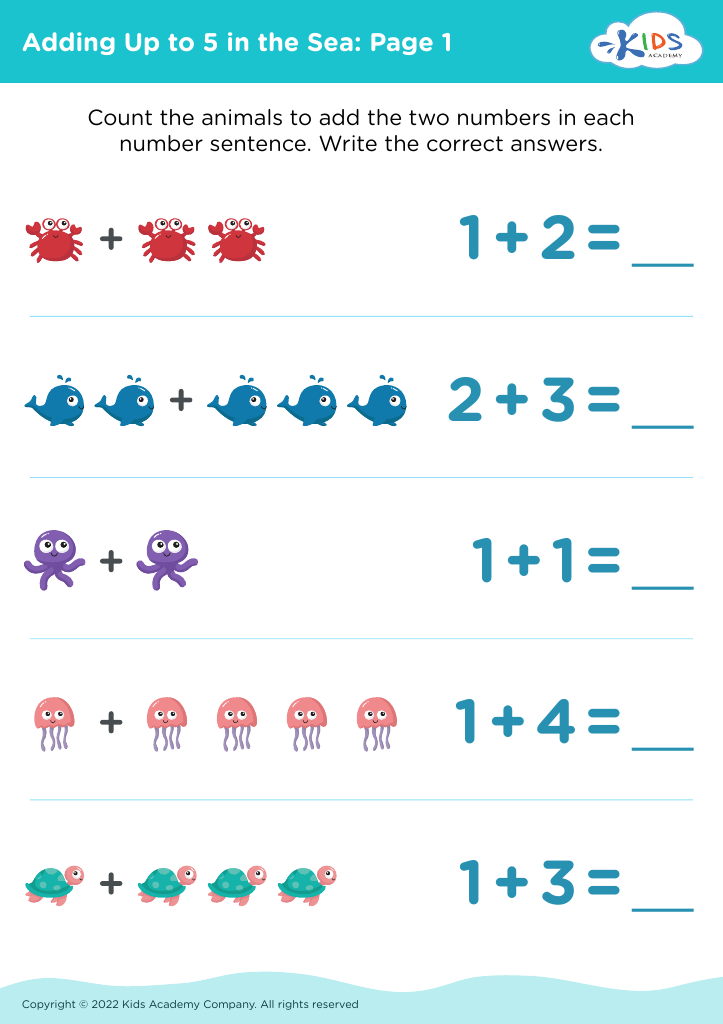
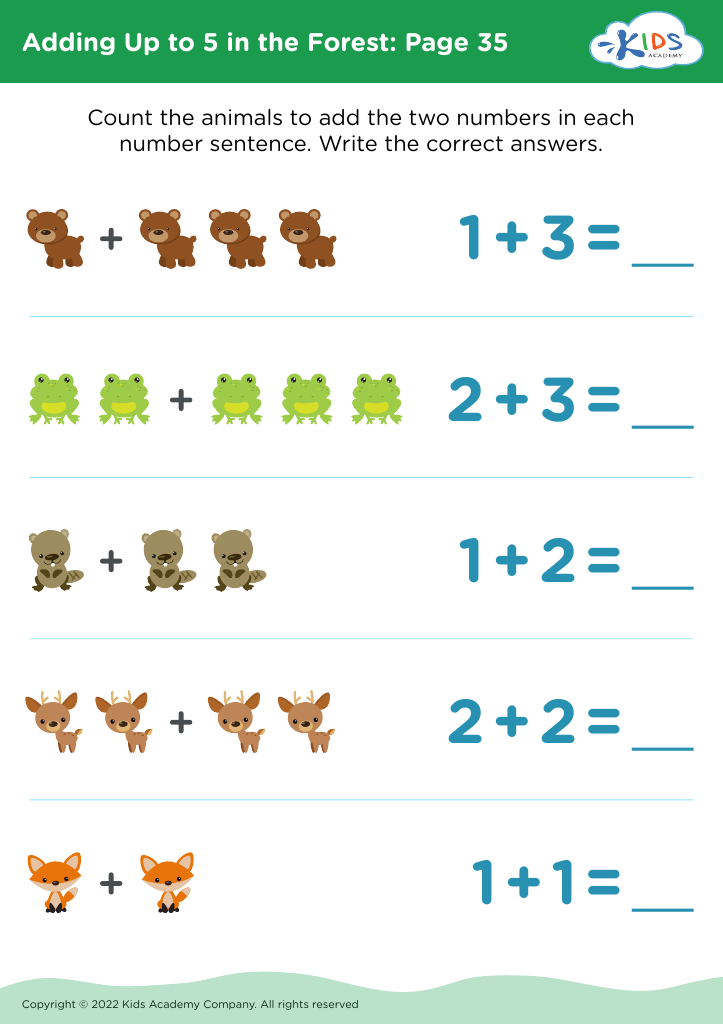
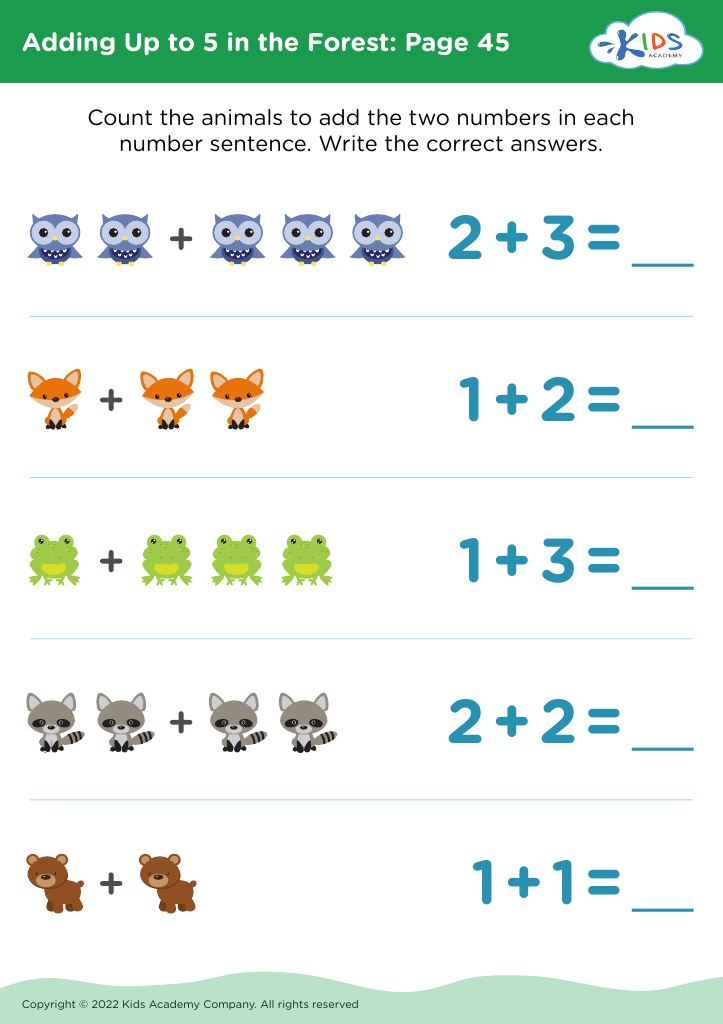
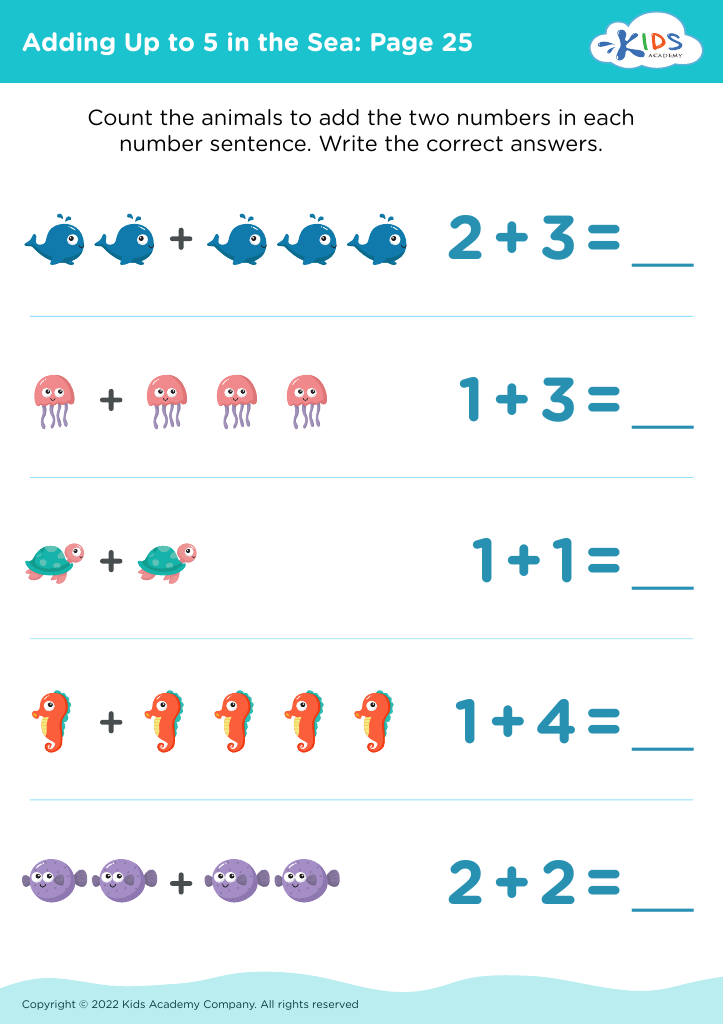
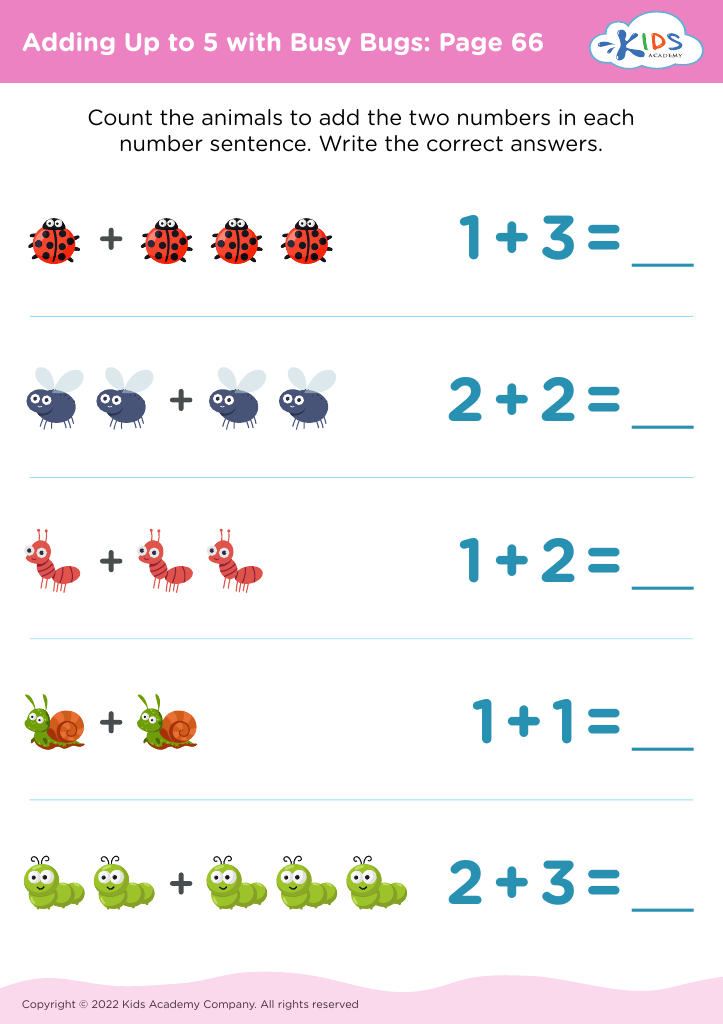
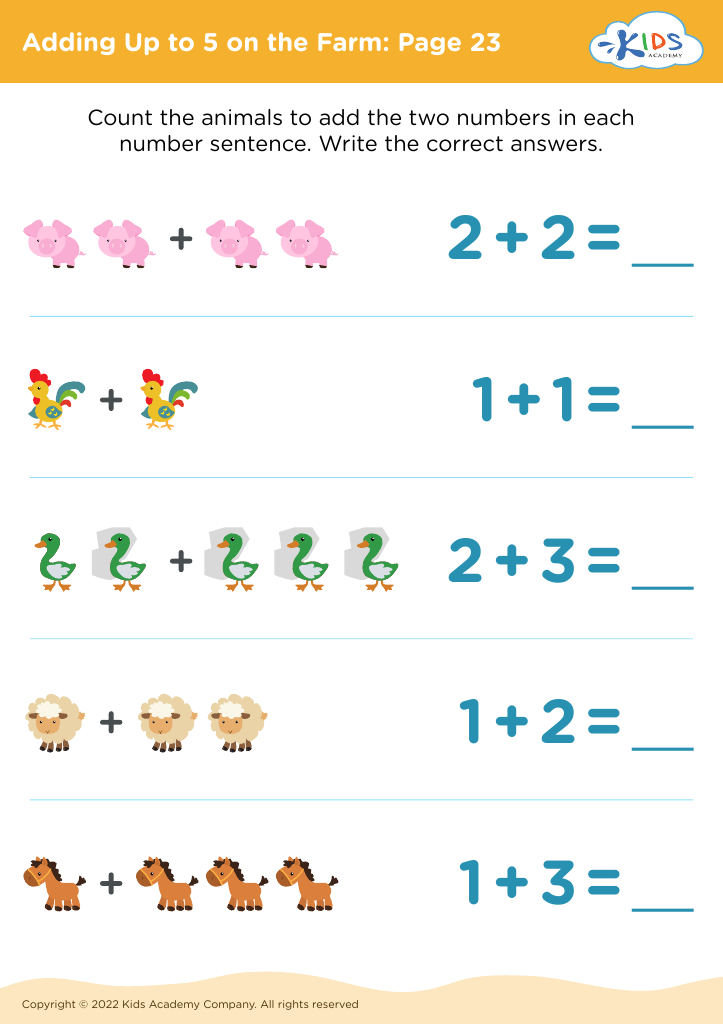
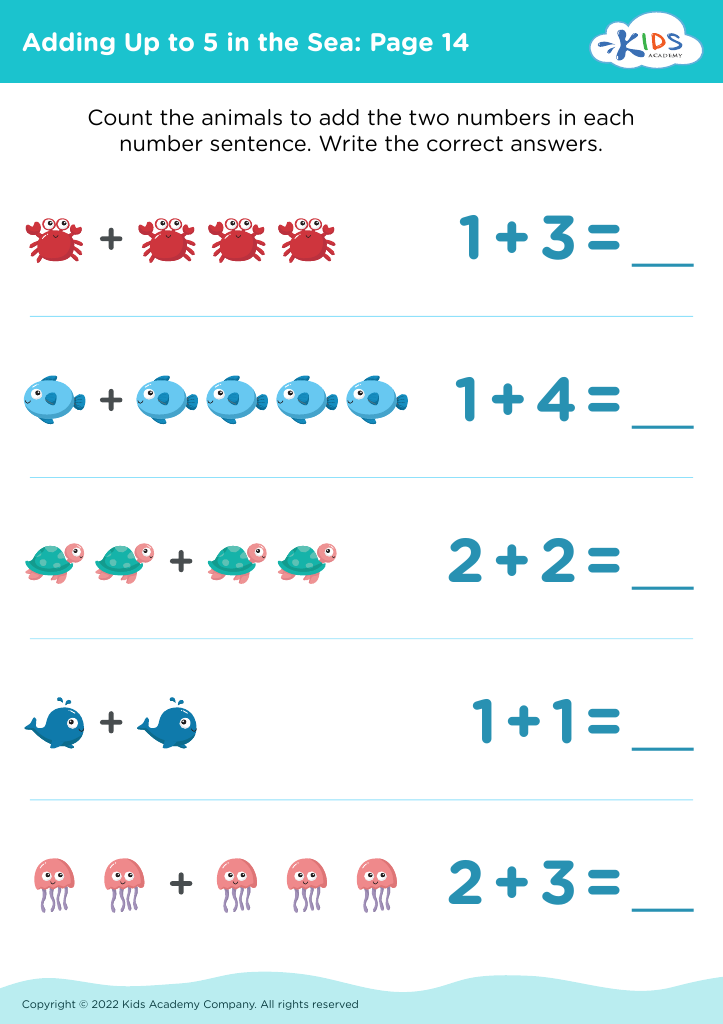
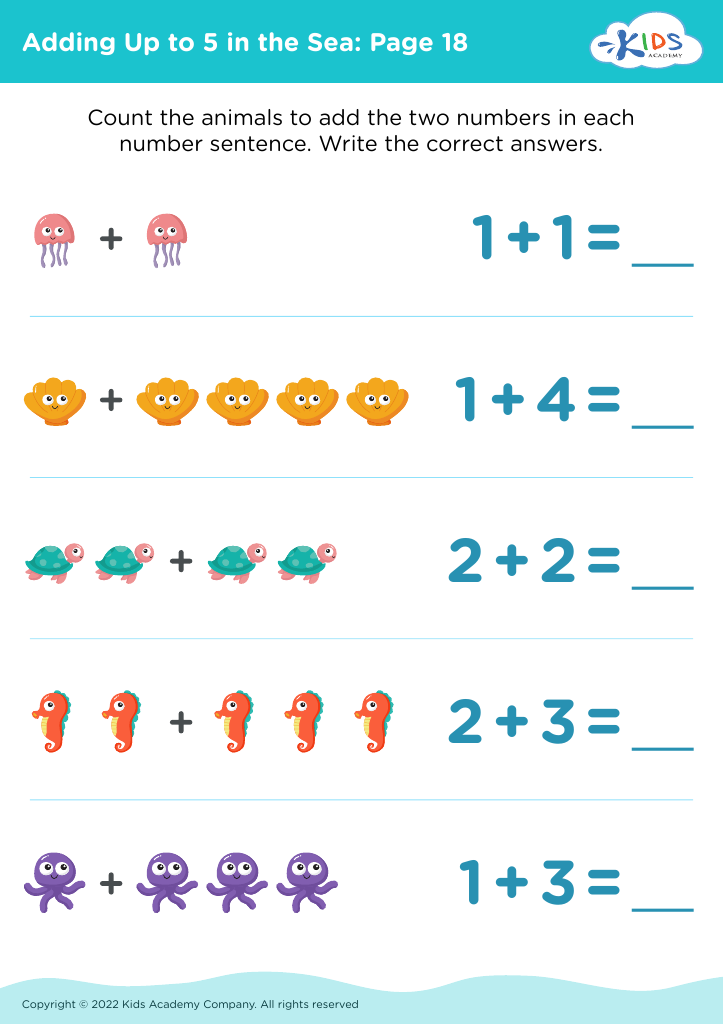
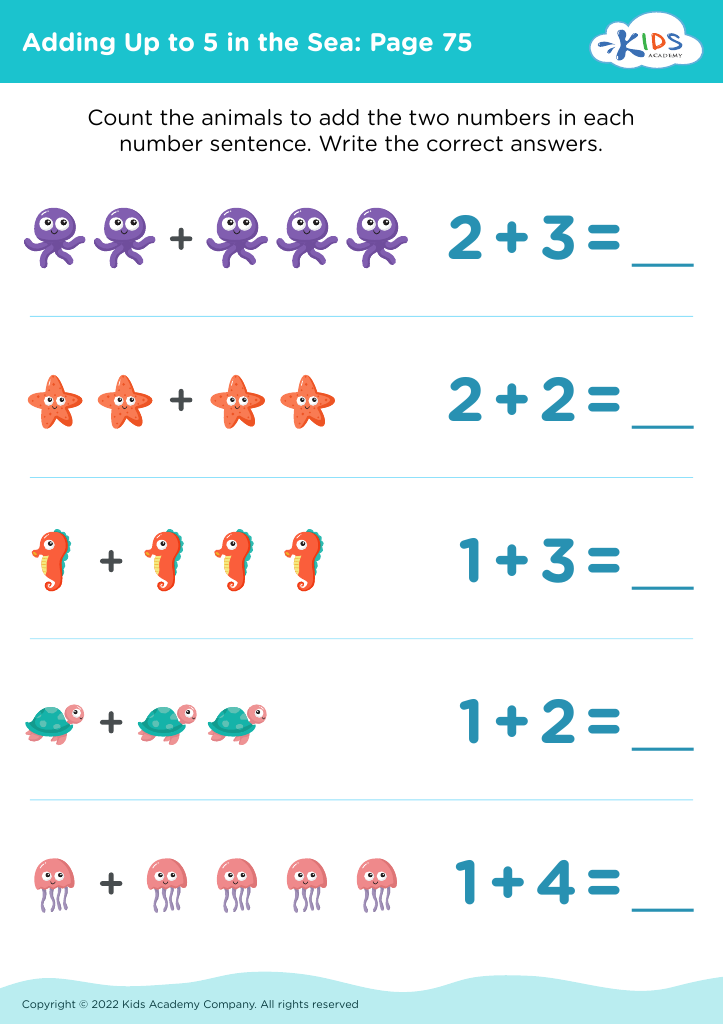
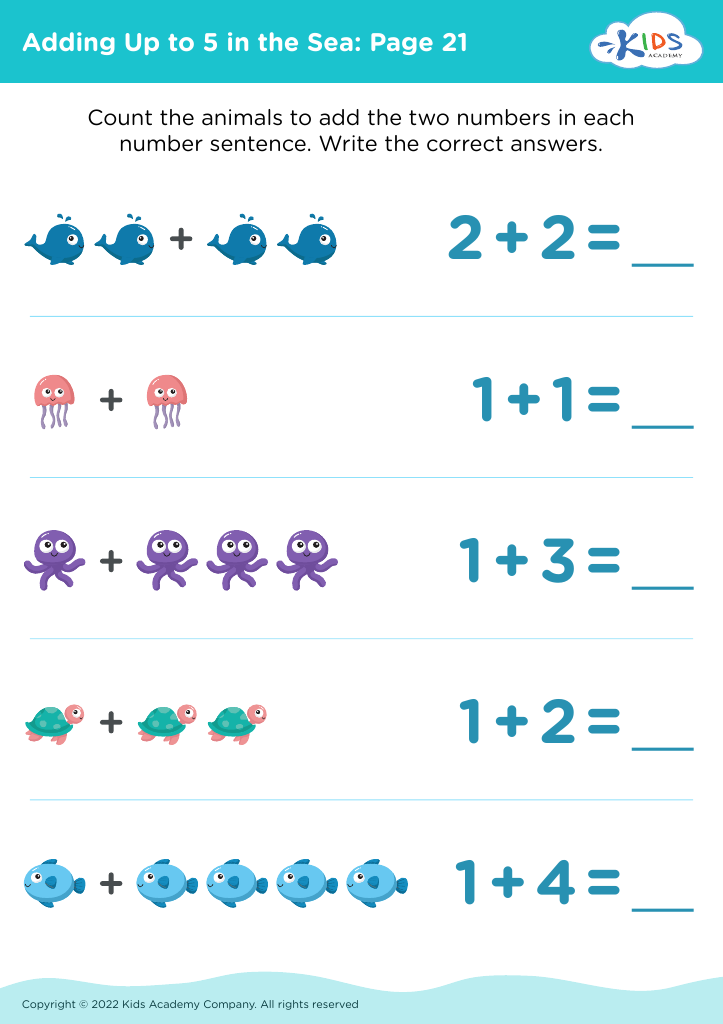
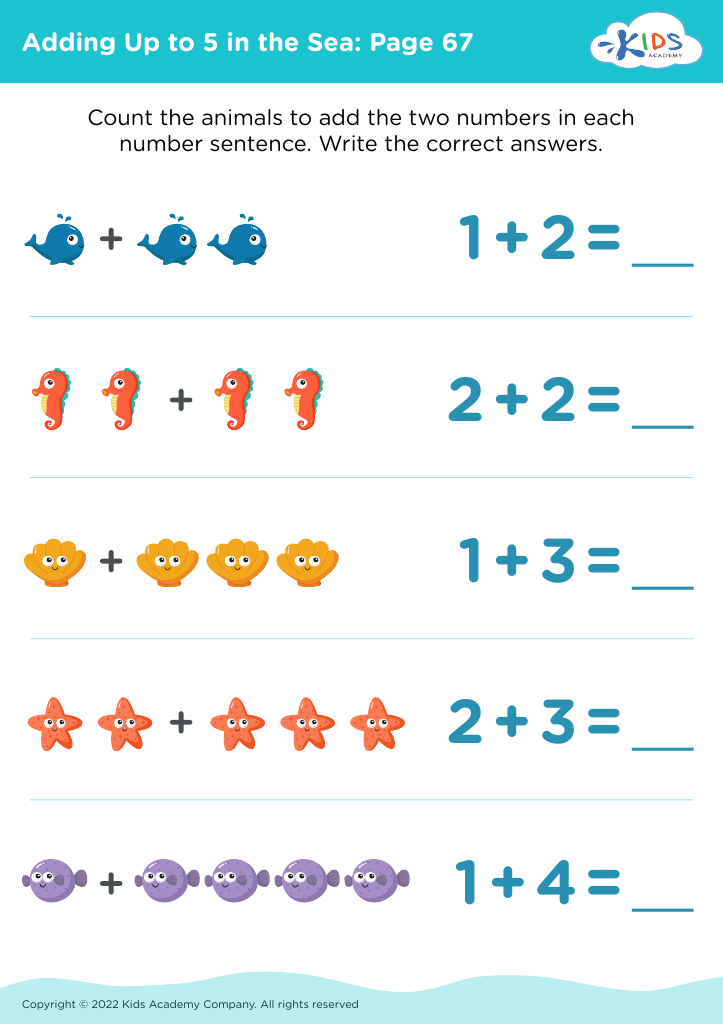
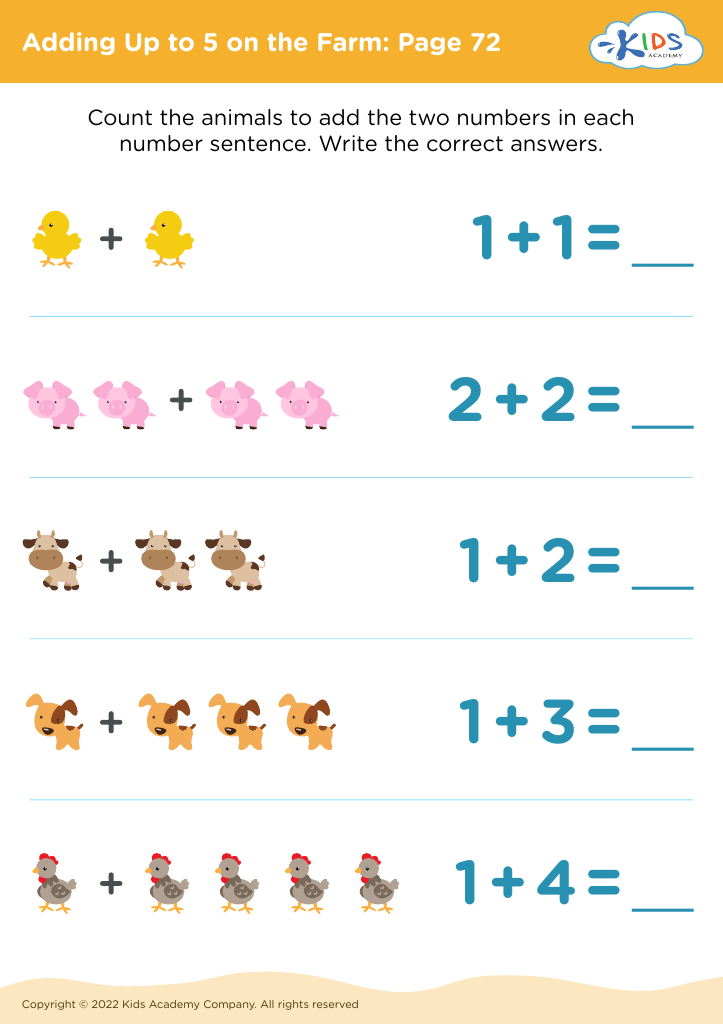
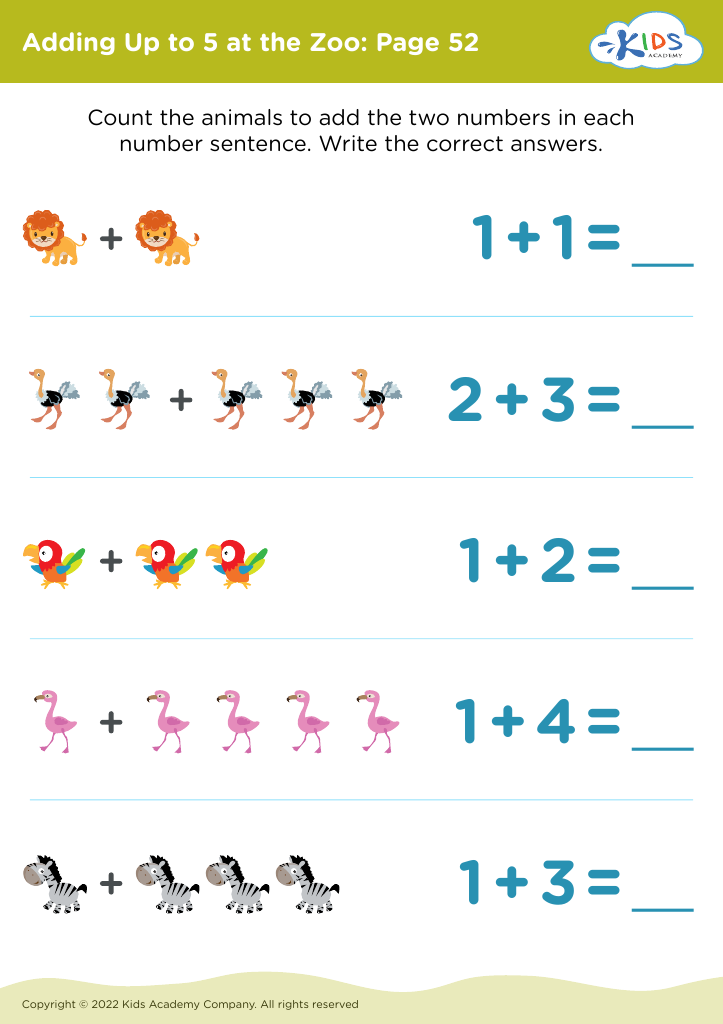
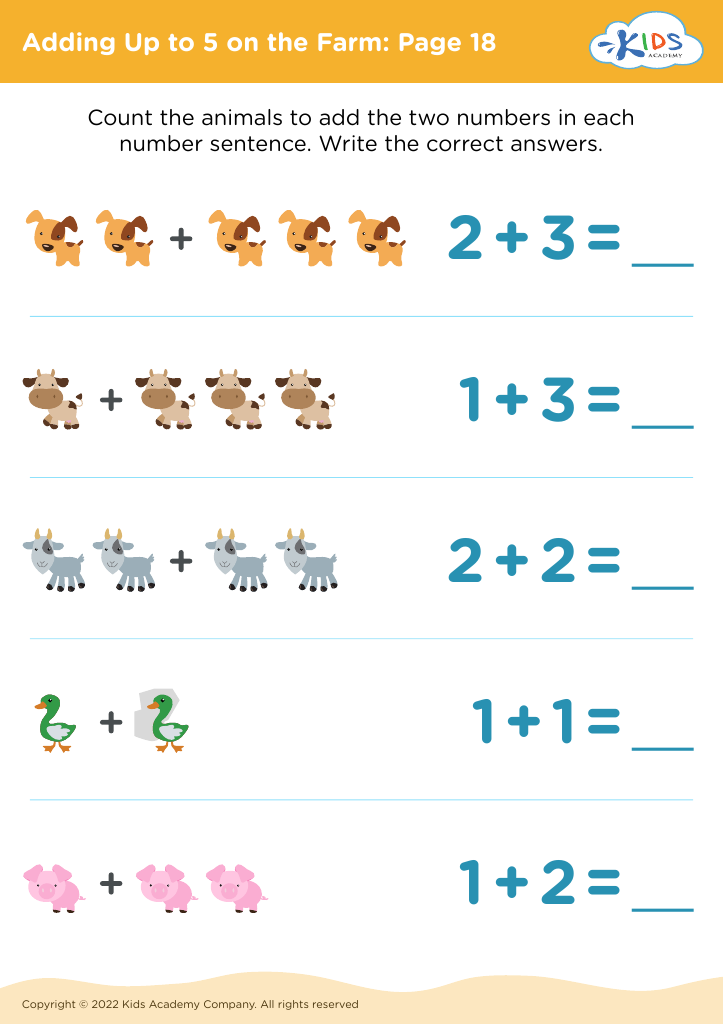
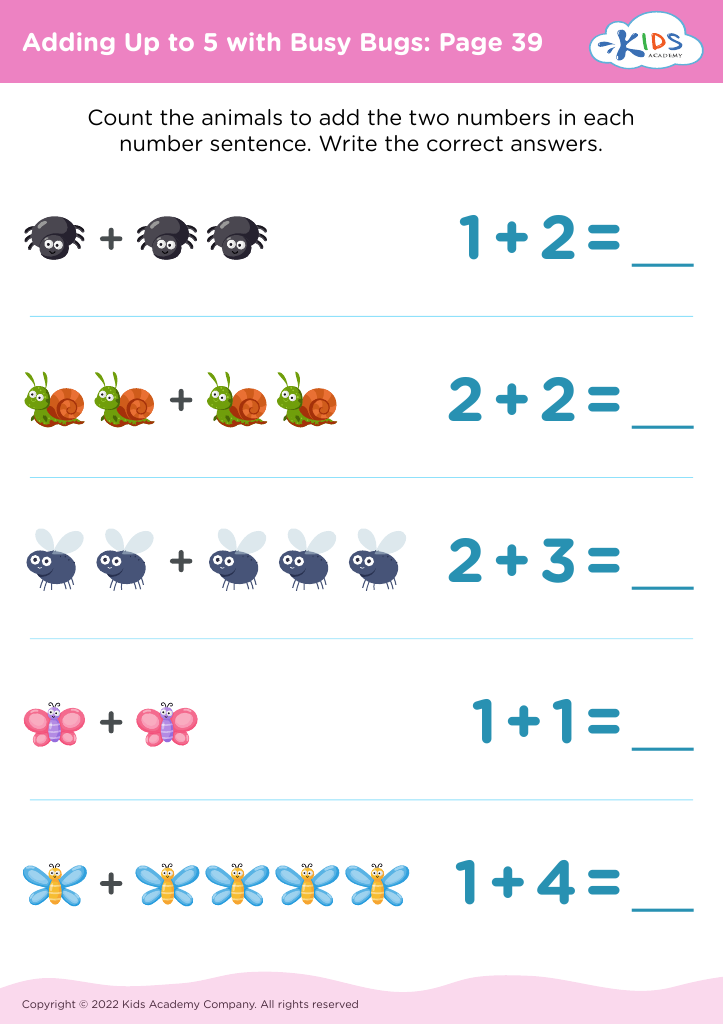
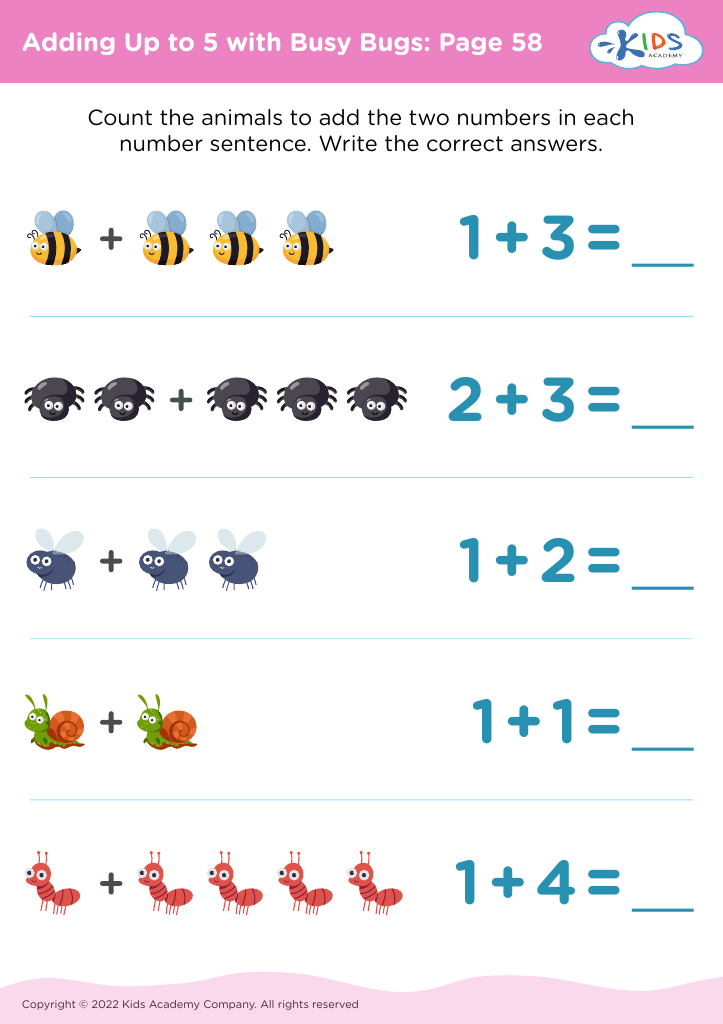
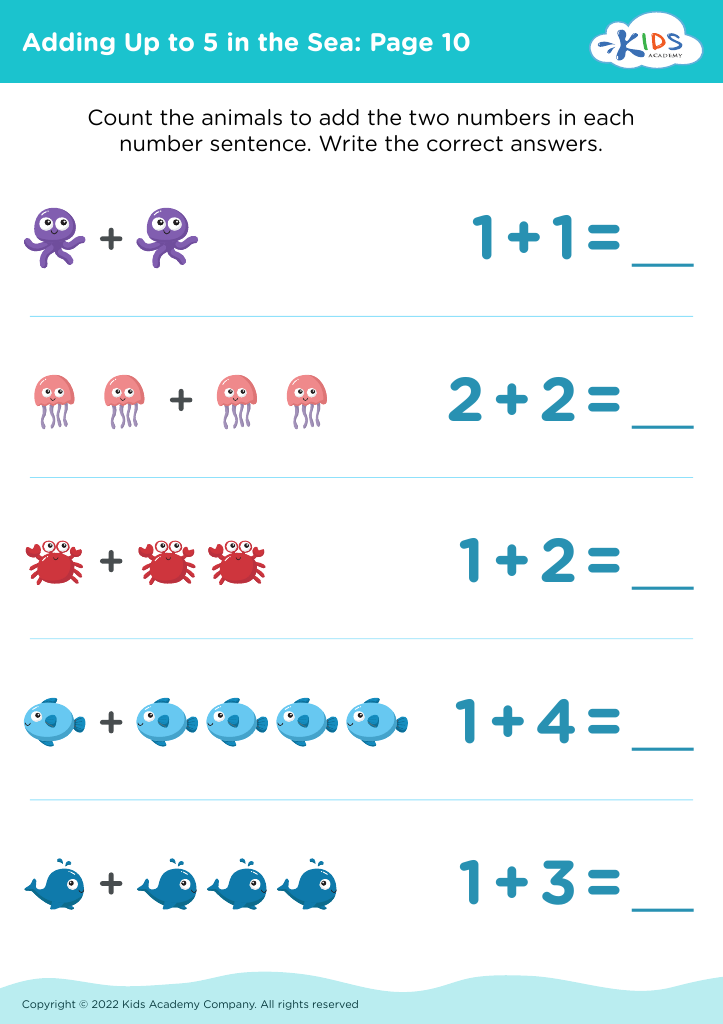
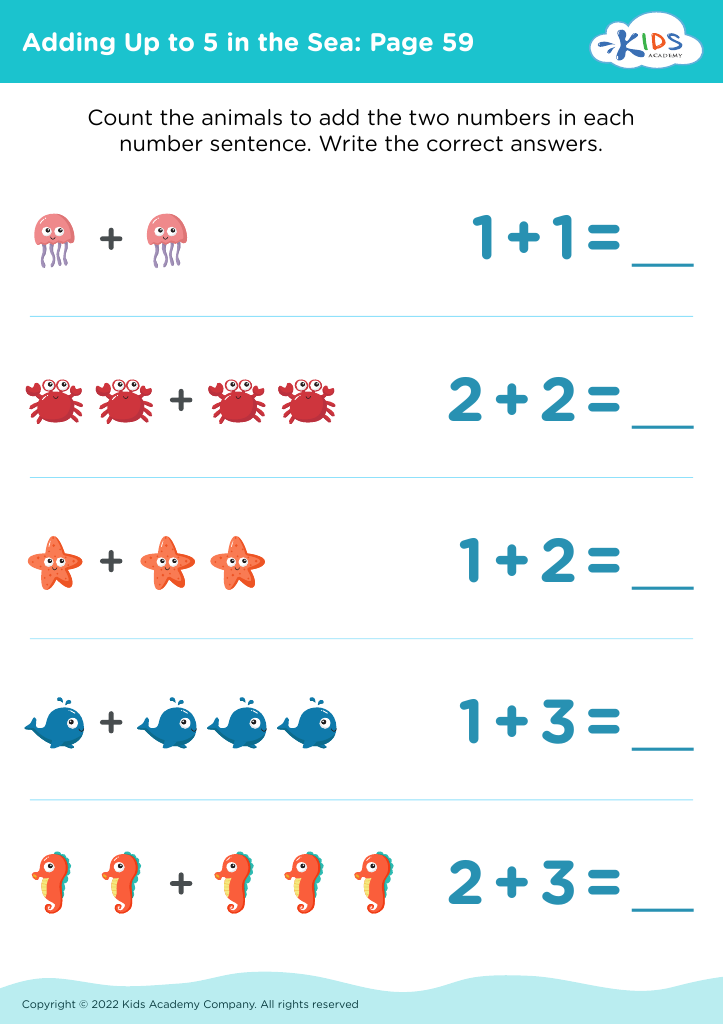
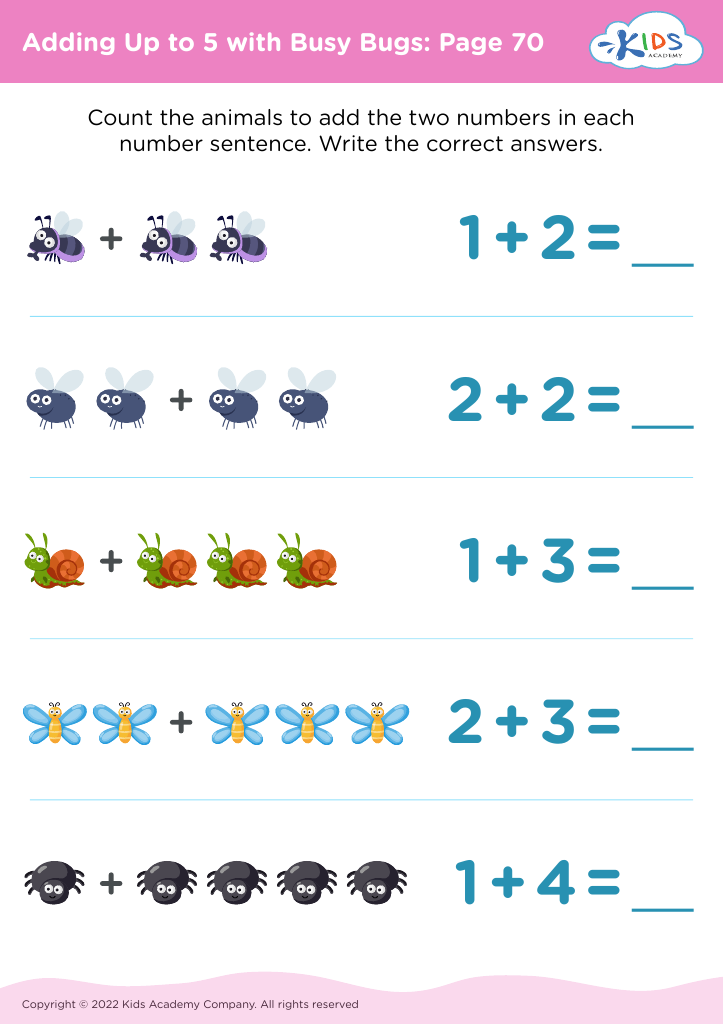
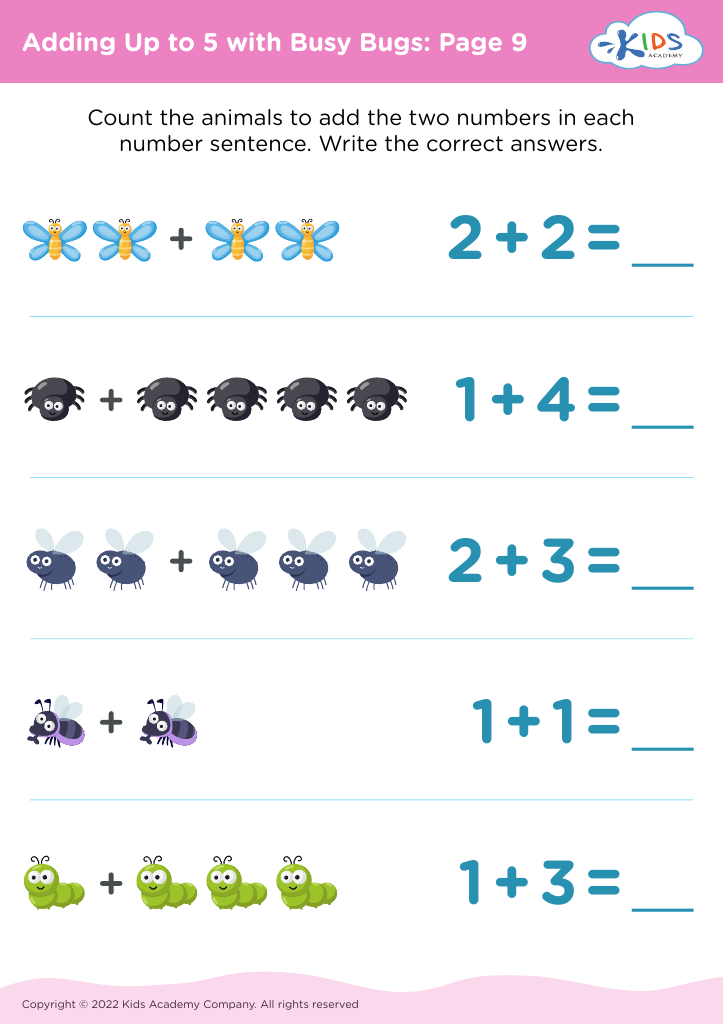
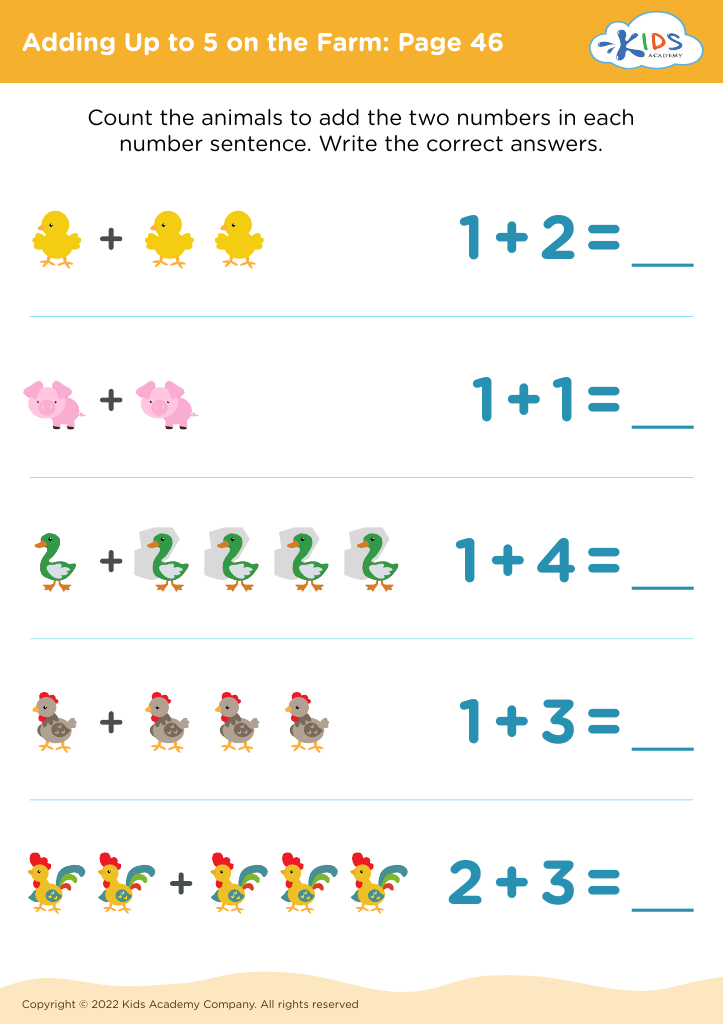
Parents and teachers should care about visual learning in addition because it significantly enhances students' understanding and retention of mathematical concepts. Visual learning techniques—such as using diagrams, charts, and manipulatives—tap into the way many children naturally process information, making abstract ideas more concrete and relatable. For example, representing numbers with objects enables children to visualize the process of addition, bridging the gap between abstract symbols and real-world applications.
Furthermore, visual learning aids cater to diverse learning styles, ensuring that each child can engage with the material in a way that resonates with them. This inherent flexibility can increase motivation and confidence, making math seem less intimidating. Additionally, visual strategies can support students in developing critical thinking skills as they learn to interpret information and solve problems.
Moreover, fostering a strong foundation in addition through visual learning can set the stage for future success in math. Strong early math skills are linked to academic achievement later in life. Therefore, by encouraging visual learning methods in the classroom and at home, parents and teachers can play a pivotal role in nurturing a lifelong interest in mathematics, ultimately laying the groundwork for ongoing academic and personal success.








