Understanding fractions Fractions Worksheets
11 filtered results
-
From - To
Welcome to our "Understanding Fractions" worksheets page, designed to help young learners grasp the fundamentals of fractions through engaging and interactive activities. These worksheets provide clear explanations and practical examples to make concepts easily understandable. With a variety of exercises, including visual aids, students will learn to identify, compare, and use fractions in different contexts. Our resources are perfect for reinforcing classroom learning and can be used at home for additional practice. Empower your child’s math skills with our thoughtfully crafted worksheets and watch their confidence soar as they master the world of fractions! Explore our collection today!
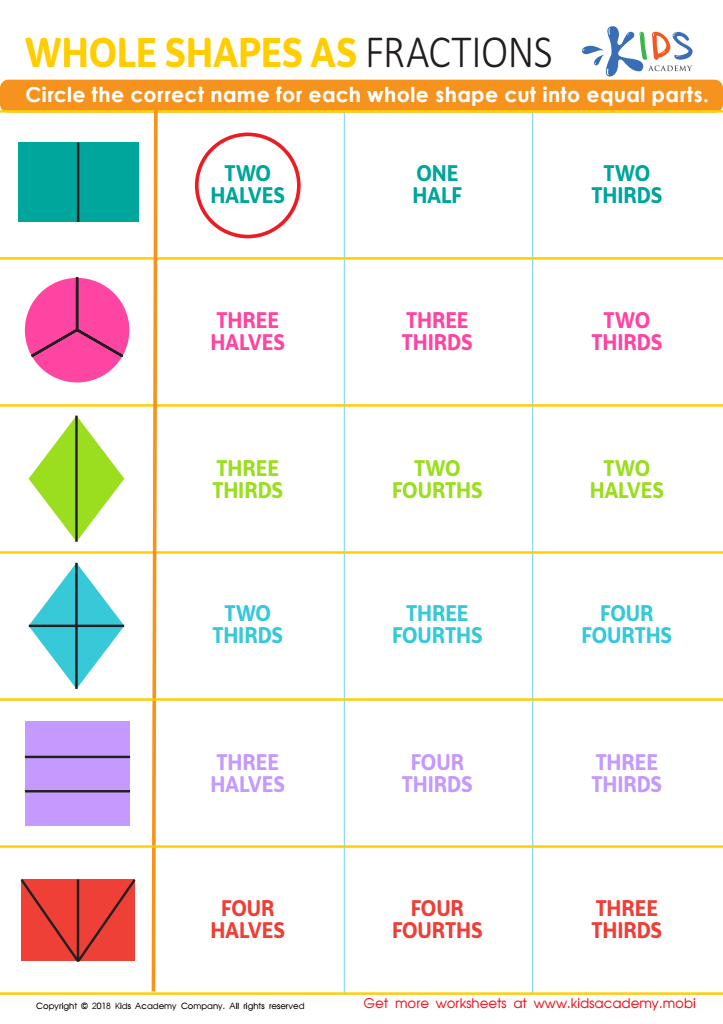
Whole Shapes as Fractions Worksheet
 Assign to My Students
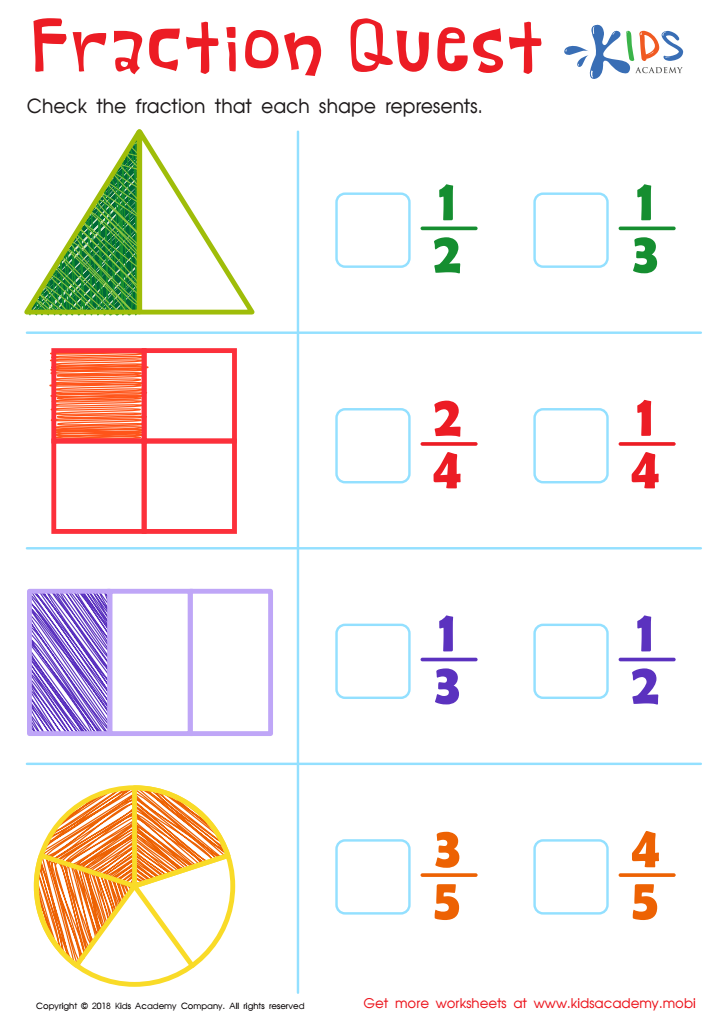
Fraction Quest Worksheet
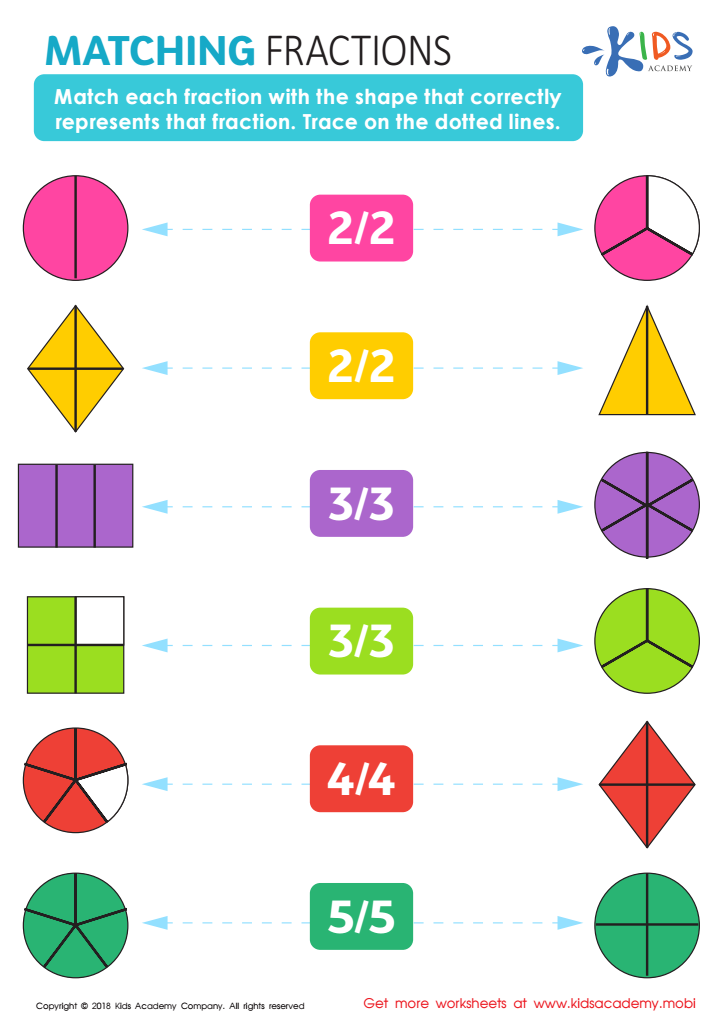
Matching Fractions Worksheet
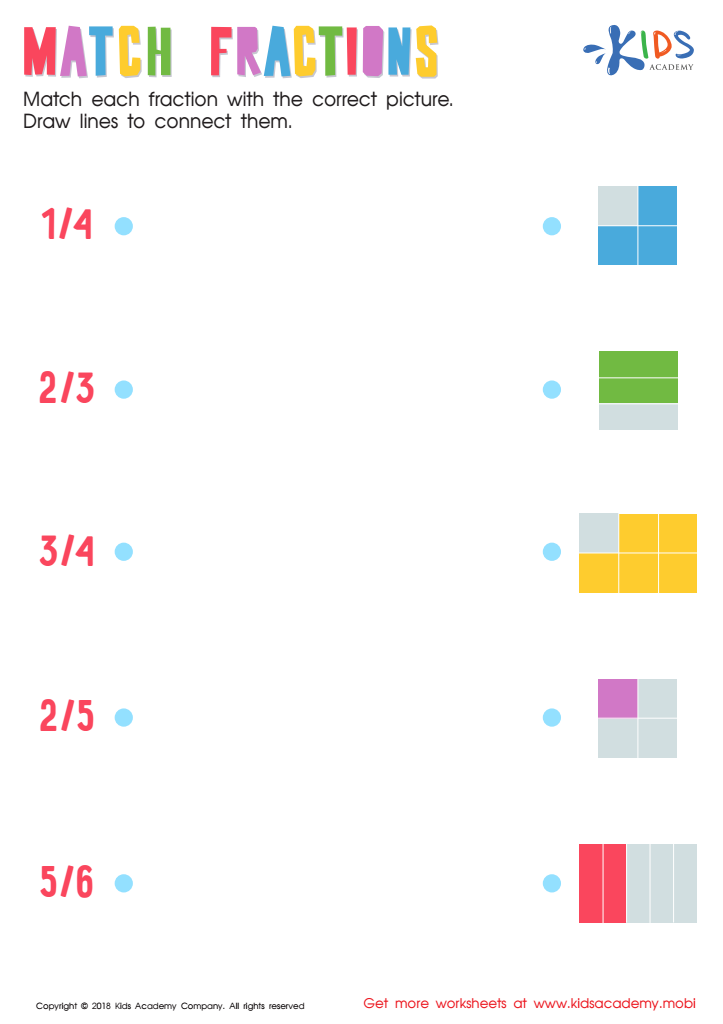
Match Fractions Worksheet
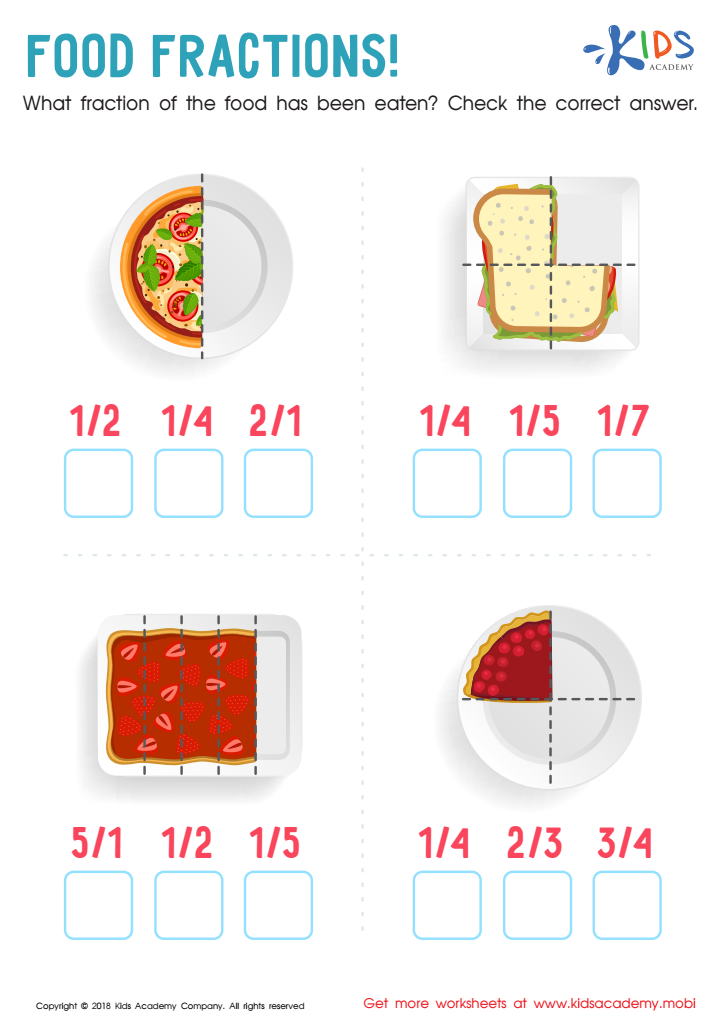
Food Fractions Worksheet
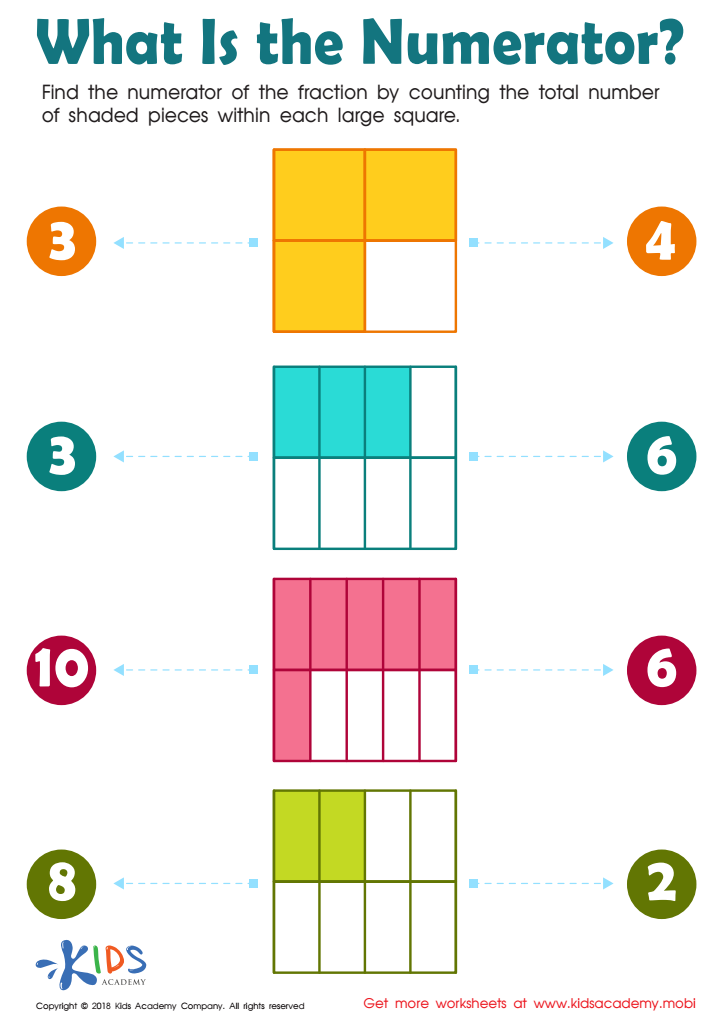
What Is the Numerator? Worksheet
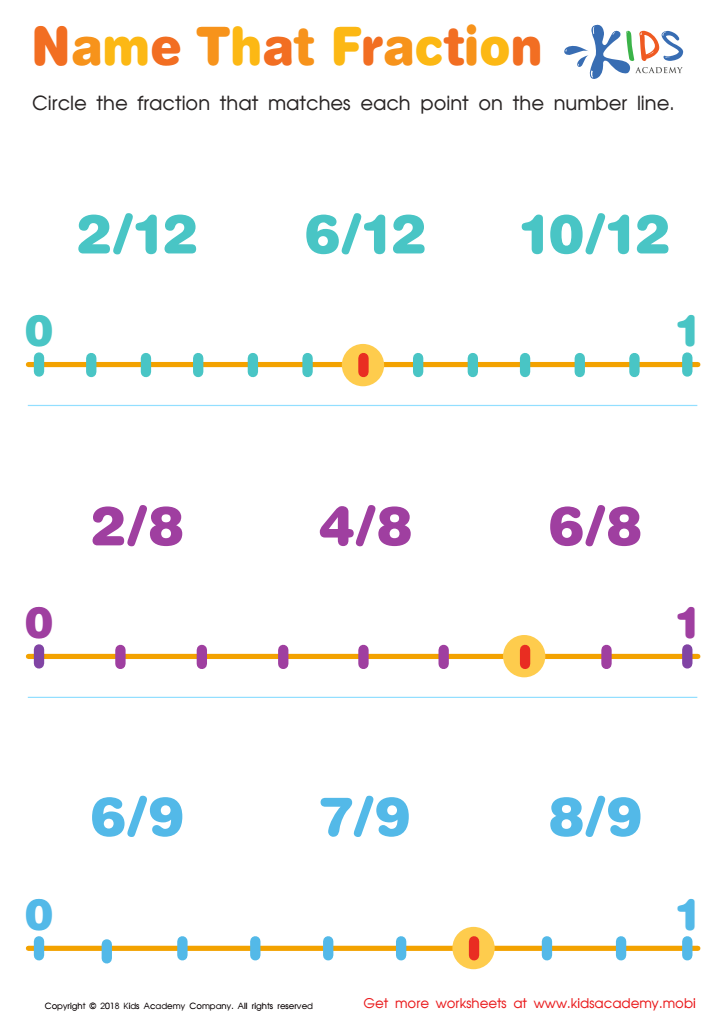
Name That Fraction Worksheet
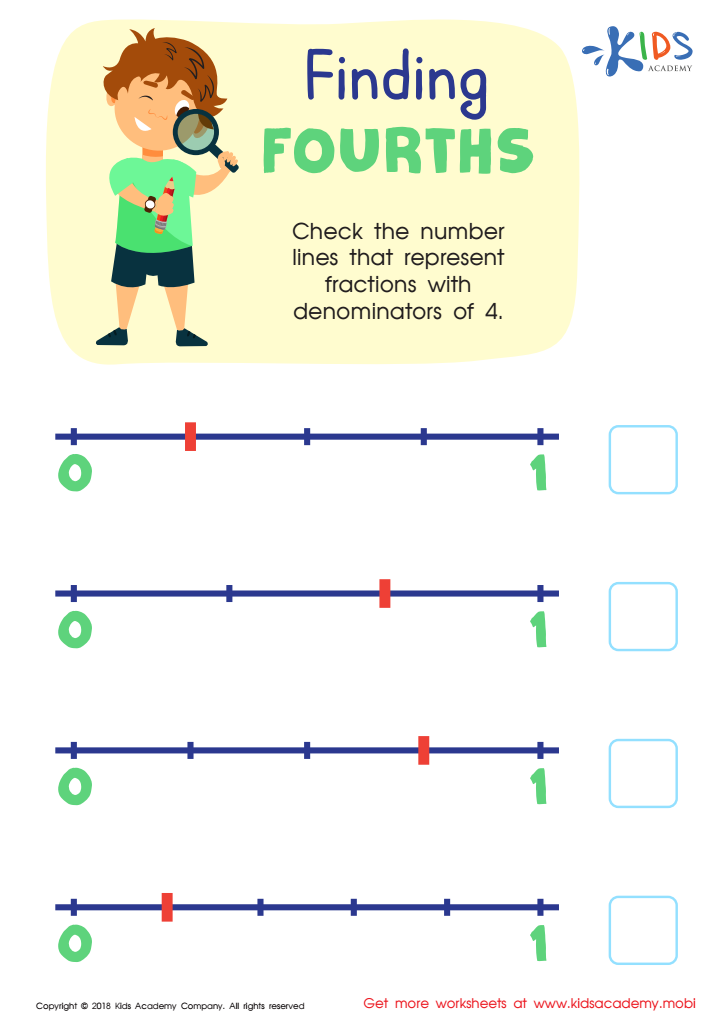
Finding Fourths Worksheet
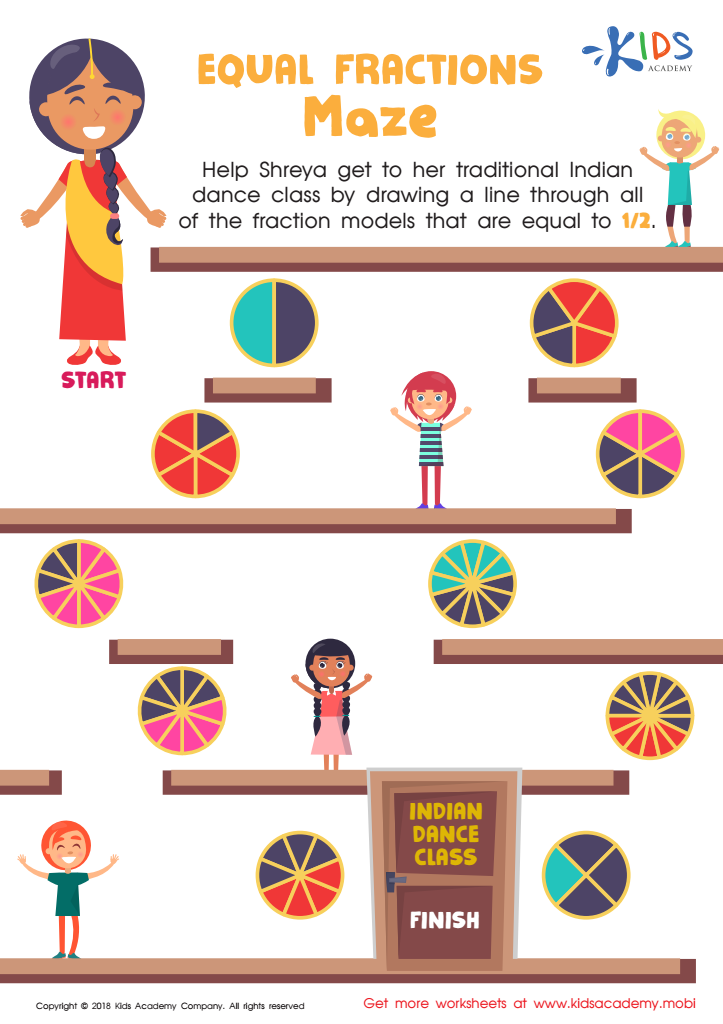
Equal Fractions Maze Worksheet
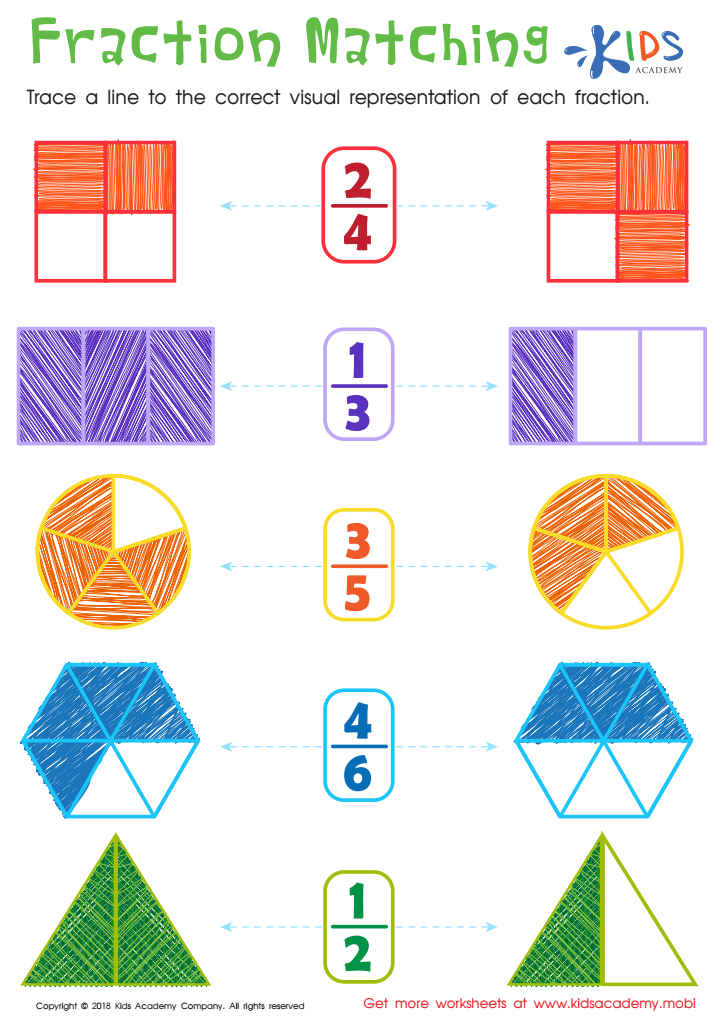
Fraction Matching Worksheet
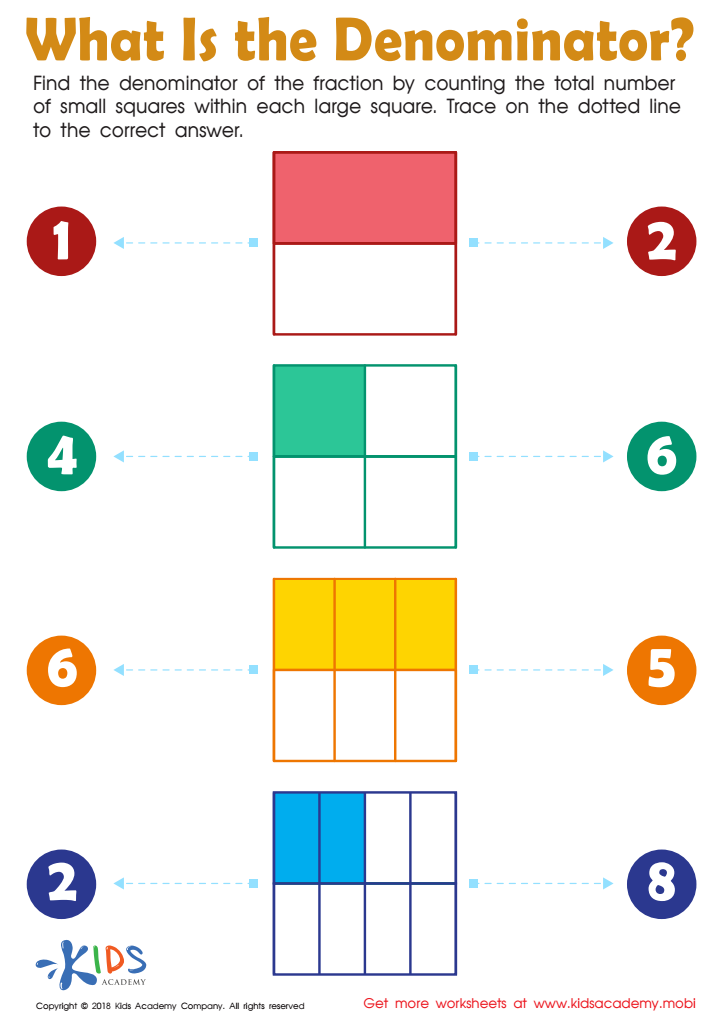
What Is the Denominator? Worksheet


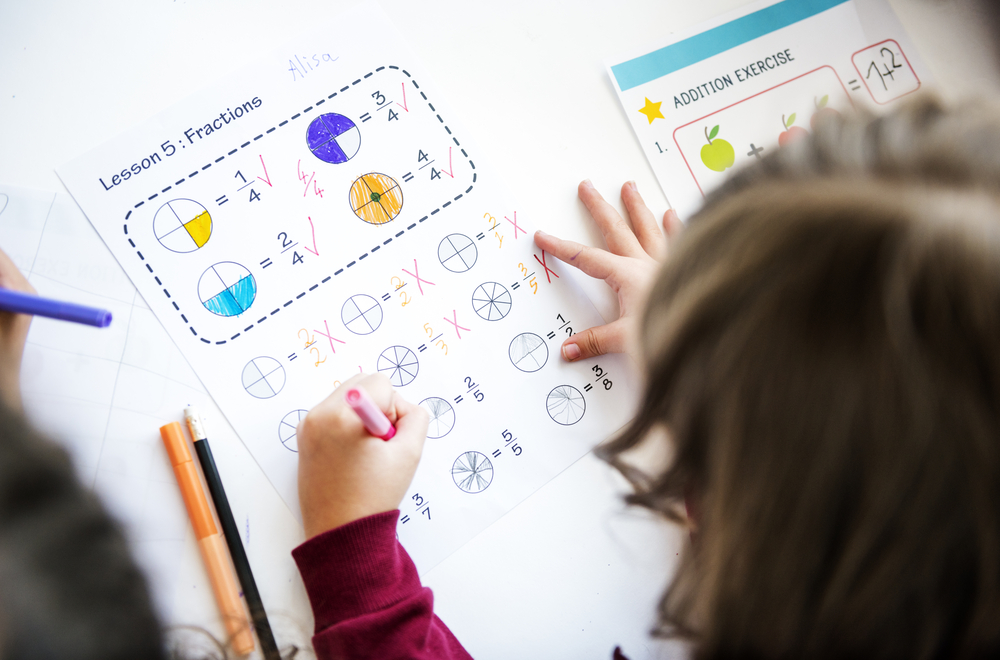
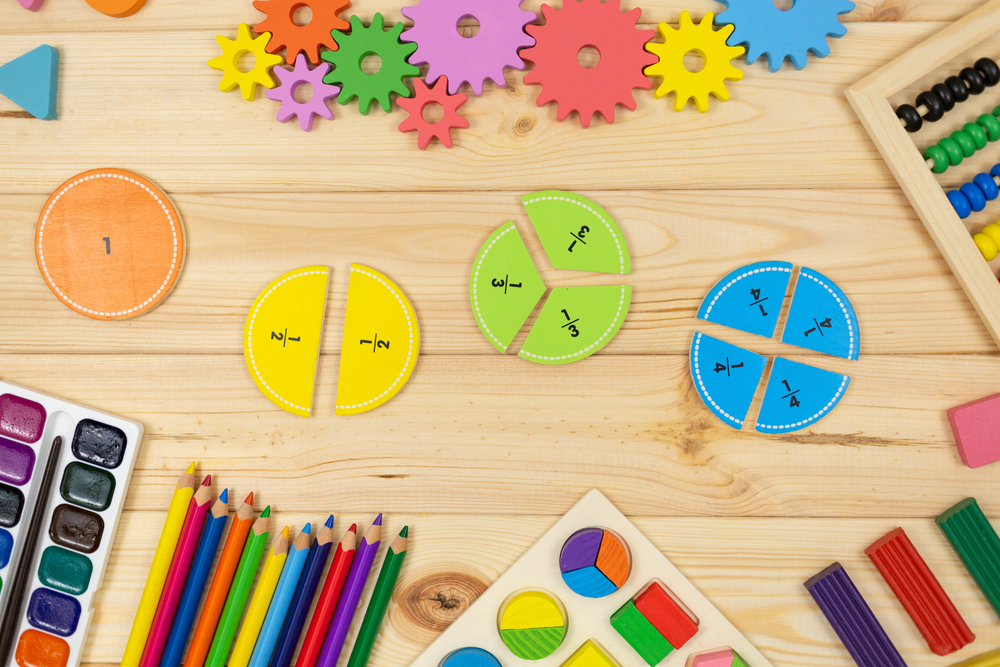



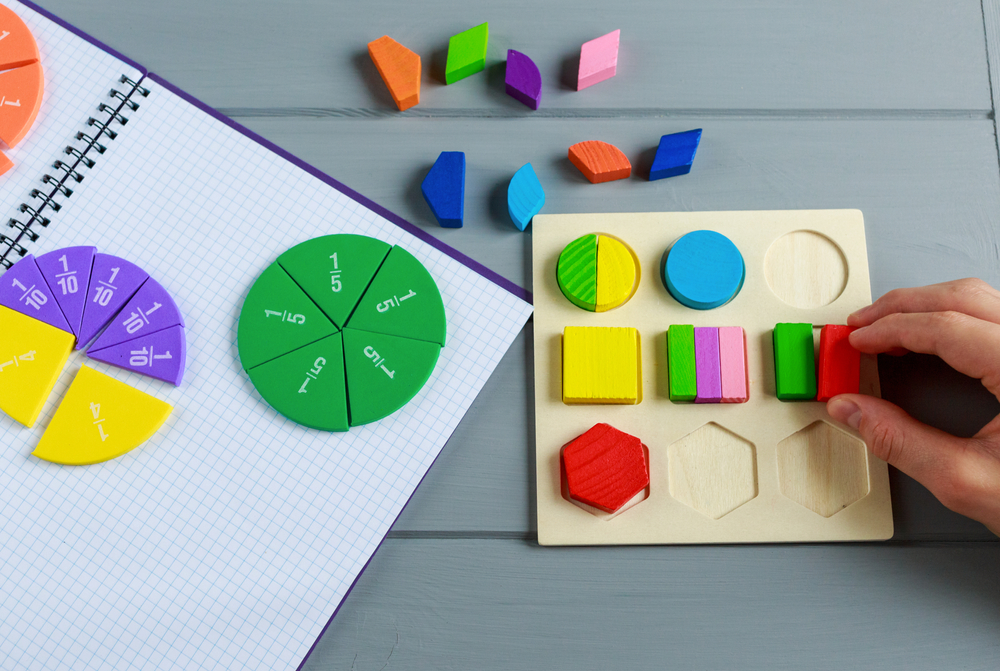
Understanding fractions is essential for young learners as it lays the groundwork for more advanced mathematical concepts and everyday decision-making. For parents and teachers, ensuring that children grasp the concept of fractions is crucial because it supports critical thinking and problem-solving skills. Fractions are not just abstract ideas; they're used in a variety of daily scenarios—baking requires precise measurements, shopping often involves discounts and price calculations, and dividing resources among friends or family members.
Additionally, a solid understanding of fractions enhances students’ abilities in areas like geometry, algebra, and data analysis, all of which are foundational for later academic success. When educators emphasize fractions in their teaching, they help cultivate a growth mindset, encouraging persistence and resilience as children tackle challenges.
It's also vital for parents to create a supportive learning environment at home, engaging in activities that involve fractions, such as cooking or sharing snacks, which can make learning relatable and fun. By caring about their child’s understanding of fractions, parents and teachers not only equip students with essential skills but also foster a love for learning that can last a lifetime. Ultimately, mastery of fractions builds the confidence needed for ongoing mathematical success and practical life applications.








