Fine Motor Skills Numbers Worksheets - Page 4
86 filtered results
-
From - To

Great Hornbill – Coloring by Numbers

Counting on the City Skyline: Dot-to-Dot Worksheet
 Assign to My Students
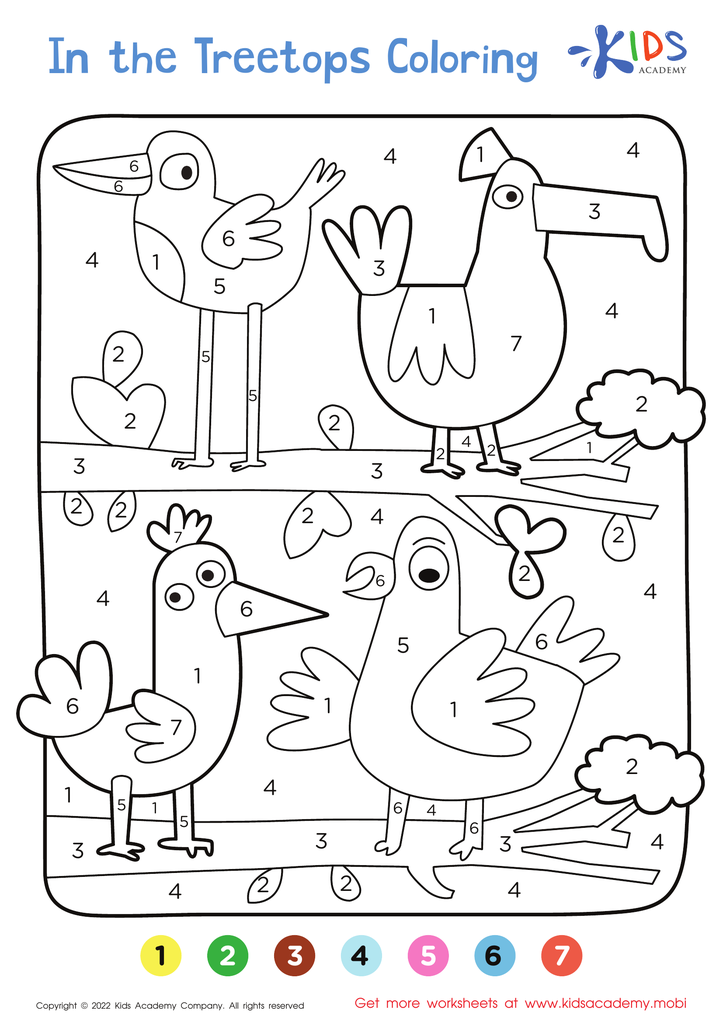
In the Treetops – Coloring Page

Twinkle, Twinkle, Little Star – Coloring by Numbers
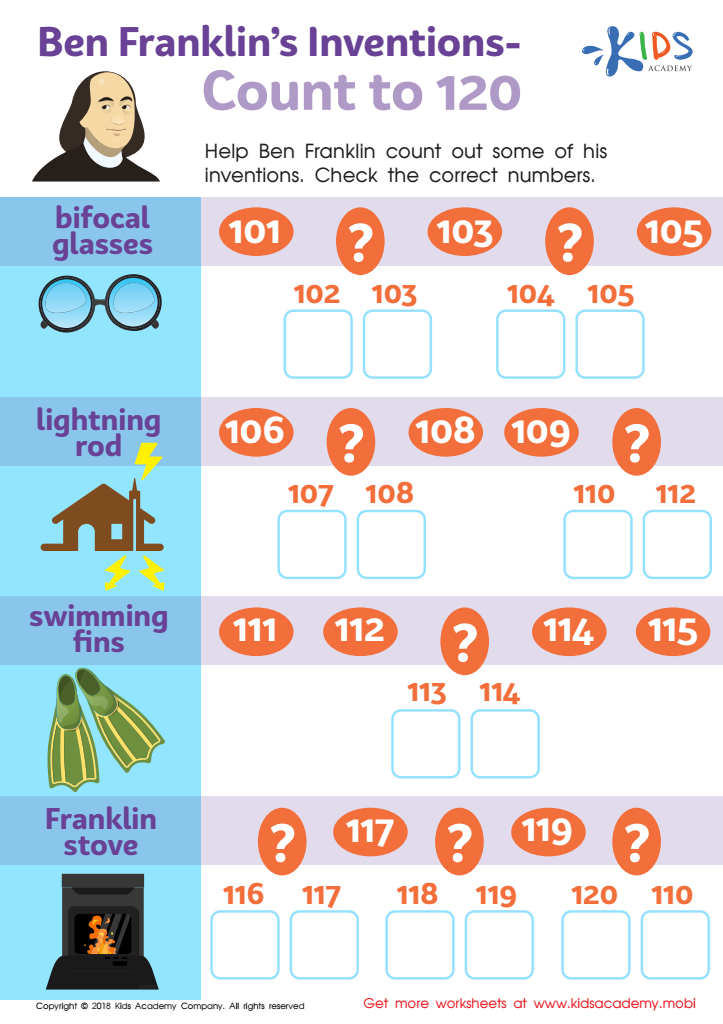
Ben Franklin’s Inventions – Count to 120 Worksheet
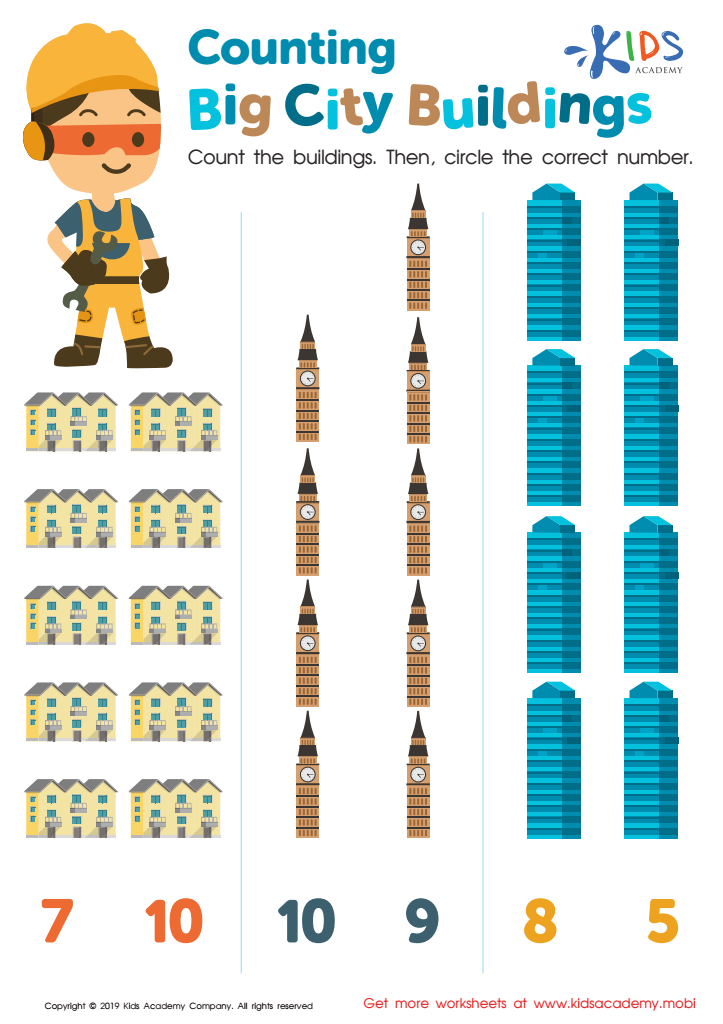
Counting Big City Buildings Worksheet

Wheels on the Bus – Coloring by Numbers
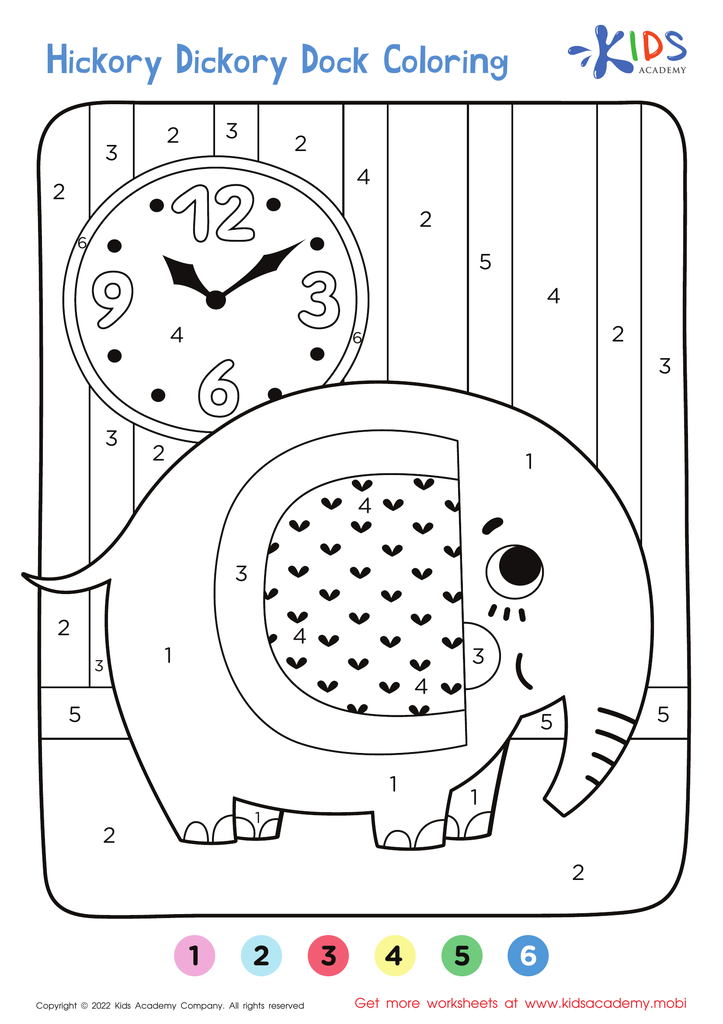
Hickory Dickory Dock – Coloring by Numbers

Night Sky Numbers Worksheet
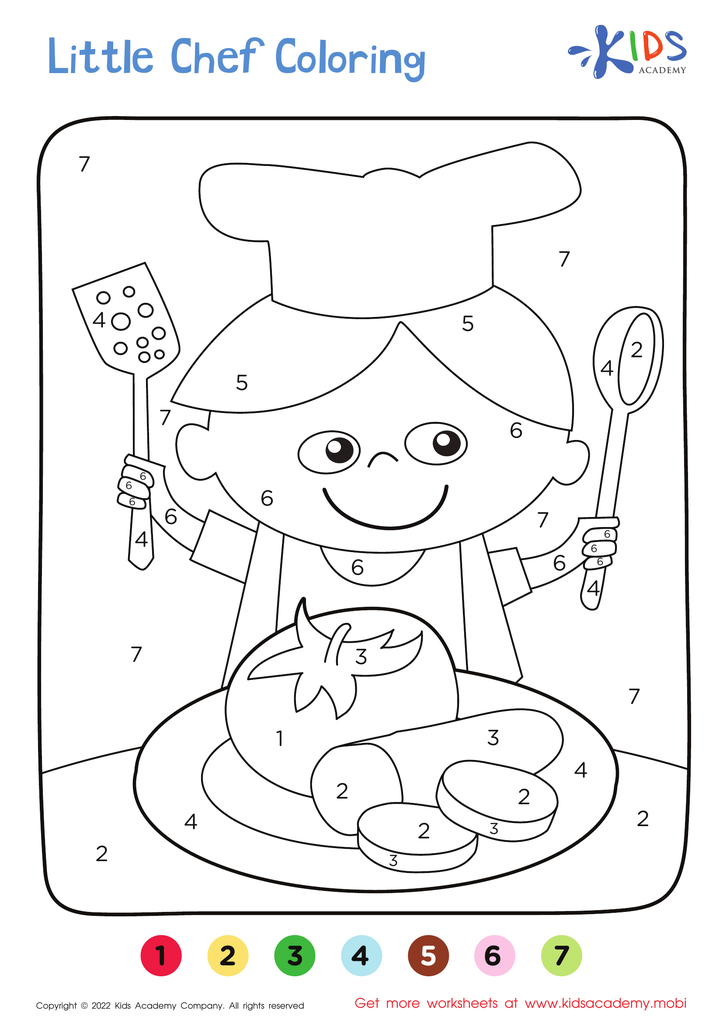
Little Chef – Coloring by Numbers
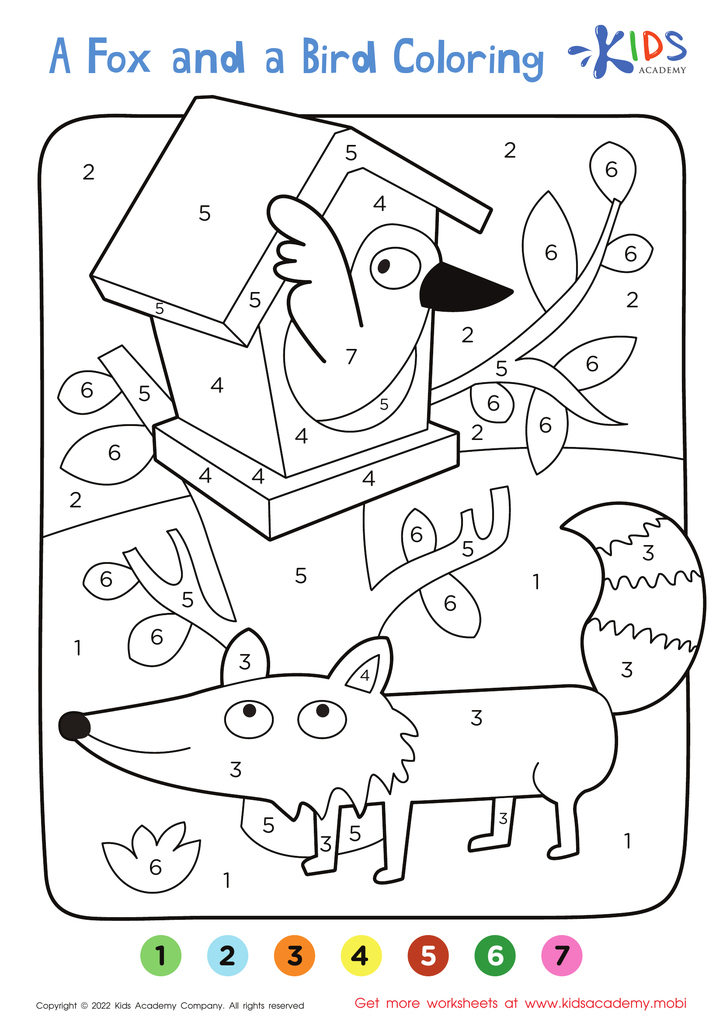
A Fox and a Bird – Coloring by Numbers
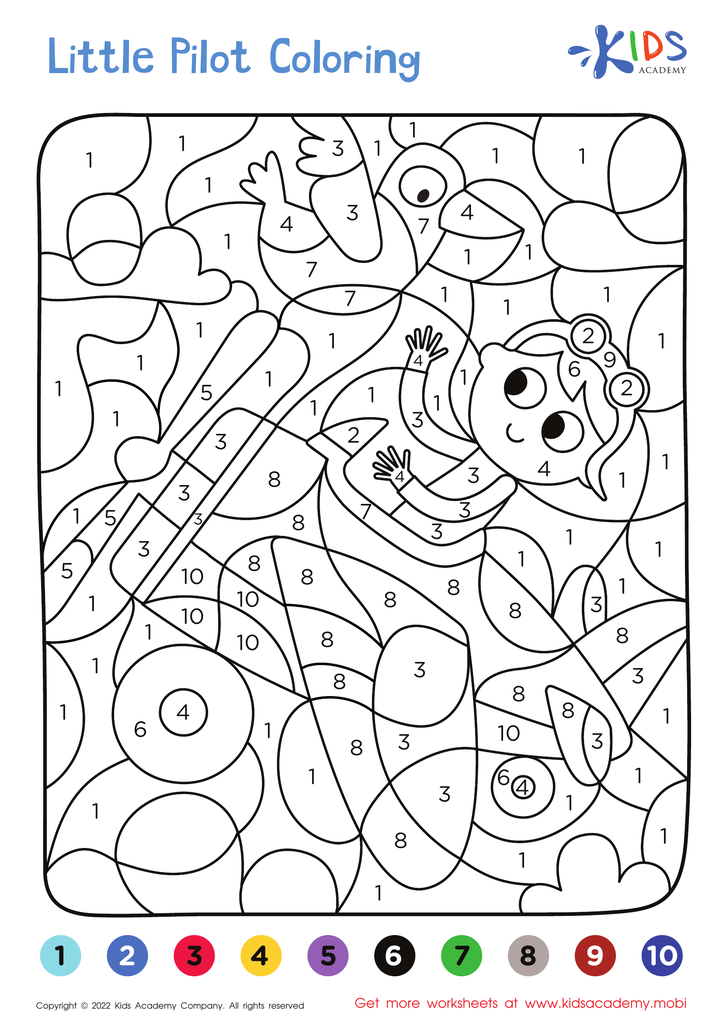
Little Pilot – Coloring by Numbers
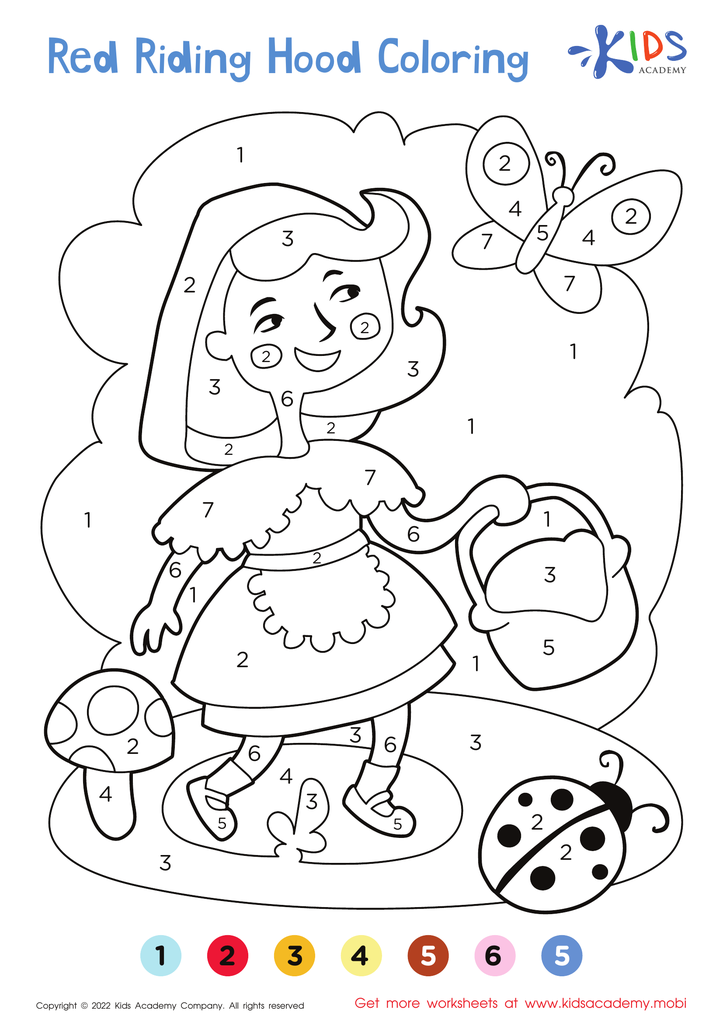
Little Red Riding Hood – Coloring by Numbers
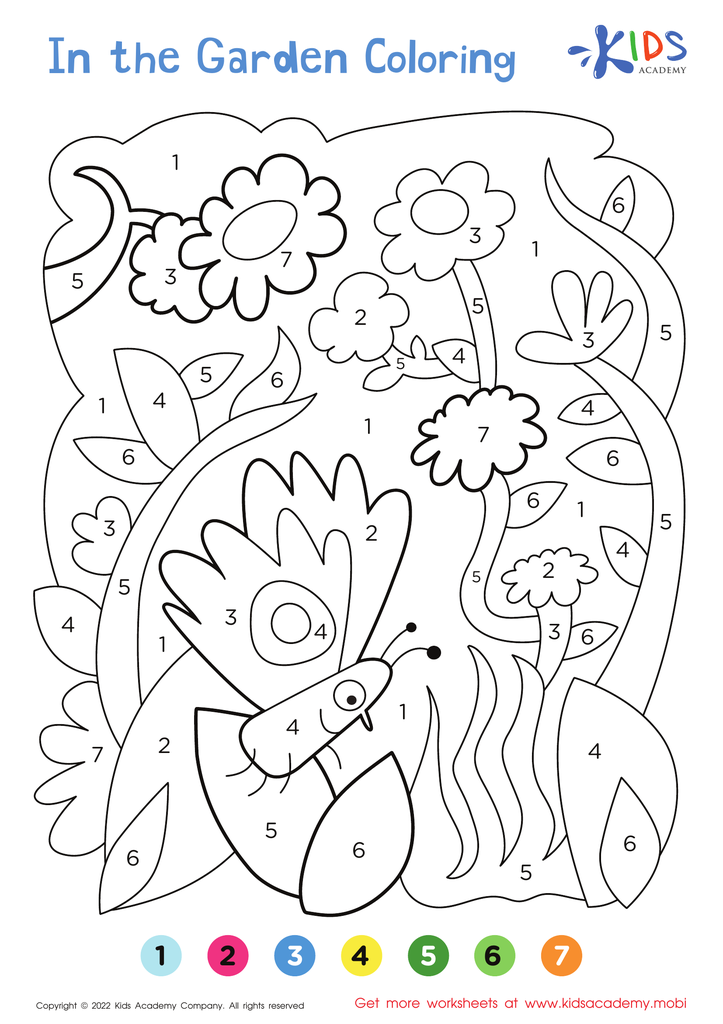
In the Garden – Coloring by Numbers








Fine motor skills are essential for young children's overall development, particularly when it comes to their ability to engage in academic activities like writing, cutting, and manipulating small objects. Fine Motor Skills Numbers refers to the practice of using small muscle movements to form numbers correctly, which in turn enhances a child's numeracy skills and overall academic success.
For parents and teachers, focusing on Fine Motor Skills Numbers is crucial because it intersects with various aspects of cognitive and physical development. As children learn to accurately draw and recognize numbers, they are not only learning mathematics but also improving hand-eye coordination, concentration, and spatial awareness. These skills are foundational for more complex tasks that they will encounter later, such as writing sentences or performing mathematical computations.
Engaging young children in activities that develop fine motor skills, such as tracing numbers, cutting shapes, or using tweezers to pick up small objects, can also help diagnose and address any developmental delays early on. This early intervention can be significant for helping children stay on track academically and socially.
Overall, by recognizing the importance of Fine Motor Skills Numbers, parents and teachers can create a learning environment that supports a child's holistic development, setting a strong foundation for future academic and personal success.








