Understanding Sequences Numbers Worksheets
5 filtered results
-
From - To
Unlock the power of number sequences with our "Understanding Sequences Numbers Worksheets." These engaging resources help young learners master essential counting and sequencing skills, forming a solid foundation for their mathematical journey. Each worksheet offers a variety of fun activities that challenge students to identify, create, and extend number patterns. With colorful illustrations and age-appropriate exercises, children gain confidence as they enhance their cognitive abilities and critical thinking. Perfect for classroom or home use, these worksheets are designed to keep students motivated and inspired. Start exploring the fascinating world of sequences today and watch your child's math skills flourish!
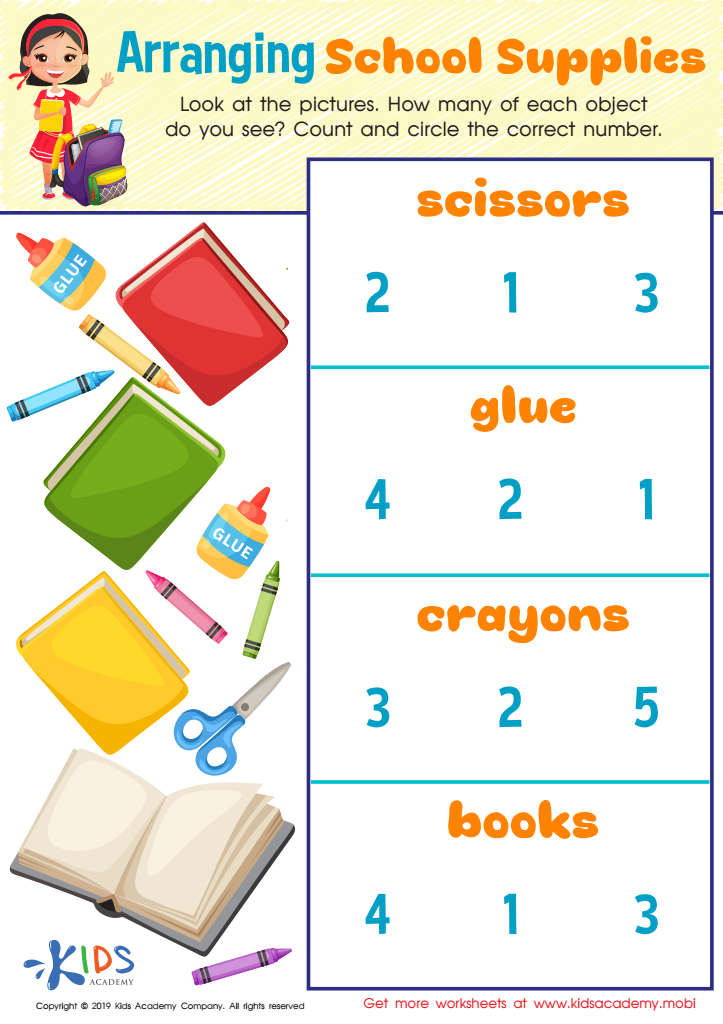
Arranging School Supplies Worksheet
 Assign to My Students
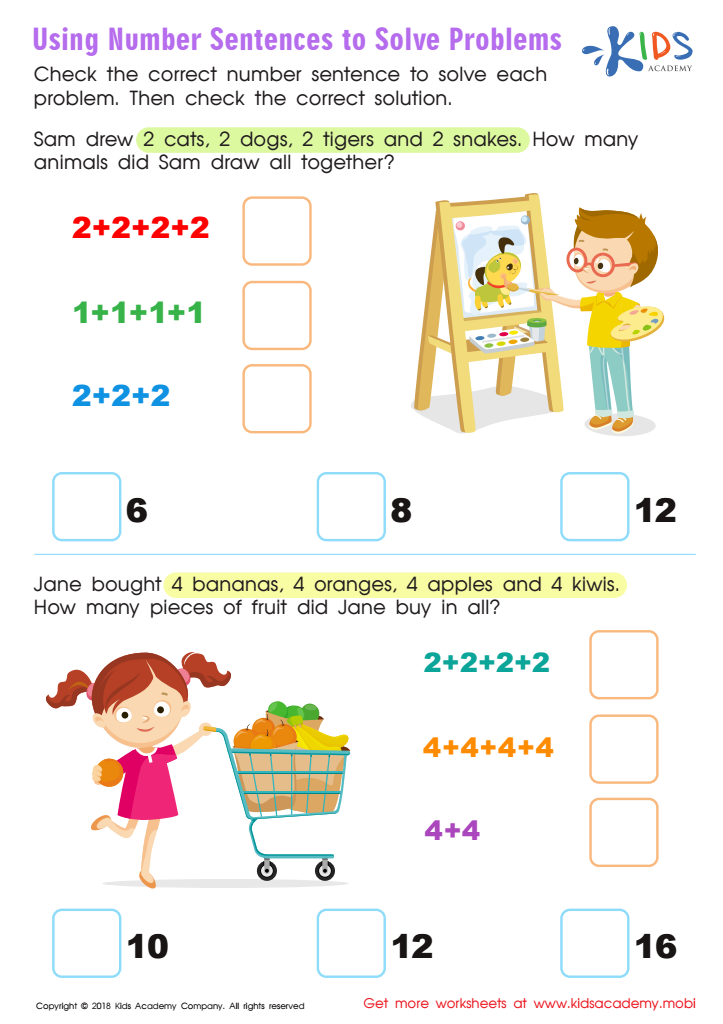
Using Number Sentences to Solve Problems Worksheet
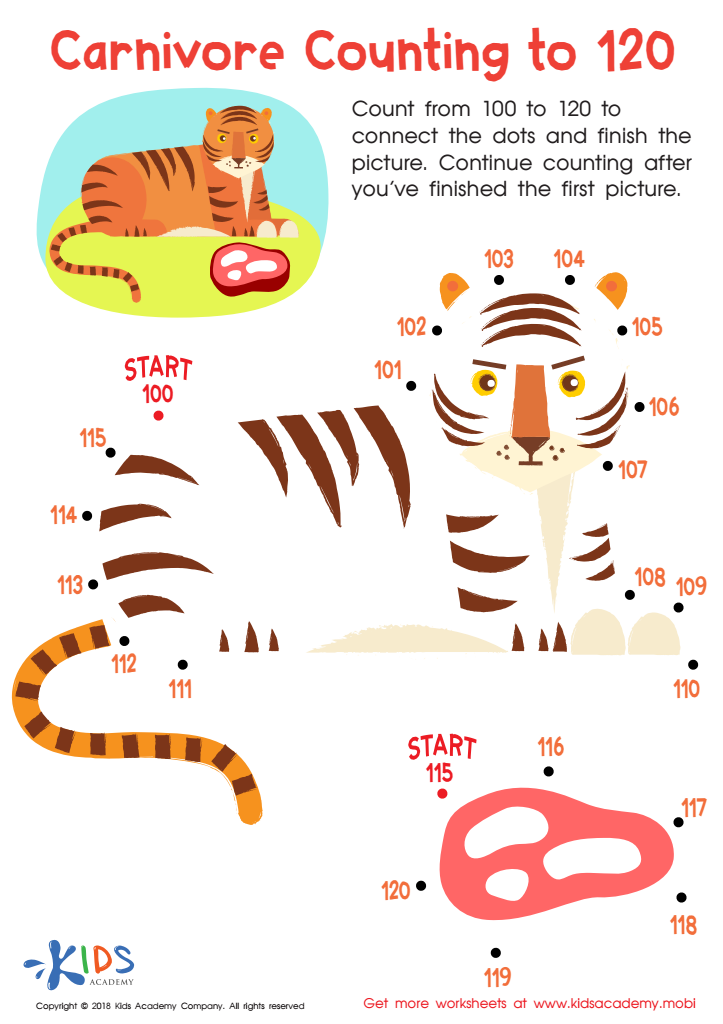
Carnivore Counting to 120 Worksheet
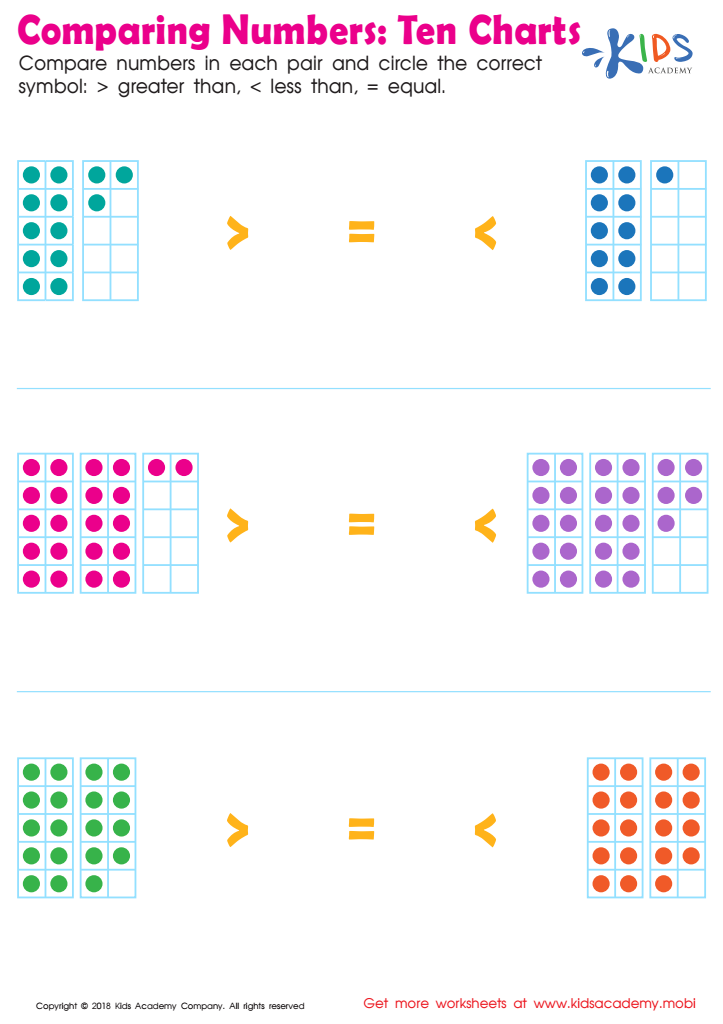
Ten Charts Worksheet
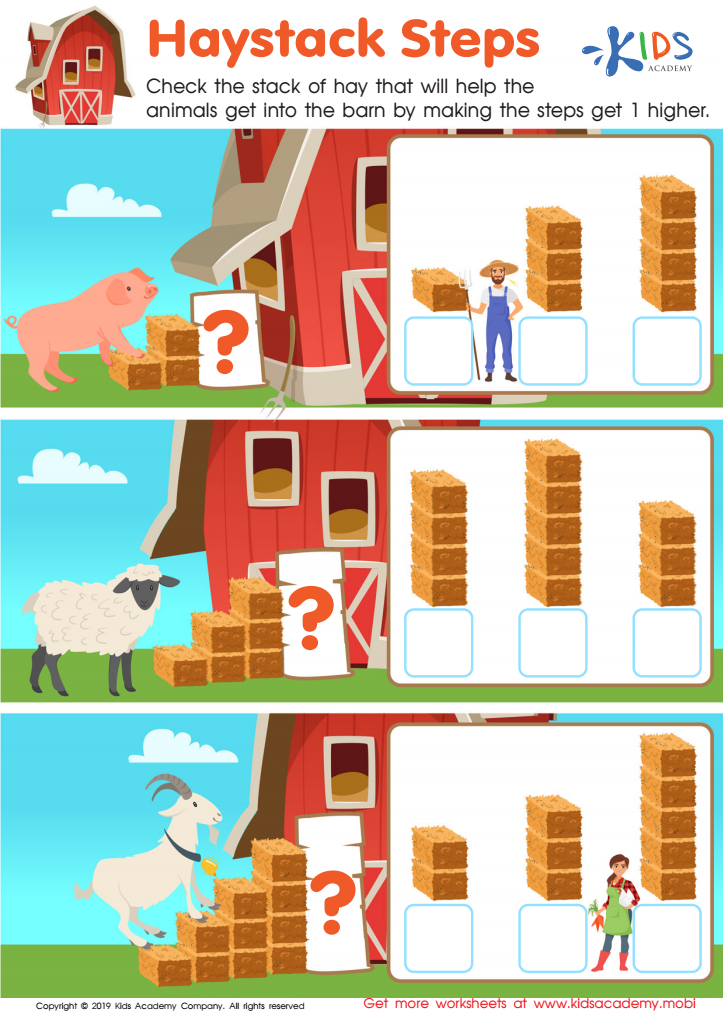
Haystack Steps Worksheet








Understanding sequences and numbers is crucial for both parents and teachers because it forms the foundation for mathematical reasoning and problem-solving skills in young learners. Sequences represent patterns, which are foundational to various concepts in mathematics, science, and everyday life. When children grasp the idea of sequences, they develop critical thinking skills that enable them to recognize patterns in numbers and other contexts.
Additionally, understanding sequences enhances skills such as counting, addition, and multiplication. These competencies are essential not only for academic success but also for real-world applications, such as managing finances or estimating time. Awareness of numerical sequences helps in fostering better mathematical fluency, enabling children to tackle more complex mathematical concepts as they progress in their education.
Moreover, an emphasis on sequences encourages curiosity and enthusiasm for learning. When parents and teachers engage children with interesting activities related to patterns and sequences, they stimulate a love for mathematics that can last a lifetime. Ensuring that children get a solid understanding of sequences empowers them with tools to succeed across all disciplines, making it a significant concern for both parents and educators. Managing this foundational knowledge impacts students' confidence and competence in their overall educational journey.








