Animal identification Math Worksheets - Page 2
33 filtered results
-
From - To
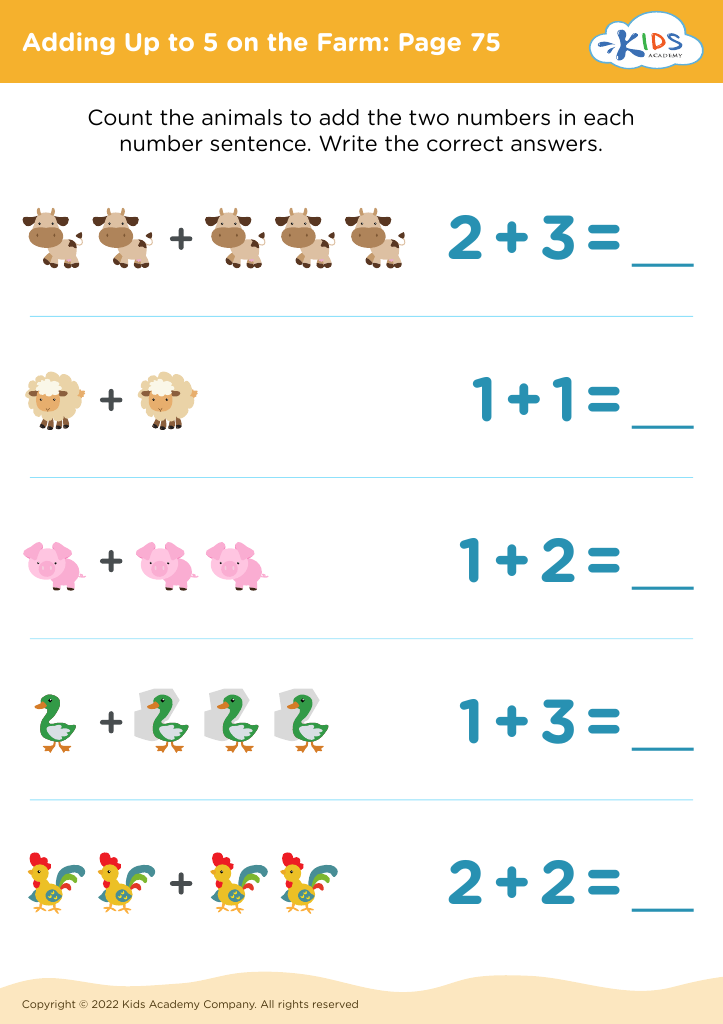
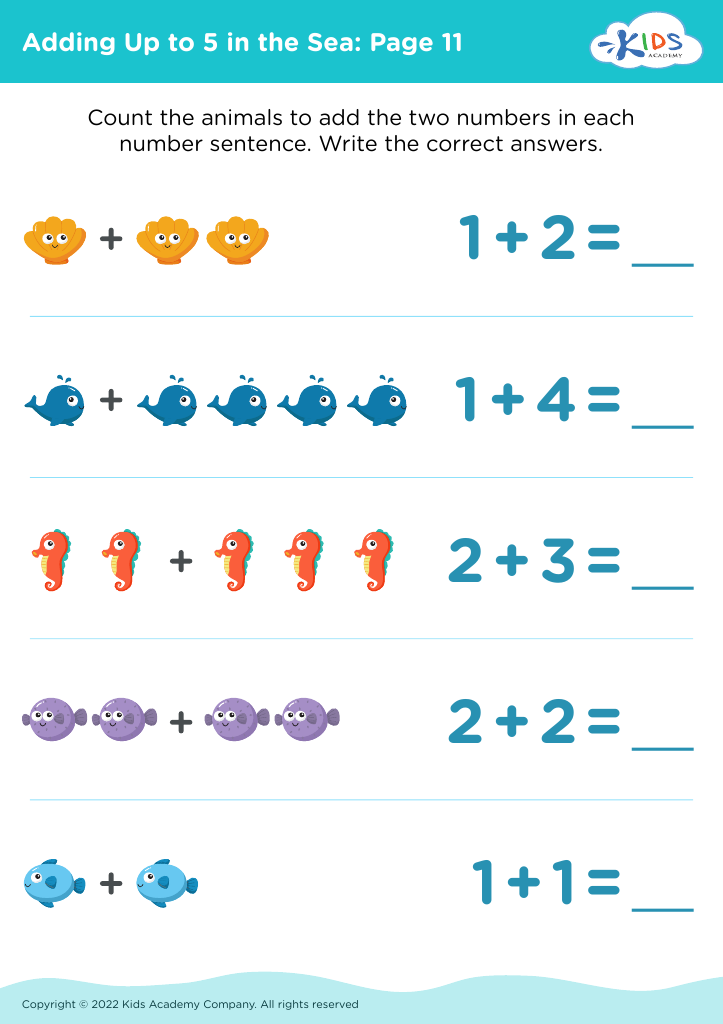
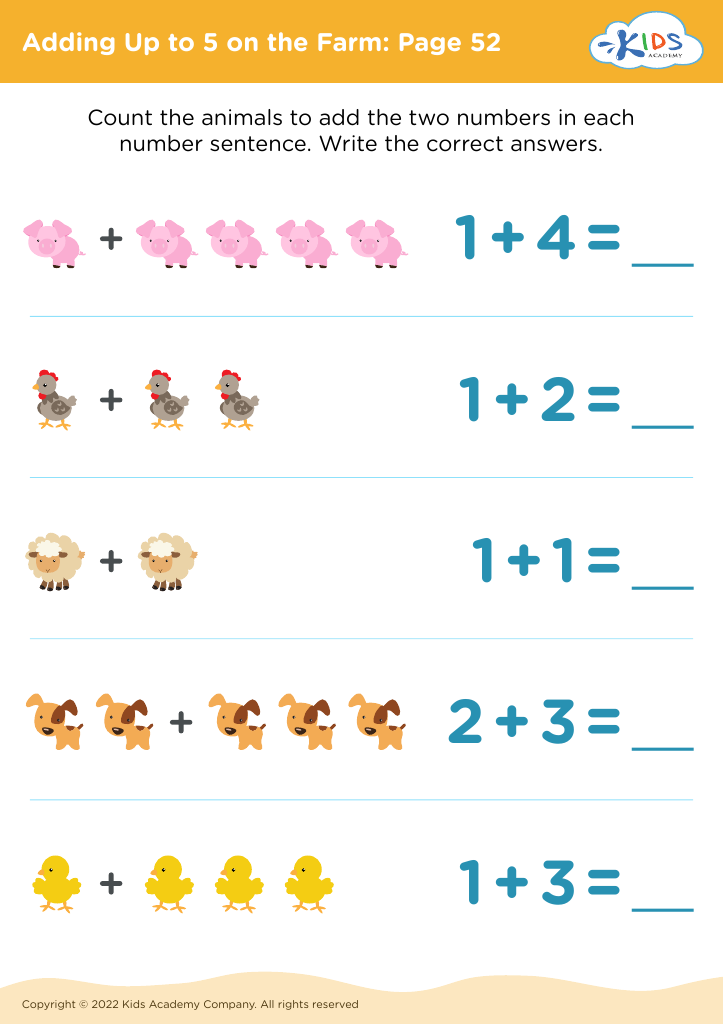
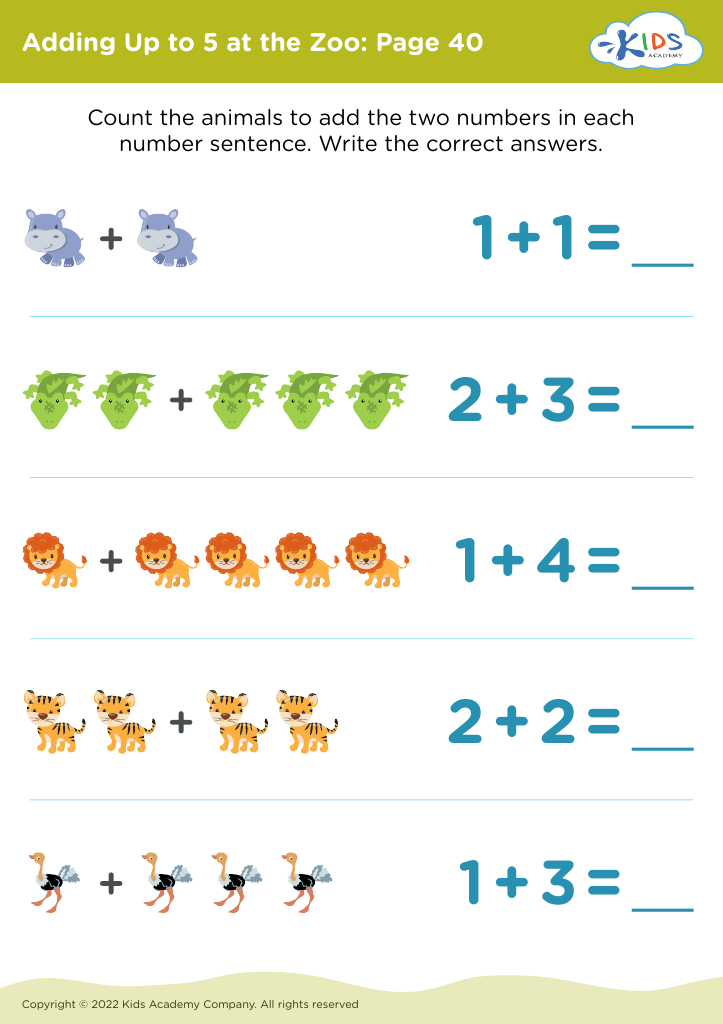
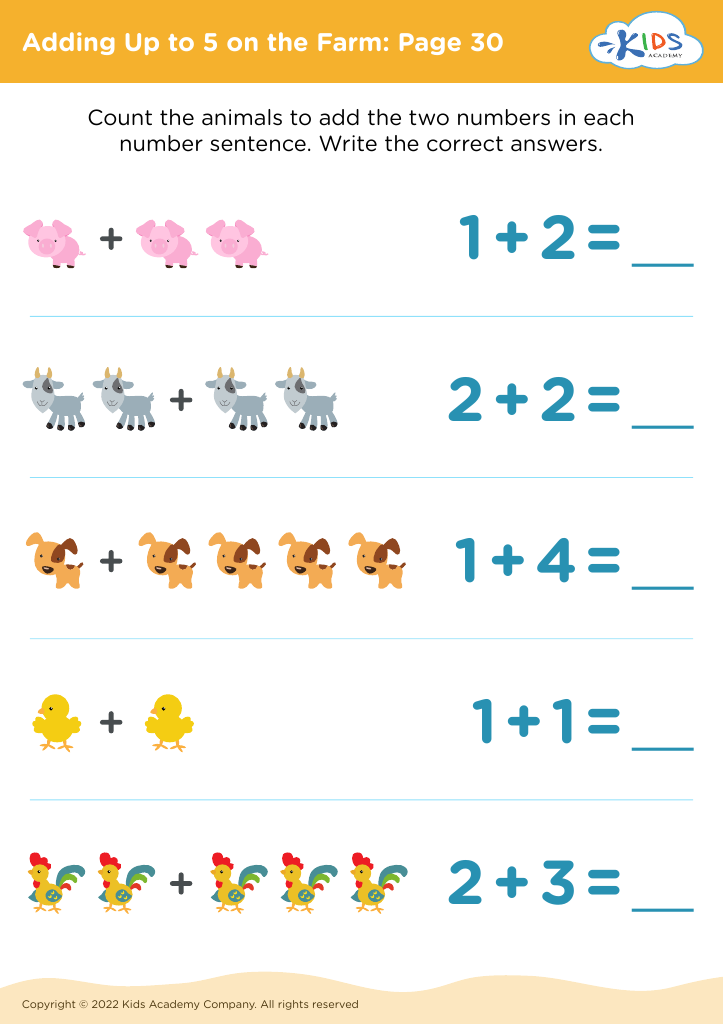
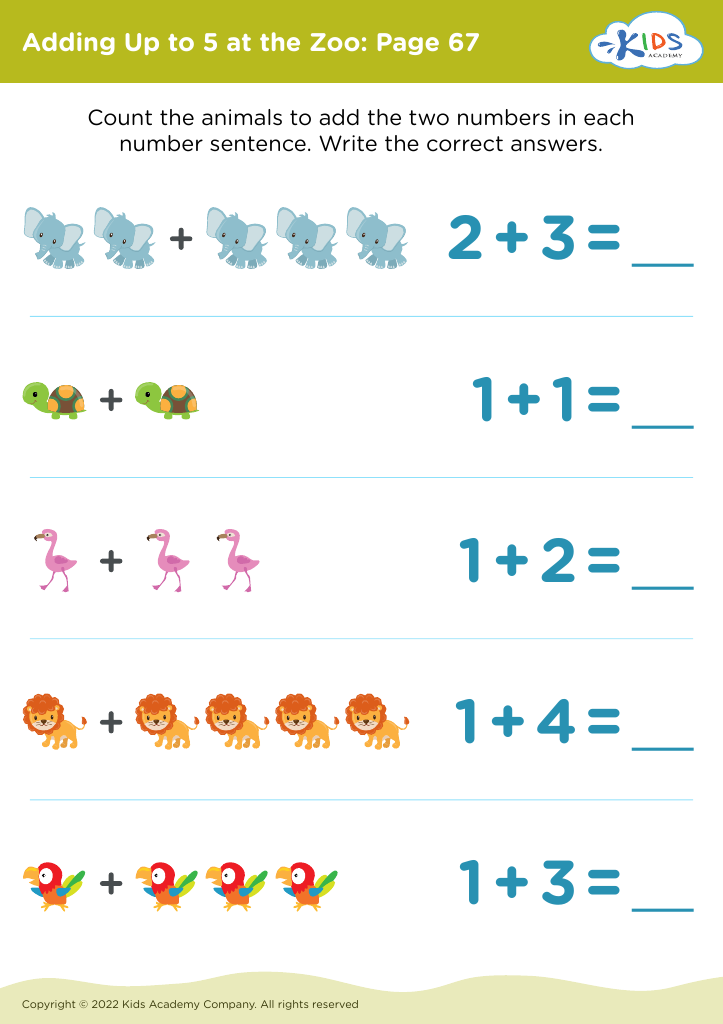
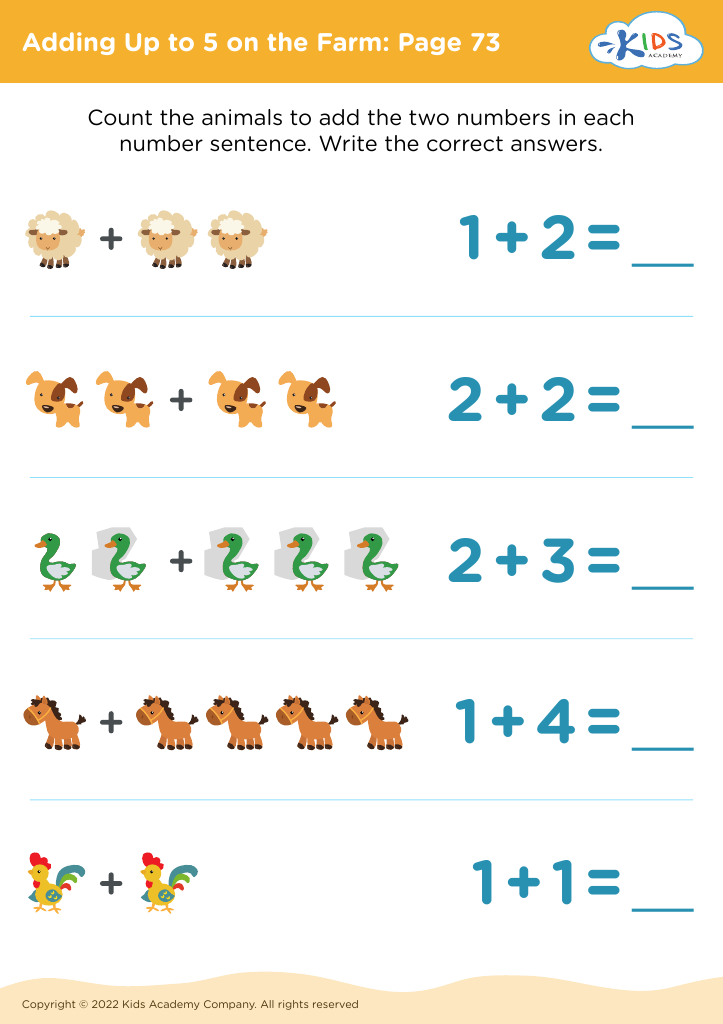
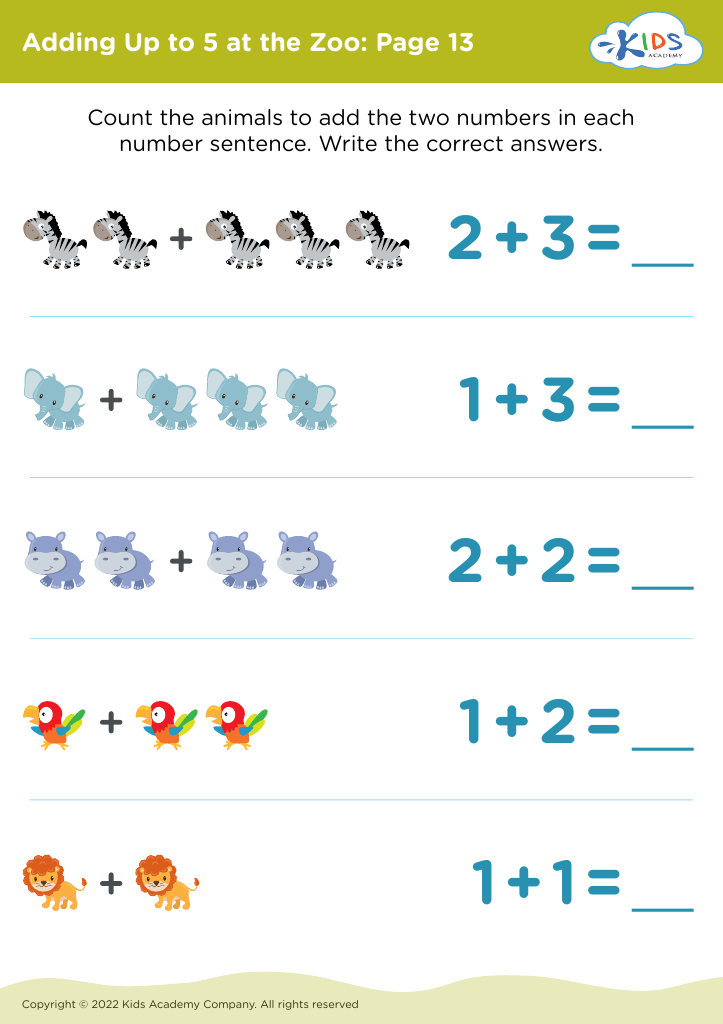
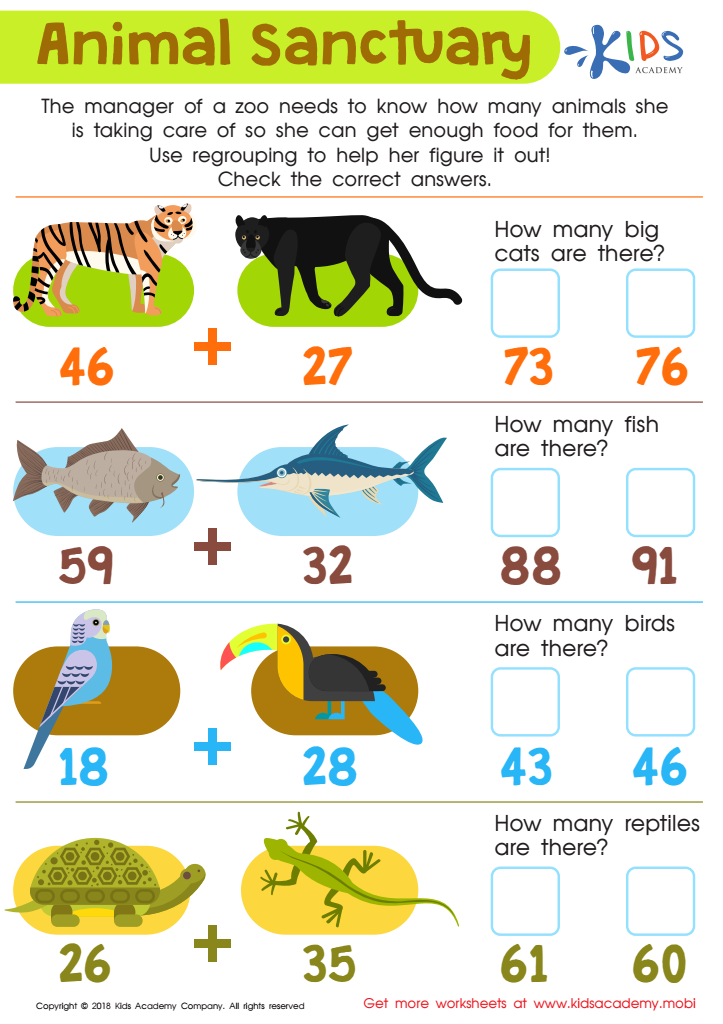
Animal Sanctuary Worksheet
 Assign to My Students






.jpg)

Animal identification math is an essential tool for early education, fostering both critical thinking and real-world application of mathematical concepts. Understanding how to identify and categorize animals encourages students to engage with their environment and cultivate observational skills.
For parents and teachers, this subject presents an opportunity to integrate math with science and creativity. By exploring concepts like patterns, classification, and comparing characteristics, children develop a multi-disciplinary approach to learning. This not only enhances their mathematical abilities but also deepens their appreciation for nature, promoting responsible, informed attitudes toward wildlife and conservation.
Moreover, identifying animals through math can be a stepping stone to discussions about ecosystems, biodiversity, and environmental stewardship. It helps instill a sense of curiosity and allows for hands-on activities that make learning engaging and interactive.
Instilling these skills at a young age prepares children for future academic success, as they develop confidence in their problem-solving abilities. Overall, animal identification math combines creativity with critical thought, encouraging children to connect mathematical concepts to the world around them, thus making it both practical and enriching for their educational journey. Parents and teachers should recognize its potential impact on fostering a well-rounded, nature-savvy generation of learners.








