Handwriting practice Math Worksheets
17 filtered results
-
From - To
Enhance your child's writing and math skills with our Handwriting Practice Math Worksheets! These engaging, printable worksheets combine essential math concepts with handwriting exercises to promote literacy and numeracy simultaneously. Designed for early learners, each worksheet features clear instructions and fun mathematical problems that encourage children to practice their writing while solving addition, subtraction, and more. With a focus on neatness and legibility, our worksheets help build confidence in young students. Perfect for home or classroom use, these resources will make learning enjoyable and effective. Download your set of Handwriting Practice Math Worksheets today, and watch your child's skills flourish!
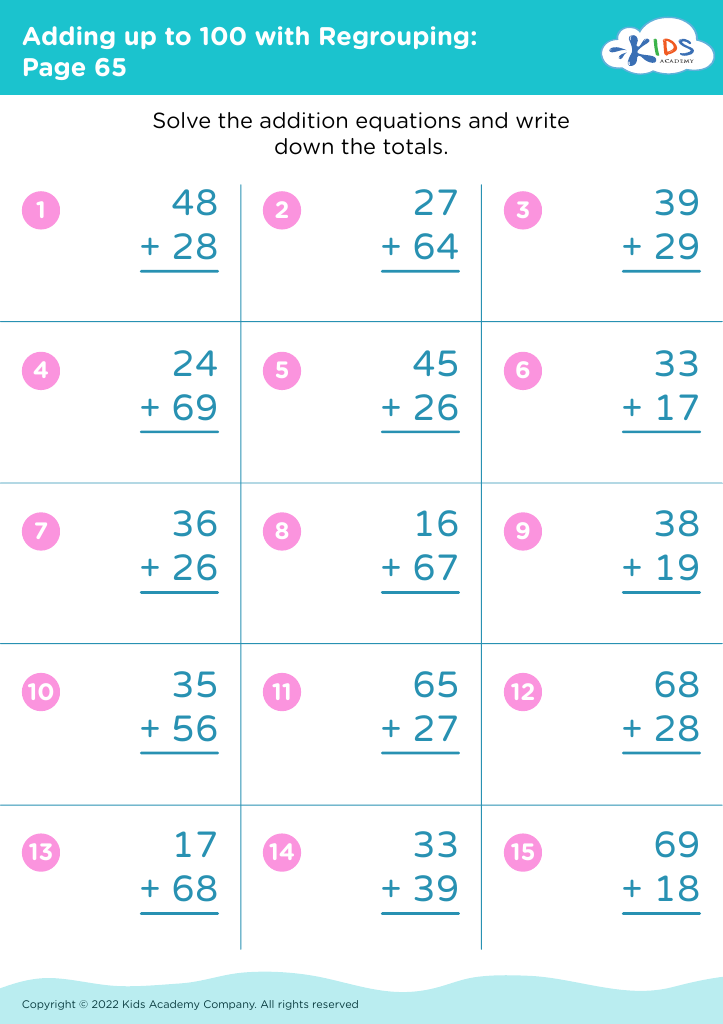
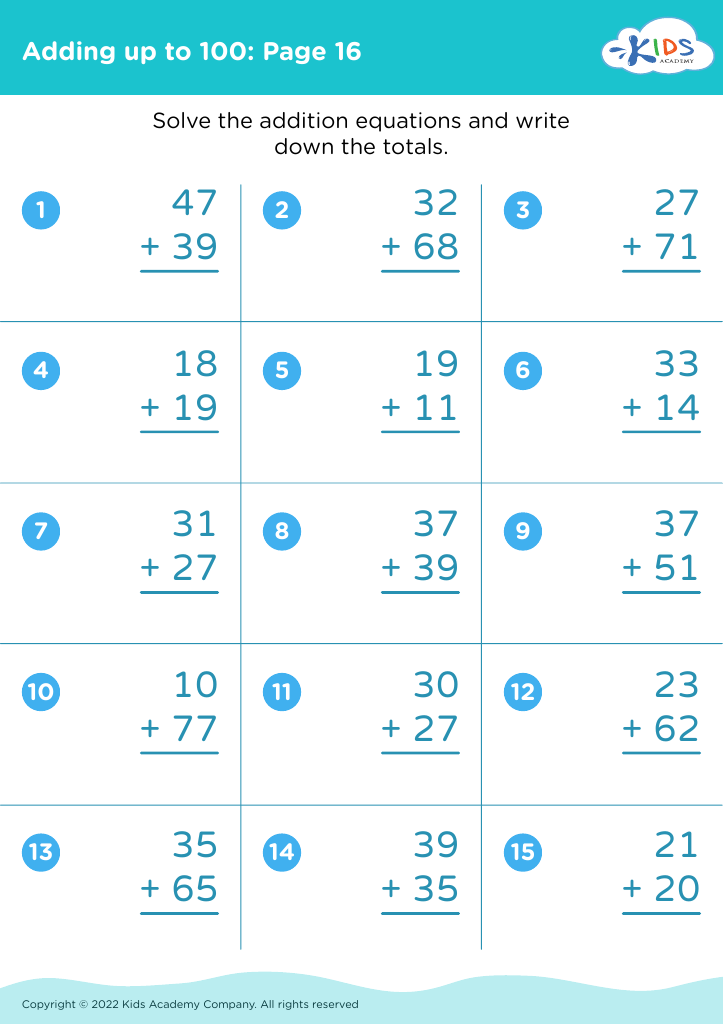
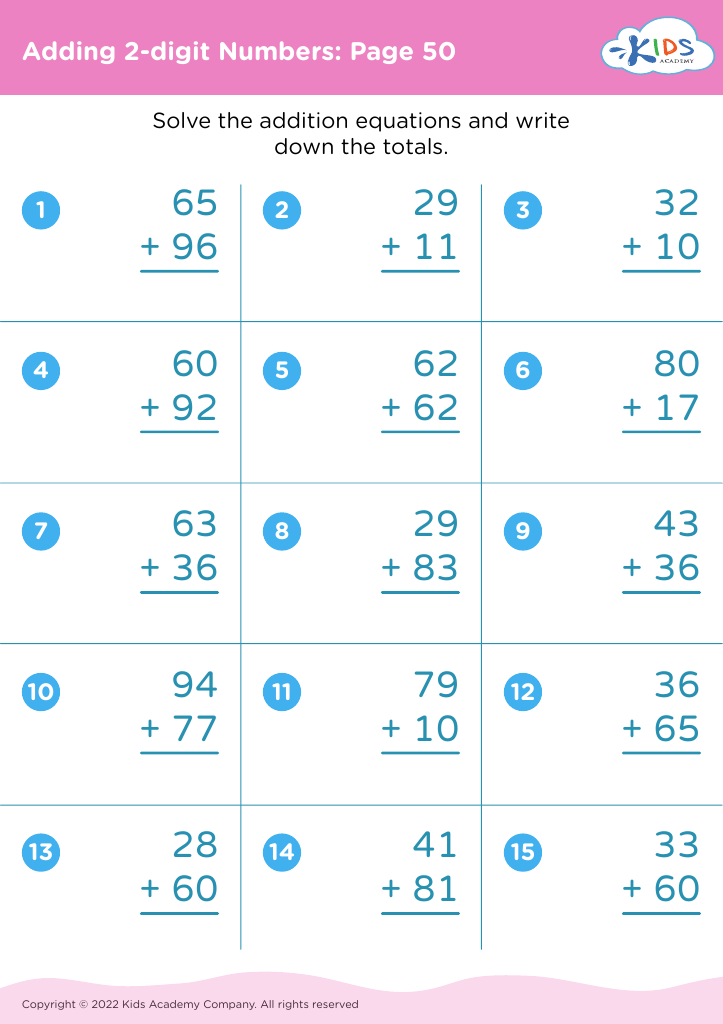
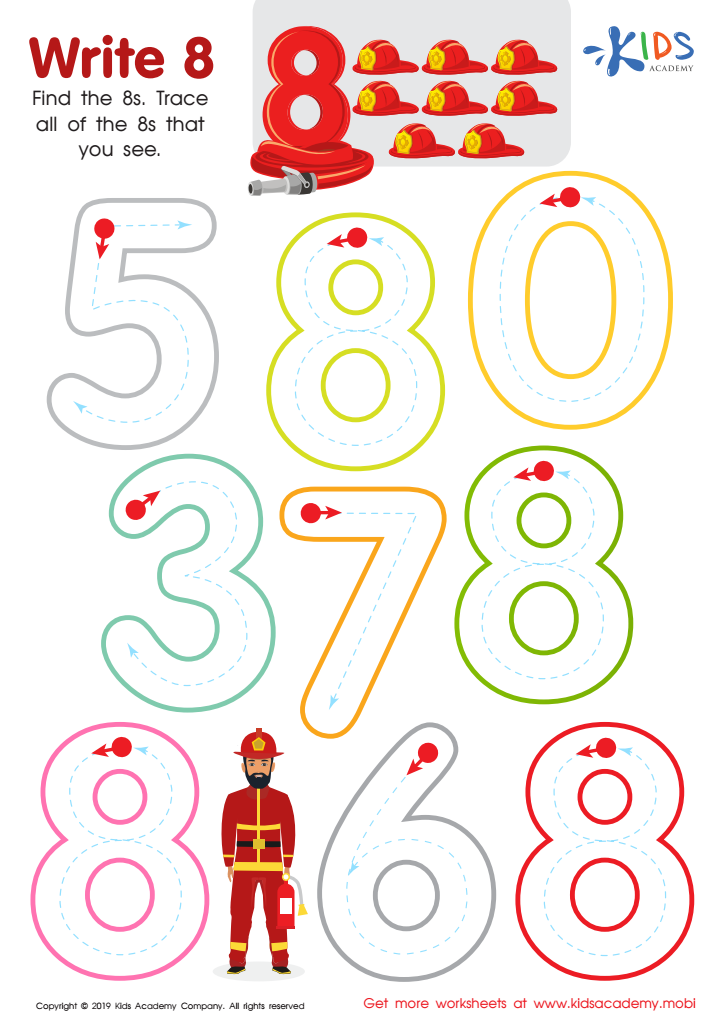
Write 8 Worksheet
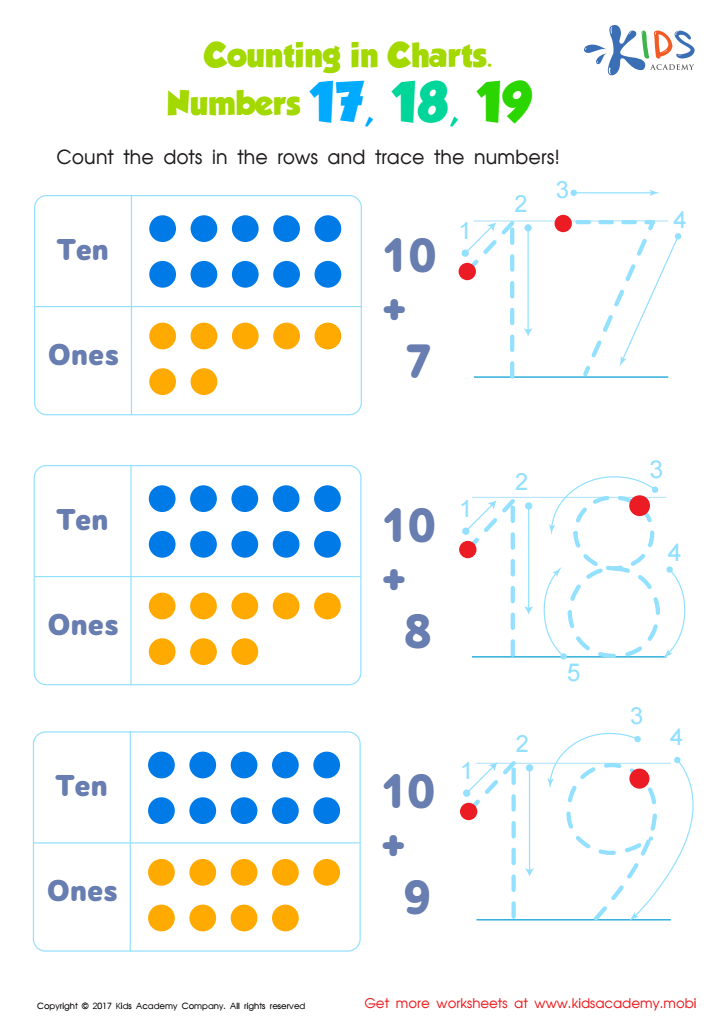
Kindergarten Number Tracing: Counting in Charts Worksheet
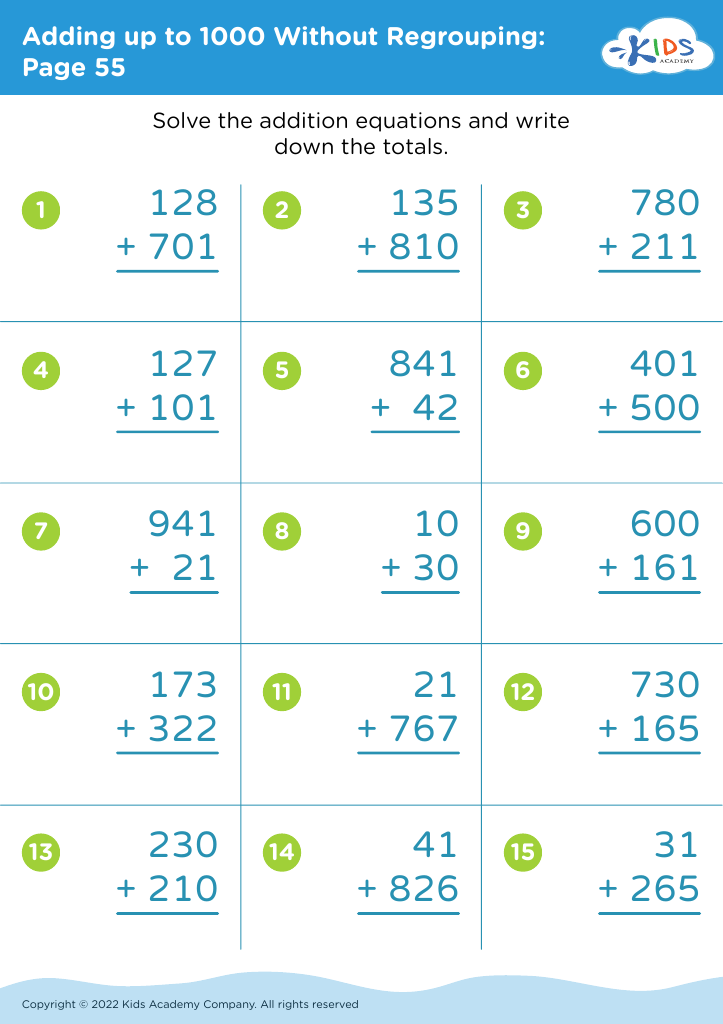
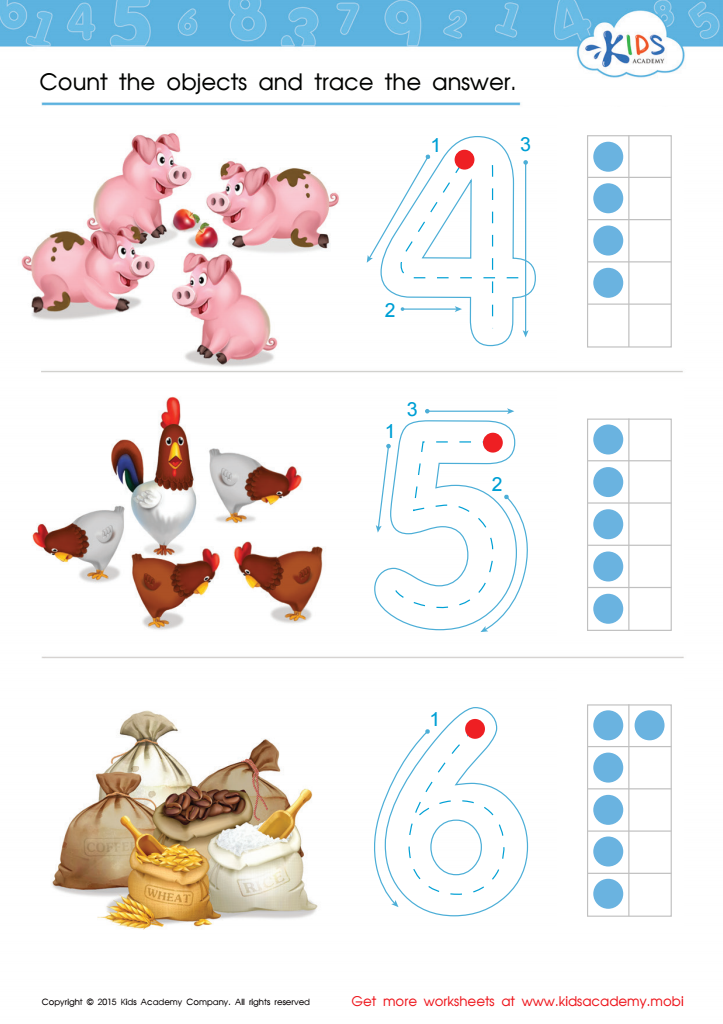
Count and Trace 4 – 6 Worksheet
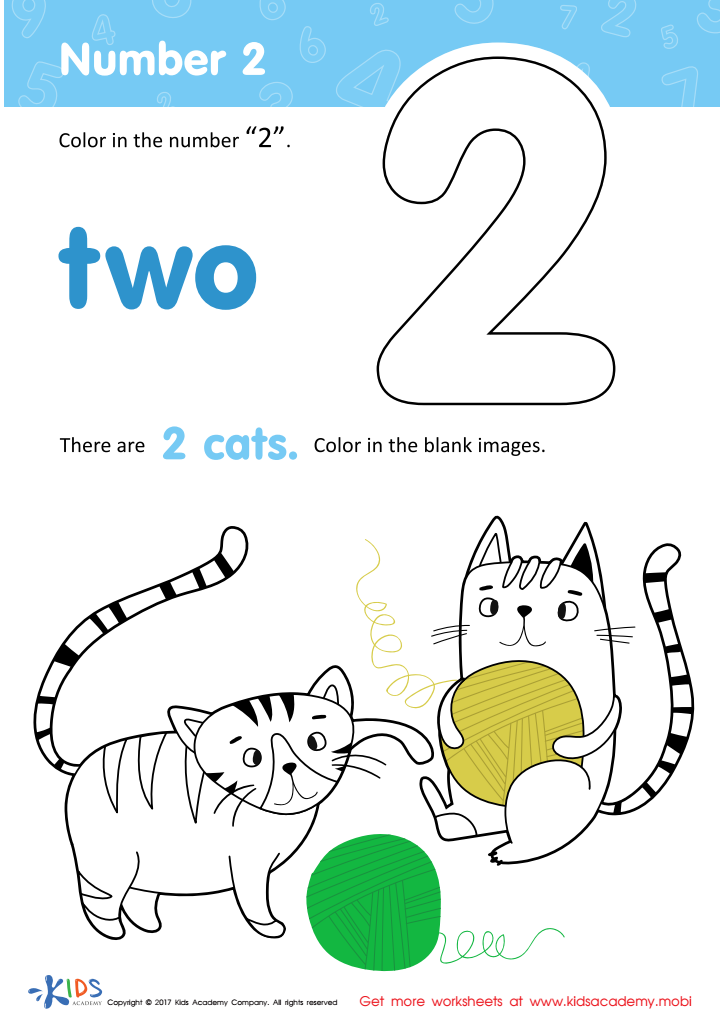
Number 2 Printable
 Assign to My Students
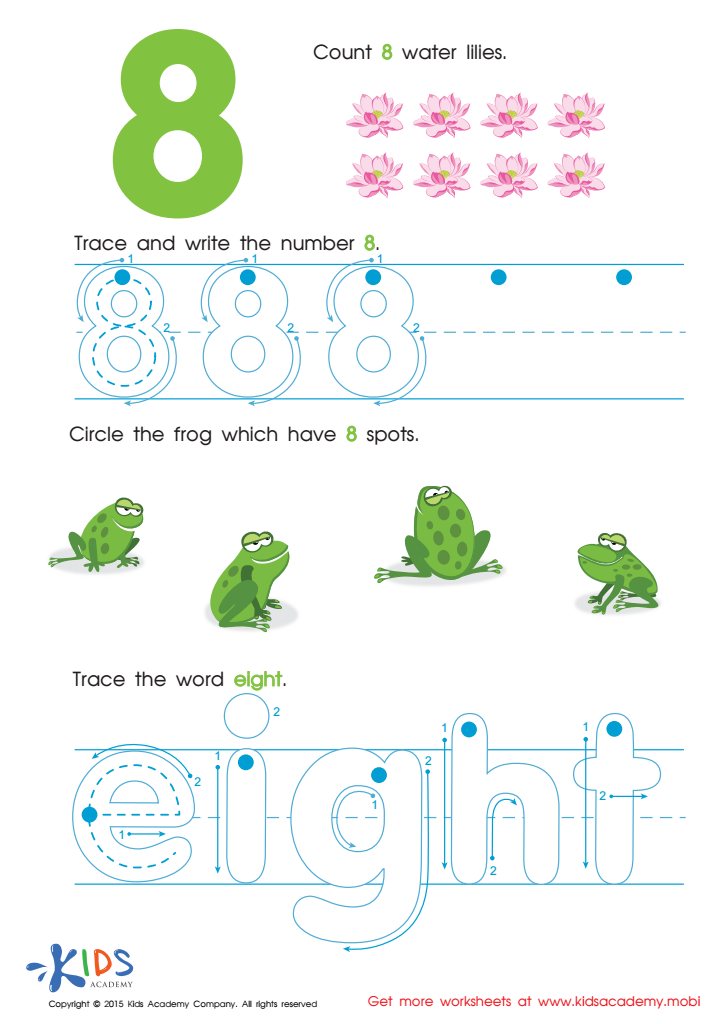
Learn Number 8 Easily Worksheet
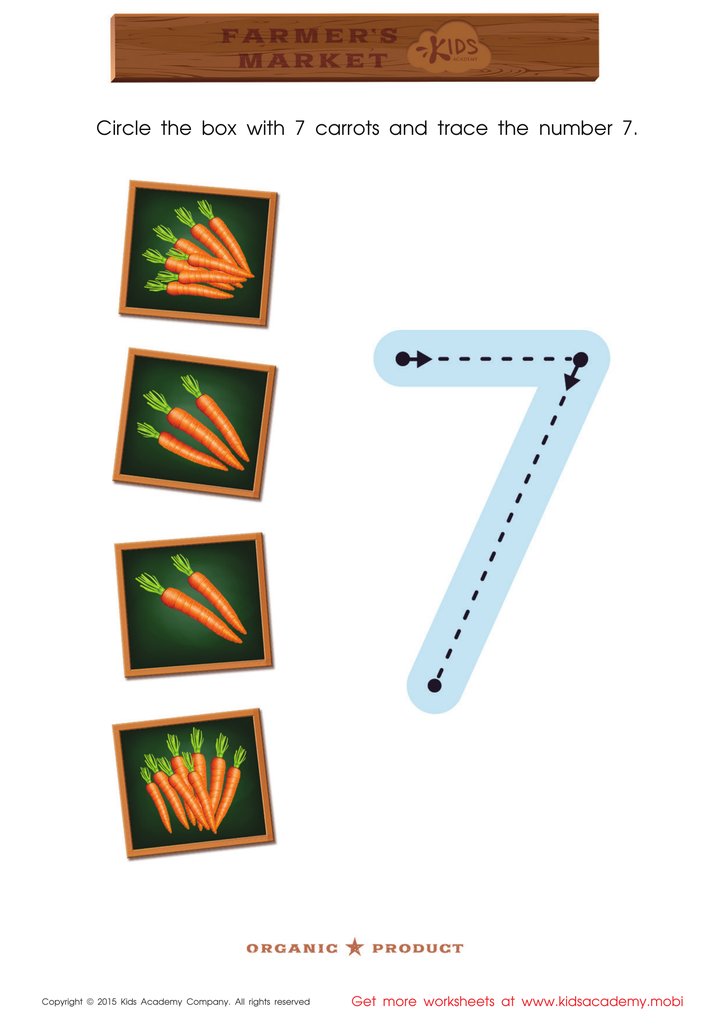
Count the Carrots and Trace the Number 7 Printable
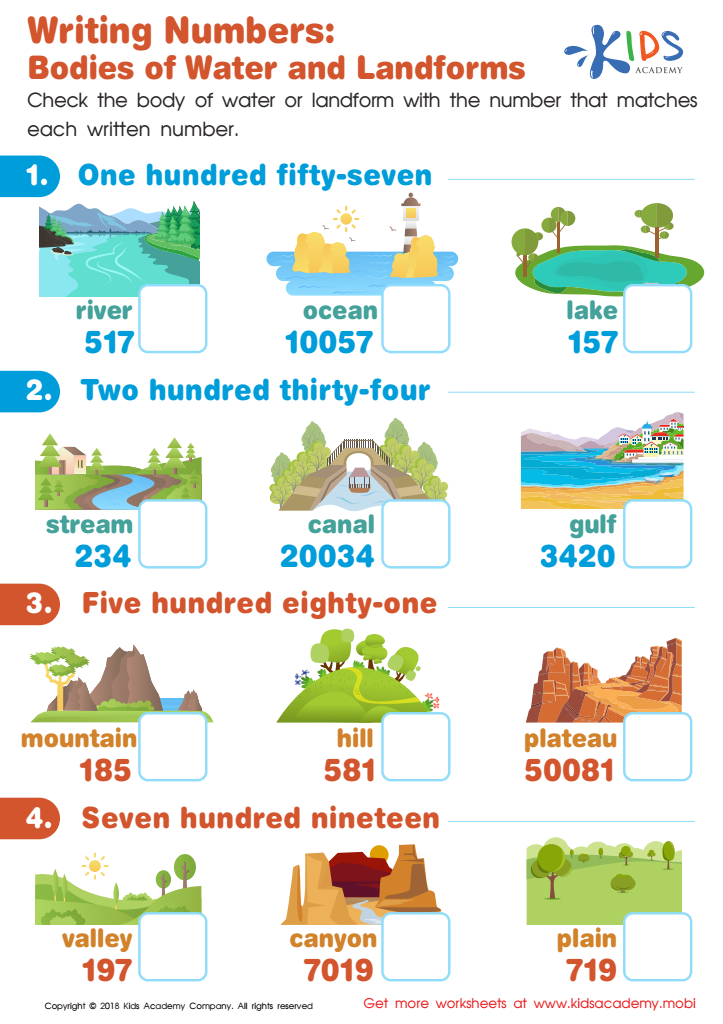
Bodies of Water and Landforms Writing Numbers Worksheet
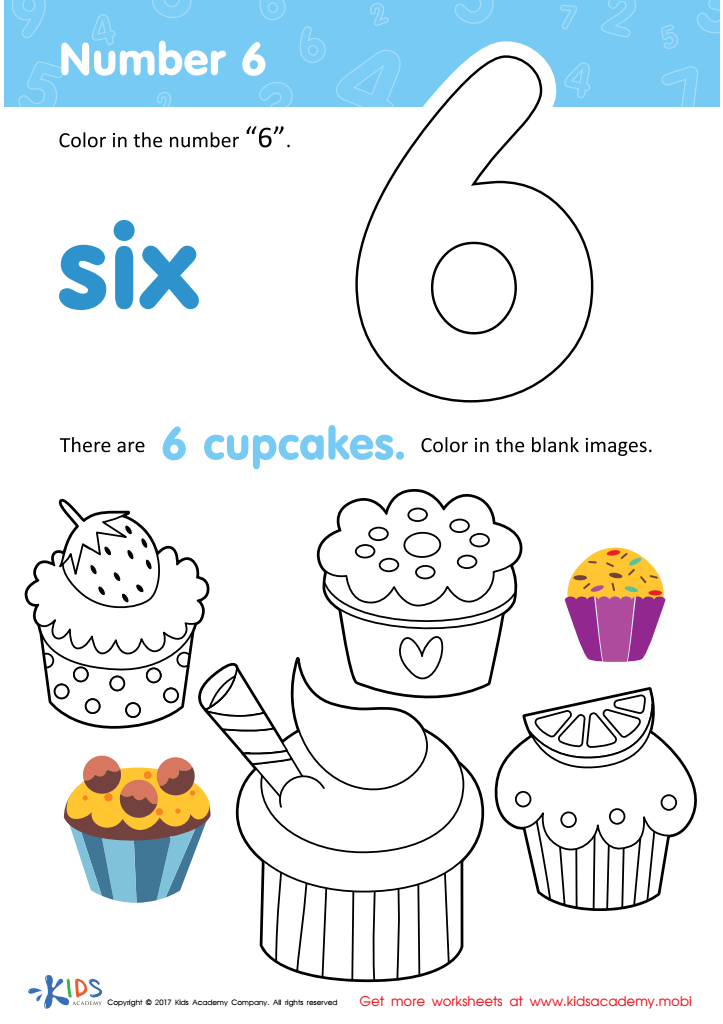
Number 6 Worksheet
Assign to My Students
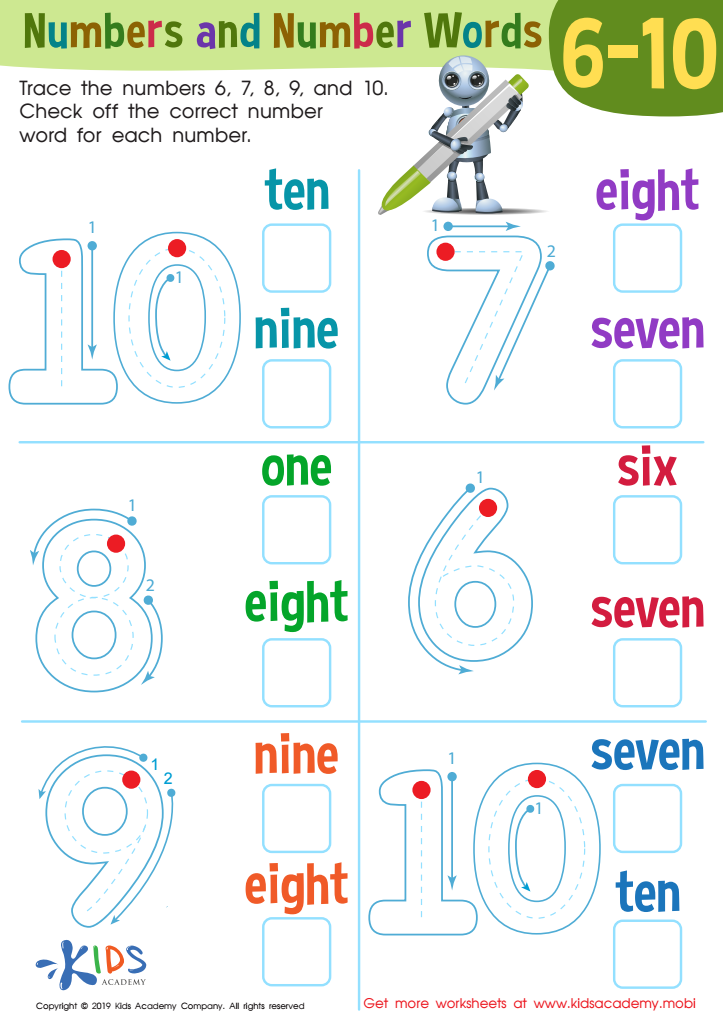
Numbers and Number Words 6–1 Worksheet
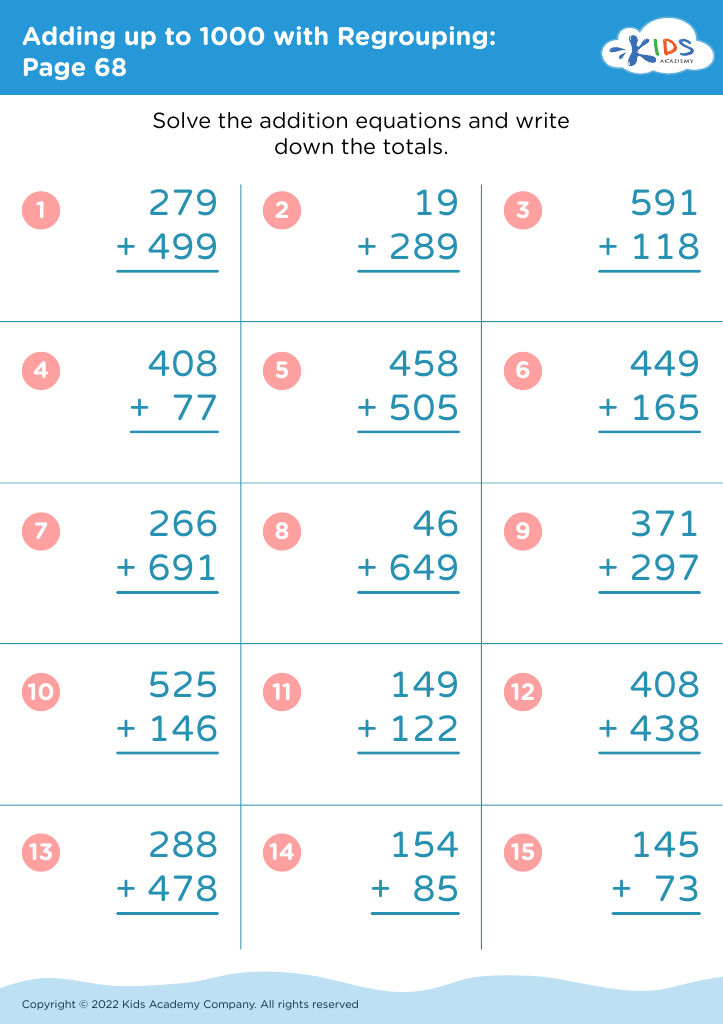
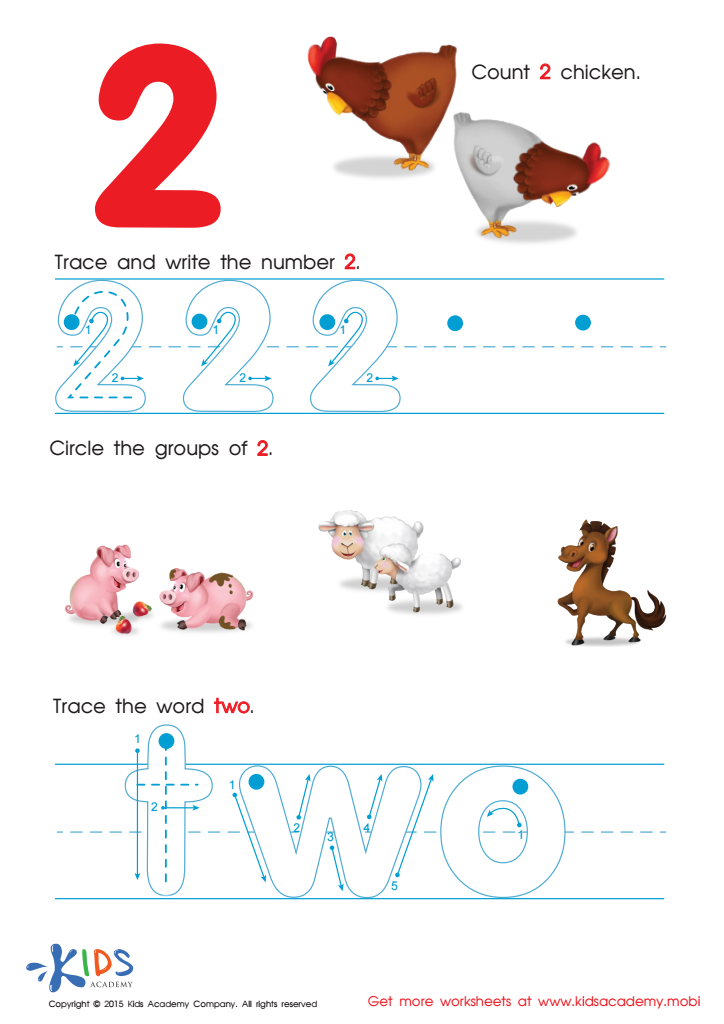
Learn to Write the Number 2 Worksheet
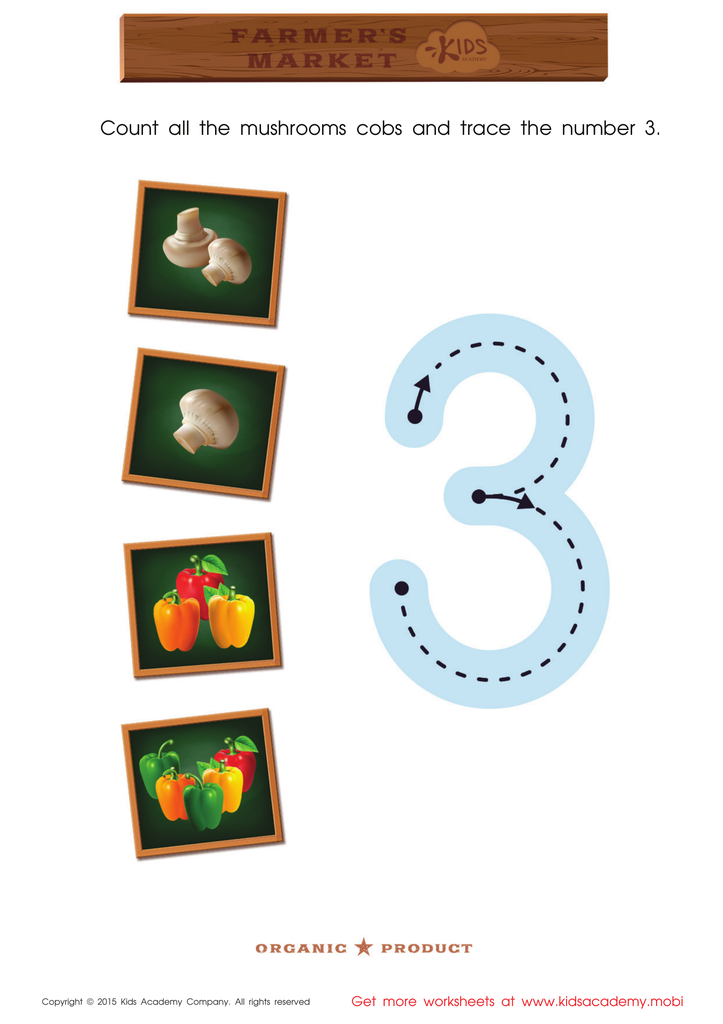
Count the Mushrooms and Trace the Number 3 Printable
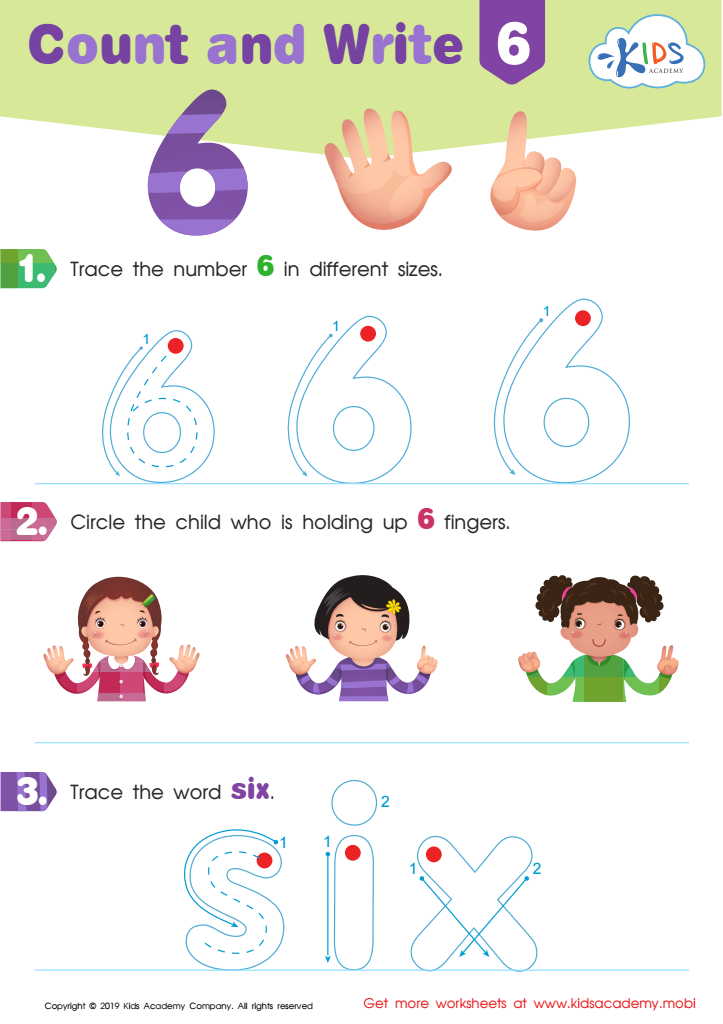
Count and Write 6 Worksheet








Parents and teachers should care about handwriting practice in math for several compelling reasons. Firstly, handwriting is a fundamental skill that influences overall academic performance. When students practice writing numerals clearly and legibly, they enhance their ability to communicate mathematical ideas effectively. Correct formation of numbers aids in reducing errors in calculations, which can lead to a better understanding of concepts.
Furthermore, handwriting practice fosters fine motor skills, which are crucial not only for writing but for a variety of other tasks. Improved dexterity supports students in other classroom activities, as well as real-world tasks like problem-solving and reasoning.
Another critical aspect is cognitive development. The process of manually writing equations and expressions helps reinforce memory and comprehension, making it easier for children to internalize math concepts. It turns math into an interactive learning experience, promoting engagement and interest in the subject.
In addition, handwriting practice promotes perseverance and focus, as students learn to pay attention to detail. Ultimately, by prioritizing handwriting in math, parents and teachers support holistic development—from academic skills to fine motor abilities—equipping children with the foundational skills necessary for lifelong learning.








