Reading comprehension Math Worksheets - Page 3
113 filtered results
-
From - To
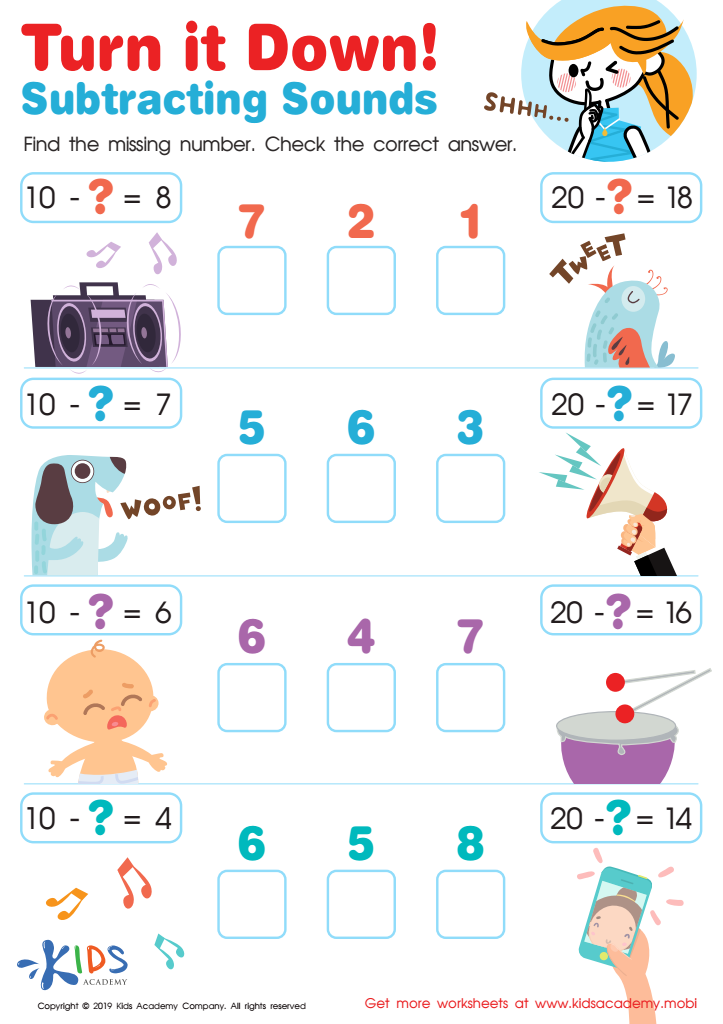
Turn It down! Subtracting Sounds Worksheet
 Assign to My Students
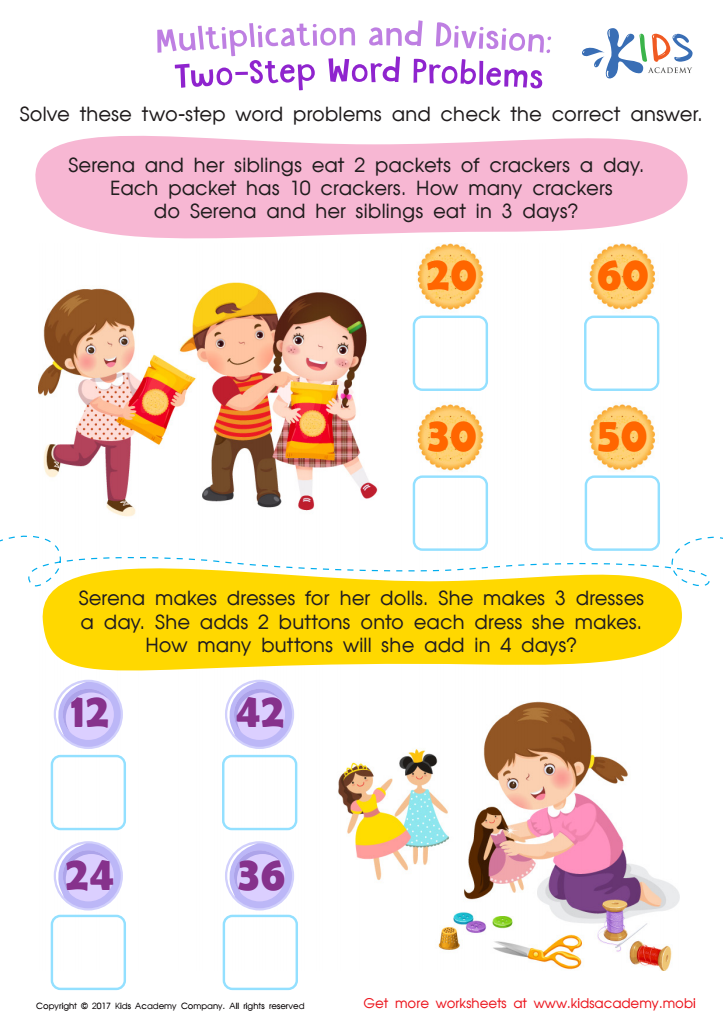
Two Step Word Problems Worksheet
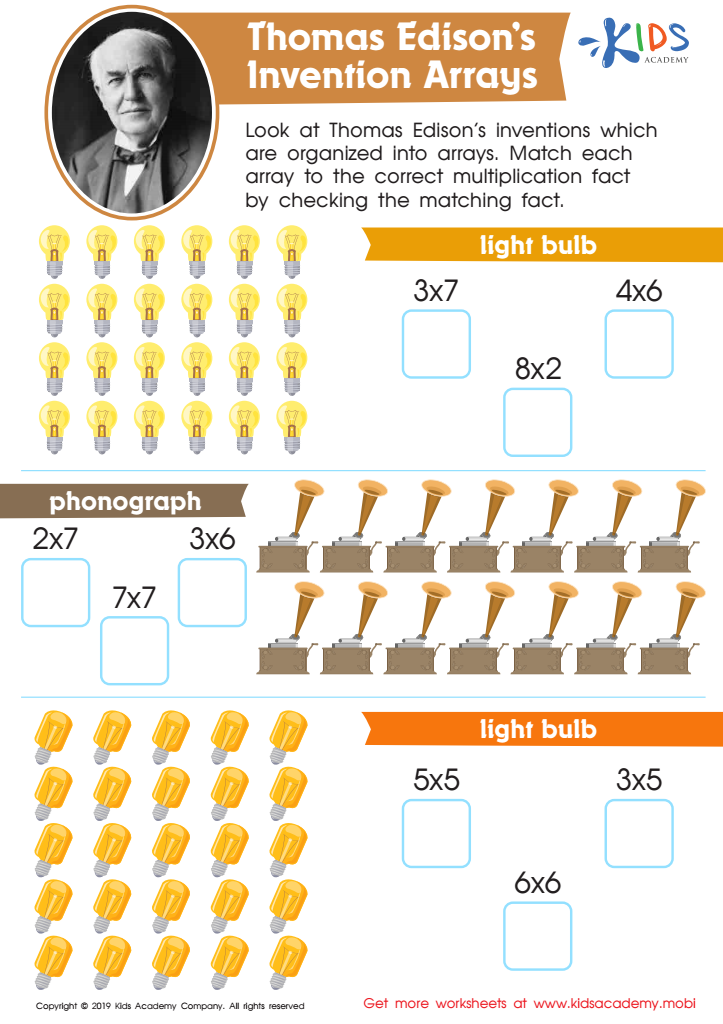
Thomas Edison’s Invention Arrays Worksheet
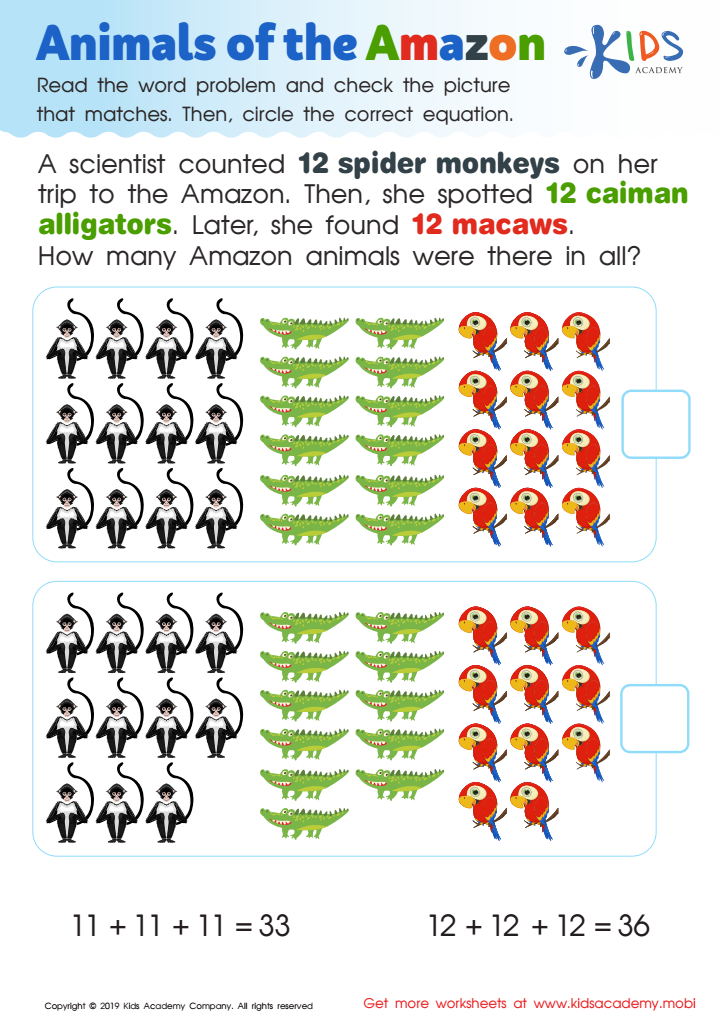
Animals of Amazon Worksheet
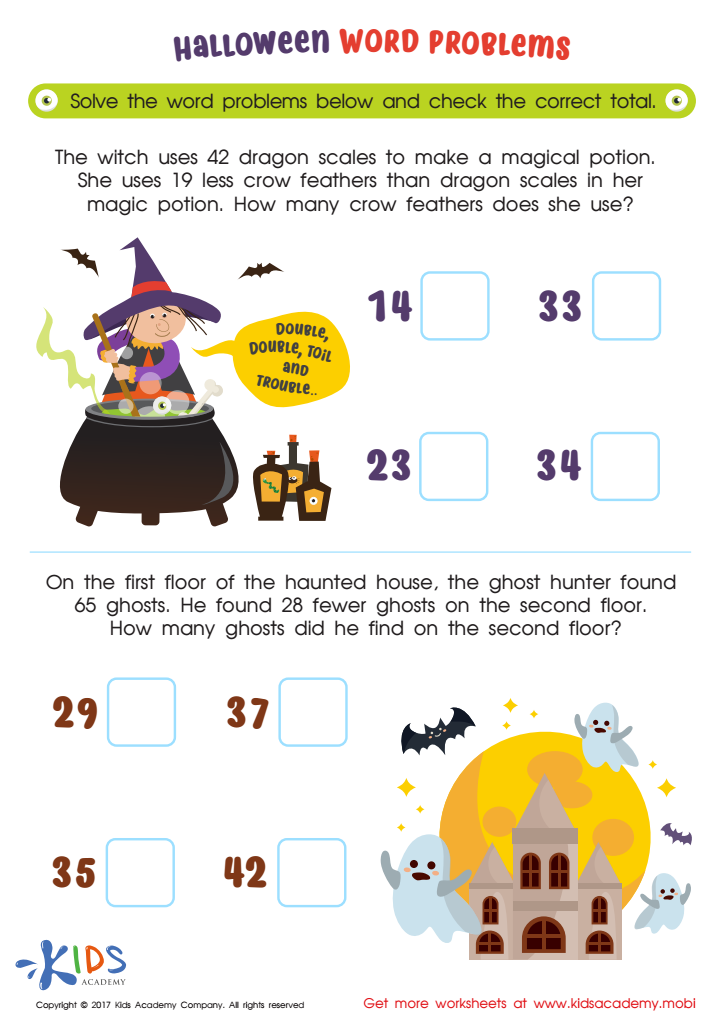
Halloween Word Problems Printable
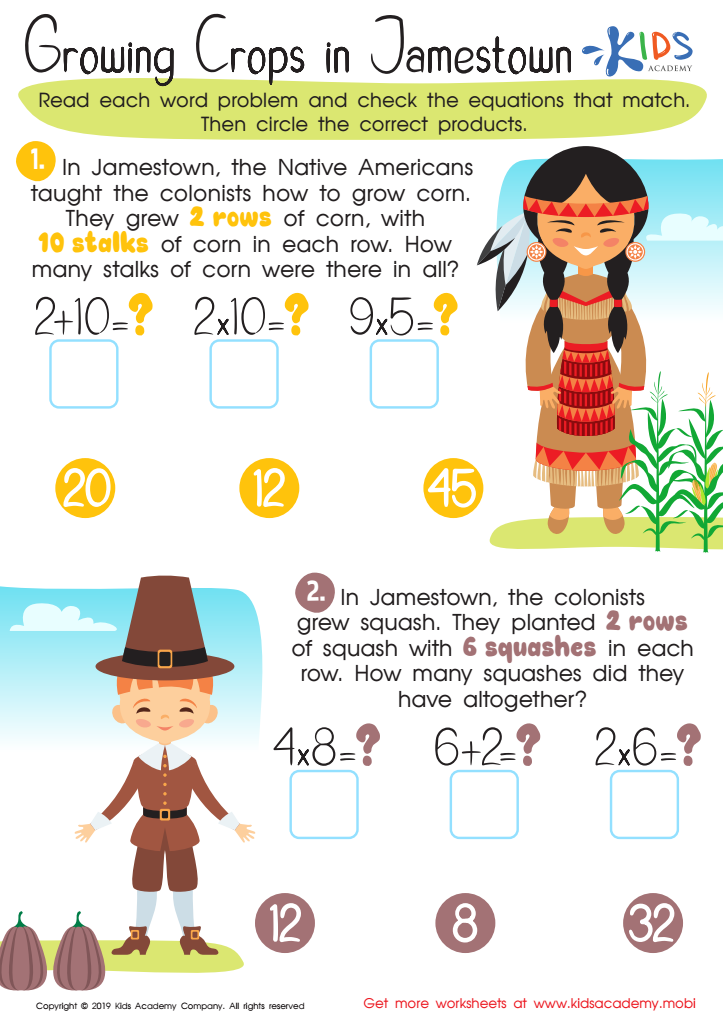
Growing Jamestown Worksheet
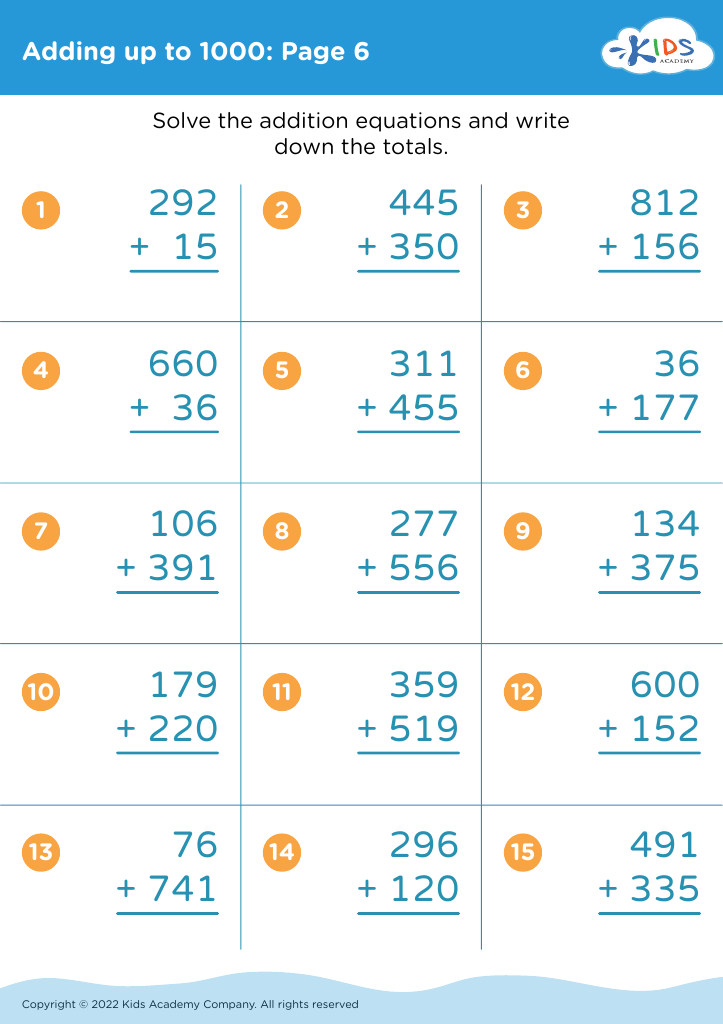
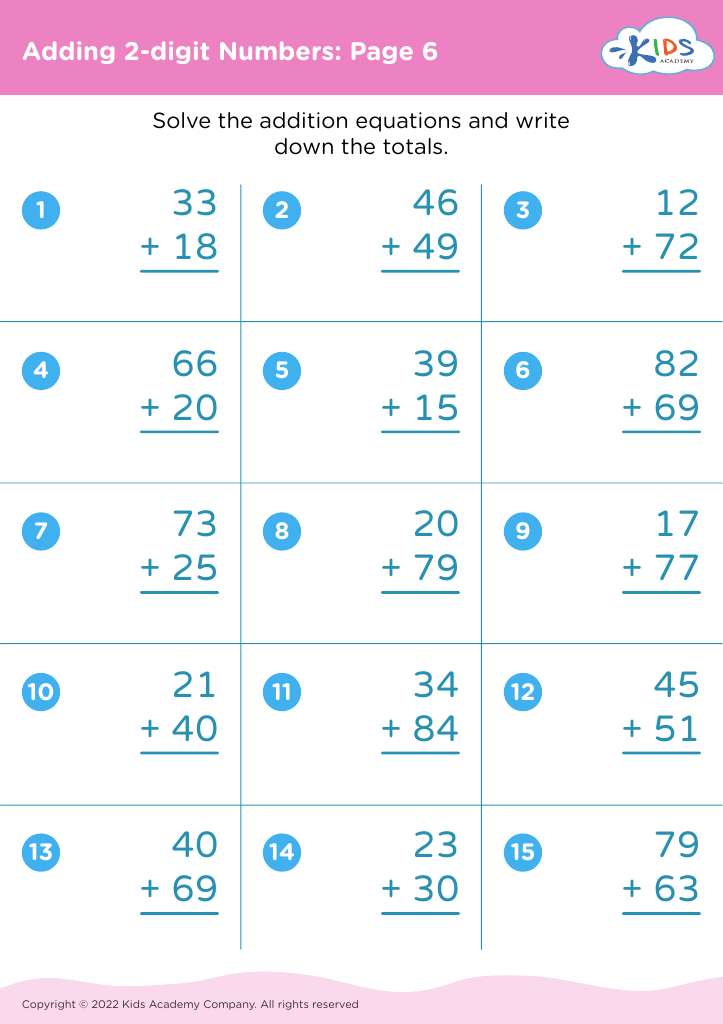
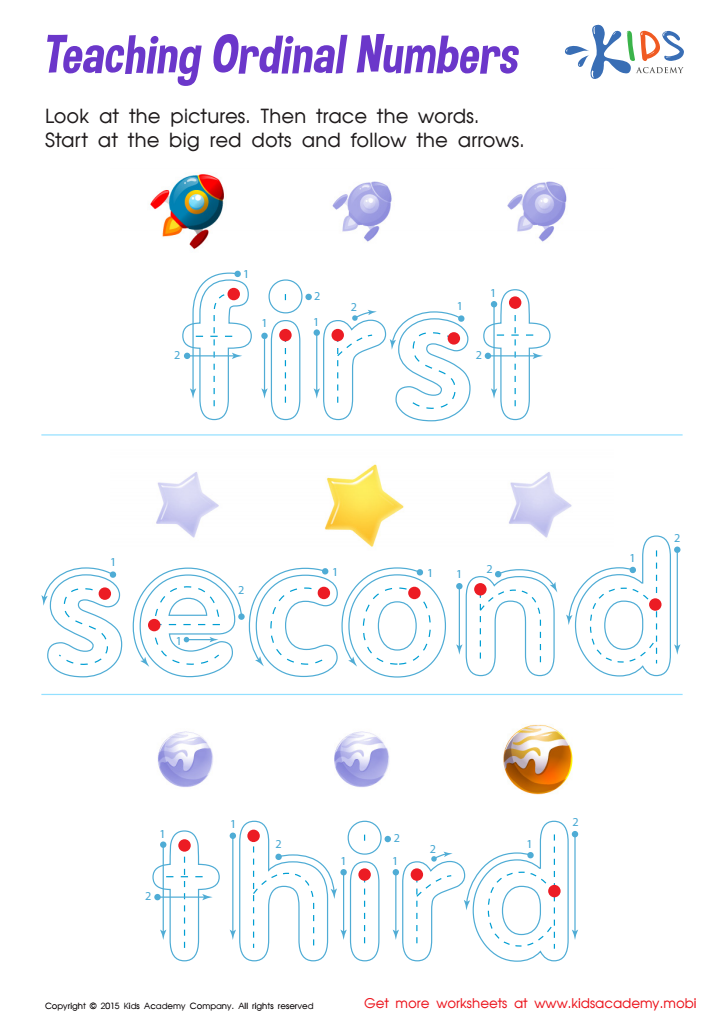
Ordinal Numbers: Teaching Ordinal Numbers Printable
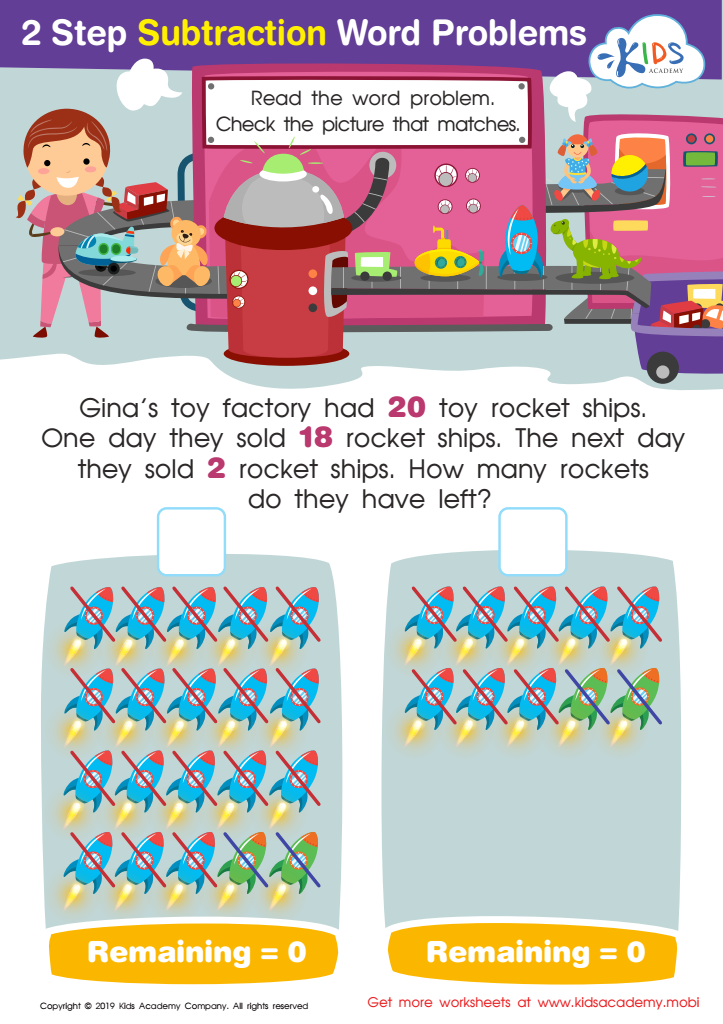
Step Subtraction Word Problems Worksheet
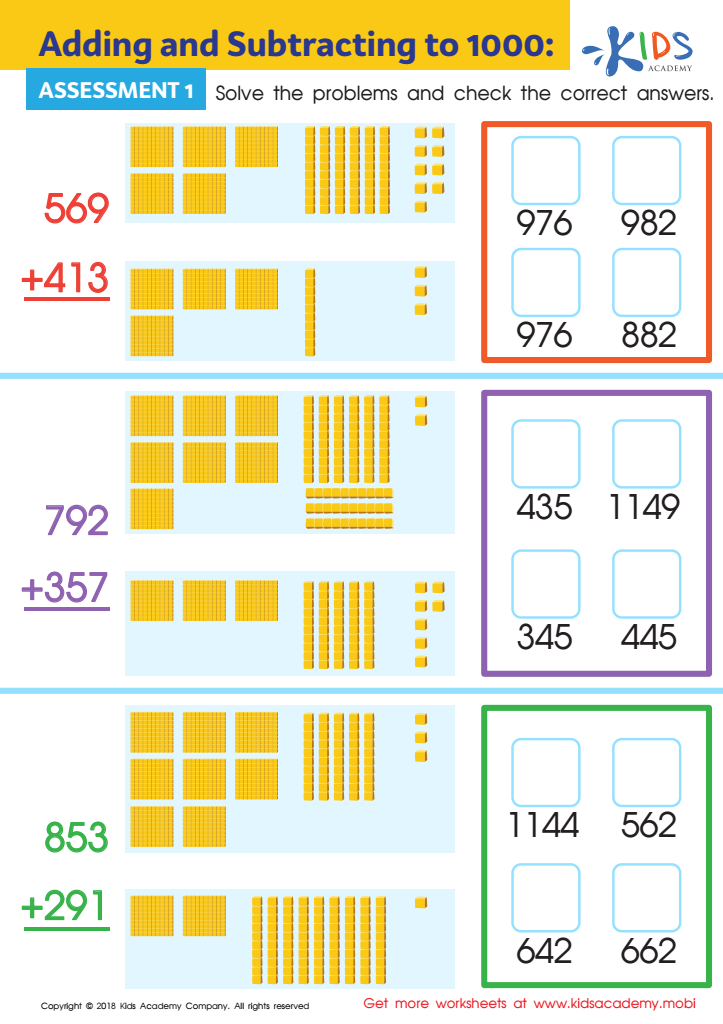
Adding and Subtracting to 1 Worksheet: Assessment 1
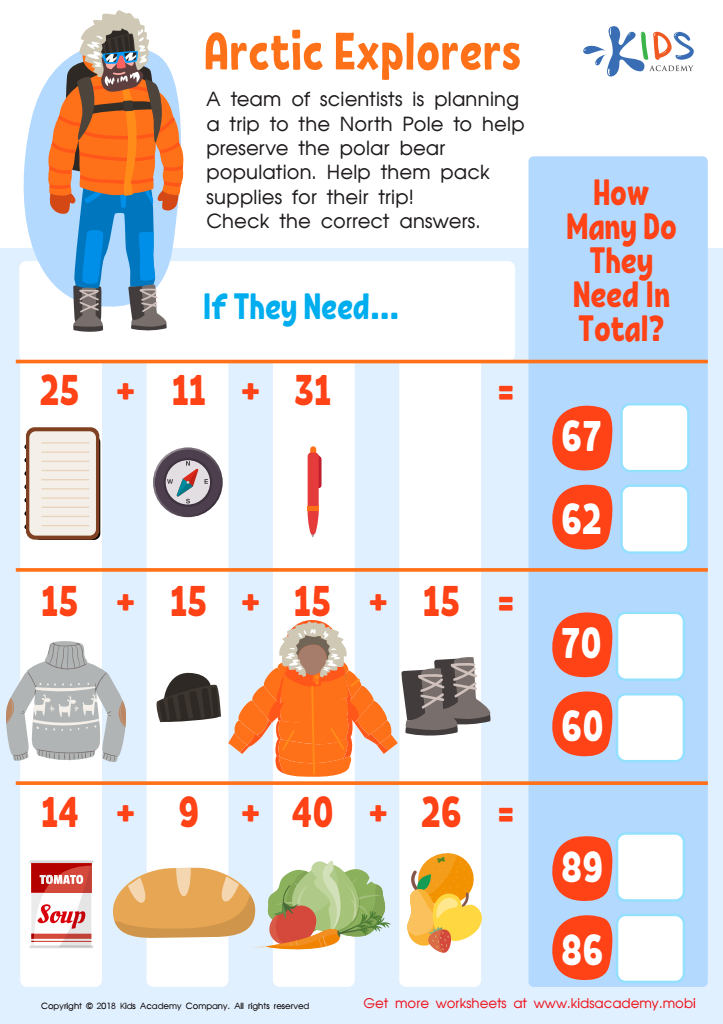
Arctic Explorers Worksheet
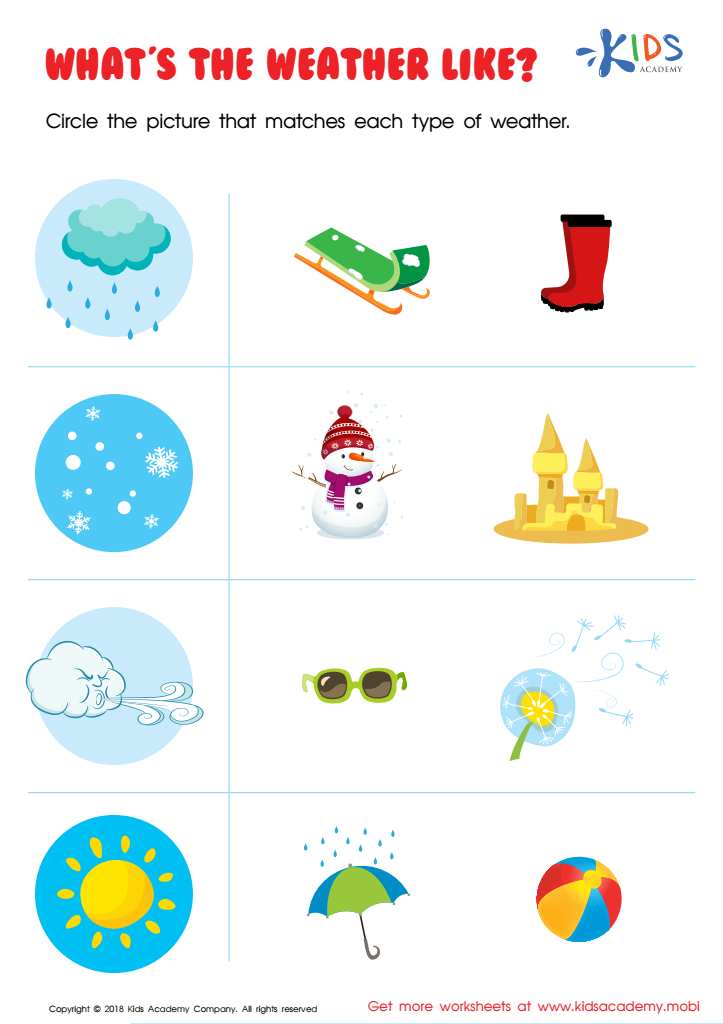
What's the Weather Like? Worksheet
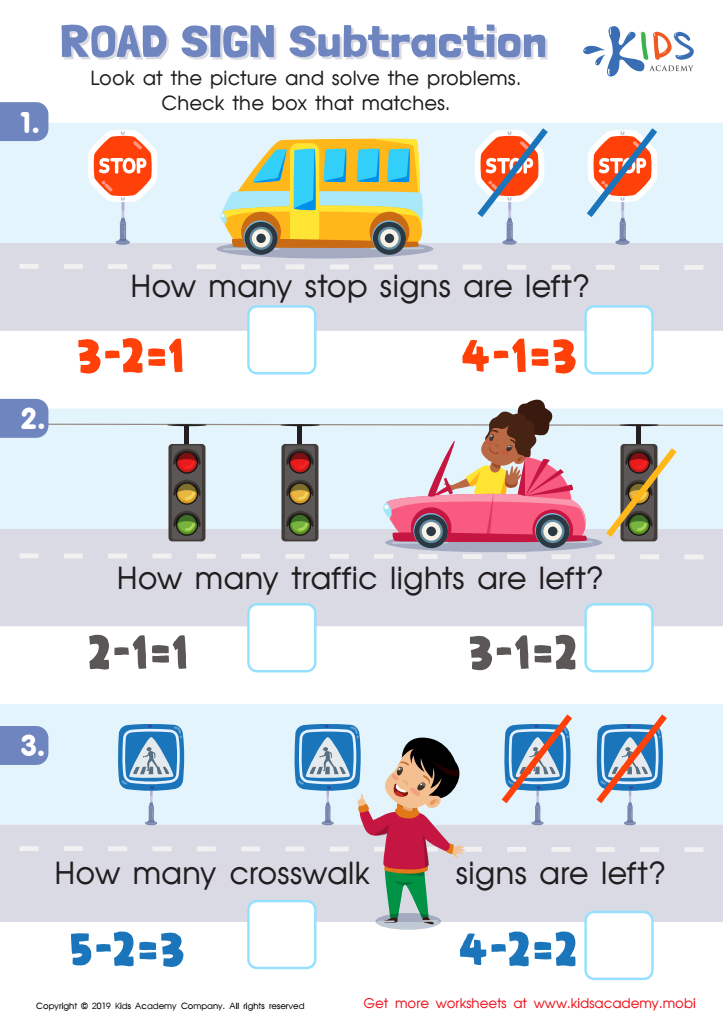
Road Sign Subtraction Worksheet
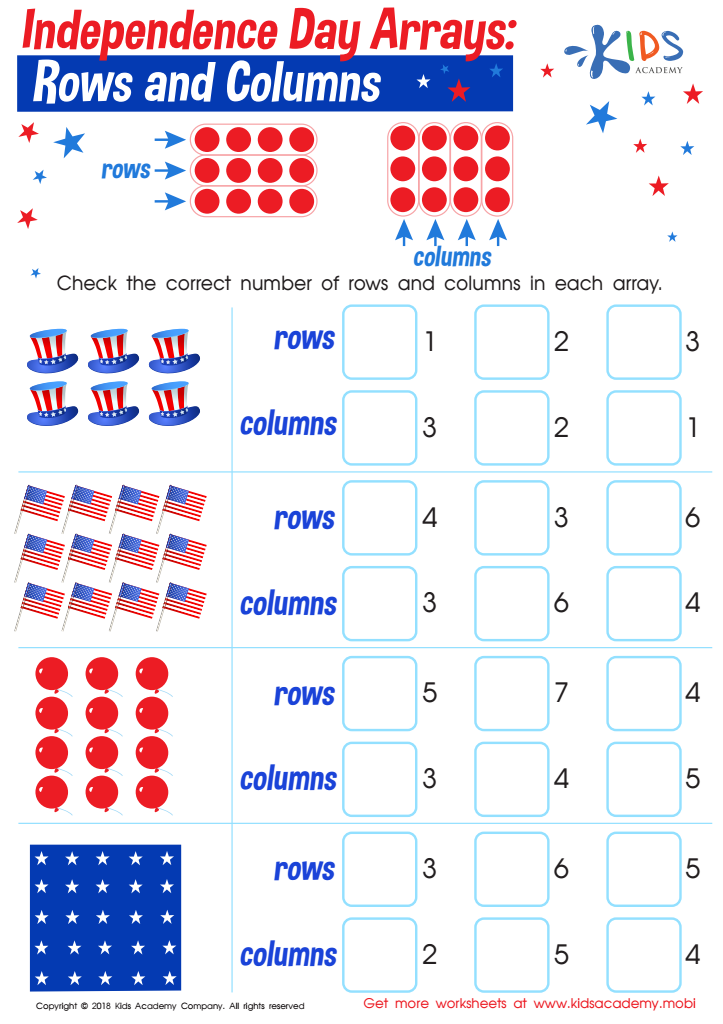
Independence Day Arrays: Rows and Columns Worksheet
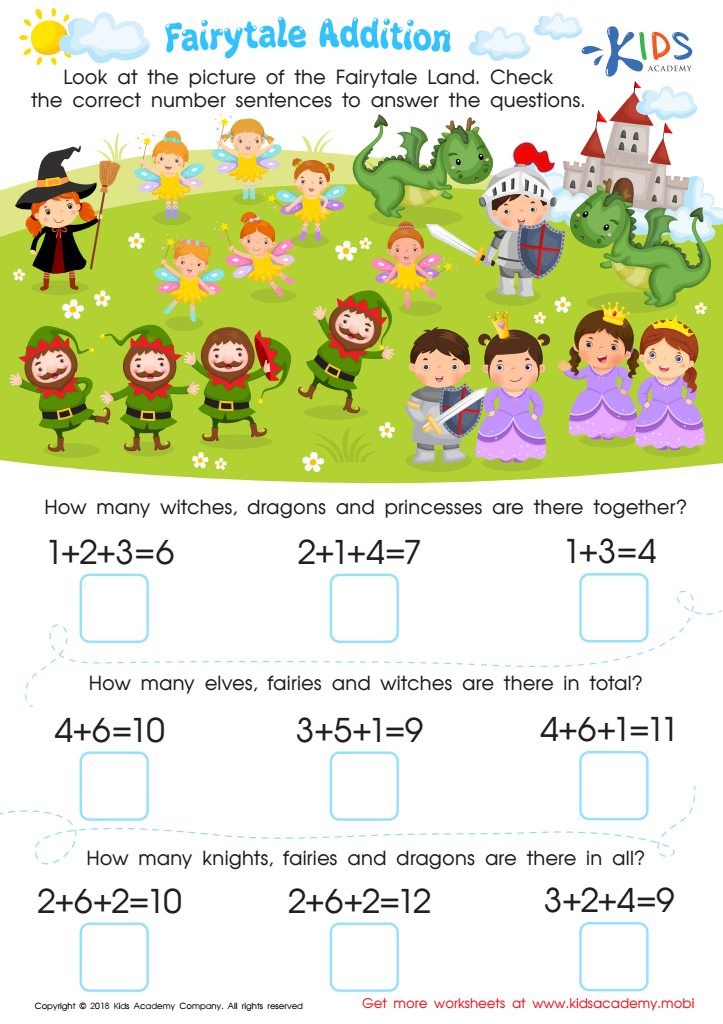
Fairytale Addition Worksheet
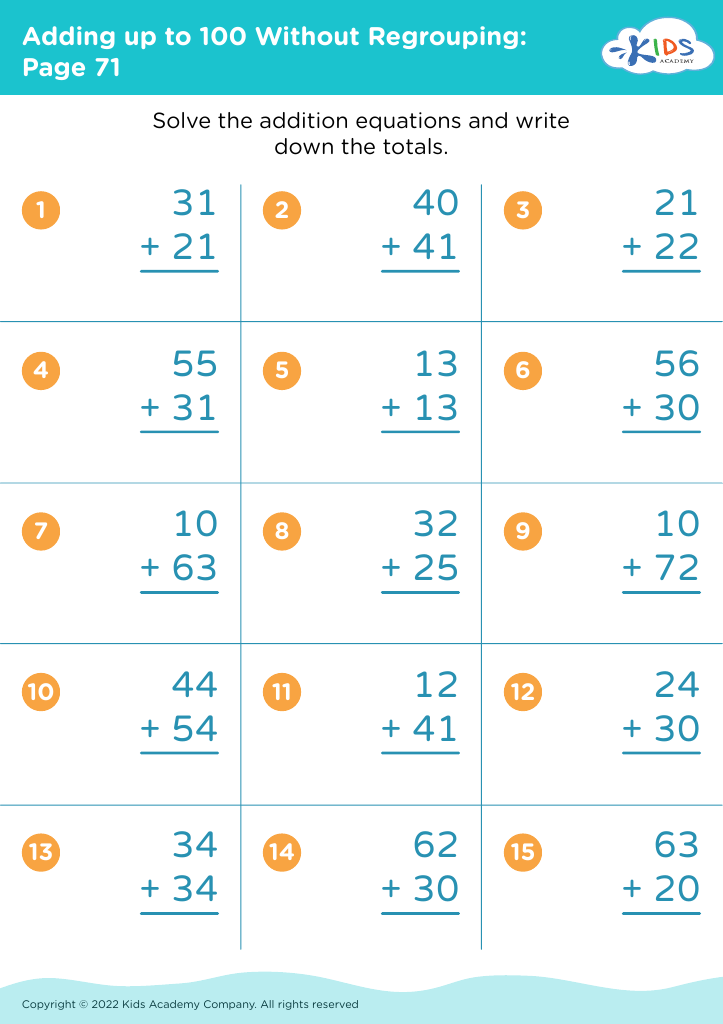
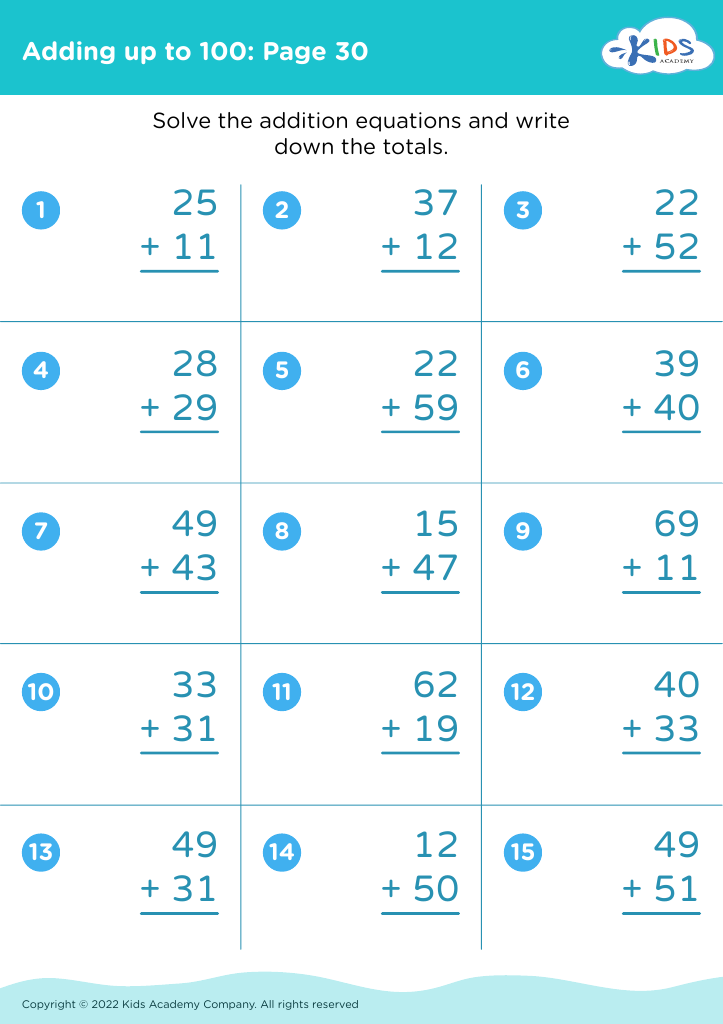
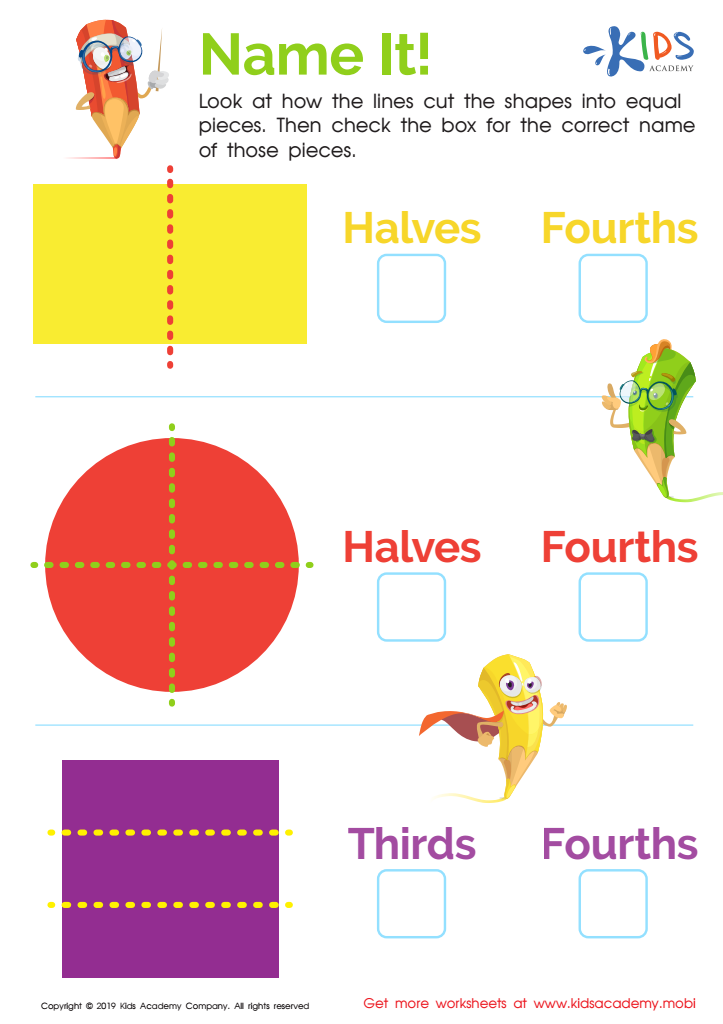
Name It! Worksheet
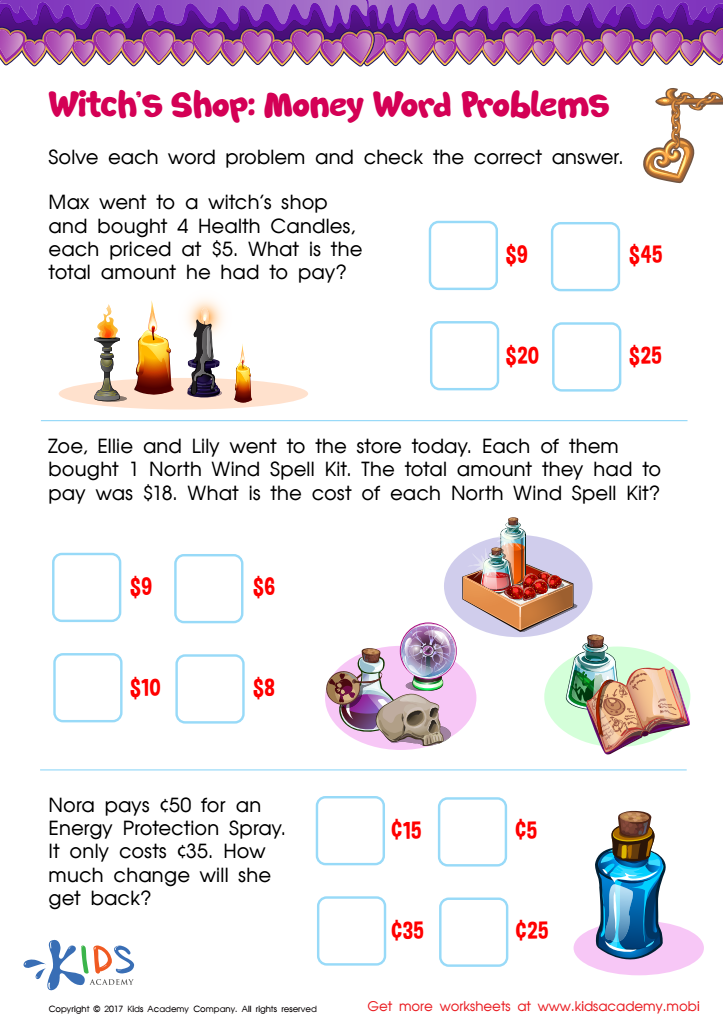
Money Word Problems Printable
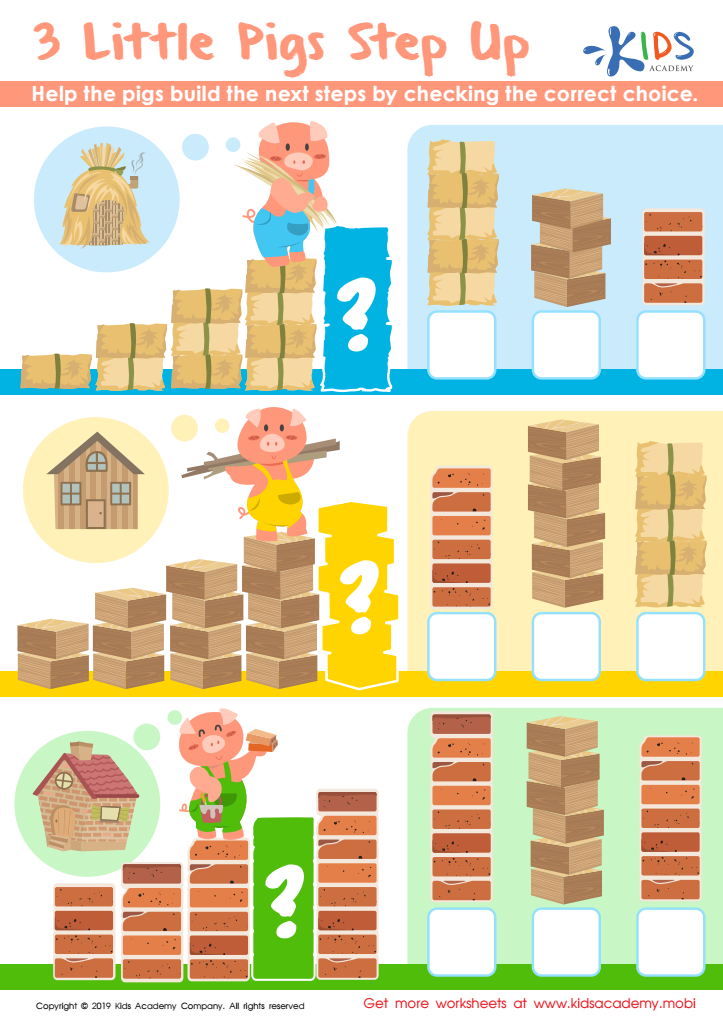
3 Little Pigs Step Up Worksheet








Reading comprehension in math is crucial for students' success because it enables them to understand, interpret, and solve problems accurately. Math isn't just about numbers; it often involves understanding story problems, instructions, and terminology, which require good reading skills. When students read a math problem, they need to be able to grasp what is being asked, identify relevant information, and ignore extraneous details. Strong reading comprehension skills help students follow multi-step directions, comprehend complex concepts, and apply learned strategies effectively.
Moreover, good reading comprehension helps students build connections between different areas of math and other subjects. For instance, understanding math word problems can improve critical thinking and analytical skills useful in science and everyday life. If students can't comprehend what they're reading in their math assignments, they're more likely to make errors, grow frustrated, or develop an aversion to the subject.
Therefore, parents and teachers should place equal emphasis on building both mathematical and reading comprehension skills. Providing opportunities for children to discuss math problems, break down word problems into manageable parts, and engage in reading activities that include mathematical content can foster a more comprehensive understanding and appreciation of both subjects. By nurturing these skills, we prepare students for a range of academic and real-world challenges.








