Subtraction practice Subtraction Worksheets - Page 2
36 filtered results
-
From - To
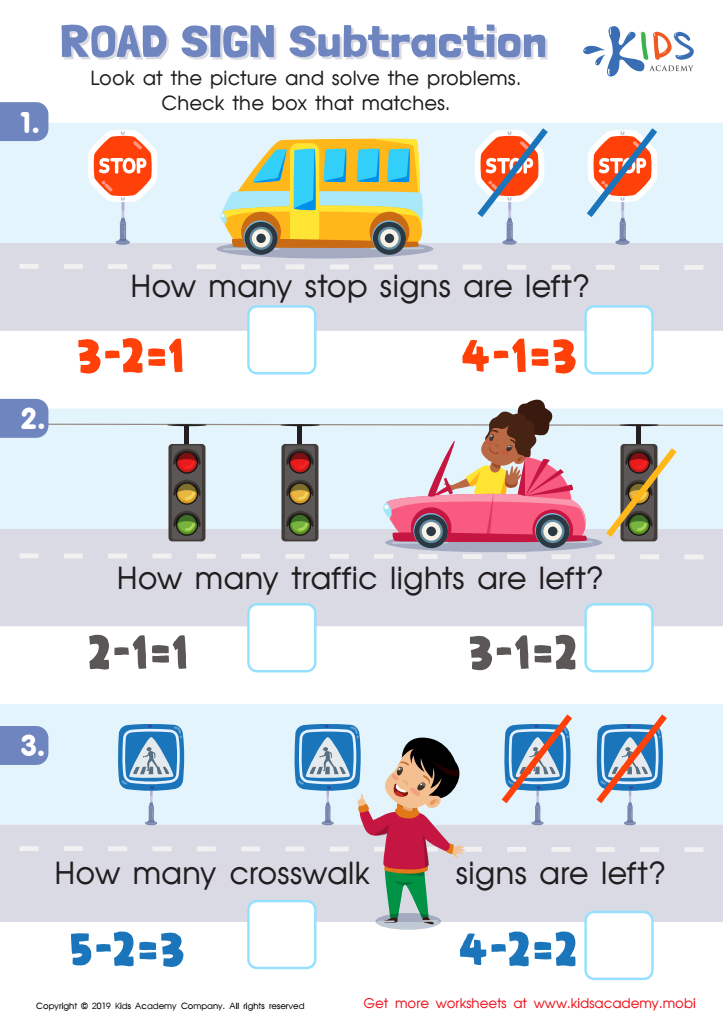
Road Sign Subtraction Worksheet
 Assign to My Students
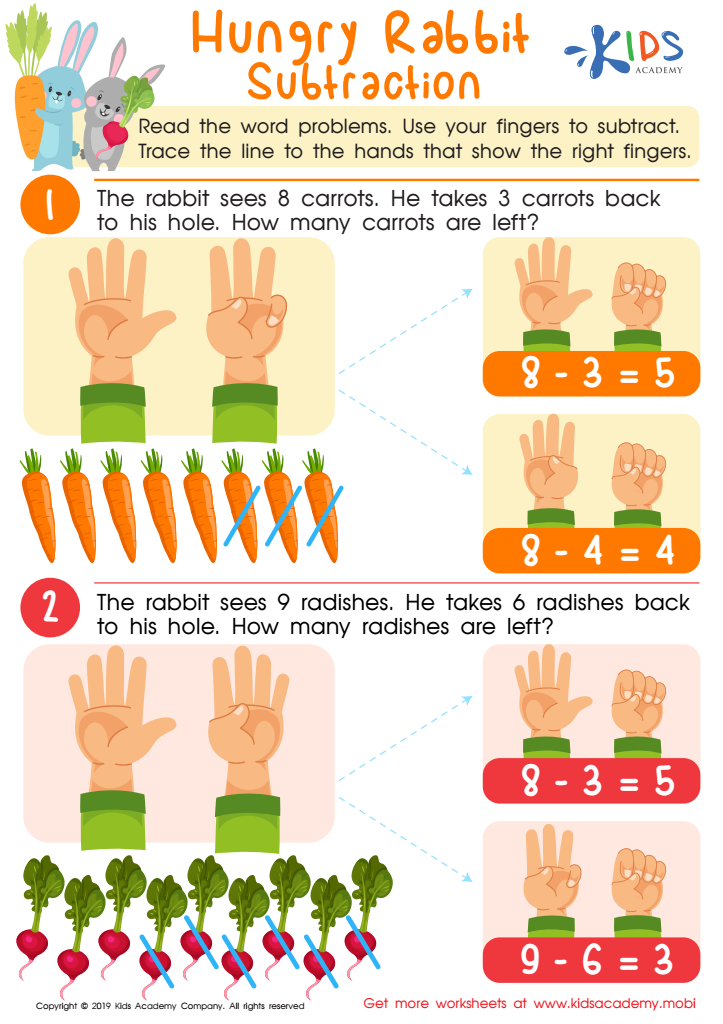
Hungry Rabbit Subtraction Worksheet
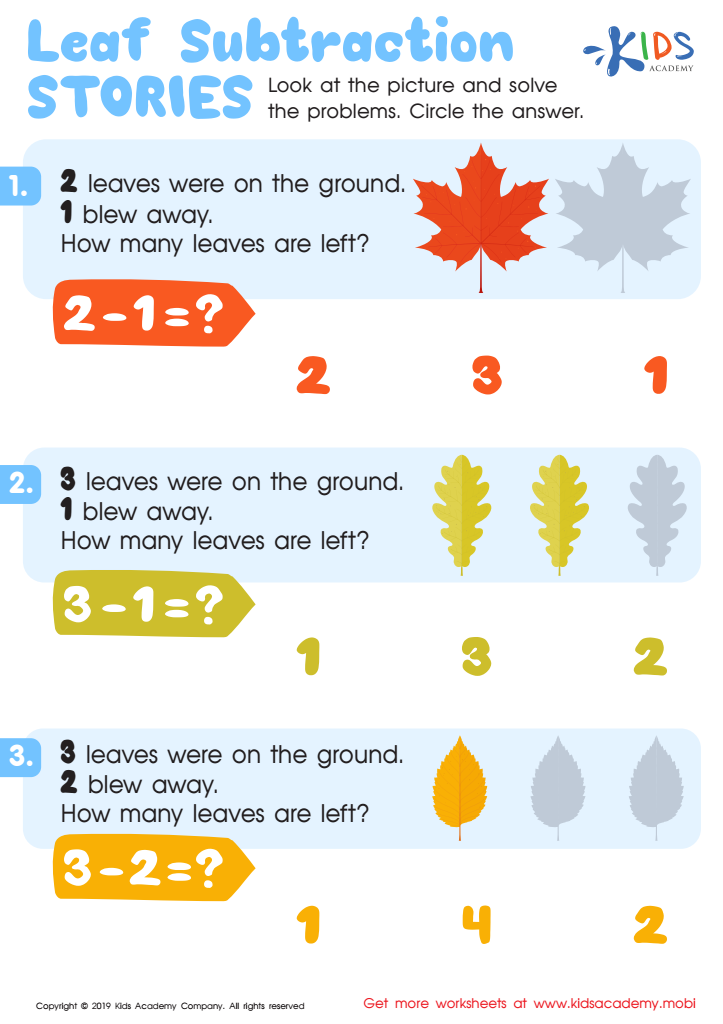
Leaf Subtraction Stories Worksheet
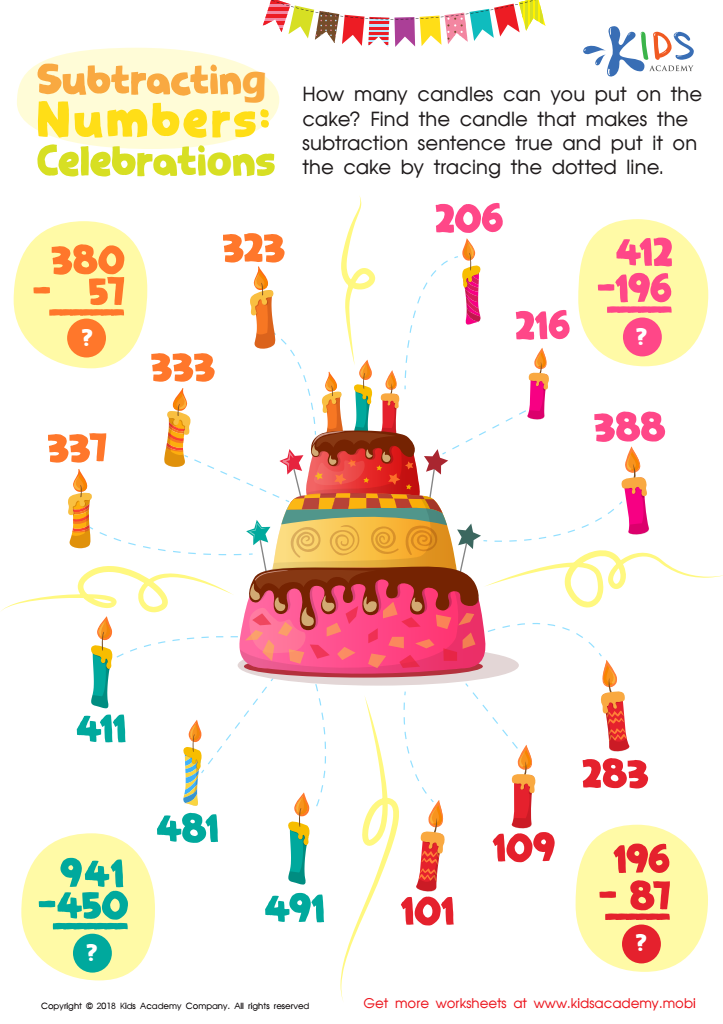
Subtracting Numbers: Celebrations Worksheet
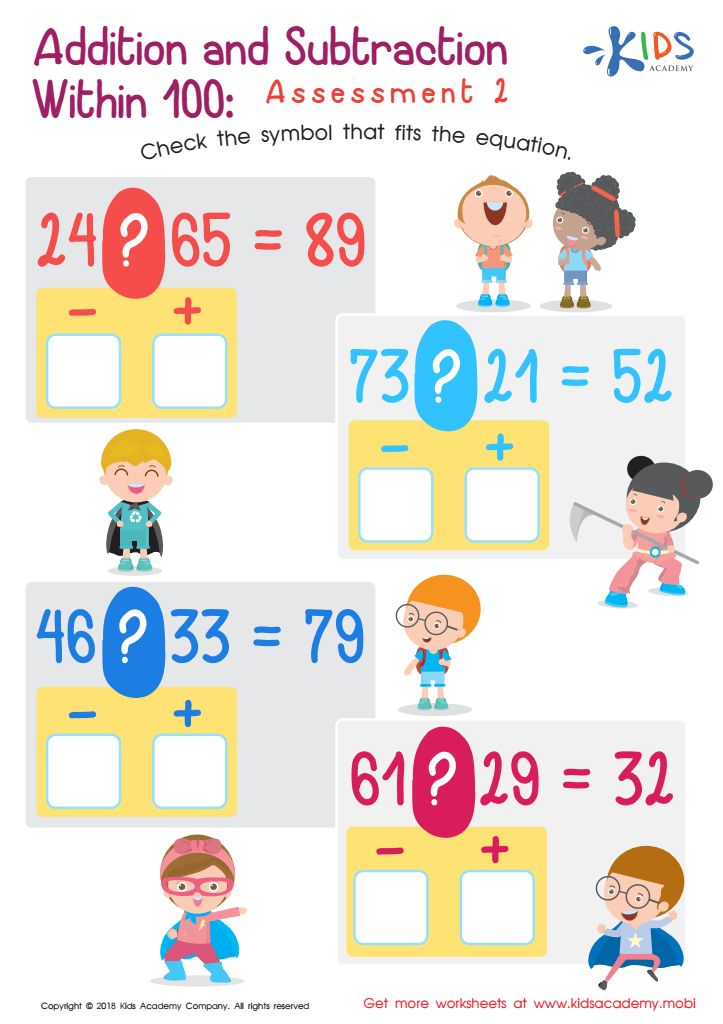
Addition and Subtraction Within 1: Assessment 2 Worksheet
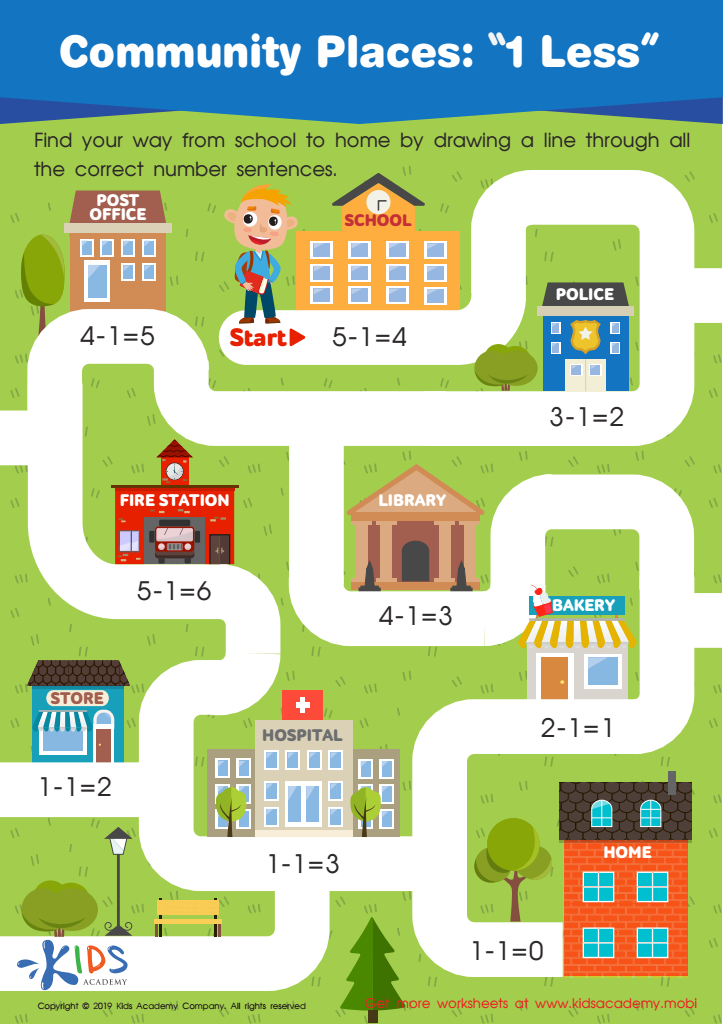
Community Places: 1 Less Worksheet
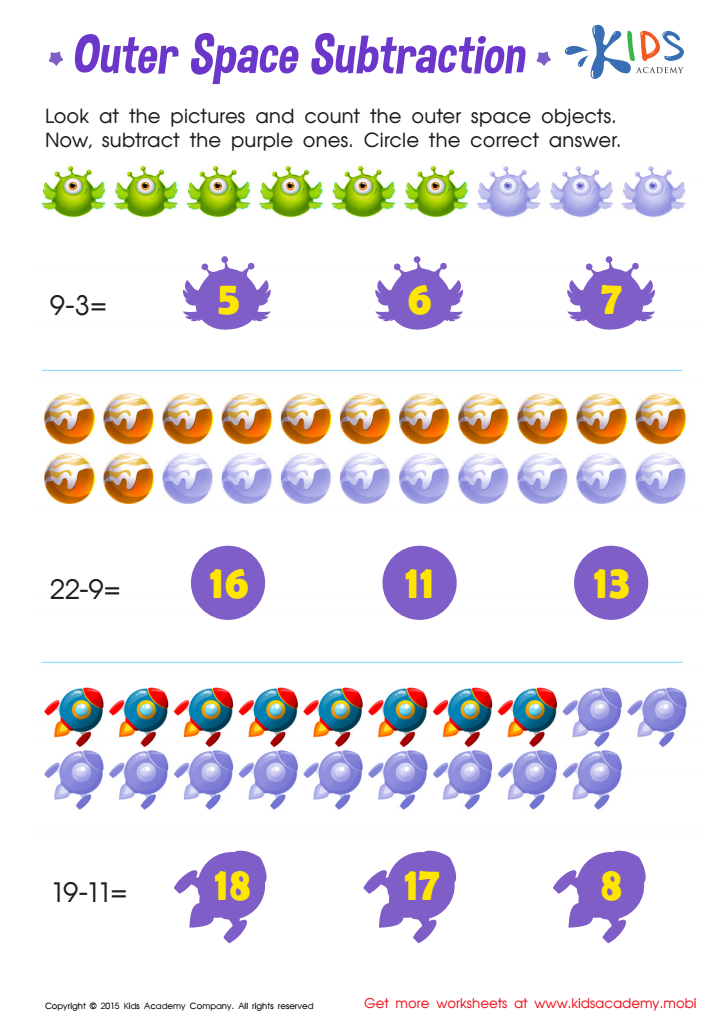
Outer Space Substraction Worksheet
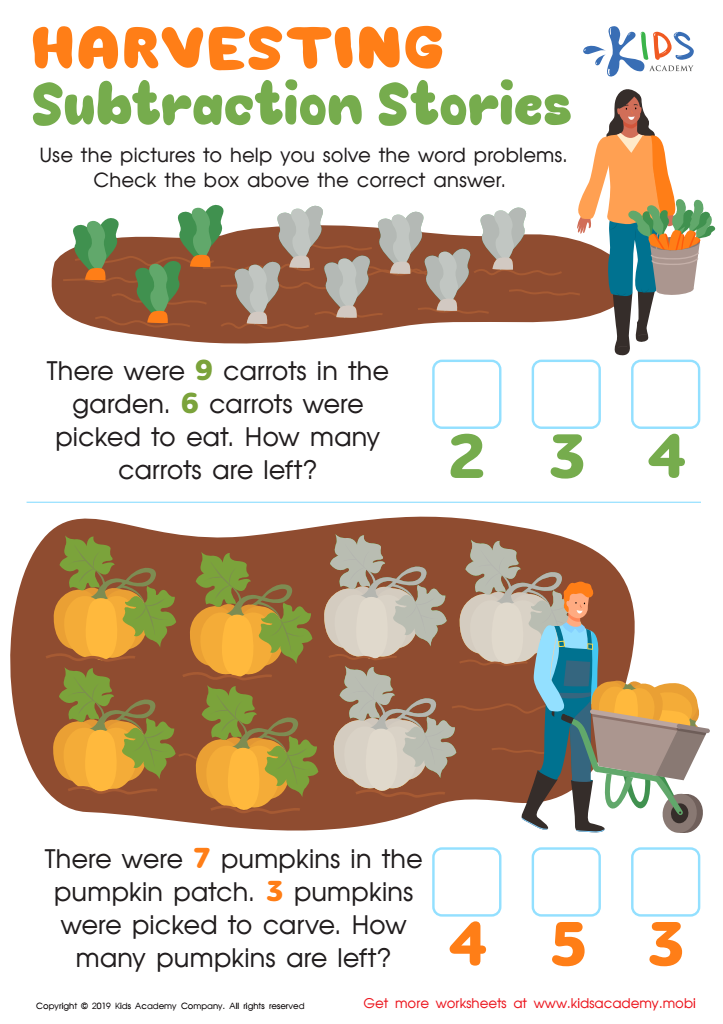
Harvesting Subtraction Stories Worksheet
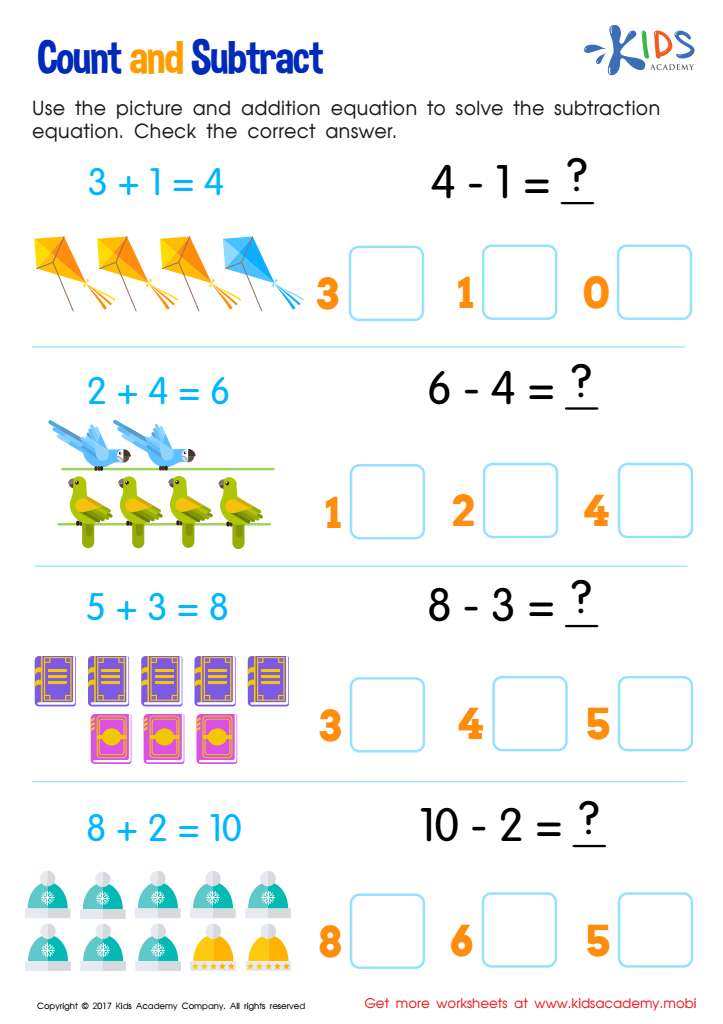
Count and Subtract Worksheet
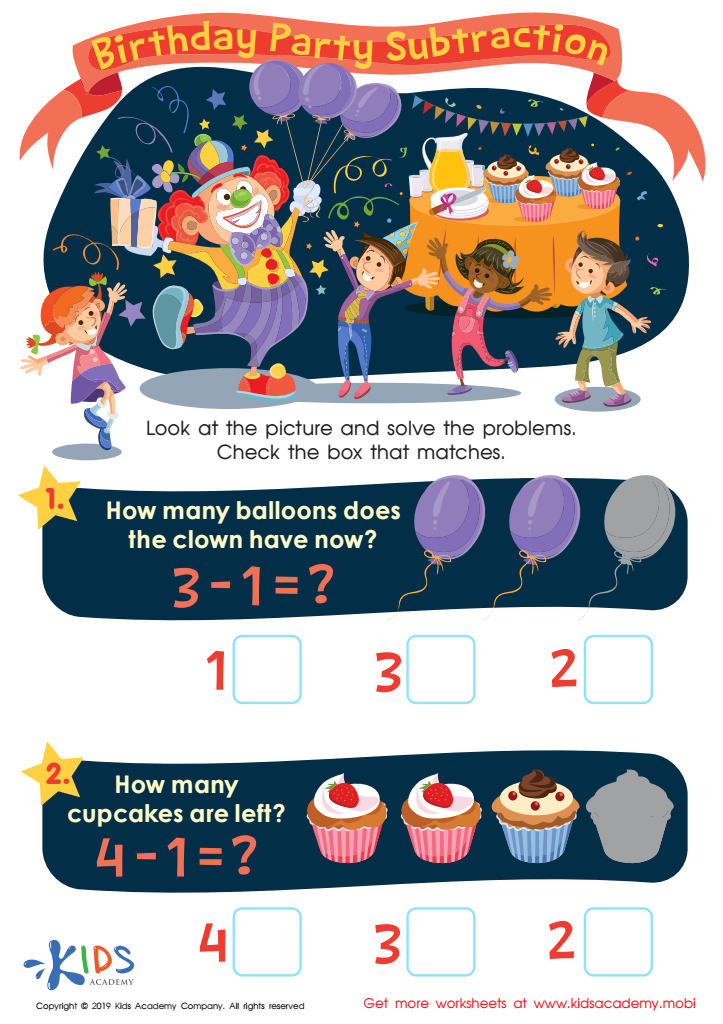
Birthday Party Subtraction Worksheet
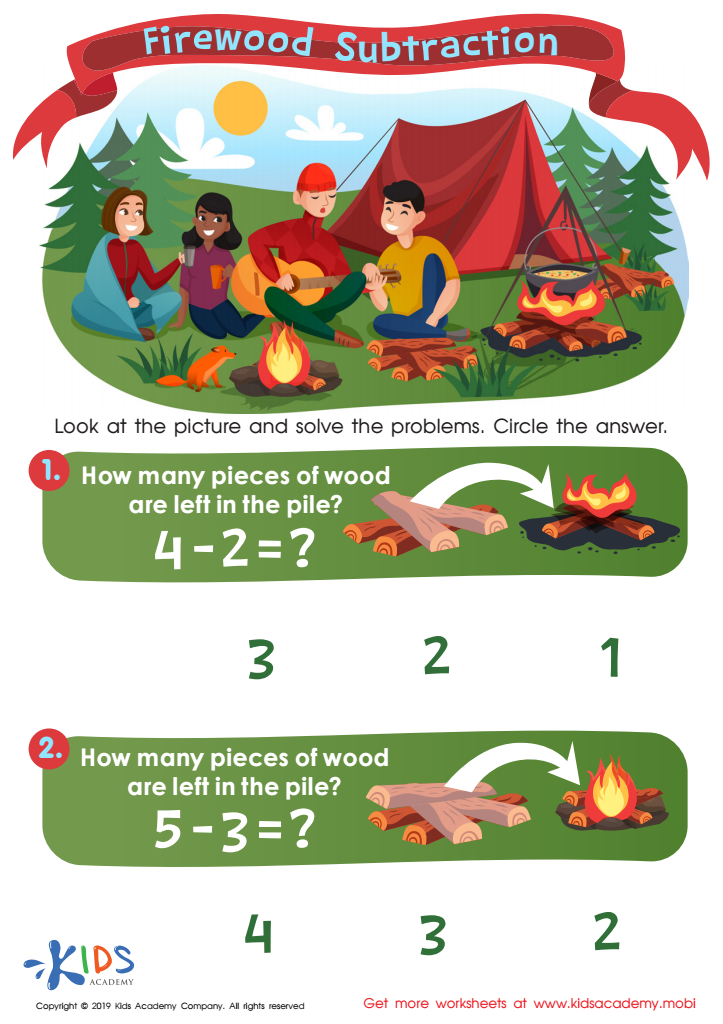
Firewood Subtraction Worksheet
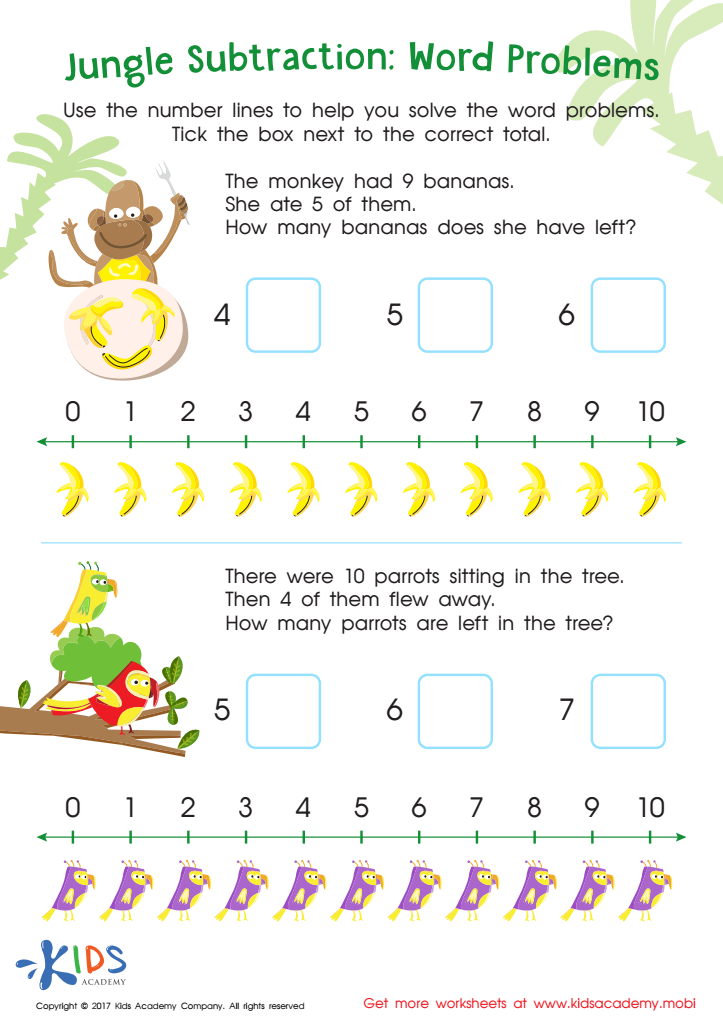
Jungle Subtraction Word Problems Substraction Worksheet







Practicing subtraction is essential for young learners' mathematical development and foundational understanding. Subtraction is a fundamental component of arithmetic and serves as the building block for more advanced math concepts, such as multiplication, division, and algebra. For parents and teachers, ensuring children practice subtraction helps them develop critical problem-solving skills and mathematical reasoning.
Subtraction practice aids in the development of a child’s number sense, which is the understanding of numbers and their relationships. This, in turn, enables children to tackle everyday tasks, from making change to understanding time and measurements. Regular practice also helps children build confidence and fluency, reducing anxiety and fostering a positive attitude toward math.
Incorporating subtraction into daily routines reinforces learning through practical application, making the concept more relatable and easier to grasp. It also aids cognitive development by improving memory, attention to detail, and logical thinking.
Ultimately, prioritizing subtraction practice equips children with essential skills needed for academic success and everyday life, fostering a lifelong appreciation and competence in mathematics. Consequently, parents and teachers play a pivotal role in creating engaging and supportive environments that nurture these essential skills from an early age.








